virtual-reality
(27)
Justin Barad Took the Long Way Back to Video Games
He left game development to learn medicine from the inside. A decade of training later, Justin Barad returned with a stranger he met online, savings from his bar mitzvah, and an operating room that could fit inside a headset.
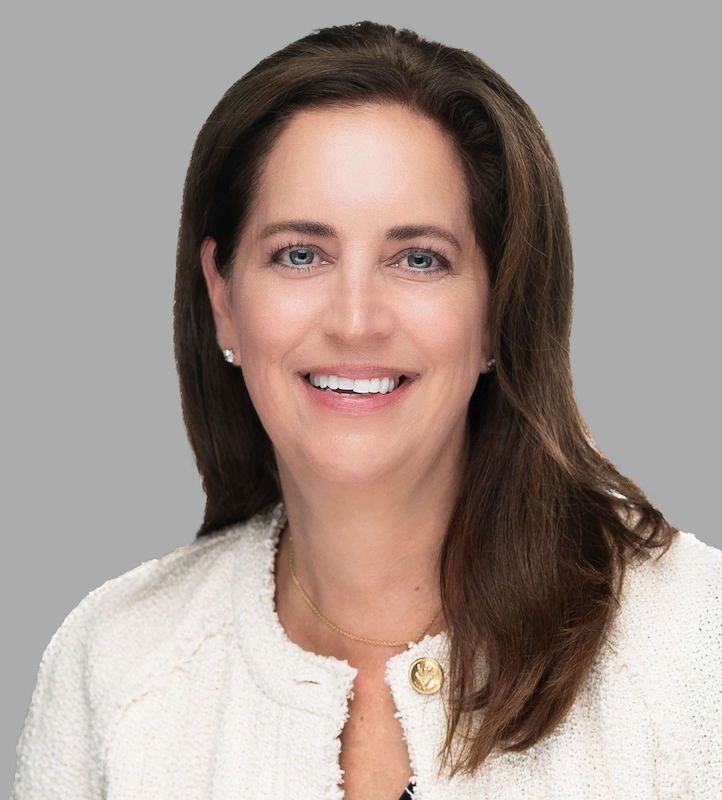
Heather Gervais Has Been Rehearsing the Future for Years
The Osso VR chief executive has built a career translating complicated technology into something people can actually use. Her method begins with an old lesson: improve the route, respect the team, and make room for practice.
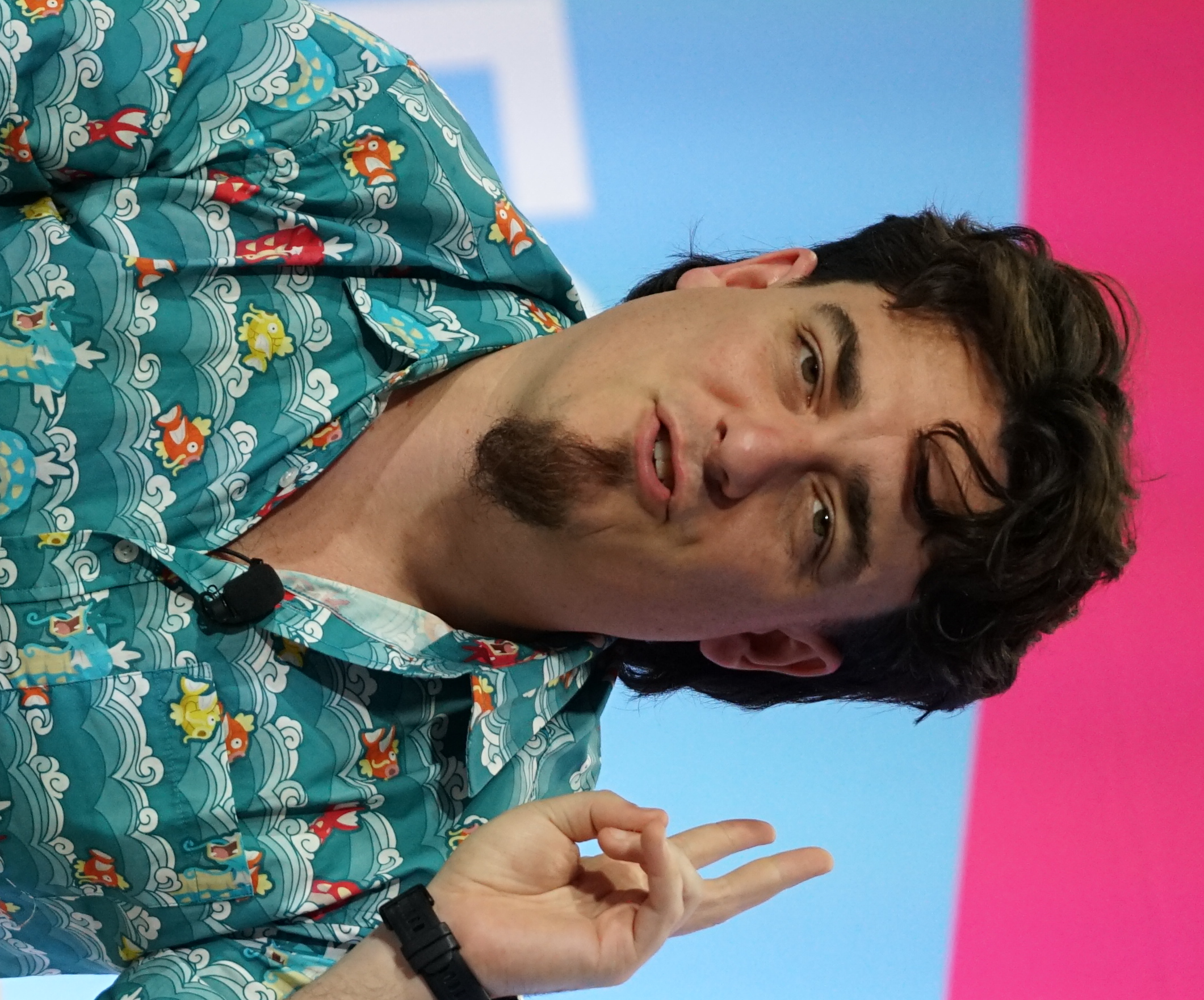
Palmer Luckey and the Second Life of the Garage Inventor
He built a headset in a trailer, sold the future to Facebook, then returned with drones, submarines and a Tolkien sword. Across two very different industries, Palmer Luckey has kept making the same wager: working hardware can change what institutions believe is possible.
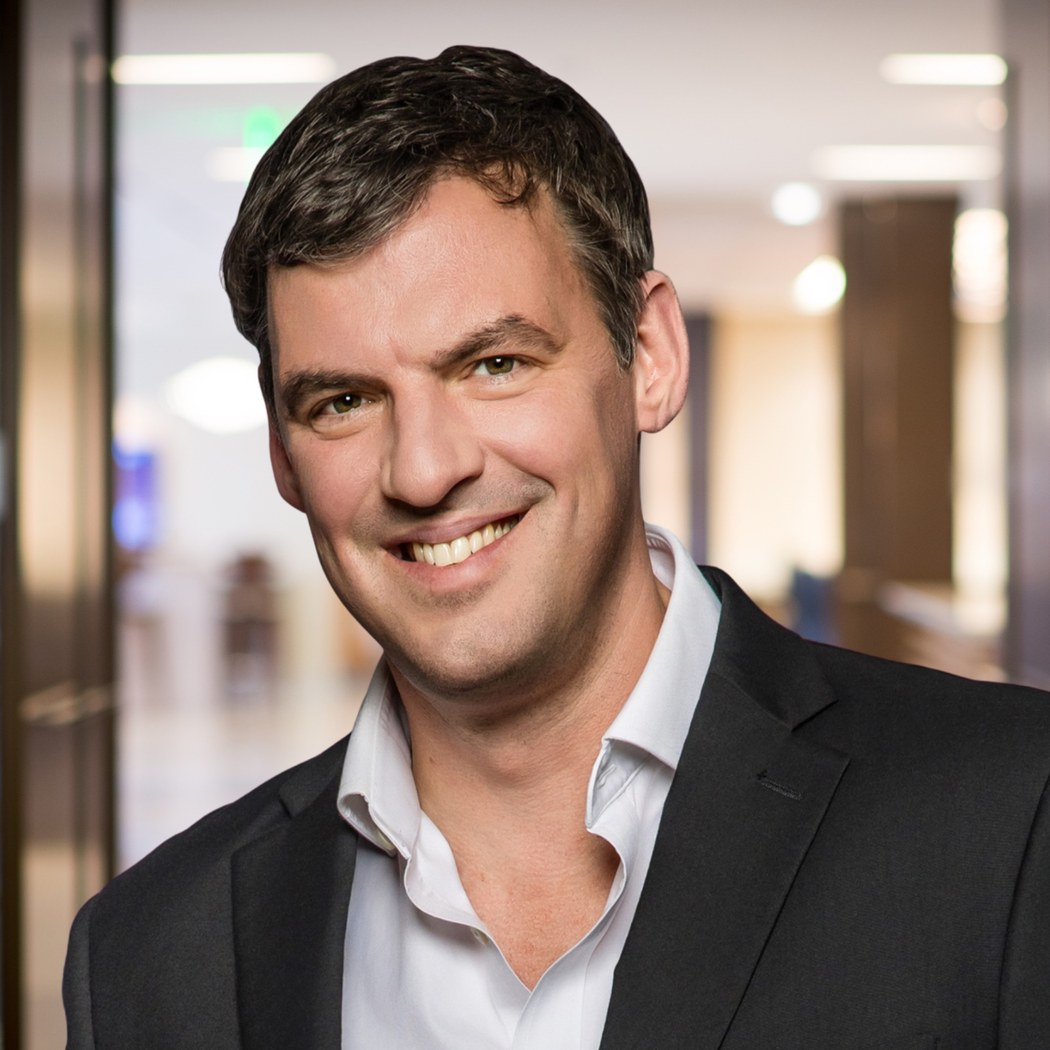
Aaron Brossoit Put Small-Town Ambition on the Big Screen
A self-taught web designer from St. Cloud built a career around an unlikely idea: small communities deserve inventive technology and a story worth remembering.

James Blaha Turned a VR Prototype Into a Decade-Long Company
A programmer entered eye care with a prototype, listened when clinicians dismantled his assumptions, and stayed long enough to turn an unusual VR experiment into research infrastructure.

Ryan Holmes Put Earth in a Headset. Now He Wants Dinner in One Sentence.
Ryan Holmes once sold his car to help finance a camera for space. A decade later, the JetBuy founder is chasing a more domestic frontier: ordering your usual with Siri before your thumb reaches the screen.

Seungjoon Lee Spent a Decade Learning How Close a Concert Can Get
The AMAZE co-founder began with a grand theory about the screen after mobile. Ten years, several pivots and a cinema full of headsets later, the idea that survived is disarmingly simple: put the fan where the expensive seat cannot.

Nanea Reeves Has Spent a Career Betting on the Screen After the Screen
Before most people wanted games on a phone, Nanea Reeves helped build them. Now the TRIPP co-founder is asking a stranger question: what if the next interface could change not merely what you see, but how you arrive?
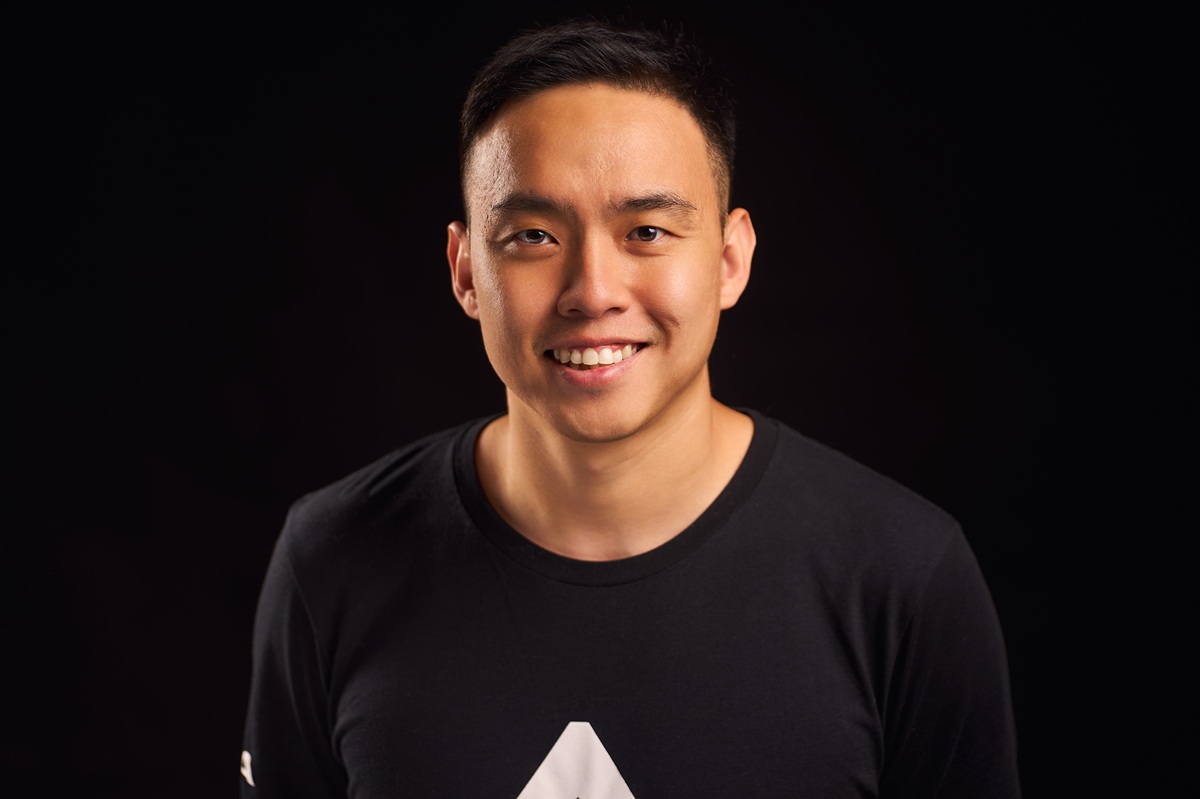
Andy Tsen Built a World. Then He Built the Tools to Make the Next One.
After Zenith topped Steam and Quest, its defining problem appeared after launch. Andy Tsen turned that lesson into Aura, an AI assistant designed around the unglamorous work of shipping games.
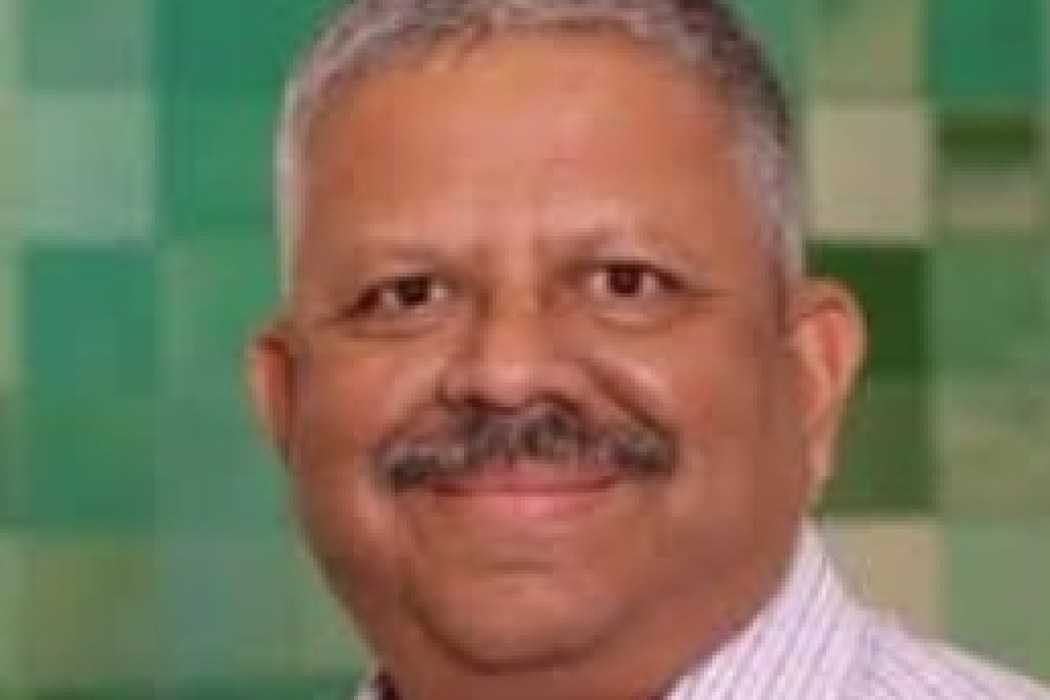
Sankar Jayaram
Sankar (Jay) Jayaram is the co-founder and CEO of Quintar, a Santa Clara startup building augmented reality experiences for live sports. A former Washington State University engineering professor who founded the school's virtual reality lab in 1994, he co-founded VOKE with his wife Uma Jayaram, sold it to Intel in 2016, and served as CTO of Intel Sports before spinning out Quintar in 2021. Quintar became the official AR developer for the PGA Tour and shipped PGA Tour Vision for Apple Vision Pro.

Shubham Mishra
Shubham Mishra is the co-founder and Global CEO of Pixis, a Burlingame, California company building codeless AI infrastructure that lets marketers deploy AI models without writing code. He dropped out of BITS Pilani to build a virtual reality headset with the startup Absentia, then pivoted into AI-driven marketing and grew Pixis from an early bet on AI to roughly $85M in ARR, raising $209M across its funding rounds. His pitch is consistent: strip the friction out of AI so any team can use it in minutes, not months.
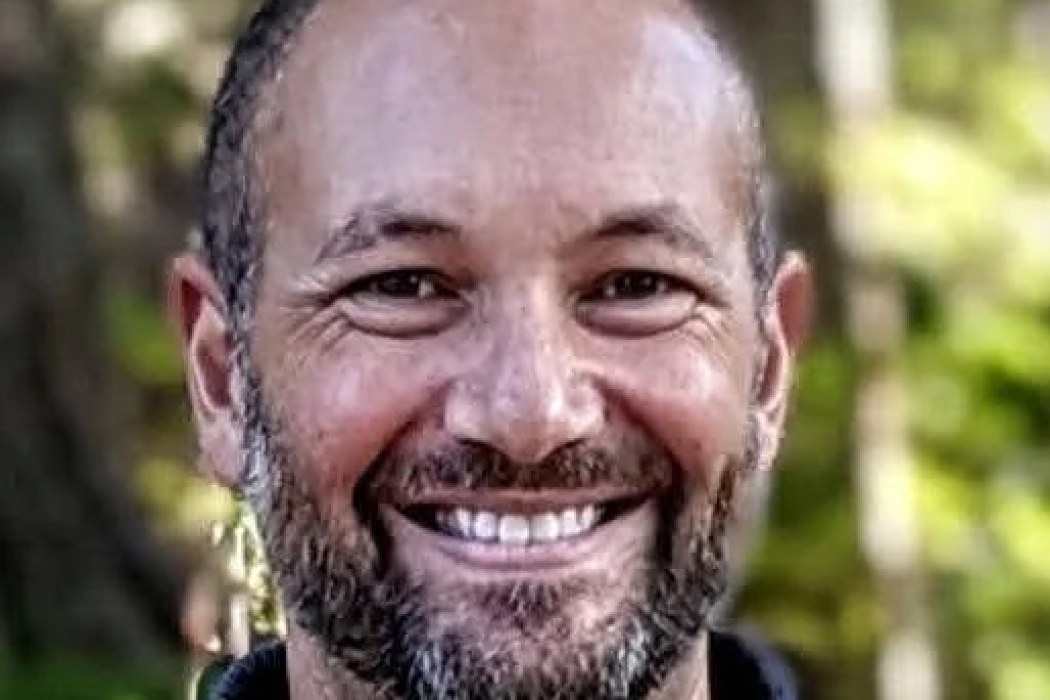
Steve Arnold
Steve Arnold is the CEO of E-Line Media, the video game developer and publisher behind the BAFTA- and Peabody-winning Never Alone (Kisima Ingitchuna), Beyond Blue, and the upcoming Never Alone 2 and Neighborhoods. He has been making games professionally since 2003, starting at Electronic Arts, where he rose from production intern on the Tiger Woods PGA Tour series to Executive Producer working across EA Partners and the Origin store, with credits on Rock Band, The Beatles: Rock Band and Alice: Madness Returns. In May 2014 he joined Oculus, becoming Head of Oculus Studios in June 2016 and running the company's first-party and partner content slate through November 2019, a period covering Lone Echo, Robo Recall, The Climb, Chronos and Journey of the Gods, with partnerships spanning Epic, Insomniac, Ubisoft, Marvel and Lucasfilm. He then founded his own studio, Imagination Games, and ToyChest.AI, an early-stage venture using computer vision to let ordinary physical toys unlock content in games without special hardware. At E-Line he now leads a studio whose work sits in the permanent collection of the Museum of Modern Art and has reached more than 25 million players.

Olga Dogadkina
Olga Dogadkina is the co-founder and CEO of Emperia, a London-based immersive commerce platform that builds virtual stores and 3D brand experiences for the world's biggest luxury and retail names, including Dior, Burberry, Bloomingdale's, Tommy Hilfiger, Harrods, Lacoste, Christie's and Dom Pérignon. Named to the Forbes 30 Under 30 Retail & Ecommerce list in 2025, she started Emperia in 2018 after trying VR for the first time on a Microsoft fashion project and deciding it would change the way people shop.

Kul Wadhwa
Kul Wadhwa is the CEO and founder of BeyondView, a San Francisco proptech company building photorealistic digital twins and game-like walkthroughs for commercial real estate. Before BeyondView, he spent six years at the Wikimedia Foundation, where he ran business development and mobile and launched Wikipedia Zero, bringing free Wikipedia access to over half a billion people in 22 developing-world countries.
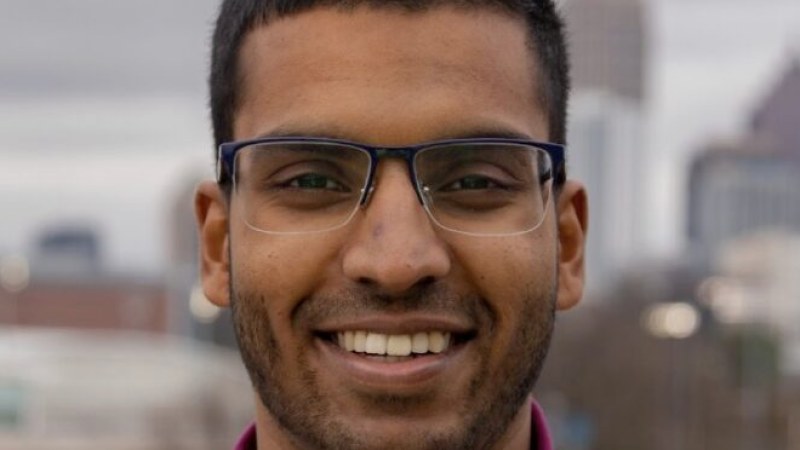
Aditya Vishwanath
Aditya Vishwanath is the co-founder and CEO of Inspirit, a Palo Alto edtech company that brings virtual and augmented reality into middle and high school STEM classrooms. A Georgia Tech computer scientist turned Stanford learning-sciences PhD, he built Inspirit to be the bridge between cutting-edge academic research and the everyday teacher. Before Inspirit he co-founded MakerGhat, a network of makerspaces for youth in low-income Mumbai neighborhoods. He is a Knight-Hennessy Scholar, Schmidt Futures Fellow, Ashoka Fellow, and a Forbes 30 Under 30 honoree in education.
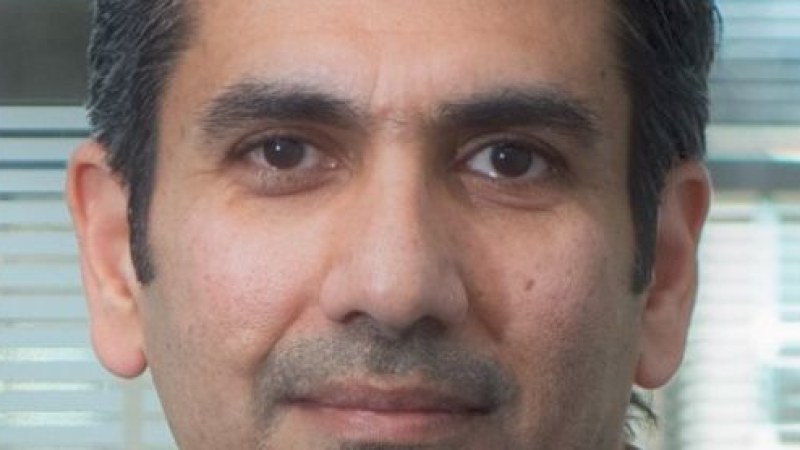
Ali Merchant
Ali Merchant is the founder and CEO of iQ3Connect, a Woburn, Massachusetts company building a web-based, ultrafast XR platform that lets enterprise teams step into shared 3D spaces for design review and training straight from a browser - no heavy installs, no specialized hardware required. An MIT-trained aeronautical engineer with a Ph.D. in turbomachinery, he spent two decades building high-performance 3D design and simulation software for aerospace before turning a decade-plus of MIT research into a platform that aims to make immersive 3D as easy to build as a slide deck and as collaborative as a video call.
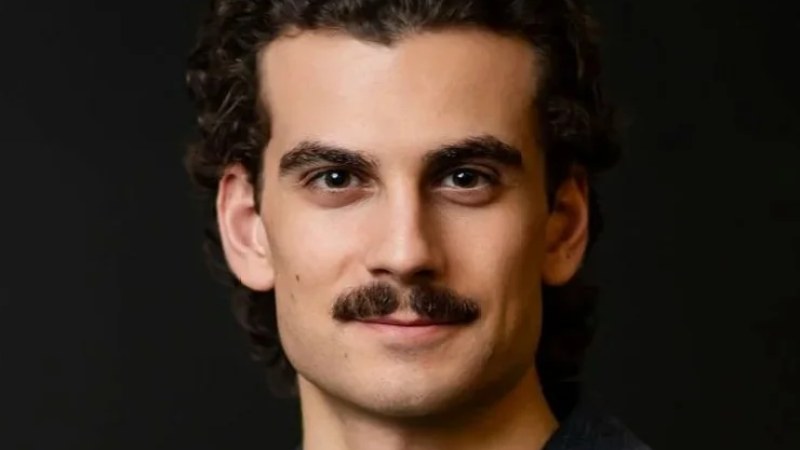
Raphael Certain
Raphael Certain is the founder and CEO of Clarity, a Franco-American neurotechnology company building a wearable virtual-reality headset that delivers personalized light and sound stimulation at gamma frequencies to support the aging brain. A self-taught entrepreneur who pivoted from marine biology to neurophysiology, he turned a master's thesis at the Neurodegenerative Diseases Institute in Bordeaux into a venture-backed company. By 24 he had raised more than $1.3 million, assembled an international team of 20-plus people across Paris and San Francisco, and built partnerships with leading universities in the US and UK.
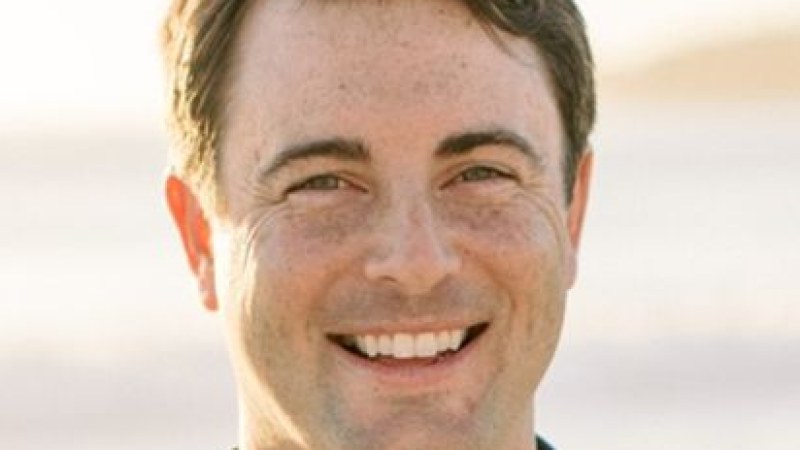
Chris O'Dowd
Chris O'Dowd is the co-founder and CEO of WIN Reality, an Austin-based virtual reality training platform for baseball and softball hitters. A former professional catcher who played six seasons in the minor leagues after starring at Dartmouth, he built WIN Reality with his father, longtime MLB executive Dan O'Dowd, to close the gap between practice speed and real game speed. The Meta Quest-based product lets players face game-speed pitching from a library of thousands of real pitchers, and is now used by youth players, more than 200 colleges, and a majority of MLB franchises. The company raised a $45M+ round led by Spectrum Equity in June 2022.
Darshan Shankar
Darshan Shankar is the founder and CEO of Bigscreen, the VR company that started as a social movie theater you could share with strangers and grew into a hardware maker shipping the Bigscreen Beyond, billed as the world's smallest VR headset. A self-described VR obsessive and UC Berkeley EECS graduate, he sold his first Y Combinator startup before turning the whole company toward virtual reality in 2014. Today Bigscreen builds quarter-pound headsets with custom 3D-scanned facepads and OLED microdisplays, ships to eight regions, and is on track to cross $100M in annual revenue.
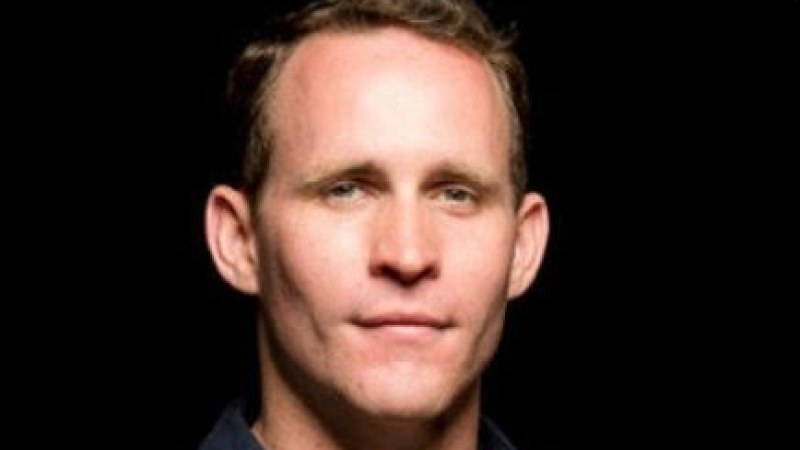
Will O'Brien
Will O'Brien is a serial entrepreneur, angel investor, and the CEO and co-founder of NFT Oasis, the metaverse platform owned and operated by Provenonce, Inc. A blockchain and gaming veteran, he co-founded and led Bitcoin security pioneer BitGo (later acquired by Galaxy Digital for $1.2B) and was named Bitcoin industry 'CEO of the Year' in 2014. Before that he ran corporate development at Big Fish Games and held operating roles at Keen IO and TrialPay. He has backed 70-plus early-stage startups, holds a Harvard computer science degree and an MIT Sloan MBA, and moonlights as an improvisational pianist.

Gavin Finn
Gavin Finn is the President and CEO of Kaon Interactive, the Maynard, Massachusetts software company whose interactive 3D, augmented reality, and virtual reality applications help the world's largest B2B enterprises tell complex product stories. An MIT-trained engineer who got hooked on artificial intelligence in grad school, he has run Kaon since 2005, teaches the next generation of leaders at the Tufts Gordon Institute, mentors and invests in startups, and was named CEO Forum Magazine's Transformative CEO of the Year in 2020.

Scott Xiao
Scott Xiao is the co-founder and CEO of Luminopia, a Boston-area digital therapeutics company whose lead product turns watching cartoons in a VR headset into an FDA-approved treatment for amblyopia, the leading cause of vision loss in children. He left Harvard with classmate Dean Travers to build the first VR-based therapeutic ever cleared by the FDA, partnering with Sesame Workshop, Nickelodeon, and DreamWorks for content and with Boston Children's Hospital and MIT for the science.
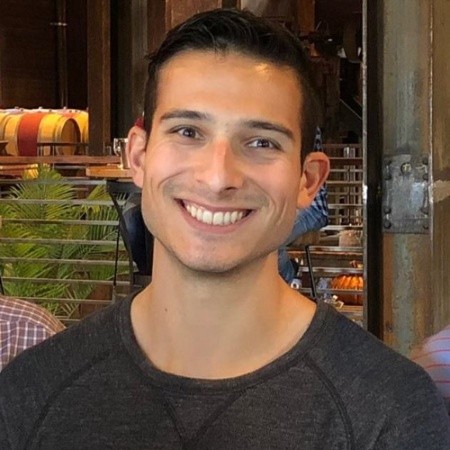
Graham Gaylor
Graham Gaylor is the co-founder and CEO of VRChat Inc., the social virtual reality platform he built from a single Reddit-recruited room in 2014 into a $500M company with millions of custom avatars and hundreds of thousands of user-created worlds. A Vanderbilt-trained mathematician and software engineer who backed the original Oculus Kickstarter, Gaylor has spent over a decade building the infrastructure for human connection in virtual space - a platform where avatars meet, worlds multiply, and the line between game and community blurs entirely.

Deepak Nagpal
Deepak Nagpal is the CEO of Audax Labs, a Bothell, Washington-based technology innovation company he has led since 2016. With a career spanning over two decades across NTT DATA, Capital One, and Interra Information Technologies, and an MBA from Oxford's Said Business School, he has built Audax Labs into a multi-practice consultancy operating across AR/VR/MR, AI, IoT, cloud migration, and data analytics - serving industries from automotive and healthcare to BFSI and government, with partnerships spanning Microsoft, Google, Amazon AWS, Hitachi Vantara, Oracle, and Rocket Software.
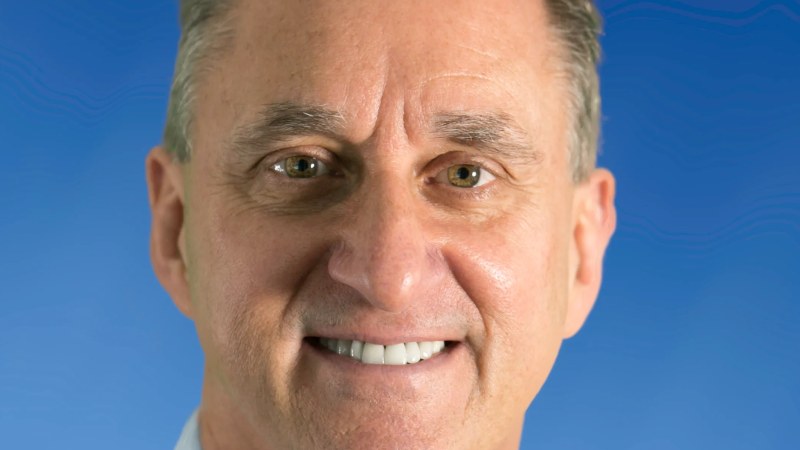
Paul Kellenberger
Paul Kellenberger is the CEO and President of zSpace, Inc., a San Jose-based company that pioneered display-based augmented and virtual reality for education. Rather than strapping headsets onto students, zSpace built a 24-inch 3D screen with head-tracking and a haptic stylus - no goggles required. Under Kellenberger's leadership, zSpace expanded from zero revenue in career technical education to 50% of its pipeline in that segment, served over 2,400 U.S. schools, and took the company public on Nasdaq in December 2024 under ticker ZSPC. With more than 70 patents, research partnerships with NC State showing 40% better retention rates, and recent acquisitions of BlocksCAD and Second Avenue Learning, Kellenberger is pushing immersive learning into the mainstream of American education.
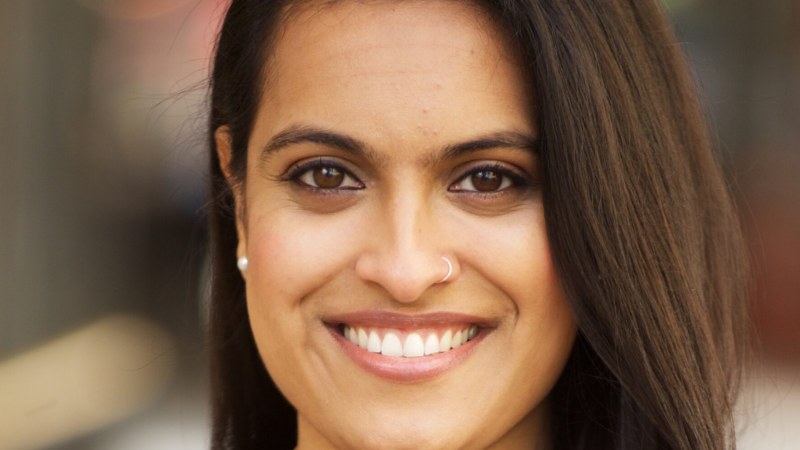
Anurupa Ganguly
Anurupa Ganguly is the founder and CEO of Prisms, a spatial learning platform that uses virtual reality to teach core math and science to middle and high school students. A former math and physics teacher with degrees from MIT and Boston University, she built Prisms after a decade-plus in education leadership at Boston Public Schools and the NYC Department of Education. Backed by Andreessen Horowitz with $18.4M raised, Prisms now reaches 300,000+ students across 300+ school districts in 35 states, delivering measurable gains in algebra and science comprehension through embodied, problem-driven VR experiences.
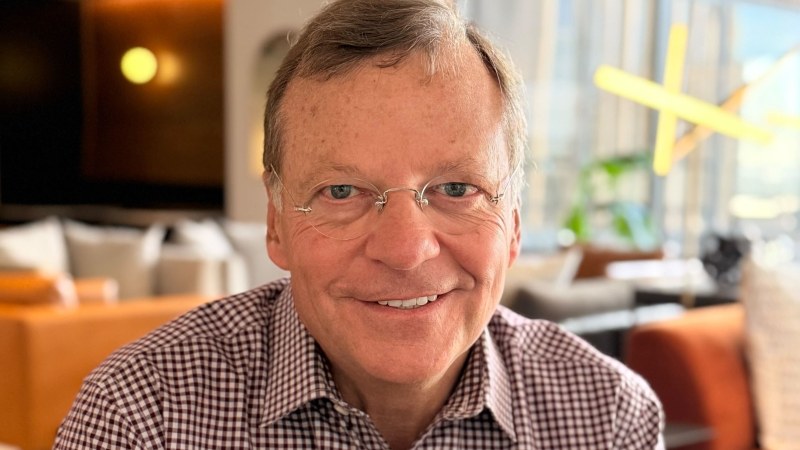
Mark Atkinson
Mark Atkinson is the Co-Founder and CEO of Mursion, an AI-powered immersive learning platform that blends live human performers with artificial intelligence to create realistic practice simulations for professional development. An Emmy Award-winning television producer turned serial edtech entrepreneur, Atkinson has spent over two decades building technology ventures at the intersection of human capital development and innovation. Before Mursion, he co-founded Teachscape, a pioneering video-based teacher observation platform that became central to the Gates Foundation's Measures of Effective Teaching project. Under his leadership, Mursion has grown to serve more than a third of Fortune 100 companies, delivering 18 million-plus minutes of simulation-based training across healthcare, education, corporate, and hospitality sectors.