virtual-reality
(47)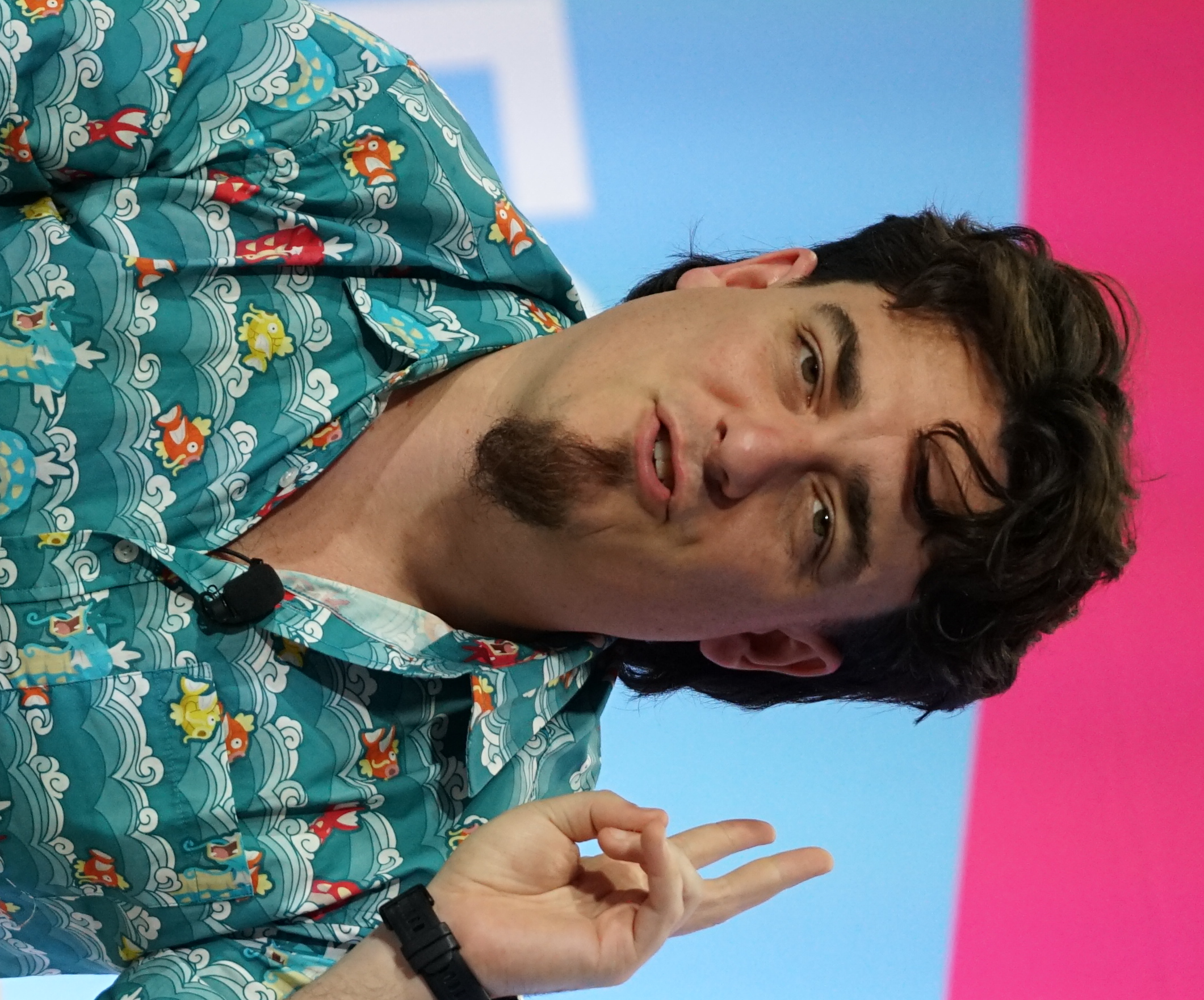
Palmer Luckey and the Second Life of the Garage Inventor
He built a headset in a trailer, sold the future to Facebook, then returned with drones, submarines and a Tolkien sword. Across two very different industries, Palmer Luckey has kept making the same wager: working hardware can change what institutions believe is possible.

Aaron Brossoit Put Small-Town Ambition on the Big Screen
A self-taught web designer from St. Cloud built a career around an unlikely idea: small communities deserve inventive technology and a story worth remembering.

The Agency That Sells Places Nobody Was Searching For
Golden Shovel Agency made a business out of a civic headache: how do you persuade a factory, a family or a site selector to notice one community among thousands? Its answer is part software, part storytelling and part long-term outsourced marketing department.

Pure Imagination Studios puts a zombie apocalypse in a taco truck
The studio behind Alien: Descent and LEGO screen adventures turns familiar stories into places people can enter. Its next setting is a $41 million studio and learning center in Kansas.

Holovis Builds the Part of the Magic You Are Not Supposed to Notice
The British company turns cameras, code, screens, sound and scenery into attractions for the names above the gate. Its real product is the seam between spectacle and reliable operation.

The $880,000 Shelf Bet: InContext Solutions Built a Store Where Failure Is Cheap
Before a retailer resets 22,000 displays, InContext Solutions lets the bad ideas lose inside a digital twin. What began as custom virtual-store research is now a software, services and AI business built around one useful proposition: make the expensive mistake on a screen.
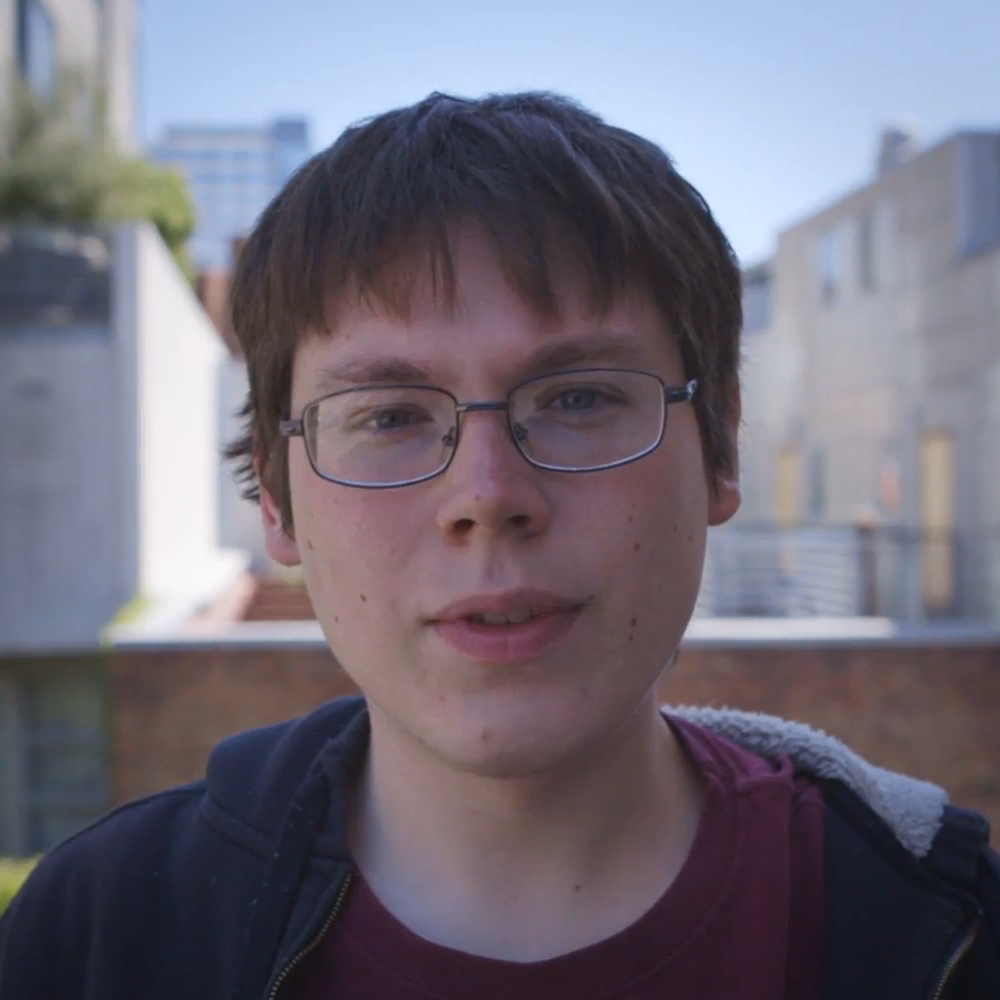
James Blaha Turned a VR Prototype Into a Decade-Long Company
A programmer entered eye care with a prototype, listened when clinicians dismantled his assumptions, and stayed long enough to turn an unusual VR experiment into research infrastructure.

Ryan Holmes Put Earth in a Headset. Now He Wants Dinner in One Sentence.
Ryan Holmes once sold his car to help finance a camera for space. A decade later, the JetBuy founder is chasing a more domestic frontier: ordering your usual with Siri before your thumb reaches the screen.

Seungjoon Lee Spent a Decade Learning How Close a Concert Can Get
The AMAZE co-founder began with a grand theory about the screen after mobile. Ten years, several pivots and a cinema full of headsets later, the idea that survived is disarmingly simple: put the fan where the expensive seat cannot.

Nanea Reeves Has Spent a Career Betting on the Screen After the Screen
Before most people wanted games on a phone, Nanea Reeves helped build them. Now the TRIPP co-founder is asking a stranger question: what if the next interface could change not merely what you see, but how you arrive?

The Garage That Sold Google Cardboard, Then Sold America Its Whole VR Stack
A bootstrapped LA outfit began by folding cardboard goggles in a garage. A decade and 10,000-plus headsets later, it sells the whole spatial-computing stack to hospitals, factories and defense labs.

Sony Sells the Console at a Loss. The Real Money Starts When You Turn It On.
Inside Sony Interactive Entertainment - the PlayStation maker that turned a spurned Nintendo partnership into 93 million consoles sold, 125 million monthly players, and a $31 billion games business built on selling hardware cheap and everything after it dear.
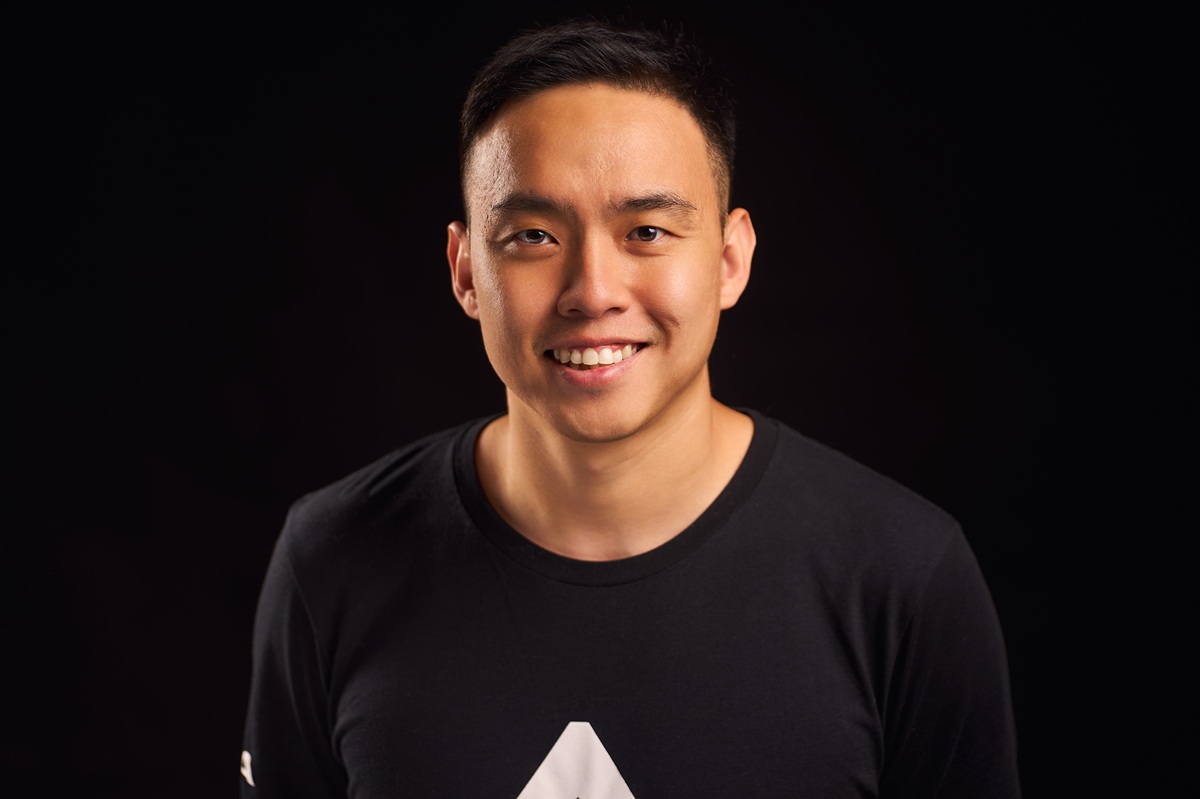
Andy Tsen Built a World. Then He Built the Tools to Make the Next One.
After Zenith topped Steam and Quest, its defining problem appeared after launch. Andy Tsen turned that lesson into Aura, an AI assistant designed around the unglamorous work of shipping games.

Andretti Indoor Karting & Games
The racing surname is real, the karts hit real speed, and the business behind them is quietly turning empty afternoons into corporate team-building budgets - one 14-venue location at a time.

Arimac Digital
Arimac Digital is a full-stack digital product engineering company founded in Sri Lanka in 2011 and now operating out of Colombo, Dubai and beyond. It builds enterprise-grade web, mobile, AI, immersive and robotics products for global brands across fintech, telecom, aviation and consumer sectors - clients include Emirates, Etihad, Coca-Cola, Tesco, Visa and Ooredoo. With 400+ specialists, 850+ solutions delivered and a claimed 330 million+ digital lives reached, Arimac positions itself as one of South Asia's leading engineering-led digital studios, and made headlines building Diyazen, Sri Lanka's first humanoid robot.

Sankar Jayaram
Sankar (Jay) Jayaram is the co-founder and CEO of Quintar, a Santa Clara startup building augmented reality experiences for live sports. A former Washington State University engineering professor who founded the school's virtual reality lab in 1994, he co-founded VOKE with his wife Uma Jayaram, sold it to Intel in 2016, and served as CTO of Intel Sports before spinning out Quintar in 2021. Quintar became the official AR developer for the PGA Tour and shipped PGA Tour Vision for Apple Vision Pro.

Shubham Mishra
Shubham Mishra is the co-founder and Global CEO of Pixis, a Burlingame, California company building codeless AI infrastructure that lets marketers deploy AI models without writing code. He dropped out of BITS Pilani to build a virtual reality headset with the startup Absentia, then pivoted into AI-driven marketing and grew Pixis from an early bet on AI to roughly $85M in ARR, raising $209M across its funding rounds. His pitch is consistent: strip the friction out of AI so any team can use it in minutes, not months.
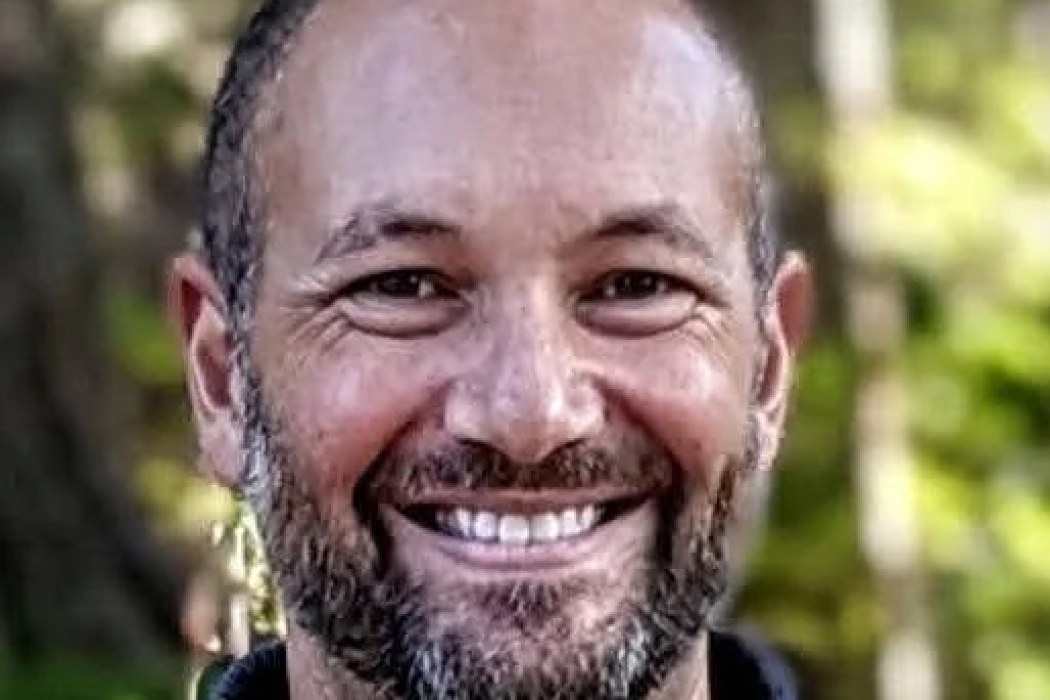
Steve Arnold
Steve Arnold is the CEO of E-Line Media, the video game developer and publisher behind the BAFTA- and Peabody-winning Never Alone (Kisima Ingitchuna), Beyond Blue, and the upcoming Never Alone 2 and Neighborhoods. He has been making games professionally since 2003, starting at Electronic Arts, where he rose from production intern on the Tiger Woods PGA Tour series to Executive Producer working across EA Partners and the Origin store, with credits on Rock Band, The Beatles: Rock Band and Alice: Madness Returns. In May 2014 he joined Oculus, becoming Head of Oculus Studios in June 2016 and running the company's first-party and partner content slate through November 2019, a period covering Lone Echo, Robo Recall, The Climb, Chronos and Journey of the Gods, with partnerships spanning Epic, Insomniac, Ubisoft, Marvel and Lucasfilm. He then founded his own studio, Imagination Games, and ToyChest.AI, an early-stage venture using computer vision to let ordinary physical toys unlock content in games without special hardware. At E-Line he now leads a studio whose work sits in the permanent collection of the Museum of Modern Art and has reached more than 25 million players.

Emperia
Emperia is a London-based immersive commerce platform that lets brands and retailers build browser-based, cross-device virtual stores that blend e-commerce accessibility with gaming-style engagement. Founded in 2019 by Olga Dogadkina and Simonas Holcmann, its no-code, SaaS platform has powered virtual retail spaces for Dior, Bloomingdale's, Ralph Lauren, Burberry, Lacoste, Tommy Hilfiger, Hugo Boss and Christie's, reporting sharply higher conversion versus traditional online storefronts.

Vivid Vision
Vivid Vision is a San Francisco medical technology company that turns virtual reality headsets into tools for vision care. Founded in 2014 by programmer James Blaha, who built the first prototype to treat his own lazy eye, the company started with VR games for amblyopia and strabismus and now runs two lines: a clinical and at-home vision therapy suite used in clinics across 50+ countries, and Vivid Vision Perimetry (VVP), a VR-based visual field test being adopted as a digital endpoint in pharmaceutical clinical trials for glaucoma, AMD, and geographic atrophy.

Olga Dogadkina
Olga Dogadkina is the co-founder and CEO of Emperia, a London-based immersive commerce platform that builds virtual stores and 3D brand experiences for the world's biggest luxury and retail names, including Dior, Burberry, Bloomingdale's, Tommy Hilfiger, Harrods, Lacoste, Christie's and Dom Pérignon. Named to the Forbes 30 Under 30 Retail & Ecommerce list in 2025, she started Emperia in 2018 after trying VR for the first time on a Microsoft fashion project and deciding it would change the way people shop.

Inspirit
Inspirit is a Palo Alto-based education technology company building a spatial-computing platform that brings virtual and augmented reality into STEM, career, and workforce learning. Its no-login library of 270+ interactive 3D models and simulations runs across VR headsets like Meta Quest and Pico as well as ordinary Chromebook browsers, letting teachers and trainers plan, run, and track immersive lessons without heavy hardware budgets. Founded by Stanford Graduate School of Education researchers, Inspirit grounds its content in learning science and is used across hundreds of school districts and, increasingly, in workforce and justice-reentry programs.

Plympton, Inc.
Plympton is a literary studio that reinvents how fiction is written, distributed, and read in the digital age. Founded in 2011 by journalist Jennifer 8. Lee and novelist Yael Goldstein Love, the company borrows the Hollywood development model - working with authors from the idea stage - and applies it to serialized fiction, short stories, and experimental formats. Plympton launched the first Kindle Serials for Amazon, acquired the email-serialization pioneer DailyLit, built the curated reading app Rooster, crowdsourced fresh covers for public-domain classics, curated Amazon Original Stories collections, put free short fiction on the NYC subway, and adapted literature into virtual reality.

Pressman Film
Pressman Film is a Los Angeles-based independent production company founded in 1969 by the late producer Edward R. Pressman and now led by his son, CEO Sam Pressman. With more than 100 motion pictures to its name - including Badlands, Conan the Barbarian, Wall Street, The Crow and American Psycho - the company has a long history of backing risky, director-driven cinema before the rest of Hollywood catches on. Today it is expanding into television, virtual-reality storytelling (the Cate Blanchett/Terrence Malick VR piece Evolver), stage work and experimental, blockchain-enabled film financing that lets everyday fans invest in its development slate.

Tesseract
Tesseract (Jio Tesseract) is an MIT Media Lab spin-off and Jio Platforms/Reliance Industries subsidiary building India's mixed reality stack: consumer devices like the JioDive VR headset (Rs 1,299), JioGlass smart glasses, and JioFrames AI glasses, plus enterprise XR platforms for training and remote assistance. Founded in 2015 by Kshitij Marwah, acquired 92.7% by Reliance in May 2019, it calls itself India's biggest XR and AI company, reaching 50+ million consumers and 50+ enterprise clients.

Kul Wadhwa
Kul Wadhwa is the CEO and founder of BeyondView, a San Francisco proptech company building photorealistic digital twins and game-like walkthroughs for commercial real estate. Before BeyondView, he spent six years at the Wikimedia Foundation, where he ran business development and mobile and launched Wikipedia Zero, bringing free Wikipedia access to over half a billion people in 22 developing-world countries.
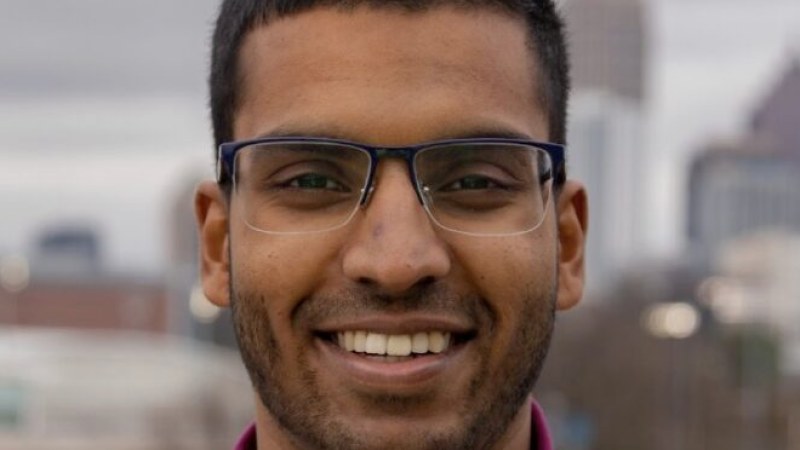
Aditya Vishwanath
Aditya Vishwanath is the co-founder and CEO of Inspirit, a Palo Alto edtech company that brings virtual and augmented reality into middle and high school STEM classrooms. A Georgia Tech computer scientist turned Stanford learning-sciences PhD, he built Inspirit to be the bridge between cutting-edge academic research and the everyday teacher. Before Inspirit he co-founded MakerGhat, a network of makerspaces for youth in low-income Mumbai neighborhoods. He is a Knight-Hennessy Scholar, Schmidt Futures Fellow, Ashoka Fellow, and a Forbes 30 Under 30 honoree in education.
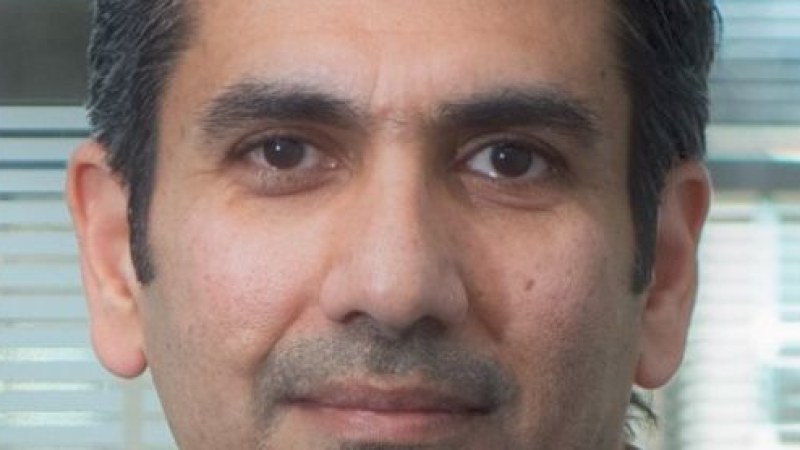
Ali Merchant
Ali Merchant is the founder and CEO of iQ3Connect, a Woburn, Massachusetts company building a web-based, ultrafast XR platform that lets enterprise teams step into shared 3D spaces for design review and training straight from a browser - no heavy installs, no specialized hardware required. An MIT-trained aeronautical engineer with a Ph.D. in turbomachinery, he spent two decades building high-performance 3D design and simulation software for aerospace before turning a decade-plus of MIT research into a platform that aims to make immersive 3D as easy to build as a slide deck and as collaborative as a video call.
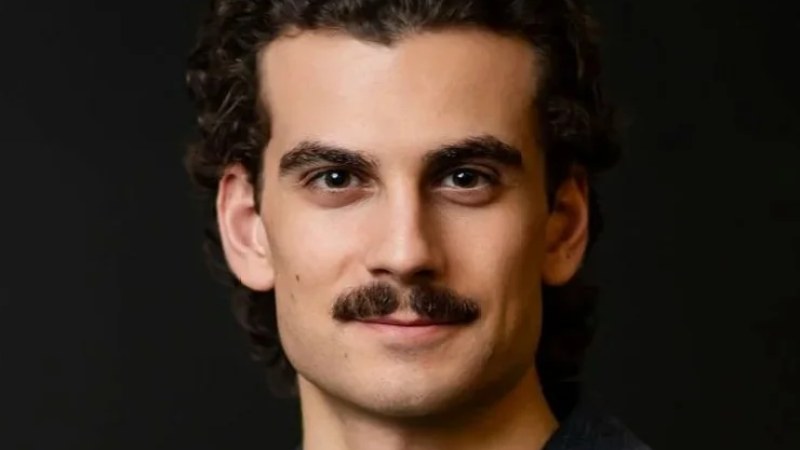
Raphael Certain
Raphael Certain is the founder and CEO of Clarity, a Franco-American neurotechnology company building a wearable virtual-reality headset that delivers personalized light and sound stimulation at gamma frequencies to support the aging brain. A self-taught entrepreneur who pivoted from marine biology to neurophysiology, he turned a master's thesis at the Neurodegenerative Diseases Institute in Bordeaux into a venture-backed company. By 24 he had raised more than $1.3 million, assembled an international team of 20-plus people across Paris and San Francisco, and built partnerships with leading universities in the US and UK.
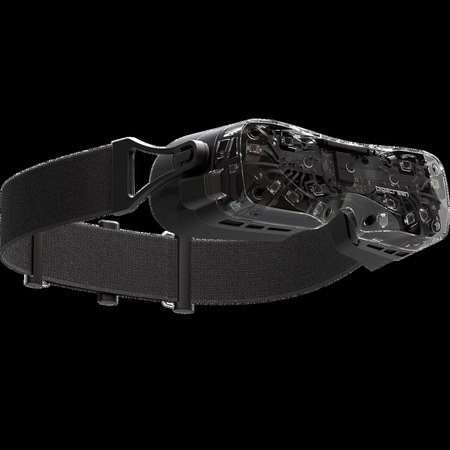
Bigscreen VR
Bigscreen VR is a California-based virtual reality company that started in 2014 as a social app for watching movies, gaming, and hanging out in shared virtual rooms, then pivoted into hardware with the Bigscreen Beyond - marketed as the world's smallest VR headset. Built for enthusiasts, the Beyond uses high-resolution micro-OLED displays, custom pancake optics, and a face cushion molded to each customer's face. The company sells direct to PC VR users who want maximum visual clarity and comfort without the bulk of mainstream headsets.