social-impact
(80)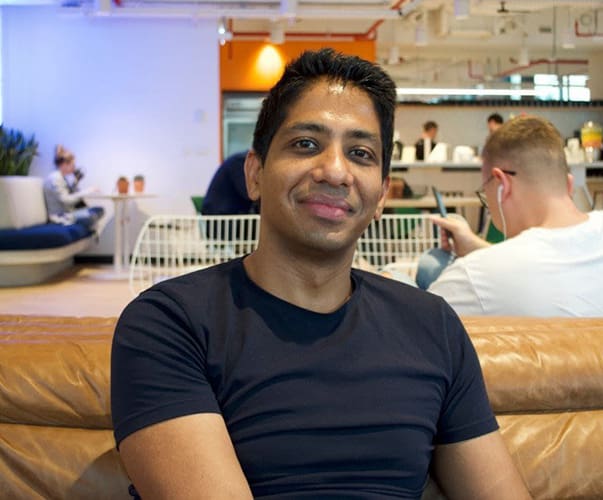
Rudradeb Mitra and the talent the résumé missed
A Cambridge graduate went looking beyond the usual hiring lists. With Omdena, Rudradeb Mitra built a place where people could learn AI by working together - and let the work introduce them.
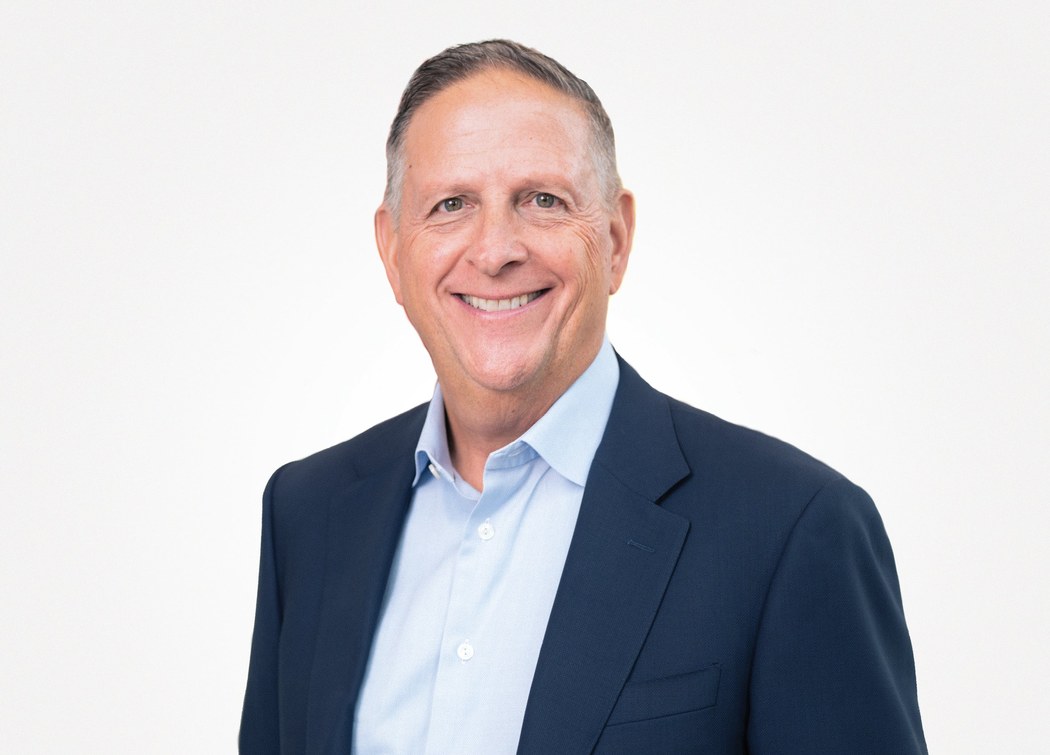
Mike Gianoni and the machinery of generosity
From Connecticut engineering classrooms to the leadership of Blackbaud, Mike Gianoni has spent his career making complex systems work. His next challenge is helping more people take part in giving.

Beth Doane and the story sewn into a T-shirt
Before she advised brands and governments, Beth Doane put children’s drawings on T-shirts and tied sales to planting trees. The Main+Rose co-founder has been working on the relationship between a good story and a useful business ever since.

Shane Michael and the art of getting out of the way
The founder of Mittun came to nonprofit websites through design and action sports. His most useful idea asks the person making the website to surrender a little of the spotlight.

Danielle Finck and the business of being heard
She built Elle Communications for people with something at stake. A recession, a Hollywood deal, and a shelf of children’s books help explain her approach to attention.

Tammy Brook Saw a Business in a Toiletry Bag
A basketball player’s everyday accessory became a brand partnership. For FYI Brand Group founder Tammy Brook, paying attention to the person behind the public image has led from music publicity to fashion collaborations and social action.
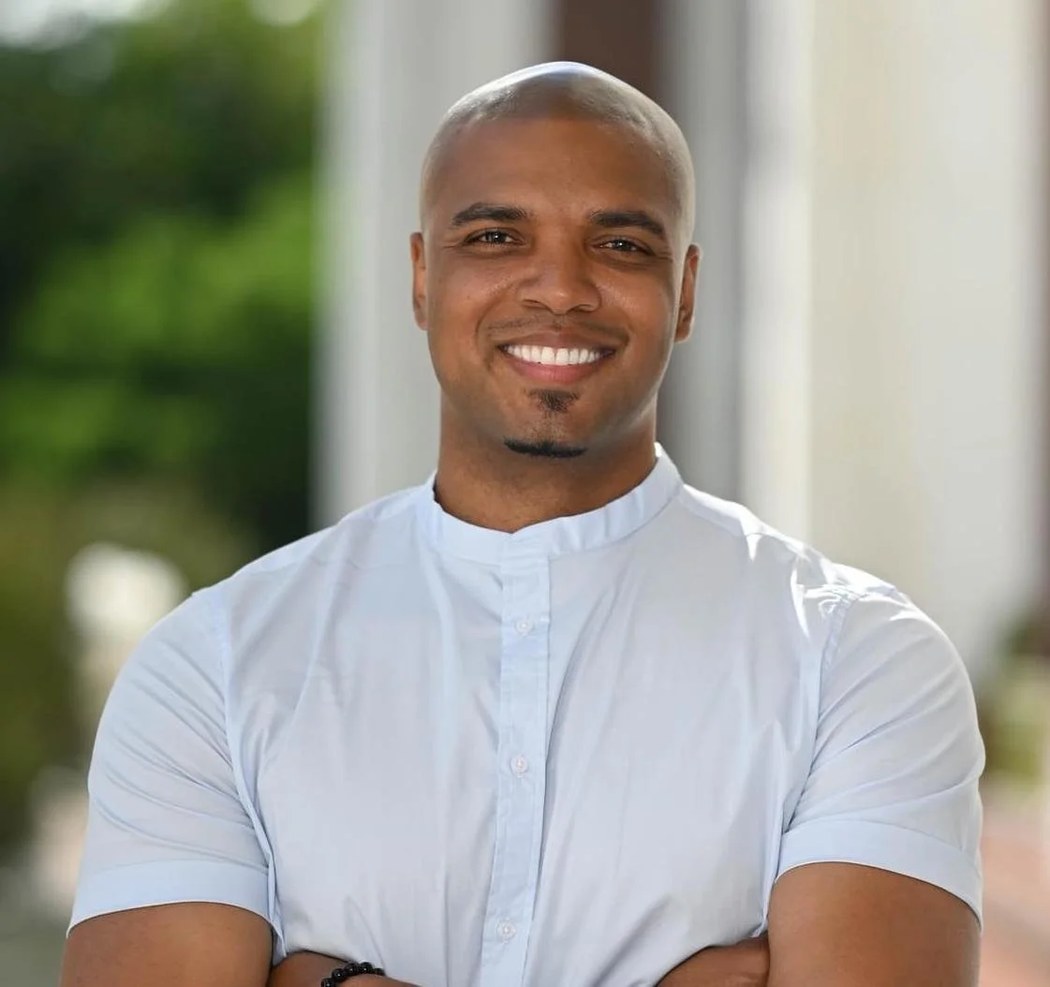
Durell Coleman and the problem after number 67
A failed wind turbine taught the founder of DC Design to keep listening. His path from laser-cut world maps to social impact design begins with the people an idea is supposed to serve.
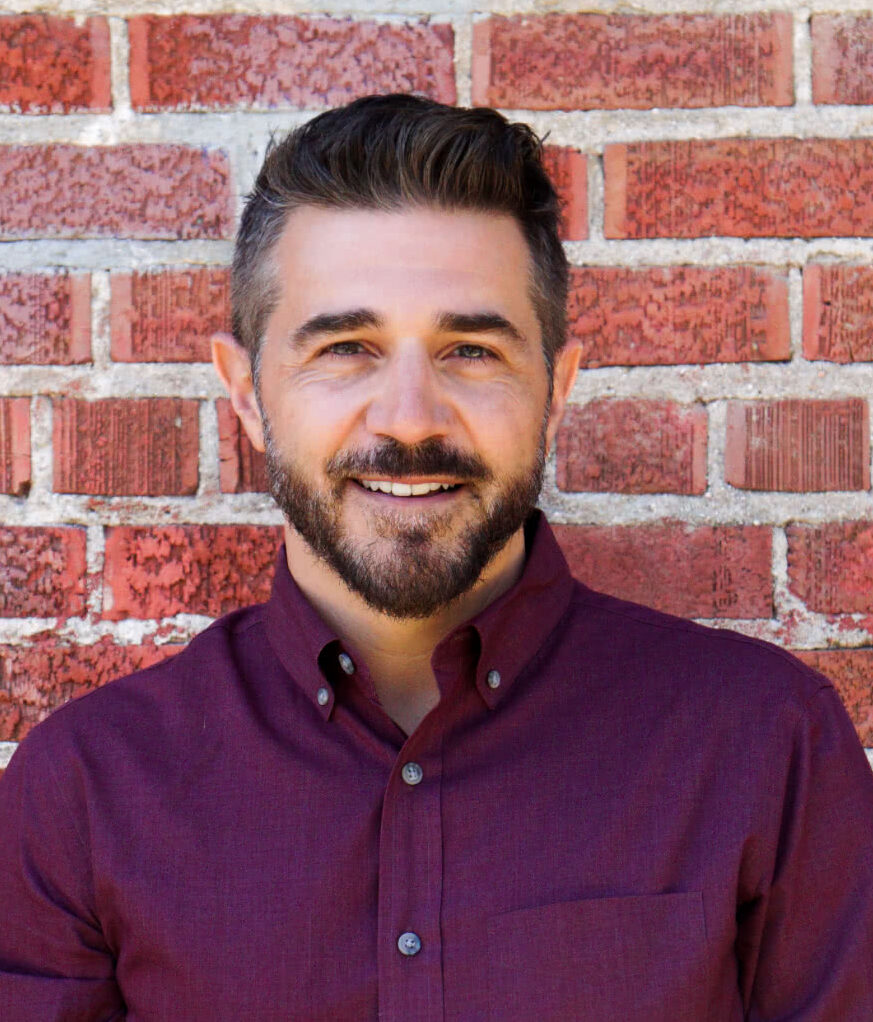
Michael Bellavia and the serious business of being playful
A puppet march, an animated sports show, and a bear with something to say. The HelpGood founder’s career follows the curious route from making characters entertaining to making public causes inviting.
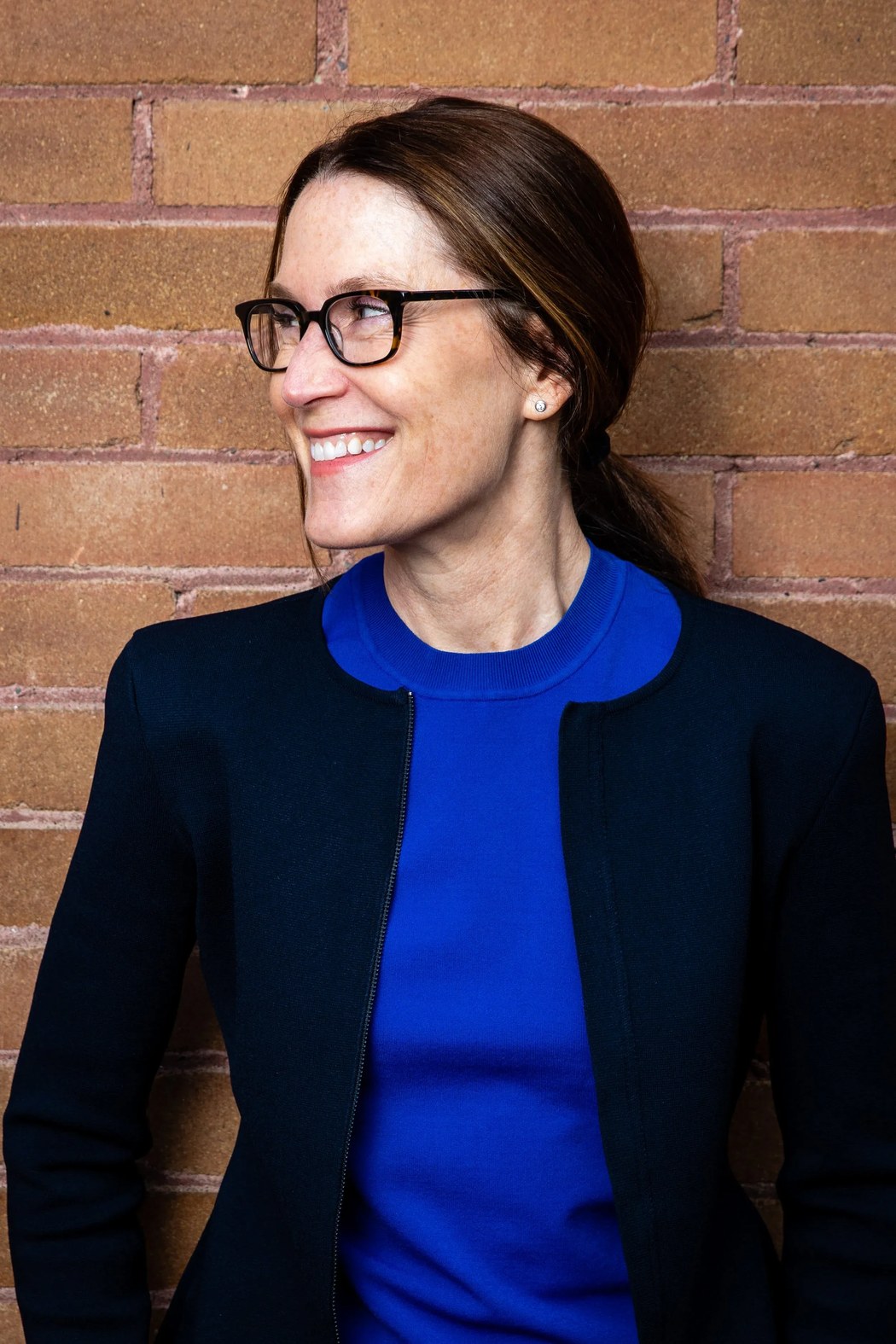
Whitney Williams and the Art of Getting People in the Same Room
Before Whitney Williams advised philanthropists or ran for governor, she persuaded a university to offer a class. Her career has kept returning to that same question: who needs to be brought together to make something happen?
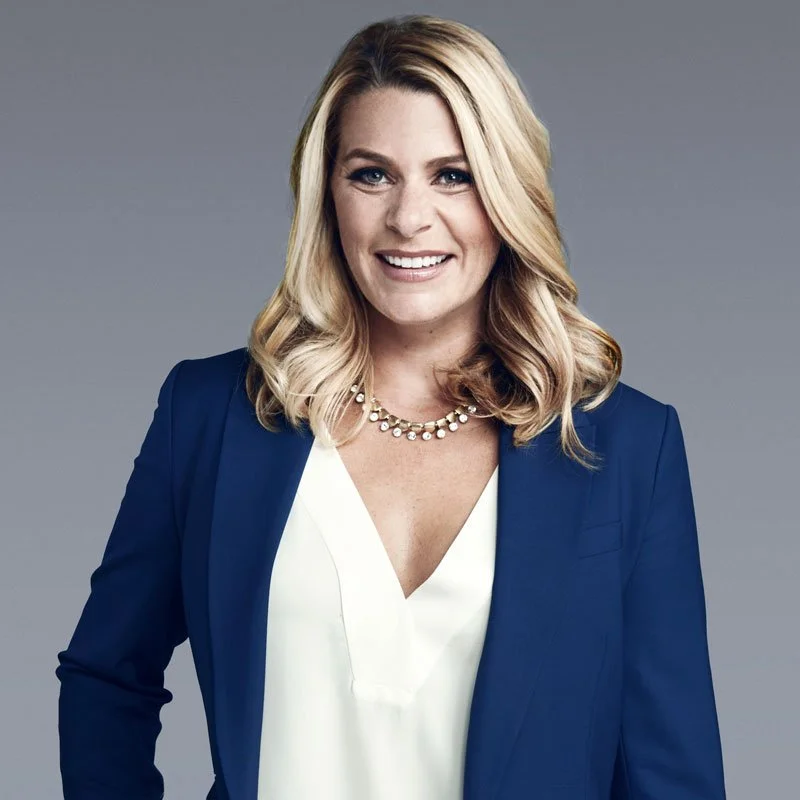
Sarah Adolphson and the Homework That Never Quite Ended
A college reporting assignment introduced Sarah Adolphson to West Hollywood. Peace Corps service, Hollywood philanthropy and a city council campaign followed - but the question of how to serve a community kept bringing her back.
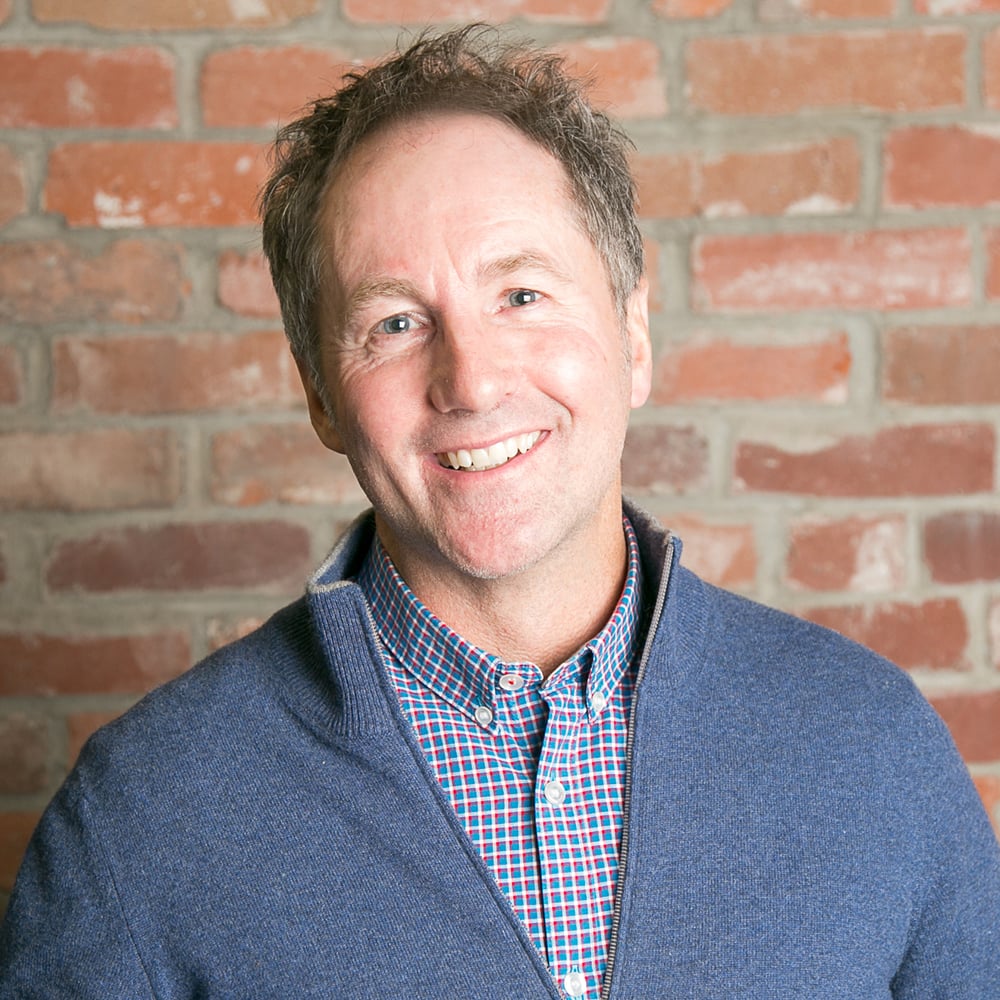
Bryan de Lottinville and the problem with good intentions
After helping build iStockphoto, Bryan de Lottinville turned to a less glamorous transaction: the charitable donation. His next company, Benevity, grew from a stubborn belief that people should get to choose how they help.
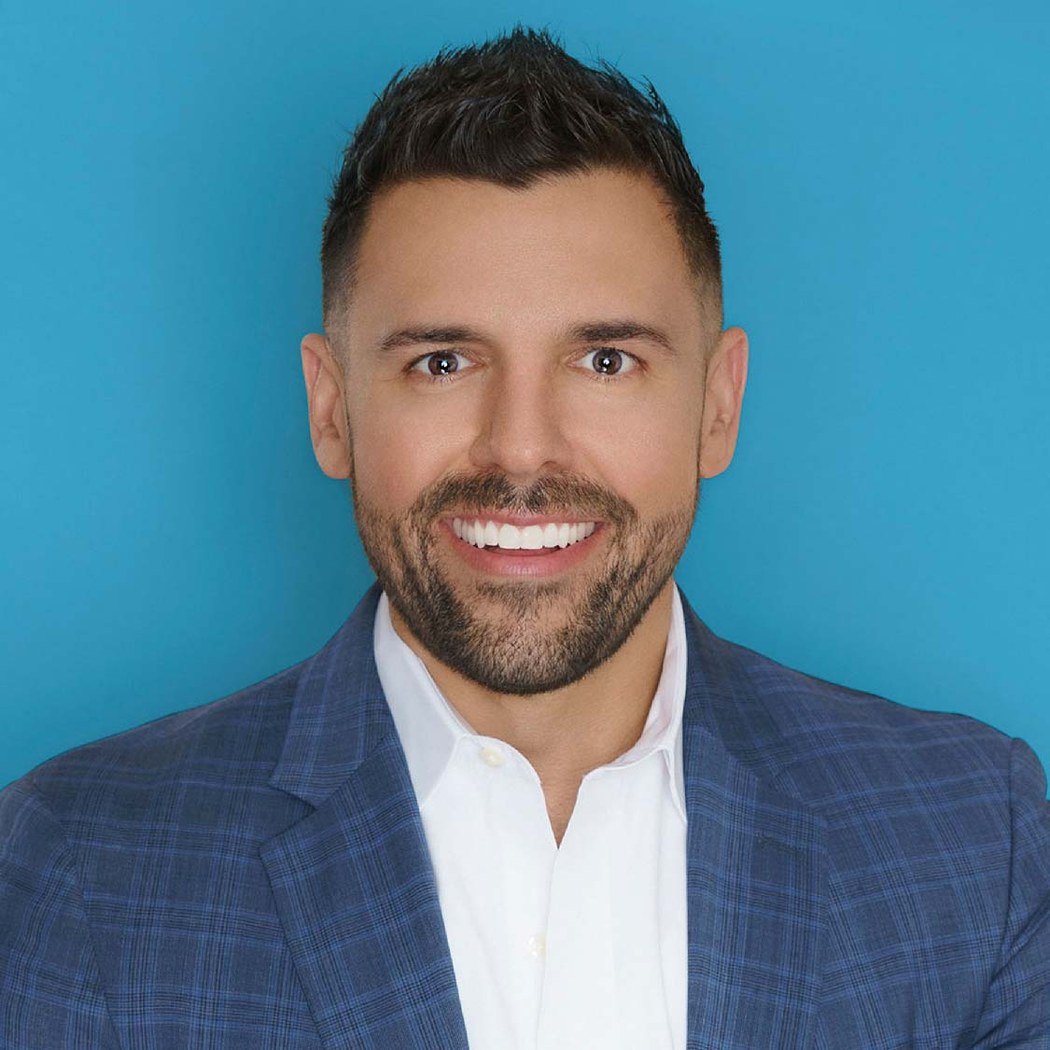
Steven Levine and the business of getting people to show up
From presidential media events to corporate voter engagement, Meteorite co-founder Steven Levine has built a career around participation. His smallest coalition offers a clue to how he approaches the larger ones.
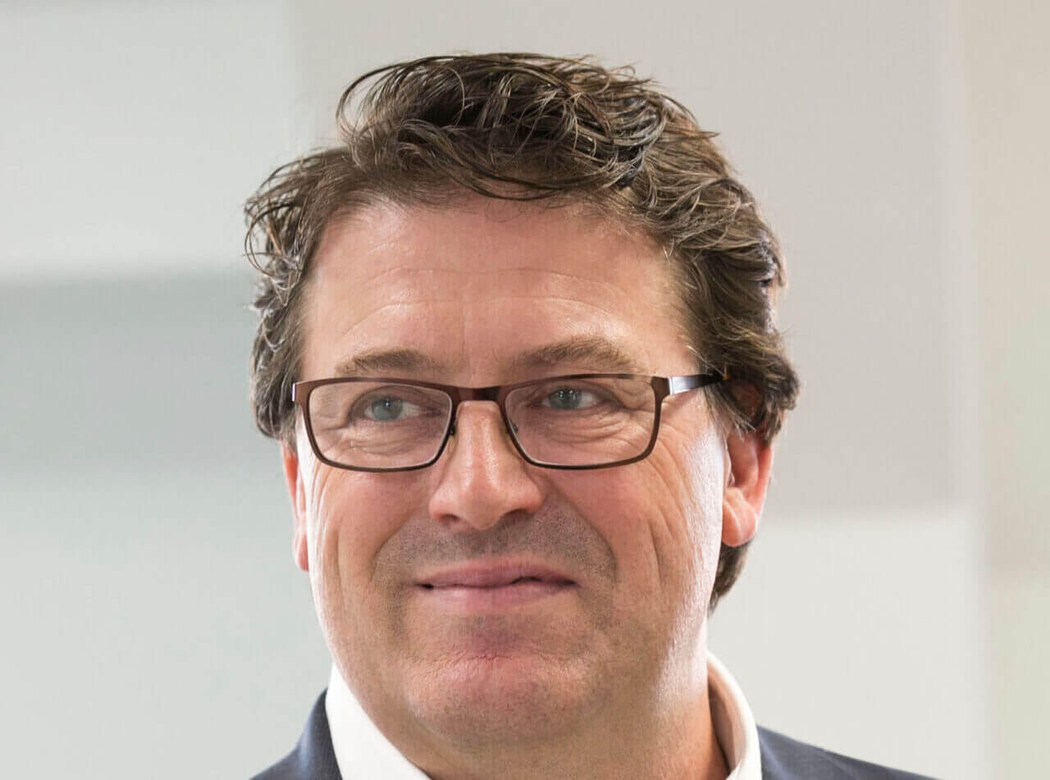
Guy Battle and the price of a promise
He spent years helping buildings use less. Then Guy Battle turned to a harder calculation: what businesses give back to the people around them.

Ali Briggs Carvalho and the People a Résumé Leaves Out
A childhood among family businesses led to consulting, Google, and a Kellogg class project with Rachele Louis. With LifeWeb 360, Ali Briggs Carvalho gave the people around a person a place to tell the rest of the story.

Peter Casey and the value of a seat at the game
A basketball blog brought Peter Robert Casey onto press row. His path through the Knicks, Nike and JDS Sports keeps returning to the same question: what makes people feel they belong?
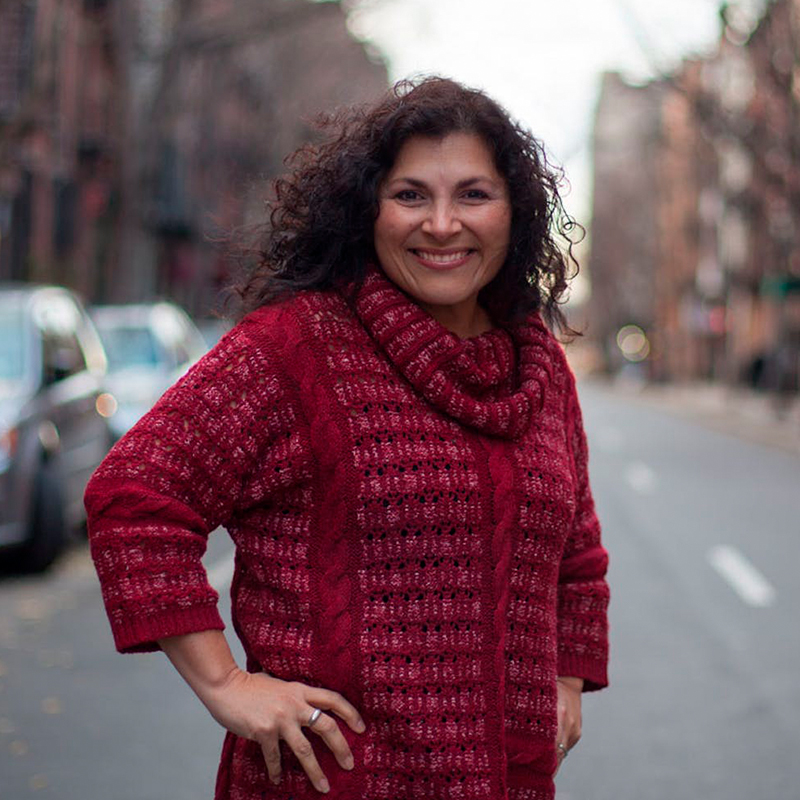
Valarie de la Garza and the business of being heard
Before she led Fenton, Valarie de la Garza made a decision at a student newspaper about whose stories belonged inside. Her career has kept returning to that question, from Los Angeles civic campaigns to the agency boardroom.

Lisa Sherman and the business of being heard
A Philadelphia shoe store, a difficult conversation at Verizon, and a television channel built for an overlooked audience. Lisa Sherman’s route to the Ad Council explains why she puts relationships at the center of public persuasion.
Beth Silverman and the Business of Turning No Into a Lease
She spent a career learning how cities, developers and nonprofits talk past one another. Then she built a housing model around the useful part of no.
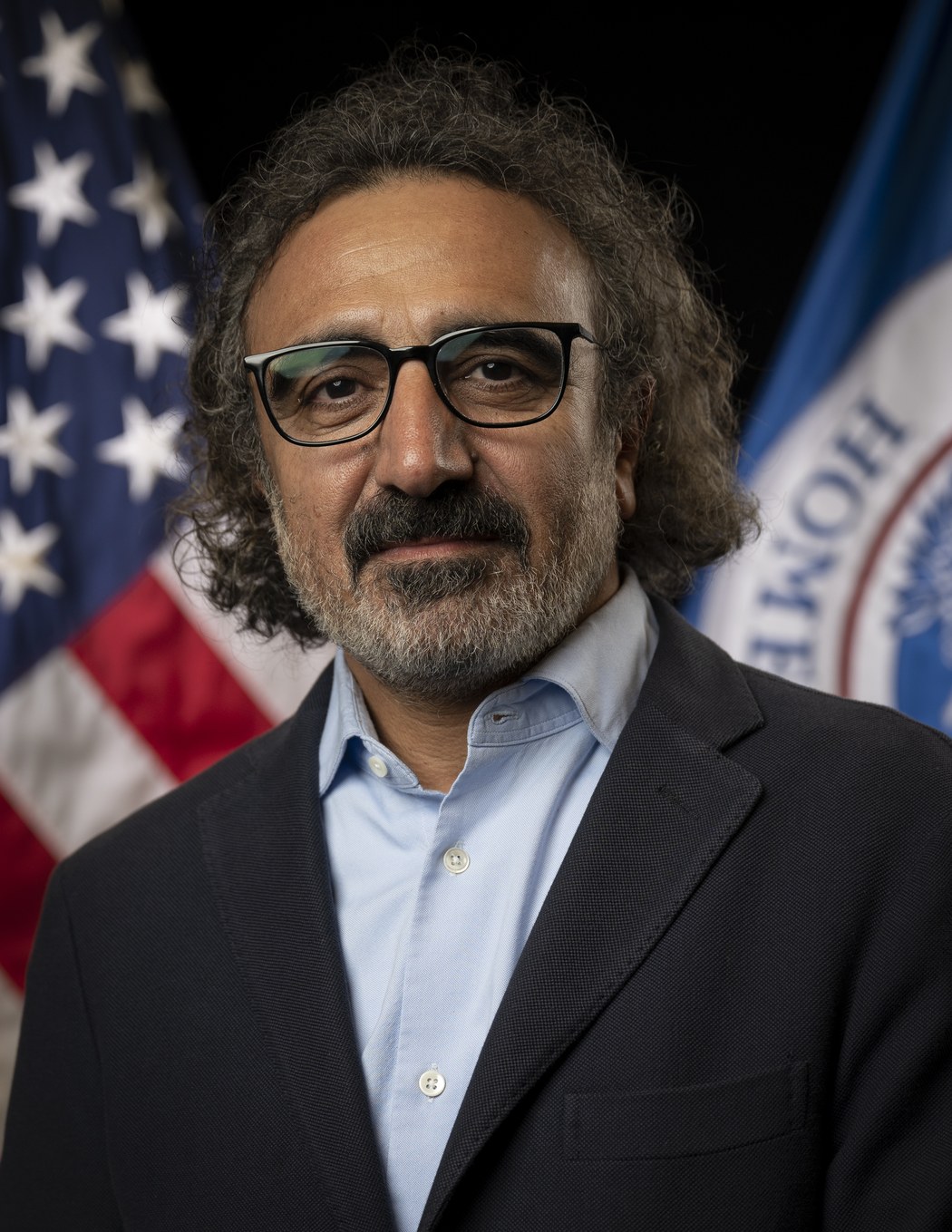
Hamdi Ulukaya Bought the Factory Everyone Else Had Finished With
A junk-mail advertisement led him to a silent yogurt plant in upstate New York. What followed became a food company and a stubborn argument that factories, workers and newcomers deserve another look.

Kevin Allan Learned Fundraising From Both Sides of the Desk
He has advised fundraisers, run their departments and returned to the consultancy where he started. The result is a career built on knowing that a campaign should leave an institution stronger than it found it.
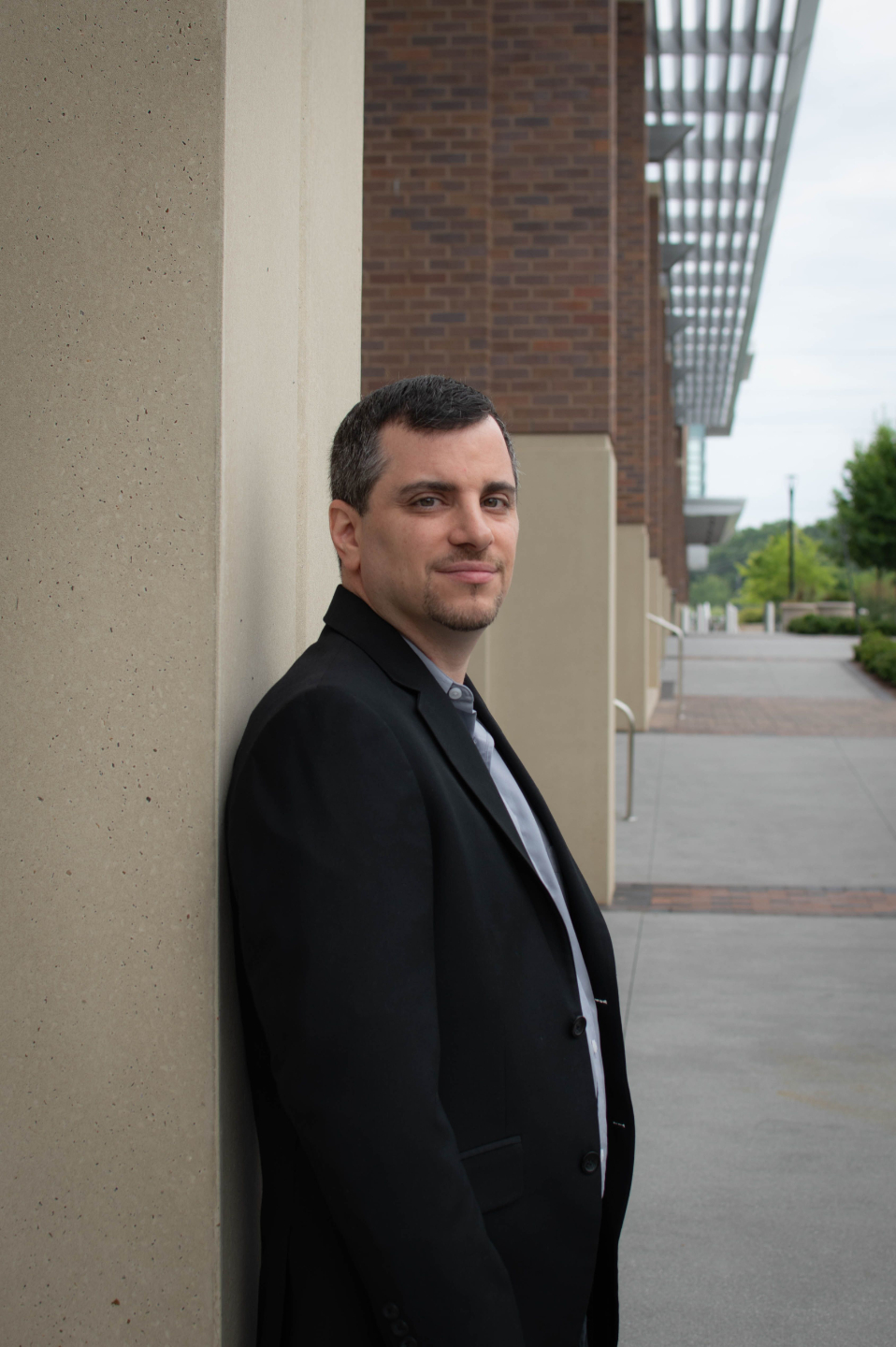
Richard Shuster Built a Media Habit Around One Small Act
The Atlanta psychologist and technology executive turned a podcast sign-off into a practical ritual, inviting listeners in more than 150 countries to make generosity part of an ordinary day.
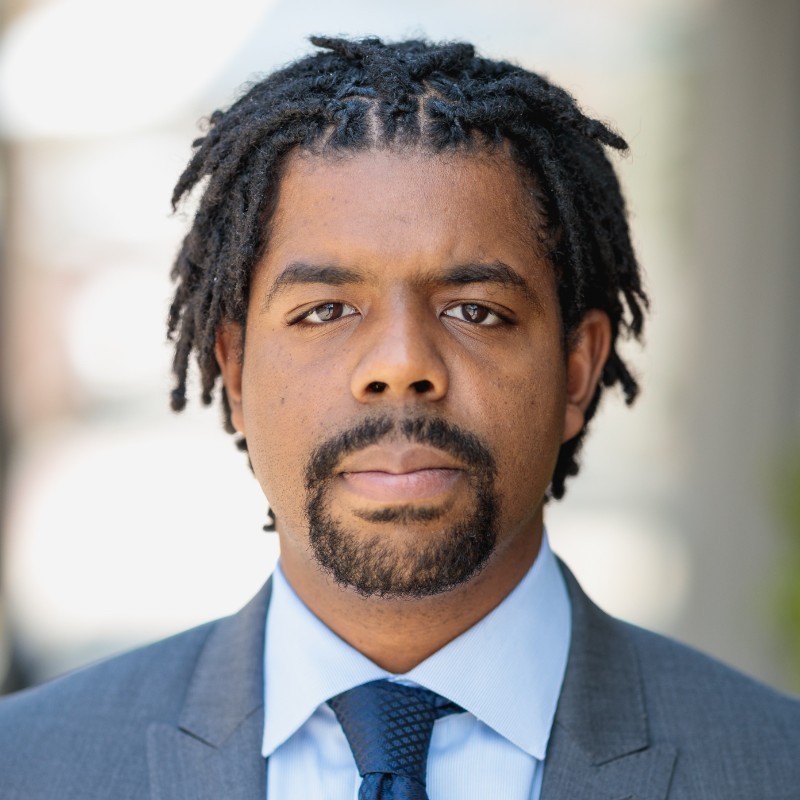
Brian Walker Is Building the Audience Before the Credits Roll
The Picture Motion CEO has spent his career closing the distance between a powerful story and the people who can carry it into the world. His method begins early, with community, partnership, and a deceptively practical question: who needs to see this?
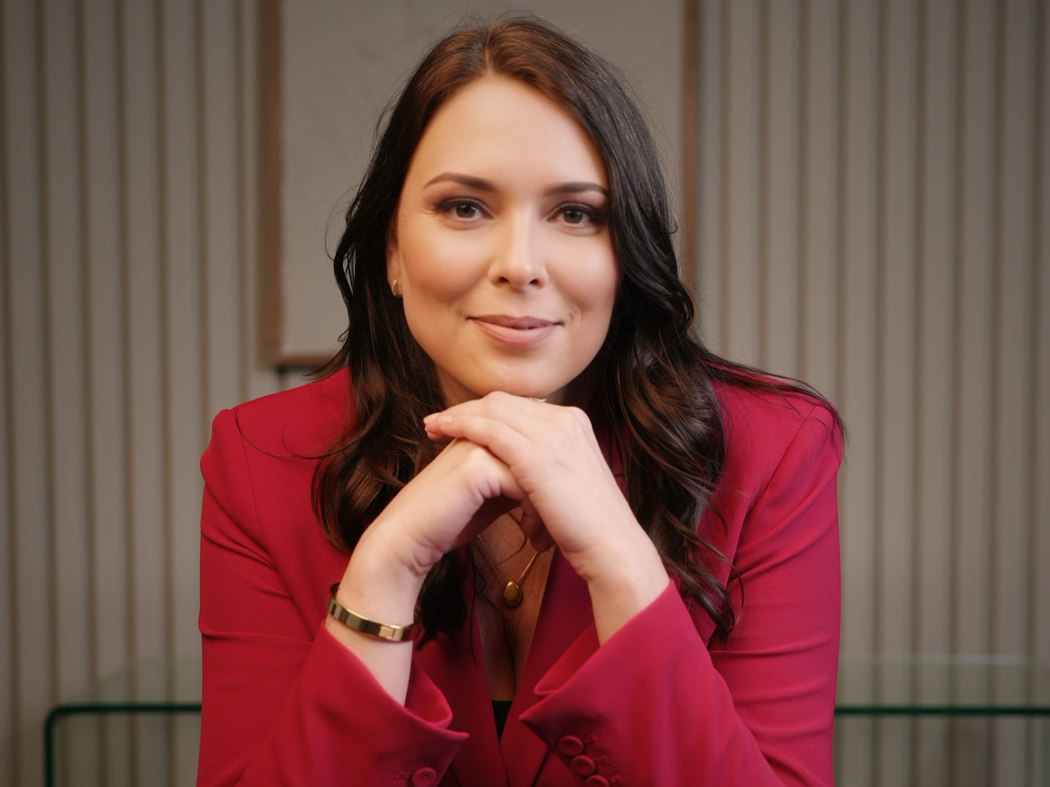
Emily Hite Is Building Trust Without the Costume
After helping triple Banyan Communications' revenue, Emily Hite inherited its first leadership change in 30 years. Her plan is less executive theater, more stewardship - with room for a big laugh and the occasional dog photo.
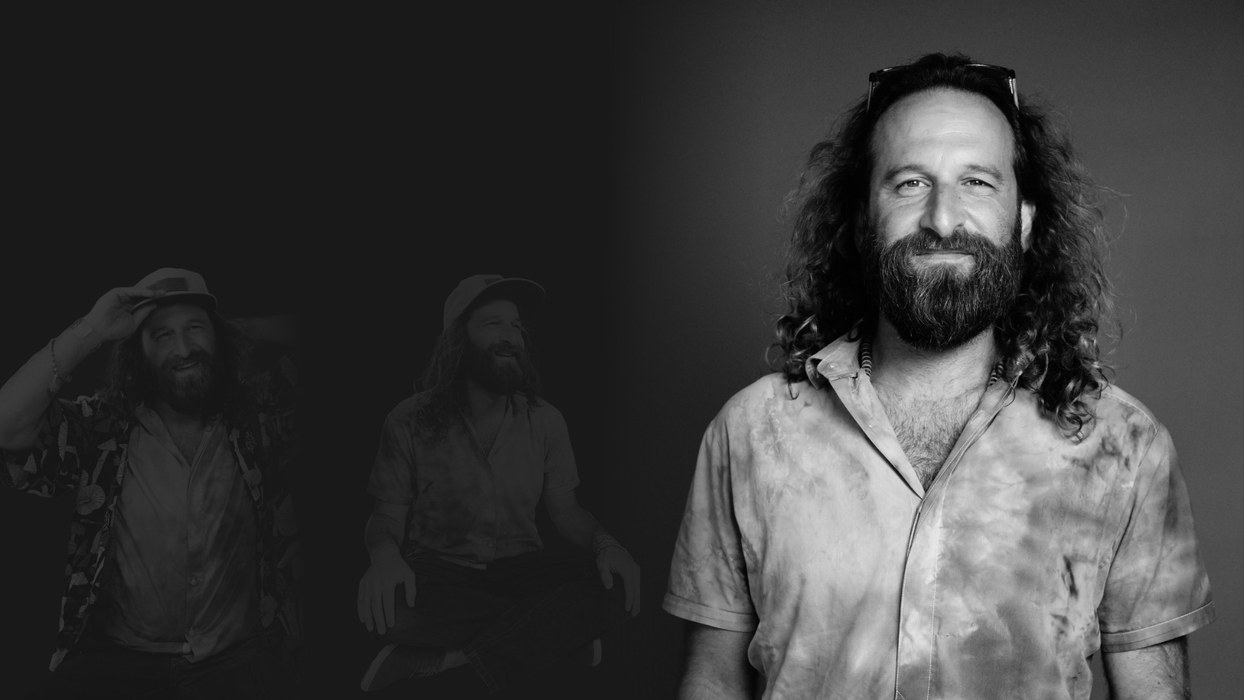
Gagan Levy Wants Advertising to Find Its Conscience - and Its Courage
The Guru founder has spent two decades asking brands to stand for something. Now his field guide turns the same question on the people who lead them.
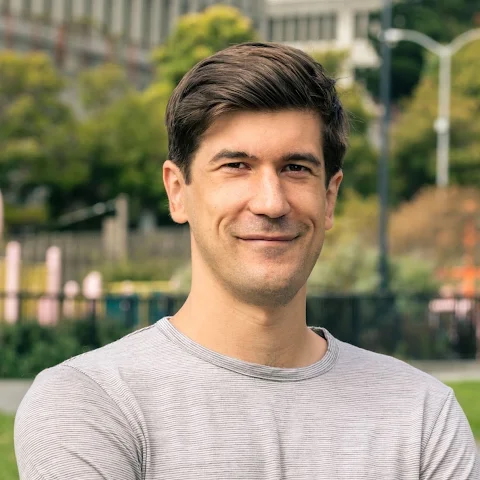
Jonathan Asmis Is Turning the Down Payment Into a Talent Strategy
The Landed co-founder spent a decade testing a stubborn idea: when capable workers cannot afford to live near their jobs, better financial plumbing can do more than another perk.

Felicia Curcuru Found the Future of Child Welfare in a 70-Column Spreadsheet
She began with families, rebuilt around social workers, and turned four months of patient observation into software used by more than 550 agencies. Her enduring product lesson is also her simplest: follow the sticky notes.
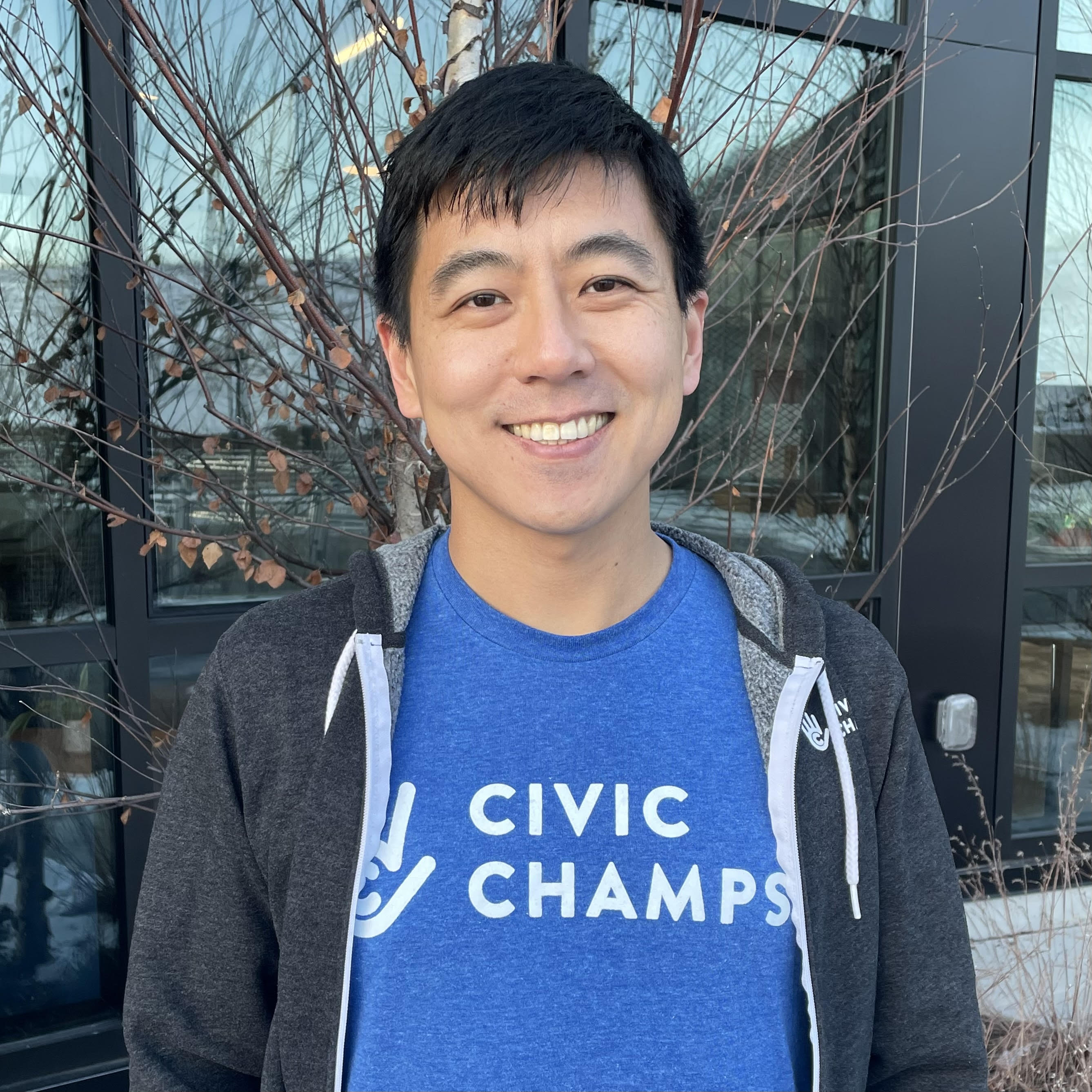
Geng Wang Put the Clipboard Out of Work - Then Retired the T-Shirt
His third startup began as Pokémon Go for volunteering, became the back office for hundreds of nonprofits, and reached break-even before he handed over the keys. Now the Civic Champs cofounder is building again.

John Hussey Makes Two Kinds of Calls - Flags on Sunday, Lifelines All Week
An NFL referee walked into an airport with a startup on his mind. A decade later, his second rulebook has routed more than $100 million toward animal rescue - and put purpose-driven dog food on Walmart shelves.
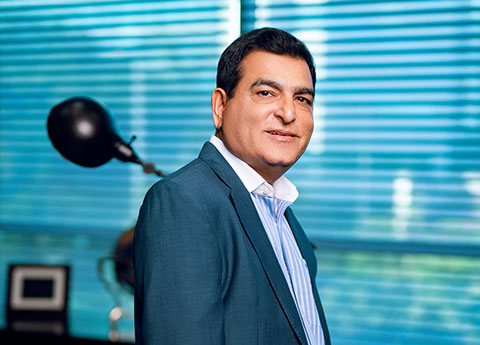
Yusuf Amdani Bet on Honduras. Then He Built Around the Job.
A textile heir arrived in Honduras with a factory plan and stayed to build an ecosystem. Three decades later, Yusuf Amdani's revealing product is not cloth or real estate - it is his theory of opportunity.
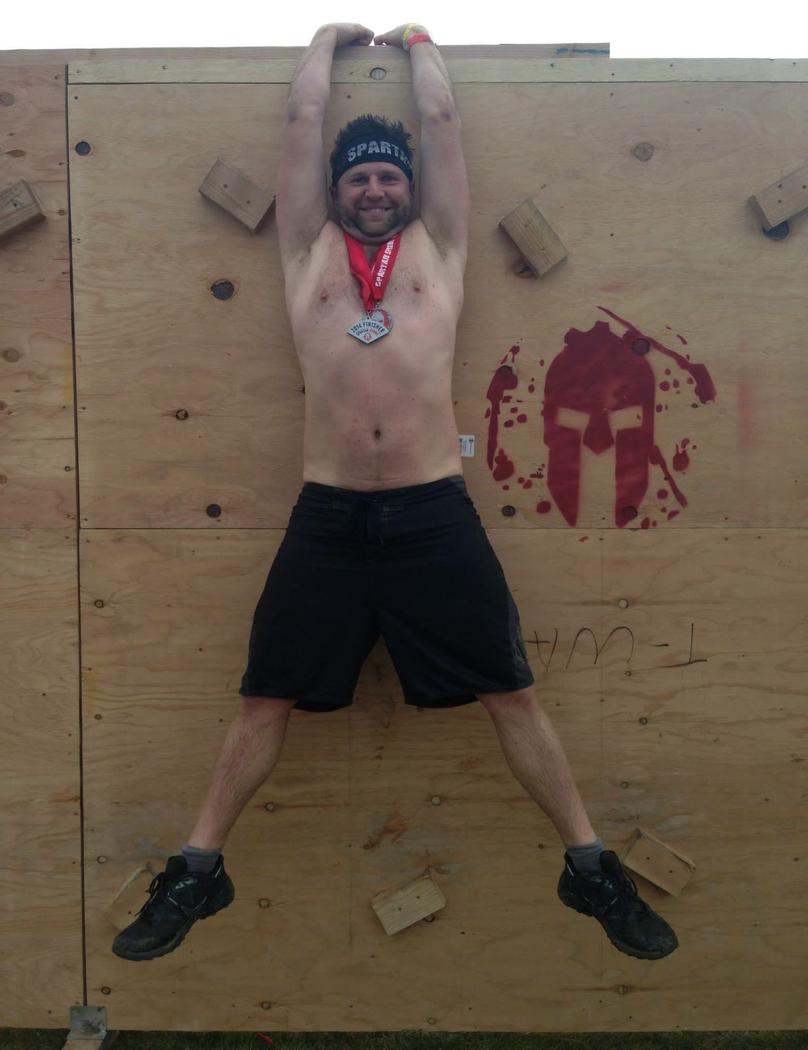
James Schmachtenberger Built a Career by Refusing the Obvious Door
He left school, bought a college at 18, organized an unruly industry and built Qualia. The useful lesson is not rebellion for its own sake - it is his habit of turning curiosity into institutions.