On September 13, 2006, Peter Robert Casey went to Yankee Stadium with a group of Columbia graduate students, friends and their co-workers. The Yankees beat Tampa Bay, 8-4. Years later, he needed to look up the score. He remembered something else perfectly: Section 51 in the outfield bleachers, and the woman with a Croatian accent sitting beside him.
Her name was Martina. They married in 2008. The ticket stub became a small, weathered record of an evening whose significance had very little to do with the standings. For someone who would build a business around remembering games, Casey had an unusually persuasive example at home.
A box score tells you what happened on the field. Casey’s career has repeatedly wandered into the seats, the conversations around them and the places where people gather before anyone has bought a ticket. Basketball supplied most of the occasions. Technology supplied ways to keep the conversation going.
A press pass for a conversation
In August 2009, St. John’s University announced that Casey would cover its men’s basketball home games through his personal Twitter account. A Twitter blogger on press row was still unusual enough to require an explanation. The university described him as an independent, credentialed microblogger, believed to be the first primarily Twitter-based blogger given such access.
He already had more than 50,000 Twitter followers. St. John’s wanted to put that existing conversation beside the court. Fans could ask about players, strategy and atmosphere while the game unfolded. Casey could report details from his vantage point and answer them. The audience had a way to talk back.
“Tweeting from press row: what more can a hometown New Yorker ask for?” he said at the time. It sounds quaint now, when a sporting event without a running online argument would seem suspiciously peaceful. Back then, a press credential tied to a Twitter account challenged the usual arrangement of who got to sit where.
Casey was working at Columbia and studying organizational psychology when he began writing about basketball’s business and social media. His blog reached only about 150 subscribers. Its influence proved larger than its mailing list: one reader helped open the St. John’s door. The Knicks subsequently invited him to a Tweetup panel with Twitter co-founder Jack Dorsey. Six months later, he became their first full-time social media hire.
At the Knicks, he helped launch KnicksNow, a destination for brief, fan-oriented content. The job also delivered a scene no basketball résumé could improve with a bullet point: meeting Carmelo Anthony at the airport for a team interview when Anthony joined New York. Casey’s work had carried him from commenting on the game to greeting one of its arrivals.
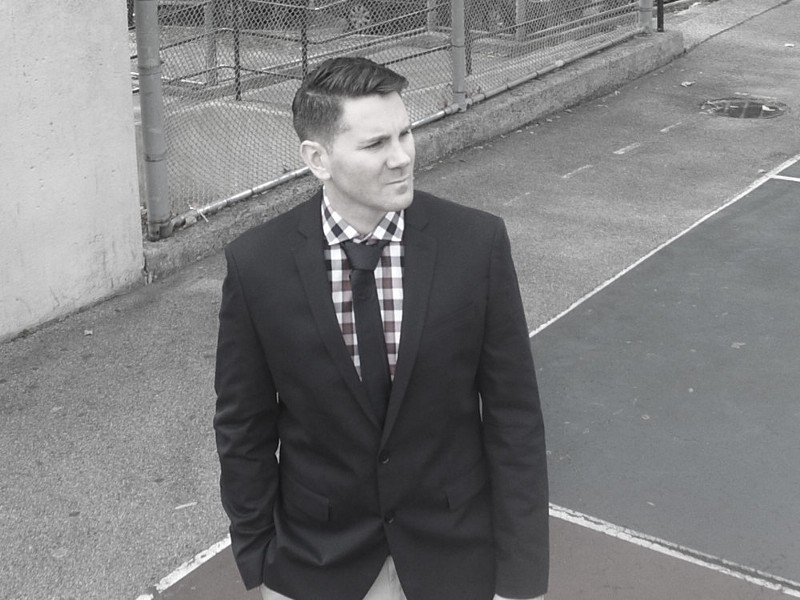
Christmas music on the night shift
There is an earlier Casey résumé, and it involves stocking supermarket shelves overnight. His first job was at ShopRite. Asked what it taught him, he described accountability between the overnight crew and the daytime staff: the performance of one affected the other. He also reported working more productively with Christmas music playing. There are stranger management theories.
In the same 2010 profile, he admitted getting nervous before public speaking. He had left graduate school in 2004 and returned in spring 2006, eventually earning his Columbia master’s in social-organizational psychology. Those details give some texture to a career that, compressed into company names, might otherwise look frictionless.
Casey’s agency work at Team Epiphany included Nike Basketball. He recalls helping launch its Instagram presence in 2012 and planning the opening posts. Shoe releases gave him stories to tell: the personal details behind colorways for athletes such as Kobe Bryant, LeBron James and Kevin Durant. The product had a history attached, and that history gave fans something to discuss beyond a purchase.
Five-Star Basketball connected him with Joe Samberg, who owned the camp business. Casey and Samberg had both attended the camp. Their later partnership would involve buying companies, but its introduction came through a place where each had been a player. In Casey’s version of business development, an old basketball camp belongs on the map.
Thirty games, one missing pair of tickets
Basketball Passport launched in October 2013. The idea let fans record games they had attended and build lists of arenas they wanted to visit. In an early podcast conversation, Casey described the two feelings behind it: nostalgia for where people had been, anticipation for where they hoped to go. A fan could have a statistical record, too.
To promote it, he went to 30 NBA games in 30 days, visiting every NBA arena. That is a considerable amount of basketball and an even more considerable amount of getting to basketball. His own account put the journey at 30,000 miles. The online collection of stamps had acquired a real itinerary.
A launch campaign measured in boarding passes.
The Los Angeles stop offered a useful correction to the glamour. He arrived with two bags, two games to attend and no tickets. A friend was flying in assuming this detail had been settled. Through a chain of acquaintances that included Matt Barnes’ barber, Casey secured seats for the Clippers game. Later, the owner of VIPTickets.com emailed an offer of Lakers tickets after reading about the trip.
Asked what had surprised him, Casey pointed to people’s generosity. He also treasured hearing that fathers had made Passport accounts for their sons so they could preserve their game-going memories together. For all the miles, the product’s appeal could be very close to home.
A fan’s ledger meets a business ledger
The service expanded into Sports Passport, covering five sports and eight leagues. It gained a Fortune 100 title sponsor and a native iOS app in 2016. By the time Casey announced its closure in March 2022, users had logged nearly half a million check-ins. There was evidence that people cared about the idea.
There was also a bill. Hosting, statistics feeds and app maintenance cost money. Casey’s closing letter said the audience of avid game-goers had never been sufficient to cover the expenses. He offered users a way to download their histories and photographs, and thanked the people who had built and maintained the service.
He wrote, too, about sitting with his wife and watching their children grow up. The person who had crossed the country collecting arena visits was attending fewer games. Sports Passport had kept track of a particular kind of life; its co-founder’s life had changed. That ending belongs in his story alongside the press pass and the airport interview.
Buying into basketball’s memory
Casey and Samberg acquired SLAM in August 2017. The magazine had been publishing since 1994, with a basketball vocabulary extending from high-school gyms to NBA stars, sneakers and music. Their task was to give an existing relationship with readers more ways to support a business.
By June 2019, SLAM had doubled audience and revenue in the 22 months since the acquisition and built a seven-figure merchandise business. Those figures describe that period, rather than a promise about what came after. They show why Casey was interested in extending a magazine into things people could watch, attend and wear.
The next moves included RTG Features, a film and television studio introduced in 2020. Its name nodded to SLAM’s original slogan, Respect the Game. The studio’s work included A Kid From Coney Island, about Stephon Marbury. The strategy brought basketball’s people and accumulated stories into longer forms, with SLAM and Five-Star providing established communities around them.
JDS also invested in retro college-basketball apparel company 19nine in 2020. The partnership became a full acquisition by SLAM in 2024. An old uniform, like an old ticket stub, can hold more meaning than its materials suggest. The businesses Casey backs have often given that attachment a new format.
SLAM’s cover T-shirts make the connection unusually visible. A photograph once encountered on a magazine rack can reappear in an arena tunnel or on a fan’s chest. The editors, photographers and players created the significance; the apparel business lets it circulate differently. Casey’s role sits within that larger effort, rather than supplying its entire origin story.
“I just love to set up the play.”
Peter Robert Casey, on his preference as a basketball player, 2024
The assist travels off the court
Today Casey leads JDS Sports, whose initials belong to Joseph D. Samberg. The firm reports investments in more than 30 startups, scale-ups and turnarounds since 2018. Its work with founders includes capital, introductions and strategic guidance. Casey has described a reciprocal arrangement in which SLAM offers young businesses a working use case while those businesses can contribute to SLAM’s growth.
His own preferred basketball role was setting up the play. That is a useful way to understand the operator who became an investor: someone interested in what another person can do with the ball. In his 2024 conversation about early-stage investing, he emphasized founders’ ability to adapt when the market responds to what they launch.
Play With Purpose, JDS’s donor-advised fund, began in 2022. The firm’s current account puts its grants to sports nonprofits at $4.8 million. Those are company grants, rather than a claim about Casey’s personal giving. The projects include programs and public spaces where participation need not depend on an NBA ticket.
Back to the asphalt
Every Court Has A Story turns a local basketball memory into an application for renovation. JDS works with Project Backboard, Local Hoops and Victory Creative. Community members tell the story of a court; selected sites receive repairs, resurfacing, artwork and equipment. The early winners included courts in Brooklyn and Pittsburgh.
The division of labor is practical. JDS provides financing through its philanthropic arm and helps spread the word. Project Backboard handles refurbishment and works with local artists. Local Hoops and Victory Creative contribute the entry process and creative work. The people who know the place supply the reason it matters.
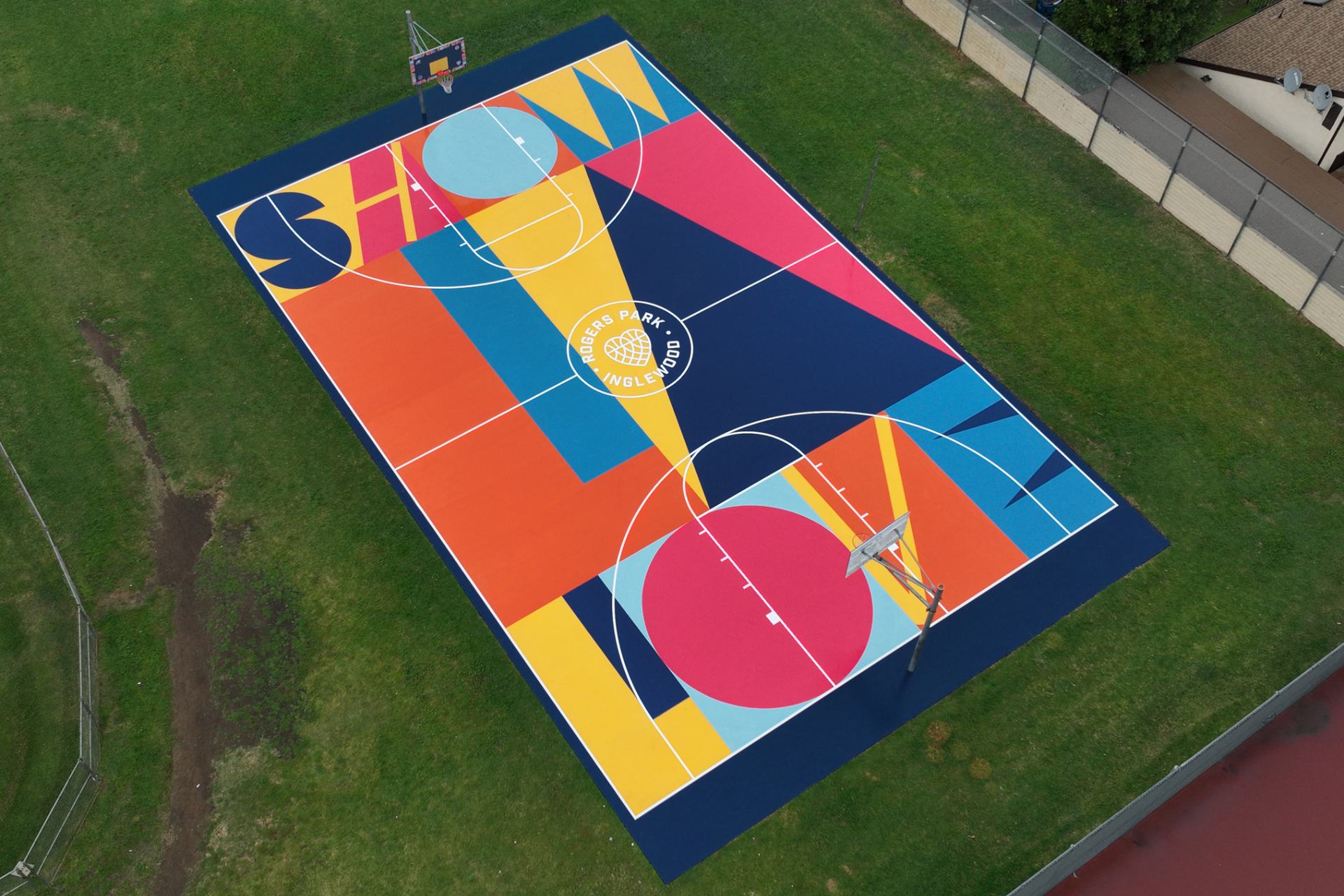
In 2026, Casey shared the refurbishment at Rogers Park in Inglewood. HOOPBUS and Project Backboard built it, with support from Skechers Basketball, T-Mobile and Play With Purpose. Here the outcome can be walked on. A basketball community becomes an actual surface, with lines, color and somewhere to meet.
Casey’s Yankee Stadium stub preserved a seat beside someone he would marry. His Twitter account gave fans a conversational seat beside press row. His investments and nonprofit partnerships now help maintain places where other people can begin their own stories. There is a pleasing modesty to the destination: after the apps, the acquisitions and the shoe launches, a court still needs a rim, a ball and people willing to show up.
Keep the conversation going
- JDS Sports · Court projects and giving
- Casey on LinkedIn · Instagram · Twitter / X (historically listed account)
- Casey’s writing on Medium · The Pull of Nostalgia
- Beyond The Athlete: the 2024 conversation
- Vetted Sports: the 2025 interview
- Watch: Every Court Has A Story
- The Sports Passport years · The farewell letter