social-commerce
(45)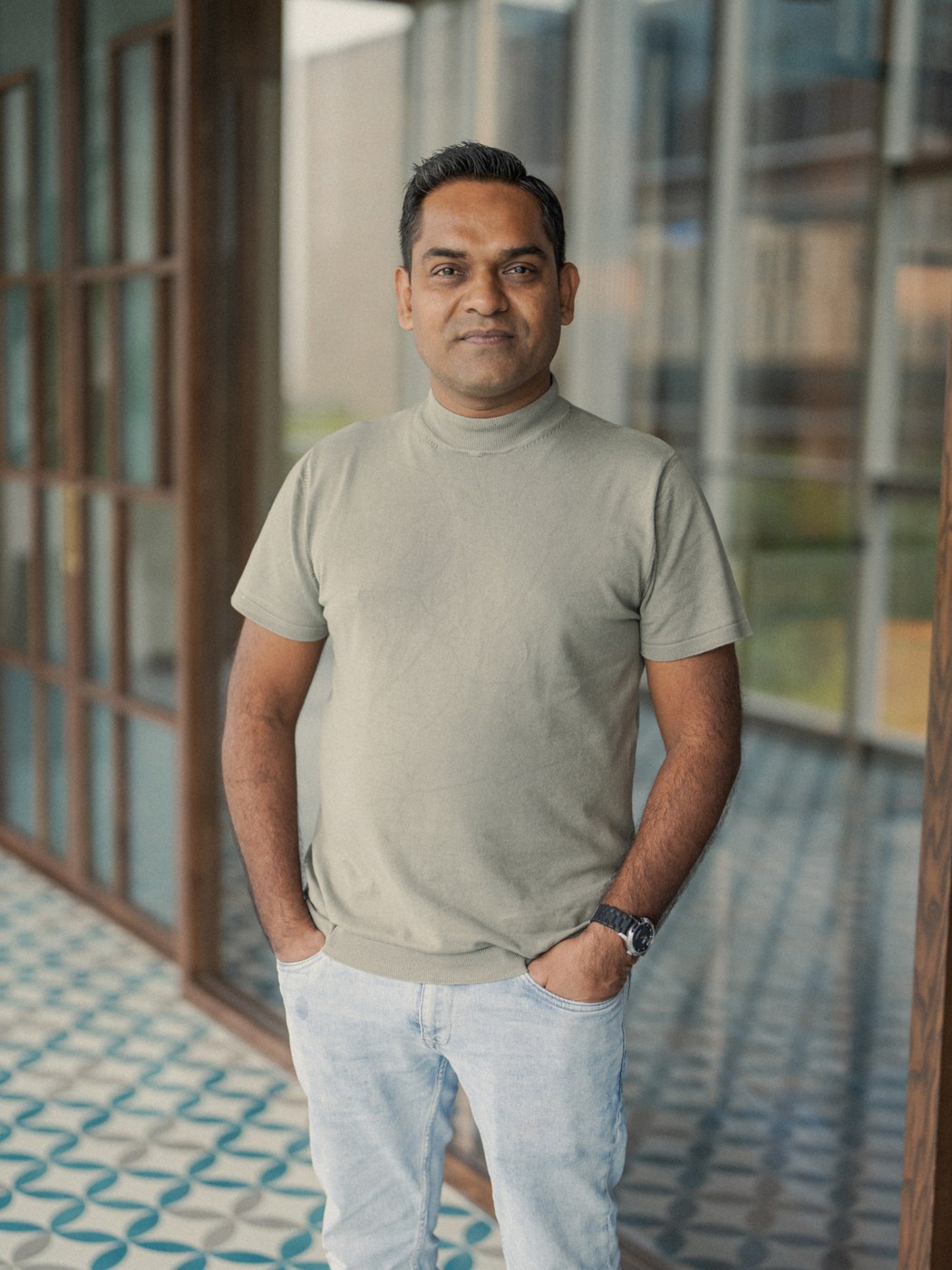
Sourjyendu Medda and the value of showing up
He helped build DealShare by making everyday shopping easier to try. At Sports For Life, Sourjyendu Medda is asking families to commit to something that takes longer: learning to play.

Ghufron Mustaqim and the distance between talent and opportunity
In rural Yogyakarta, Ghufron Mustaqim saw capable neighbours with too few ways to earn. From Evermos to a new business bridge with China, he has kept working on the distance between having something to offer and finding a market.
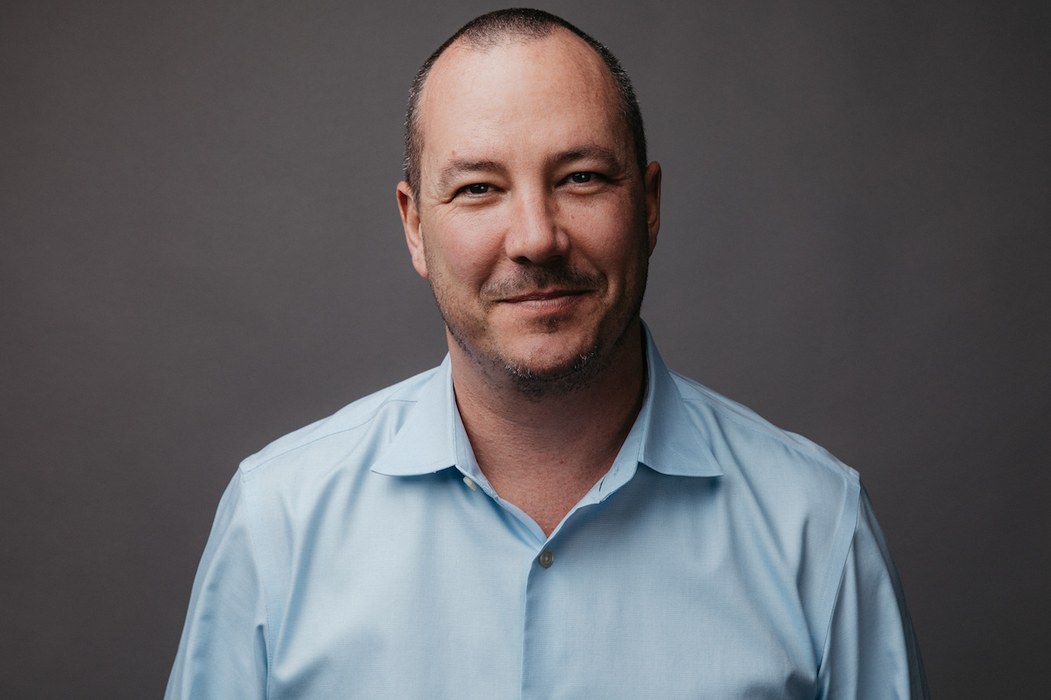
Chad Hetherington and the trouble with standing still
He built The Stable around the way people were starting to shop. After its sale to Accenture, the Adelaide-born founder is back with Third, following the customer into the social feed.
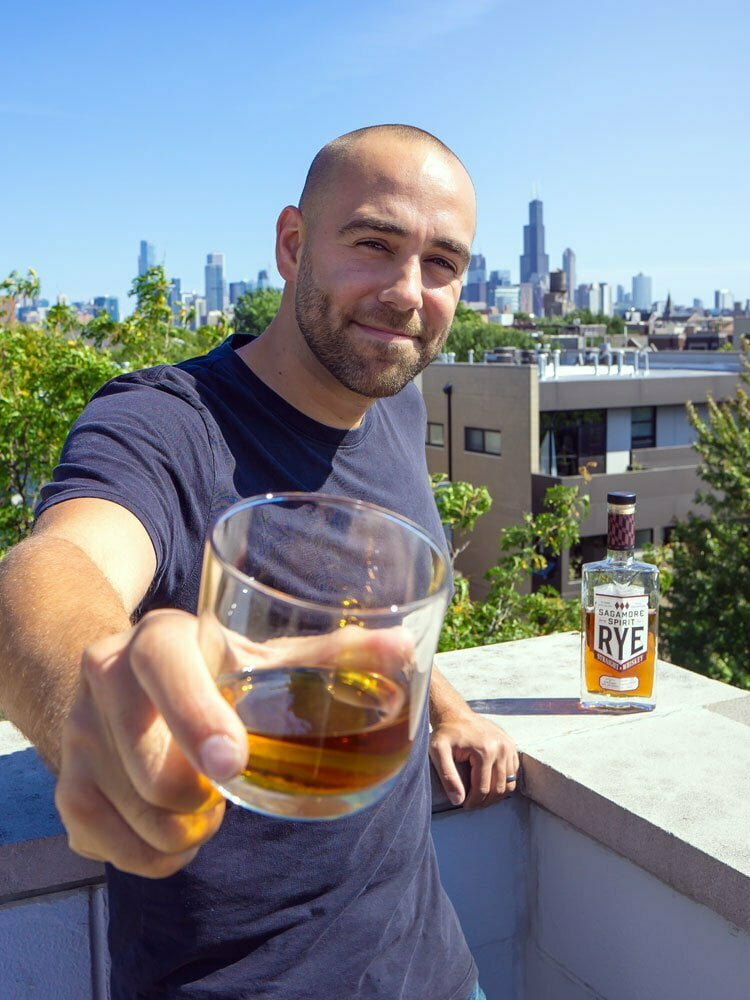
Konrad Waliszewski gave 250,000 customers his number. Then he listened.
A childhood between Nashville and Poland taught the @hotel co-founder to value movement. Years later, a very busy phone helped him see where travel was going.

Clement Wong and the question inside a $20 ticket
A village visit in Kenya made Clement Wong ask where a traveller’s money actually goes. His answer became BeMyGuest, a business built around helping local experiences reach a wider market.
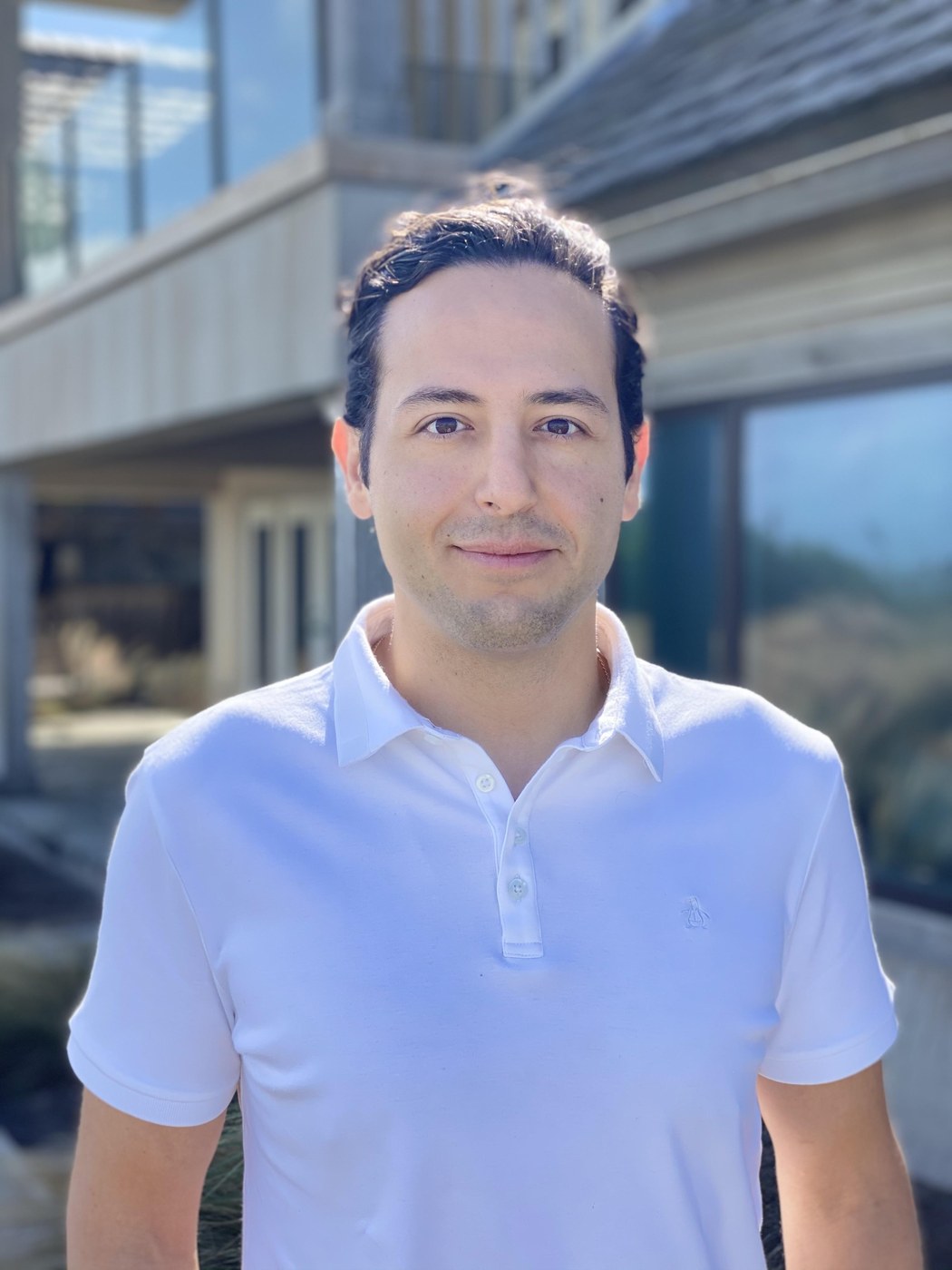
Eduardo Vivas and the expensive mistake that became Curated
The Curated co-founder bought the wrong gear, found the right advice, and built a business around the difference. His career runs from job matching at Bright and LinkedIn to expert commerce, Flip, and the AppLovin board.

Li Haslett Chen and the price of a good recommendation
A childhood in Beijing, a detour through Vogue, and a broken shopping link helped shape the founder of Howl. Now, after selling its creator business, Li Haslett Chen is asking what happens when AI becomes the personal shopper.

Alexander Friedhoff and the art of the invisible shop
Before Etaily, Alexander Friedhoff learned how shirts were made, brands travelled, and orders reached customers. Now he is putting those lessons to work across Southeast Asia, where every effortless purchase has a complicated life backstage.
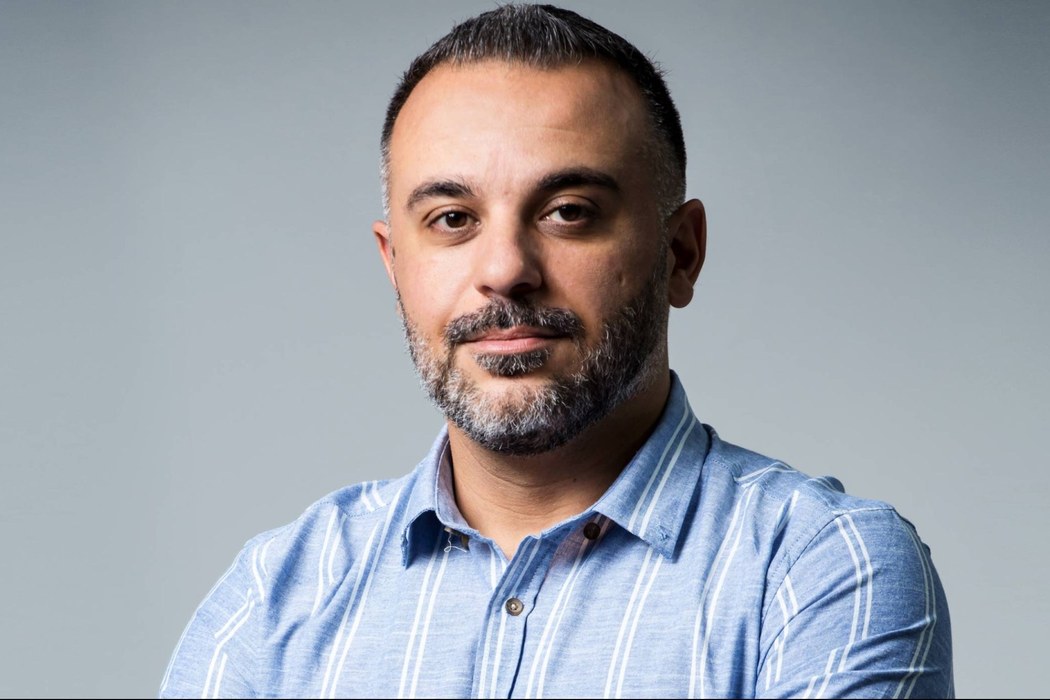
Ramy Assaf and the unfinished business of a conversation
A hat business on Instagram gave Ramy Assaf a close look at the gap between finding a customer and getting paid. With Zbooni, he has spent years building a way across it.
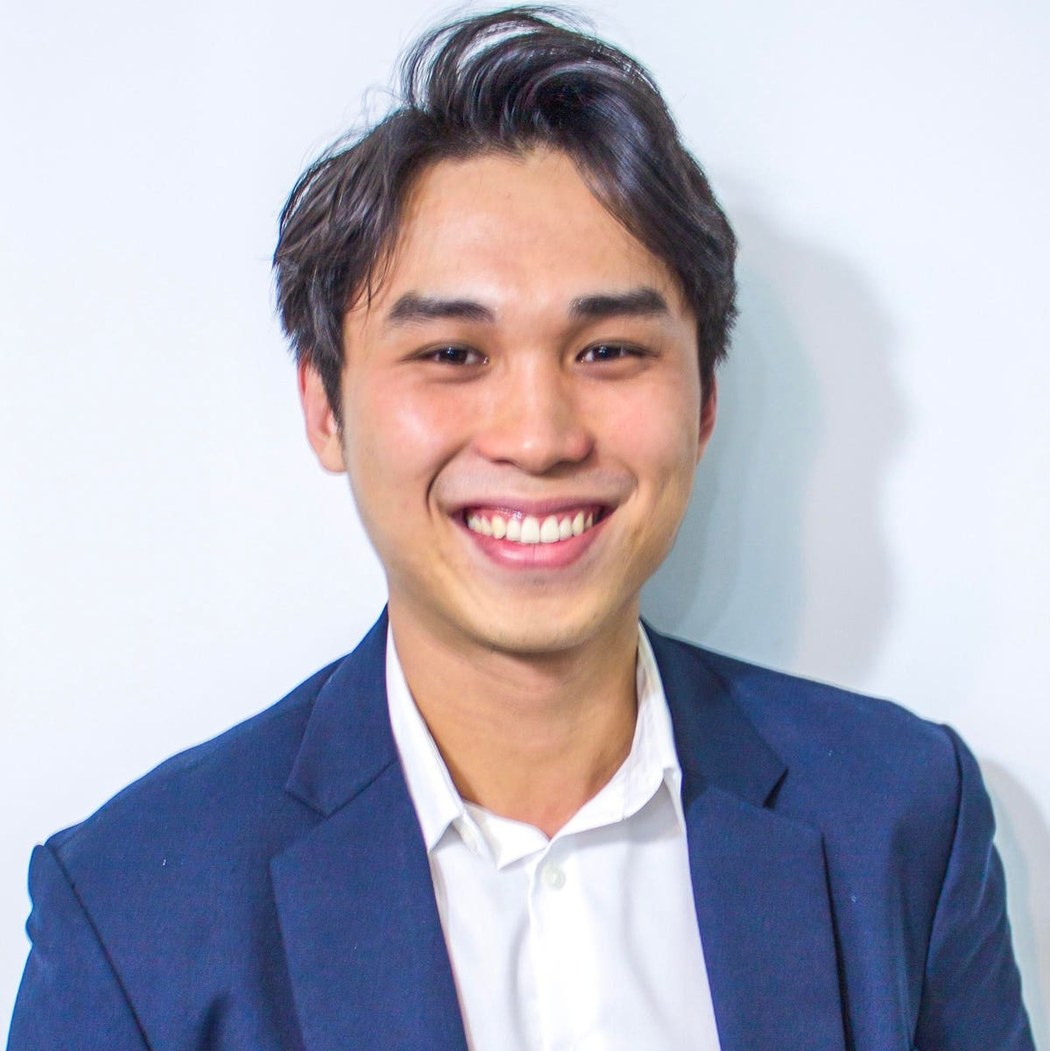
Jake Goh and the business of making business easier
He began by helping shoppers pay less across borders. With RateS, Goh Jian Kai (Jake) turned his attention to the work that keeps would-be shopkeepers from making their first sale.
Yosua Setiawan and the Fifteen-Hour Test
Before Segari, Yosua Setiawan studied finance and architecture, helped grow Traveloka in Vietnam, and worked at BCG. Now his business rests on a promise that customers can inspect: fresh groceries, fifteen hours from harvest to home.
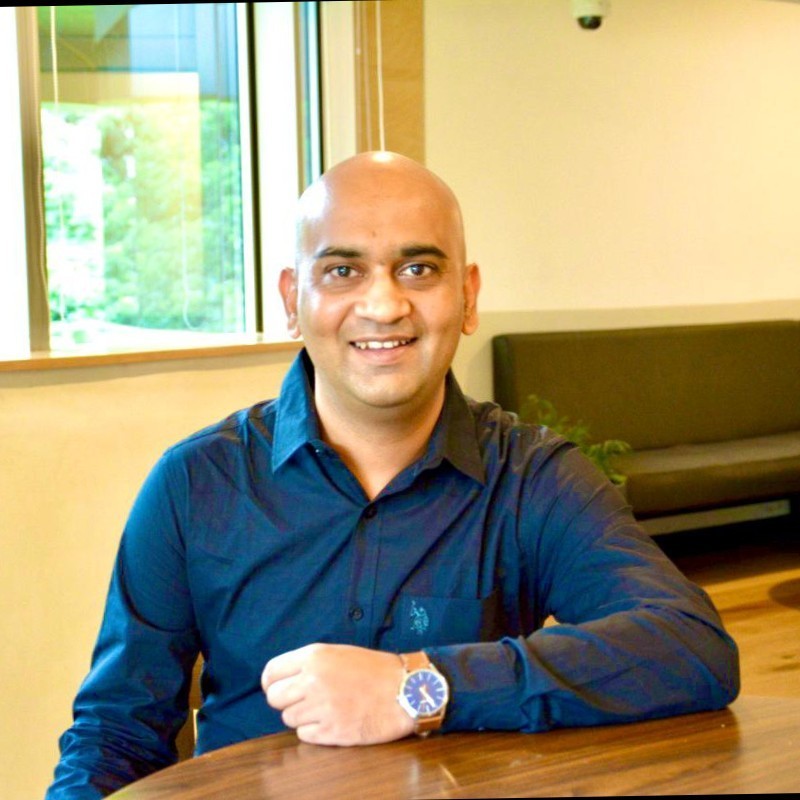
Vineet Rao and the small basket that became a billion-dollar bet
After a decade building software at Microsoft, Vineet Rao co-founded DealShare around a different customer: the household watching every rupee. A WhatsApp experiment in Jaipur became a venture-backed grocery business, then faced the harder arithmetic of scale.

Arip Tirta and the value of coming home
He left Silicon Valley to build in Bandung. From property data to Evermos, Arip Tirta has kept returning to a practical question: what would help more Indonesians take part in business?
Liyia Wu Put the Shop Window Inside the Phone
She began with a travel directory nobody needed. Then Liyia Wu noticed that the most useful part of a shop was not the shelf, but the person standing beside it.

Cindy Lee Is Trying to Fix the Party She Once Joined
After seeing direct sales from both sides of the table, the Ryze Party co-founder built her jewelry company around a blunt proposition: the field should not be the customer.

Miranda Qu and the Three-Hour Queue That Became a Map of Modern China
A long wait in a Hong Kong shop gave Miranda Qu a small idea: tell travelers what was worth buying. The guide became Xiaohongshu - and the useful habit of listening became her operating system.

Charlwin Mao Built a Little Red Book Big Enough for the World
He began with shopping guides for Chinese travelers. A decade later, the quiet founder of Xiaohongshu presides over a place where hundreds of millions decide what is worth eating, wearing, visiting and remembering.
Henson Tsai Bet Everything on the Wrong App - Then Learned to Listen
A failed food app emptied his savings. A hotel pitch went nowhere. Henson Tsai kept the two engineers, changed the customer in a day, and built SleekFlow by treating rejection as data.

Carly Gomez Is Teaching a Foam Clog to Tell Stories
Crocs' chief marketing officer built her career from the shop floor up. Now she is turning charms, creators and tiny serialized dramas into a practical lesson in how brands earn attention.
Ammar Roslizar Built the Software His Travel Company Needed
A halal-tourism operator found his next company hiding in years of WhatsApp orders. Ammar Roslizar's path from ARBA Travel to Yezza is a study in building from the work already on the desk.

Kayode Disu Is Moving Africa’s Checkout Into the Chat
After years building digital-security systems for banks, the Vendy co-founder is betting that Africa’s next checkout counter will look less like a website and more like a conversation.
Bill Staley Is Building the Internet's Missing Kitchen Table
After a decade spent publishing recipes, shipping spices and learning how platforms fail creators, the FoodSocial co-founder is trying to put community, commerce and dinner in the same place.

The Bet That India's Small Towns Would Shop by Watching
He turned a hunt for hidden Ganesh Chaturthi pandals into a 50-million-user app, then watched India's social-commerce dream test every assumption he had made.
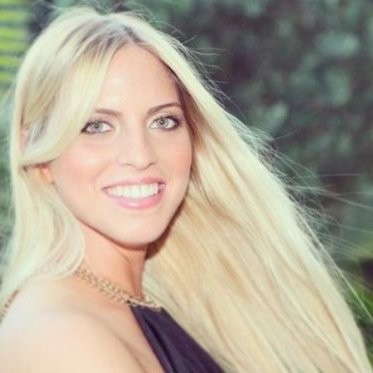
Dana Tuchman
Dana Tuchman is the Chief Marketing Officer of Edikted, the Gen Z women's fashion brand that turned #TikTokMadeMeBuyIt and a signature pink package into one of the most talked-about retail stories of the decade. Trained in economics and performance media in Israel, she moved from managing paid search at global agencies to steering the marketing engine behind a brand that scaled to roughly $119M in revenue and is doubling its retail footprint. Her playbook leans on organic virality, aggressive gifting, and unboxing culture rather than traditional influencer paydays.
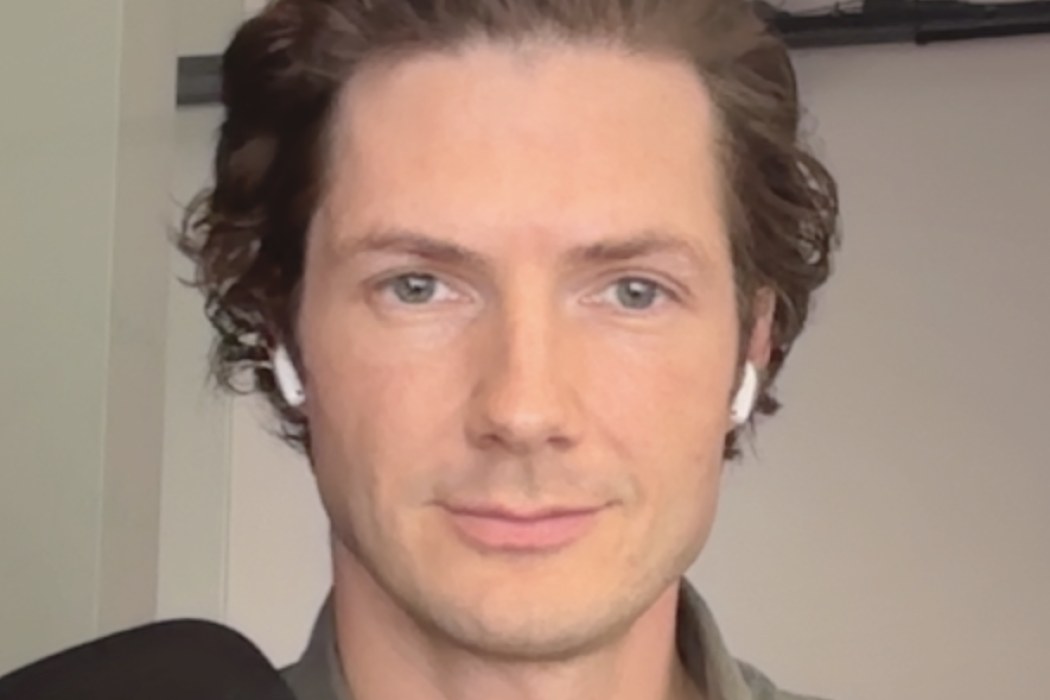
Gary Garofalo
Gary Garofalo is the CEO and co-founder of LoudCrowd, an Austin-based software company that turns brand creators and influencers into measurable revenue channels. His platform builds native creator storefronts on a brand's own e-commerce site, aiming to make social commerce as mainstream as third-party tools like LTK or TikTok Shop. A former Deloitte consultant with an economics degree from Wesleyan, Garofalo has led LoudCrowd to work with brands including Gymshark, Boohoo, Kyte Baby and Dolce Vita.
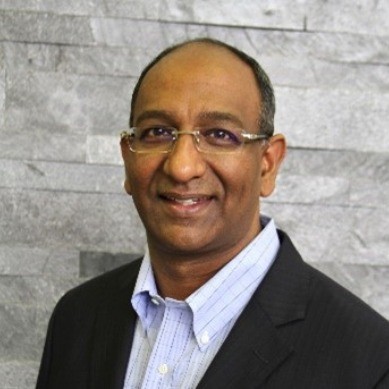
Jenkin Richard
Jenkin Richard is the co-founder and CEO of ChatLabs, an AI platform that turns social media traffic into personalized, on-brand shopping journeys for luxury and consumer brands. Incubated inside LVMH's innovation accelerator, ChatLabs raised a $3.2M seed round led by Silicon Road Ventures in December 2024 and counts LVMH houses like Dior and Tiffany, plus Kering, Richemont and Samsung among its partners. Before ChatLabs, Richard founded and served as CTO of the social commerce firm Chatly, which was acquired by Salesforce. He holds an MBA from MIT's Sloan School and an undergraduate degree from UC Berkeley.
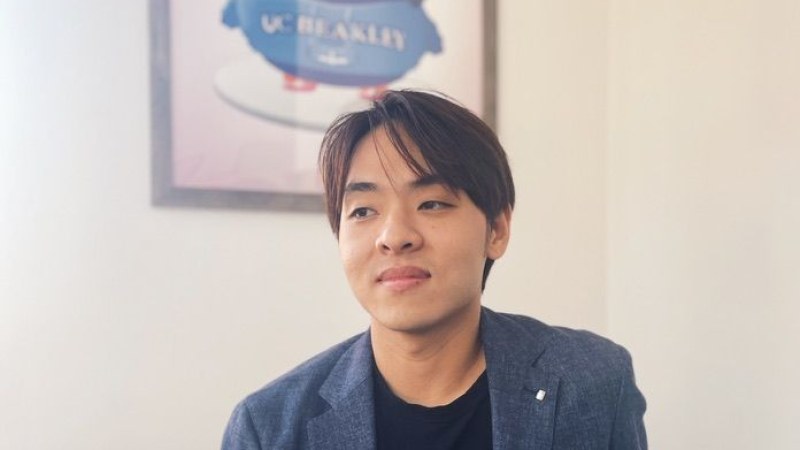
Kevin Tan
Kevin Tan is the co-founder and CEO of Snackpass, the restaurant technology company he started in his last semester at Yale that turned takeout ordering into a social, viral experience. What began as a way to skip the line for campus munchies grew into a multi-product platform - mobile ordering, self-service kiosks, loyalty and gifting - used by hundreds of restaurants. A physics graduate, musician, and self-taught engineer, Tan raised $70 million in Series B funding in 2021 at a roughly $400 million valuation and was named to the Forbes 30 Under 30 list.
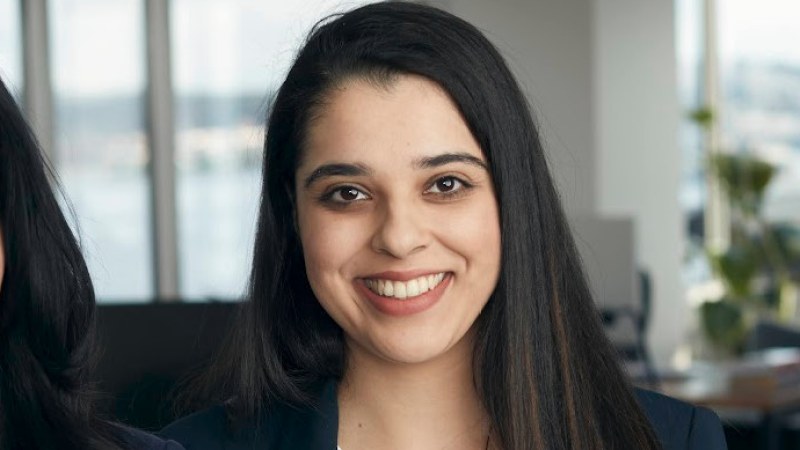
Misbah Uraizee
Misbah Uraizee is the co-founder and CEO of Nectar Social, the Palo Alto agentic operating system that runs brand conversations in DMs, comments and group chats at machine scale. A Yale biotech grad who spent a decade building product at Microsoft, Meta and Twitter - leading News Feed and creator monetization for billions of users - she left Meta in 2023 with her sister Farah to build Nectar. The company exited stealth in 2025 and raised a $30M Series A led by Menlo Ventures' Anthropic-backed Anthology Fund in May 2026, powering more than 10 million conversations a week for brands like e.l.f. Beauty, Figma and Liquid Death.
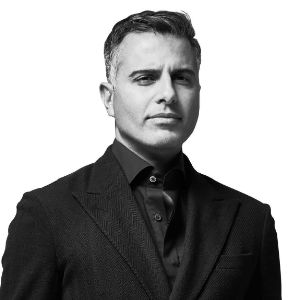
Ari Daie
Ari Daie is the founder, CEO and president of FEVO, a New York social-commerce platform that turns the lonely online checkout into a group activity. After a career that ran through Goldman Sachs, two startups he built and sold, and a senior dealmaking seat at Ticketmaster/Live Nation, Daie built FEVO on a simple bet: people would rather buy tickets and merchandise together than alone. The platform now powers more than 750 partners across the NBA, NFL, MLB, NHL, MLS and Formula 1, and FEVO has reported scaling past a billion dollars in sales while raising tens of millions in venture funding.
Garrison John
Garrison John is a chief executive associated with RateS, the Indonesia-focused social commerce platform that turns housewives, students, and small-town hustlers into online resellers. The company began life in Singapore in 2017 as the e-commerce payments startup RateX before pivoting into social commerce across Indonesia's tier-2 and tier-3 cities. Listed on LinkedIn with a Harvard education and based in the New York City metropolitan area, John sits at the intersection of Wall Street financing logic and warung-level commerce, where the whole game is shaving inefficiency out of sourcing, supply chain, inventory, and working capital for half a million resellers.