philadelphia
(82)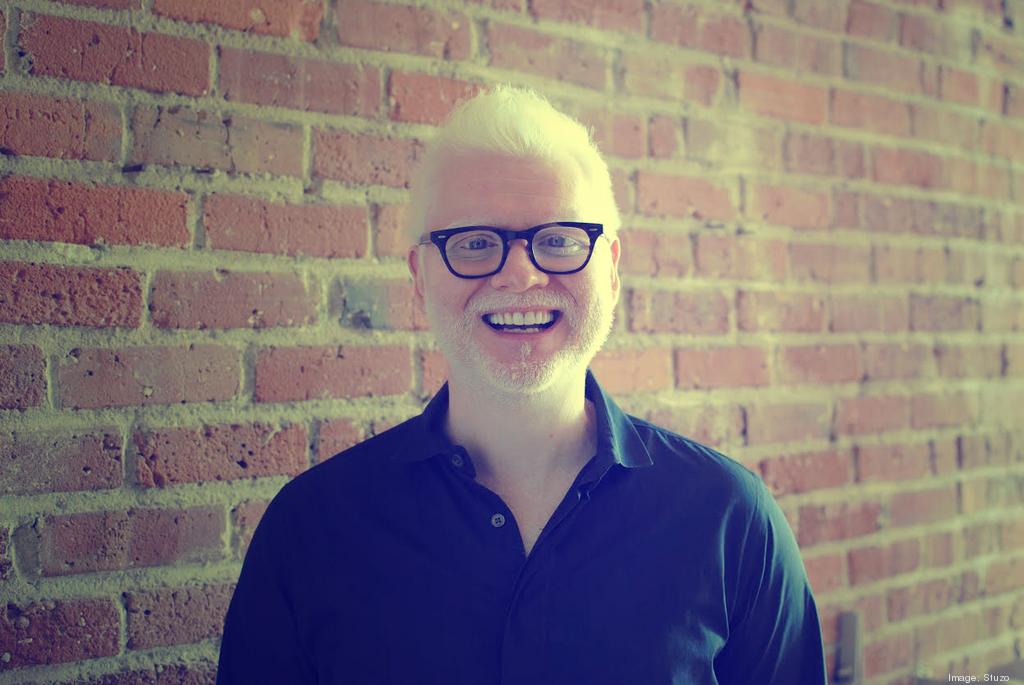
Gunter Pfau sold Stuzo. Then he bought it back.
Before the $190 million PAR deal, there was a GED, a family bet and a company worth buying back. Gunter Pfau’s route through retail technology has rarely followed the prescribed directions.
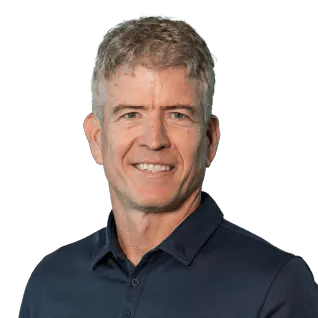
Dave Monahan and the value of a good question
An engineer learns business at Microsoft, leaves to run a smaller company, then starts asking dentists how their businesses work. Dave Monahan’s route to Kleer and Membersy is a study in letting the answers change the plan.
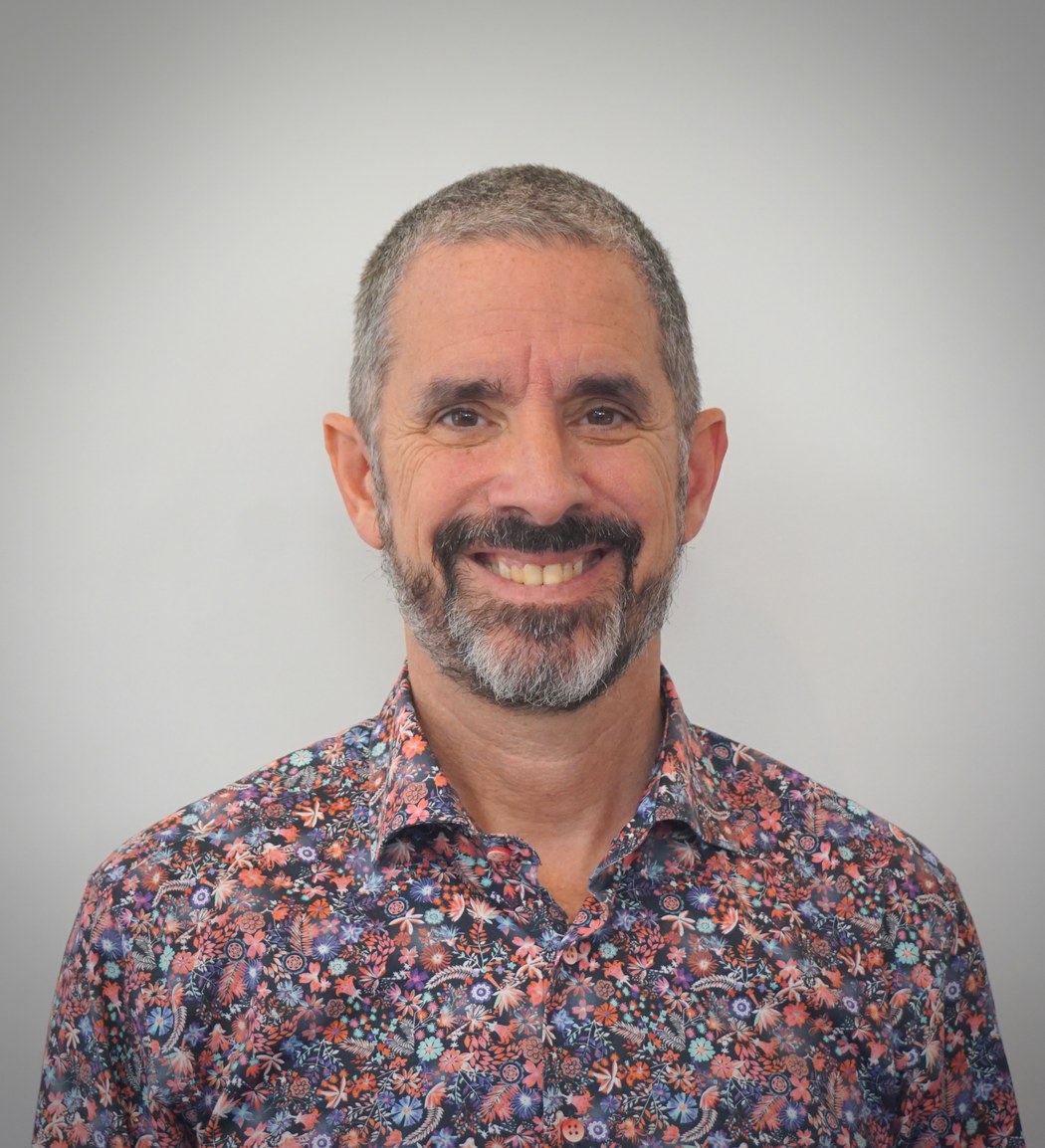
Stephen Fernands and the paper route that never was
A living-room consultancy nearly sent its founder out delivering newspapers. Stephen Fernands stayed with energy markets - and built a business that now connects power trading with rural enterprise.
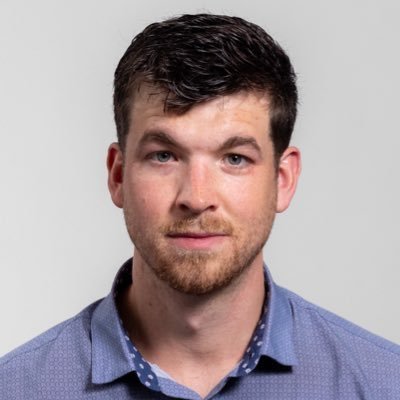
Alex Mather and the price of caring too much
A Philadelphia fan went looking for better stories about his teams. Six years after Alex Mather and Adam Hansmann launched The Athletic, The New York Times agreed to pay $550 million for their answer.

Tom Spann and the trouble with good advice
After 26 years at Accenture, Tom Spann left to build something his daughters could learn from. At Brightside, he is working on a different kind of lesson: making money decisions easier to act on.

Joshua Halpern and the business between the numbers
A Princeton history graduate helped build IntegriChain around the overlooked details of commercial data. Twenty years later, its co-founder and CEO is giving customers a new way to ask questions.
Trevor Kaufman and the price of a good story
He sold his house to help fund a business built on the belief that readers would pay. From Tinypass to Piano, Trevor Kaufman spent thirteen years working on the economics of publishing. Now he runs KNIME.
David Regn’s long game began in a bakery
Before he co-founded Stream Companies, David Regn learned to grow a business inside a grocery store. Thirty years after starting an agency with his friend Jason Brennan, he is still working on the same question: what makes customers come back?
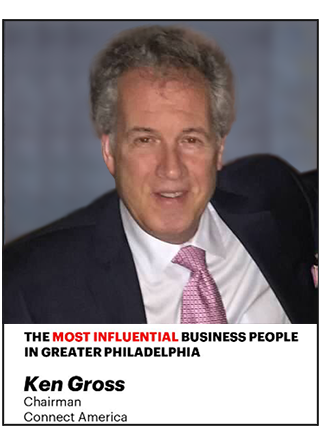
Ken Gross and the trouble with retiring
After selling his first alarm business, Ken Gross tried real estate, bagels and championship basketball. Then the founder of Connect America went back to the work he knew.
Brian Finnegan and the importance of being next door
He started by finding space for retailers. Now Brixmor’s CEO is applying two decades of leasing experience to a larger question: what makes a shopping center worth coming back to?
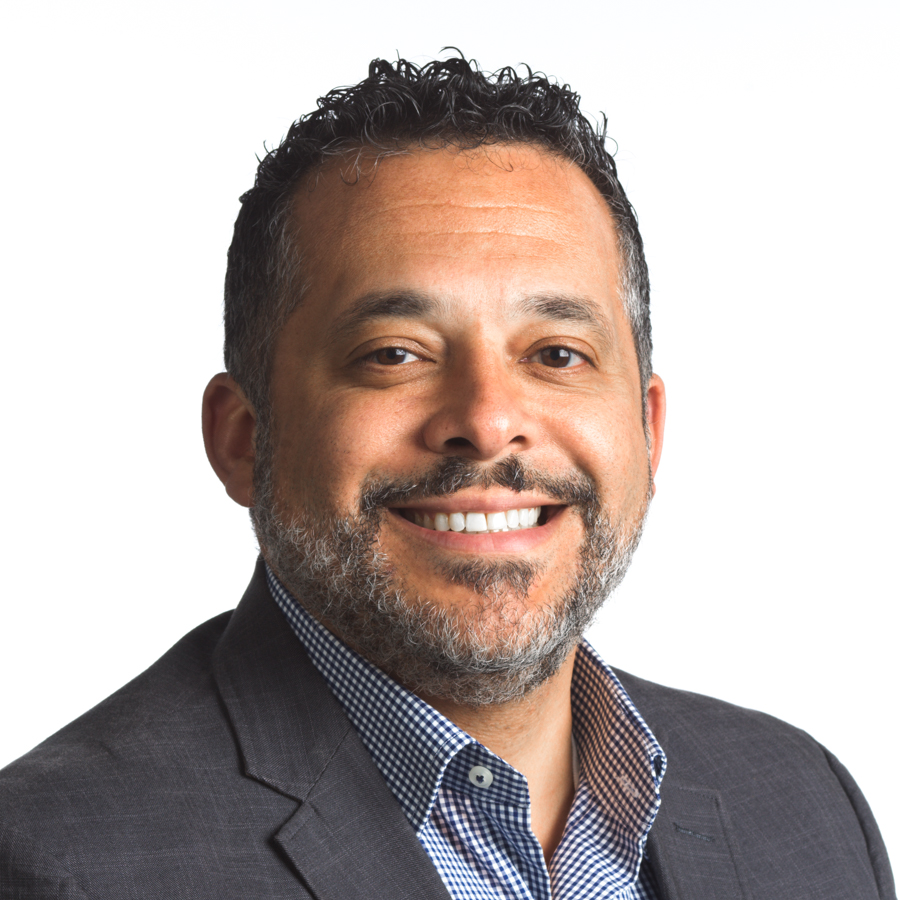
Keith Pfeil’s long apprenticeship to a bigger job
Before Keith Pfeil became CEO of Globus Medical, he spent years learning how its parts fit together. His route from accounting to the corner office runs through a consumer-products company, a major merger and a steadily expanding job description.
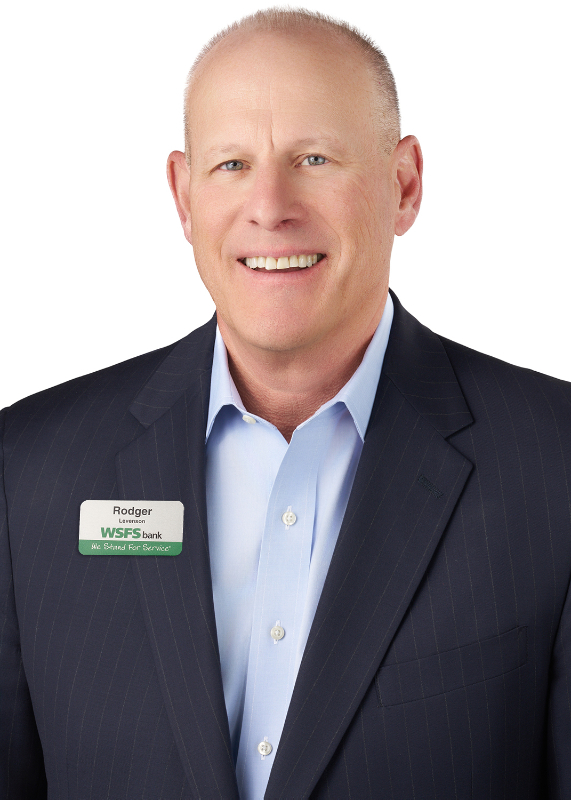
Rodger Levenson and the value of taking the long way
Before he ran WSFS, Rodger Levenson carried hotel bags, trained in Philadelphia banking and learned the business from four different executive desks. His career asks a practical question: how big can a hometown bank grow while keeping its sense of place?
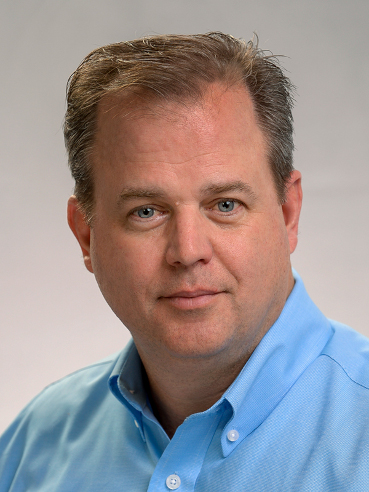
Kevin Olsen and the second life of the automobile
He joined Dorman Products to oversee the numbers. A decade later, Kevin Olsen leads a business built around a practical promise: give people more ways to keep their vehicles running.
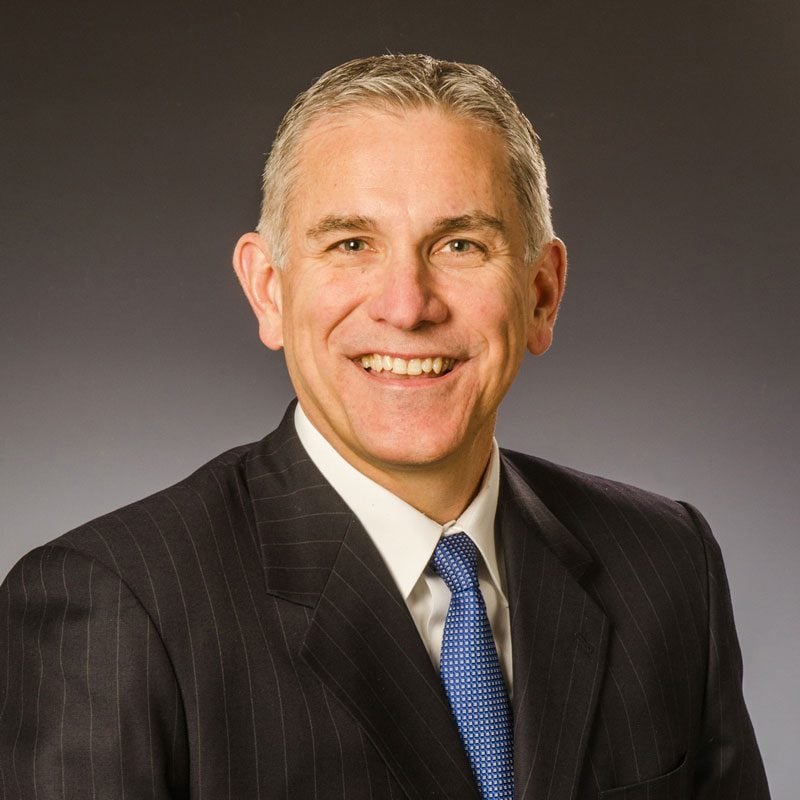
Tony Thene and the value of getting the metal right
An accountant’s route through the metals business took Tony Thene from an Indiana plant to Carpenter Technology’s chief executive chair. His career turns on a practical question: how do you make specialist knowledge worth more to a customer?

Bryan Stevenson and the first ten customers who had a different job
Before Reprise chased growth, Bryan Stevenson wanted ten customers who would tell him what needed fixing. The repeat founder’s next business began with a familiar frustration: software that was harder to show than it should have been.
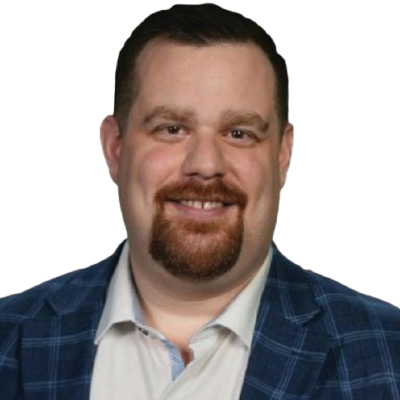
Domenic Colasante knows what a bridge is worth
Financial help kept him in the classroom. Years later, the 2X co-founder built a business around a different kind of support - and began funding bridges for students of his own.
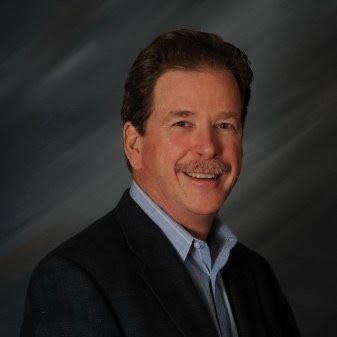
David St. Clair and the business of coming back
David St. Clair built Medecision from a basement, took it public, sold it, and returned from retirement to run it again. His career makes room for the parts of entrepreneurship that rarely fit on a celebratory slide.
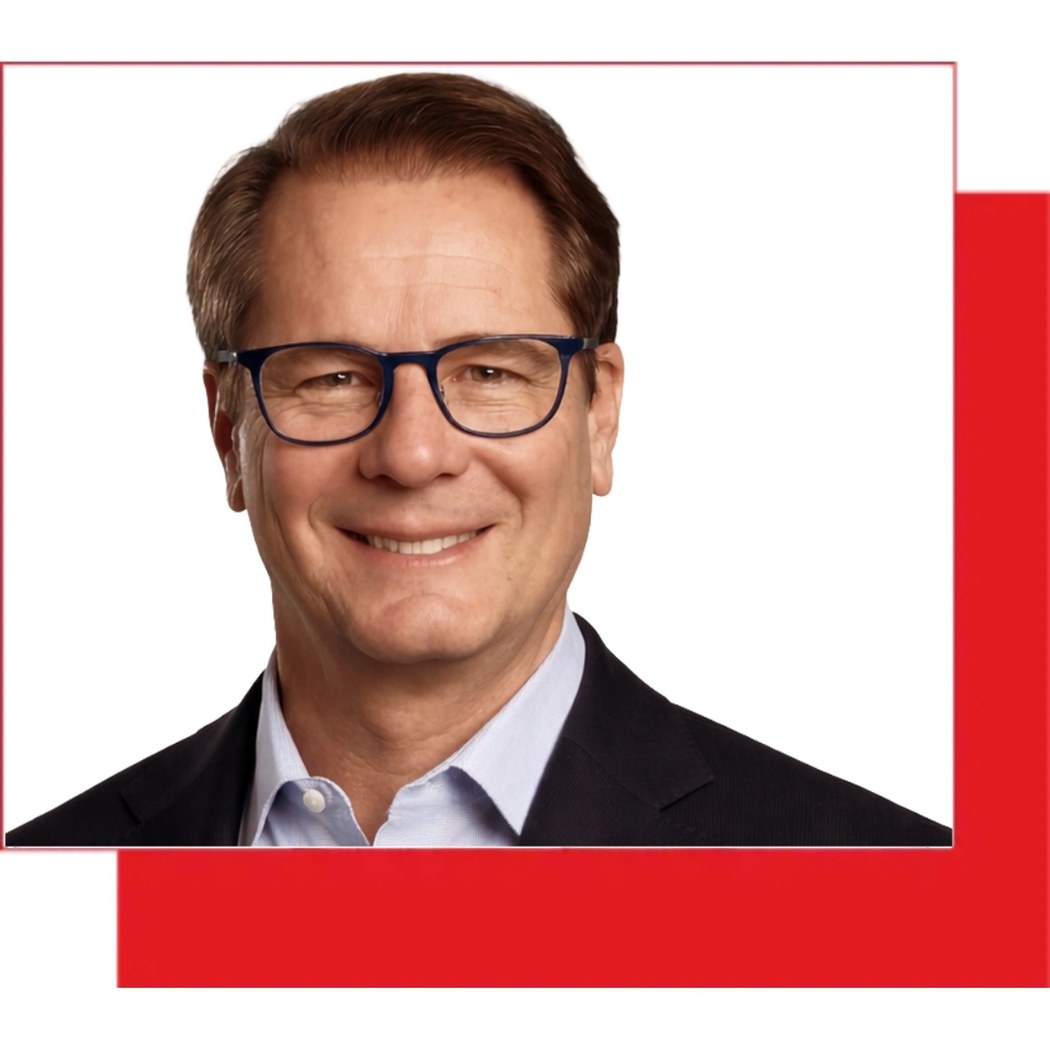
Philip Moyer and the last mile to the classroom
Before Microsoft, Google and Vimeo, Philip Moyer wrote school software at night and sold it by day. Now leading McGraw Hill, he is returning to an old ambition: a learning path for every student.
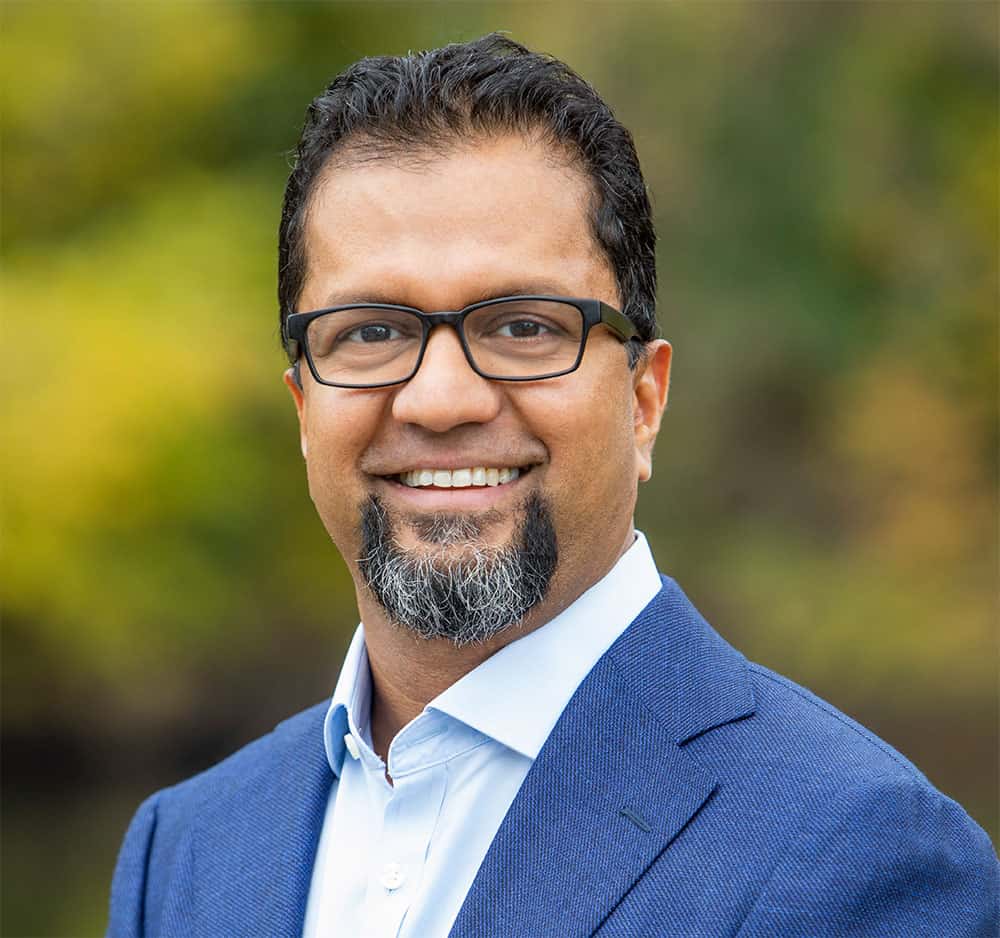
Jagath Wanninayake and the art of starting again
He sold Clarix for $40 million, co-founded a record label, and returned to software with Suvoda. His career keeps circling a practical question: how do you get people to come along?
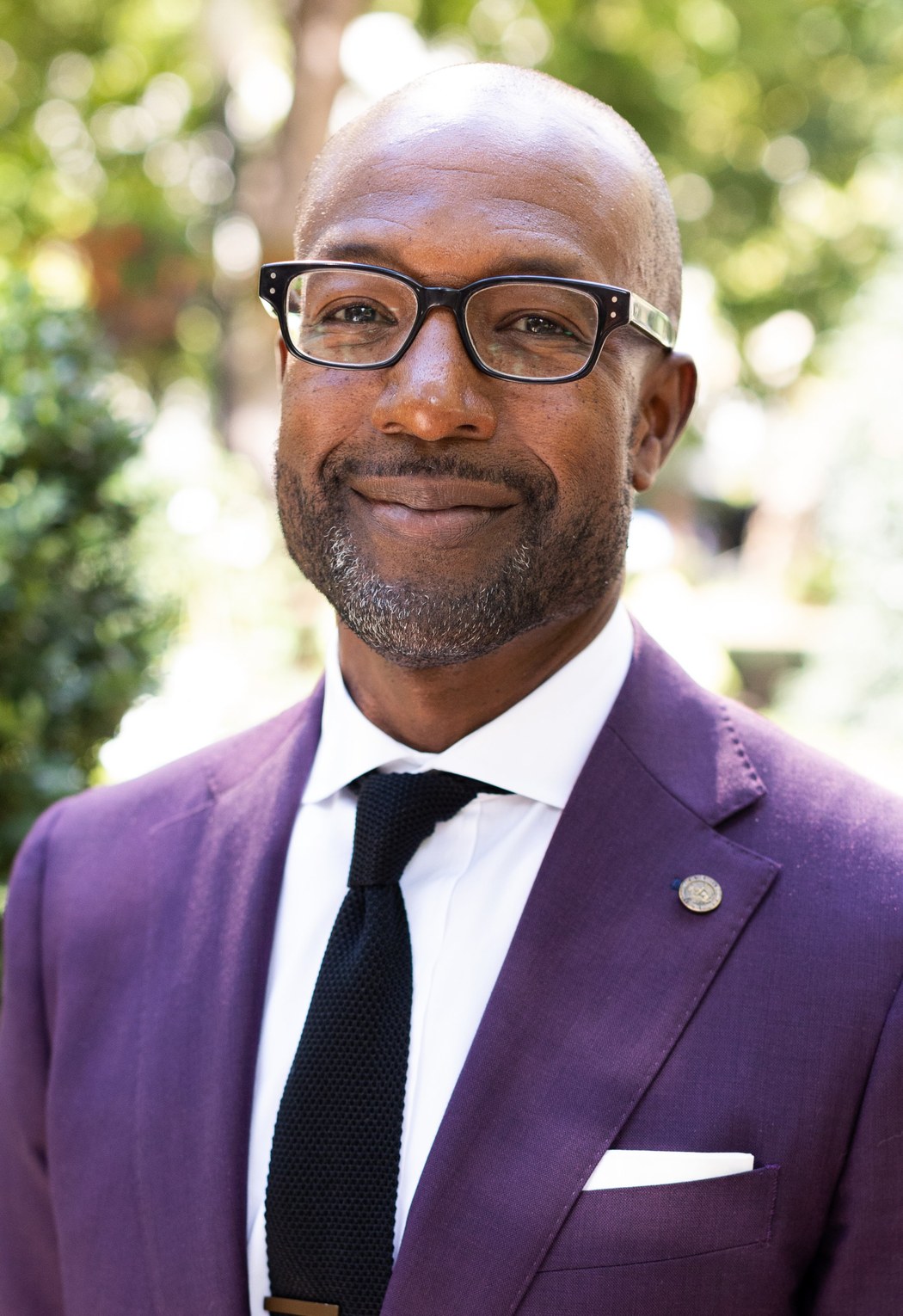
Mustafa Rashed and the Trouble with a Good Idea
A Philadelphia newspaper internship introduced Mustafa Rashed to the power of a story. At Bellevue Strategies, he has built a career around what it takes to turn one into public action.
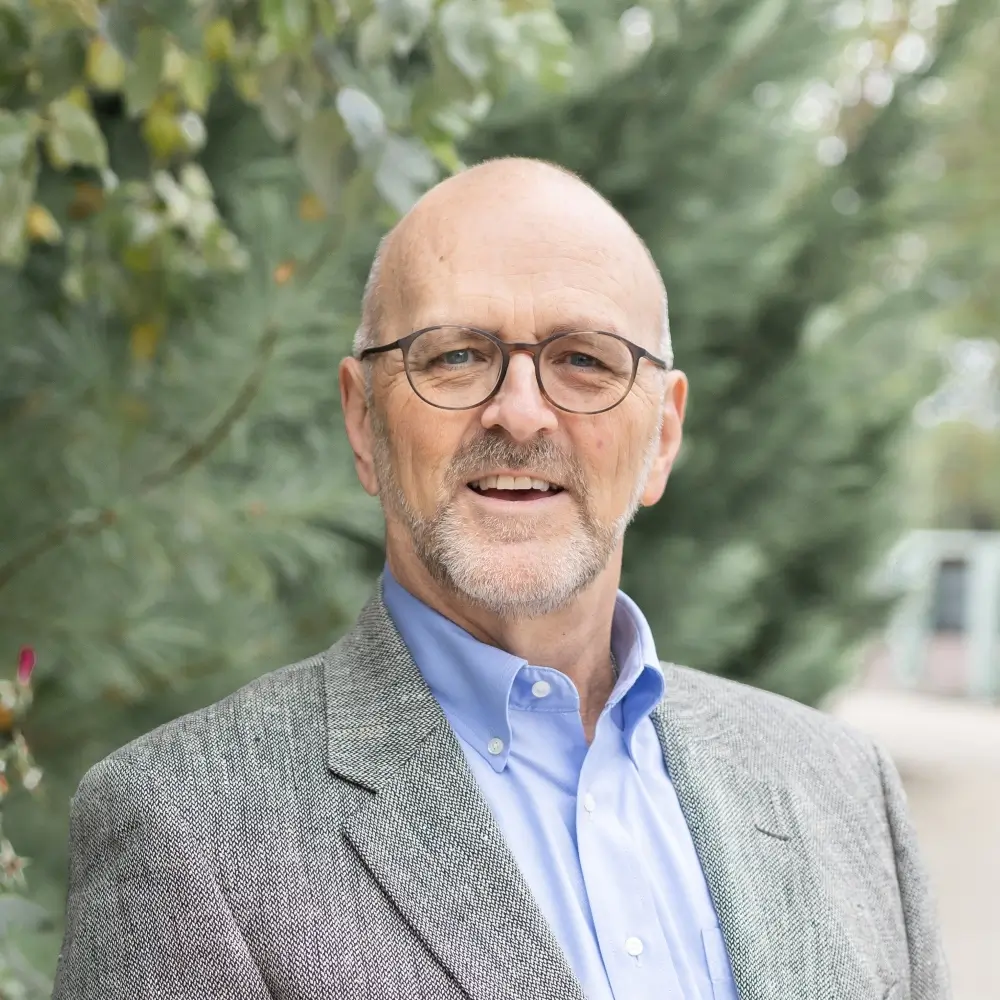
Kevin D. Pawley and the 433 Letters That Outlived a Fire
A box of wartime letters gave the Kay Square Scientific founder a second assignment: preserving the voices of his own family. His life in publishing runs from Philadelphia stories to the small details that make a sentence worth keeping.
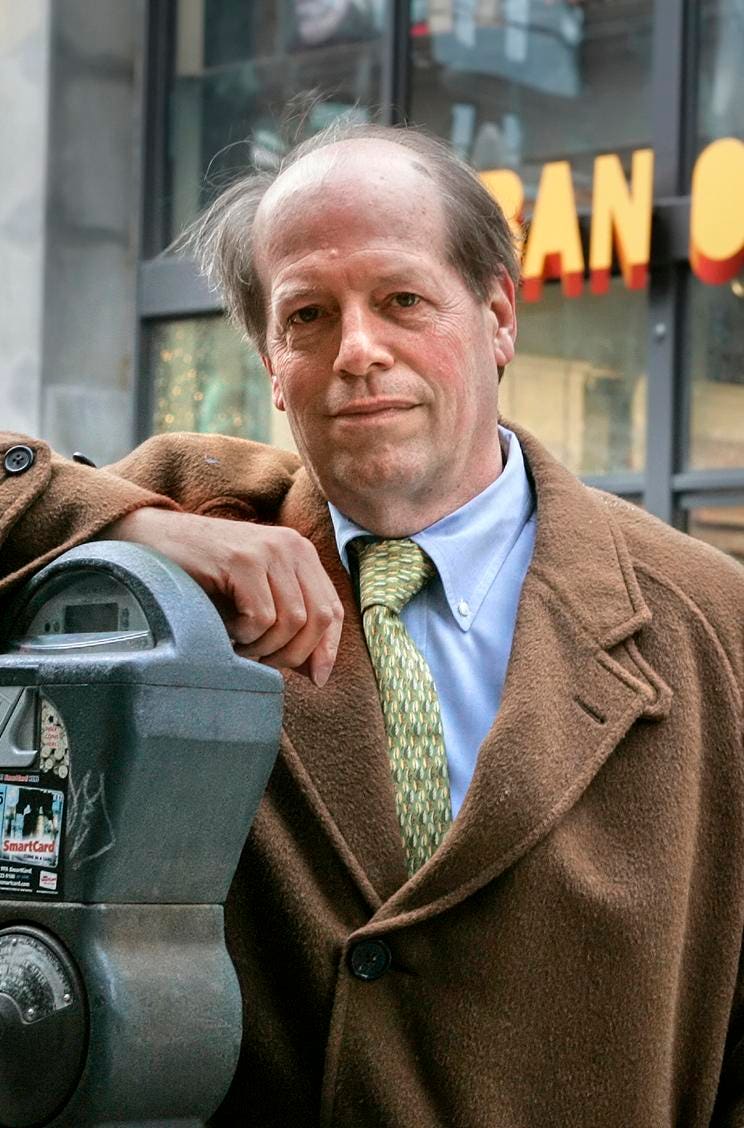
Richard Hayne and the customer who grew up
He started with second-hand clothes for students. When those students wanted a different life, Richard Hayne helped build Anthropologie - and made paying attention a business that could keep changing.
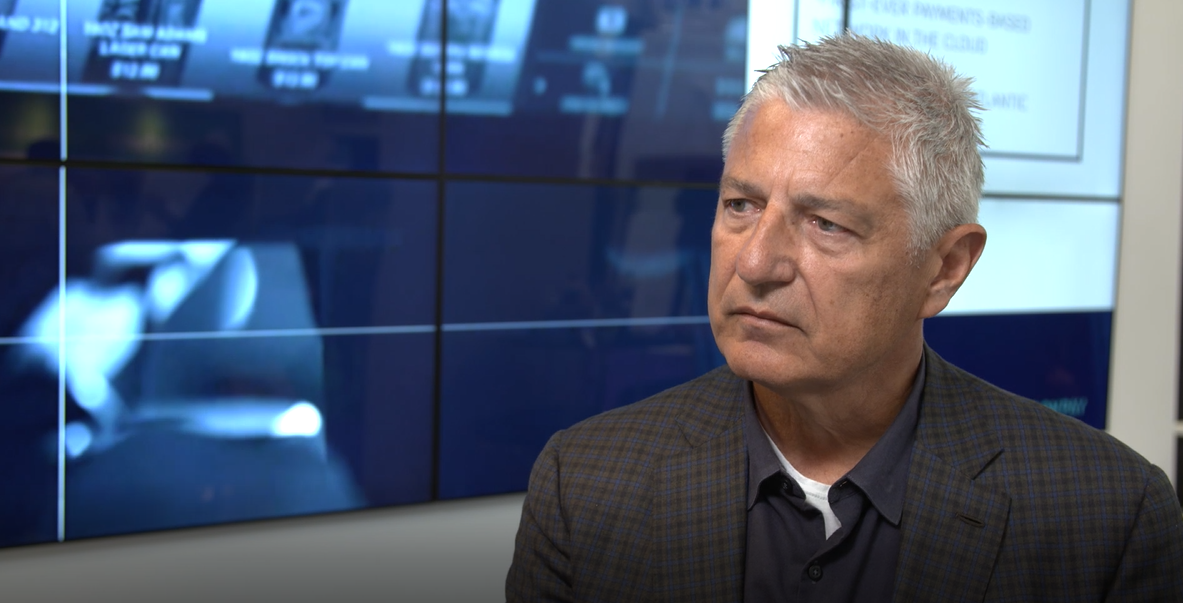
Tom Durovsik and the business behind the tap
Before FreedomPay, Tom Durovsik marketed beverages and ran a collectibles business. His next venture took him into lunch queues, Scout camps and the systems that make a purchase possible.
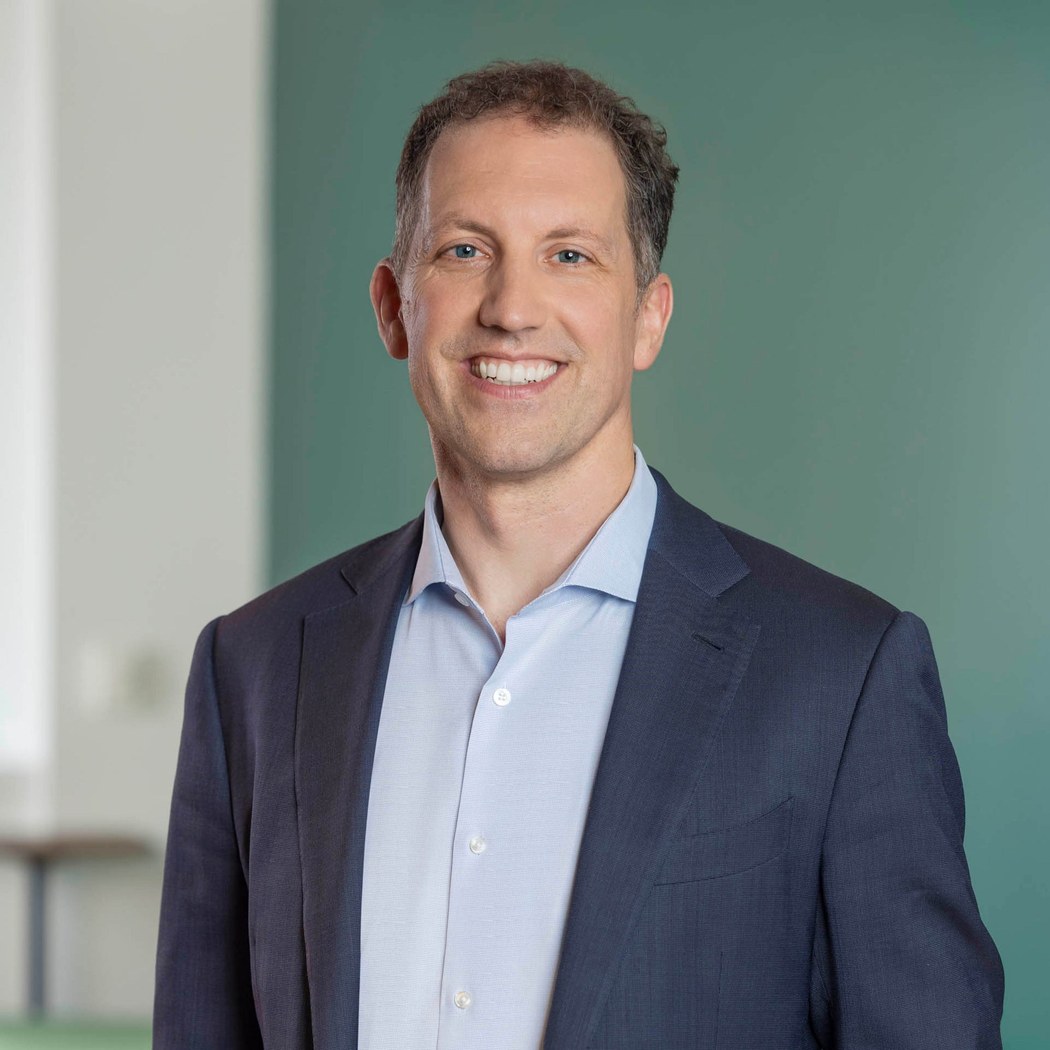
Mick Beekhuizen and the distance between a spreadsheet and supper
An engineer by training, a financier by experience, and a food lover by his own account. Campbell’s 15th CEO has spent his career learning what happens between the numbers and the factory floor.
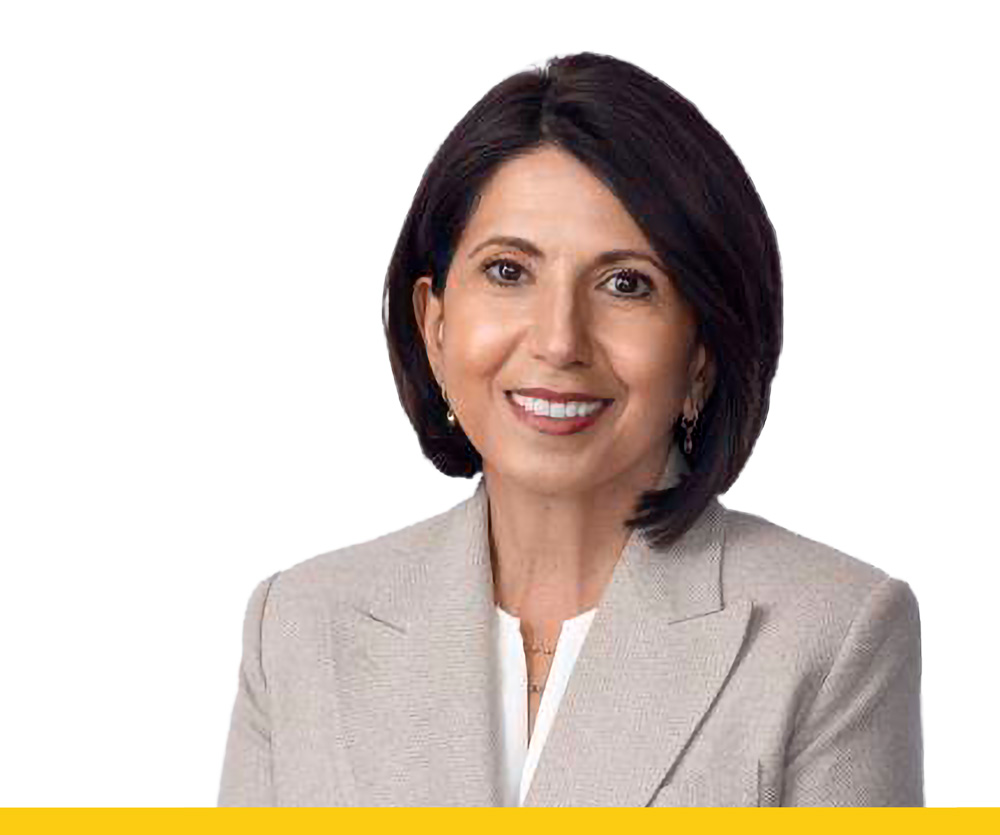
Silvana Battaglia and the art of leaving a chair ready
After seven years leading Cencora’s people organization, Silvana Battaglia is helping hand it over. Her career offers a close look at the work that makes a leadership change more than a change of names.

Tricia Smith and the business of being surprised
From Nordstrom’s sales floor to the leadership of Anthropologie Group, Tricia Smith has kept expanding what she wants to learn. Her next assignment is to keep a familiar brand full of discovery.

John Zillmer and the business of waiting your turn
He returned to Aramark to restore its appetite for hospitality. From the cafeteria queue to the crews building AI data centers, John Zillmer keeps bringing the conversation back to the people being served.
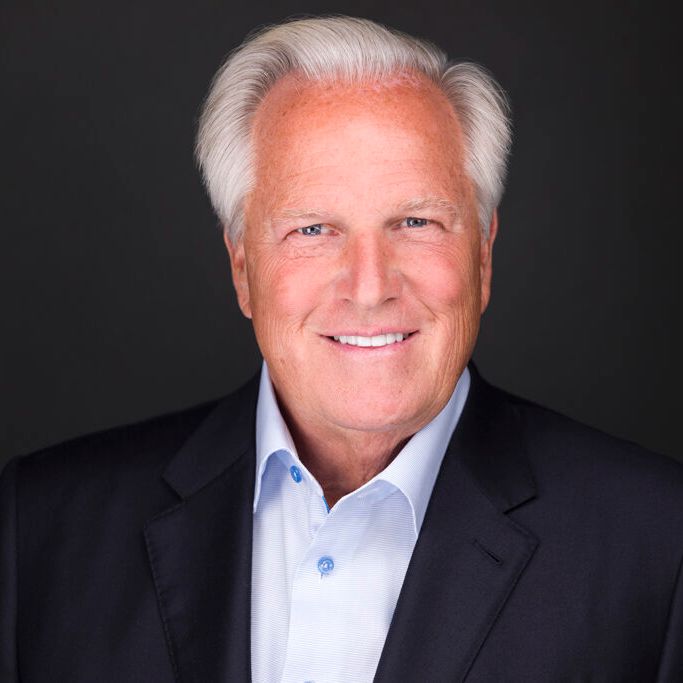
Edmond Walters and the trouble with the family fortune
He built eMoney Advisor to put a client’s financial life on one screen. Then the founder with ten brothers and sisters went back to work on the part a balance sheet cannot settle: what a family wants to do next.
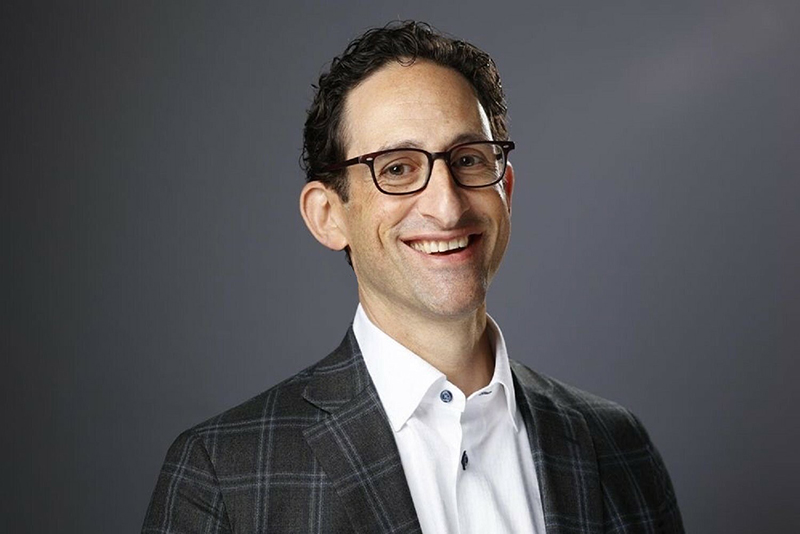
H. Adam Holt Wanted to Draw Buildings. He Ended Up Drawing Financial Lives.
The Asset-Map founder carried an interest in drawing through government work, financial advice and business school. His one-page approach now reaches households around the world, while a newer project asks what success should look like at home.
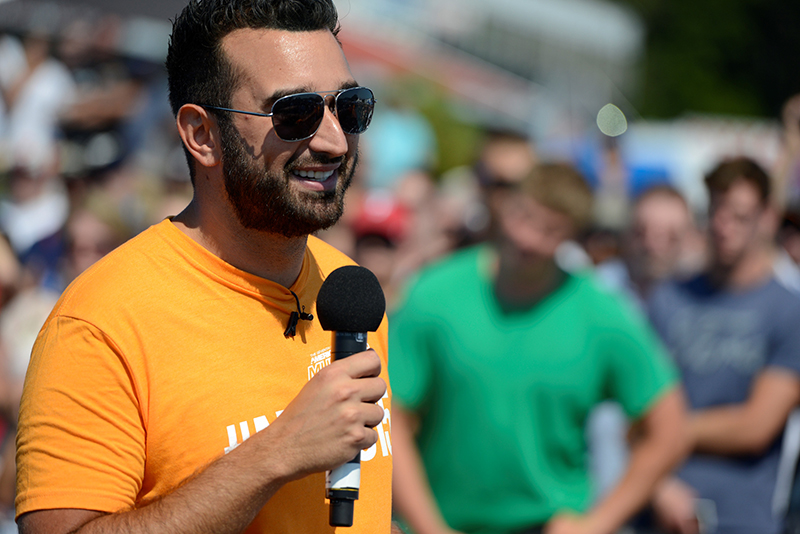
Steve Voudouris and the education of an impatient customer
A teenage computer retailer wanted better parts for his Mustang. The business he helped build at Turn5 grew around a deceptively ordinary question: why was buying something you loved such hard work?