philadelphia
(26)
PAR Retail wants the next stop, too.
A fuel purchase gets a driver onto the forecourt. PAR Retail connects loyalty, payments, and in-store experiences to give that driver a reason to come inside - and come back.
Carpenter Technology makes the metal that makes it possible
A rover on Mars. A replacement hip. An aircraft engine. Carpenter Technology works where a material’s smallest details can decide whether the whole machine works.

Inoxoft makes the handoff work.
A surgical model, a bond deal, a holiday quote. Inoxoft builds the software that gets complicated work from one pair of hands to the next.
WSFS Bank thinks beyond the branch
A Delaware savings bank built a business around the places money gets stuck: in a till, in a loan application, and between one generation and the next.
Aramark runs on the everyday.
A peanut-vending business became an $18.5 billion operator of kitchens, campuses, and hospital support services. Now it is feeding the people building the AI boom.

Philly Online Marketing follows the click to the customer
A local marketing business makes a practical case for connecting search ads, websites and follow-up. The interesting part happens after someone clicks.

vybe urgent care Makes Room for the Everyday Emergency
Eighteen clinics. One Philadelphia-sized problem: getting ordinary medical care when ordinary schedules fall apart. vybe is building its business around the distance between needing help and actually getting it.
The Name on the Door Was Getting in the Way
For sixty-one years, Brownstein sold the power of a family name. Then it decided the smartest way to preserve the family business was to take that name off its advertising agency.
The Agency That Learned a Good Idea Can Wear the Wrong Name
Allen & Gerritsen spent four decades building an integrated independent agency. Then one successful acquisition taught it a sharper lesson: the work can be right while the wrapper is wrong.

Deardorff's Trick: Give the Complicated Thing a Pulse
A 42-year-old Philadelphia agency found a durable niche in subjects people are trained to ignore - retirement plans, road rules, institutional brands - and learned to make them move.

The Boxer in the Corner Office
Punch Media inherited its emblem from a 1920s prizefighter. Its real advantage is more modern: knowing how restaurants, hotels, drinks, and the stories around them travel through a city.
The Firm That Learned to Run Toward the Crowd
Signature 57 sells a deceptively practical idea: the story is only as good as the order in which people hear it. That idea carried a one-person consultancy into museums, murals, rebrands and the largest sporting event on earth.
The Agency That Put on a Lab Coat
Most agencies know the language of persuasion. Brandwidth Solutions built a business by learning the language of the laboratory - then wiring every campaign to the sales pipeline.

Broadpath Sells the One Thing Technology Cannot Explain by Itself
A small Philadelphia-area communications firm has spent years solving a peculiarly modern problem: a good technology can be real, useful and almost impossible to notice. Its answer is not louder publicity. It is sharper relevance.

The Agency That Put the Audience Inside the Advertisement
Mighty Engine discovered that the people usually called an audience can be the sharpest strategists in the room. Twenty-five years of campaigns show what happens when a creative agency listens before it speaks.
The Hype Machine That Stayed in Philadelphia
Nicole Cashman's first partnership fell apart. Her answer was to stay put - and turn Philadelphia's restaurants, hotels, shops, civic moments and famous parties into a communications network with national reach.

The Firm That Knows Which Door to Knock On
Bellevue Strategies built a business around a deceptively simple political skill: knowing who needs to hear a case, when they need to hear it, and what must happen next.
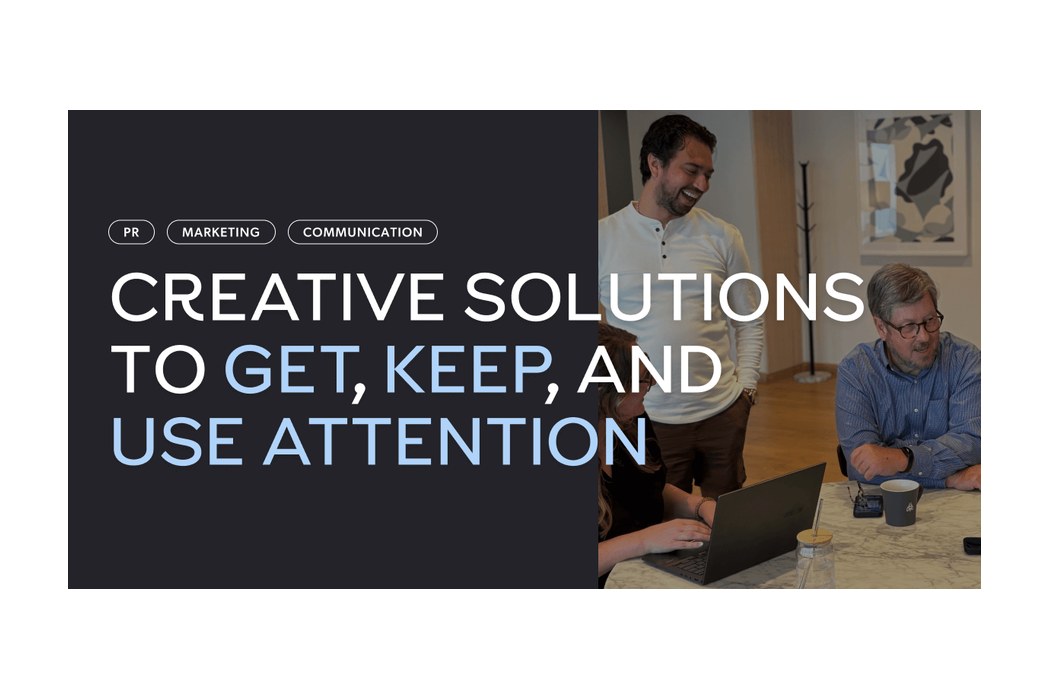
The Agency That Opened in a Recession and Bet on Attention
Slice Communications started just before the floor fell out of the economy. Its durable idea was simple: stop treating public relations, social media and marketing as separate rooms, and start measuring how attention becomes action.

The 30-Hour Spreadsheet That Built a Climate Startup
Trucking is the biggest carbon line item in almost every supply chain - and until recently, most carriers reported it by hand. Celine King built software to do it in seconds, and sold it to an industry that hates change.

The Company That Put a Sensor on the Mousetrap
Everyone chasing smart-building glory wanted to control the thermostat. Microshare went after the mousetrap, the toilet paper roll, and the mop - and built a business on the parts of a building nobody wants to think about.
The Fund That Runs the Warehouse Before It Writes the Check
Most food VCs write a check and wait. Siddhi Capital shows up with a supply-chain team - and a thesis that the next decade of consumer eating gets rewritten by weight-loss drugs.
The Jewelry Brand That Made Texture Its Trademark
For nearly five decades, LAGOS has built a national fine-jewelry business around one disciplined idea: make a strand of sculpted beads recognizable from across the room. Then keep finding new places for it to live.
The $5 Thrill That Built a 1,970-Store Retail Machine
Five Below turned pocket-money prices, pop-culture timing and the pleasure of the unexpected into a national retail system. Its real product is not any one squishy toy or charging cable - it is permission to say yes.

Nth Round
Nth Round is a Philadelphia-based fintech that builds equity-management software for private companies, family businesses, and funds. Its white-labeled platform combines cap table management, shareholder communications, proxy voting, document distribution, and internal liquidity windows into a single secure portal - so companies with hundreds of shareholders across multiple stock classes and generations can keep records accurate, keep owners engaged, and let shares change hands without a public market.

RecoveryLink
RecoveryLink is a Philadelphia-based digital recovery technology company that gives people in recovery - and the organizations that serve them - a platform for peer-based support at the touch of a button. It combines an electronic recovery record, asynchronous training, one-on-one telerecovery peer sessions, and live video group support into a single HIPAA-compliant suite. Founded by recovery scientist Robert Ashford alongside Chris Hart and Brent Canode, the company treats recovery as an individualized, data-informed process supported by both technology and human connection.

PolicyMap
PolicyMap is a Philadelphia-based cloud mapping and data analytics platform that lets anyone build custom maps, reports, and dashboards from more than 75,000 curated indicators drawn from 170-plus public and proprietary sources - no GIS expertise required. Spun out of the Reinvestment Fund, it serves banks, universities, hospitals, governments, and nonprofits that need to turn place-based data into decisions about housing, health, lending, and community investment.