Consider the cash in a shop’s safe at closing time. The sale is finished. The money is real. Yet it still has to become usable money in a bank account. Someone must count it, secure it, collect it and reconcile the records. The transaction that looked complete at the counter has a surprisingly long tail. WSFS Bank has made a business of that tail.
- A regional bank for households and businesses, with national cash services.
- Commercial lending, treasury tools and wealth expertise under one group.
- A practical lesson: fund new capabilities by reconsidering old costs.
Founded in Wilmington in 1832, Wilmington Savings Fund Society originally offered working citizens somewhere to safeguard their savings. Its modern name is usually shortened to WSFS, pronounced “Wiss-Fiss.” The nickname is disarming. The business behind it is more complicated: conventional banking, wealth and trust services, and a cash logistics operation serving customers far beyond its branch territory.
The cash has to go somewhere
Cash Connect, established in 1998, supplies ATM vault cash and handles the less visible work around it: forecasting demand, managing armored couriers and keeping records straight. An ATM needs enough notes to survive the weekend. Too many notes, however, leave money sitting idle. The product is partly an answer to a scheduling problem.
Its smart safe service addresses the shopkeeper’s version. WSFS advertises next-day credit for money placed in the safe, reducing the wait between collecting banknotes and using the proceeds. Businesses can use the service without changing banks. That last detail matters. WSFS can sell relief from a particular headache before asking for the whole banking relationship.
The latest numbers reveal a business adjusting its priorities. At September 30, 2026, Cash Connect serviced 35,053 non-bank ATMs and smart safes. Third-quarter revenue fell from a year earlier, while pretax profit rose. Lower funding costs and expenses helped. Management is shifting toward higher-margin smart safes and managed cash solutions. More devices alone would be an incomplete definition of progress.
The branch stopped doing all the work
To understand the wider bank, return to 2018. WSFS announced its combination with Beneficial in a transaction valued at approximately $1.5 billion. The plan paired expansion with subtraction: consolidate roughly a quarter of the combined physical banking offices and reinvest an incremental $32 million in technology and delivery over five years.
These were announced plans and budgets, not a receipt for completed spending. But the connection was explicit. Overlapping branches offered potential savings; digital delivery needed investment. The acquisition was supposed to help finance a different way of serving the same region.
In a 2019 interview, Rodger Levenson explained the customer behavior behind the decision. People wanted to see physical branches when choosing a bank. They were doing more transactions on phones and computers. The bank had to support both preferences, even as the economics of the old arrangement grew less comfortable.
“You need one team in charge, you need one brand, you need one board.”Rodger Levenson, discussing acquisitions in 2019
His insistence on clear responsibility gives the strategy some bite. Combining institutions means choosing whose systems, brand and decisions prevail. A business owner can copy the underlying discipline: identify an expense that customer behavior has made less productive, then attach its savings to a named investment. That requires real overlap and a replacement customers can actually use.
The digital work also included partnerships. In September 2021, WSFS launched personal lending powered by Upstart. The arrangement brought a technology provider’s lending platform into an established bank’s offering. It illustrates another choice available to older businesses: buy access to a capability rather than build every component internally.
Buying a different kind of relationship
The Bryn Mawr deal, announced in 2021 at approximately $976.4 million and completed January 1, 2022, expanded a different set of skills. Wealth and trust work follows customers through investments, retirement, estates and family transitions. Its value depends on expertise and continuing administration, extending the relationship beyond deposits and borrowing.
WSFS’s wealth offering includes financial planning, investment management and personal and institutional trust services. Customers range from families and business owners to nonprofits and foundations. Delaware trust services add a specialist reason to choose the group. A family arranging a trust and a company financing equipment are buying different kinds of help.
and administration
Managed and administered assets are a different measure. Adding them to bank assets would misdescribe the business.
For businesses, the everyday offer is concrete: working capital, commercial property lending, equipment finance and treasury management. Payment, collection and fraud prevention tools tackle the movement of money after the loan closes. For households, there are checking and savings accounts, mortgages and mobile access. The group earns interest from lending and fees from services.
This places WSFS between smaller community banks and larger regional and national institutions such as Citizens, PNC and M&T. Its pitch combines local lending decisions with specialist capabilities. That makes the relevant comparison the actual job a customer needs done, including service, geography and terms. A familiar regional name cannot settle those questions by itself.
Service gets a place on the calendar
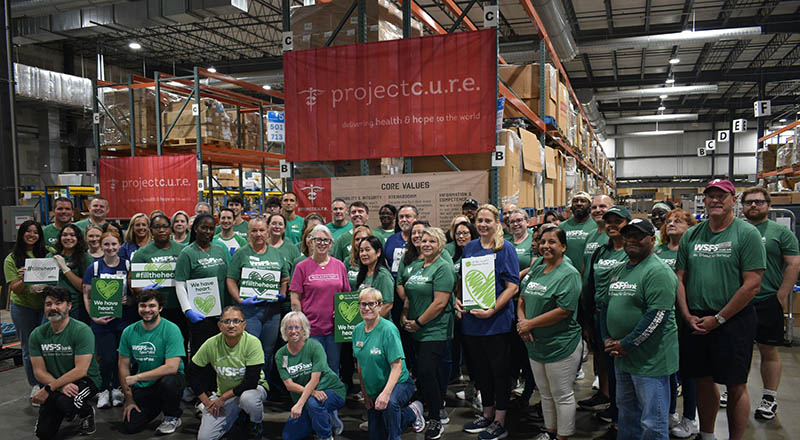
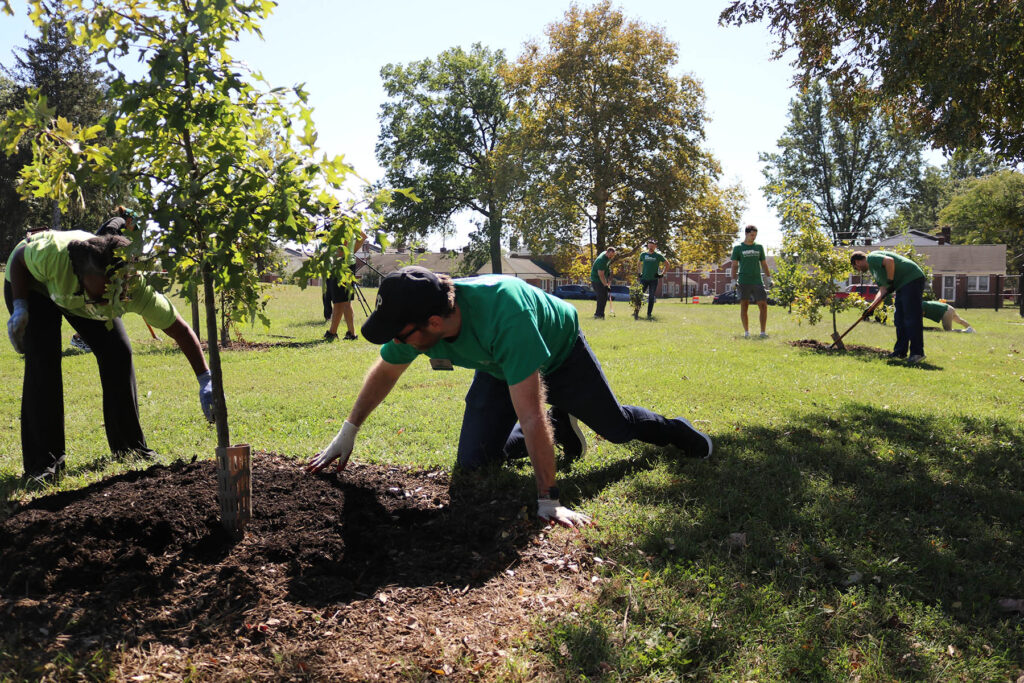
WSFS’s mission, “We Stand for Service,” has a measurable expression inside the workplace. Team WSFS offers four hours of compensated time each month for sanctioned volunteering. Employees recorded more than 38,000 volunteer hours in 2025, including financial education. Paid time gives the promise a slot on the calendar.
The Philadelphia Union partnership puts the name in another shared space. In June 2026, WSFS extended Sportsplex naming rights through the 2030-2031 MLS season. The announcement reported more than 365 donated hours of field and facility use annually. Community banking, here, includes somewhere to play.
Still, physical cash requires reliable transport and controls. Lending requires borrowers who repay. Digital service requires systems people can trust. WSFS’s useful idea is to stay close enough to recognize a recurring inconvenience, then build enough expertise to charge for removing it. Start with the money waiting in the safe. Follow what has to happen next.