small-business-banking
(17)
ANNA Money Put the Accountant Inside the Business Account - Then Made the Card Miaow
Britain did not need another coral-coloured card. ANNA bet that small firms needed the invoices chased, receipts matched and tax calculated around it - all through a chat that knows when to call a human.

Derik Sutton Left the Soccer Sideline for Banking’s Messy Middle
He planned to coach college soccer. Instead, an internship led to terminals, digital banking and a career-long argument: if banks want small businesses back, they should begin by watching how owners actually work.
Autobooks Wants Your Bank App to Eat the Small-Business Back Office
Small businesses escaped the branch only to inherit a junk drawer of payment apps. Autobooks is betting the bank can win them back by making accounting almost invisible.
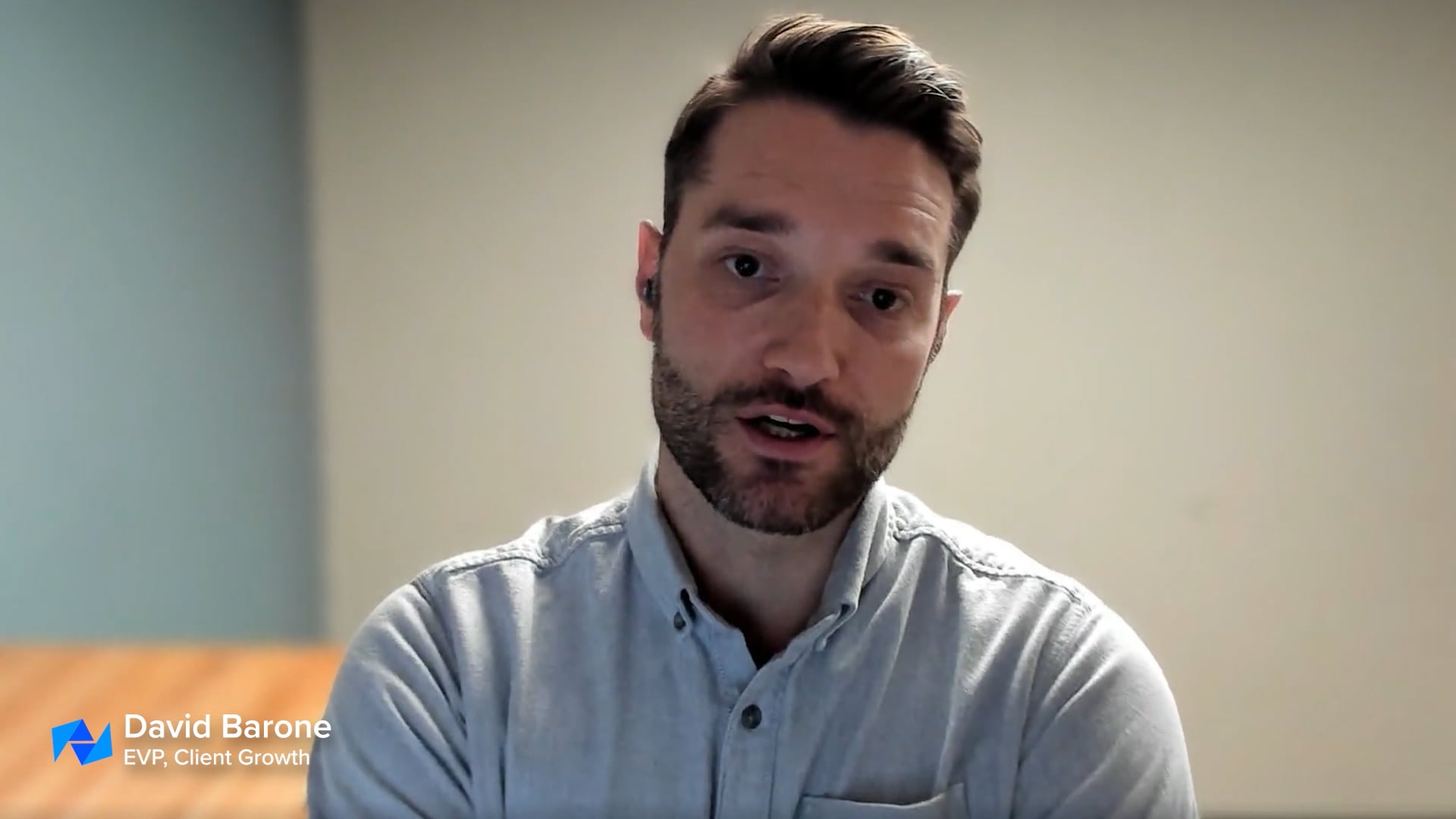
David Barone Is Turning Banking Strategy Into a Team Sport
The former Syracuse rower built a career around coordinated motion - first in advertising, then in financial services. At Nymbus, he is making the case that modern banking wins through accountable partnerships, focused growth and technology that can carry its share of the load.

One Fintech Built A Bank The Other One Rents One
Column bought a national bank charter and sells it to developers. Bluevine sits on someone else's charter and sells checking and loans to small businesses. Same industry, opposite bets.

Mercury Wants Your Runway, Novo Wants Your Workflow
Both fintechs offer fee-free business checking, but they are built for different moments. Mercury turns a startup's balance sheet into a finance stack; Novo helps an independent business turn daily work into organized cash flow.
Nine People, Eight Million Dollars, and a Bet on Small Business
Two bankers with 38 years between them walked out of a big bank in 2001, opened Venture Bank in a Bloomington office park, and spent the next 17 years signing up more than 5,000 Twin Cities companies - until Choice Financial bought the whole thing.

The Depression-Era Passbook Bank That Grew Into an $80 Billion Northeast Powerhouse
Started with $25,000 in Depression-era Waterbury, Webster now runs $80 billion in assets and a national health-savings business - and just agreed to sell itself to Santander for $12.3 billion.
First Horizon Bank
First Horizon has spent 162 years learning a difficult banking trick: how to get bigger without becoming distant. Its wager is that Southern customers still want a banker who knows the market - plus the balance sheet, software and specialists of an $84.4 billion institution.
F.N.B. Corporation
F.N.B. grew from a bank run out of a Pennsylvania house into a $51 billion regional institution. Its next contest is subtler: making relationship banking work at digital speed without losing the local knowledge that built it.
SouthState Bank
It grew from a single 1933 South Carolina bank into a $65-billion Southeastern lender - and its biggest business is one most of its own customers have never heard of.
U.S. Bank
U.S. Bank has spent more than 160 years learning the sober work of holding money. Its next act is about making that old machinery disappear into apps, businesses and partnerships - without losing the discipline that made the franchise valuable.
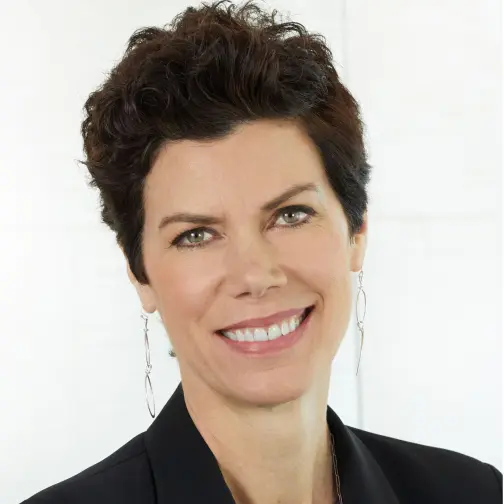
Holly Hynes
From a college basketball captaincy to the marketing desk of a national bank, Holly Hynes has built a career around a disciplined idea: listen closely enough to make ordinary progress feel visible.
Rockland Trust
Rockland Trust began by taking deposits door to door in a Model T. More than a century later, its bet is still the same: technology gets you farther when a local banker comes along for the ride.

Truist
Born from a merger of Southern banking institutions, Truist is now trying to make a $556 billion balance sheet feel personal. Its bet is that branches, software and advice work better together than any one of them works alone.
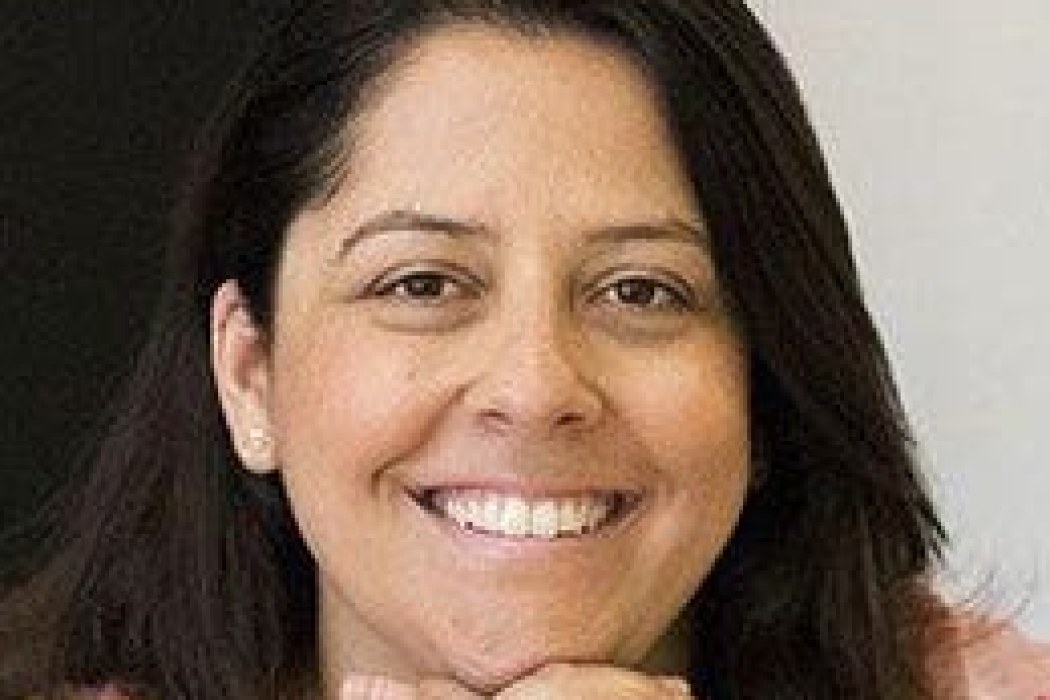
Lilac Bar David
Lilac Bar David is the co-founder and CEO of Lili, a New York based financial platform that folds banking, invoicing, accounting and tax tools into a single app for small business owners. A banking and payments veteran of roughly two decades, she previously co-founded Pepper, Israel's first mobile bank, before launching Lili in 2018-2019 with Liran Zelkha. Under her leadership Lili has served hundreds of thousands of freelancers and small businesses, raised about $80 million from investors including Group 11 and Foundation Capital, and in recent years built out an Accountant AI tool while shifting focus toward larger, multi-employee businesses.
Karat Financial
Karat Financial is a Los Angeles-based fintech building banking, credit cards, and financial tools for the creator economy. Founded in 2019 by Eric Wei and Will Kim, Karat underwrites digital creators and influencers using their social metrics and online business performance rather than traditional credit signals, giving YouTubers, streamers, and other entrepreneurs access to credit, banking, payments, and AI-powered bookkeeping that legacy banks routinely deny them.