treasury-management
(54)
Ant International makes your wallet travel
The Singapore fintech connects local wallets, merchant checkouts and business accounts across borders. Its useful trick is letting people keep the payment habits they already have.
PingPong Payments: The 1% Idea That Grew a Payment Network
PingPong began by helping online sellers keep more of their money. Its next wager is that the most useful payment company lives inside the software businesses already use.

HighRadius wants to get paid when the work gets done
The finance software company spent years teaching machines to match payments with invoices. Now it is putting a share of its fees on the results.

HIFI and the surprisingly expensive wrong name
A Nigerian importer can have the money, the supplier and the car - and still fail to pay. HIFI’s wager is that fixing the plumbing of money matters more than making it travel faster.

Gauntlet and the trouble with too much money
A $775 million deposit sent yields tumbling. Gauntlet’s response reveals the work hiding behind DeFi’s deceptively simple “Earn” button.

The billion-dollar business of finding your own money
GTreasury spent decades helping companies see cash scattered across banks, currencies and spreadsheets. Now called Ripple Treasury, it is adding digital assets and AI to a job whose first requirement remains rather old-fashioned: get the numbers right.

Nasdaq Calypso and the Trouble After the Trade
A trade takes a moment. Keeping its risk, collateral and cash movements in agreement is a much longer affair. Nasdaq Calypso sells the machinery for that less glamorous, rather consequential job.
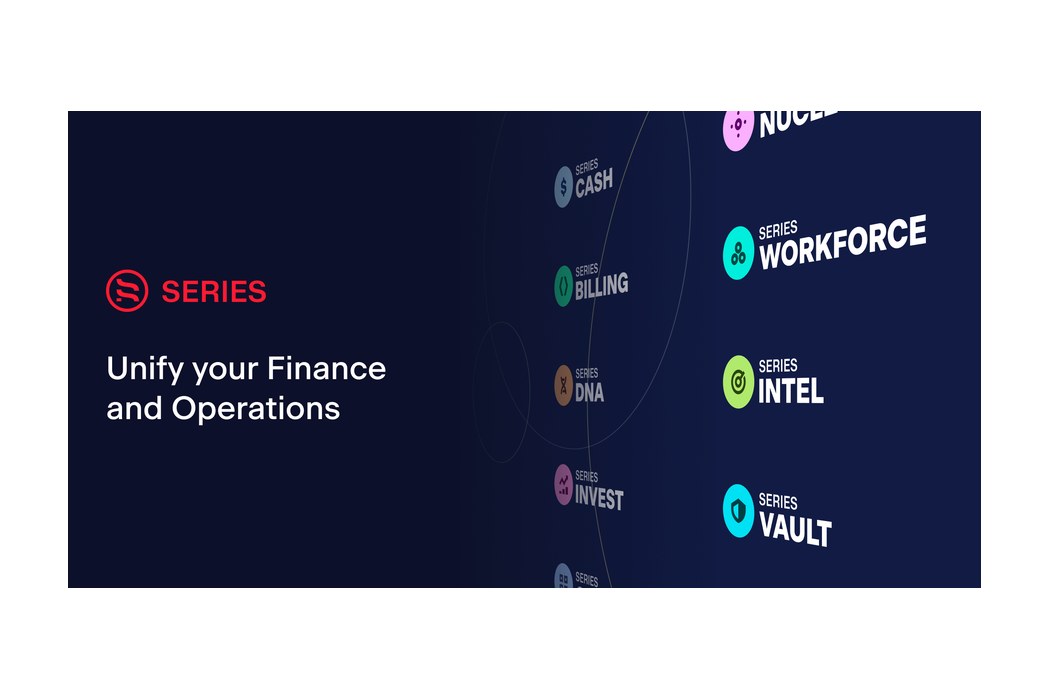
The Back Office Has Too Many Front Doors
Series wants a finance team to stop acting as the human bridge between banks, payroll, bills and contracts. Its answer is a menu of connected software, with the identity of each business entity at the center.

The Sneaker Bank That Outgrew Sneakers
A banking startup found its first customers in sneaker raffles. When that market fell apart, Slash used the lesson - build around the customer's actual money movements - to pursue a much bigger business.

Jon Auxier and the Second Charter
He helped turn SoFi into a bank. Now Jon Auxier is doing the quieter, harder sequel at Mercury: translating software ambition into an institution regulators will allow to open its doors.

Preferred Bank makes a business of staying lean
The Los Angeles lender pairs personal service with tight operating costs. Its history shows both the appeal of that approach and the price of reaching beyond it.

IFX Payments wants the complicated customers
The former currency broker is building its business around the payments that need extra attention. Its bet: finance teams will pay for fewer headaches, as well as a competitive exchange rate.
Fortris wants crypto to survive the finance department
Moving Bitcoin is one thing. Getting it approved, reconciled and past an audit is another. Fortris builds the machinery that lets businesses do both.

Eurobase and the £250,000 case for less retyping
The software behind insurers and bank dealing rooms rarely gets a curtain call. Eurobase’s customer projects show why joining up the paperwork can matter as much as the next new product.

Vitesse Wants to Get Insurance Money Out of the Waiting Room
An approved claim can still leave a policyholder waiting for cash. Vitesse is rebuilding the funding and payment machinery behind insurance, one crowded chain of accounts at a time.

The Fastest Core-Banking Launch in Colvir History Began With One Radical Decision: Customize Less
Colvir spent 25 years making the machinery behind banks configurable. Then a new Kazakh bank tested the proposition: five months, a fixed deadline and almost no appetite for custom code.
Priority Commerce Bought a Bankrupt Payments Darling - Then Turned It Into a Cash-Flow Machine
The Georgia fintech started with card processing, paid roughly $37 million for Plastiq after its Chapter 11 filing, and stitched merchant services, payables and treasury into one engine. The bet is simple: the company that sees the whole cash cycle gets more ways to earn.

Kyriba Wants to Put $51 Trillion on Autopilot - With a Human Still Holding the Key
The treasury platform grew from a Paris spinout into a $3 billion enterprise-fintech company by solving an unglamorous problem: big businesses still struggle to see, move and protect their own cash. Its next act is governed AI, real-time settlement and fewer mornings lost to spreadsheets.

Corpay's $13 Billion Bet: Make Foreign Exchange Boring for Everyone Else
The Toronto payments operator stitched together decades-old FX firms, a global banking network and a very human service model. Mastercard's $300 million investment says the unglamorous plumbing may be the valuable part.

Wise Moves the Money, Arc Makes It Wait Better
Wise Business is built for money in motion across borders. Arc is built for venture-backed cash at rest, and a practical finance stack may use both.
Modern Treasury and Trovata Solve Different Money Problems
Both products touch bank data, payments and reconciliation. The real choice is whether your company needs infrastructure to build on or a treasury workspace to work in.

One is where the money lives, one is how it moves
Mercury is the bank account a startup opens; Modern Treasury is the software layer that pushes payments across it and every other account a company holds. Two of fintech's quiet giants, solving opposite halves of the same problem.

Mercury Wants Your Runway, Novo Wants Your Workflow
Both fintechs offer fee-free business checking, but they are built for different moments. Mercury turns a startup's balance sheet into a finance stack; Novo helps an independent business turn daily work into organized cash flow.
Nine People, Eight Million Dollars, and a Bet on Small Business
Two bankers with 38 years between them walked out of a big bank in 2001, opened Venture Bank in a Bloomington office park, and spent the next 17 years signing up more than 5,000 Twin Cities companies - until Choice Financial bought the whole thing.

These Fintech Tools Are Not Substitutes
Modern Treasury, Trovata, Highnote, Increase and Column all promise better ways to handle money. The useful question is not which one wins, but which layer of the stack you actually need.

Stop Comparing Finance Tools Feature by Feature
Brex, Rho, Rippling Spend, Wise Business, and Arc overlap on paper. The useful choice begins with the workflow your company cannot afford to get wrong.

The Tulsa Bank That Tried Crypto - and Came Back to the Business of Knowing You
Vast Bank became a national curiosity by putting crypto beside checking. Its more durable proposition is quieter: a Tulsa bank that mixes modern tools with bankers who still answer the phone.

The 200-Year-Old Bank Betting on the Middle of the Market
A Cleveland bank with roots older than most of the states it serves is leaning into middle-market companies, digital lending, and a $2.8 billion vote of confidence from Scotiabank. Here is how KeyBank actually makes money - and who it makes money for.

The Depression-Era Passbook Bank That Grew Into an $80 Billion Northeast Powerhouse
Started with $25,000 in Depression-era Waterbury, Webster now runs $80 billion in assets and a national health-savings business - and just agreed to sell itself to Santander for $12.3 billion.

The $99 Billion Bank That Wants Money to Stop Keeping Office Hours
Western Alliance built a national commercial bank out of specialist desks, local judgment and a willingness to learn odd corners of the economy. Its newest bet is that regulated dollars should move at the speed of the businesses using them.