regional-banking
(16)
Jim Stadler Found a Bank’s Future in Its Oldest Word
After a career selling consumer brands and agency ideas, Jim Stadler entered banking and made an unfashionable word - old - carry trust, humor and a plan for growth.
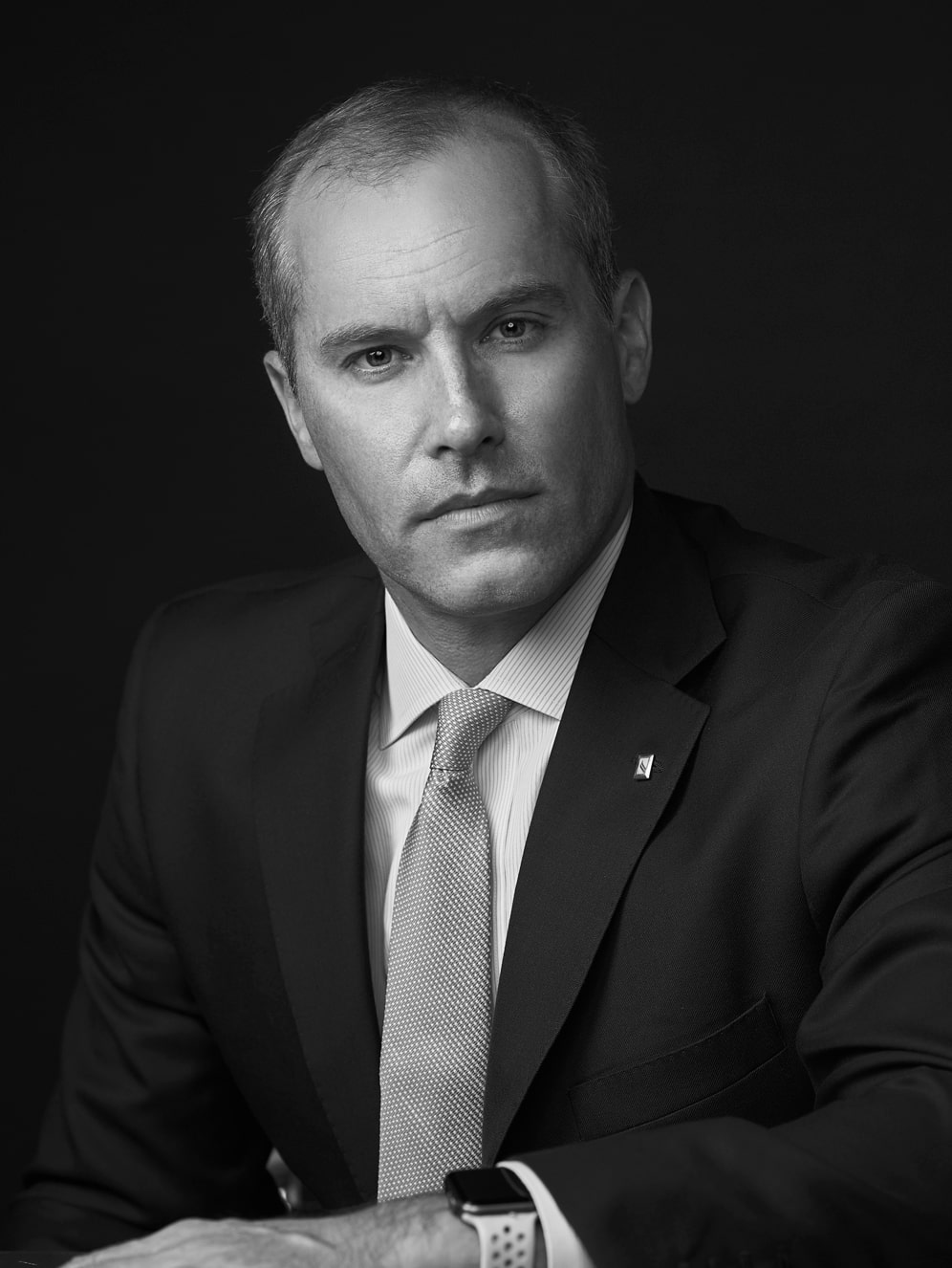
John Oxford Makes a Regional Bank Part of the Story
A teenage job testing cookies and commercials became a career spent testing what earns attention. At Renasant, John Oxford has turned Southern culture, soccer shirts, practical teaching, and a sharp four-part framework into a patient case for memorable bank marketing.
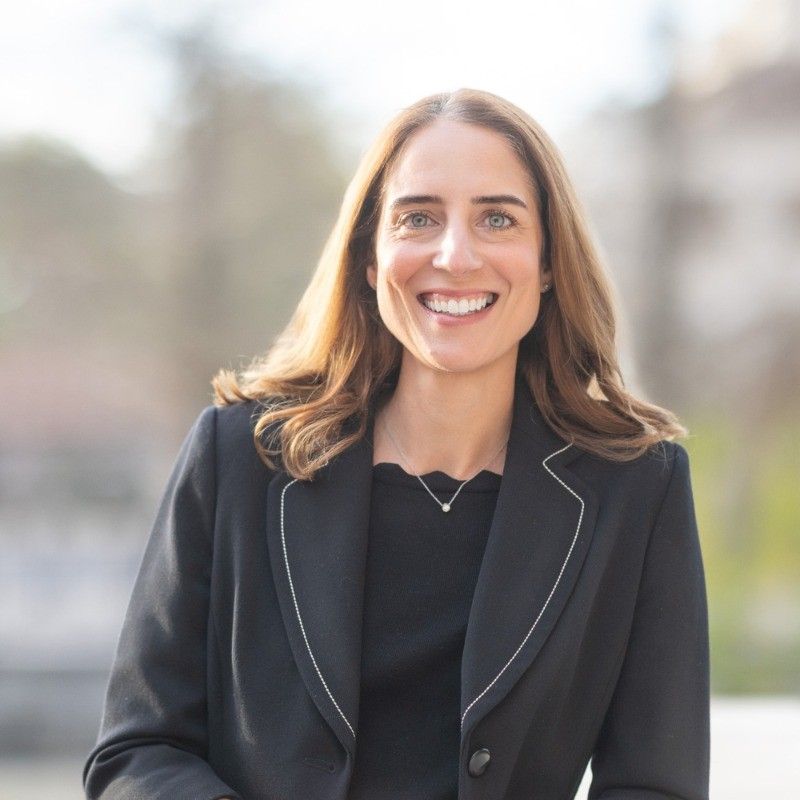
Kellee McGahey and the Quiet Work of Naming What Comes Next
Before SouthState was a name on branches across the Southeast, it was one possibility among 357. Kellee McGahey has spent her career doing the patient work behind that choice - turning growth, culture and customer experience into language people can trust.
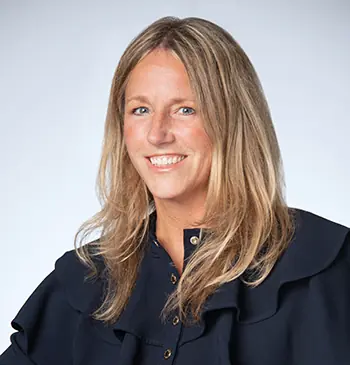
Collyn Gilbert Spent Decades Studying Banks. Then She Stepped Inside One.
After nearly three decades reading regional banks from the outside, Collyn Gilbert crossed the glass and began shaping one from within. Her operating idea is disarmingly simple: listen closely, choose clearly, and make scale feel personal.

The 168-Year-Old Island Bank Making a $10 Billion Leap
First Hawaiian Bank has spent 168 years learning how to be local. Its proposed TriCo deal asks whether that advantage can cross the Pacific without losing what made the bank valuable in the first place.
First Horizon Bank
First Horizon has spent 162 years learning a difficult banking trick: how to get bigger without becoming distant. Its wager is that Southern customers still want a banker who knows the market - plus the balance sheet, software and specialists of an $84.4 billion institution.
Atlantic Union Bank
Atlantic Union Bank grew from a $2,500 rural institution into a $38.1 billion Mid-Atlantic franchise. Its wager is that scale and local judgment can still share the same balance sheet.

Erin Pryor
She holds a college kills record, once planned to play pro volleyball in Europe, and walked into a bank in 2010 knowing nothing about banking. Today she runs marketing and client experience for a $80-billion regional institution.
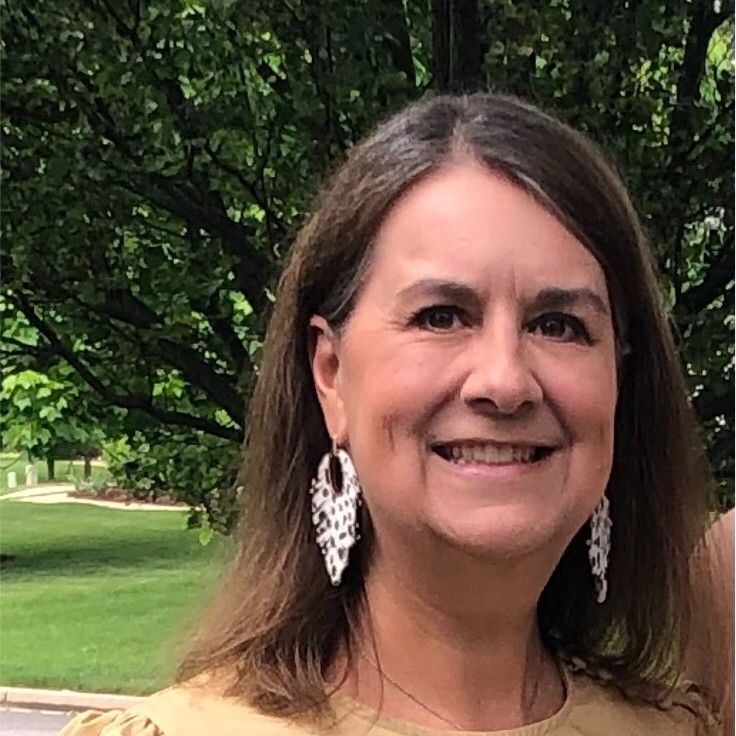
Christine Landi
The marketing chief turning a Richmond regional bank into the one that listens - and betting a whole campaign on the idea that big banks forgot how.
Old National Bank
Old National has spent nearly two centuries turning local relationships into regional scale. Now the question is whether a $74 billion bank can keep the community-bank feel that made it valuable in the first place.
F.N.B. Corporation
F.N.B. grew from a bank run out of a Pennsylvania house into a $51 billion regional institution. Its next contest is subtler: making relationship banking work at digital speed without losing the local knowledge that built it.

Bank OZK
From two branches and $28 million in assets, Bank OZK built a $41.7 billion institution by pairing community banking with a national construction-lending machine. Now the Little Rock bank is trying to keep that edge while making its balance sheet less dependent on real estate.
Valley Bank
Valley Bank has spent nearly a century getting bigger without wanting to feel big. Now, with about $64 billion in assets and a push into partner banking, it is testing whether a regional lender can offer national-bank machinery with a relationship banker still attached.
Fifth Third Bank
The bank with America’s strangest fraction just became its ninth largest. Behind the 5/3 sign is a 168-year experiment in turning branches, payment rails and software into one sprawling financial utility.
Busey
A bank born in an Illinois town of 2,000 people now spans 10 states. Its wager is that local relationships can survive a $20 billion merger - and become more useful when banking, wealth and payments sit under one roof.
Umpqua Bank
A timber town built a bank so workers would not have to cash paychecks at the tavern. Seventy-two years later, the name disappeared - but Umpqua's experiment in making banking feel human still echoes through the West.