The problem was hanging at the end of a robotic arm. NASA’s Perseverance rover needed to carry PIXL, an instrument that examines the chemistry of Martian rocks. Its titanium shell, frame and supports had to be light enough for the job. Carpenter Additive printed them hollow and thin. NASA reported that the parts had substantially less mass than conventionally manufactured versions. An instrument searching for traces of ancient life depended, in part, on knowing how much metal to leave out.
- Carpenter makes specialty alloys, powders and engineered materials for demanding equipment.
- Its customers buy a combination of material properties, processing expertise and verified quality.
- The practical lesson: describe the conditions a part must survive before choosing its metal.
That is a useful introduction to Carpenter Technology Corporation. The Philadelphia company operates upstream of the products that usually get the applause. It supplies materials for aircraft engines, orthopedic implants, energy equipment and industrial machinery. When the finished object works, the material rarely gets a curtain call.
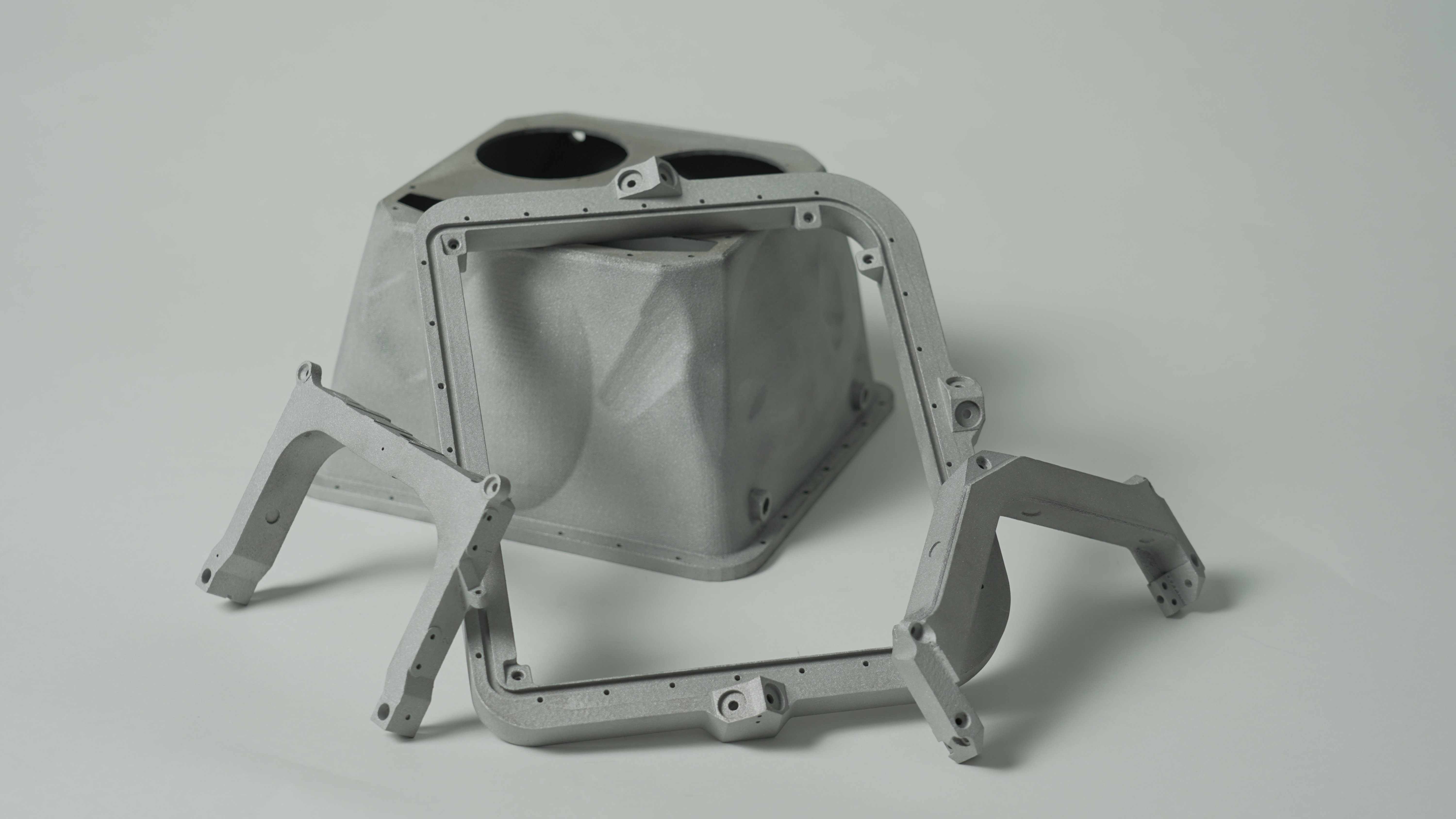
A little less metal. A little more Mars.
Carpenter’s additive specialists worked with NASA’s Jet Propulsion Laboratory on the PIXL assembly. The challenge included reducing mass and making internal channels accessible for powder removal. Printing a clever shape would accomplish little if unwanted powder stayed trapped inside it.
“In a very real sense, 3D printing made this instrument possible.”
Michael Schein, PIXL lead mechanical engineer, JPL
The episode captures a distinction that matters throughout this business: the material and the manufacturing method belong in the same conversation. A metal’s properties help determine the design. The design helps determine how that metal must be processed. Treating either as an afterthought can close off the very advantage the engineer wanted.
The name reaches back to James Henry Carpenter, who founded Carpenter Steel in 1889 with manufacturing in Reading, Pennsylvania. Tool steel was the starting point. The subsequent expansion into specialized materials makes the present company easier to understand: its subject has always been what a particular metal allows someone to do.
The recipe is only the beginning
Carpenter’s portfolio spans more than 500 specialty alloys. The range includes high-temperature materials, specialty stainless steels, titanium, tool steels and soft magnetic alloys. Its two reporting segments are Specialty Alloys Operations and Performance Engineered Products. Behind those names sit melting, working, finishing, distribution and technical capabilities.
The applications explain the variety. A hip implant needs resistance to wear, fatigue and corrosion in the body. Carpenter offers BioDur alloy families and Dynamet titanium products for medical manufacturers. An electromagnetic device raises another set of questions. Hiperco soft magnetic materials help designers pursue compact motors and generators. A material that solves one problem does not automatically solve the other.
PowderRange adds standard metal powders for additive manufacturing, alongside custom powder development and powder management. Customers can also use application engineering and laboratory services. The offering extends from choosing what goes into a part to understanding how the production route affects what comes out.
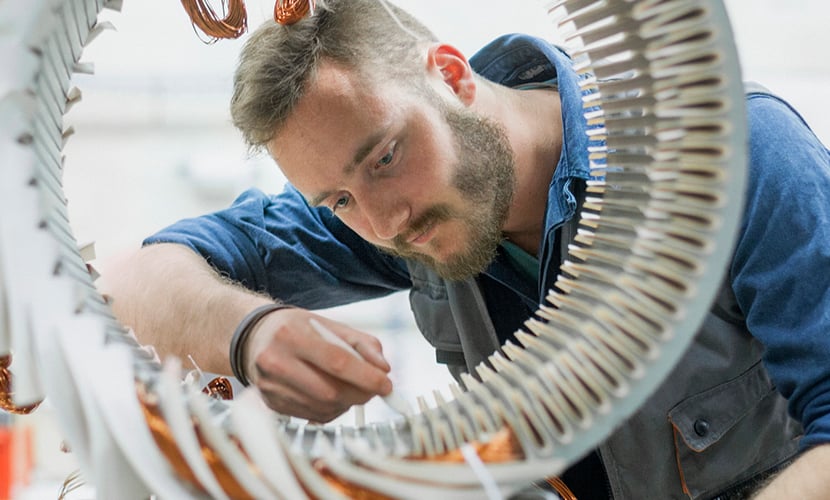
The expensive part is earning trust
Specialty metal is not a magic category that eliminates competition. Haynes International, part of Acerinox, also supplies high-temperature and corrosion-resistant alloys. The meaningful comparison begins with the application, product form and required approvals. A familiar alloy designation cannot settle every purchasing decision.
Carpenter’s quality operations include chemical analysis, mechanical and magnetic testing, and nondestructive inspection. Its published approvals include major aircraft-engine organizations. Those approvals are evidence of qualification work; they are not a public customer-order ledger.
Commercially, Carpenter combines long-term agreements with transactional sales and distribution. Raw-material surcharges complicate the headline revenue number, so management also reports sales excluding them. That distinction helps separate movements in the metals bill from the underlying business of converting material into a product that meets a customer’s requirements. A rising invoice and a better manufacturing business are not necessarily the same thing.
This is where its competitive argument becomes tangible. A buyer needs the specified properties repeatedly, through a controlled production route, with inspection to support them. Developing an alloy and delivering qualified material at industrial scale are connected accomplishments. The second gives the first commercial weight.
- 01DefineLoads · heat · environment
- 02DevelopAlloy · form · process
- 03VerifyTesting · qualification
Four hundred million dollars of patience
In February 2025, Carpenter outlined approximately $400 million of brownfield capacity investment, excluding capitalized interest. The plan included vacuum induction melting, remelt capacity and finishing assets. Management projected production beginning in fiscal 2028, with output ramping as qualifications progressed. Installing a furnace is one milestone. Having its output ready for the intended customers is another.
The expansion accompanies a marked change in earnings. Fiscal 2026 brought $3.124 billion in net sales and $702 million in operating income. Management attributed improved profitability to productivity, pricing and product mix. That last phrase deserves attention: the choice of work a factory accepts can matter alongside how efficiently it performs it.
Reported operating income · US$ millions
GAAP results. Fiscal years end June 30.
The October 22, 2026 update continued the story: first-quarter fiscal 2027 operating income reached $196.4 million, up 28% from a year earlier. The release also reported negative free cash flow as capital spending increased. Profit growth and investment demands can arrive together.
There have been reversals, too. Carpenter recorded $16.9 million in pretax restructuring and asset impairment charges for its additive business in fiscal 2024. Its earlier history contains a sharper warning: after wartime business declined and its founder died, the company entered receivership in 1903. Technical accomplishments do not abolish commercial risk.
The useful question comes before the quote
For an engineer, Carpenter offers an accessible starting point: an online Alloy Finder, technical literature and specialists. Bring operating temperatures, loads, corrosive conditions, geometry and manufacturing constraints. Then discuss candidate materials, processing and qualification. Comparing prices becomes more useful once the comparison describes the same job.
This approach has limits. If a standard grade already meets the requirement, a premium alloy may add expense without enough benefit. Qualification takes time. Specialized production equipment introduces capacity and disruption risks. Better material has to earn its place in the finished product.
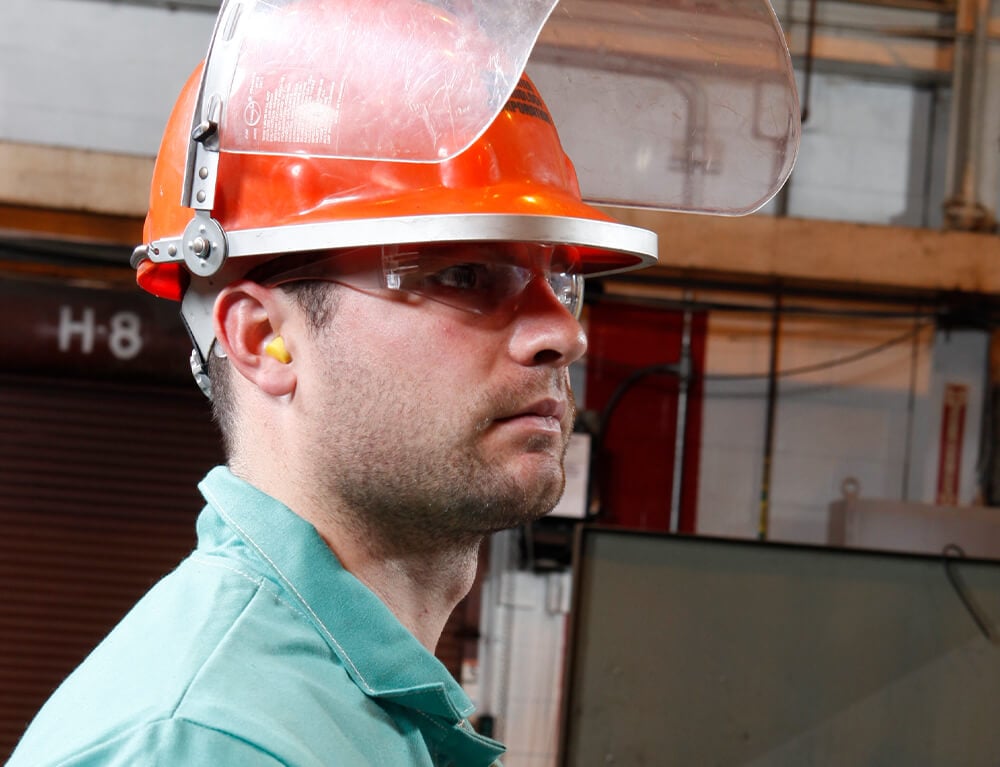
Carpenter’s stated culture puts safety, accountability and collaboration alongside performance. The combination makes practical sense in a business where a laboratory finding must survive the trip through a factory. The transferable idea is straightforward: begin with the customer’s hardest physical constraint. Keep working until the material, the process and the evidence agree.