In 2006, the Philadelphia Marathon had a problem that looked like a branding problem. Fewer than 10,000 runners registered. Other cities had races, too, and 26.2 miles is stubbornly the same length everywhere. Mighty Engine drew a winged foot whose curve echoed the Schuylkill River. It wrote lines like “Kick Asphalt.” But the useful idea was larger than a logo. The agency sold Philadelphia as part of the run: fast course, welcoming city, families included. Registration eventually reached a course capacity near 30,000. By 2013, more than 60,000 spectators were watching and the event was generating over $20 million for the city.
This is a revealing Mighty Engine story because the agency did not invent running, Philadelphia or civic pride. It arranged what was already there so people could see themselves in it. The job was not to shout more loudly. It was to notice more carefully.
The psychology in the room
A creative agency built around attention
Mighty Engine was founded in 2000 by Heseung Song, a Harvard-trained psychologist who now leads it as CEO. That background helps explain why its portfolio is less obsessed with advertising objects than with human behavior. A poster is not successful because it is handsome. It succeeds if a parent tries a reading game on the bus, a smoker recognizes a person like herself, or a donor understands why an institution matters.
The Philadelphia firm sells the familiar agency menu - research, positioning, branding, campaign development, websites, social media, video, photography and fundraising. Its customers are less familiar than a parade of sneakers and soft drinks. They include city departments, schools, foundations, nonprofits and civic coalitions. The problems arrive tangled: early literacy, addiction stigma, Black teacher recruitment, trauma, poverty, food access and the chronic underfunding of HBCUs.
These are fields where a neat slogan can become a liability. Institutions know programs. Residents know the friction of using them. Mighty Engine's niche is translating between those kinds of knowledge without letting the institution swallow the person.
The audience takes a seat at the table
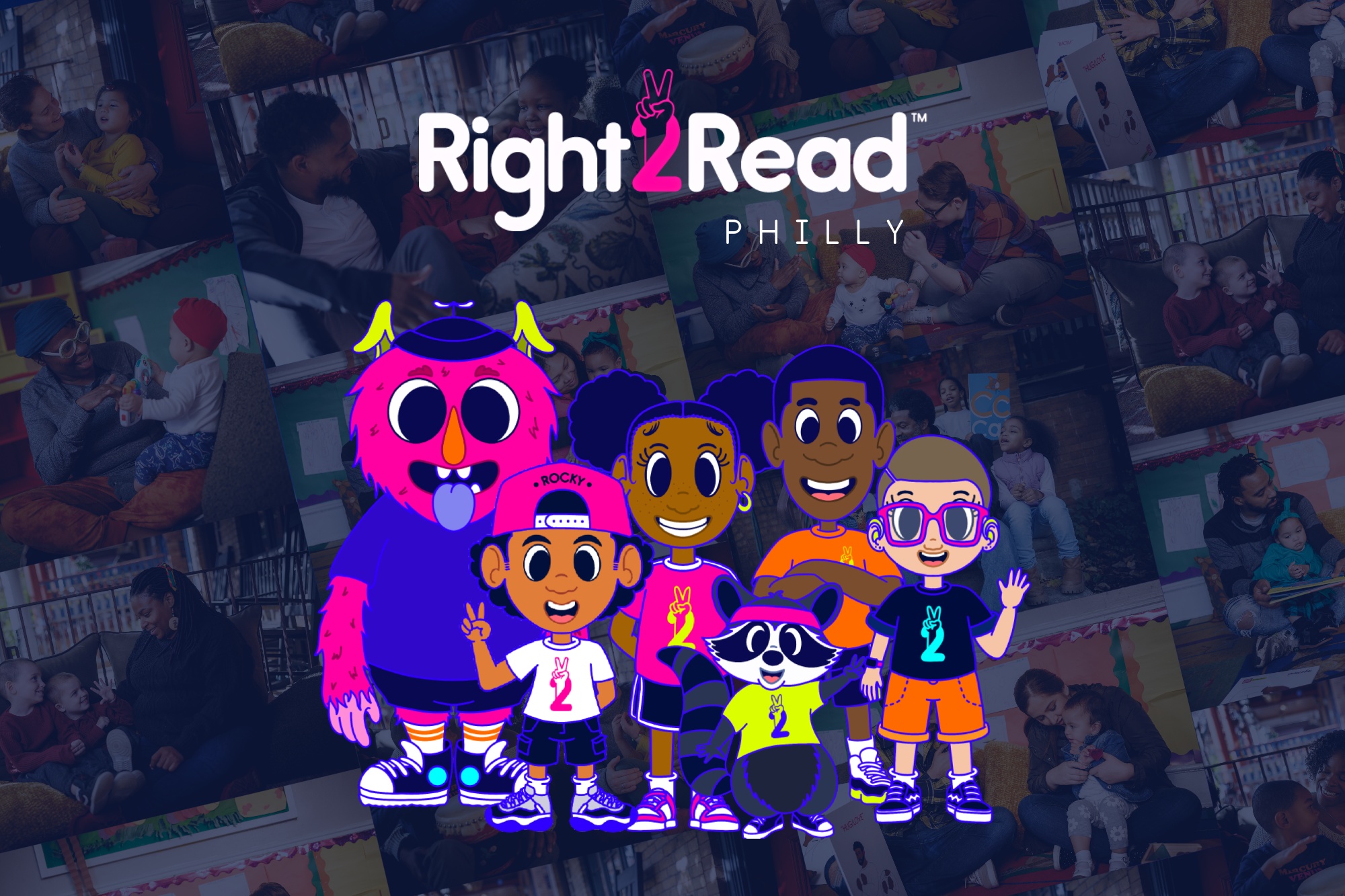
Right2ReadPhilly is the cleanest expression of the method. After years of early-literacy work, the William Penn Foundation asked Mighty Engine to lead a community design process. The agency and its partners did not settle for telling parents that reading is important. Parents already knew that. They built small, playful things families could do together: introductory American Sign Language, a phonics-based Freedom Schools Alphabet Song, murals, events and activities placed inside ordinary routines.
The summer 2024 pilot reached more than 100,000 families. The number is impressive, but the design choice underneath it travels better. Make the action useful before making the campaign beautiful. Invite the community upstream, while the premise can still change. Do not use a listening session as ceremonial applause for an idea that has already hardened.
“As a deaf person, I often encounter hearing folks who want to speak for our community. Mighty Engine stood by us instead, and that's a game-changer.”Sara Novic, author, activist and Right2Read advisor
The portable part of the method
The first thing to fail
When the familiar frame is the wrong one
In public-interest work, failure often begins before the first layout: the problem has been framed in a way that leaves no room for the people living through it. Our Words Heal began with physicians John Rich and Ted Corbin and young survivors of violence. The familiar public conversation spent most of its time on the source of trauma - violence, crime, damage - and comparatively little on the mechanics of healing. Mighty Engine helped reverse the ratio.
The campaign put first-person accounts of healing at its center and used branding, video, digital tools, social media and community events to carry them. It shifted the language from personal shame and punishment toward connection and possibility. The idea has since moved beyond Philadelphia. In June 2026, an Atlanta version launched with artists, schools, activists and health organizations as partners. Chicago is in the longer-range plan.
The change of mind here is not a focus-group tweak. It is an editorial transfer of power: stop asking experts to narrate people from a distance; make space for people to narrate themselves. That works when participants have meaningful influence, the institution can tolerate inconvenient feedback and the campaign has time to build trust. Without those conditions, “community-led” is a label pasted on conventional outreach.
Small firm, unusually wide bench
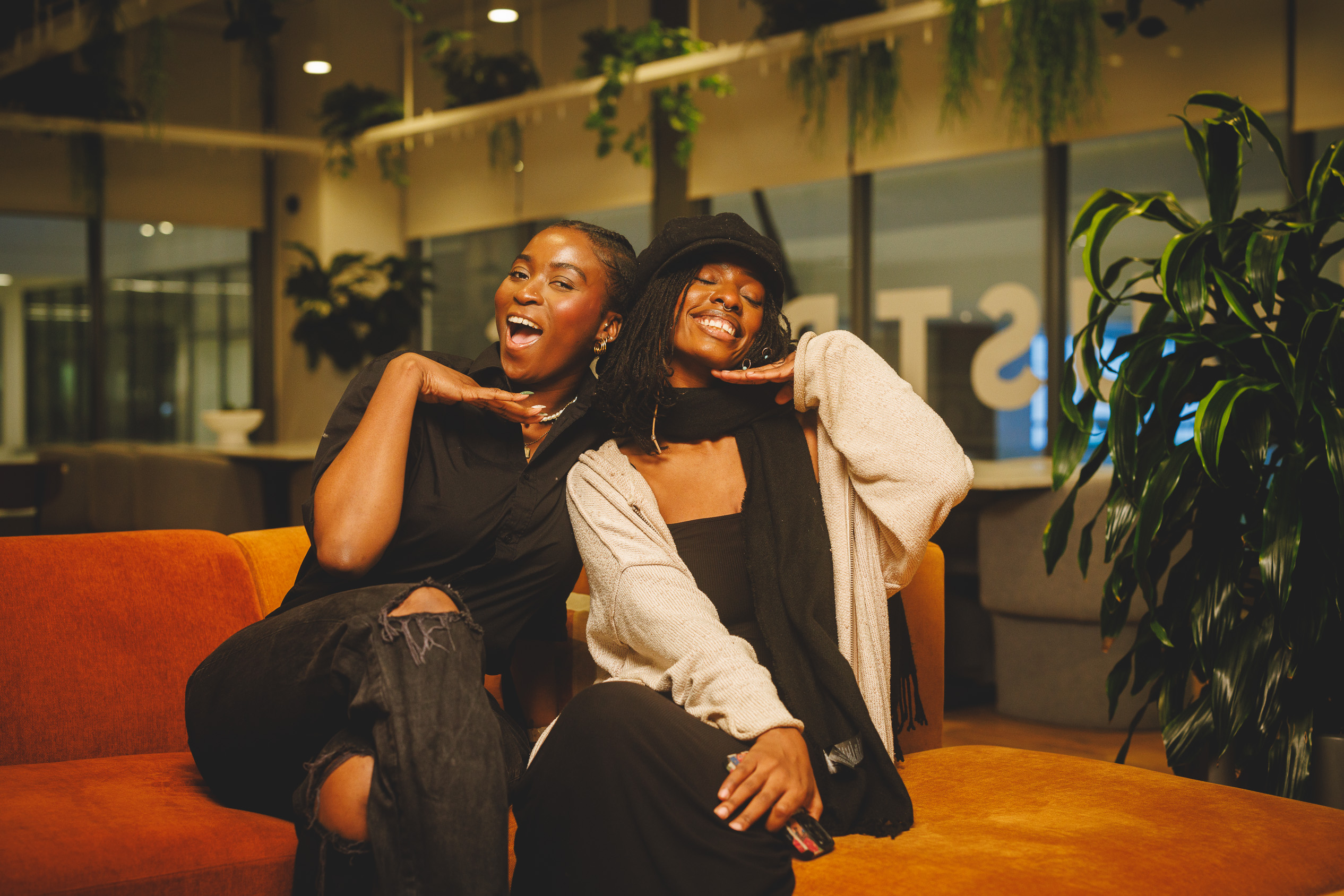
Mighty Engine has a compact core team covering operations, writing, art direction, graphic design, web development, video and social media. Around it sits an extended group that includes community activists, equipment specialists, photographers, videographers, a statistician and a web strategist. This arrangement is a business choice as much as a cultural one. The agency can keep a small center, then add subject or production depth when a project requires it.
It is also a certified women- and minority-owned business, and it treats cultural competence as operating infrastructure: who gets hired, which partners join, how research is conducted and whose judgment counts. Competitors can offer the same list of deliverables. Fewer can easily reproduce a quarter-century of relationships across Philadelphia's civic, health and education networks.
The business model is straightforward: clients pay for projects or ongoing agency work. Strategy can lead into a brand, campaign, website, media production, social program or fundraising effort. Mighty Engine says its fundraising work has helped clients raise tens of millions of dollars over 25 years. Public documents expose only pieces of the economics. Philadelphia records, for example, show agency-related line items ranging from $19,800 for health department work in a 2021 report to six-figure obligations in earlier years; the city's 2026 budget also lists separate health-campaign allocations. Those figures describe public scopes and budgets, not a universal price card.
Begin with the behavior you want, recruit people who understand its friction, and give them authority before the concept is fixed. Then make the action smaller than the message. A family can try one sign. A commuter can read one prompt. A former smoker can tell one honest story.
Proof that outlasts the launch
The logo is still running
Agency portfolios naturally favor the unveiling. Mighty Engine's better evidence is what remained. The marathon identity is still in use almost two decades after the engagement began. Read by 4th grew into years of literacy campaigns. UNCF's Institute for Capacity Building has used the firm for program design, websites, fundraising pitches, reports and media tours at more than 20 Black colleges and universities. After Mighty Engine helped rebrand UNCF's annual gathering as UNITE, the agency says both attendance and sponsorship more than tripled.
In 2025, Mighty Engine marked its own 25th anniversary with a new logo, a new website, four community events and selected pro bono projects. The team gave the gear in the identity a ridiculous and therefore excellent nickname: Richard Gear. This is useful evidence, too. An agency may work on grave subjects without becoming grave in every sentence.
The market position is now clear. Mighty Engine is not the shop for a company that wants culture borrowed for a launch and discarded after the media buy. It is built for organizations whose outcomes depend on trust - and that are prepared to let listening alter the brief. The work moves more slowly at the beginning because more people get a say. The bet is that it moves farther afterward.