permanent-capital
(36)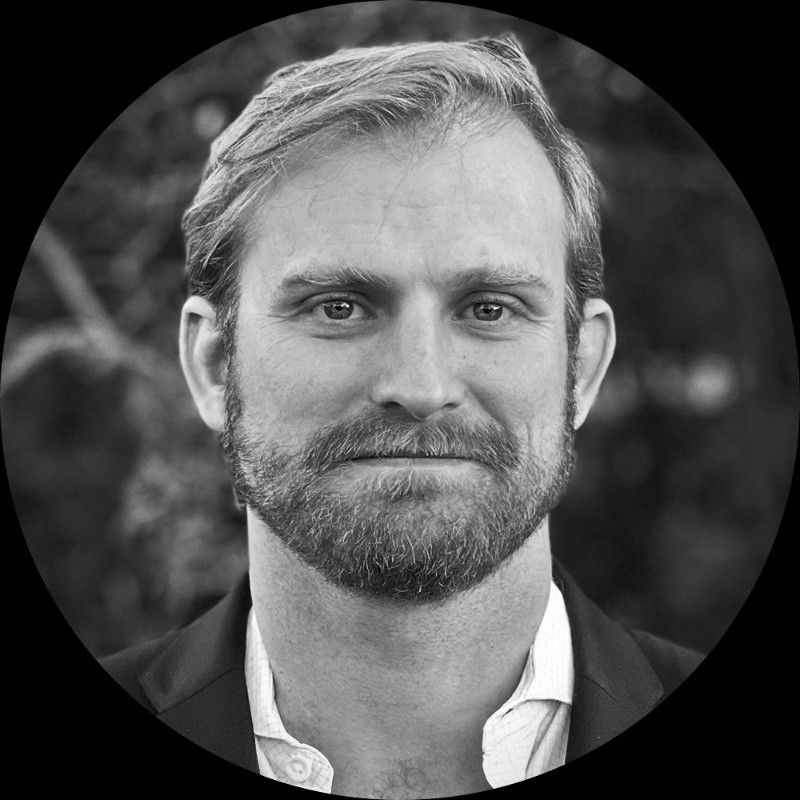
Corbin Tognoni and the business of staying
After a decade helping build a European software group, Corbin Tognoni founded Mirador with a different promise: buy specialized ERP businesses and keep them. His wager rests on the people, products and customer relationships that take years to build.

Altair Software buys the everyday essential.
Housing applications. Student aid. Loan payments. Altair Software buys the specialist businesses behind the paperwork, with a promise to keep them for the long haul.
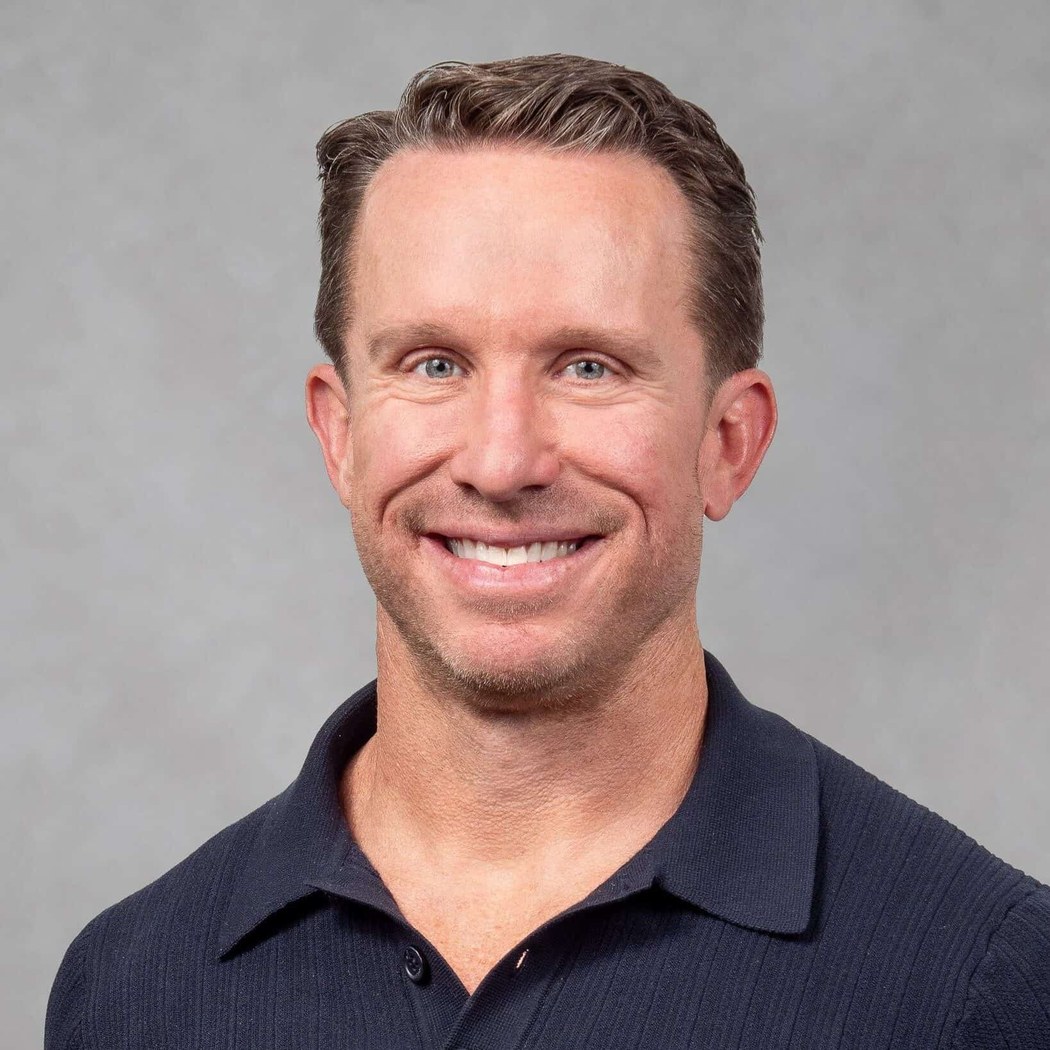
Ryan Peddycord and the price of staying in
Before he built Tide Rock, Ryan Peddycord stayed on a college water polo team that nearly everyone else had left. His investing career keeps returning to a related question: what are you prepared to stick with when the easy options disappear?
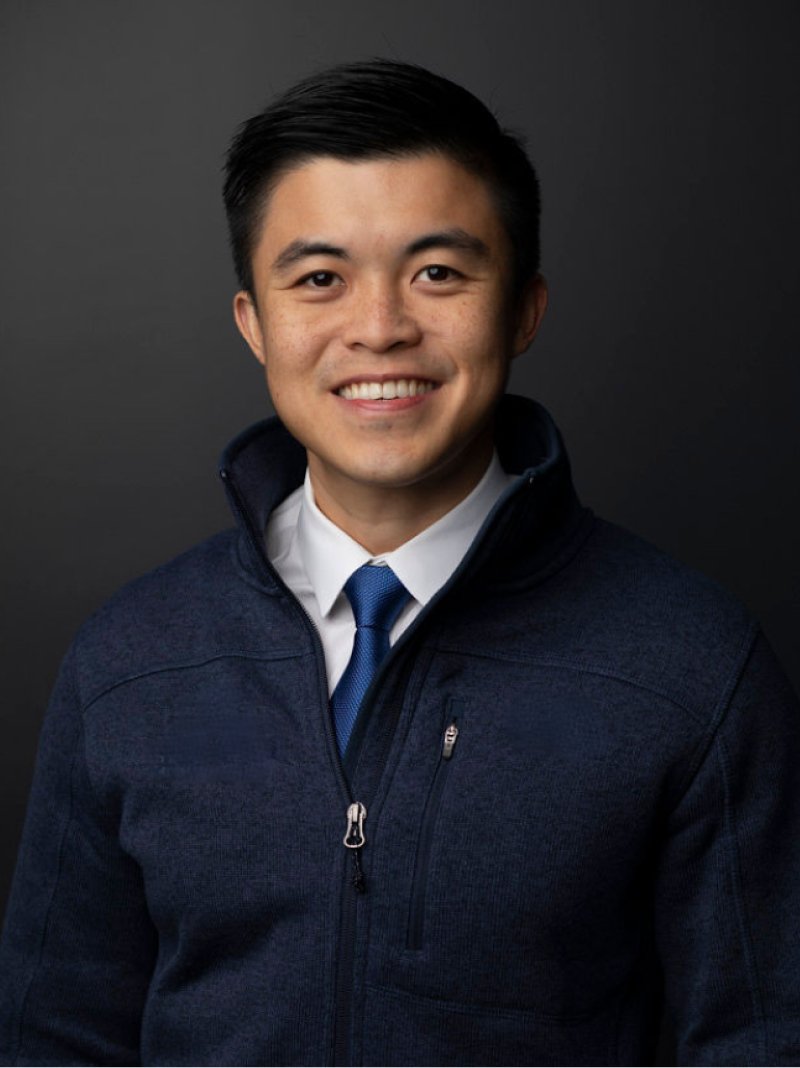
Dennis Chua and the business of staying
After 15 years in the US, Dennis Chua returned to Singapore to build Timah Partners. His wager: a retiring founder’s next chapter depends on finding someone worth handing the keys to.
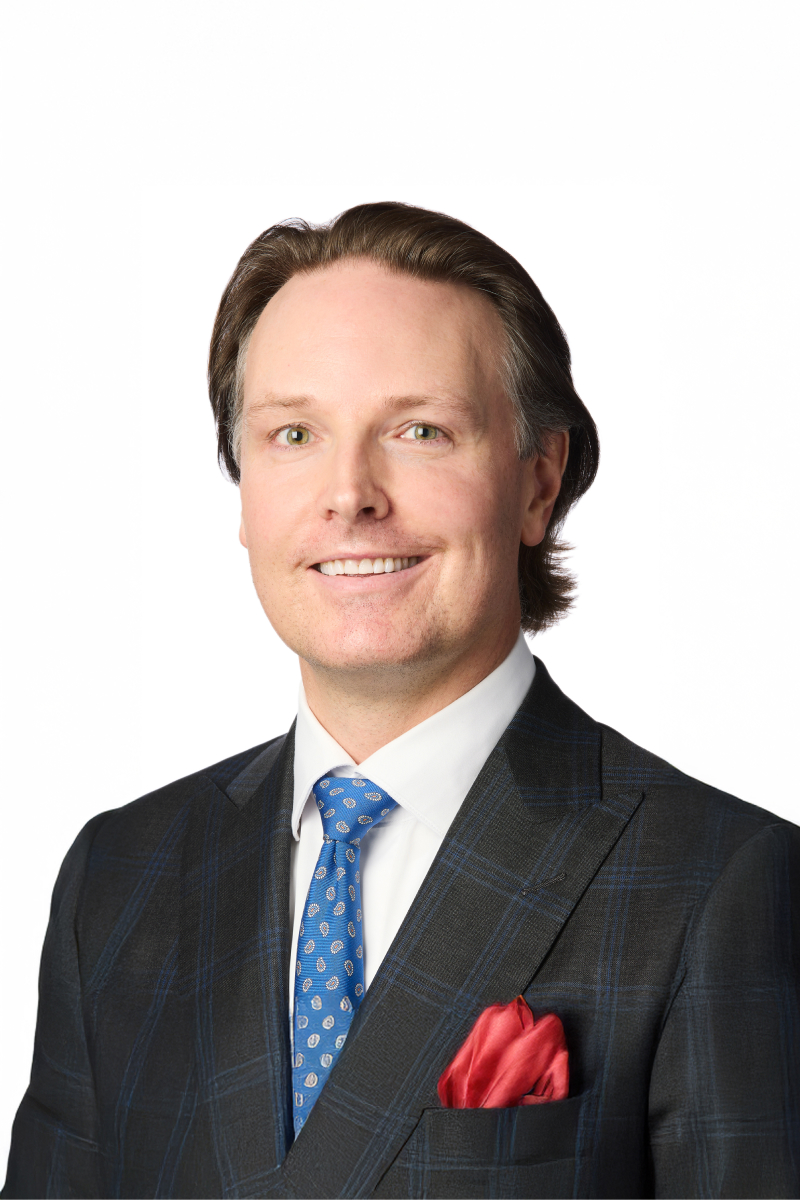
Blair Driscoll and the advantage of having time
After learning the limits of mutual funds at Sentry Investments, Blair Driscoll helped build FAX Capital around money that could stay put. His career follows a practical question: what can a smaller business become when its investor has time to wait?
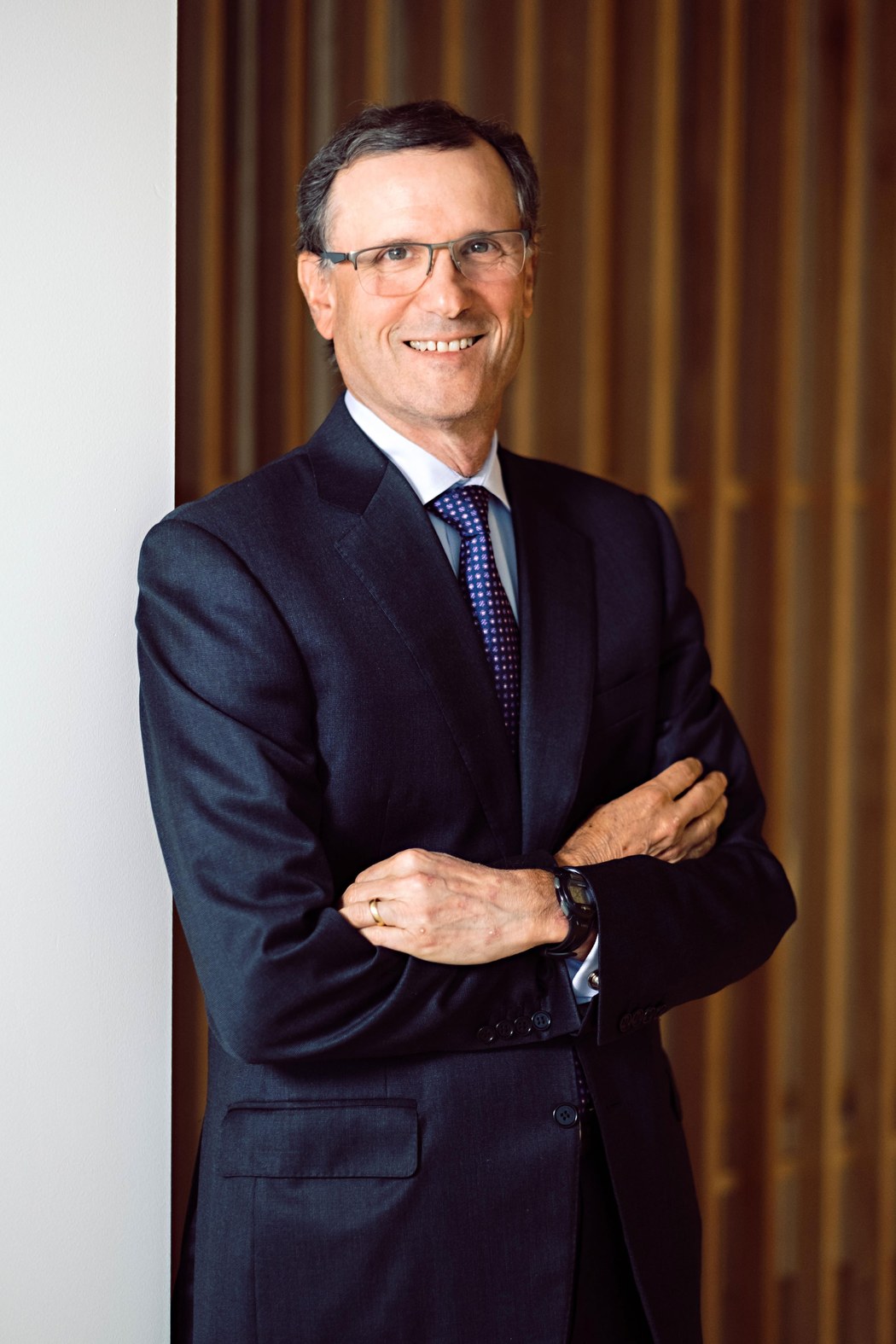
Joseph Gleberman and the value of a longer act
After 32 years at Goldman Sachs, Joseph Gleberman took his dealmaking experience to The Pritzker Organization. His other commitments - conservation, new playwrights and a Tony-winning musical - give the idea of patient capital an unexpected second life.
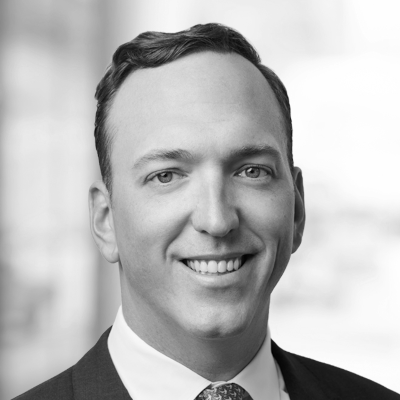
Doug Keller and the art of sharing the save
A college closer becomes a capital executive. Along the way, Doug Keller develops a practical theory of leadership: prepare the team, share the credit, and make yourself less necessary.
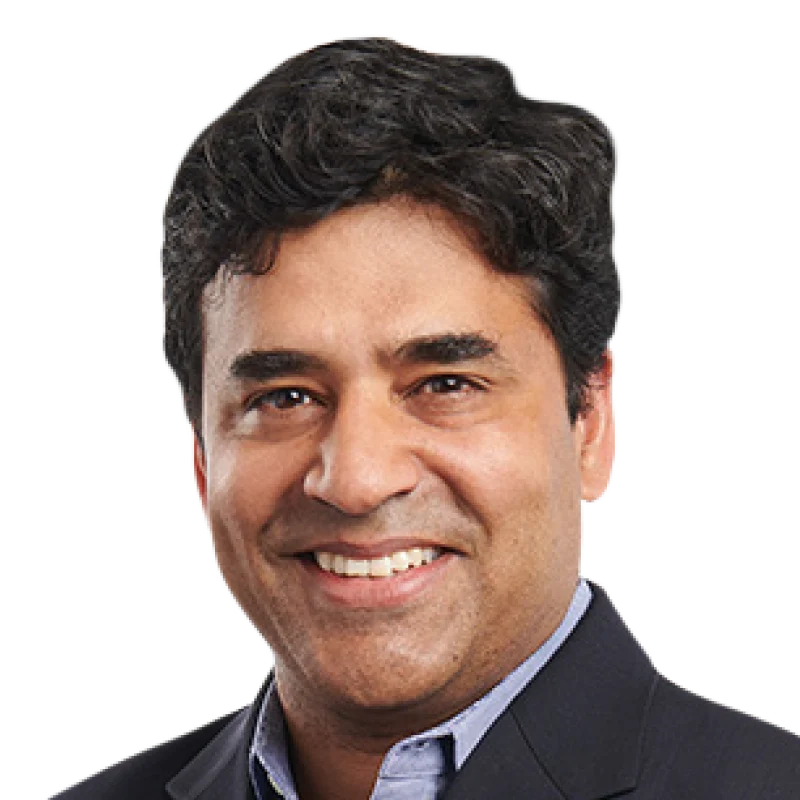
Parag Shah and the value of a wrong turn
A banking job in Buenos Aires was supposed to be a detour. It became the beginning of a career spent building investment firms - and asking how much freedom money should buy.
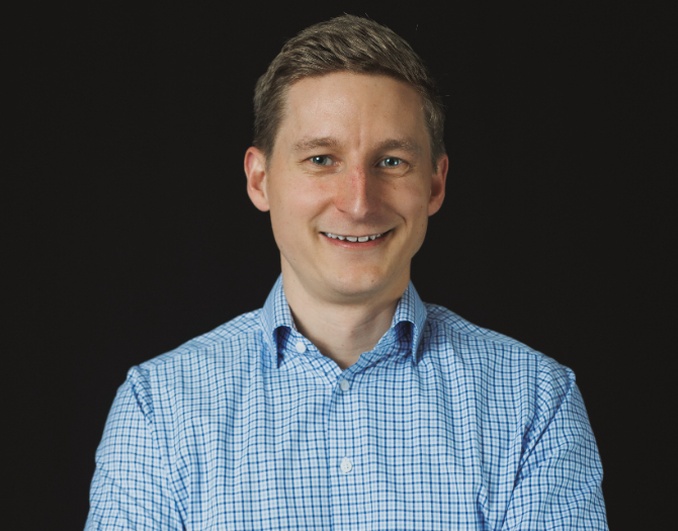
Jeff Totten and the art of buying time
A teenage photographer became an investor with an unusually long horizon. At Evergreen, Jeff Totten buys technology services businesses with the intention of keeping them - and giving their leaders room to work.
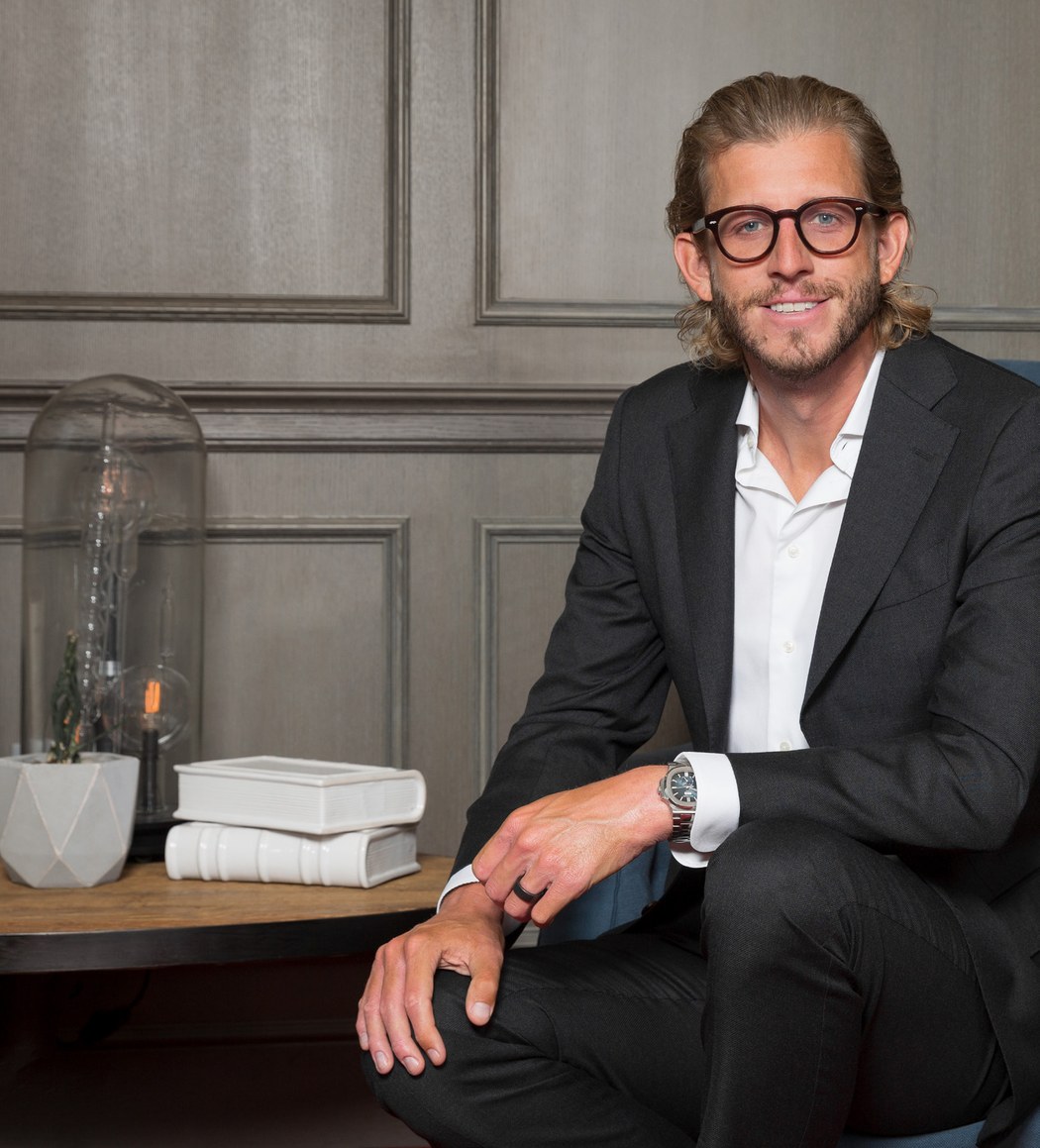
Thomas Hartland-Mackie and the education that arrived early
At 20, Thomas Hartland-Mackie took charge of the family electrical business as the financial crisis hit. His next chapters connect patient capital, a Dallas office tower, and art that deserves an audience.
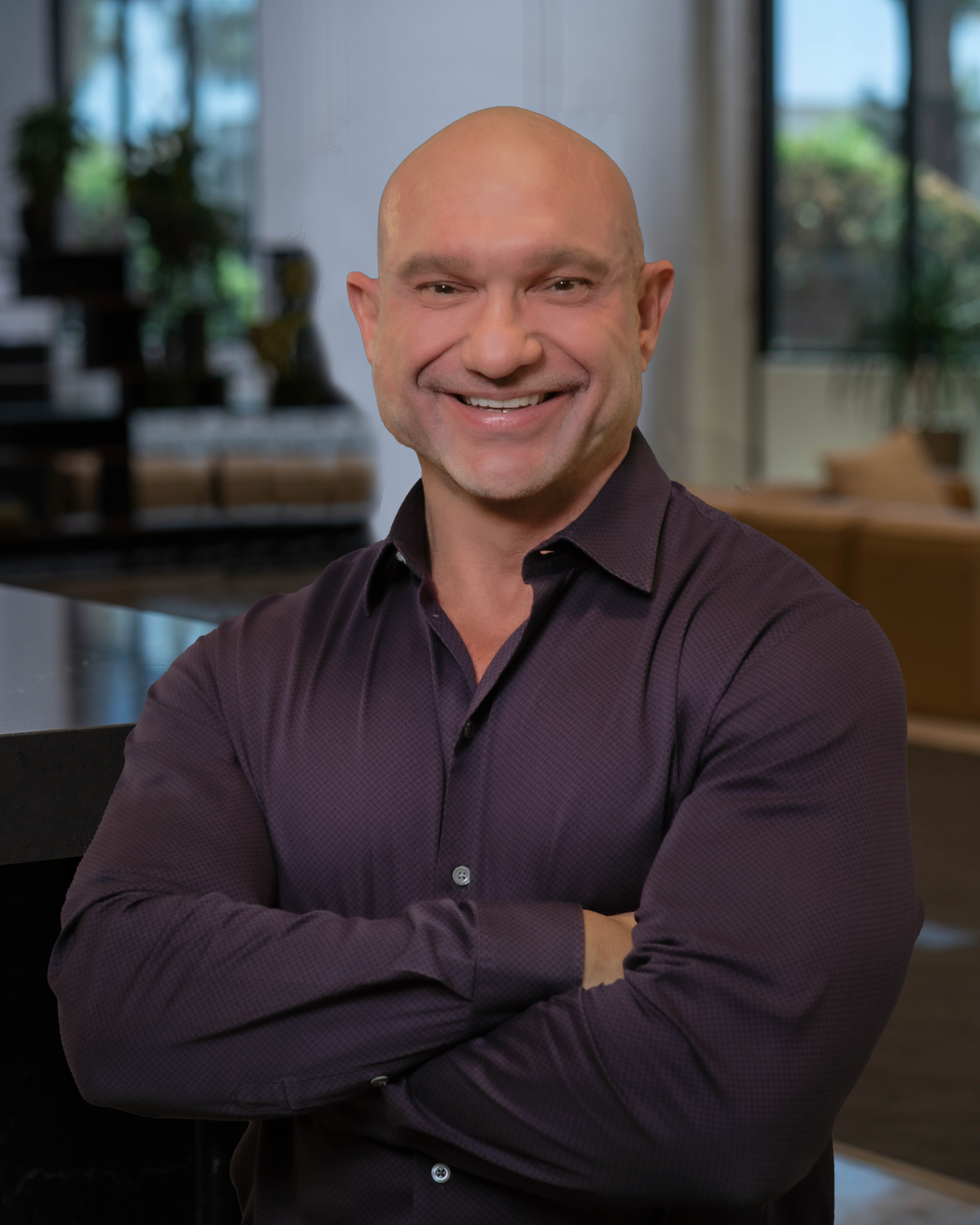
Elias Sabo and the value of a different clock
At Compass Diversified, Elias Sabo made room for businesses to grow on their own timetable. On the racetrack, he measured progress in fractions of a second. His final year as CEO brings the two clocks into focus.
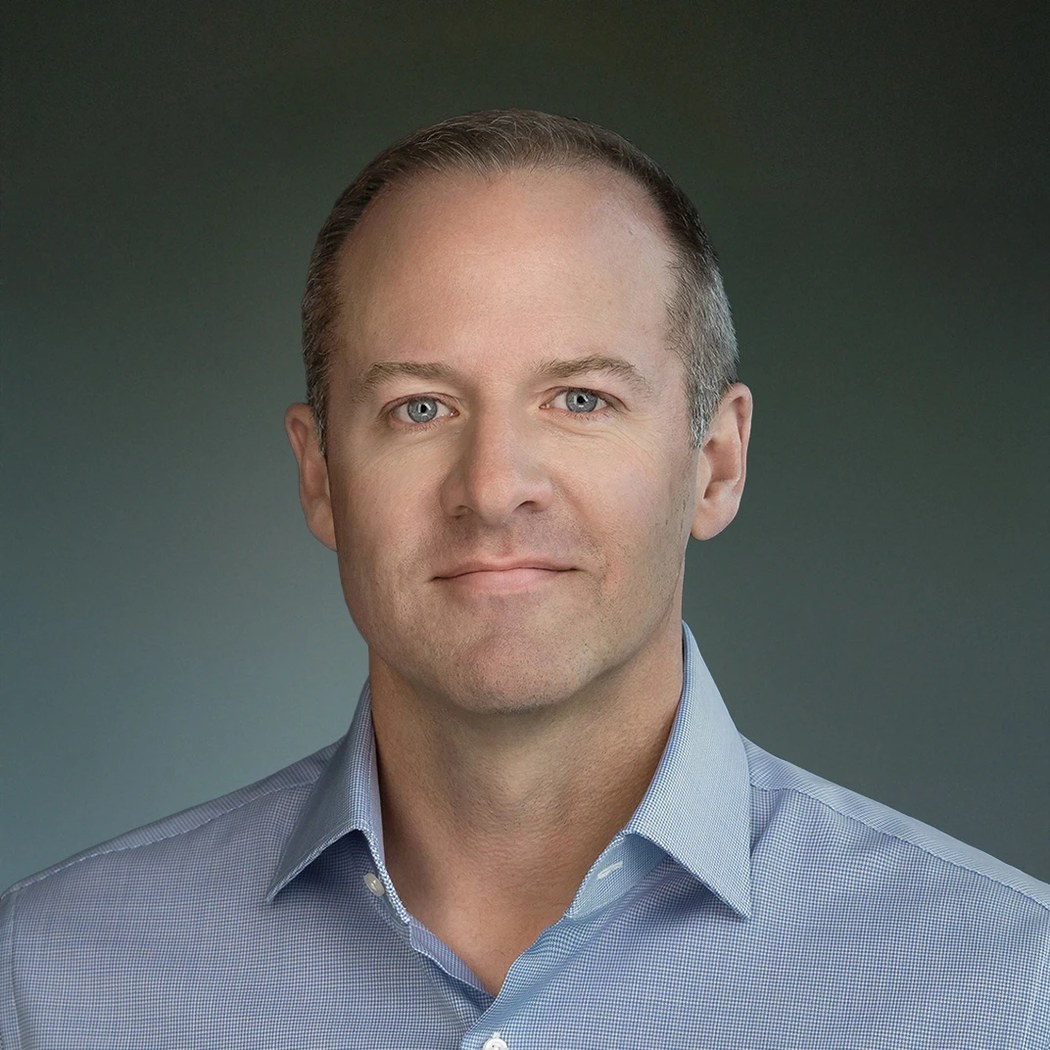
Clay Hunter and the idea that needed eleven points
A text from an old colleague brought Clay Hunter back to a familiar question: how do you give a good business room to grow? At Broadview Group, the St. Louis investor has built his answer around long-term capital and the people who put it to work.
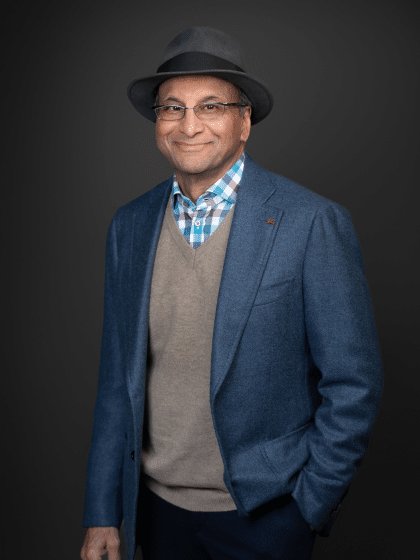
Iqbal Kassam and the value of staying
From a London taxi to Canadian banking, Iqbal Kassam learned to look beyond the resources at hand. At Zynik, he is applying that habit to a different question: what happens when the buyer intends to stay?
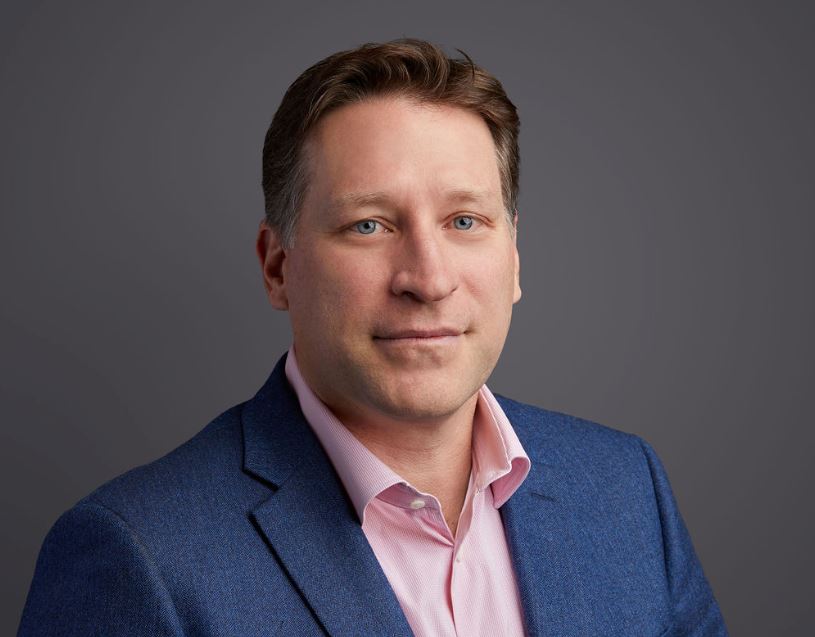
Steve King and the price of keeping the keys
After 12 years advising entrepreneurs, Steve King co-founded Alaris around a question owners understood immediately: could they take money out of a business and still decide its future? Two decades later, the answer has become more complicated - and more interesting.
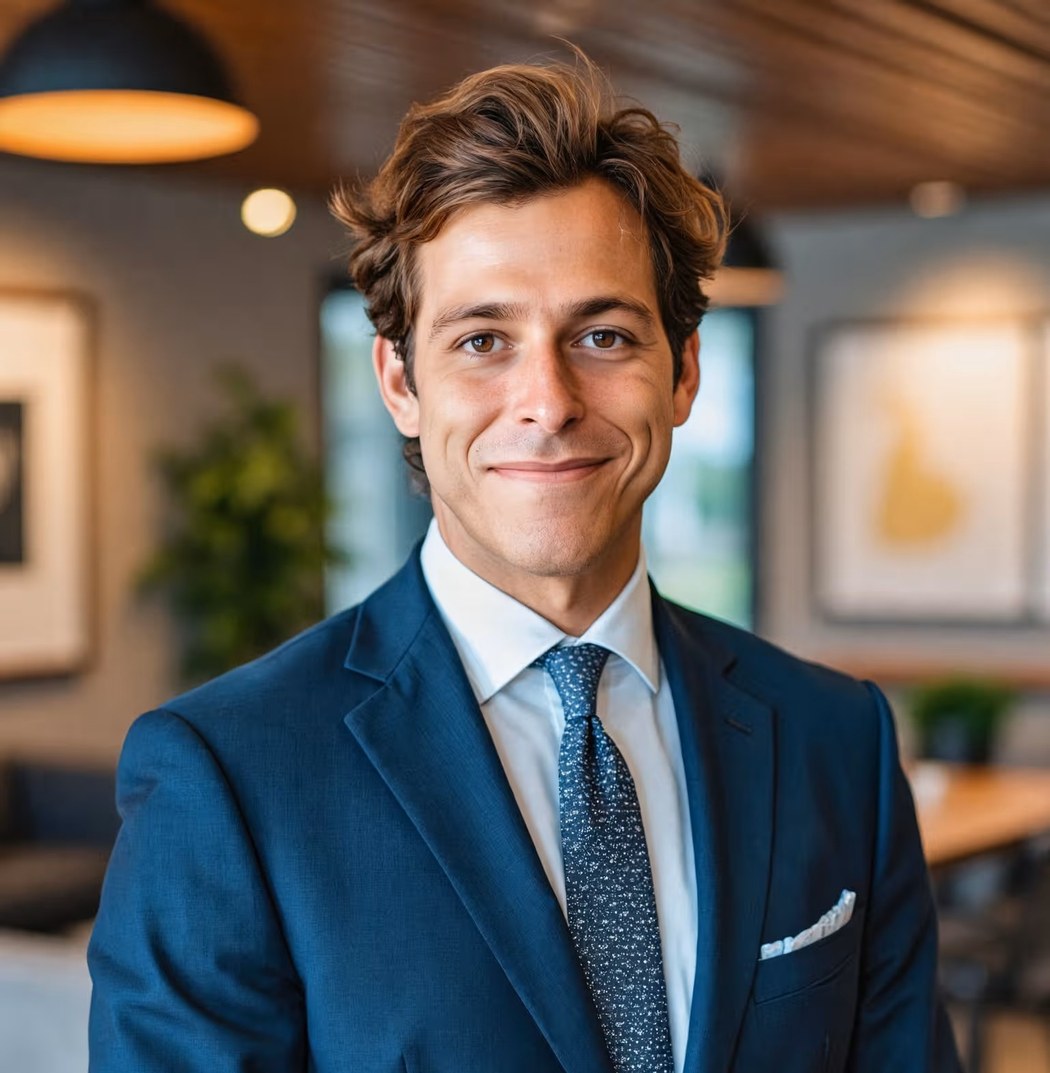
Manuel Moreno and the business of being believed
A warning in his first week as CEO changed Manuel Moreno’s approach to leadership. From construction software to Málaga apartments, his work keeps returning to the same question: how do you earn the right to make things better?
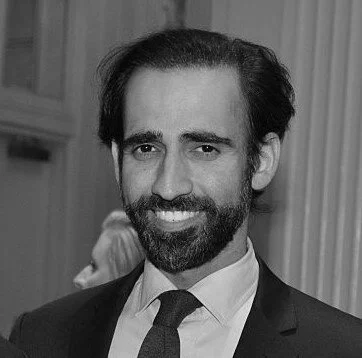
Feroz Dewan and the owner’s clock
After twelve years at Tiger Global, Feroz Dewan built Arena Holdings around permanent capital. His career connects public markets, private companies and the quieter work of staying involved.
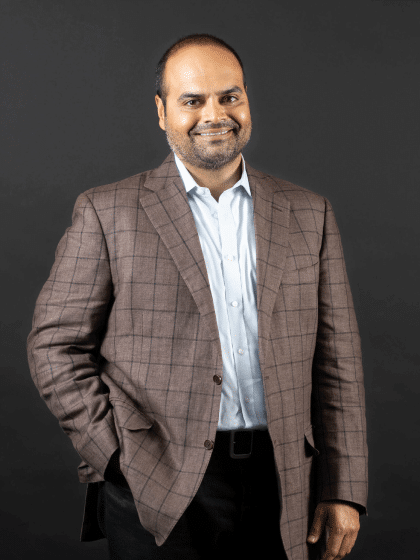
Nabil Kassam and the weight of an idea
An excavator is easy to book and harder to deliver. Nabil Kassam built businesses around that gap, bringing software into the rental yard before taking on a broader role in industrial ownership at Zynik.
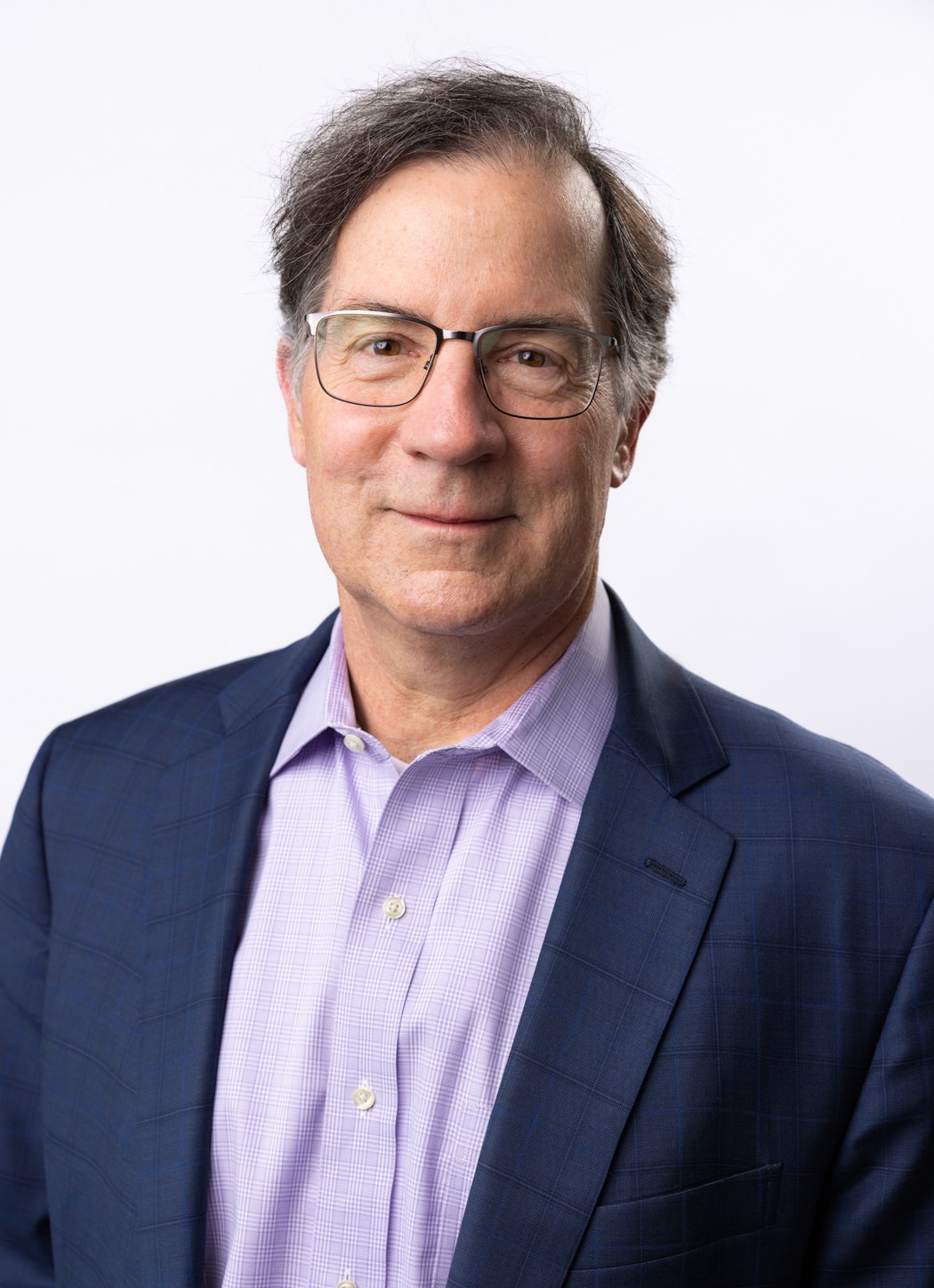
Anthony Dowd and the business of staying power
Paul Volcker recruited him during a financial crisis. Today, Anthony Dowd leads Fairfield-Maxwell, a family-owned enterprise whose investment horizon leaves room for another chapter.
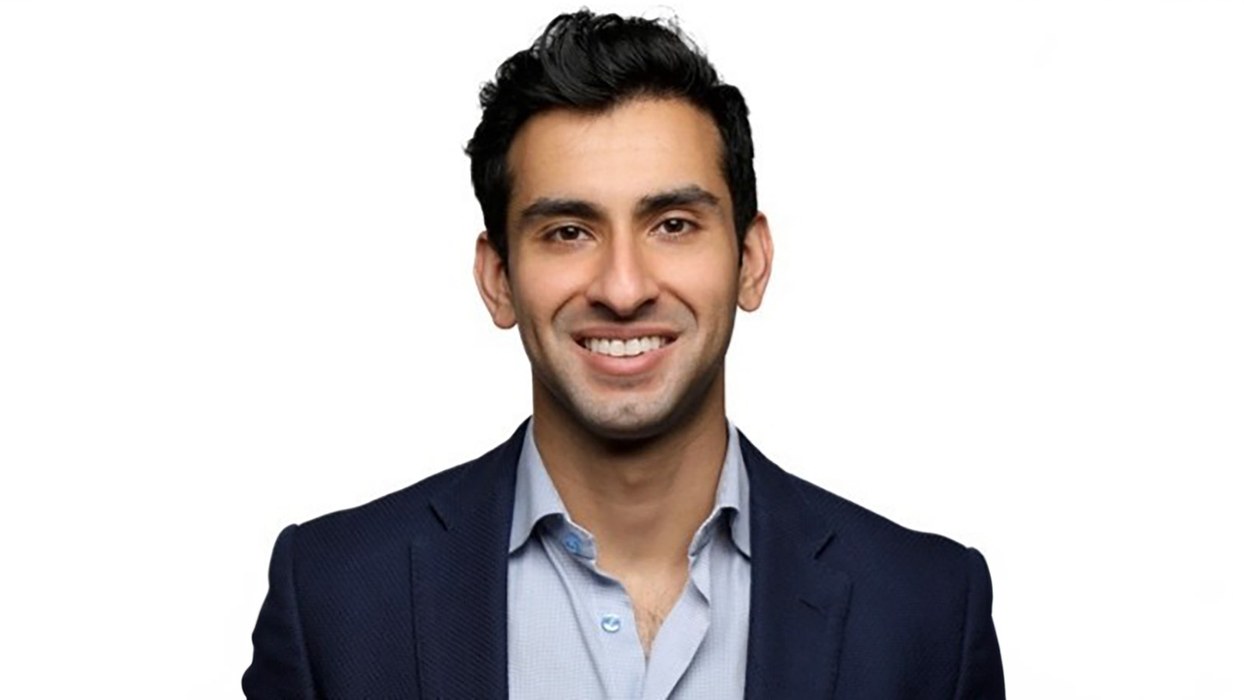
Aly Kassim-Lakha and the business of staying
After Goldman Sachs and Advent International, Aly Kassim-Lakha built Aspen Standard Wealth around permanent ownership. His pitch to advisory founders: room to grow, with their names still on the door.
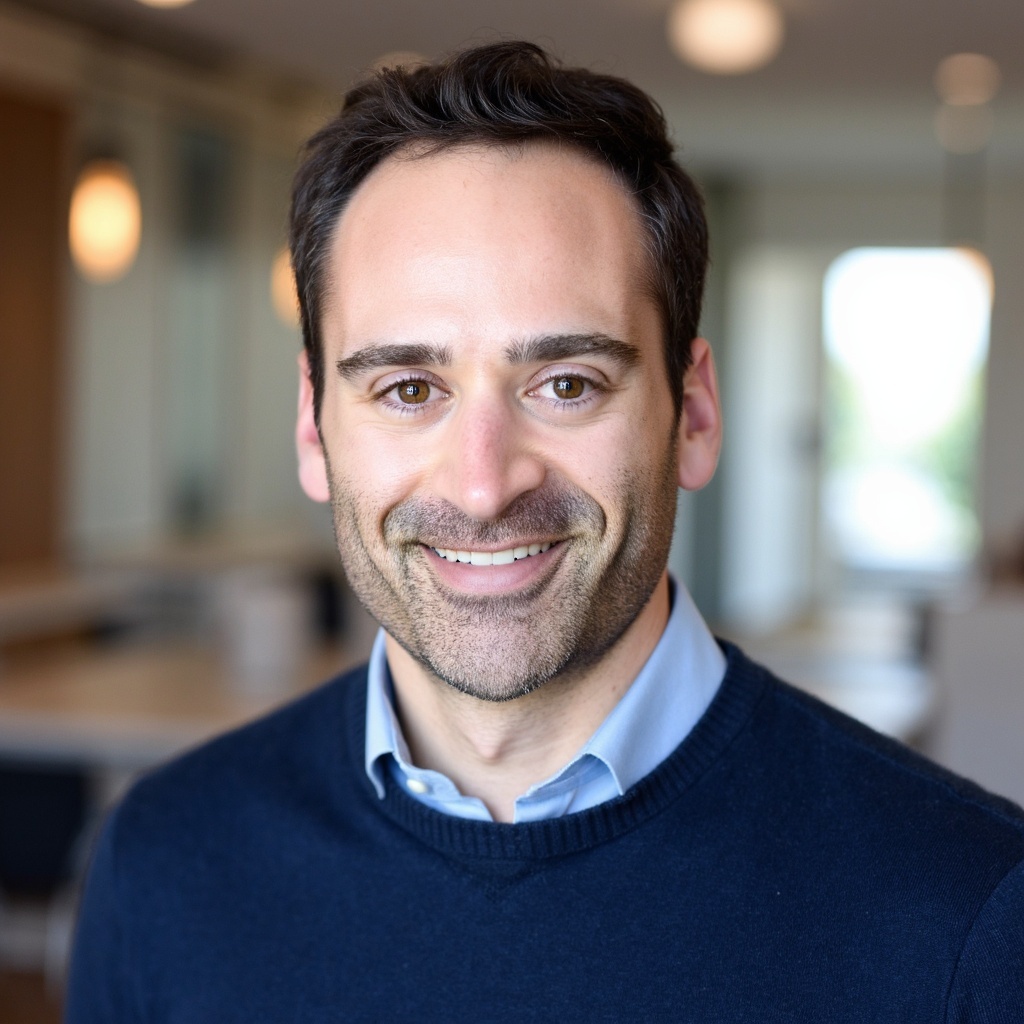
Howard Silverman and the business of staying
At Agman, Howard Scott Silverman puts family capital behind entrepreneurs for the long run. His path from Oxford to restaurants, real estate and insurance turns on a deceptively simple question: how long do you want to build?
Andy Snyder and the business of taking the long way
From the growth of ProQuest to a stake in the Washington Commanders, Andy Snyder has built a career around businesses worth spending time with. His work follows the places where information, education and patient capital meet.
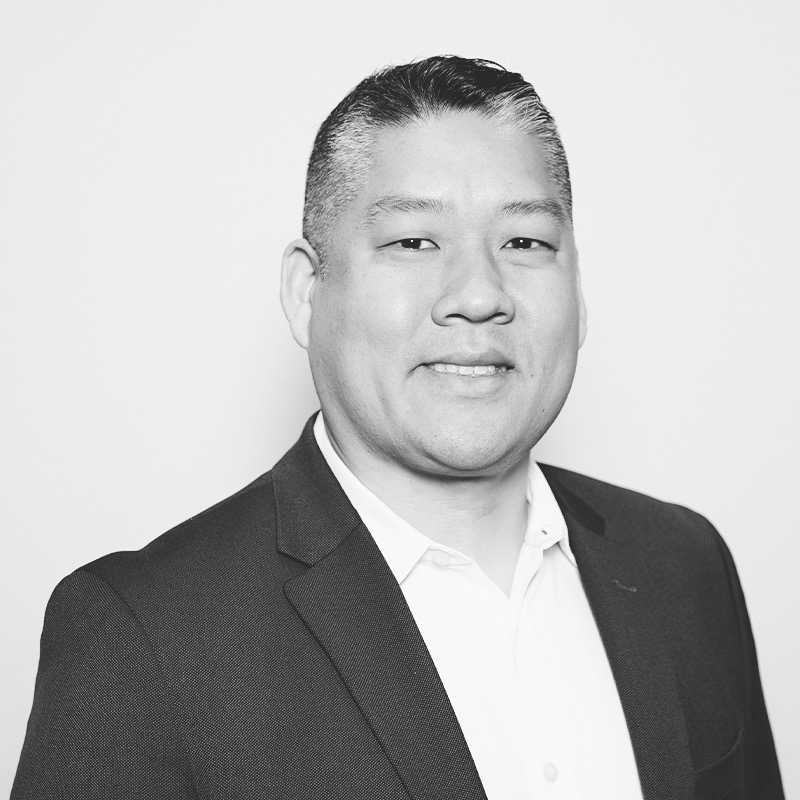
Daniel Lee's business of staying
A company that had never seriously considered selling in 53 years chose Aquila. Daniel Lee's career offers a closer look at what permanent software ownership asks of the people behind it.
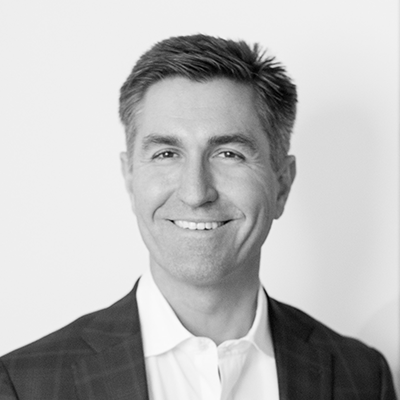
Chuck Brizius and the value of staying
After two decades in private equity, Chuck Brizius helped build a firm around permanent capital. His work with schools and contemporary art offers another way to read that commitment.
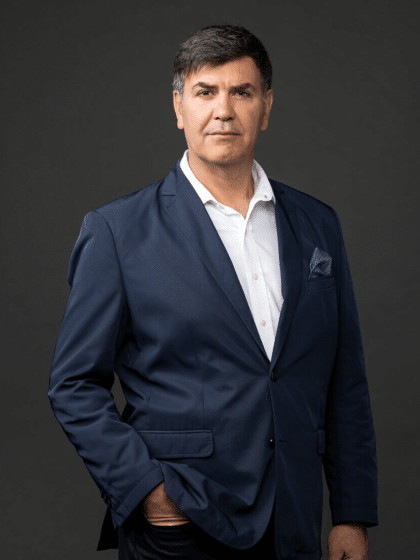
Paul Tuzi and the value of showing up
A factory tour, a rebuilt foundry, and two days away from the laptop reveal how Zynik’s manufacturing chief approaches the businesses entrusted to his group.
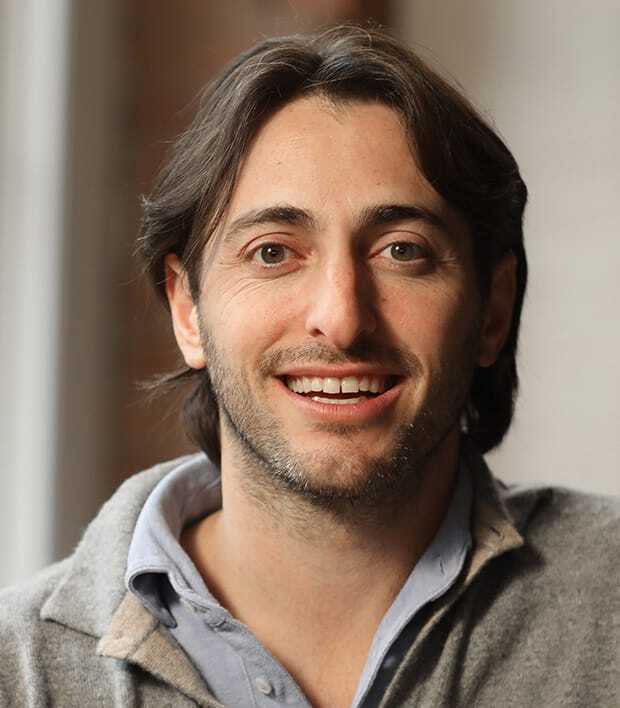
Jake Sloane and the art of selling without leaving
Jake Sloane built his career around a delicate bargain: give local founders the resources of a national business while keeping them invested in their own. At Springdale Industries, the partnership he began with Frank Zhang now has a permanent-capital home.

Campus Connect Is Buying the Boring Software Colleges Cannot Turn Off
The Miami holding company is assembling financial aid, admissions and student-system businesses without erasing the names on the door. Its bet is simple: in higher education, continuity can be more valuable than disruption.

The Guy Buying Up America's Water Guys
Peter Brooks left the Marines, studied water policy at Harvard, and decided the least glamorous corner of American infrastructure was the best place to build something that lasts. His pitch to the family businesses that keep the water running: sell to us and we will never sell you.

The Family Office Buying Everything From Ice Cream to the Pittsburgh Penguins
Hoffmann Family of Companies has assembled more than 200 brands without choosing a single industry. Its real product is patient ownership - and a portfolio designed to make unlikely neighbors useful to one another.
The Quiet Company Behind $4 Billion in Healthcare Payments
A.E. Perkins has assembled benefits administration, payroll, direct primary care and payment infrastructure under one long-term owner. Its pitch is less about disruption than about making the machinery of work and healthcare reliably disappear into the background.

The Firm That Buys Small Manufacturers and Refuses to Flip Them
A Connecticut investor has spent three decades buying gearboxes, powder coating and barcode labels - using its own capital, and one unfashionable rule: hold for decades, not quarters.