The Guy Buying Up America's Water Guys
Peter Brooks left the Marines, studied water policy at Harvard, and decided the least glamorous corner of American infrastructure was the best place to build something that lasts. His pitch to the family businesses that keep the water running: sell to us and we will never sell you.
There is a version of the American economy that never trends. No one live-tweets a cooling tower. No founder gets a standing ovation for keeping a hospital's boiler from scaling over, or for pulling a failing pump out of a municipal groundwater well before the town notices its taps run brown. And yet all of it has to work, every hour, forever. Sylmar Group is a bet that this quiet machinery - and the family businesses that run it - is worth building a company around.
Founded in Los Angeles in 2019 by Peter Brooks and Michael Warady, Sylmar is not a private equity fund and not a manufacturer. It is a holding company that buys founder-owned water and wastewater service businesses and then does something unusual in the roll-up world: it keeps them. No flip. No five-year exit clock. The stated policy is to hold "in perpetuity." The company takes its name from the Sylmar Aqueduct north of Los Angeles, the point where the California State Water Project and the Los Angeles Aqueduct converge - a fitting metaphor for an operation whose whole thesis is bringing separate streams together and keeping them flowing.
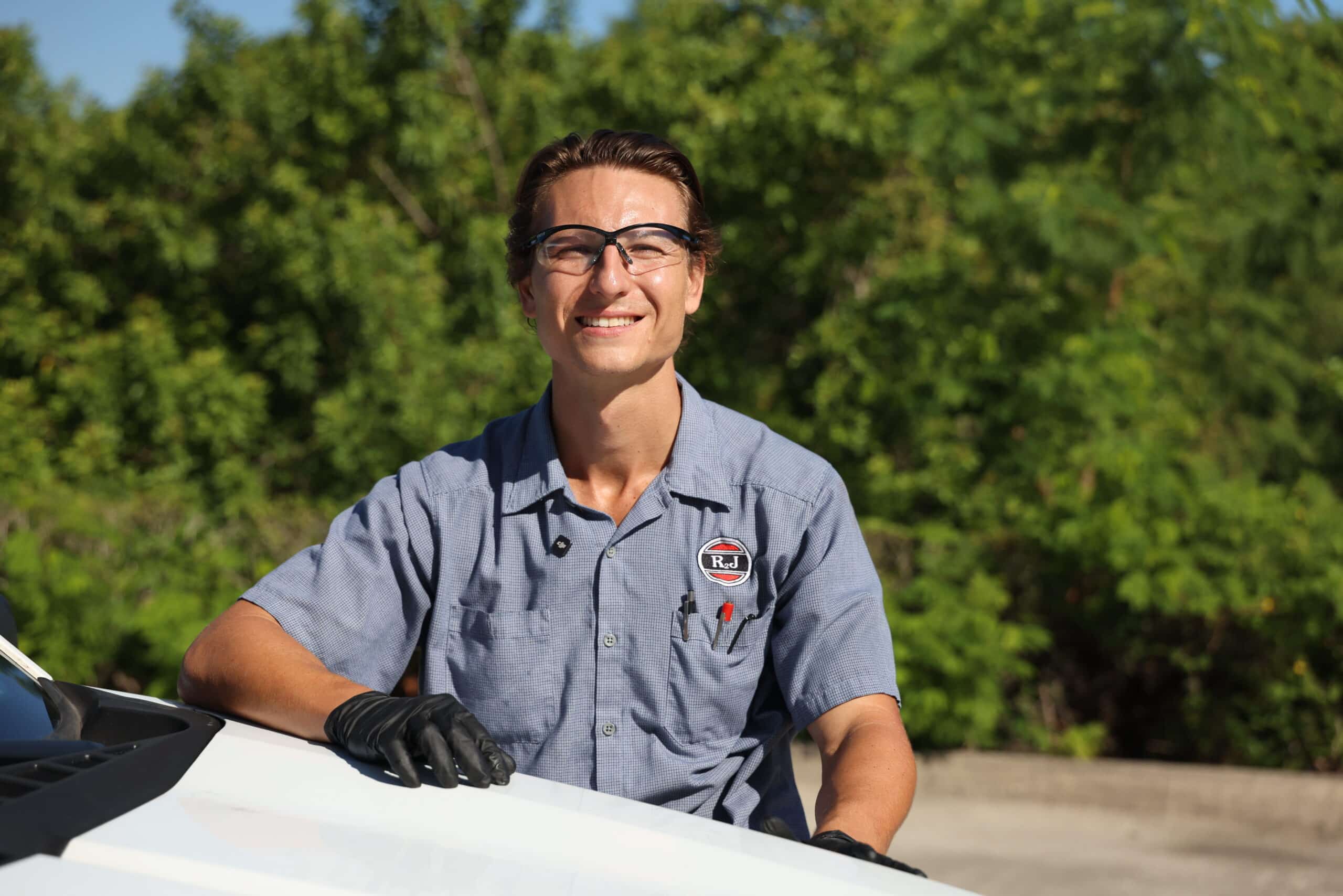
01 / The ThesisWater is undervalued. So buy the people who fix it.
The founders' starting point is blunt: water is systematically underpriced in the U.S. economy, which means the businesses that treat, move and clean it have been overlooked too. Where others see unglamorous service contracts, Sylmar sees durability. Cooling-tower chemistry, boiler treatment, Legionella control and pump maintenance are not discretionary. A factory cannot pause them. A hospital cannot skip them. That makes the revenue recurring and the customer relationships long - exactly the qualities a permanent-capital owner wants.
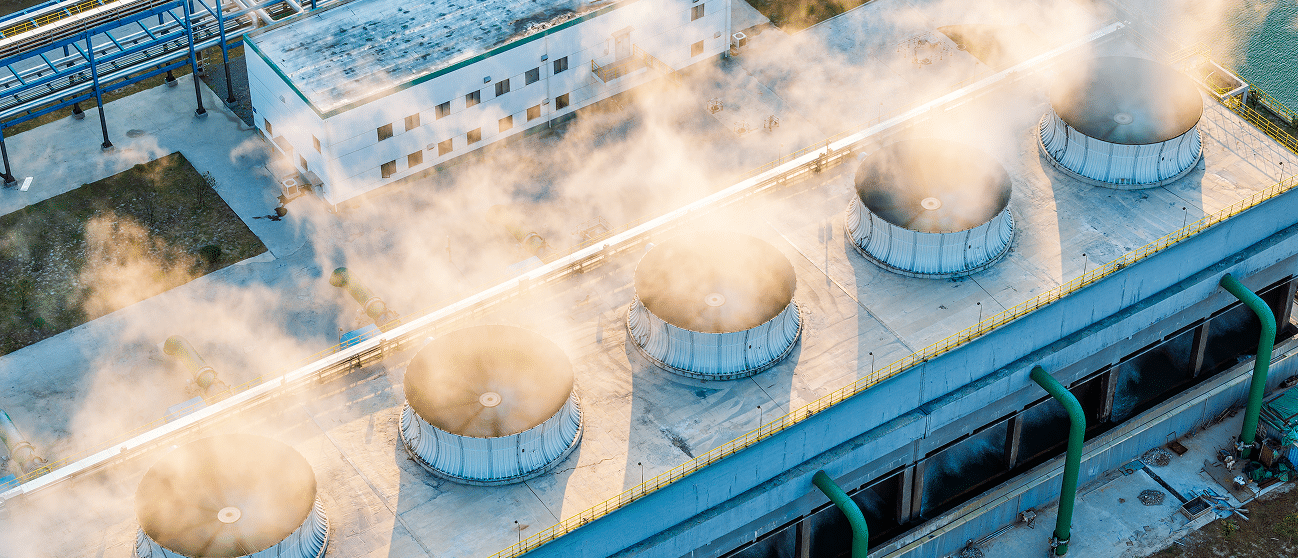
The company organizes itself into two platforms. Sylmar Water Treatment Services handles the chemistry and equipment side - cooling towers, boilers, closed loops, chemical feed and dosing, on-site chlorine and chlorine dioxide generation, industrial reverse osmosis and ultrafiltration, wastewater treatment, high-purity process water for food, beverage and pharma, plus lab testing and round-the-clock field service. Sylmar Utilities Services handles the groundwater side - well drilling and installation, vertical-turbine and submersible pump service, well rehabilitation and an in-house pump rebuild shop. A third arm layers in technology partnerships, including Airburst Technology's patented compressed-air well rehabilitation.
02 / The FounderFrom infantry officer to industrial water
Brooks did not arrive from finance. He is a former U.S. Marine infantry officer and two-time Iraq War veteran, a Fulbright Scholar who went on to study and teach water policy at Harvard. Before Sylmar, he worked in advanced water treatment at Xylem, led utility staffing at waterTALENT, and worked on in-conduit hydropower at NLine Energy. Co-founder Michael Warady, now president, came through Yale's School of Management with a background in solar manufacturing and infrastructure. The two have worked together since 2017. It is an unusual pairing for a sector more often associated with regional family shops than Harvard seminars and Marine Corps operational discipline.
That background shows up in the culture. Sylmar's four stated values read like a field manual: Think in Decades, a servant-leadership "Virtuous Triangle" (invest in employees, who serve customers), Perform as a Playoff-Bound Team, and a "Relentless Passion for Water." Sustainability is framed not as a program but as the point of the exercise.
03 / The ModelThe anti-flip roll-up
Most consolidation in fragmented industries follows a familiar script: a fund buys, cuts, bolts on, and sells within a handful of years. Sylmar's pitch to sellers is the inverse. Acquired companies keep their name, their team and their local identity, and gain shared chemistry, engineering and capital. For an aging owner who spent decades building a business and worrying about who will run it next, "we will keep it and keep your people" is a different kind of offer than "we will optimize and exit."
What Sylmar says it does
Buys to hold in perpetuity. Keeps the brand and staff. Reinvests. Backs local operators with national scale in chemistry, engineering and capital.
What it says it avoids
"Cut and flip." No expiration date on ownership. No stripping the acquired company for a fast multiple.
What you can steal
Boring plus recurring plus fragmented is a real edge. Sylmar's playbook - target essential services no customer can pause, promise founders permanence instead of a flip, and fund the roll-up with debt rather than churning equity - is repeatable in any overlooked corner of infrastructure.
04 / The FootprintStitching regional brands into a platform
Sylmar grew the way its thesis suggests - one regional acquisition at a time, each adding geography or capability. Its brands carry heritage the parent company does not: the homepage's "Since 1952" nods to the age of the businesses it has gathered, with the oldest well-services lineage running roughly three-quarters of a century. Recent additions have pushed the map east and south.
05 / The MoneyA $130M line - to buy, not to flip
In February 2026, Sylmar closed a $130 million senior secured credit facility led by Manulife | Comvest Credit Partners, which refinanced an earlier line, funded a recent acquisition and set aside capital for more. It followed a 2022 debt facility from Balance Point Capital and the company's original 2020 capital raise. The choice of debt over churning equity is itself a statement: permanent capital for a permanent-hold strategy.
06 / The MilestonesSix years, one direction
07 / The CustomersWho actually calls Sylmar
The customer list is a cross-section of the physical economy. Manufacturers running cooling loops and boilers. Food and beverage plants and pharmaceutical facilities that need high-purity process water and cannot risk a contamination event. Hospitals and institutional buildings under Legionella-control obligations. Agricultural operations and, on the utilities side, municipal groundwater systems whose wells and pumps have to keep producing regardless of season. What ties them together is that none of them treats water as optional. When a chemical feed system drifts or a well loses output, the call goes out the same day - which is why a 24/7 field-service arm sits at the center of the offering rather than at the edge of it.
That is also where Sylmar argues its expertise lives. Because it blends its own chemistry, engineers its own equipment and staffs its own service crews, a single customer relationship can span the formulation, the skid and the technician who tunes it - rather than being split across three vendors who each blame the other two. For a plant manager, the pitch is fewer phone numbers and one accountable partner. Vertical integration is a familiar promise; in a fragmented, relationship-driven trade it is also genuinely hard for a regional single-service shop to match.
What you can do with it
If you run a facility with a cooling tower, a boiler, a wastewater stream or a groundwater well, Sylmar is the kind of partner you hire to make those systems someone else's daily problem - treatment chemistry, equipment, compliance testing and emergency response under one roof, across 27 states.
08 / The MarketWhere it fits, and where it could break
Sylmar operates in the same broad space as the giants - Veolia, SUEZ, Pentair, Ecolab's Nalco, Kemira, DuPont - but it is not really competing on the same axis. Those are product and technology companies. Sylmar is an operator and acquirer of regional service businesses, closer in shape to a permanent-capital consolidator than to a chemicals maker. Its advantages are the durability of essential-service revenue, real regulatory tailwinds (Legionella rules, discharge limits, groundwater stress), and a seller pitch competitors structurally cannot match.
The risks are the mirror image. A debt-funded roll-up depends on integration discipline and interest-rate weather; hold-forever ownership only works if the held businesses keep performing. And the promise to "never sell" is easy to make and hard to prove until decades have passed - which is, of course, exactly the timescale the company keeps telling everyone to think in.
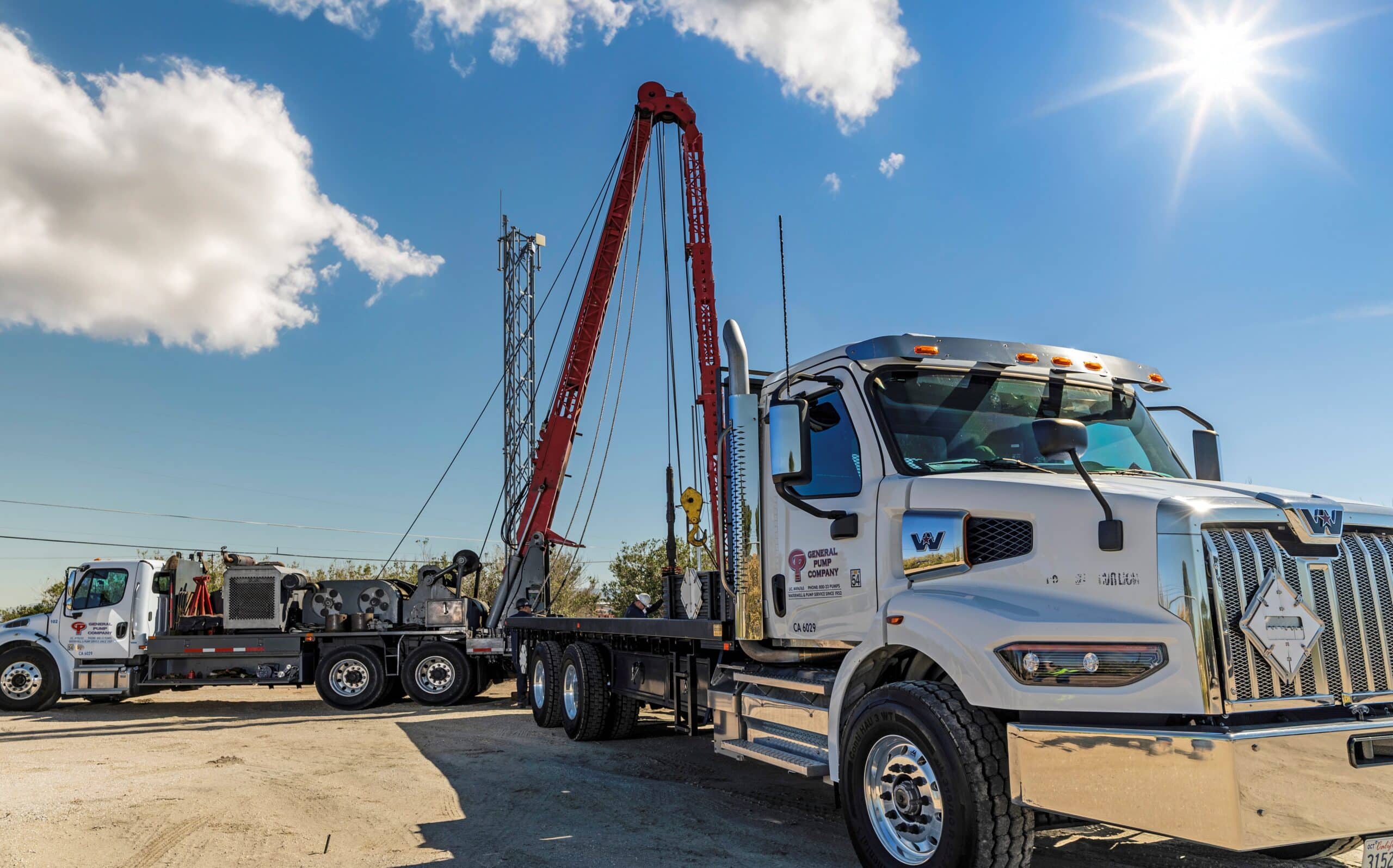
For customers, the appeal is straightforward: one vertically integrated partner that blends its own chemistry, engineers the equipment and shows up for 24/7 service, across a footprint that now spans 27 states. For the founders selling in, it is a place their life's work gets to keep its name. Whether "the future of water" belongs to a patient roll-up is a question only decades will settle - but few companies are as comfortable waiting.