wastewater
(11)
StormHarvester wants the sewer alarm to mean something
A Belfast software company is teaching wastewater utilities to spot trouble before sewage escapes. Its most useful trick may be knowing when a rising water level is just rain.
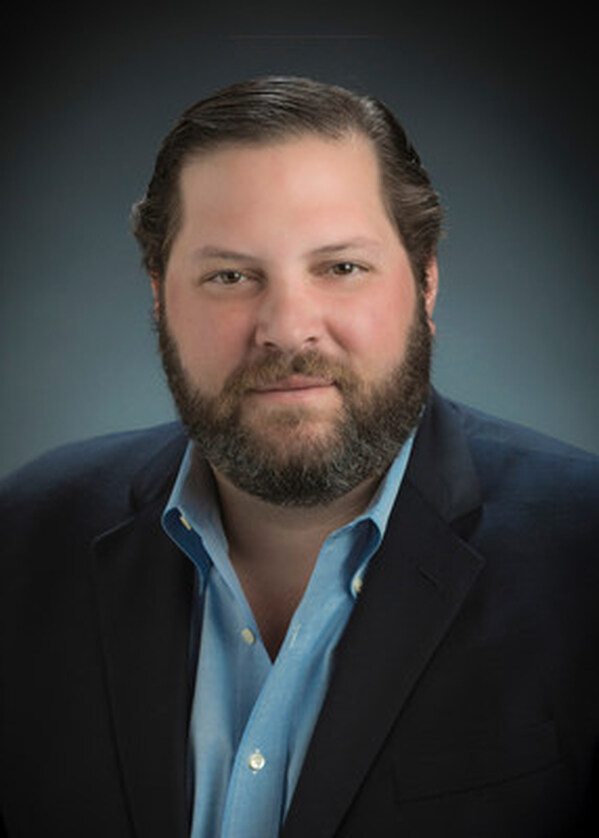
Michael Vellano Built a Company Around the Streets Nobody Wants to Dig Up
A fourth-generation waterworks operator turned a century of family know-how into a modern playbook: repair what lies beneath cities, buy capabilities with care, and let field crews improve the technology.
The Guy Buying Up America's Water Guys
Peter Brooks left the Marines, studied water policy at Harvard, and decided the least glamorous corner of American infrastructure was the best place to build something that lasts. His pitch to the family businesses that keep the water running: sell to us and we will never sell you.

The Billion-Dollar Infrastructure Problem Vortex Fixes Without Digging Up the Street
Vortex built a one-roof business around an unglamorous civic bargain: renew the pipe, keep the city moving. Its mix of materials, machines, monitoring and field crews shows how infrastructure work is becoming a systems business.
Delve Underground
Delve Underground is an employee-owned heavy civil and tunnel engineering firm that designs, builds, and rehabilitates the underground infrastructure behind transit systems, water and wastewater networks, and energy projects. Founded in 1954 as Jacobs Associates and rebranded from McMillen Jacobs Associates in late 2022, the firm brings roughly 350 specialists across 21-25 offices in the U.S., Canada, Australia, and New Zealand to some of the most technically demanding tunnels, shafts, and deep foundations in North America and Australasia.

Pani
Pani (Pani Energy Inc.) is a Canadian climate-tech software company that puts a digital brain on top of the world's water treatment plants. Its flagship cloud platform, Pani Zed, consolidates messy sensor data from desalination, industrial and municipal facilities, builds a digital twin of each plant, and uses machine learning to tell operators exactly how to cut energy use, extend membrane life, and lower emissions - without new capital equipment or retrofits. Founded in 2017 by Devesh Bharadwaj and based in Victoria/Vancouver, British Columbia, Pani deploys across facilities in multiple countries and has landed on the Global Cleantech 100 list.
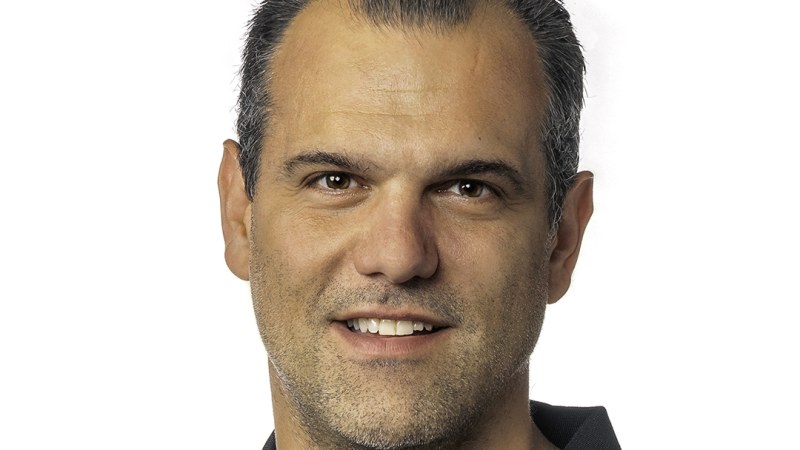
Nicholas Dyner
Nicholas Dyner is the CEO of Moleaer Inc., the Hawthorne, California company that turned nanobubbles - gas bubbles 2,500 times smaller than a grain of salt - into an industrial-scale tool for growing more food, cleaning more water, and reviving dying lakes. A Cornell history-and-economics major who fell into the water industry through a GE leadership program and never left, Dyner has spent nearly two decades selling water-treatment technology in more than 90 countries. Since 2017 he has guided Moleaer from a wastewater experiment to over 10,000 installations across 55 countries, a partnership with Xylem, and a multi-billion-dollar category that barely existed before he showed up.
Gradiant
Gradiant is an MIT spinout turned global water-technology company that designs, builds, and operates advanced systems to treat, reuse, and recover industrial water and wastewater. Using a stack of proprietary technologies - from Carrier Gas Extraction to Counterflow Reverse Osmosis and an AI control layer called SmartOps - Gradiant helps semiconductor fabs, food and beverage giants, pharmaceutical makers, miners, and refiners cut freshwater use, recover lithium and other minerals, and destroy 'forever chemicals.' The first unicorn in the water industry, it reached a $2 billion valuation in 2026.
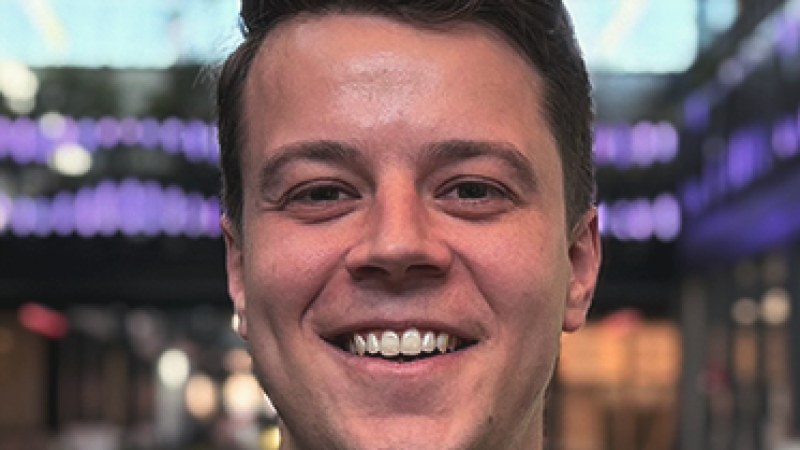
Joachim Katchinoff
Joachim Katchinoff is a Yale-trained biogeochemist who co-founded CREW Carbon to turn ordinary wastewater treatment plants into permanent carbon-removal machines. By dosing treatment tanks with crushed alkaline minerals, CREW converts the CO2 that microbes naturally belch into stable bicarbonate, while cutting chemical costs for utilities. The company became the first in the world to issue certified Wastewater Alkalinity Enhancement carbon credits and raised a $25M Series A in 2026 to scale across the US and Europe.
SewerAI
SewerAI is a Walnut Creek, California software company building AI for the people who keep the sewers running. Its Pioneer cloud platform and AutoCode computer vision tools help cities, utilities, engineers, and contractors inspect, code, and prioritize sewer pipe defects faster and more accurately than manual review.
Woodard & Curran
Woodard & Curran is a 100% employee-owned environmental engineering and consulting firm founded in 1979 and headquartered in Portland, Maine. With roughly 1,300 employees across 30+ offices in 14 states, the firm integrates engineering, science, design-build, and operations to solve complex water and environmental challenges for municipal, industrial, and government clients. From treating 11.7 billion gallons of drinking water annually to cleaning up Superfund contamination sites, Woodard & Curran positions itself as the firm that takes on the hard problems in water infrastructure and environmental health — not as a contractor but as a long-term partner.