paypal
(44)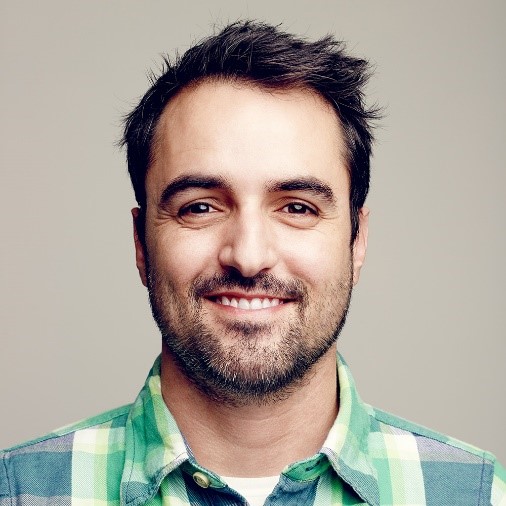
Ohad Samet and the business of giving people a choice
A forgotten bill helped send the former Klarna risk chief into debt collection. With TrueAccord and TrueML, Ohad Samet has spent the years since rethinking how companies ask for their money - and how founders learn to let go.
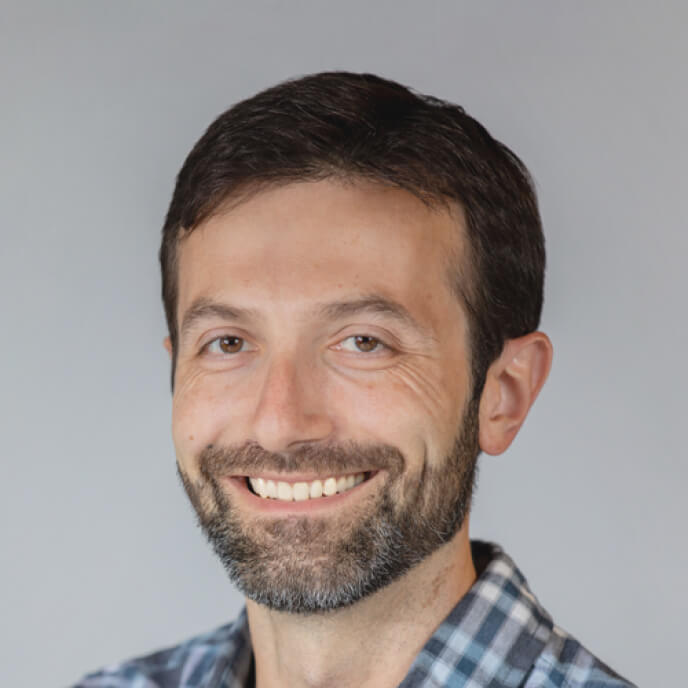
Bobby Tzekin brings the checkout to your doorstep
A chance internship at PayPal became seven years. Now the Wisetack co-founder is putting payment choices into the software used by plumbers, electricians, and the people who keep a house running.
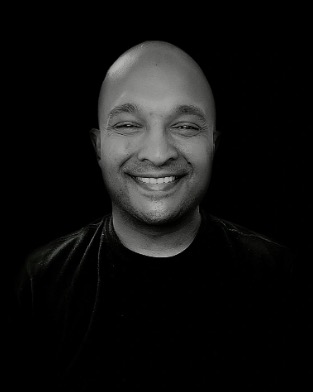
Akshay Krishnaiah took the long way to understanding money
Before building Beem, the former PayPal product leader and Teller founder drove more than 36,000 miles for Uber and Lyft. He wanted to understand the people financial services kept overlooking.

Ed Harycki sold Swift to PayPal. Then he went back to the borrower.
After building a business lender acquired by PayPal in 2017, Ed Harycki founded Credit Genie in 2019. His second act puts a familiar question in a different setting: how much can finance learn from the person behind the application?
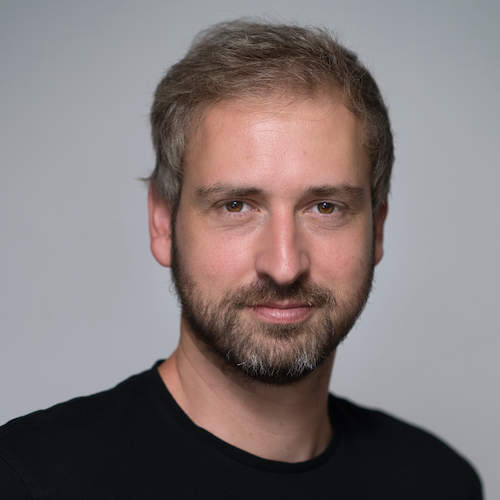
Matan Bar and the education of a paper check
Before Melio became a multibillion-dollar payments business, Matan Bar’s team paid bills by hand for ten small businesses. Now leading Xero’s US business, he is still working on what those envelopes taught him.
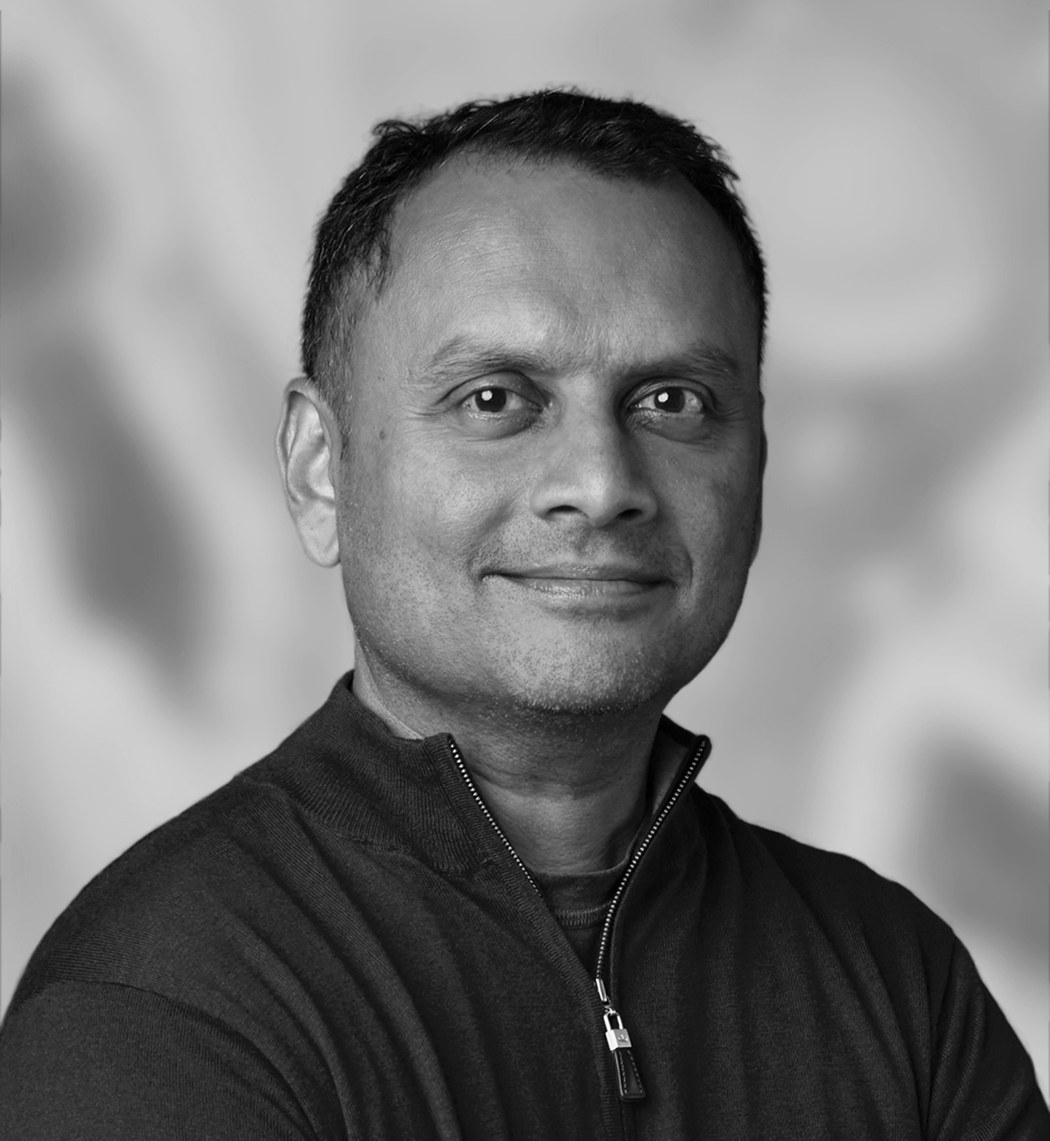
Mark Britto and the art of getting paid
From an Amazon acquisition to the founding of Boku, Mark Britto has spent decades working on the moment a customer becomes a buyer. His career follows the money - and the connections that let it move.
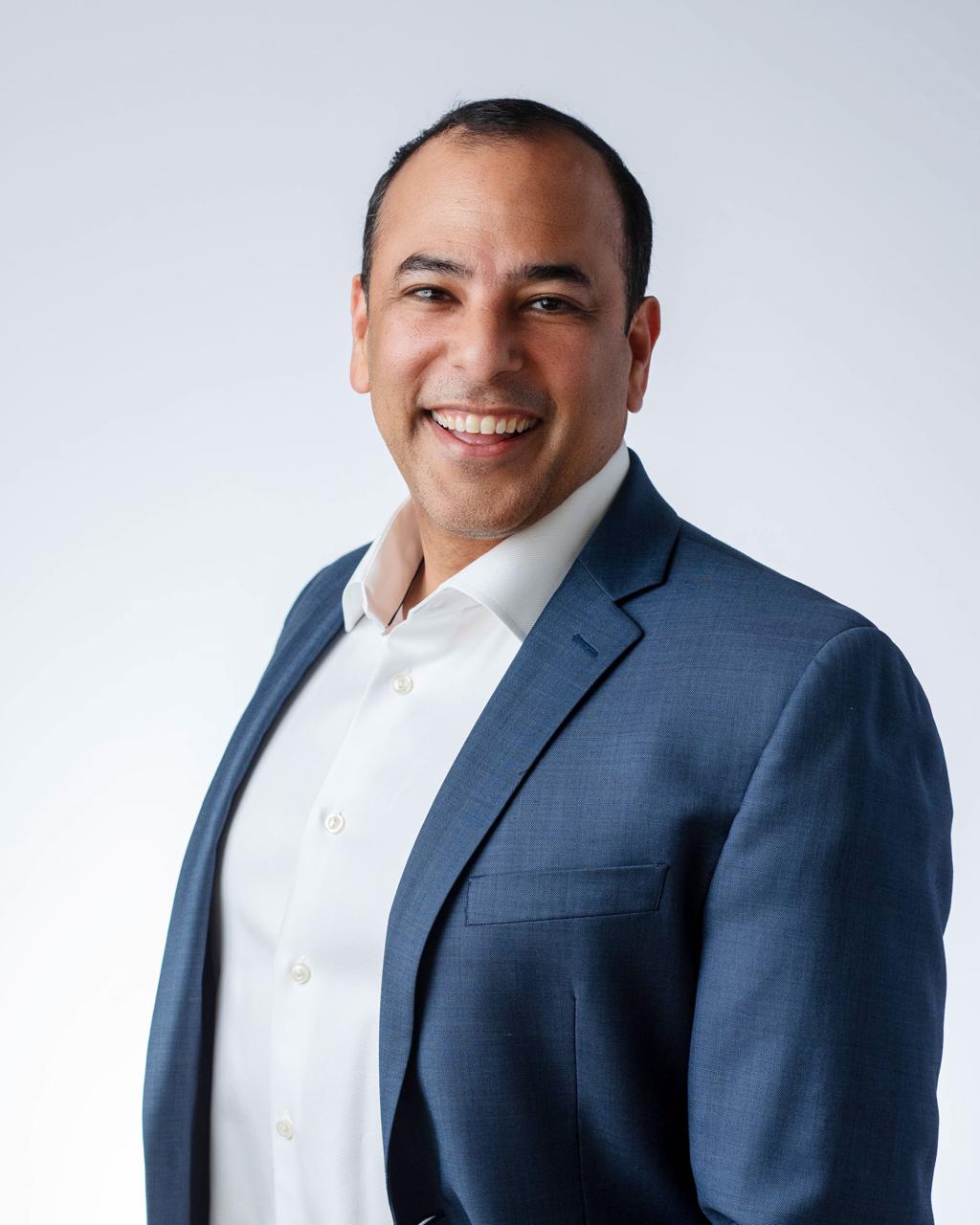
Amit Mathradas and the trouble with a perfect score
From Dell’s small-business desks to the CEO’s chair at Five9, Amit Mathradas has followed the work that slows businesses down. His next question: when should an AI hand the conversation back to a person?
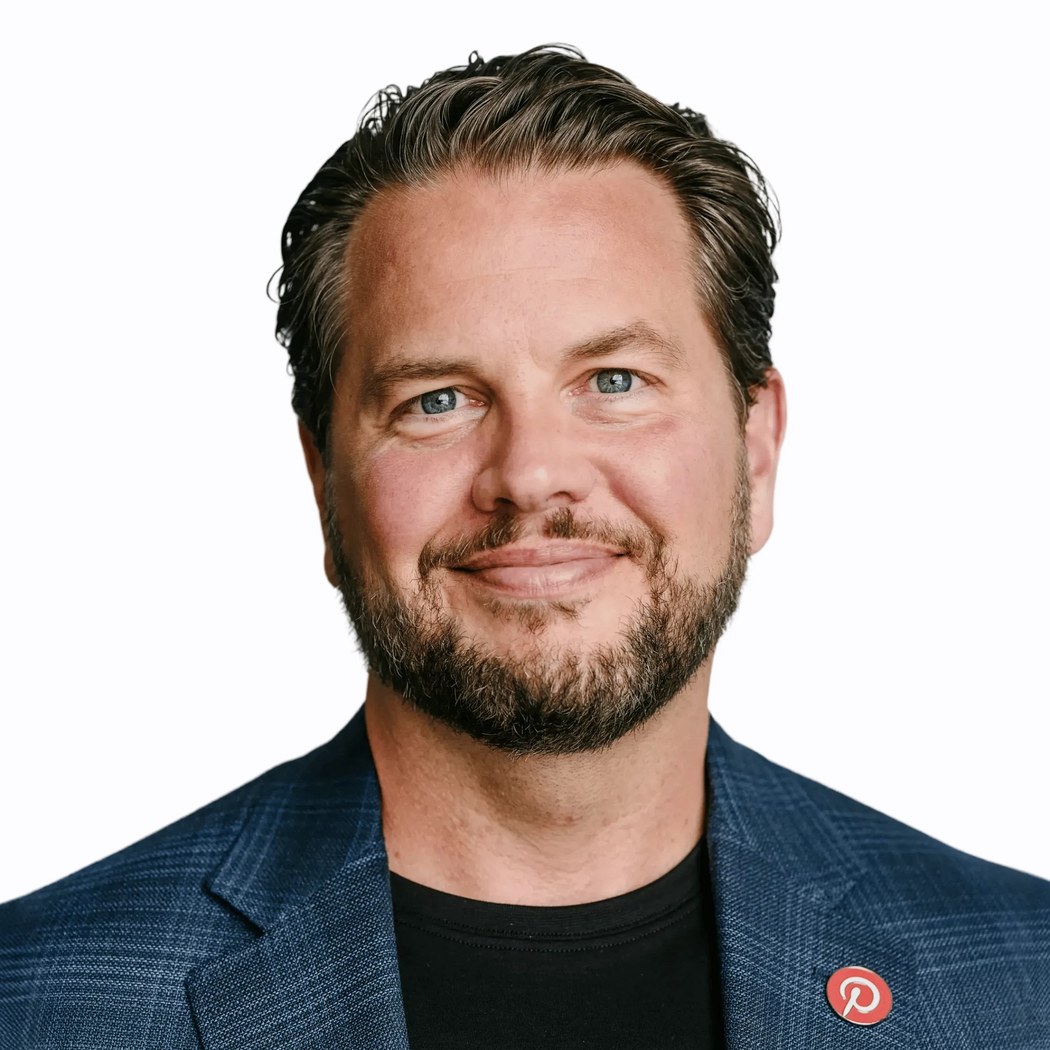
Bill Ready and the customer on the other side of the screen
A Kentucky auto shop taught Bill Ready to face the people affected by his decisions. After Braintree, PayPal and Google, he is applying that lesson to Pinterest - and betting that useful ideas can become a business worth returning to.
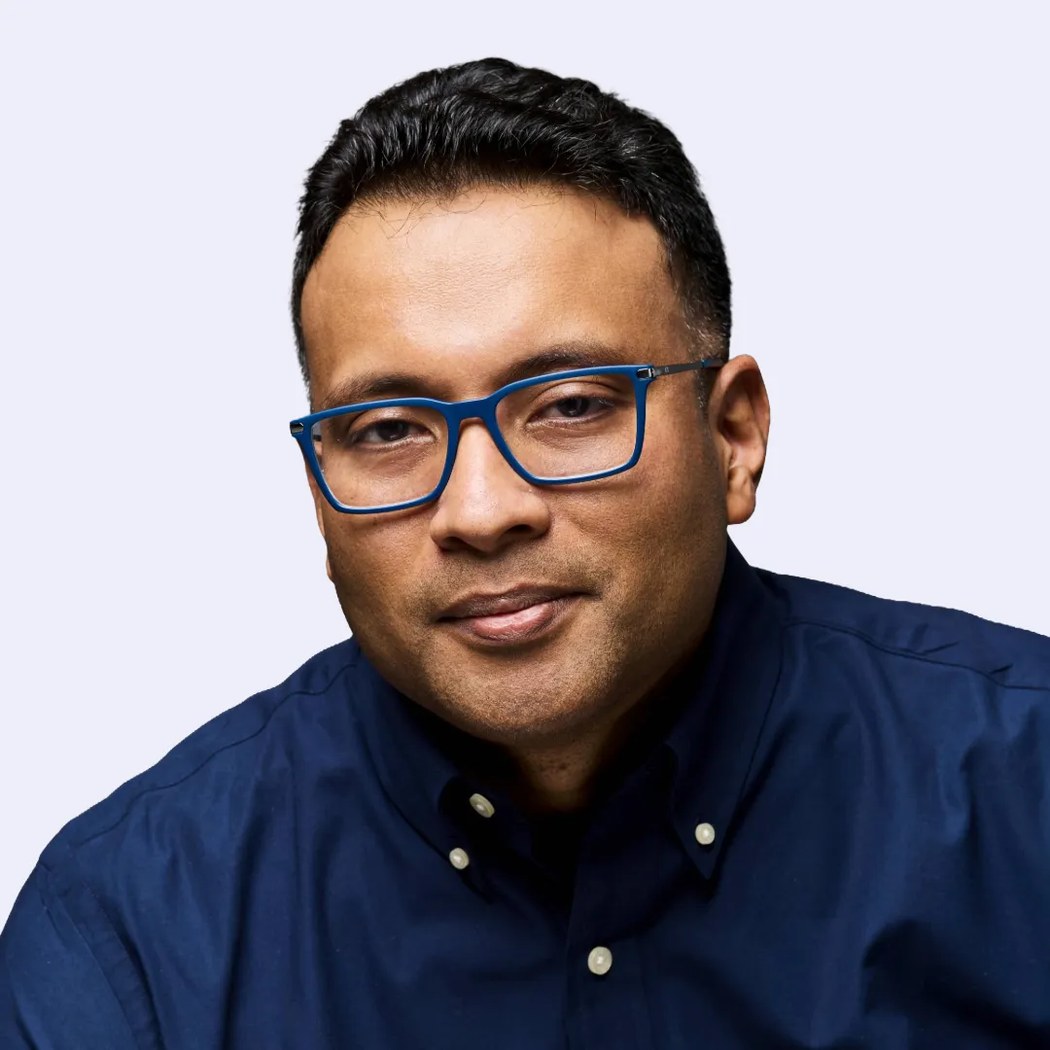
Suresh Mathew Wants to Give You Your Afternoon Back
After years building systems at PayPal, Suresh Mathew set out to spare other engineers the work he had grown tired of doing. Sedai became a test of whether software could earn the right to leave people alone.
Rahul Shinghal and the price of being trusted
At PayPal and Stripe, Rahul Shinghal had a familiar name behind him. Building Tazapay meant earning trust from scratch - and changing his answer to what businesses needed.
Yasmin Hosseinzadeh and the work of bringing people together
At PayPal, Yasmin Hosseinzadeh works in executive communications and corporate affairs. Her accounts of coaching young footballers, returning to the classroom and working an election-day shift offer a more personal view of how she thinks about participation.
Peter Cowan’s thirty-year lesson in a split-second business
From cash-machine connections to PayPal’s Australian business, Peter Cowan has spent three decades working on what happens when money moves. His story turns on trust, a brief spell doing every job himself, and the people behind the payment.
Aaron Wong’s education never quite ended
He moved from industrial finance to PayPal’s Singapore leadership, then kept returning to the same subject: how people learn. For Aaron Wong, payments, governance and the classroom have become closely connected work.
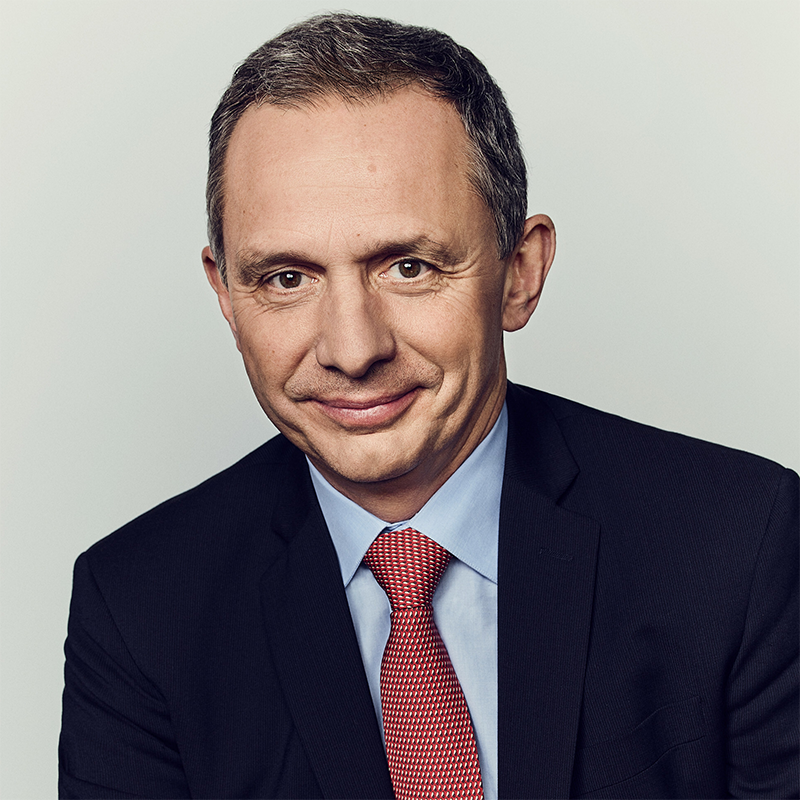
Enrique Lores and the long way to a faster company
A summer internship kept Enrique Lores at HP for more than three decades. Now PayPal’s CEO is applying a career spent inside complicated businesses to a deceptively simple problem: getting things done.
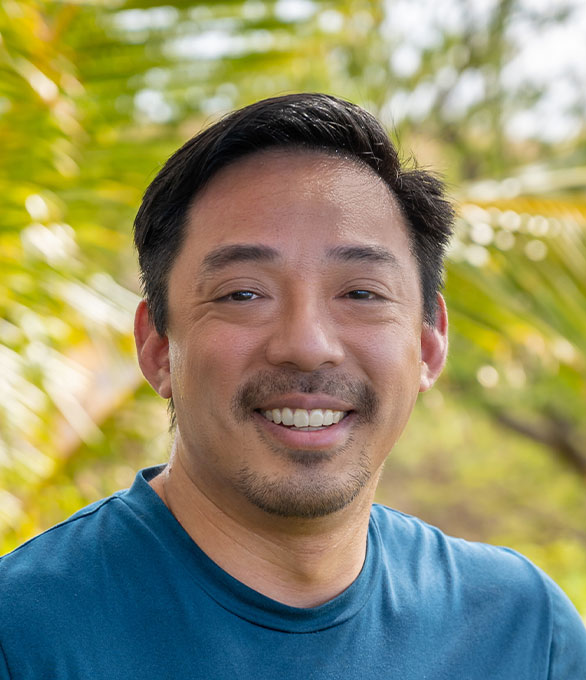
Yishan Wong and the problem with planting a trillion trees
After PayPal, Facebook, and Reddit, Yishan Wong retired to Hawaiʻi. Then a patch of dry land pulled him into a new job: building the systems that help forests come back.
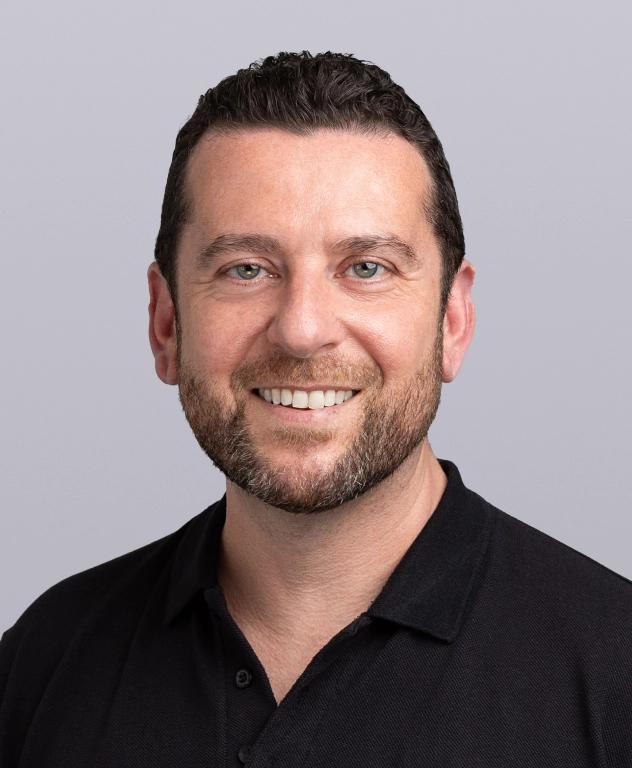
David Hanna and the education of a 4 a.m. entrepreneur
Before co-founding Finmo, David Hanna worked in a mailroom, baked cupcakes before dawn and built a career in financial risk. His next problem was hiding in plain sight: companies could move money around the world and still struggle to see where it was.
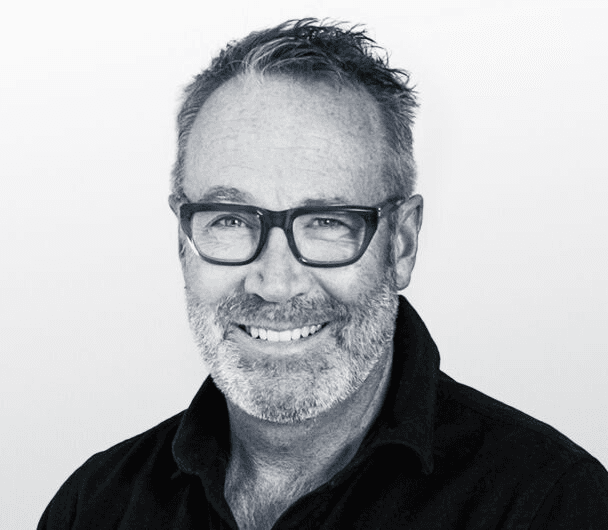
Peter Burridge and the business of getting through
From enterprise software to Hyperwallet and NomuPay, Peter Burridge has built a career around the awkward middle of global commerce. His latest project starts with a practical question: who opens the door when a business wants to sell somewhere new?
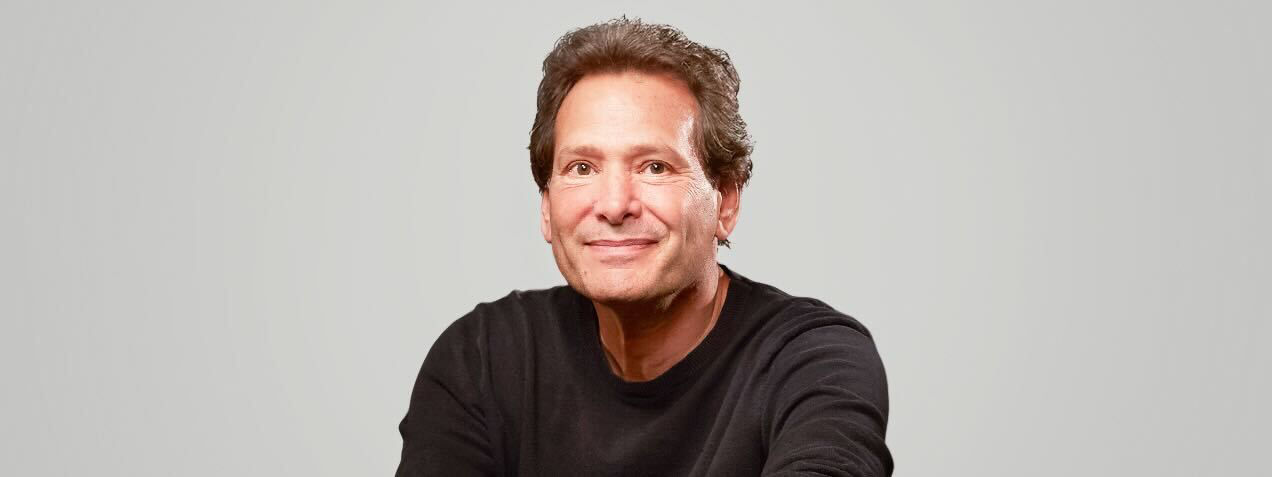
Dan Schulman and the trouble with a comfortable answer
A paycheck survey unsettled his assumptions at PayPal. Now, back in telecom as Verizon’s CEO, Dan Schulman is asking what a company owes the people on both sides of the bill.
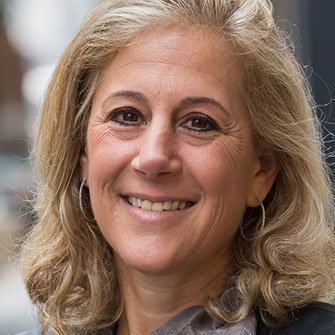
Stephanie Tilenius and the business of starting again
Before she founded Vida Health, Stephanie Tilenius helped build the machinery of online commerce. Her story begins in a grandmother’s shop and keeps returning to a practical question: what should we build next?
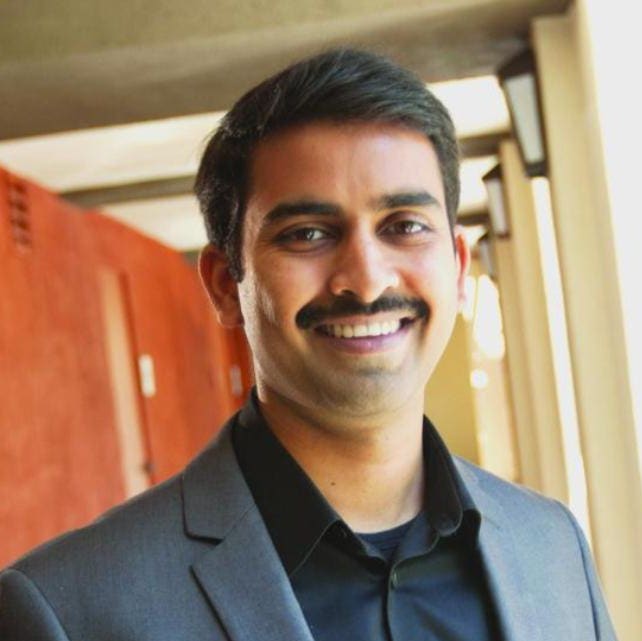
Sriram Subramanian Spent Four Years Finding the Business Hidden Between the Apps
The LinkToAny founder left a comfortable PayPal career, followed a stubborn problem through four years of experiments, and built a company around the expensive gaps between business software.
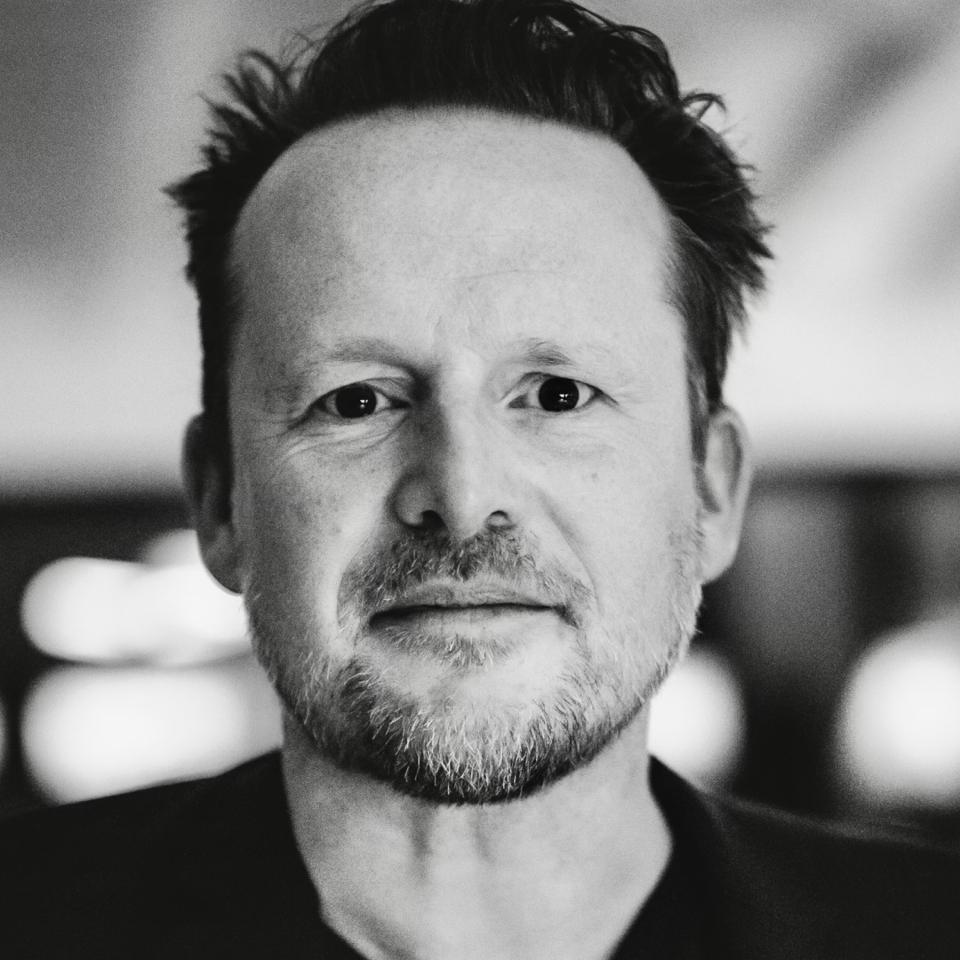
Geoff Seeley Learned to Market the Marketplace, Not Just the Logo
From an architecture degree to Airbnb, Afterpay and PayPal, Geoff Seeley built a career around a deceptively practical idea: a brand grows when both sides of its marketplace understand why they should care.
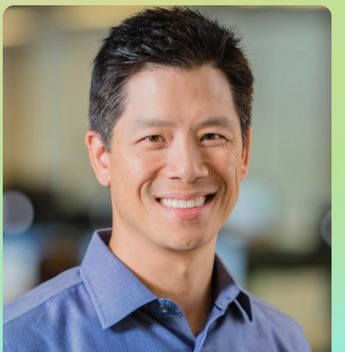
Jay Lee Wants Marketing and Revenue to Speak the Same Language
The Five9 growth chief trained as an engineer, learned marketing inside payments giants, and now runs a job that most companies keep in two separate offices.
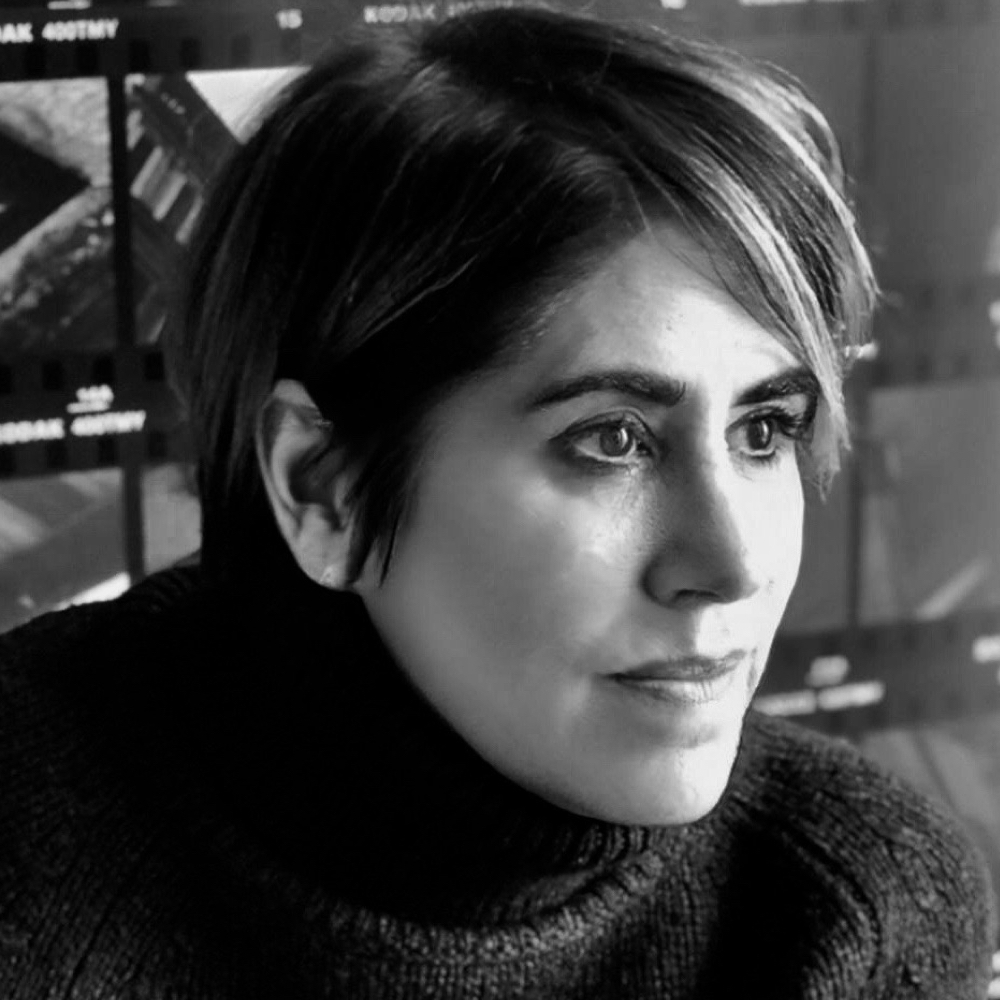
Allison Johnson and the Discipline of the Single Line
She helped explain the internet, the iPhone and home energy to the public. Now Allison Johnson is applying the same discipline - find the human truth, then make it clear - to a longer and more moral horizon.

Sanford Kenyon
Sanford Kenyon is an education-technology executive who led BloomBoard, a Pittsburgh-based company that helps teachers advance their careers and pay by earning micro-credentials tied to real classroom practice. After roughly five years in executive roles at PayPal and eBay, he spent more than a decade in K-12 software - as President & CEO of SchoolMessenger (Reliance Communications) and a VP in Blackboard's K-12 business - before joining BloomBoard in 2015 as Chief Revenue Officer and becoming CEO in early 2017.
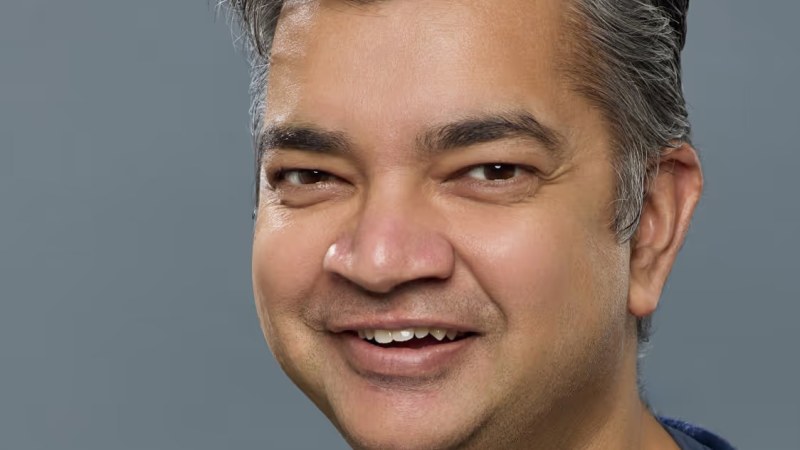
Rahul Pangam
Rahul Pangam is the co-founder and CEO of RapidCanvas, an Austin-based enterprise AI platform that pairs autonomous AI agents with human data scientists to help non-technical business teams build and deploy models. A serial founder, he previously co-founded Simility, a fraud detection platform PayPal acquired for roughly $120M in 2018, and spent years running Trust and Safety operations at Google.
Dev Nag
Dev Nag is the founder and CEO of QueryPal, a San Francisco AI company rebuilding the economics of customer support with agentic automation. A serial founder with deep machine-learning roots, he earlier created Wavefront, the real-time cloud monitoring platform acquired by VMware in 2017, where he went on to launch VMware's flagship AIOps product. He also founded the observability startup CtrlStack, backed by Sequoia Capital and Engineering Capital. Before founding companies he was an engineer at Google, PayPal, and eBay and the founding engineer at securities-trading platform GLMX. Stanford-trained in both mathematics and psychology, he holds more than a dozen AI and security patents and authored one of the most widely read beginner tutorials in deep learning, 'GANs in 50 lines of code.'
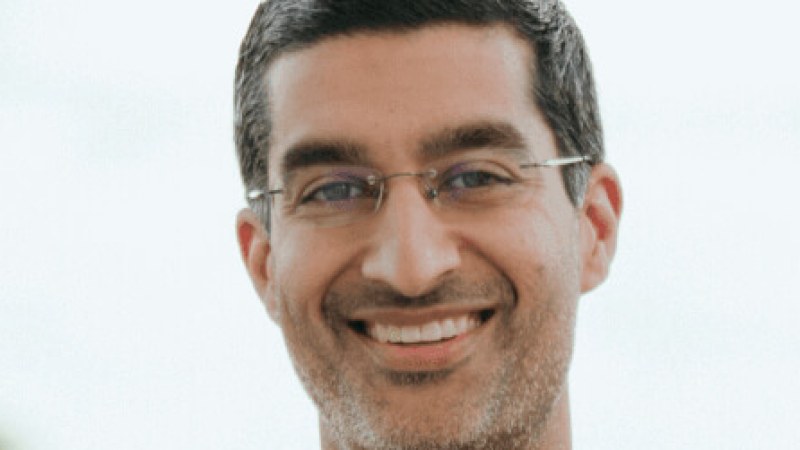
Amit Jhawar
Amit Jhawar is the CEO of Attentive, the AI-powered SMS and mobile marketing platform. Before martech, he spent a decade building payments: he was among the first 30 employees at Braintree, served as its CFO and COO, engineered the acquisition of Venmo, and then ran Venmo as CEO after PayPal bought the business. A former Accel partner, he joined Attentive as President in 2021 and was promoted to CEO in June 2023, where he has steered the company from SMS marketing into a broader AI-driven customer engagement platform.
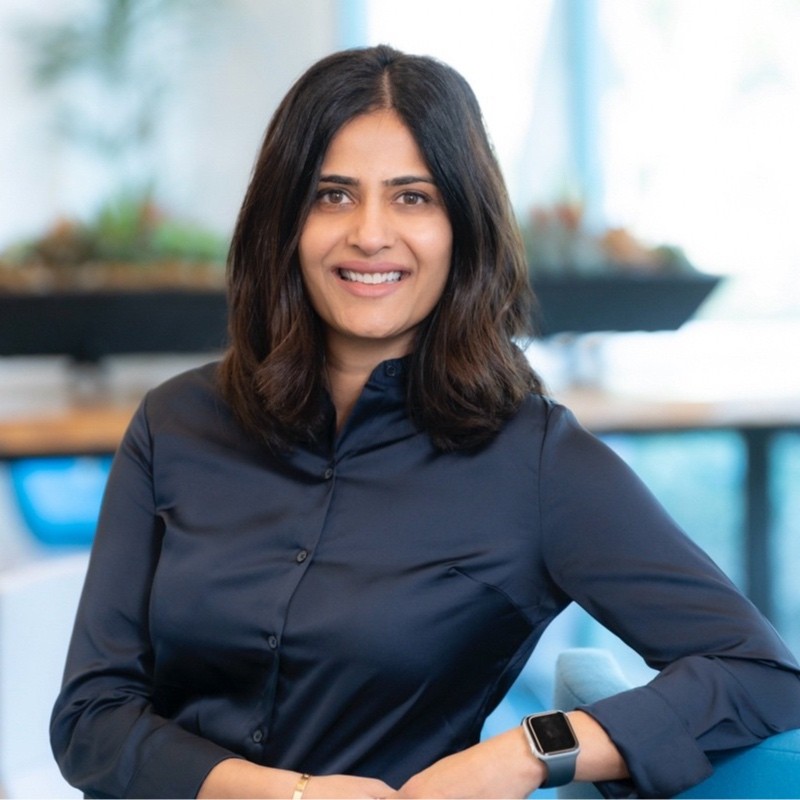
Ashraf Karim
Ashraf Karim is Senior Vice President of Connected Customer Experiences & Technology at ServiceNow, where he leads the charge on transforming how enterprises engage customers through AI-powered digital workflows. With over two decades spanning engineering, product management, and executive leadership at Google, PayPal, Affirm, and Cisco, Karim bridges the gap between deep technical fluency and strategic business thinking. He is known for championing simplicity-first design, advocating that reducing cognitive load at every customer touchpoint is the defining discipline of great product leadership.
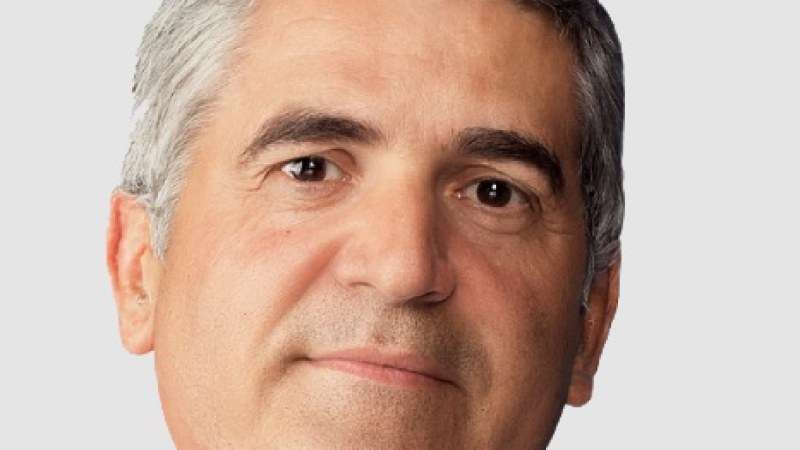
Alfonso Villanueva
Alfonso Villanueva is the EVP, Chief Transformation Officer and Interim CEO of Verizon Consumer Group - the largest consumer wireless carrier in the United States. A former McKinsey Senior Partner and PayPal EVP, he joined Verizon in November 2025 at the invitation of new CEO Dan Schulman, his former PayPal colleague, to lead a sweeping $5B+ operational transformation. With roots in strategy consulting across Asia-Pacific and two decades of experience in telecom, media, and technology, Villanueva brings a rare blend of corporate venture expertise, AI-driven data strategy, and global transformation leadership to one of America's biggest companies.
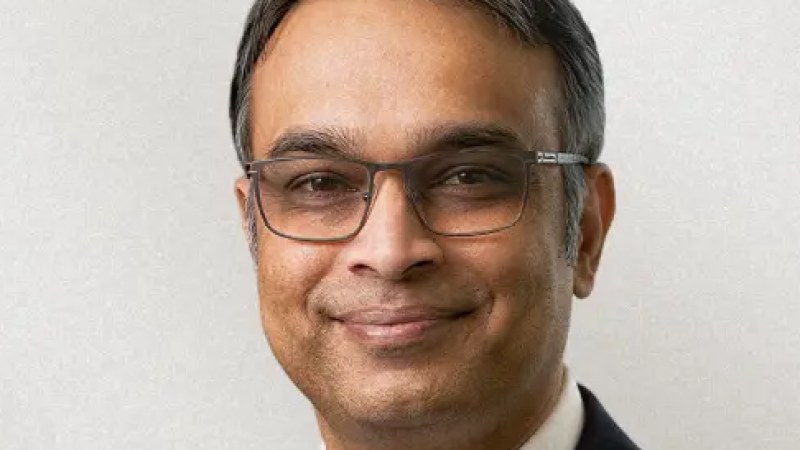
Zahid Shaikh
Zahid Shaikh is the Co-Founder and Head of Risk Products at Sardine, an AI-powered fraud and compliance platform that has raised $145.6M in total funding. Previously a top inventor at PayPal where his device intelligence product saved the company $40M+ annually in fraud losses, Zahid then led risk and security product teams at Uber and Revolut before co-founding Sardine in April 2020 alongside Soups Ranjan and Aditya Goel. Sardine now profiles 2.2+ billion devices and achieved 130% YoY ARR growth in 2024.