national-security
(52)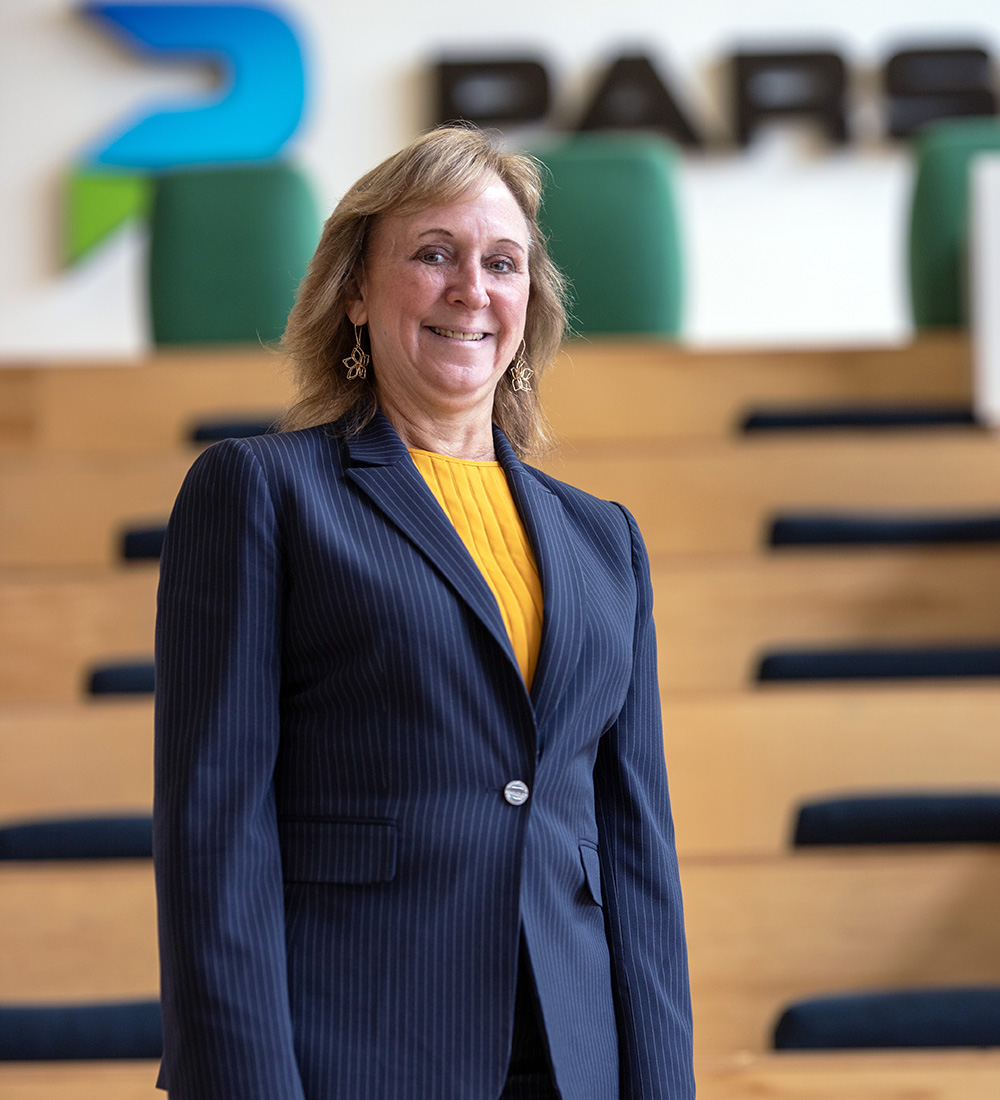
Carey Smith’s view from the middle seat
Before she led Parsons, Carey Smith sat between a pilot and copilot, teaching them to use the digital displays she helped design. The job changed. The need to make complicated systems work together stayed.
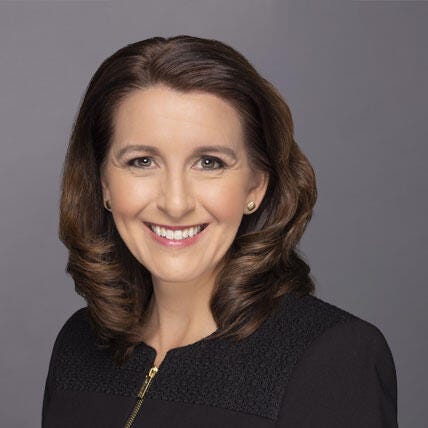
Kathy Warden and the value of a change of plan
She went to college thinking about law and left with a future in computing. The Northrop Grumman chief’s career has been shaped by knowing when to change direction - and when to keep working on a very hard problem.
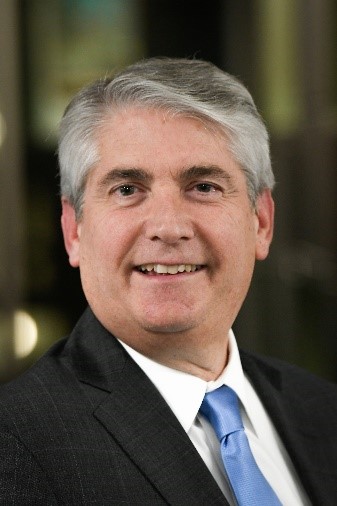
John Mengucci and the art of changing the score
He played drums at Carnegie Hall, then chose a career in computing. At CACI, John Mengucci has spent years making another deliberate change: moving a government contractor toward technology it can call its own.
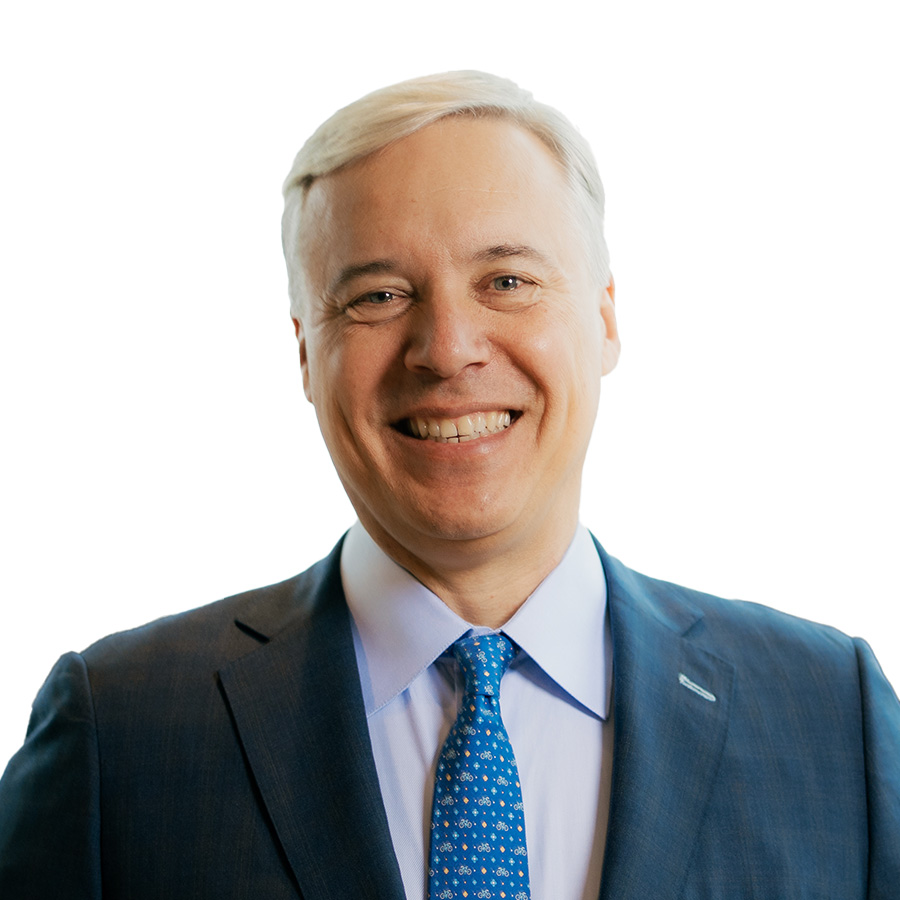
Horacio Rozanski and the forty-five-day clock
He arrived in Wisconsin looking for an education and joined Booz Allen as a summer intern. Three decades later, Horacio Rozanski is trying to make a century-old institution move at the speed of the technology it builds.
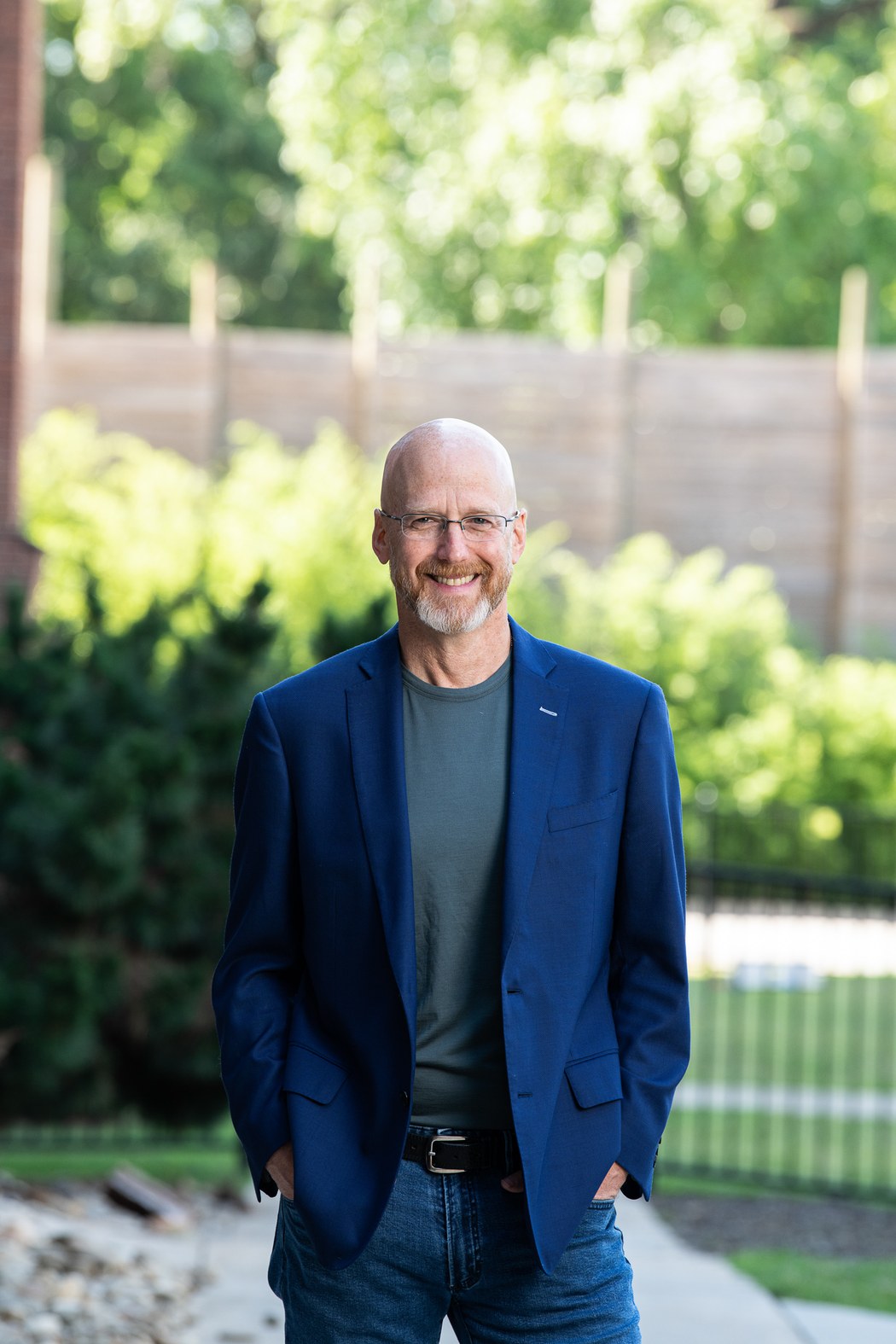
Gary M. Shiffman and the business of bad behavior
A Navy veteran turned economist, Gary M. Shiffman studies the incentives that keep violent organizations running. At Giant Oak and Consilient, he has turned that inquiry into tools for finding financial crime.

Marc Frankel and the question inside the black box
A Russian Studies graduate, a traveling researcher, and a finance alumnus helped build Manifest around a deceptively ordinary question: what is inside the software we buy? His path runs through Palantir, a decade of friendship, and a company now led by the colleague he met on day one.
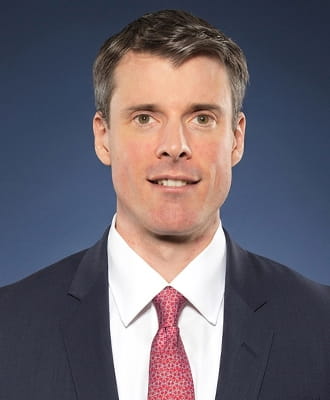
Matt Norton and the business of making technology work
After more than two decades at Madison Dearborn Partners, Matt Norton is building Watch Point Capital. His path runs through government software, space cybersecurity and the practical work of helping technical companies grow.

David Rowe and the business of keeping things flying
A father’s handshake helped finance an early chapter of FedEx. David Rowe’s own career has taken him from aircraft portfolios to a private investment firm backing the machinery of flight, defense and space.

Lauren Knausenberger and the Fine Art of Making Government Software Move
A teenage cryptography internship led to a bar-napkin pitch, a $17 billion technology portfolio and a career-long campaign against software that arrives after the moment has passed.
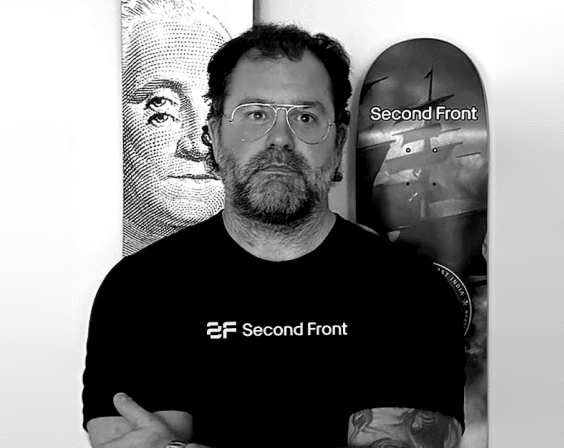
Tyler Sweatt Is Trying to Give the Pentagon Its Time Back
A West Point cadet on 9/11 became an Army officer who learned that urgency and equipment do not always arrive together. Now he runs Second Front by treating government software’s most expensive problem as a problem of time.
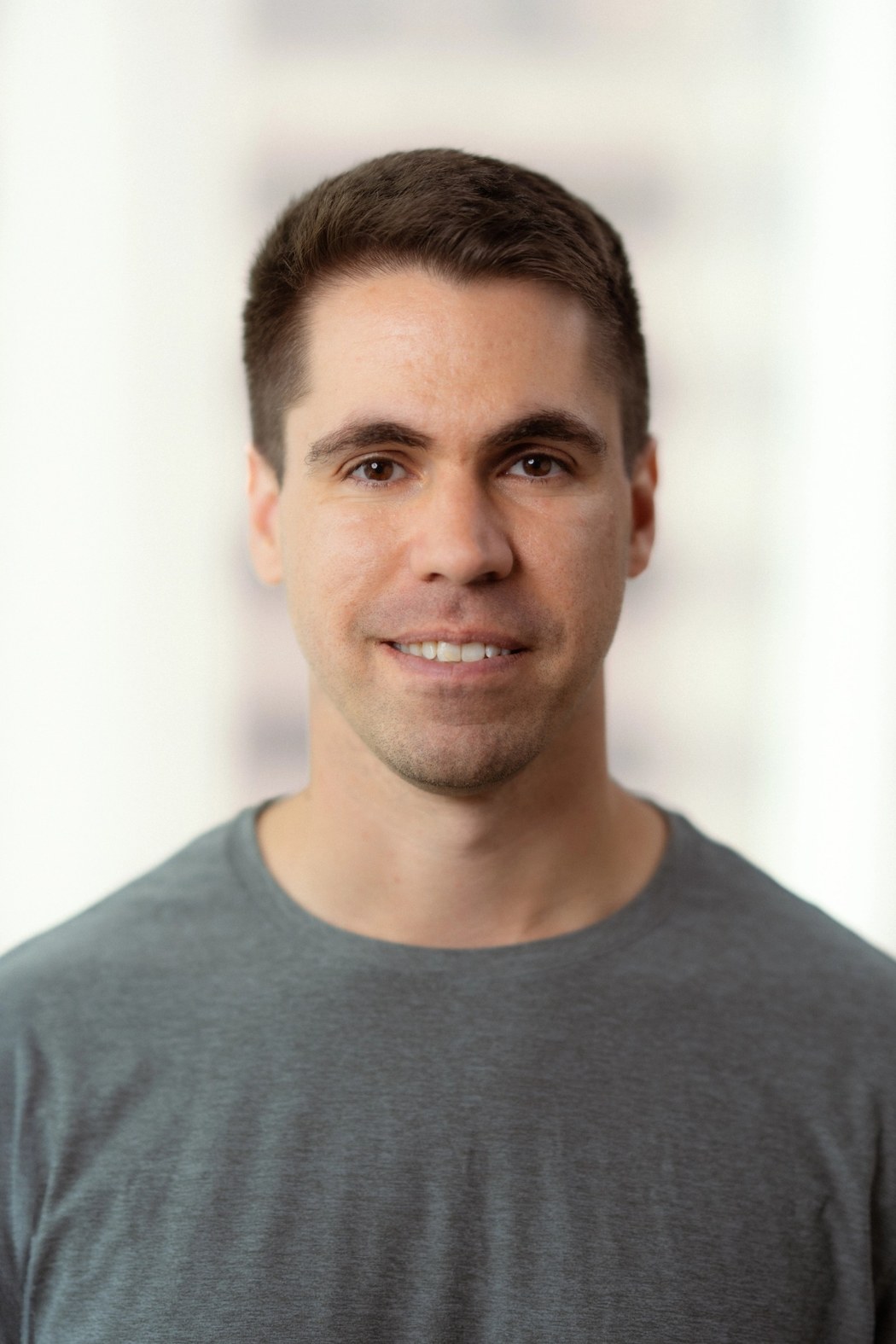
Brett Granberg Learned to Stop Adding Features
The Vannevar CEO spent months polishing an Arabic OCR tool nobody wanted. Forty or fifty quiet sales meetings later, a weekend Mandarin model taught him the lesson that now organizes his company: begin with the mission problem, then earn the technology.
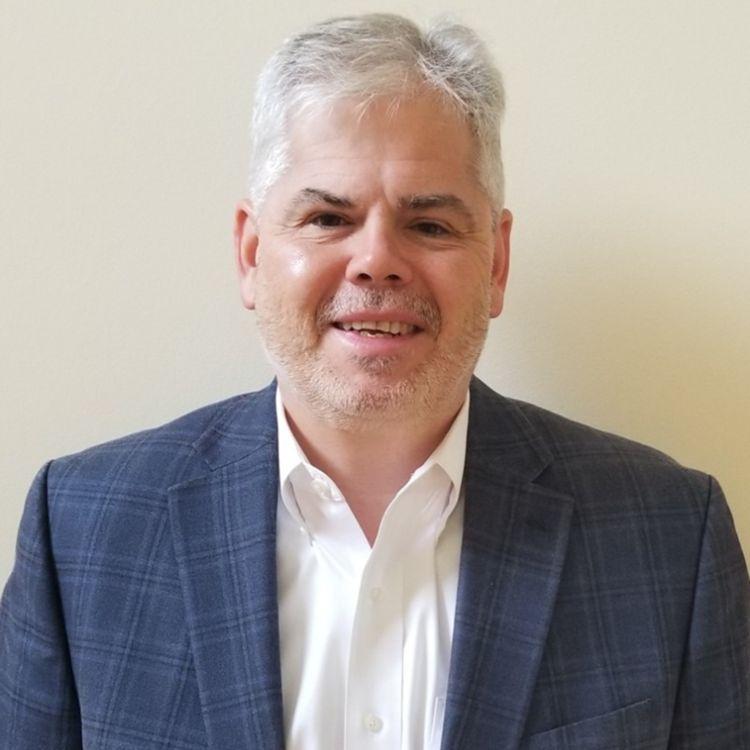
David Cerne and the Quiet Arithmetic of Ownership
He spent his public career around work that resists publicity. At Acclaim Technical Services, David Cerne made his clearest argument in ownership, acquisitions and a stubbornly human idea: people do better work when the company is partly theirs.

Leigh Dow Learned to Market What Cannot Fail
From a Florida governor's communications office to Mattermost's first C-suite marketing post, Leigh Dow has built a career translating complicated systems for people who cannot afford confusion.
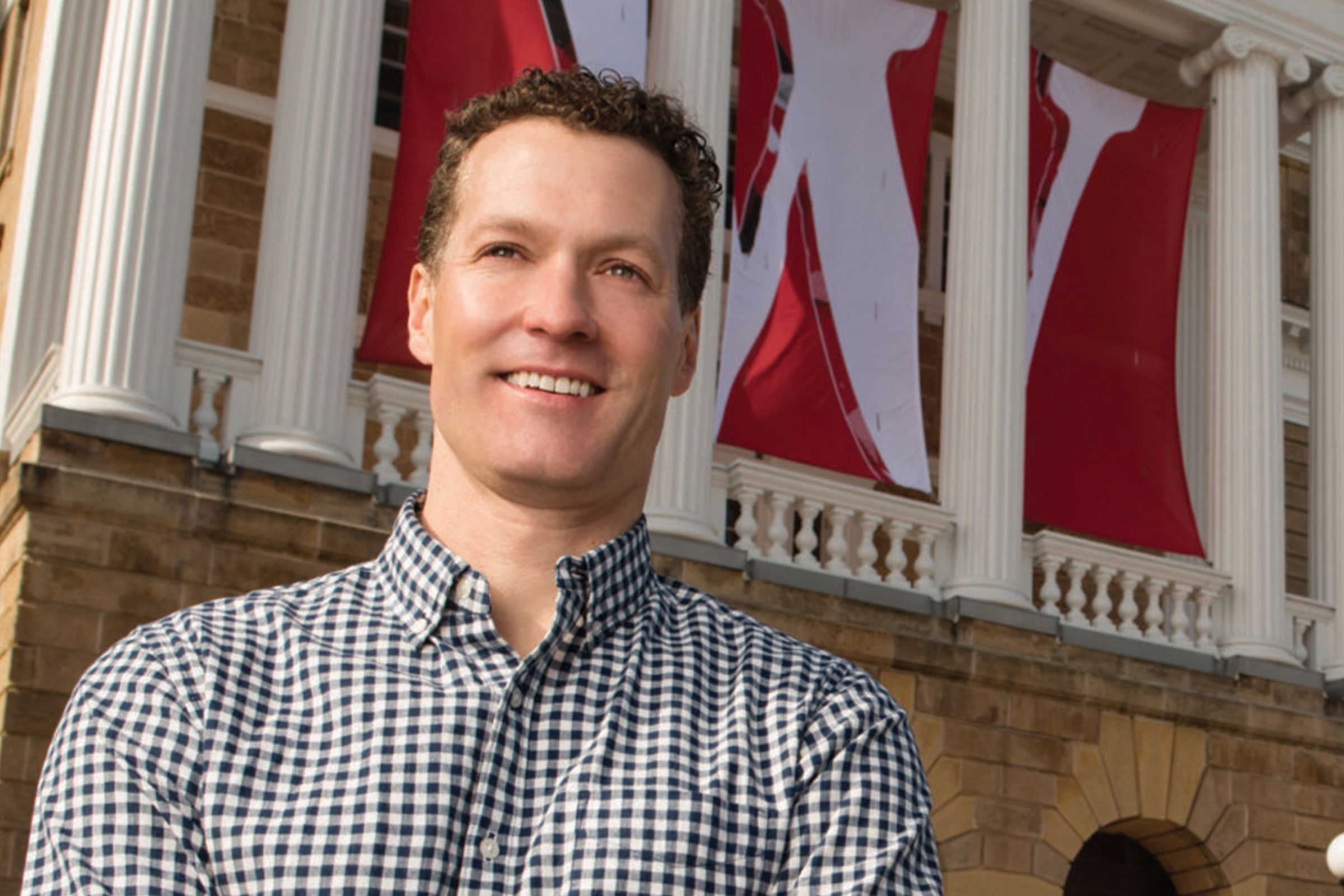
Ben Van Roo Is Building the Boring Bridges AI Needs
Before chatbots became a boardroom obsession, Ben Van Roo was tracing military supply chains and wrestling software into real workflows. At Legion Intelligence, his wager is that AI's future belongs to the unglamorous layer between a clever model and a consequential decision.
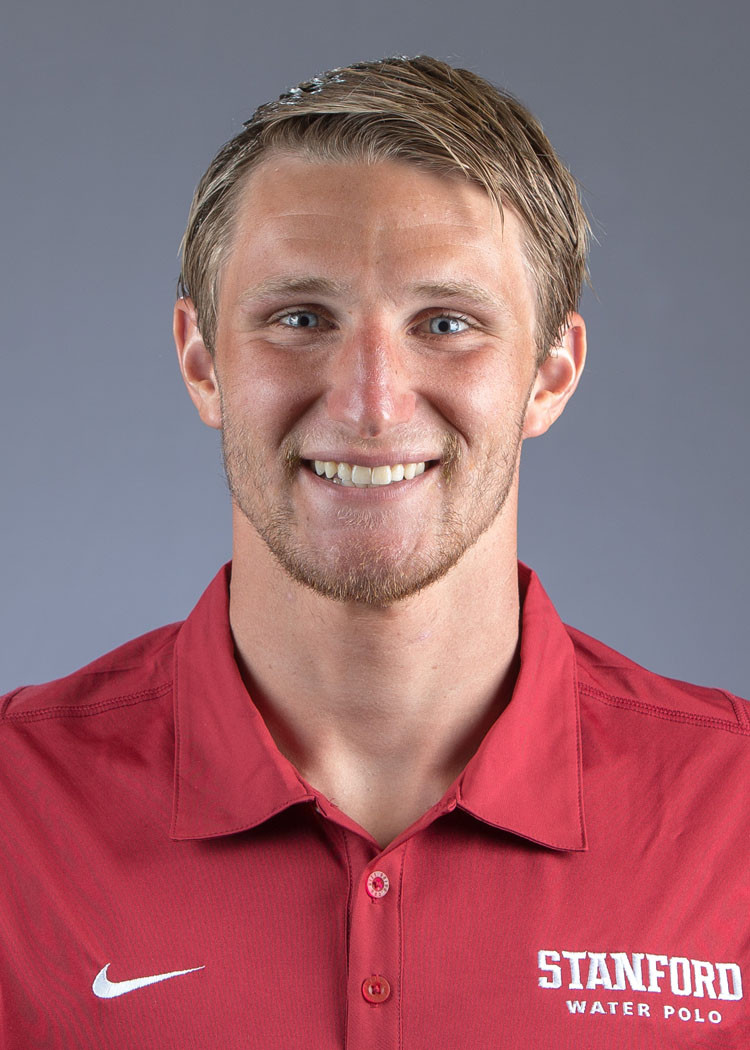
Adam Warmoth Is Rewiring the Battlefield From the Power Up
After electric aircraft and counter-drone systems, Adam Warmoth found his company in a less glamorous bottleneck: the electricity every modern military system quietly needs.

Adam Beaugh Built a Machine for the 24-Minute News Cycle. Now It Watches for What Comes Next
From campaign war rooms to agent-driven intelligence, the Zignal Labs co-founder has spent 15 years turning public noise into decisions - while insisting that useful technology starts with a human problem.
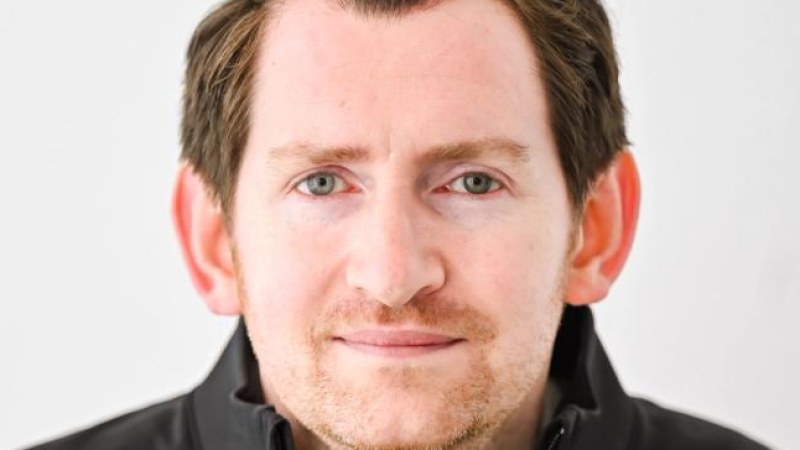
Cameron McCord
Cameron McCord is the co-founder and CEO of Nominal, a defense-tech software company modernizing how the world tests and validates mission-critical hardware. A former US Navy nuclear submarine officer who logged 484 days underwater, he studied physics and nuclear engineering at MIT and earned an MBA at Harvard before building product at Anduril and investing at Lux Capital. Founded in 2022, Nominal reached a $1 billion valuation after raising $155 million in ten months, counting four of the five largest US defense contractors among its customers.
James Rebesco
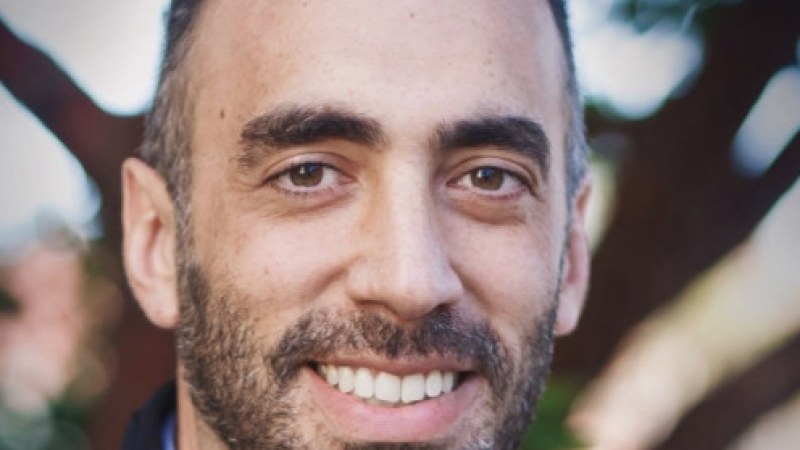
James (Jim) Rebesco is the co-founder and CEO of Striveworks, an Austin-based AI company that helps the U.S. defense and national-security community build, deploy, and monitor machine-learning models at scale through its Chariot platform. A physicist by training (Caltech) and a computational neuroscientist by doctorate (Northwestern), he spent seven years as a partner at high-frequency trading firm Virtu Financial before turning to operational AI. Under his leadership Striveworks has landed a $70M enterprise government agreement, raised a Series B led by Washington Harbour Partners, and become the first company to bridge the U.S. Army's two largest battlefield AI efforts.
John Tenet
John Tenet is the co-founder and CEO of CHAOS Industries, a Los Angeles defense technology company he started in 2022 that reached a $4.5 billion valuation in three years on the strength of its Coherent Distributed Networks - a synchronization-based platform that spots airborne threats like drones and missiles roughly ten minutes faster than legacy radar. A former finance and venture operator at Allen & Company, Valar Ventures and 8VC, and a co-founder of counter-drone pioneer Epirus, Tenet has raised over $1 billion for CHAOS and recruited his father, former CIA Director George J. Tenet, as executive chairman.

Jarren Reid
Jarren Reid is the 21-year-old CEO and co-founder of Usul, a Y Combinator (S24) startup building an AI platform that helps companies find, pursue, and win government contracts. Usul monitors roughly $8 trillion in annual government spending across 60+ nations, matching companies to opportunities in defense, IT, energy, and healthcare. Reid worked for defense contractors including Palantir and MITRE while still young, dropped out of Stanford to build Usul after seeing how broken the acquisition process was, and has become one of the youngest CEOs working with the U.S. government today.
Lucas Raskin
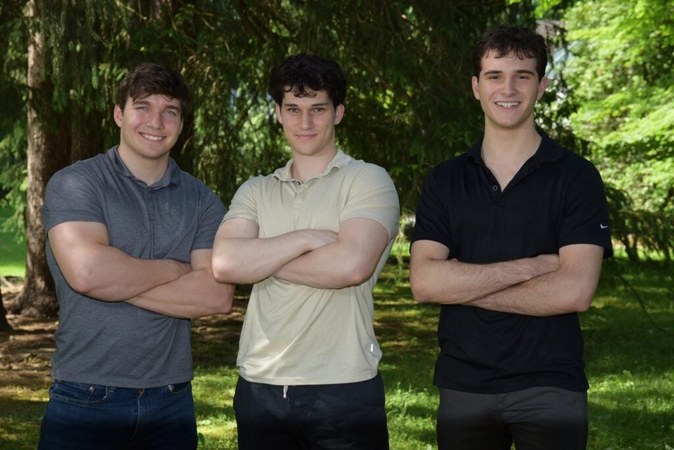
Lucas Raskin is the co-founder and CEO of Guardian RF, a defense technology company building passive radiofrequency sensors that detect and track drones. A Georgetown physics major, he turned a 24-hour hackathon project into a Y Combinator-backed company, spent six months embedded with Ukrainian ground troops refining the technology in real combat, and landed on the 2026 Forbes 30 Under 30 list for Transportation and Aerospace. Guardian RF's palm-sized Scout sensors and Mosaic mesh network now protect critical infrastructure, defense assets and frontline soldiers from cheap, lethal drones.
Dan Piemont
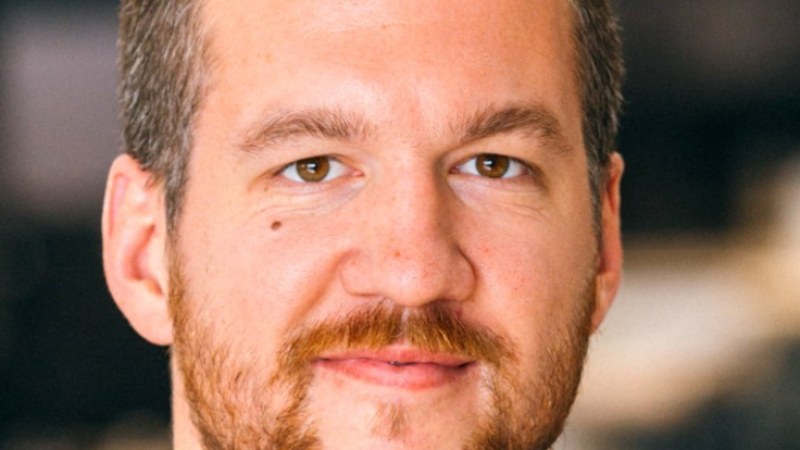
Dan Piemont is the co-founder and CEO of Long Wall, the Long Beach defense company formerly known as ABL Space Systems. An MIT physics and economics graduate who came to rocketry through Wall Street trading and venture capital rather than an engineering bench, he spent seven years building low-cost, containerized launch vehicles before pivoting the company in 2024-2025 toward mass-producible missile defense. Long Wall now develops the Cyclops exoatmospheric interceptor, RSX liquid boosters for threat replication, and Ironwood mobile ground systems, repurposing the hard-won technology of a launch startup that survived two failed orbital attempts into a bet on American homeland defense.

Michael Hunter
Michael Hunter is the co-founder and CEO of Spear AI, a Washington, D.C. defense technology company turning the ocean's underwater noise into usable intelligence. A former Navy intelligence analyst who deployed to Baghdad with SEAL Team Two and later led AI projects inside the Pentagon's Project Maven, Hunter started Spear AI in 2021 with retired submarine commander John McGunnigle. The company builds software, modular sensors, and engineering services that help the U.S. Navy and commercial partners label and make sense of maritime acoustic data at the edge.

Shaun Moore
Shaun Moore is the co-founder and CEO of TERN, an Austin-based startup building an Independently Derived Positioning System (IDPS) that locates vehicles using onboard sensors and map data alone - no satellites, no GPS, no cellular. Before TERN, he founded Trueface, which became one of the world's fastest facial-recognition platforms before its 2021 acquisition by Pangiam. A two-patent inventor, global keynote speaker, and World Economic Forum contributor, Moore builds companies that challenge foundational assumptions across technology, policy, and capital.

Christine Williams
Christine Williams is the co-founder and Co-CEO of Foxtrot Services, a women-led, Foundry-native Palantir partner based in Washington, D.C. A Palantir alumna with a background spanning intelligence analysis, national security, and enterprise consulting at firms like Accenture, Peraton Labs, and Victory Six Advisors, she co-leads a company that helps organizations move AI out of the lab and into governed, operator-trusted production. Under her and co-CEO Nicole Sanders, Foxtrot grew from two people to more than 60 employees, posted 9.1x year-over-year revenue growth while remaining bootstrapped and profitable, and closed a Series A in early 2026.

Danielle Pletka
Danielle Pletka is a distinguished senior fellow in Foreign and Defense Policy Studies at the American Enterprise Institute, where she has shaped conservative thinking on the Middle East, Iran, and national security for more than two decades. A former senior Senate Foreign Relations Committee staffer under Jesse Helms, she co-hosts the AEI podcast 'What the Hell Is Going On?' with Marc Thiessen, teaches at Georgetown, and appears regularly across major print and broadcast media.

Kori Schake
Kori Schake runs foreign and defense policy studies at the American Enterprise Institute and is one of Washington's most quoted voices on alliances, deterrence, and the future of NATO. A Stanford-trained scholar who studied under Condoleezza Rice, she spent a decade and a half inside the Pentagon, the National Security Council, and the State Department before becoming a leading public intellectual on grand strategy. She is the author of several books on hegemony and civil-military relations, a contributing writer at The Atlantic, and a Republican national security thinker known for breaking with her party over Donald Trump.

Tom Nichols
Tom Nichols is a staff writer at The Atlantic, professor emeritus of national security affairs at the U.S. Naval War College, and author of The Death of Expertise. A Cold War scholar who spent decades teaching strategy to military officers, he became one of America's most-read voices on the collapse of trust in experts and the fragility of democracy. He is also, improbably, a five-time undefeated Jeopardy! champion and a curmudgeonly New England cat guy who once played a fictional pundit on HBO's Succession.
Brian Raymond
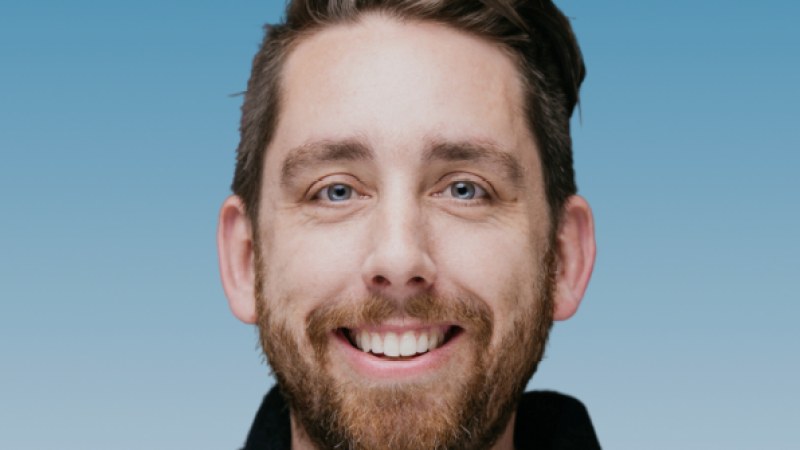
Brian Raymond is the Founder and CEO of Unstructured, the leading enterprise ETL platform for making raw, unstructured data LLM-ready. A former CIA intelligence officer and White House National Security Council director, Raymond pivoted from government service through investment banking and AI startup Primer before founding Unstructured in 2022. In just two years, he raised $65 million across three rounds from Menlo Ventures, Databricks, IBM, NVIDIA, and others, building the critical 'first mile of AI' infrastructure that powers enterprise RAG pipelines and GenAI applications globally.
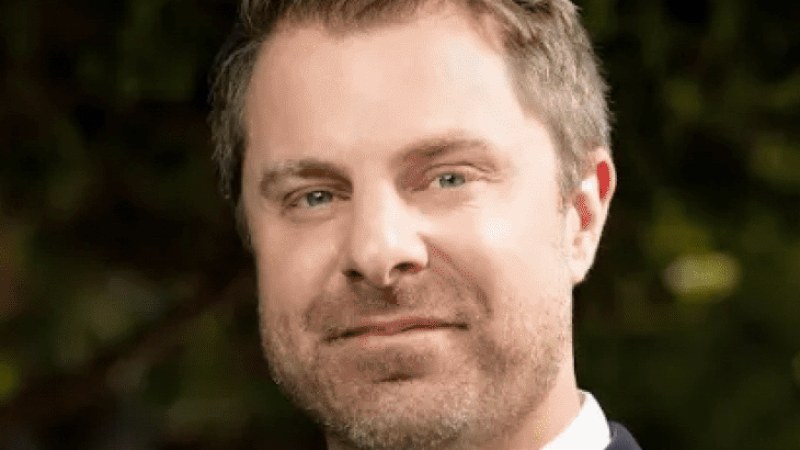
Dan Wright
Dan Wright is the Co-Founder and CEO of Armada, a San Francisco-based edge computing company building ruggedized, modular AI data centers deployable anywhere in the world - from oil rigs to military forward operating bases. Before Armada, he led DataRobot as CEO during its hypergrowth phase (peak valuation $6.3B) and was COO and General Counsel at AppDynamics through its landmark $3.7B acquisition by Cisco. A lawyer-turned-operator, Wright co-founded Armada in December 2022 alongside Jon Runyan, raised a $230M Series B at a $2B valuation in May 2026, and has deployed edge AI infrastructure across 43 countries for customers including the U.S. Navy and Aker BP.