medical-education
(33)
Medscape made medical knowledge free. The audience was worth paying for.
Doctors come for a drug lookup, a clinical update or a CME credit. Medscape built a business around those small, consequential moments - and survived the collapse of its original company.

Vinformax puts the textbook in motion
A software company with an animation habit found a useful audience: medical students. Its MediMagic story shows why the route to the learner can matter as much as the lesson.
Elevate Healthcare and the patient who can try again
A simulated patient can survive a bad decision. Elevate Healthcare builds the bodies, software and rehearsal rooms that help clinicians learn from one before the stakes become real.
The patient is pretend. The evidence is real.
Education Management Solutions turns the rehearsal of healthcare into a record of performance. Its most interesting work begins when the simulated emergency ends.
Aleksandr Zverinskiy and the Discipline of the Missing Mile
The Tampa psychiatrist has spent his career moving between the exam room and the operating map - building a practice around the stubborn distance between available care and the people meant to receive it.
Mikayel Abramyan Built His Career in a Twelve-Mile Circle
He grew up in Hollywood, left California to become a doctor, then returned to practice close to home. Two decades later, Mikayel Abramyan is extending that neighborhood career into a founder's experiment in practical family wellness.

Justin Barad Took the Long Way Back to Video Games
He left game development to learn medicine from the inside. A decade of training later, Justin Barad returned with a stranger he met online, savings from his bar mitzvah, and an operating room that could fit inside a headset.
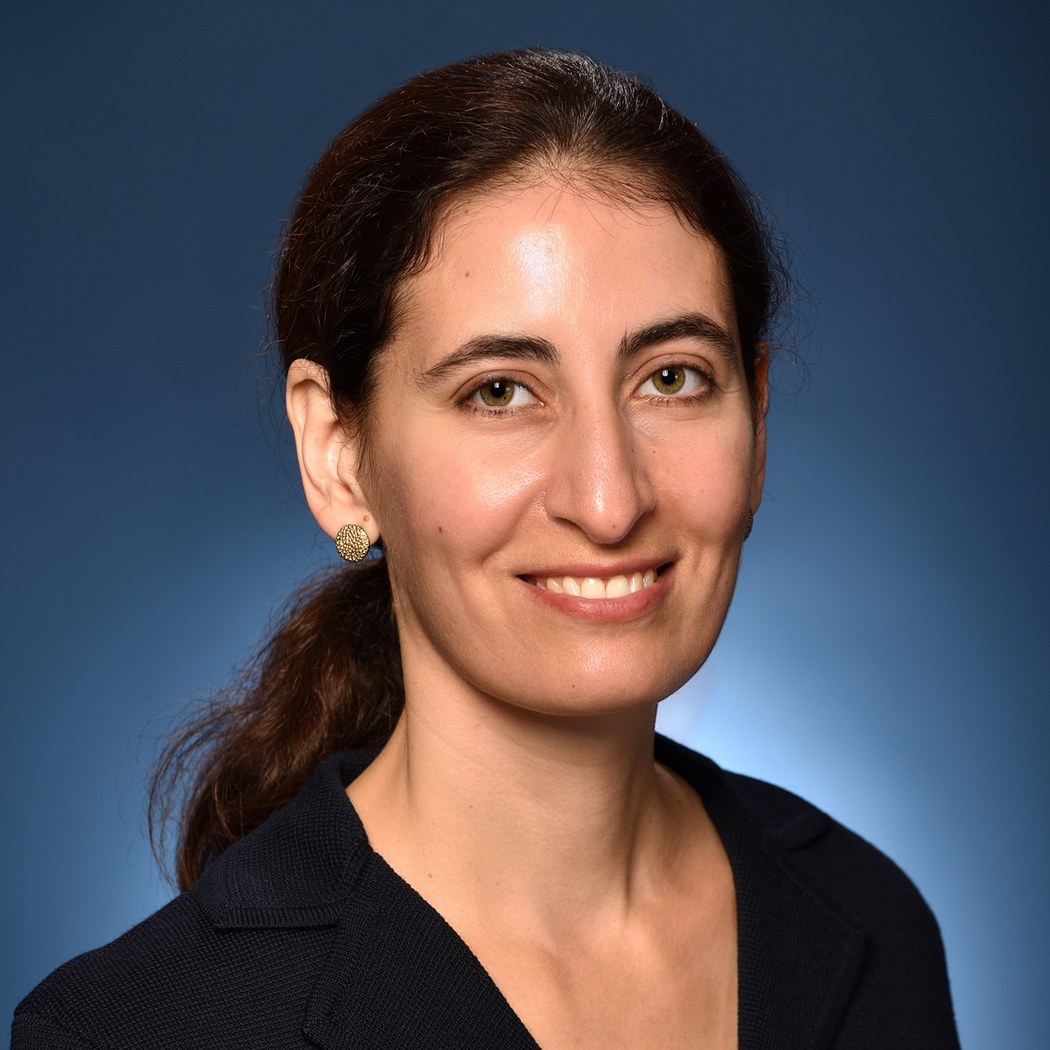
Anna Flattau Is Making Primary Care Big Enough to Stay Personal
Her career has been an experiment in a difficult form of growth: making care reach more people without letting the relationship at its center disappear.
The Company That Turned the Dinner Lecture Into a Compliance Machine
L&M built a business around the least glamorous parts of pharmaceutical education - contracts, dinner limits, speaker training, audit trails - then made the machinery valuable enough for Fingerpaint Group to buy it.
The Medicine Was Approved. Then the Hard Part Began.
Lucid Group built a business around an awkward truth in medicine: approval is only the beginning. Its job is to move evidence through the far messier machinery of belief, behaviour and clinical practice.
Decera Clinical Is Building the Missing Mile Between a Breakthrough and a Bedside
The science was never the whole problem. Decera Clinical has assembled education, clinician insight, and medical communications into one machine for the awkward last mile - getting new evidence understood, trusted, and used.
Ogilvy Health’s Real Product Is Translation
A health campaign has to satisfy the scientist, the regulator, the payer, the physician, the patient, and the person scrolling at lunch. Ogilvy Health built one company to keep all six in the room.
The Medical Meeting That Refuses to End
Impact Communication Partners has spent more than four decades translating complicated science for healthcare professionals. Its sharpest idea is also its simplest: the best answer may arrive after the meeting is over.

Virgo Health Rickrolled Hearing Loss - Then Turned the Joke Into a Hearing Test
A London healthcare agency found its edge in a difficult combination: knowing the compliance rules cold, then making the work feel nothing like compliance. Its best proof is a Rick Astley joke that moved people to book hearing tests.
Synchrony Group and the Art of Making Medicine Make Sense
The West Chester agency built two businesses around one stubborn problem: good science is useless if nobody can understand, approve, or act on it.
The Agency That Learned Persuasion Has Side Effects
Publicis Health built a global machine for making medicine understandable. Then a $350 million settlement made the industry confront a harder question: what happens when the machine works too well?
The Fact Sheet Lost the Argument. Unbiased Science Built an Escape Room.
A public-health data scientist discovered that being correct was only the opening move. Six years later, her company pairs evidence with empathy, jokes, risk tools and a training game in which clinicians escape by having a better conversation.
The Small Canadian Agency in the Room When Medicine Has to Make Sense
For 40 years, Synapse Medcom has occupied an awkward but valuable space between the laboratory and the clinic - translating dense evidence into the meetings, materials and moments that help people act on it.
The Medical Meeting Is Only the Visible Part of Insyght’s Work
For three decades, the Santa Monica firm has worked behind the scenes where science, logistics and pharmaceutical compliance collide. Its real product is not the meeting, the slide deck or the app - it is making all three agree.
Healthcasts Spent 25 Years Turning the Doctors’ Hallway Conversation Into a Search Engine
The company started by streaming medical seminars at a fraction of the cost. Now it is betting that the most useful answer in medicine is often the one a verified peer has already learned the hard way.
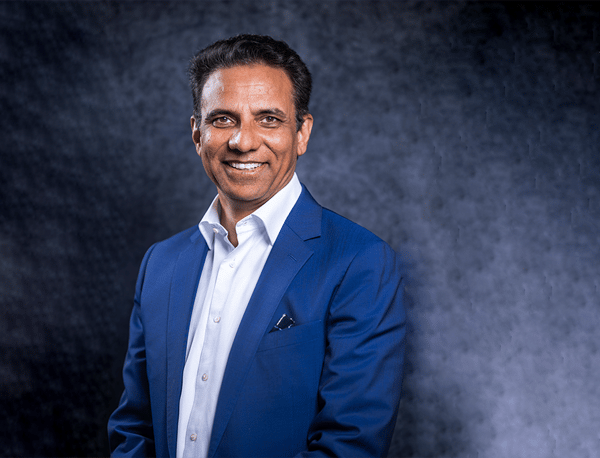
Sanjiv Lakhanpal Saw a Blind Spot. Then He Built 130 Clinics Around It.
A surgeon trained in India and the United States turned an overlooked corner of medicine into a national outpatient network. His playbook is equal parts specialization, repetition, physician leadership, and an insistence that the patient remains the core stakeholder.
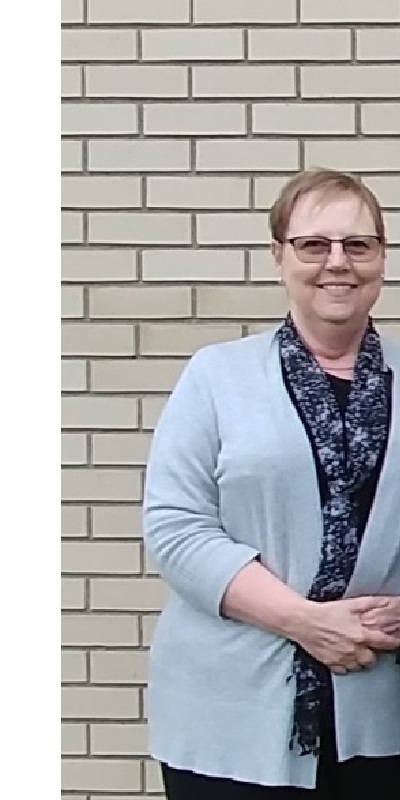
Deborah Mabin Built a Career Where Medicine Meets the Map
From diagnostic radiology in The Pas to health-system leadership across Manitoba, Deborah Mabin's public record is a study in the quiet work of making institutions hold together.
Mayo Clinic Built a Medical Machine Around One Stubborn Rule
For more than 160 years, Mayo Clinic has organized medicine around the patient instead of the department. Now that old operating idea is becoming a global data, diagnostics and AI business - without abandoning the clinic at its center.
HCA Healthcare Built a Hospital Network Big Enough to Learn From Itself
The Nashville company turned a 1968 experiment in shared hospital resources into a vast care network. Its real edge is what happens when local medicine, centralized operations and 47 million annual patient encounters begin teaching one another.

Evermed
Evermed is a New York-based health-tech company that helps medical associations and societies turn conference recordings and educational archives into Netflix-style, AI-personalized content libraries. Its software-plus-services model lets organizations launch and operate a branded on-demand education hub in roughly 90 days without expanding staff or wrestling with technology, while unlocking new revenue through subscriptions and industry sponsorships. Founded around 2018-2019 by Bozidar Jovicevic, MD, MBA and co-founder Elia Fedorovski, Evermed powers education libraries used by clinicians in more than 120 countries and partners with major U.S. medical associations including the American College of Cardiology, ACEP, CHEST, CAP and ASA.

RemNote
RemNote is an all-in-one learning platform that fuses note-taking, PDF annotation, and spaced-repetition flashcards into a single app, so students never have to bounce between Notion, Anki, and Quizlet. Born at MIT in 2020, it lets learners write notes and turn them into flashcards instantly - or let its AI generate cards, quizzes, and summaries from PDFs, lectures, and videos. Backed by a $2.8M seed round and used by hundreds of thousands of learners (especially medical and pre-med students), RemNote aims to reinvent how people learn, think, and remember.
Bozidar Jovicevic
Bozidar Jovicevic is the CEO and co-founder of Evermed, a New York startup that lets medical societies and healthcare organizations launch a Netflix-style, on-demand video library in about 90 days. A medical doctor and FIDE chess master who spent 17 years running global digital initiatives at Novartis and Sanofi, he now builds technology that turns conference recordings and expert lectures into searchable, monetizable continuing-education libraries for physicians. He also hosts the Pharma Launch Secrets and Digital Innovators Circle podcasts.

Yermie Cohen
Yermie Cohen is the founder and CEO of Memorang, an AI stack for education that lets organizations build, launch, and scale custom learning and assessment content. A med student who arrived at UCLA from MIT with biology and mechanical-engineering degrees, he was buried in flashcards and frustrated by tools that were either too simple or too expensive, so he built his own. Memorang began as a free spaced-repetition study app in 2013 and has since become a platform pitched at publishers, institutions, and professional organizations who want to turn expertise into AI-driven courses, quizzes, and exams with humans kept in the loop.
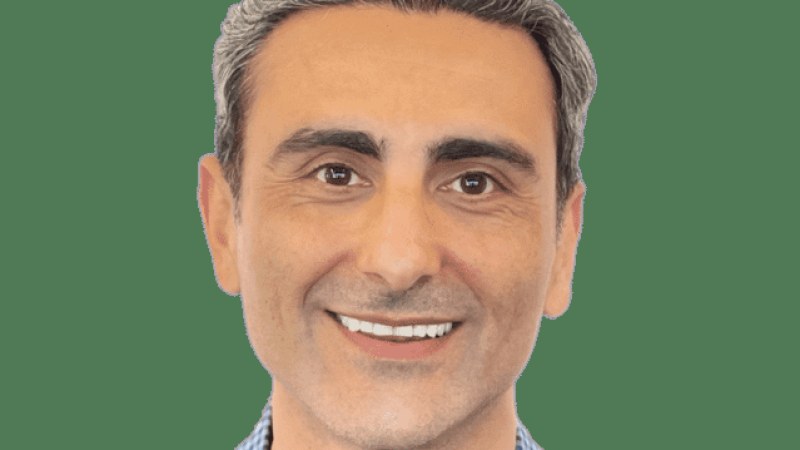
Amin Nikoozadeh
Amin Nikoozadeh is the founder and CEO of Vave Health, a San Jose company building affordable, wireless handheld ultrasound. A Stanford-trained electrical engineer who spent years shrinking an entire imaging system onto the tip of a 3mm catheter, he started Vave in 2015 after confronting a stark fact: roughly two-thirds of the world's population has no access to medical imaging. The company's pocket-sized probe earned FDA 510(k) clearance in 2019 and now powers millions of scans across hospitals, medical schools, and underserved clinics.
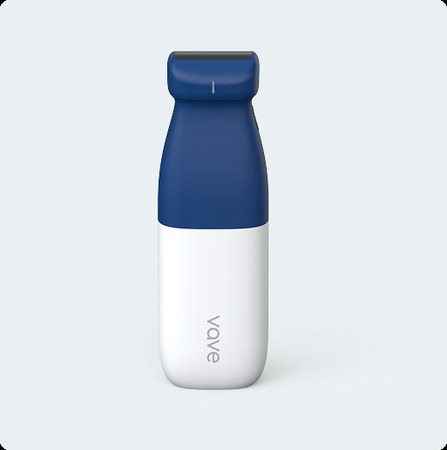
Vave Health
Vave Health is a San Jose-based medical device company making point-of-care ultrasound portable, wireless, and affordable. Founded in 2015 by Stanford PhD Amin Nikoozadeh, its handheld probes pair with any iPhone or Android device and carry no subscription fees, aiming to put diagnostic imaging in the hands of clinicians, students, and underserved communities worldwide.