The odd thing about a fact sheet is that everyone involved feels virtuous after making one. The scientist checked the references. The institution approved the wording. The PDF acquired a tasteful blue border. Then it entered the world, where it was asked to compete with a frightened parent, a charismatic influencer and a thirty-second video involving the words what they don't want you to know. The PDF never stood a chance.
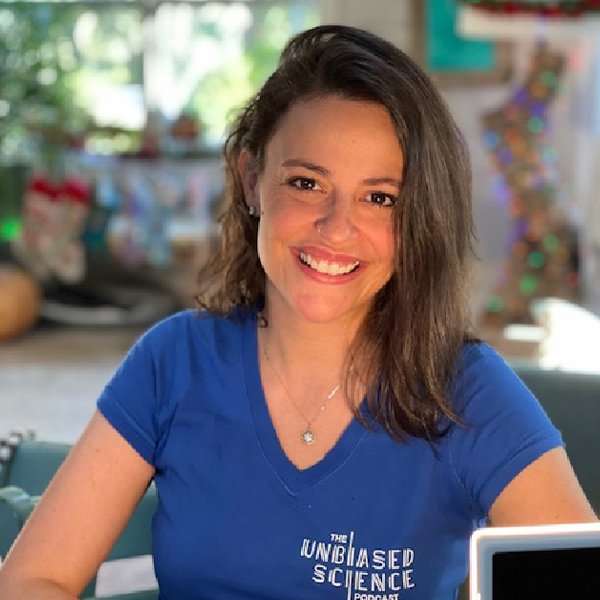
Jess Steier understood the first half of this problem before she understood the second. She was a public-health data scientist trained to reduce bias in research. When COVID arrived in 2020, friends and relatives began asking Steier and her college friend, immunologist Andrea Love, to decode the headlines. They tried live social events. People liked their chemistry and their ability to translate. The Unbiased Science Podcast followed.
At first, the work was reactive: a dubious claim appeared; the scientists inspected it; a debunk went up. The operation expanded from podcast to infographics, then video, newsletter and a social following measured in the hundreds of thousands. By March 2022, the team was tracking nearly 800 Instagram posts in a Google Sheet. It is hard to imagine a more scientist-like response to social media than making a spreadsheet of it.
Then the debunks started breeding
A false claim takes seconds to post and hours to answer well. Another arrives before the footnotes are finished. Steier's team eventually changed the assignment. Instead of correcting each specimen forever, they moved toward “prebunking”: show people the recurring tells - the dramatic mouse study, the laboratory dose mistaken for everyday exposure, the scary percentage without an absolute risk - so the audience can recognize the next one on its own.
The useful unit of science communication is not the fact. It is the decision a person can make after meeting the fact.
This was also a change in tone. In 2026, Steier wrote that the old model of leading with data before establishing a connection can backfire. Her team's vaccine work now starts from a less satisfying assumption than “people need better information.” A hesitant parent may already possess plenty of information, along with fear, distrust, identity and an earnest desire to protect a child. Calling that person stupid is efficient only if the goal is to end the conversation.
What they sell when the feed is free
Unbiased Science is easy to mistake for a podcast with unusually ambitious graphics. It is better understood as a research and communications company that owns a public laboratory. The public-facing side publishes a weekly show, daily social content and long-form newsletter analysis. The commercial side conducts program evaluation, policy analysis, survey research, message testing, health-economics work, scientific due diligence and campaigns for institutions.
Its customers range from people wondering whether a trending ingredient is dangerous to clinicians navigating vaccine conversations. Paying clients include public-health authorities, academic medical centers, healthcare organizations, drug and biotech companies, consumer brands, agencies and investors. The company names work for the Ohio Department of Medicaid, NACCHO, Dartmouth College, the University of Mississippi Medical Center, CSL Seqirus and Procter & Gamble, among others.
The useful distinction is not consumer versus enterprise. It is research without delivery versus research with delivery. Unbiased Science says it evaluated Ohio's primary-care program using records covering 3.5 million Medicaid members across 1,000 practices. The same organization also makes puns about fiber and beans. Most agencies can do one of those things without alarming the staff.
The escape room is the argument
The company's most revealing product is a virtual escape room for clinicians. Steier had watched her physician husband endure the standard training ritual: dated corporate video, click, click, quiz, forget. Unbiased Science built scenarios instead. A clinician meets personas with different reasons for distrusting vaccines and advances by navigating the conversation. The lock opens when the learner listens and responds well.
It is a game, but it carries a serious claim about expertise. Knowing the evidence and knowing what to do with another person's resistance are separate skills. The company reports that 95 percent of participants felt the format improved their learning experience. It is now applying interactive education to conferences, patient conversations and other public-health topics.
people reached in a month, according to different company pages and periods. Yet the founder says Instagram pays only a few hundred dollars monthly. Attention is an asset; platform revenue is not a business model.
Millions of views, pennies in the jar
Here the cheerful infographics run into an uncomfortable spreadsheet. Unbiased Science says its channels reach between 10 million and 30 million people per month, depending on the period and page. Its founder has also written that Instagram pays a couple hundred dollars monthly, grants designed specifically for science communication are scarce, and paid Substack revenue barely covers overhead.
The business therefore looks like a small portfolio rather than a single flywheel: enterprise consulting and campaigns, sponsored educational projects, grants, subscriptions, donations to an affiliated nonprofit and merchandise. Public content remains free. In July 2026, a paid newsletter cost $5 a month or $55 a year. A T-shirt in the shop cost $27. Prices for organizational research and communications work are private.
Podcast, social posts and core newsletter articles.
Paid Substack tier; $55 yearly option offered in July 2026.
Research, strategy, campaigns, evaluation and training.
That mix makes disclosure more than administrative housekeeping. Unbiased Science has produced sponsored work for corporate brands and health organizations. Critics have argued that the name promises more purity than any funded operation can deliver. Steier's answer is methodological rather than mystical: bias cannot be wished away, but it can be reduced, examined and disclosed. The company labels paid content. Its credibility depends on doing that plainly, every time, because “Unbiased” is not merely a name. It is an invitation to audit the process.
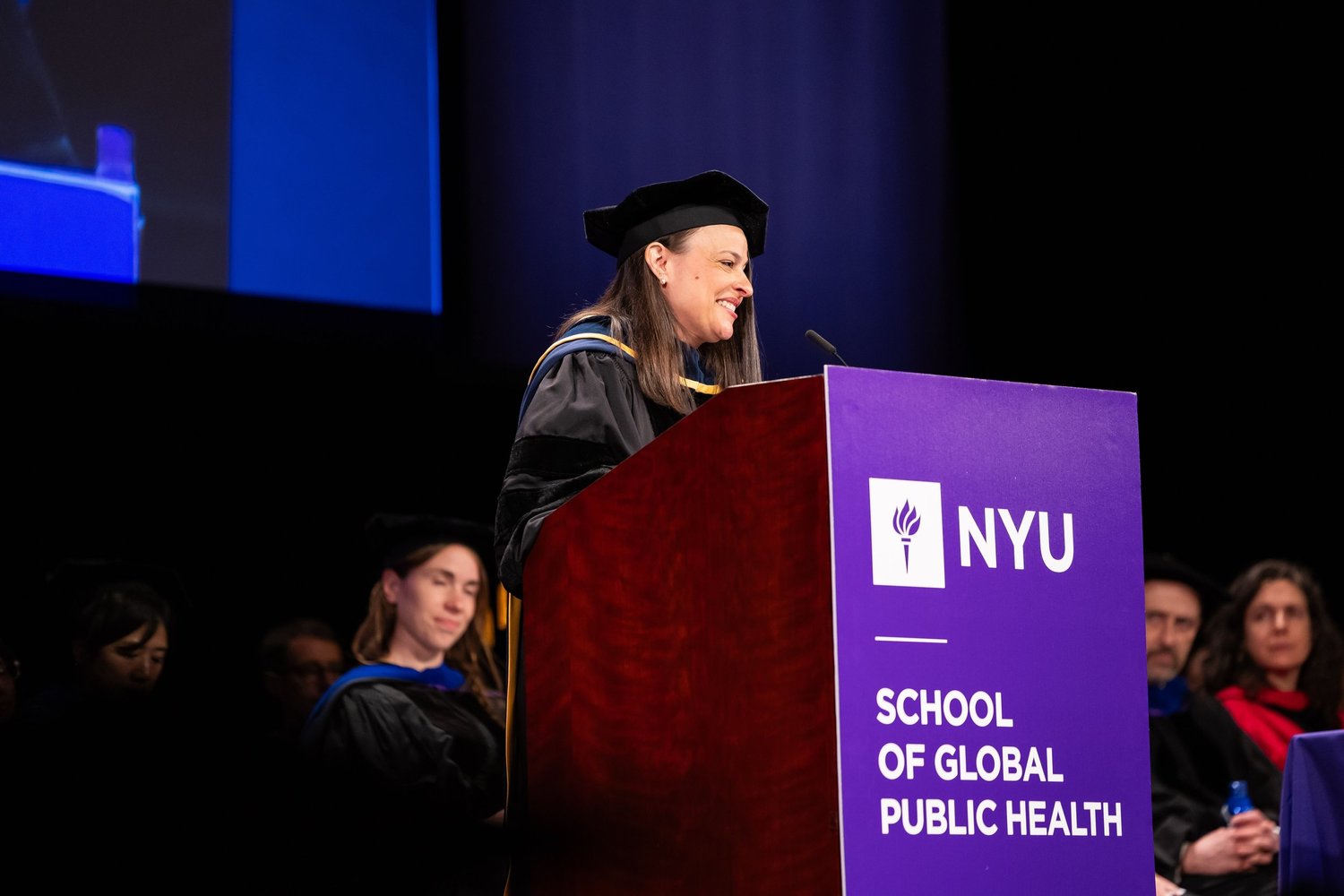
A company between categories
In the market, Unbiased Science sits somewhere between a science-media brand, a public-health consultancy, a medical-education studio and a communications agency. Science Vs and Science Friday compete for ears. Newsletter writers and creator networks compete for trust and speed. HEOR firms and medical communications shops compete for institutional budgets. Unbiased Science's difference is that its researchers, clinicians, writers and designers move across all four jobs.
That arrangement is most convincing when the public platform acts as a listening system and the research practice acts as quality control. It is less portable where disclosure is vague, where a sponsor expects a predetermined conclusion, or where a playful format disguises weak evidence. It also does not remove the slow work of trust. An escape room can rehearse a difficult conversation; it cannot make six years of institutional distrust vanish by level three.
What another organization can copy is refreshingly unglamorous. Put the scientist and designer in the same room. Listen to recurring questions before writing the message. Segment people by motivation, not demographic shorthand. Teach the pattern behind the false claim. Test whether anyone understood. Report what changed. And do not confuse reach with revenue, or accuracy with arrival.
The original fact sheet was correct. That was its tragedy. It thought correctness was the finish line when it was only admission to the race.