Somewhere between a scientist discovering something and a person doing something about it, the knowledge has to change clothes. The caveats must survive. The acronyms must calm down. The page must work with a screen reader. The meeting invitation must tell 200 researchers where to be, when to speak, and what happens if their flight is late. This is the territory of Lumina Corps: important information after it leaves the laboratory, but before it becomes useful.
Lumina is a Silver Spring, Maryland, communications and program-support firm with about 45 employees listed on LinkedIn before its latest combination. It began in 1986 as Nova Research Company, adopted the Lumina name in 2022, and in January 2026 folded CommunicateHealth into its operation. The resulting business is women-owned, women-led, and unusually comfortable with work that lives at the intersection of scientific review, public procurement, web production, event logistics, and plain English.
The translation problem hiding inside the communications problem
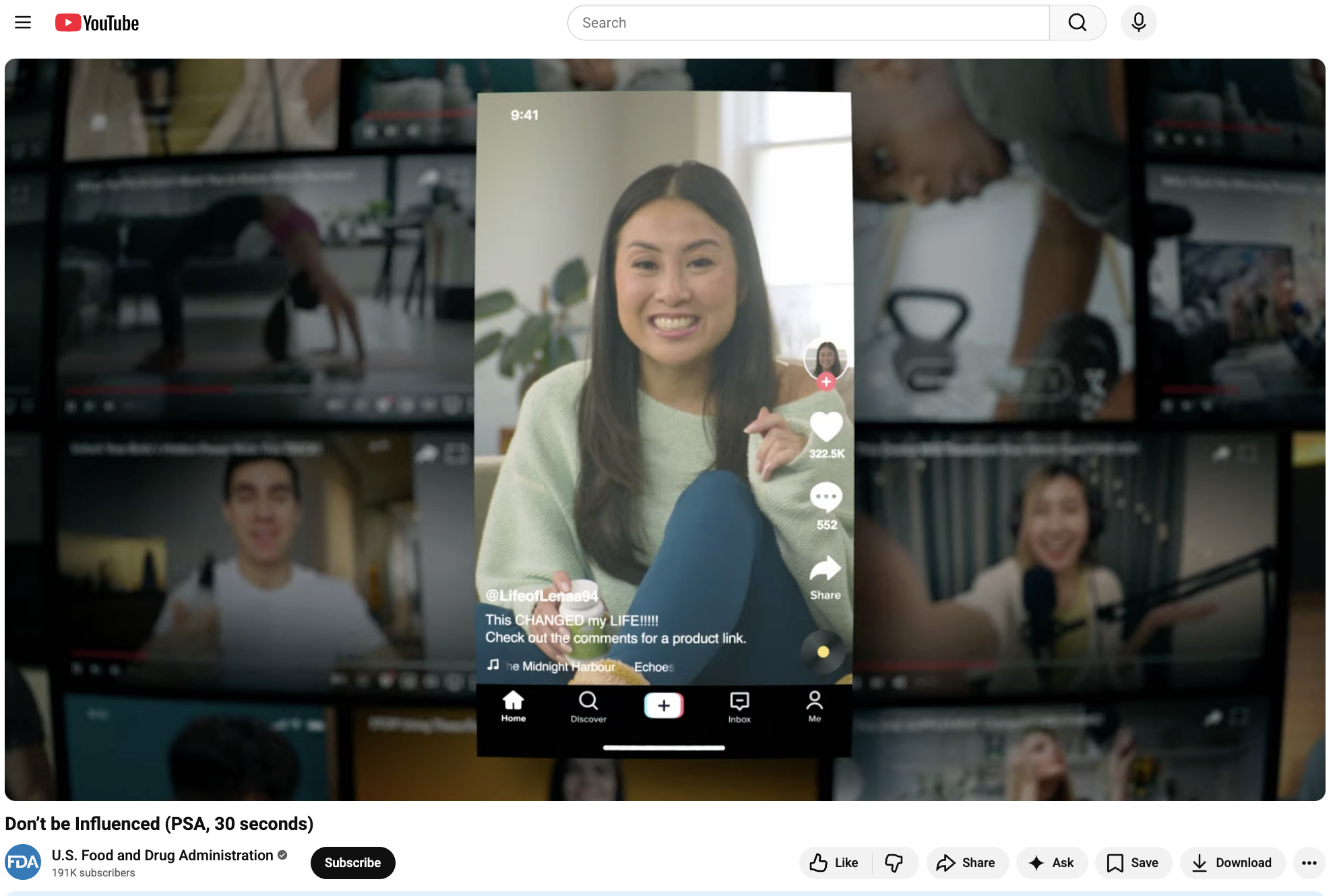
Call Lumina a public-relations company and you miss the interesting part. Its case studies do not begin with celebrity endorsements or clever slogans. They begin with audiences who need to make sense of a system. Food and health professionals need to find data, funding, and practical examples. Teachers need a way to explain artificial intelligence without turning a classroom into a computer-science seminar. Consumers need to spot the difference between a treatment and a product merely dressed like one.
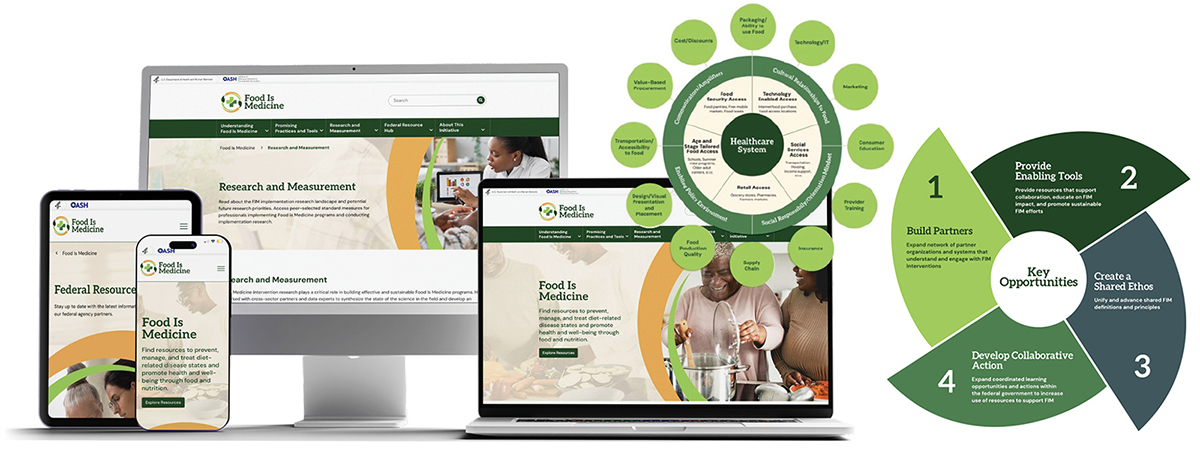
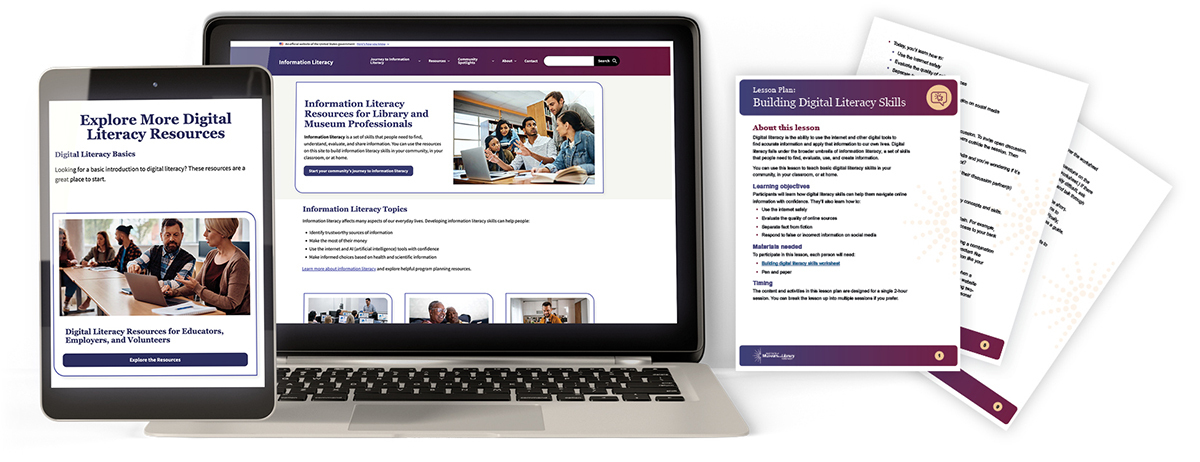
For the HHS Food Is Medicine initiative, the company facilitated stakeholder discussions, built the brand, designed and developed an accessible website, and planned the launch. For the federal Information Literacy Initiative, it wrote web content and teaching tools across AI, digital, financial, health, and science literacy. The online hub holds more than 100 evidence-based resources. For the FDA’s medication health fraud work, Lumina conducted audience research, revised web content, and produced 15- to 30-second audio and video public-service announcements.
The product is not content. The product is the moment a complicated institution becomes navigable.YesPress observation
Four containers, one job
Lumina sells no single piece of software and no universal campaign package. It sells multidisciplinary judgment by the project and task order. A strategist may interview stakeholders. A scientific writer may turn a technical report into a useful summary. A designer may build a Section 508-compliant identity. A developer may ship the Drupal site. An event team may coordinate the hybrid meeting where the underlying research is debated.
The common thread is not the medium. It is the transfer. Lumina moves knowledge across the boundary between the people who possess it and the people who must use it. That is why a teaching toolkit, a cancer-screening workshop, and a 30-second fraud warning can belong in the same portfolio.
The price of making the invisible dependable
Publicly visible numbers describe contract capacity, not the price of a single page or campaign. A 2023 NIAID indefinite-delivery contract for meeting and conference support carried a ceiling near $9.9 million; public reporting showed roughly $6 million obligated by 2026. A separate National Institute on Aging order for scientific writing, administrative assistance, and conference logistics had a potential value of roughly $2.1 million across five years. These are baskets of possible and ordered work, not a menu with “website” written beside a tidy fee.
PUBLIC CEILING ON A 2023 NIAID MEETING-SUPPORT CONTRACT. A ceiling limits the vehicle; it does not equal revenue, profit, or the cost of one event.
That distinction tells us how the business works. Lumina is a service company selling coordinated expert time through task orders, direct engagements, and federal contract vehicles. Some work is time-and-materials; public records also show labor-hour and fixed-price arrangements. The customer is buying a team that already understands scientific review, accessibility, approvals, security, and the peculiar choreography of federal programs.
Then every ballroom became a browser tab
The company’s conference archive provides a compact account of what changed its operating assumptions. In early 2020, listings still pointed to Kansas City, Seattle, and Dallas. Later that year, cancer-screening workshops, a child-development investigators’ meeting, and a pain-research workshop were virtual. By 2026, a joint Alzheimer’s disease genomics meeting was designed as both an in-person gathering in Rockville and a Zoom event.
The first thing to fail in that transition was the old equation between an event and a room. Yet the actual purpose - getting specialists to exchange progress, challenge results, and leave with decisions - remained. Lumina’s answer was not to protect the ballroom. It was to protect the exchange, then rebuild registration, agendas, materials, moderation, and access around whatever container remained possible.
A young name on an old company
The most revealing date in Lumina’s history may be 2022. Nova Research was 36 years old when owners Beth Maloney and Amy Ewing renamed it. Two years later, they said the Lumina-era team had doubled. In late 2025 they announced the CommunicateHealth merger, effective January 1, 2026, adding a company founded in 2009 and known for health literacy, inclusive research, and clear communication.
This was expansion by adjacency. Lumina already knew the federal health machinery; CommunicateHealth brought another deep bench in understanding users and designing for clarity. The combined offer now runs from research and strategy through creative development, activation, and evaluation. The promise is less handoff, fewer seams, and a team that can stay with a public-health idea until it meets an actual person.
Culture matters in this model because the work is review-heavy and ego is expensive. Maloney and Ewing have described a version of servant leadership that rewards difficult questions and encourages employees to become leaders. Their shortest career advice is also a workable operating principle: “Be curious and fearless.” Curiosity keeps the science honest. A modest amount of fearlessness helps when six stakeholders have edited the same sentence.
The portable part of the playbook
A smaller team cannot copy Lumina’s federal contract history overnight. It can copy the sequence. Start with the people who must use the thing. Keep subject experts inside the work, rather than calling them for final approval. Treat accessibility as a design input. Choose the container after defining the behavior you want. Build the handoff, training, and measurement into the deliverable.
- 01Interview before inventing. The Food Is Medicine site followed stakeholder discussions about priority audiences and their needs.
- 02Design a system, not a splash. A visual identity matters more when it carries guidance, templates, and reusable content with it.
- 03Let the format serve the decision. A workshop, website, PSA, and research summary are choices, not strategies.
- 04Budget for review. Scientific accuracy, federal approvals, accessibility, and stakeholder consensus are production work.
There are also conditions where this method is a poor fit. A consumer startup chasing next week’s trend may find the review cycles suffocating. A client without available subject experts cannot expect an outside firm to manufacture authority. And a project with no agreed audience, behavior, or owner will turn “integrated communications” into an expensive pile of outputs. Lumina’s system works when accuracy matters, institutions must coordinate, and someone is willing to do the patient work before launch.
That is the quiet appeal of the company. Lumina does not need to be the loudest participant in public health. It needs to make the useful thing findable, the difficult thing understandable, and the important meeting possible. Then, ideally, it disappears behind the result.