The odd thing about an event is how quickly it disappears. A stage is built, a room fills, someone speaks into a microphone, dessert is cleared, and by morning the evidence fits into a camera roll. Chereese Jervis-Hill built Events To Remember on the belief that the vanishing act is precisely the problem. The chairs and lighting matter. But so do the invitation, the sponsor, the press pitch, the social post, the thank-you and the reason anyone gathered in the first place.
That is why the company has always been slightly awkward to describe. It is an event producer with a publicist's address book. It is a PR shop whose staff knows where the extension cords go. It can build the run-of-show for a gala, follow up with sponsors, draft the release, coordinate vendors, brief the media and watch the room in real time. In July 2026, after 22 years, the name finally caught up: Events To Remember + PR To Remember became Events to Remember 360 Marketing.
One brief, not three binders
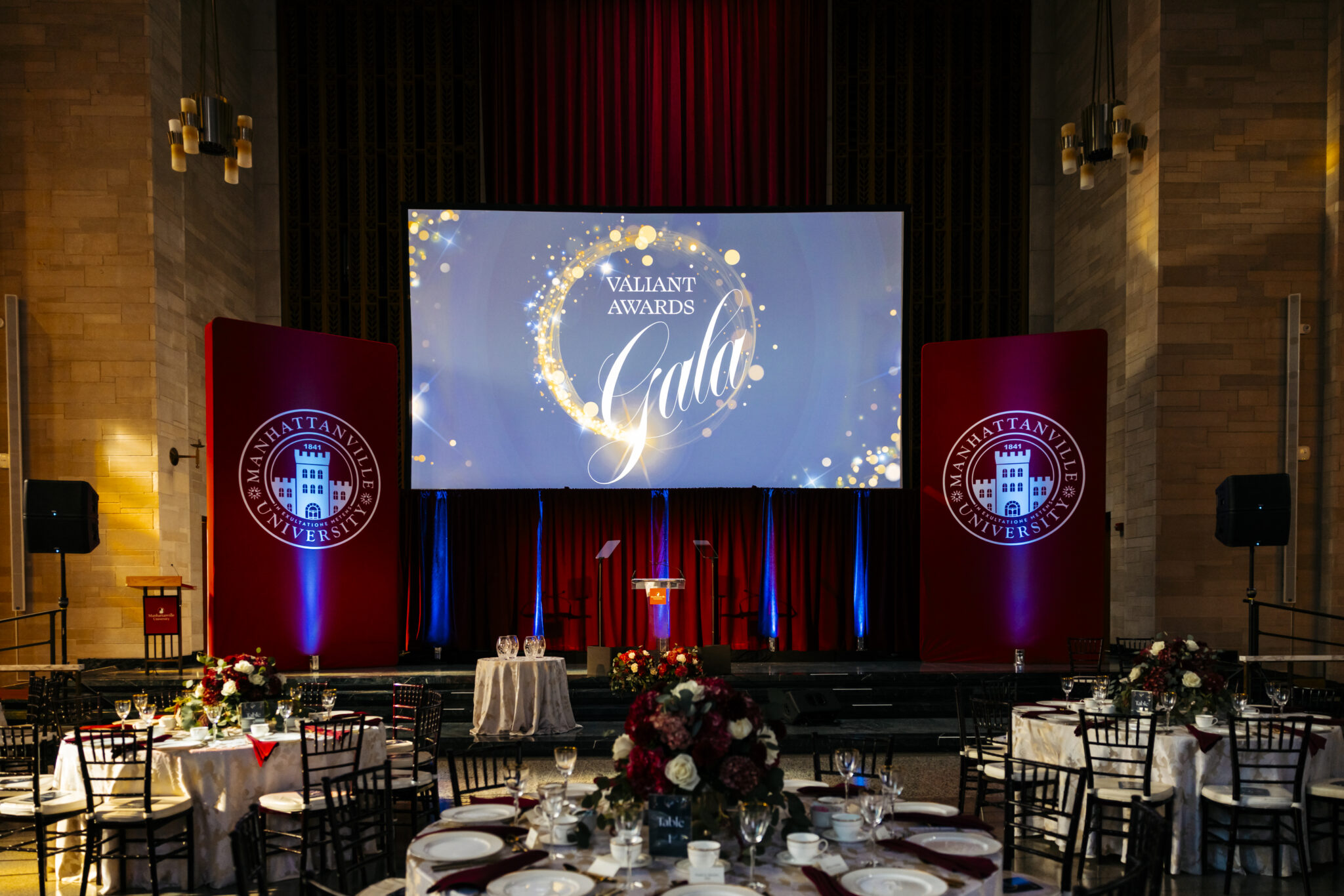
The firm's clients include corporations, entrepreneurs, municipalities and government agencies, but nonprofits reveal the model most clearly. A fundraiser needs to be four things at once: a production, a donor experience, a sponsorship product and a public story. Split those jobs among disconnected vendors and the seams show. The event planner optimizes the room. The publicist hunts for a hook. The development team chases tables. The board wonders why the honoree's name is misspelled on the screen.
ETR360 sells the joins. Its published process moves from discovery and strategy to logistics and branding, then engagement, onsite management and post-event analysis. One company case study says a nonprofit that had never hired an event planner was hesitant to spend the money. After a refreshed event, targeted outreach and PR, the fundraiser beat its goal by 35 percent. The number is the firm's own account, but the mechanism is credible: promotion is designed while the event is still being designed.
The 360 event stack - work begins before anyone arrives
“All of that talking that people don't like to hear in person, they will hate online.”Chereese Jervis-Hill, on virtual gala programming
When the ballroom went dark
The first COVID failure was brutally simple: people could not occupy the same room. For a live-events company, that was not a weak quarter. It was the removal of the medium. Jervis-Hill's response was revealing because she did not pretend a virtual gala was an in-person gala with a webcam pointed at it. The program had to be shorter. The emcee had to carry a dispersed audience. Sponsors needed slides, links and verbal recognition. Donations had to be visible in real time. A pre-event package could put something tactile in a guest's hands.
At the same time, the firm managed the Peekskill Farmers Market through its 30th-anniversary season. The work became choreography of a different kind: a senior-only shopping hour, limited vendors, one-way exits, masks at entrances, distancing, prepackaged food and staff controlling capacity. The useful lesson was not “pivot,” that exhausted word. It was more concrete: preserve the objective and rewrite the format.
The price of invisible work
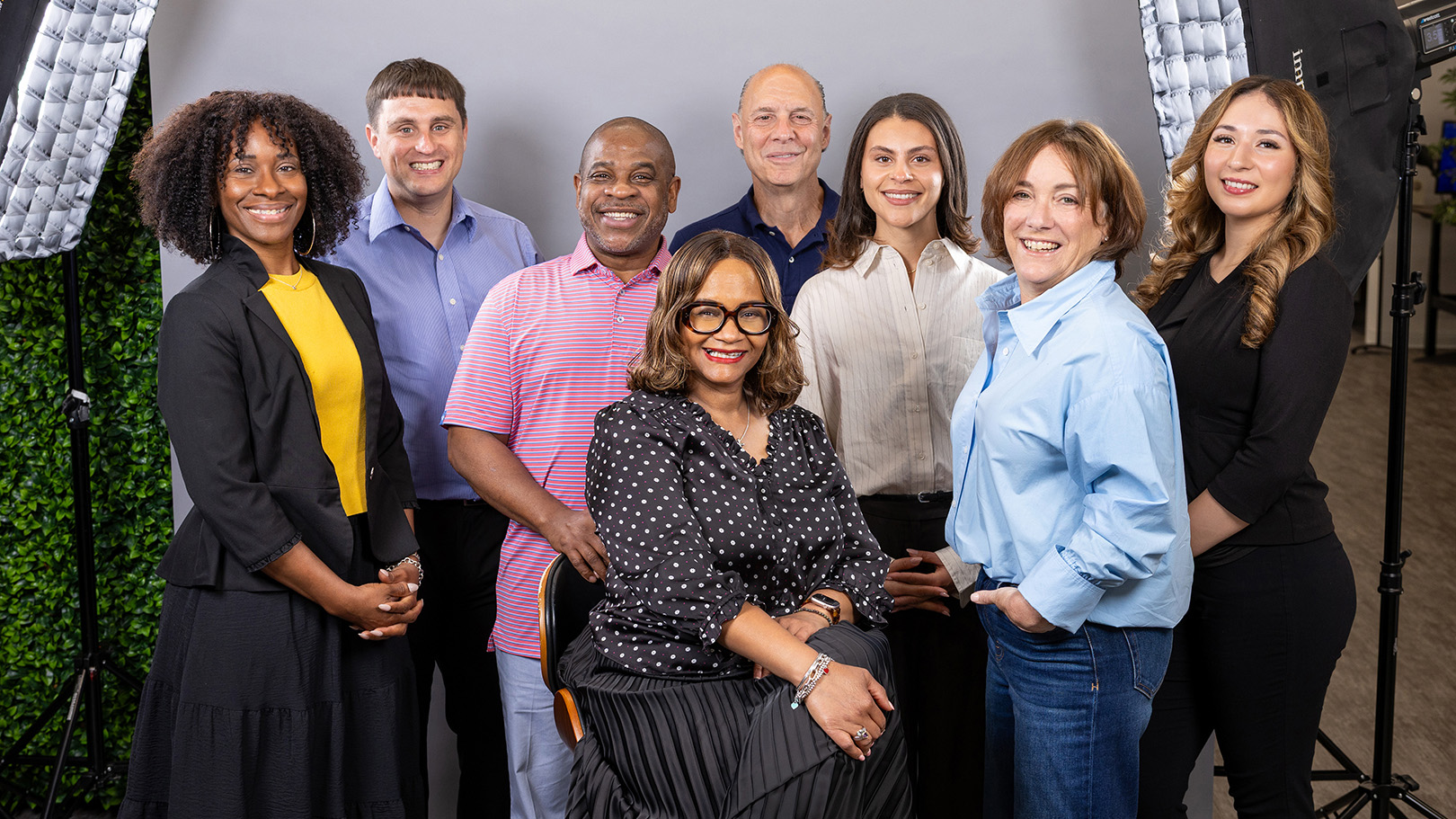
Event work is easy to underestimate because the successful version hides its own labor. Guests see a podium, not the six calls that put it there. Sponsors see their logo, not the spreadsheet that kept the correct file from vanishing into an email thread. A rare public price gives the work some scale. In 2025, Westchester County approved Events by Chereese to plan and manage two major outdoor events for the 250th anniversary of the Revolutionary War. The agreement began with a ceiling of $206,200 and was later amended by $5,349.88.
At the opposite end of the scale sits a family in White Plains, a Bat Mitzvah, a bad forecast and a guest count that had climbed 30 percent. The deck was no longer viable. Events To Remember proposed the clean but unfinished basement, then used draping and rented furnishings to turn the contingency into the venue. This is not glamorous strategy language. It is the business in miniature: notice the constraint before it becomes a scene.
A local moat with a wider address
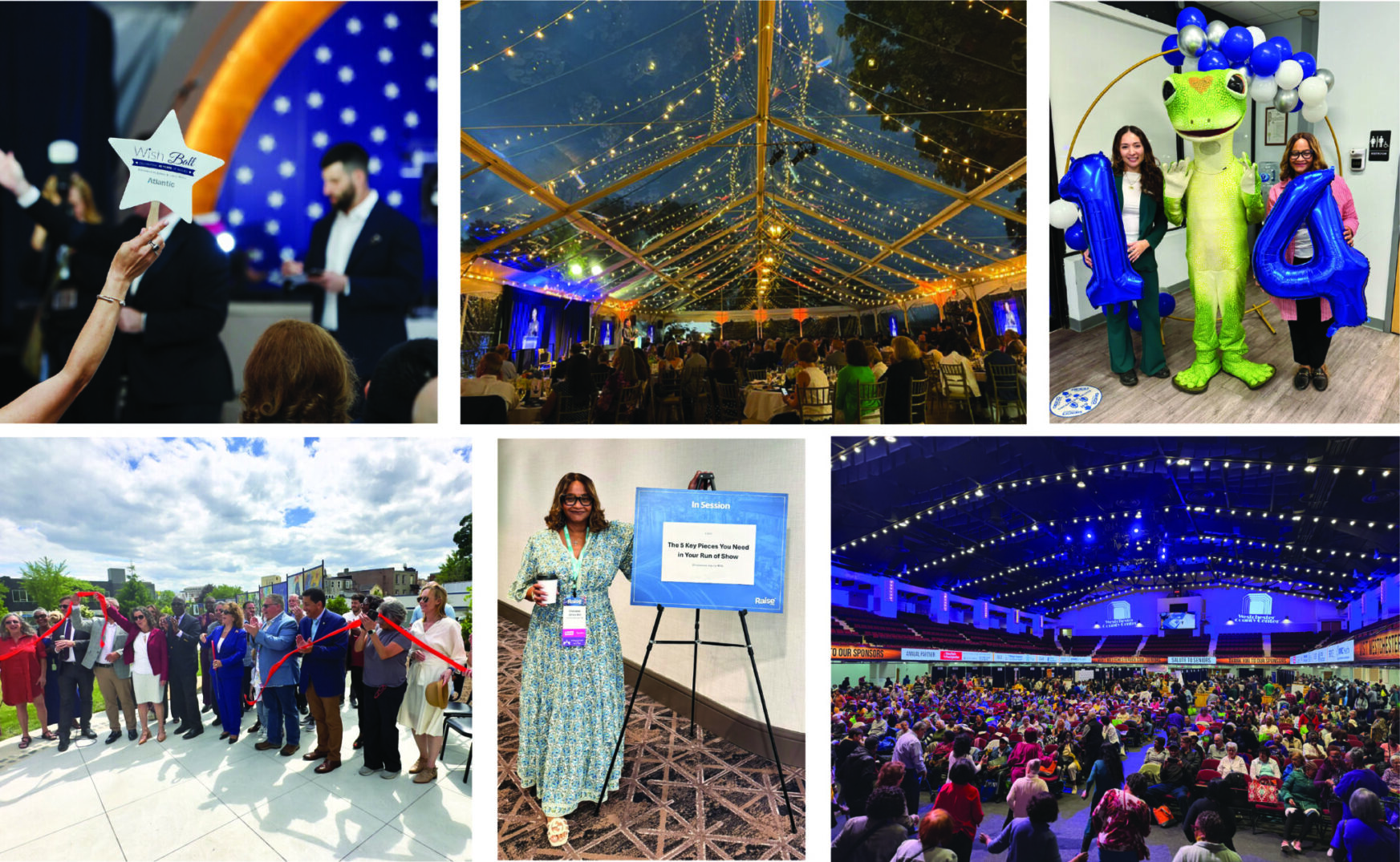
The company's advantage is not proprietary software or a patented planning method. It is accumulated regional context. Jervis-Hill serves on civic and professional boards. The agency has worked with organizations including Legal Services of the Hudson Valley, Westchester Community Health Center, Latino U College Access, Student Advocacy, YWCA White Plains & Central Westchester and local governments. In this market, knowing the venue is helpful. Knowing the sponsor, the reporter, the municipal process and the person who can solve a 4:45 p.m. problem is better.
That also marks the boundary of the model. Deep relationships are slow to reproduce in a place where the team has no history. An integrated boutique can lose its edge when a client needs simultaneous production across many countries, highly specialized broadcast infrastructure or cheap commodity execution. And “one team does everything” only works when one person clearly owns the objective. Without that, 360 degrees becomes a circle of approvals.
Jervis-Hill starts Events To Remember after corporate experience at Philip Morris, Deutsche Bank and MetLife.
Virtual galas and tightly managed public markets replace business as usual.
Champagne, chocolate and a branded flute turn an anniversary into a retention campaign.
ETR360 unifies events, PR and marketing as the company prepares a New York City office.
The part worth copying
Most organizations do not need to become event agencies. They can steal the operating logic. Start with the behavior the gathering should cause, not the centerpiece. Put audience, sponsors, program and publicity in the same planning document. Write the rain plan while the sun is out. Design the thank-you before opening the doors. And give someone authority to shorten the speech.
The event is a campaign with a date in the middle.
- Name one measurable outcome: dollars, attendance, coverage, leads or commitments.
- Build one timeline for production, promotion, sponsors and follow-up.
- Give every sponsor a before, during and after moment.
- Prepare the bad-weather, low-attendance and technology-failure versions.
- Capture material during the event that can work after it ends.
Jervis-Hill has described entrepreneurship as a route full of turns, naming both the 2008 financial crisis and COVID-19. The business endured because it did not confuse its format with its function. A gala is a format. A press release is a format. A podcast is a format. The function is to gather attention around a purpose and move people toward it.
That explains the latest name better than any launch brunch could. “Events To Remember” described what guests saw. “PR To Remember” described what the public heard. “360 Marketing” describes the work between those two moments - the many unphotographed decisions that make a room matter after everyone has gone home.