market-intelligence
(85)
MZ North America and the Strange Business of Being Understood
Public companies rarely suffer from a shortage of facts. They suffer from facts arriving in the wrong order. MZ North America built a business around fixing the sequence - then finding the investors willing to listen.

GeneOnline Turned Biotech News Into a Map for Finding the Next Deal
The bilingual publisher spent years explaining Asian biotech to the world. Then it packaged the map behind the reporting into BIODND - an AI-assisted database built for the people hunting companies, capital and partners.

Big Valley Marketing asks a better question: Who needs to care?
A technology company can explain every feature and still leave its audience cold. Big Valley Marketing works on the missing connection between what a business builds, what it says, and why anyone should pay attention.

Before the cargo moves, the paperwork has to travel
The Arab-Brazilian Chamber of Commerce turns relationships into the practical machinery of trade. Its toolkit runs from Arabic translation to a digital system that helps export documents reach Jordan without a courier.

Green Street puts a price on the property market’s blind spots
Buildings trade slowly. Opinions travel fast. Green Street has spent four decades connecting the two, selling investors a more informed view of what real estate is worth.
AppTweak wants every app download to earn its keep
The Brussels company built its business helping apps get found. Its next act connects keywords, advertising and customer feedback to a harder question: which growth is worth paying for?

Defaqto’s five stars hide a much bigger business
The familiar insurance badge is the shop window. Behind it, Defaqto sells the data and software that help financial companies design products, compare rivals and explain their decisions.

JATO Dynamics knows what’s hiding in the options list
A model name tells you surprisingly little about a car. JATO turns specifications, finance offers and registration records into a working map of the automotive market - for the businesses deciding what to build, sell and finance.

Tegus Put Wall Street’s Homework in One Search Box
Tegus turned the expert call from an expensive one-off into searchable institutional memory. Now folded into AlphaSense, its real trick is making qualitative gossip and quantitative homework sit at the same desk.

Randy Guard Has Spent a Career Making Complicated Technology Make Sense
An electrical engineer wandered into marketing and stayed for the hard part: translating complex systems into reasons people care. After SAS, Spreedly, and Appian, Randy Guard is taking that habit to Liminal's market-intelligence business.

Ross Peevers Has Spent a Career Turning Messy Signals Into Useful Decisions
Before he worked at the center of an AI market-intelligence company, Ross Peevers helped turn rugby data into an award-winning fan product. The route from Dublin to Chicago has been less about changing subjects than learning how to make complexity legible.

Jon Borgese Is Turning the Marketing Department Into a Product Lab
After climbing the conventional marketing ladder, CB Insights CMO Jon Borgese is asking a less conventional question: what if the marketing team built the system that sales actually needed?

Brands Were Copying Amazon Reviews Into Excel. Revuze Turned the Mess Into a Daily To-Do List
Revuze started with a travel-planning idea, found its real market in retail, and built an AI system for turning scattered customer comments into product fixes, sharper listings and earlier warnings. The bet is simple: a complaint becomes valuable when someone knows what to do next.

The 58-Year-Old Printer That Turned the Deal Room Into an AI Operating System
Datasite escaped the slow fade of financial printing by betting the company on one useful piece of software. Now it wants to own the entire private-market workflow - from finding a target to interrogating the deal room with AI.
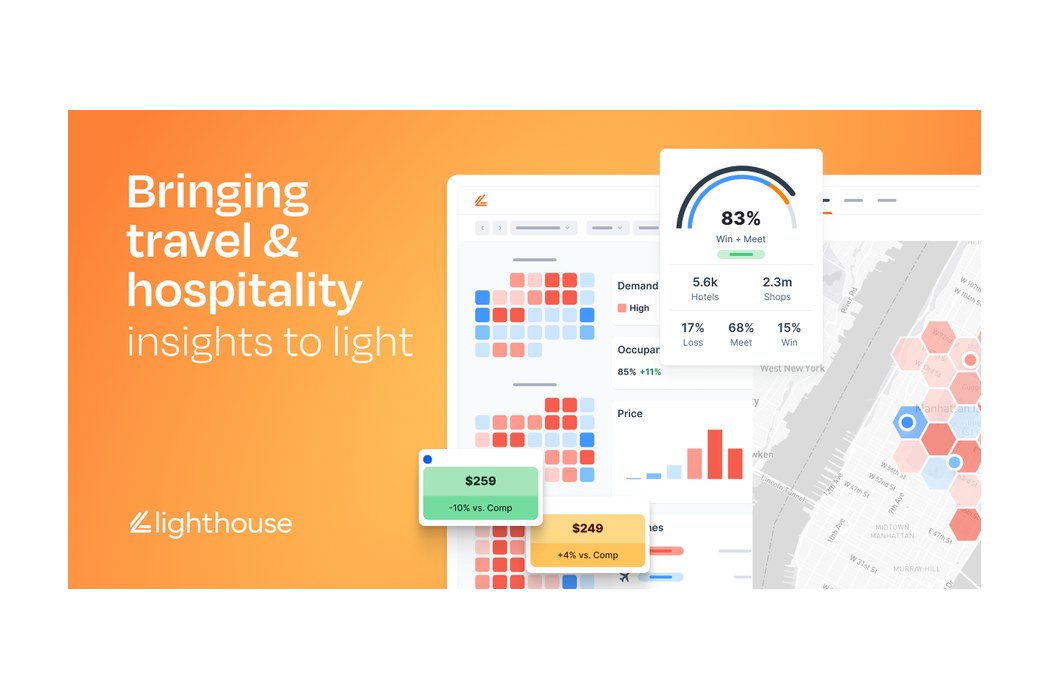
A $370 Million Bet That Hotels Want One Brain, Not Ten Dashboards
Lighthouse started by showing hotels what competitors charged. Now it wants to become the commercial operating system behind every room sold - a much bigger promise, backed by a much bigger check.

AlphaSense Turned Ctrl+F Anxiety Into a $7.5 Billion Research Machine
AlphaSense began with an analyst's fear of missing one decisive sentence. Fifteen years, five acquisitions and more than 500 million documents later, it wants to turn research from a scavenger hunt into an always-on system.

Liminal Sold the Conference. Now It Wants to Be the Memory of the Identity Market.
A consultancy born around digital identity sold its signature event, turned years of buyer evidence into software, and raised $8.5 million to make market intelligence behave less like a report and more like infrastructure.

CB Insights Turned a $100,000 PDF Into a Crystal Ball for Corporate Strategists
The company started with a crisis-era survey, a clumsy name and a report priced far too cheaply. Its evolution into a 12-million-company intelligence system offers a sharp lesson in turning free insight into expensive software.

Cy Scott Turned Cannabis Into a Market You Can Read
First he helped shoppers make sense of strains. Then he gave an unruly retail industry a dashboard. Cy Scott’s second act is a patient lesson in turning messy information into useful decisions.

Blerim Zeqiri Is Turning Apartment Data Into a Public Utility
After eleven years inside multifamily operations, Blerim Zeqiri built the software he wished had existed. Now his larger bet is that rental markets work better when professionals and renters can see the same truth.

Tony Nash Is Teaching Corporate Forecasts to Stop Taking It Personally
A logistics career that ran through Europe and Asia left Nash suspicious of tidy predictions and last-minute hunches. In Houston, he is building finance software around a blunt idea: if the number changes, the reason should be visible.

Vin Vacanti Built a Data Company by Doing the Unscalable Work First
He left a comfortable finance career, learned to code under pressure, and discovered that the least glamorous work could become a durable advantage. YipitData grew from one stubborn habit: find the signal, do it manually, then build the machine.
YipitData’s Coupon Business Died. The Data Exhaust Became a $1 Billion Company
Yipit started by saving shoppers from coupon-email purgatory. When daily deals cooled, its founders discovered that hedge funds would pay far more for the machinery underneath - a pivot worth studying by anyone sitting on an overlooked data asset.

Axiom Health Spent Five Years Turning MedTech Spreadsheets Into Answers - Then Sold the Machine
Medical-device teams were drowning in data but still waiting weeks for answers. Axiom Health built the co-pilot it wished existed - and its 2025 sale to Sorcero shows where vertical AI gets valuable.

Radix Wants to Make Apartment Data Public - And Turn the Rent Roll Into an Intelligence Business
The Scottsdale proptech company began by killing the weekly apartment market survey. A decade later, it is trying a harder trick: putting renters, operators and investors on the same set of numbers.

Holly Washington Built a Career by Treating the Map as Editable
The S&P Global Market Intelligence CMO has spent more than two decades translating complicated financial products into stories people can use. Her route from underwriting to the operating committee makes a case for careers built as portfolios, not ladders.

The startup teaching AI to hire humans
A former DeepMind scientist and a SoftBank operator built voice AI that interviews people about what they are actually good at - then sells that expertise to hedge funds, AI labs and consultancies. Andreessen Horowitz just put in $22.75M.
Headset Turned Cannabis Receipts Into a Map - Now the Map Can Place the Order
Cannabis has thousands of products, fragmented rules and no universal product code. Headset built the translation layer - then moved from describing the shelf to helping operators decide what belongs on it.

The Company That Reads Every Bank Website in America So Fintech Vendors Don't Have To
Founders Steve Cotton and Curry Pelot already sold one bank-analytics company to Fiserv. The second time around they decided to index every financial institution in the country - and the software each one quietly runs.

York IE Wants to Be the Startup Department You Forgot to Hire
The New Hampshire firm has turned a familiar founder complaint - too many advisers, not enough doers - into a business spanning investment funds, market intelligence and embedded operating teams.