last-mile-logistics
(31)
The Robots Graduated. The Groceries Stayed.
Starship spent years teaching small robots to cross streets and deliver campus lunches. Ten million deliveries later, its most consequential move was leaving the American quad for the grocery aisle.

Yue Lihua Built a Grocery Empire One Pickup Point at a Time
He learned retail in a village shop, taught convenience stores to double as grocery depots, and watched China’s internet giants copy the idea. Now Yue Lihua’s hardest lesson is about the virtue of getting smaller.
Deliveroo’s next order: the rest of your shopping
It took 296 million orders to produce £2.9 million in profit in 2024. Now owned by DoorDash, Deliveroo is betting that your groceries, gifts and forgotten essentials belong in the same app as dinner.
iFood won dinner. Now it wants the rest of your day.
Brazil’s delivery heavyweight is turning takeaway habits into a business in groceries, payments and restaurant software. Its next test is making that convenience pay for everyone involved.

Openforce Built the Back Office for the 1099 Economy - Now It Has to Make the Mess Feel Invisible
The Scottsdale company moves $5 billion a year through the unglamorous machinery behind independent work. Its bet: the winner in contractor software is the one that turns paperwork, insurance and payments into one clean trail of proof.
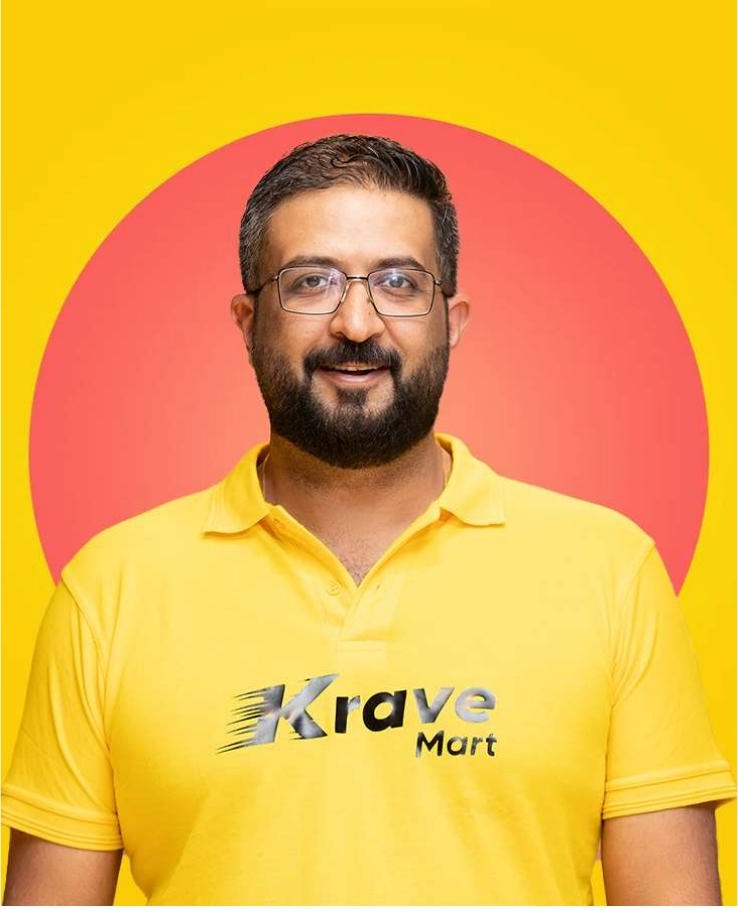
Kassim Shroff Chose the 30-Minute Promise
He learned e-commerce from the warehouse outward, traded quick commerce's flashiest promise for a workable one, and carried Krave Mart from Karachi dark stores to an inDrive acquisition.
Dropoff Built a Serious Business by Fixing the Least Glamorous Part of Delivery
The Austin company skipped the food-app frenzy and built for packages that cannot shrug off a late arrival. Its real product is not speed alone - it is a digital chain of custody, a professional handoff and fewer frantic phone calls.

For Shoppers the Checkout Abandons, Globbing Built the Missing Mile
Globbing took a stubborn e-commerce error - “we don’t ship to your country” - and turned it into addresses, aircraft, customs software and lockers. A decade later, its most useful lesson is that the missing feature in global shopping was never another storefront; it was a dependable way home.

Kashyap Deorah Chose the Flight - Then Built a Career Around the Bet
A missed campus interview became a first bet on entrepreneurship. Four companies, three exits and one difficult rebuild later, Kashyap Deorah is still turning the hidden friction between people and systems into software.

The Tool Seller That Put Brazil's Workshop Aisle Online
Loja do Mecânico found a business in the gap between the tool a professional needs and the place that actually stocks it. Now the Brazilian retailer is turning a pioneering e-commerce operation into a network of stores, local hubs and services built around the people who make and repair things.

The Qatari Delivery App That Turned a Business-School Project Into a Billion-Riyal Exit
A university idea from HEC Paris became Qatar's first billion-riyal tech exit. Here is how Snoonu built a delivery machine that food, groceries and everything else now runs through.

Lamoda Built a Fashion Store. Then It Built the Road to Your Door.
The Moscow retailer’s real product is not a dress, a sneaker or even an app. It is the machinery that makes buying fashion online feel less like a wager on size, taste and delivery.

Beds, Sheds and the Quiet Business of Rebuilding European Cities
MARK Capital Management turns tired warehouses, faded arcades and half-empty city blocks into logistics hubs and mixed-use districts. Its 'beds and sheds' strategy just won Logistics Investor of the Year.

The Landlord Betting That America Still Needs to Buy Milk in Person
While the internet was busy declaring the shopping center dead, a West Palm Beach firm quietly assembled 14 million square feet of the stuff - and keeps selling it at a profit.

Australia Post Is Now a Parcel Network With a Letter Problem
The red vans still carry letters, but the business now runs on parcels, software and a retail network that reaches places competitors struggle to serve. Its hardest delivery may be preserving a universal public service while shoppers keep moving online.
The Shop Behind the Shops: PriyoShop Is Rewiring Bangladesh’s Corner Stores
Bangladesh’s neighborhood stores move most of the country’s commerce, yet many still restock through slow, cash-heavy supply chains. PriyoShop is building the ordering, delivery, data and credit rails beneath their shelves.
The Freight Map That Learned to Make the Next Move
project44 spent a decade showing companies where their freight had gone. Now it wants its software to decide what happens next - before the late container becomes a late production line.

Jumia's Real Product Is the Road Between a Click and a Front Door
The pan-African marketplace is learning that the hard part of online shopping is not the screen. It is everything that must happen after a customer taps buy.

The Shipping Counter That Fits in a Brazilian Seller’s Pocket
SuperFrete bundles small merchants into a bigger logistics customer - turning rate comparison, labels and tracking into a few taps instead of a stack of carrier contracts.

The Delivery App That Lets the City Name Its Price
MRSOOL made a Saudi habit - asking, bargaining and helping - into software. Its open request-and-bid model explains how a simple errand app became a regional logistics network with nearly 15 million customers.
One Fare at a Time, Snapp! Built Iran’s Everyday Operating System
Snapp! started by putting a price on a Tehran taxi ride before the passenger got in. A decade later, that small piece of certainty anchors a 20-service super app built for the peculiar scale, sanctions and street logic of Iran.

The 115-Year-Old Network Hiding Inside Your Bouquet
FTD began as a clever workaround for flowers that could not survive a train ride. Today, its real product is still the handoff - coordinating emotion, ecommerce and a local florist before the moment passes.
The $49 Billion Checkout Line Behind Your Dinner
Delivery Hero built a federation of local apps that can move dinner, diapers and cold medicine before the doorbell feels late. Now its most valuable product may be the logistics system hiding behind eleven familiar brands.

Ozon Built a Store. Then It Built the Roads Around It
Russia's pioneering online bookseller became a marketplace, a delivery network and a bank. Its advantage now lives less on the screen than in the chain of warehouses, software and neighborhood pickup points behind every tap.

The Store That Learned to Sell the Whole System
Magalu spent a decade turning a Brazilian appliance chain into a web of stores, sellers, payments, delivery routes, ads and cloud computing. Its next test is less glamorous and more revealing: making every piece earn its place.

The Supermarket Turnaround Hiding in Argentina’s Shopping Cart
GDN AR inherited Walmart’s Argentine footprint, replaced the signs and began rewiring the machine behind them. Its bet is that a supermarket can become more useful - and more local - by shrinking the trip from warehouse to shelf.

Shipt’s Real Product Is the Text Message
The Target-owned delivery company built national scale without sanding away the human detail at the center of the errand. Now it is turning that conversation between shopper and customer into a broader retail platform.
Krave Mart
Krave Mart is a Karachi-based quick-commerce grocery startup that delivers everyday household essentials from a network of neighborhood dark stores, typically in 30 minutes. Founded in 2021 and part of Y Combinator's Summer 2022 batch, it raised what was then Pakistan's largest pre-seed round and built its model around sustainable unit economics and private-label products rather than pure delivery speed. In 2026 it was acquired by ride-hailing company inDrive to power grocery delivery inside inDrive's app.

HyperTrack
HyperTrack is a San Francisco developer platform that turns a phone's raw location signal into structured, usable data for the people who move goods and staff shifts. Founded in 2015, it started as live-location APIs and SDKs for delivery and fleet apps, then shifted toward workforce automation - planning, assigning, tracking, and verifying work for gig and shift labor. Its building blocks power staffing marketplaces, field-service tools, and last-mile logistics operators, and the company says its software touches over two million gig workers in the U.S. alone. In short: HyperTrack sells the plumbing that lets other companies know, reliably, whether the work actually happened.

Euler Motors
Euler Motors is a New Delhi-based electric commercial vehicle maker building cargo three-wheelers and light four-wheeler trucks for India's last-mile logistics. Founded in 2018 by Saurav Kumar, the company designs its own powertrains and batteries in-house, manufactures at a Palwal, Haryana facility, and sells flagship products like the HiLoad EV three-wheeler and the Storm EV light truck to e-commerce, hyperlocal delivery, and logistics fleets. Backed by Hero MotoCorp, GIC, British International Investment and Lightrock, it has put more than 15,000 vehicles on Indian roads.