healthcare-saas
(83)
The Startup That Learned the Doctor Was the Door
Salvo Health began by asking patients to walk around the healthcare system. Then it discovered the more useful trick: walk through the front door, beside their own doctor.

Avail Put the Operating Room Online - Then the Money Went Quiet
A six-foot telepresence tower, free hospital placement and paid remote access gave medical-device experts a door into surgery. Hundreds of consoles later, the financing market delivered the one problem Avail could not route around.
Nervecentre wants the whole hospital on the same page
A bedside software specialist is taking on the hospital-wide patient record. Its NHS contracts reveal the appeal of shared information - and the hard work of getting everyone to use it.

Michelle White Is Building the Marketing Machine Before the RFP Arrives
At TigerConnect, Michelle White is treating enterprise marketing as infrastructure: coordinated, measurable, and already at work before a buyer asks for a proposal.

AdvancedMD Bet on the Boring Machinery of Medicine - Then Sold for $1.13 Billion
The company began with a medical office manager who was fed up with clumsy billing software. Twenty-five years later, its single-database bet runs the daily machinery of 13,000 practices - and reveals both the appeal and the cost of buying the whole stack.
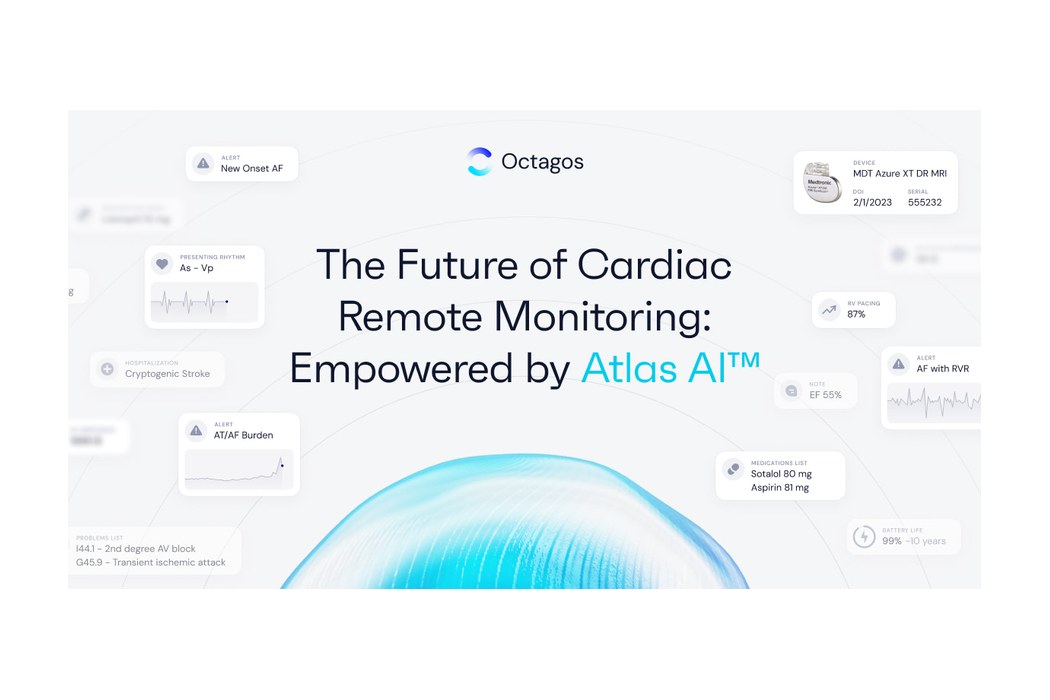
Octagos Built a Bouncer for the Cardiac Data Flood
Remote heart devices produce a blizzard of alerts. Octagos raised $43 million to decide which ones deserve a clinician's attention - and to make the rest of the clinic run on time.
TruBridge Found $4.3 Million Hiding in a Rural Hospital’s Paperwork
The former CPSI spent 45 years selling hospital software. Its more revealing act was learning to operate the business office - and getting paid when its clients do.

The Lab Software That Turned Three Hours of Data Review Into 45 Minutes
Indigo BioAutomation built a quiet business around an expensive laboratory habit: highly trained scientists checking good data one result at a time. Its bet is that software should clear the routine cases and make humans spend their attention on the exceptions.

Experity Won Urgent Care by Making the Software Move as Fast as the Clinic
The company merged the market's two toughest rivals, built one operating system around the peculiar speed of urgent care, and now serves nearly half of America's clinics. Its real advantage is not a shinier chart - it is knowing exactly where a 20-minute visit gets stuck.

Annie McBride Is Marketing the Work Nobody Sees
From consumer brands to connected software, Annie McBride has spent 25 years translating complicated products into useful stories. At PracticeTek, the assignment is smaller in scale, closer to the front desk, and every bit as operational.

XiFin Spent 29 Years Teaching Software How to Get a Medical Bill Paid
The San Diego company began with the least glamorous problem in diagnostics - low-dollar claims at punishing volume. Now it is turning decades of billing rules, denials and payor behavior into an AI operating layer for labs, pharmacies and radiology groups.

HealthEdge Is Building the Operating System Health Plans Were Too Scared to Replace
The dullest machinery in American healthcare may be the most expensive to leave untouched. HealthEdge spent 20 years turning claims rules, care workflows and provider records into one payer platform - then merged with the operator that knew how to move insurers onto it.
Qualifacts Built a Behavioral-Health EHR Empire. The Bet Is That Three Platforms Beat One.
Qualifacts assembled three EHRs for three different kinds of behavioral-health provider. Now it is using AI, interoperability, and targeted acquisitions to turn that portfolio into something closer to an operating system for care.

The Psychiatrist Who Refused to Make Mental Health Fit a Medical Checkbox
Valant spent two decades turning one psychiatrist’s frustration with generic software into an operating system for behavioral-health practices. Its advantage is specialization - and its history shows the cost of wandering away from it.

The EHR Bet ModMed Made 16 Years Ago - and Why AI Makes It Riskier
ModMed taught doctors to shape software for their own specialties. Now nearly 50,000 providers, a $5.3 billion private-equity deal and one million AI-assisted visits are testing how far that idea can travel.

The Hospital Call That Fell From $82 to $2 - and the Workflow CipherHealth Built Around It
CipherHealth did not invent the follow-up call or the nursing round. It made both harder to lose - then tied the answers to the people who can act.
Ringmaster Wants to Retire the Spreadsheet From Self-Funded Health Care
The Boca Raton software company is betting that the messiest corner of employee benefits can be turned into one connected workflow - from the first RFP to the last reimbursement request.
CareSmartz360 Put the Home-Care Back Office in One Tab - Then Taught It to Watch the Shifts
Home care runs on human trust and an astonishing amount of clerical machinery. CareSmartz360 is betting that agencies can protect the first by putting the second - schedules, EVV, billing, payroll, notes and compliance - on one screen.

The hospital repair problem PartsSource solved by admitting its first idea was wrong
A dot-com directory failed because biomedical technicians had their hands inside broken machines, not on a mouse. Twenty-five years later, PartsSource has turned that lesson into a clinical-technology operating system used across 15,000 sites.
The 24-Hour Shortcut Hidden Inside America’s Health Plans
Simplify Healthcare built a business around the least glamorous problem in insurance: the same benefit being typed, checked and explained again and again. Its pitch is simple - configure it once, then let the data travel.

DSS Spent 35 Years Making the VA's Old Software Useful - Now It Wants to Be the Cloud Underneath It
The Florida health-IT firm built a business around a stubborn idea: hospitals do not always need a new record system - they need the one they have to stop fighting the people who use it.
Innovaccer Threw Away 70% of Its Revenue - Then Built Healthcare’s Missing Data Layer
The founders killed a working analytics business, lived inside an Iowa hospital and spent more than $100 million connecting healthcare’s stubborn software islands. Now their $3.45 billion bet is that the same plumbing can make AI useful - not merely impressive.
The Company Trying to Make Prior Authorization Disappear Before the Doctor Leaves the Room
Rhyme spent a decade turning healthcare's least musical ritual - portals, phone trees and fax machines - into a shared data network. Its next trick is harder: making the authorization vanish at the point of care.
The nursing-home rulebook is a maze. Zimmet built a business selling the map.
Zimmet started with Medicare cost reports, found a market full of disconnected rules and data, and spent three decades turning that confusion into consulting, software and outsourced clinical work. Its first software win also exposed the flaw that shaped everything after it.
PatientNow Wants to Run the Whole Med Spa - Right Down to the Missed Call
The 22-year-old software company built its business by stitching charts, calendars, payments and before-and-after photos into one system. Its next bet is that artificial intelligence can catch the revenue leaking out after the front desk goes home.
The Company Quietly Replacing 45 Systems Behind Your Dental Claim
Dental insurance looks simple until a payer tries to run it across 50 states. SKYGEN built the plumbing - software, claims operations and provider tools - that turns a thicket of legacy systems into one working benefits business.
SnapCare Hit $1.1 Billion in a Crisis. Then It Had to Build a Company for Normal Times
The nurse-staffing app went from $3 million to $1.1 billion in revenue as COVID scrambled hospitals. Its harder act is happening now: turning emergency speed into software that helps facilities need fewer emergency hires.
Caregility Put a Second Nurse in the Room - Without Adding Another Pair of Shoes
Hospitals bought telehealth cameras during the pandemic. Caregility is trying to turn that hardware into a new labor model - one virtual nurse, many rooms, and fewer clerical miles for the people at the bedside.

Relias Built a Healthcare Software Business From Everyone's Least Favorite Task
Mandatory training is easy to dismiss until an audit, a staffing gap, or a preventable error arrives. Relias has spent more than a decade turning that administrative burden into a healthcare workforce platform used by millions of caregivers.

Chris Farrell Knows the Unsexy Work Is Where Markets Move
A career built across banking, billing and software taught Chris Farrell to look past the shiny pitch. At Raintree Systems, he is turning the stubborn machinery of therapy practice into a story people can actually use.