A home-care visit looks simple only from the front door. Behind it sits a small bureaucracy: a client authorization, a caregiver with the right skills, a schedule that has survived three call-offs, a verified arrival, a legible care note, a payroll record and an invoice that a private insurer, Medicaid program or family will actually pay. CareSmartz360 sells the connective tissue between those events. Its customer is not the person receiving care. It is the agency trying to deliver thousands of intimate, punctual, compliant moments without losing the plot in a spreadsheet.
The company began in 2016 after its founders encountered a home-care franchisor buried under disconnected software and paper. Scheduling happened in one place, records in another, billing somewhere else. The first thing to fail was not compassion. It was the handoff. A missed clock-in could hold up an invoice; a schedule change could fail to reach a caregiver; an authorization could expire while the office kept assigning hours. CareSmartz360's answer was deliberately unromantic: one cloud system for the entire administrative loop.
The product is a relay race with fewer dropped batons
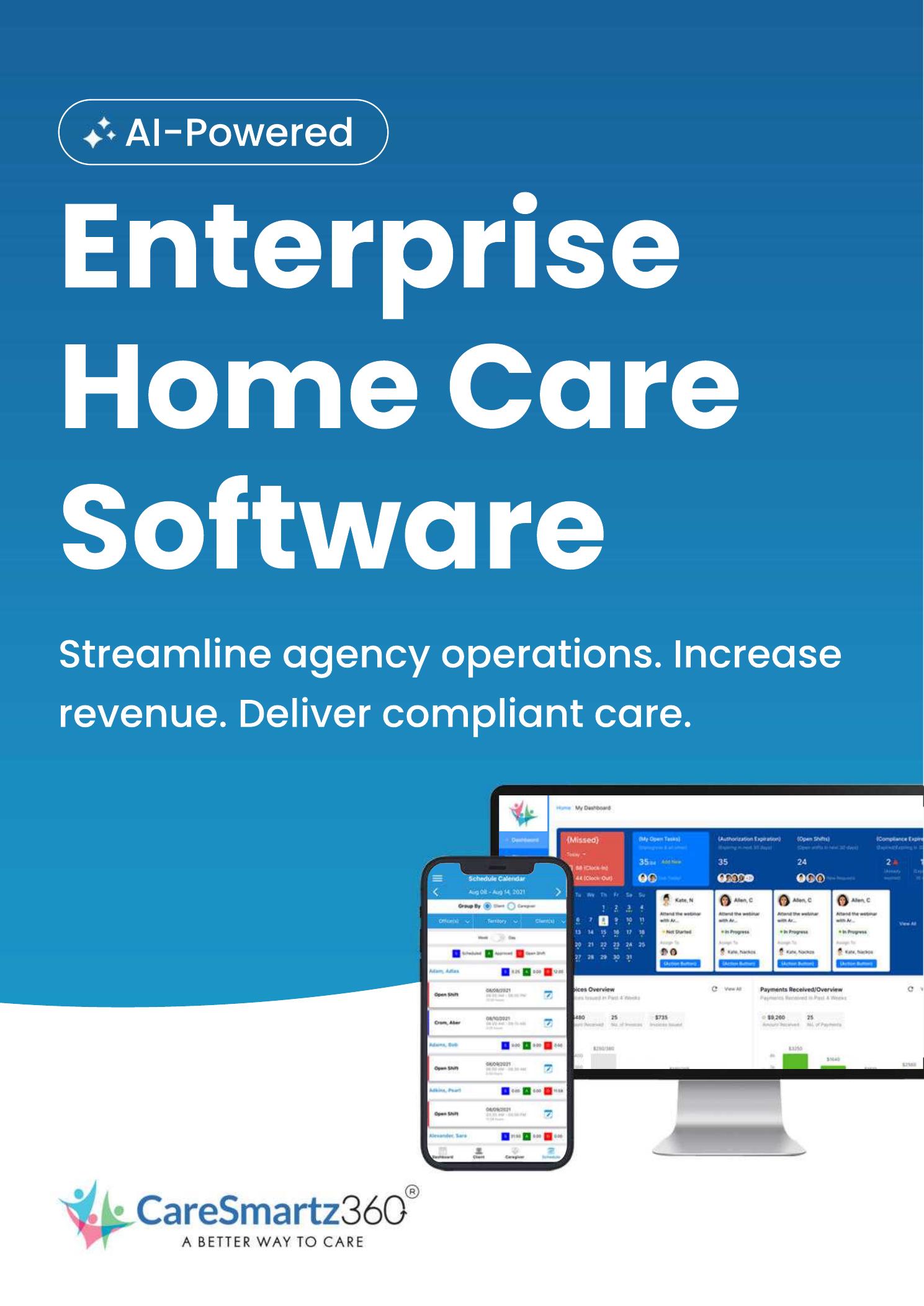
CareSmartz360 starts at intake and follows the work to payment. Office teams create client records and care plans, match caregivers to shifts, monitor clock-ins, collect notes and documents, check authorized hours, run payroll, prepare claims and build reports. Caregivers use a mobile app for schedules, tasks, GPS or telephone verification, and care documentation. Clients and families get their own portal. Franchisors can look at a single branch or roll the numbers up across the network.
This is vertical SaaS in its natural habitat. A general calendar can schedule a person. It does not know that the person needs a dementia-care credential, speaks Korean, risks overtime, lives 22 miles away, has worked with the client before and must submit a state-specific EVV record. CareSmartz360 treats those fussy details as the product. Its caregiver app supports seven languages. Its billing layer handles Medicaid, Veterans Affairs, long-term care insurance and private pay. Its integration list runs from QuickBooks and Paychex to clearinghouses and EVV aggregators such as Sandata and HHAeXchange.
AI arrived after the paperwork had somewhere to live
The fashionable version of this story would begin with artificial intelligence. The useful version begins with structured operations. CareSmartz360 introduced predictive models in 2020, after several years spent building the underlying schedule, visit, caregiver and billing records. Its current “Care First AI” layer performs narrow jobs: Smart Scheduler ranks possible caregivers for open shifts; Care Insights classifies notes and surfaces severe or unusual items; assisted writing cleans up dictated notes; and a Voice Bot calls caregivers to confirm upcoming work and logs their answers.
“The closest caregiver may not always be the best fit if a client values familiarity, specific skills, or language compatibility.”CareSmartz360's own guidance on Smart Scheduler
That caveat is the sharpest thing in the pitch. A coordinator can optimize for caregiver fit or for travel distance, and those settings may recommend different people. The machine does not publish the schedule. Staff review the shortlist, resolve conflicts and make the call. Likewise, a flagged care note still needs an authorized person to decide whether anything clinical or operational has happened. The company is selling compressed search and earlier attention, not an autonomous care agency.
Where it earns trust
Complete caregiver profiles, current availability, standardized skills, clean authorizations and consistent mobile use give the system enough context to make useful recommendations.
Where it falls apart
Stale records, vague care notes, ignored alerts and mismatched local processes simply move old confusion into a newer interface. Automation cannot repair missing facts.
The invoice is private; the business model is visible
CareSmartz360 is subscription software for businesses. The company does not publish a universal dollar price. It quotes agencies according to active client count rather than charging a rigid fee for every user. That matters in home care, where dozens or hundreds of caregivers may touch an app while a much smaller office team buys the system. EVV methods, regular updates and support are included in the standard subscription; specialized integrations can add cost.
The plan ladder follows operational complexity: growing agencies with up to 100 active clients, large agencies with 101 to 249, enterprise operators above 250, and franchisors. Smaller shops buy structure. Large ones buy margin control, payer complexity and reporting. Franchisors buy consistency - the ability to let each office operate without letting every office invent its own definition of “done.” This puts CareSmartz360 against AxisCare, WellSky Personal Care, AlayaCare, Axxess, ShiftCare and other home-care systems. Its differentiation is breadth plus plumbing: multi-location control, many state EVV connections, multi-payer billing, mobile workflows and an expanding integration layer in one subscription.
iProvide Home Care Solutions reported 99% of invoicing automated and 70% scheduling efficiency. Family Forward reported 90% less time on administrative tasks. These are vendor-published customer cases, not controlled studies; implementation, payer mix and baseline processes determine whether another agency gets similar results.
What changed customers' minds
The case studies keep returning to the same breaking point: growth made manual coordination untenable. At iProvide Home Care Solutions, caregivers struggled to clock in and out efficiently before the switch. The agency later reported that automated invoicing saved six times the administrative time previously spent on billing. Family Forward began with 40 caregivers, little administrative capacity and real fear that an expensive, difficult rollout would interrupt operations. Its staff got onto the platform in days, according to the company account. Heaven Sent Home Care wanted one system across three locations and reported 25% growth after consolidating notes, documents, billing, payroll and care plans.
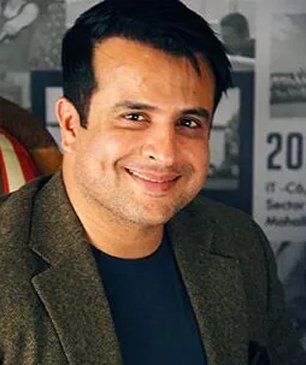
Then there is Dusk To Dawn Care owner Faynetta Burrle, who says she researched options for nine months. What won was not a science-fiction demo. It was an all-inclusive cloud product, a usable interface, and GPS clock-in and clock-out that made caregiver location visible. Elsewhere, buyers cite startup cost and responsive support. In other words, the decision tends to turn on mundane confidence: Will caregivers use it? Will the office get help? Will the visit become a clean bill without someone rebuilding it by hand?
The copyable playbook is less exciting than the demo
An agency can borrow the logic without buying the software. First, map the handoffs from inquiry to cash. Find where the same client name, authorized hour or visit time gets typed twice. Second, standardize the definitions: what counts as an available caregiver, a completed note, an approved shift and a billable visit. Third, pick one expensive failure - open-shift search, late documentation or rejected claims - and measure it before automating it. Finally, keep a human owner for every recommendation. A dashboard full of red flags is not a process.
There are conditions under which this approach will not work. A tiny private-pay provider that needs only a calendar may find the suite excessive. An agency with unusual payer rules should confirm every connection before signing. Organizations unable to keep caregiver credentials, languages, availability and preferences current will get weak matches from a scheduler, however clever its model. Teams that cannot train field workers on the mobile app will preserve the very paper gaps they meant to remove. And any provider handling protected health information must do its own security, access-control, data-residency and vendor-risk review; a compliance badge is the beginning of diligence, not the end.
Care software wins in the boring middle
CareSmartz360 says it serves more than 1,000 agencies and has processed more than $1 billion in billing. Its timeline shows the shape of a patient vertical-software company: $5 million invested in R&D in 2017; an agency platform in 2018; EVV coverage in more than 30 states by 2019; an open API in 2022; facility staffing in 2024; enterprise expansion in 2025; and, in 2026, AI features for notes, scheduling, insight and phone calls. The sequence is the point. The models came after the pipes.
Home care will always resist perfect optimization because the work is personal. The shortest drive is not always the right relationship. The cleanest schedule can still meet a sick caregiver, a worried family or a client who trusts one familiar face. CareSmartz360 fits the market by accepting that the human decision stays human while making the surrounding information less slippery. It is software for the moment before care begins and the long administrative echo after the front door closes.