A nursing-home reimbursement consultant lives in a peculiar world. A nurse documents a resident’s condition. An assessment coordinator translates the chart into the Minimum Data Set. That assessment influences a payment category, a quality measure and sometimes a Five-Star rating. A claim leaves the building. Months later, an auditor may ask whether one small phrase in the record supports thousands of dollars. The people responsible for each step can work in different departments, on different systems, speaking different dialects.
Zimmet Healthcare Services Group built its business in the gaps between them. The Manalapan, New Jersey, firm advises skilled-nursing facilities on reimbursement, compliance, clinical operations, quality, market positioning and transactions. It also sells software, runs analytics, supplies remote reimbursement specialists and teaches the rulebook through white papers, workshops and an annual conference. Zimmet says it has served more than 5,000 providers and stakeholders across 49 states. Its current corporate materials put the team at roughly 300 people.
That scale can make the company sound broad. It is not. Zimmet has spent 33 years going deeper into one awkward corner of American healthcare: the skilled nursing facility, or SNF. Its insight is that a facility’s clinical work, finances, quality scores and local market are not separate problems. They are one system that happens to be managed in pieces.
The business began with paperwork that paid
Marc Zimmet started preparing Medicare cost reports and appeals in 1993, as skilled nursing was moving toward prospective payment. It was a useful place to learn the industry because cost reporting forces a practitioner to see both the care operation and the formulas that finance it. The firm expanded into Medicare and Medicaid auditing, therapy, clinical reimbursement, compliance and strategic work as the rules multiplied.
The founder did not pitch a grand reinvention of healthcare. Zimmet’s growth followed the work. Chris Kennedy joined in 1998 and helped develop the reimbursement-audit practice. Physical therapist Michael Sciacca arrived in 2007, led the therapy unit to 400 percent growth and became consulting COO in 2016. The present leadership bench includes nurses, therapists, accountants, lawyers, operators, data specialists and transaction advisers. That mix is the product as much as any dashboard is.
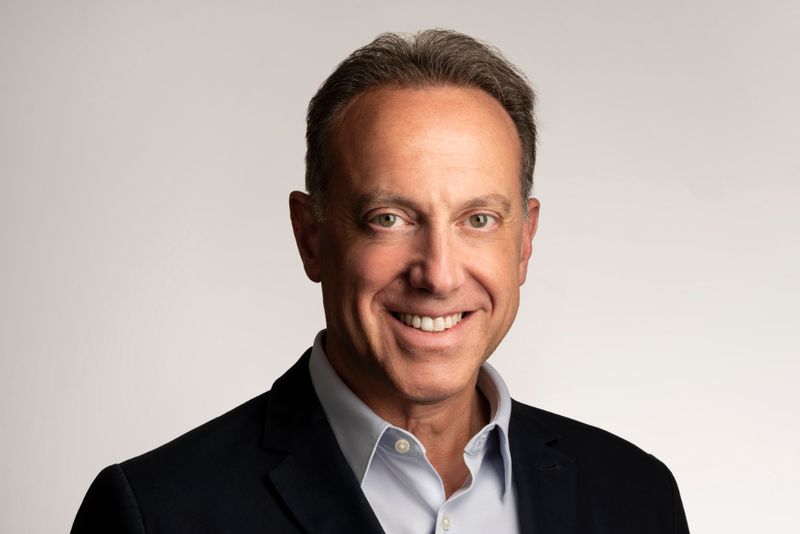
“Position determines potential. Potential drives performance.”Zimmet’s compact theory of SNF economics
Zimmet calls that theory “SNFonomics.” The name is playful; the claim underneath it is sober. Two nursing homes with similar clinical capabilities can have different prospects because local hospital referral patterns, payer mix, state Medicaid methods, labor markets and competitors differ. A national benchmark without local context may be neat and useless. This is where Zimmet differs from a generic accounting firm or a software vendor selling the same dashboard to every facility: it tries to connect the market to the chart and the chart to the claim.
Care is delivered and documented
MDS, claims and quality data are coded
Payment and compliance risk are tested
Operations and market strategy adjust
CORE worked. The workflow did not.
In 2018, Zimmet turned years of consulting logic into CORE Analytics, short for Claim Outcomes & Reimbursement Essentials. The software used current SNF claims to compare reimbursement, utilization, outcomes and peer groups. It was designed for financial and reimbursement teams and avoided a direct connection to the facility’s electronic medical record. The launch materials promised no integration or implementation cost, no long contract commitment and onboarding in about 15 minutes.
That sounds like the tidy end of a vertical-software story. It was the beginning of the more interesting chapter. Zimmet later wrote that enthusiasm for CORE’s capabilities was tempered by the burden of onboarding a new system and fitting it into the user’s workflow. The software could be useful and still become one more tab, one more password, one more set of data moving through a tired organization.
What failed first
Not the analytic idea. Adoption friction arrived first: onboarding, integration and the work required to place another application inside a fragmented facility.
What changed
Zimmet began treating shared access, standardized data and human help as product infrastructure, not chores left to each application.
Netsmart acquired CORE in August 2022, pairing its claims intelligence with Minimum Data Set and staffing data in the Netsmart Simple suite. The companies also agreed to collaborate on consulting and referrals. For Zimmet, the sale validated the product while the onboarding lesson redirected the roadmap.
The second act is plumbing with opinions
The response was zPAX, the Post-Acute eXchange. It is pitched as a common layer for skilled-nursing software: a standardized interface, marketplace, developer environment, onboarding and single sign-on, with subject-matter experts available when the software’s conclusion needs interpretation. Zimmet’s neat line is, “When software doesn’t make sense, you call a consultant.” The company brands this mix “ConsulTech.” In plain English, automate the repeatable analysis but keep the specialist close to the decision.
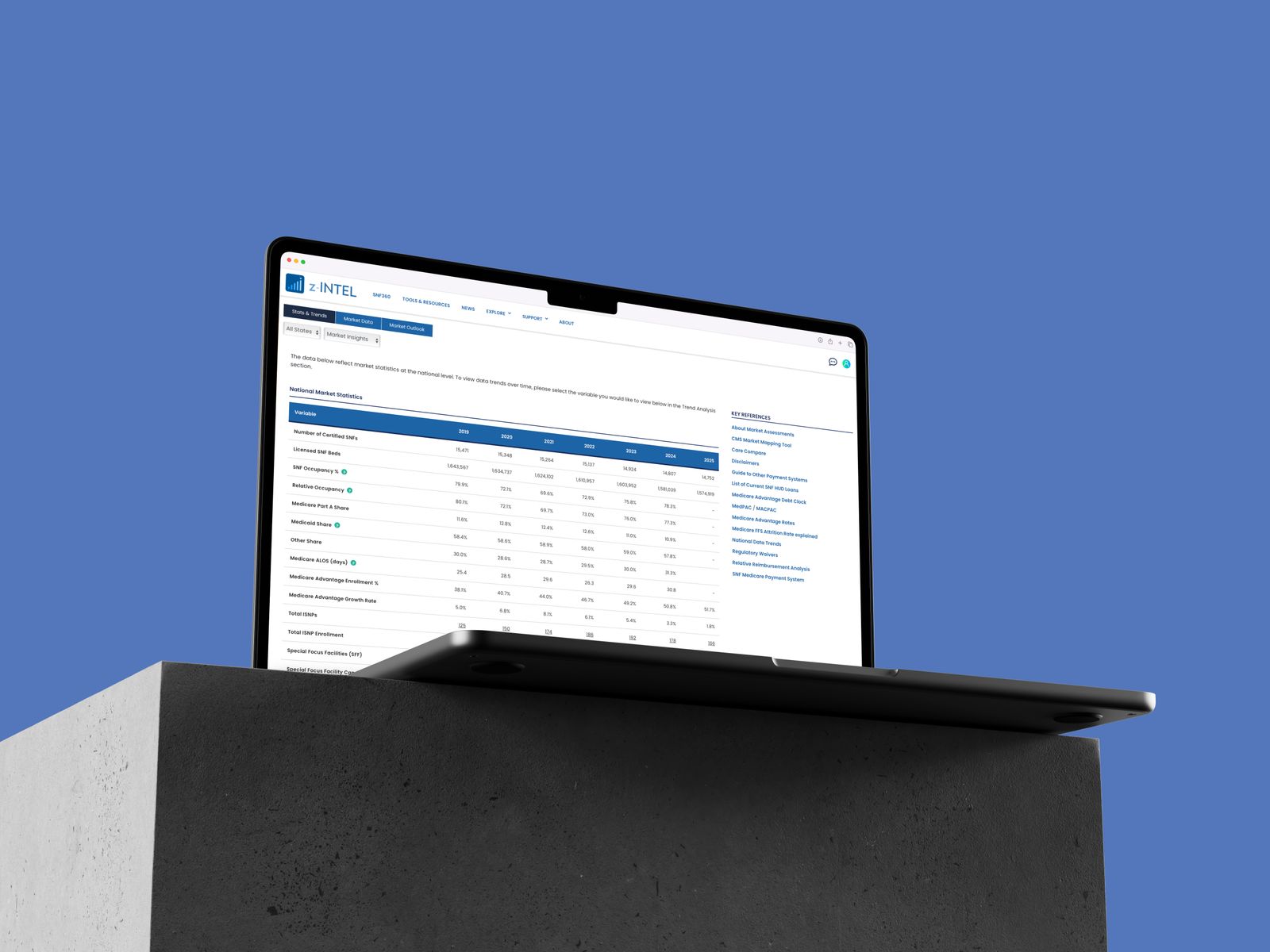
Applications now sit around that layer. CMI-Connect handles Medicaid case mix across the 36 states that use PDPM-adjusted reimbursement. PDPM-Connect scans electronic medical records for Medicare payment drivers, alerts coordinators before an initial assessment, watches for clinical changes that may support an Interim Payment Assessment and flags mismatches between coding and documentation. The wider CONNECT family covers rehab, quality, custom workflows and configurable data displays. z-INTEL supplies market and transaction intelligence.
The product claims are specific enough to be tested. At launch, Zimmet said PDPM-Connect could cut MDS completion time by up to half. It also said Interim Payment Assessments raise reimbursement by an average of $94 per day when warranted, yet are rarely initiated. Those are company-reported figures, not universal outcomes. Their more important qualifier is inside the product itself: the software presents a reimbursement opportunity and its supporting record to the coordinator for verification. It does not make documentation appear after the care occurred.
A $140-a-day spread hiding in the case mix
Zimmet executives reported in 2022 that top-decile SNFs averaged roughly $70 above the overall reimbursement rate while bottom-decile facilities averaged $70 below it. Nursing and non-therapy ancillary components drove much of the variation.
People as infrastructure, not an apology
Software is only one revenue line. Reimbursement Reimagined, or R2, supplies remote MDS completion, case management, reimbursement monitoring, education and temporary or long-term staffing. Its clinicians include nurses and therapists who have worked as facility coordinators, regional leaders and operators. The unit is useful when a building cannot recruit enough assessment expertise or when a multi-site group wants consistent oversight without recreating a specialist team in every location.
This makes Zimmet hard to place in a familiar box. It competes with in-house teams, independent consultants, accounting and advisory firms, EHR and analytics vendors, and outsourced clinical services. Its business model spans project work, recurring consulting, software subscriptions, outsourced operations, transaction advice and paid education. Pricing for most commercial work is customized. The visible edge is less a proprietary algorithm than a feedback loop: consultants encounter an obscure rule, software turns the repeated parts into a workflow, and clinicians test whether that workflow survives contact with a real chart.
The company also makes independence part of the pitch. It says it refuses referral fees and commissions, a pointed policy in a sector thick with pharmacies, therapy providers, lenders and other ancillary relationships. That promise matters most in transaction advice and vendor selection, where the answer can shift money toward someone besides the client.
Learn the rules manually
Cost reports and appeals reveal how policy becomes payment.
Productize the pattern
CORE turns current claims into comparative intelligence.
Sell the product, keep the lesson
Netsmart buys CORE; onboarding friction informs the next platform.
Build the common layer
zPAX, CONNECT, z-INTEL and R2 blend shared software infrastructure with specialist execution.
What another operator can copy
First, start with the expensive recurring decision, not the fashionable technology. Zimmet knew reimbursement audits before it knew SaaS. Second, use service work as product research. Repeated expert judgment is a clue that part of the process can become a checklist, alert or calculation. Third, count adoption work as product work. If the user needs a separate integration project, login and training ritual, the clever analysis may never become routine.
The model has limits. It works best where rules are complex, decisions recur, documents are structured enough to analyze and the cost of a mistake supports specialist fees. It is a poor fit for a small buyer with simple billing, a market outside post-acute care, or an organization unwilling to improve documentation and workflow. Software can surface a missed opportunity; it cannot ethically turn unsupported care into a payable claim. Outsourcing can stabilize an MDS function; it cannot fix a facility whose leaders will not act on the findings.
Zimmet’s annual conference makes the company’s personality visible. Recent themes have included Roaring Reimbursement, Bon Voyage Reimbursement, Reimbursement RoZetta Stone and, in 2026, The Reimbursement Symphony. The puns are relentless. They also reveal a distribution strategy: teach the market, give the rule changes a memorable frame, and remain in the room when operators decide what to do next.
There is no clean ending because the regulation does not stop. New assessment definitions, audit priorities and payment methods arrive every year. Zimmet’s durable bet is that skilled nursing will keep producing fragmented facts and consequential decisions. The company does not need the maze to disappear. It needs to keep drawing a map that operators can actually use.
Continue exploring