Momchil Kyurkchiev and the education of a Google engineer
He left Google knowing how to test software. Building Leanplum taught Momchil Kyurkchiev to question almost everything else - from who his customers were to what a company owes its people.
Maneet Khaira and the Trouble Before Play
A Google intern’s gaming presentation helped set Backbone in motion. Years of controllers, case adapters and tiny adjustments reveal what Maneet Khaira thinks stands between people and a good game.

Gaurav Suri and the distance between an idea and a deal
Before co-founding Health IQ, Gaurav Suri was finding things to put on the early broadband internet. His career runs through Comcast, Like.com and Google - and through the less tidy business of getting an idea to pay its way.
Amar Arsikere and the Work Before the Breakthrough
At Google and Zynga, Amar Arsikere helped build systems for enormous amounts of data. With Infoworks, he took on a more stubborn problem: how to make that work repeatable for everyone else.
Jonathan Matus and the price of paying attention
He helped put the internet in everyone’s pocket. With Zendrive and Fairmatic, Jonathan Matus turned to a consequence of that success: what happens when the phone comes along for the drive.
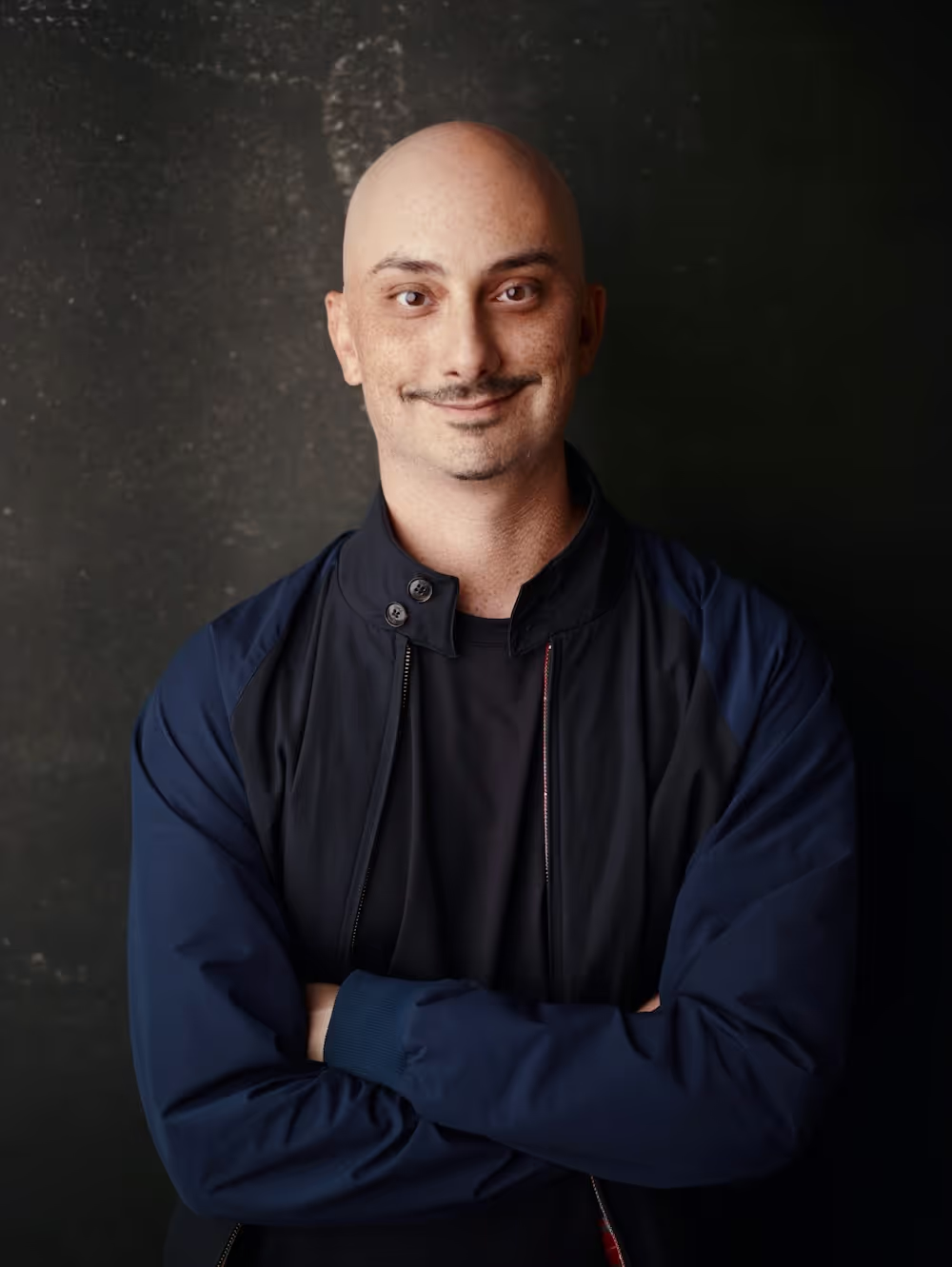
Zach Epstein Would Like to See the Control Group
At Google, Zach Epstein helped advertisers test what their money actually changed. With Haus, he is trying to make that habit available far beyond the companies that could afford their own team of economists.
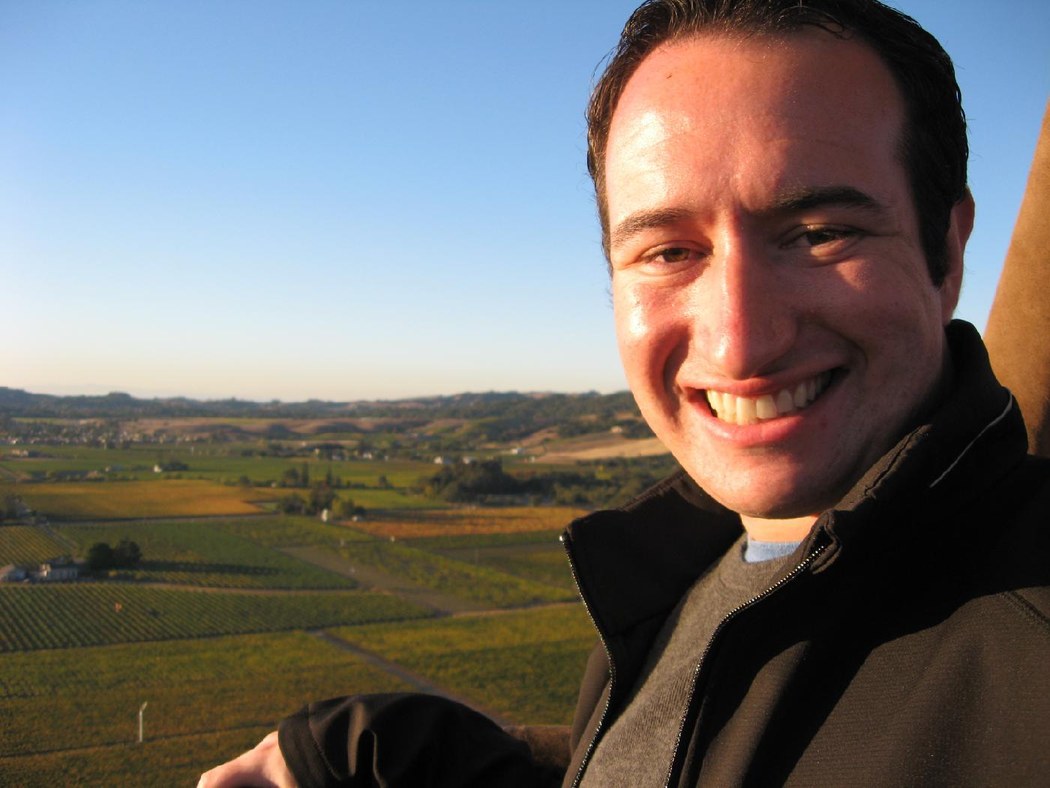
Daniel P. Maloney Followed the Traffic
A wedding-planning site led Danny Maloney to Pinterest, and Pinterest led him to Tailwind. His career turns on a practical habit: noticing what people need, even when it changes the plan.
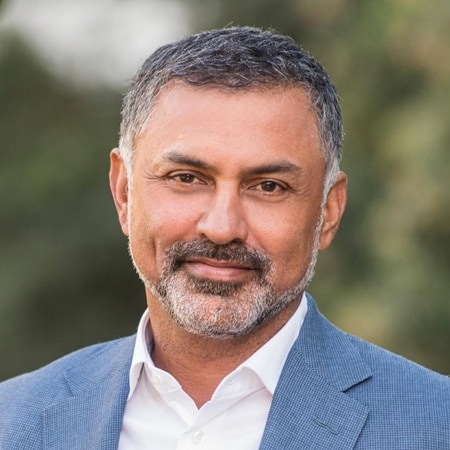
Why Nikesh Arora keeps starting over
From a museum interview with Sergey Brin to a cybersecurity company betting on consolidation, Nikesh Arora has kept choosing unfamiliar work. His career offers a study in what experience teaches you - and what it leaves to learn.
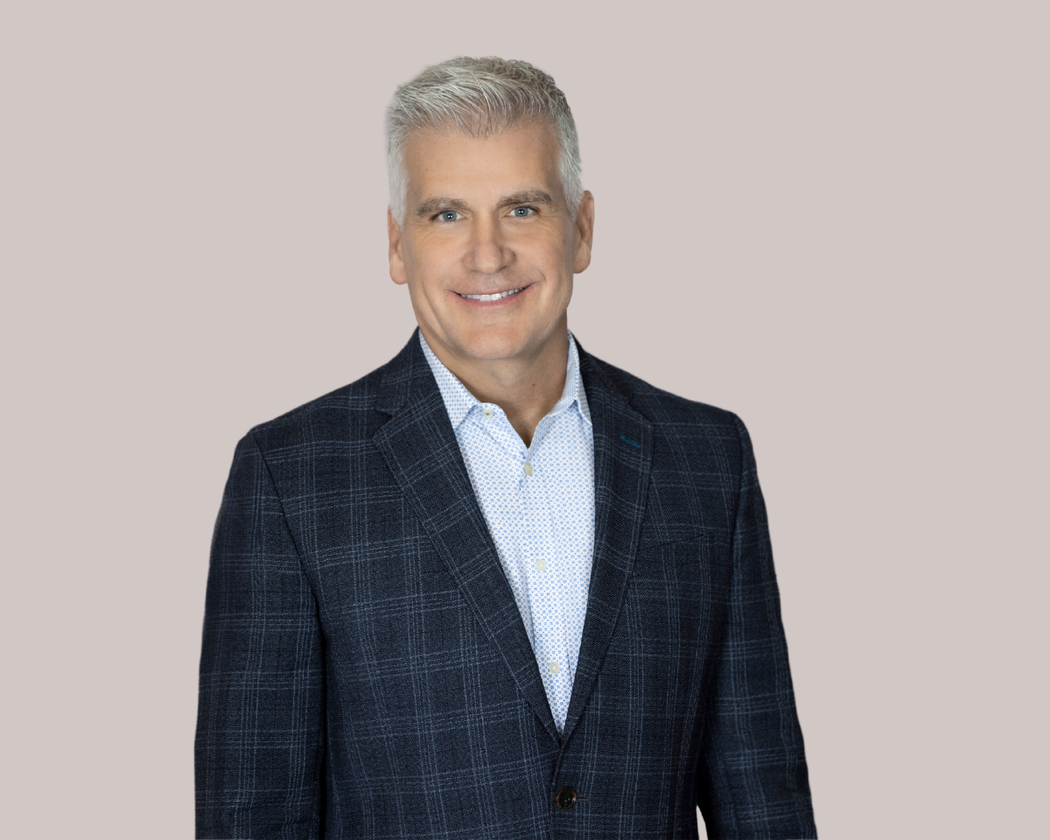
Kirk Perry and the art of changing your mind
He spent 23 years learning brands at P&G, then crossed to Google and Circana. At Kenvue, Kirk Perry brings a career of changing perspectives to a company facing a change of its own.

Lauren Berson’s theory of the open door
Before founding Conceive, Lauren Berson built partnerships at Google, worked with founders at a16z, and hosted weekly family dinners in San Francisco. Her career keeps returning to a practical question: how do you help people find their way in?
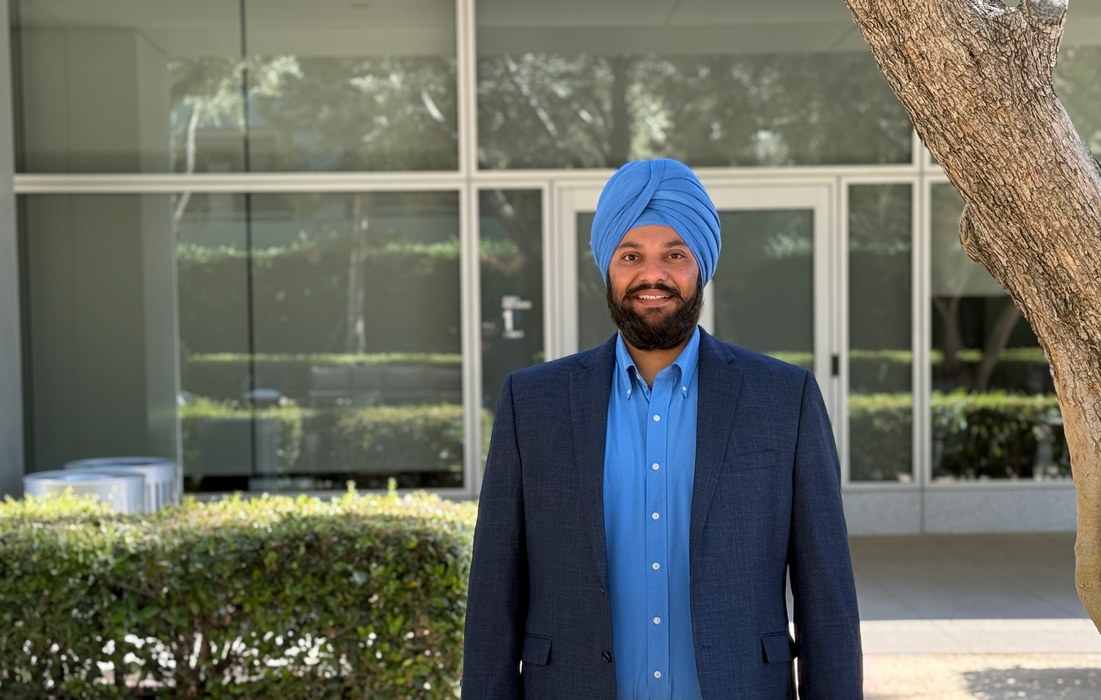
Tript Singh Lamba’s theory of the dropped ball
After Microsoft, Google and Expedia, Tript Singh Lamba built ProductNow with an intern and a question: why does so much work disappear between a decision and its delivery?
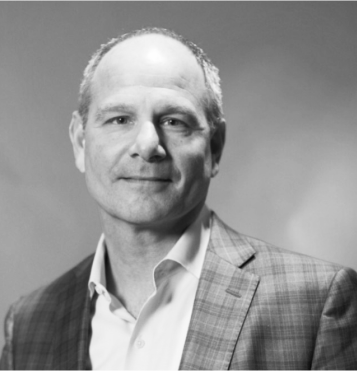
Alan Masarek and the art of leaving the phones on
He helped put office documents on mobile phones, took Vonage into business communications, and came out of retirement for Avaya. His hardest assignment was changing a company whose customers needed it to keep working.
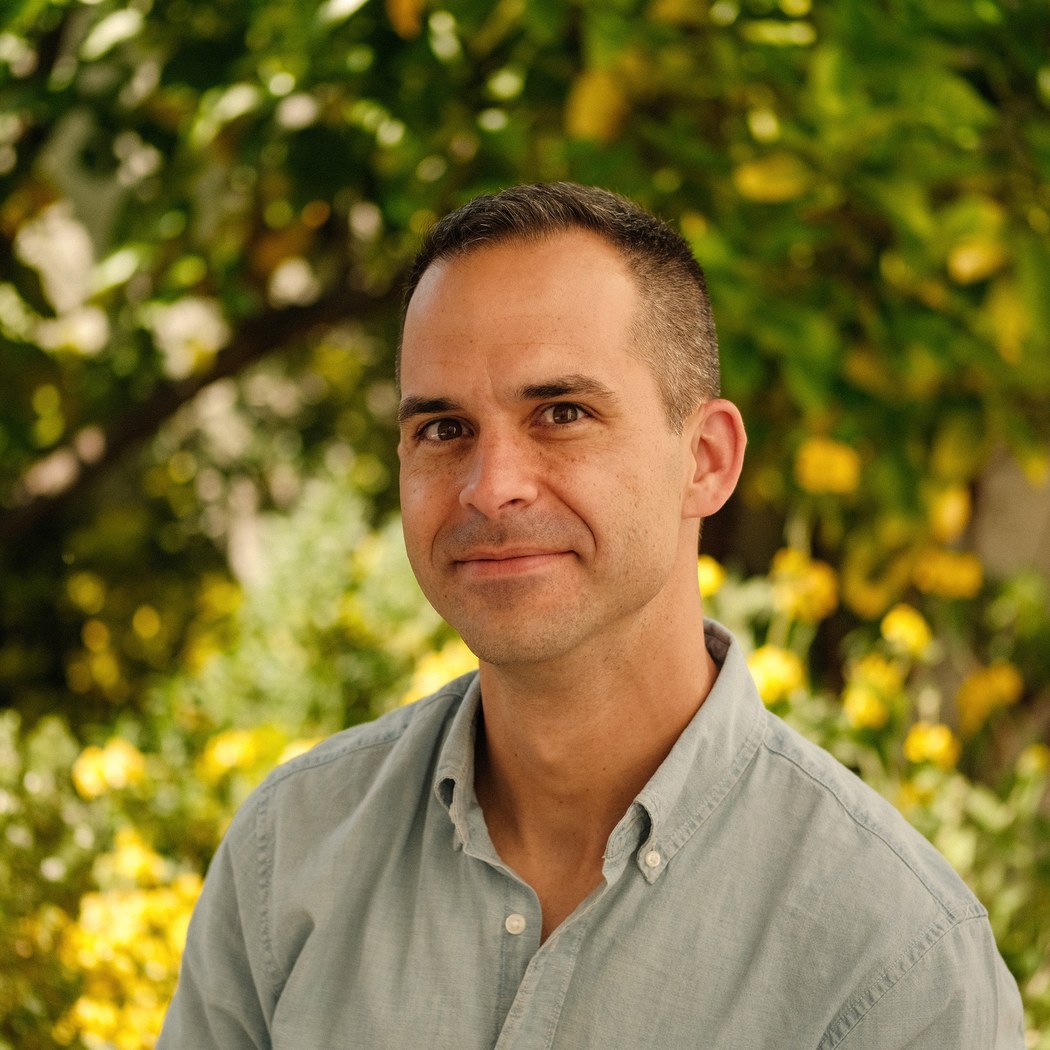
Paul Lambert and the problem worth ten years
After Learndot, Twitter, and Google, Paul Lambert gave himself a rule: only start another company if the problem deserved a decade. At Quilt, that promise has taken him from software to the rooms we live in.

Matt Wytock and the Value of Sitting Out
He helped automate search advertising at Google, then turned to the electricity grid. At Gridmatic, Matt Wytock is building a power business around forecasts, batteries and the judgment to know when a model has met its limits.
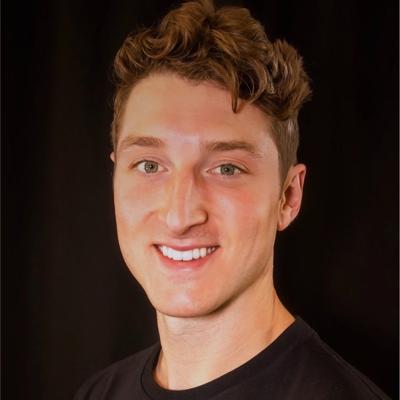
Kyler Blue and the distance between friends
He designed GIF Keyboard to help people share a reaction. At Wavedash, Kyler Blue is working on another invitation: a link that brings a friend straight into a game.
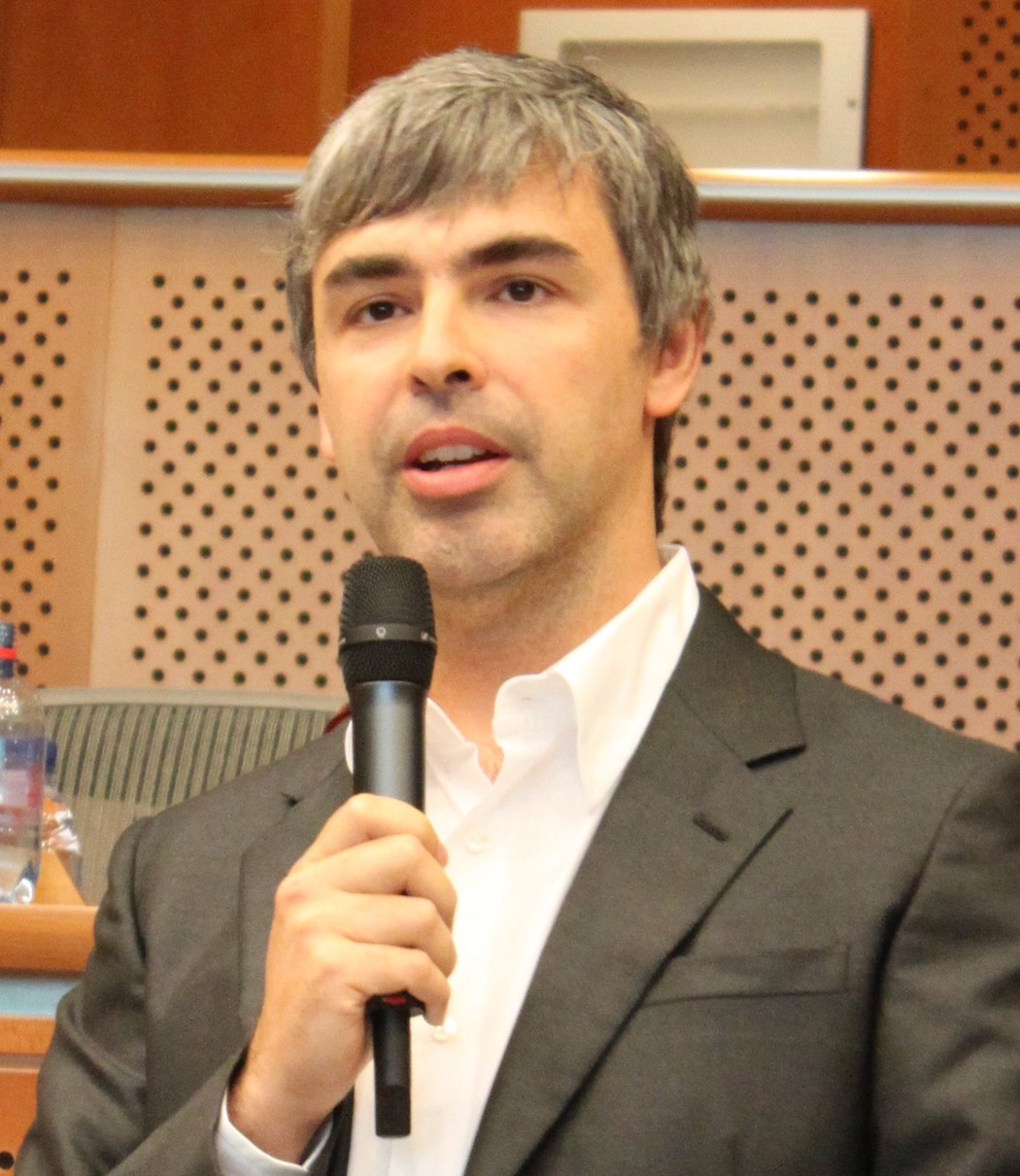
Larry Page and the trouble with a perfectly good idea
A late-night thought about the web became Google. Larry Page has spent the years since asking what else could be rebuilt, from the company itself to the way we move through the world.
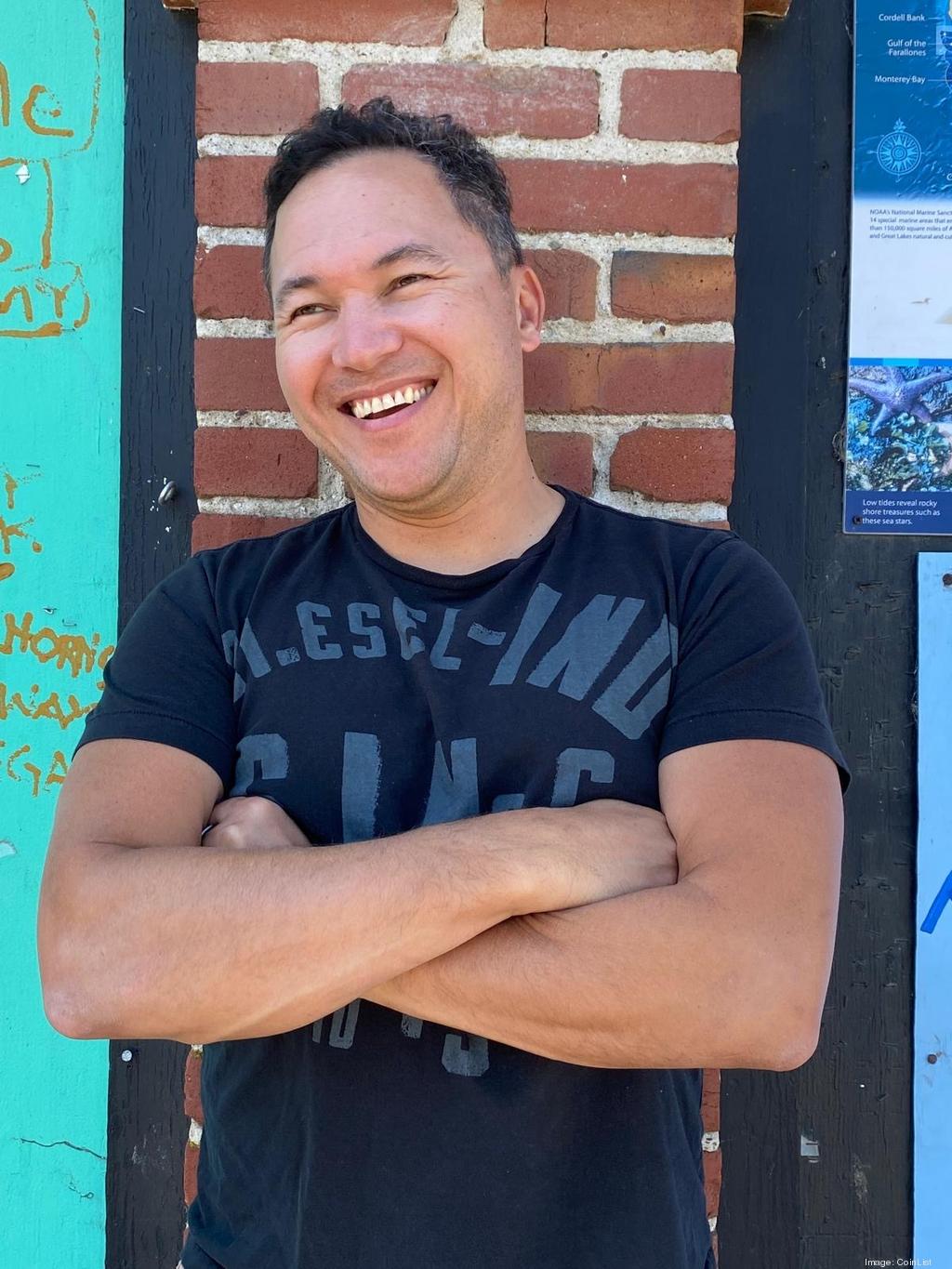
Graham Jenkin and the art of getting there early
Before he helped crypto projects find their first communities, Graham Jenkin was protecting his mornings at Google. The CoinList co-founder’s career follows a practical question: how do you make room for something new?
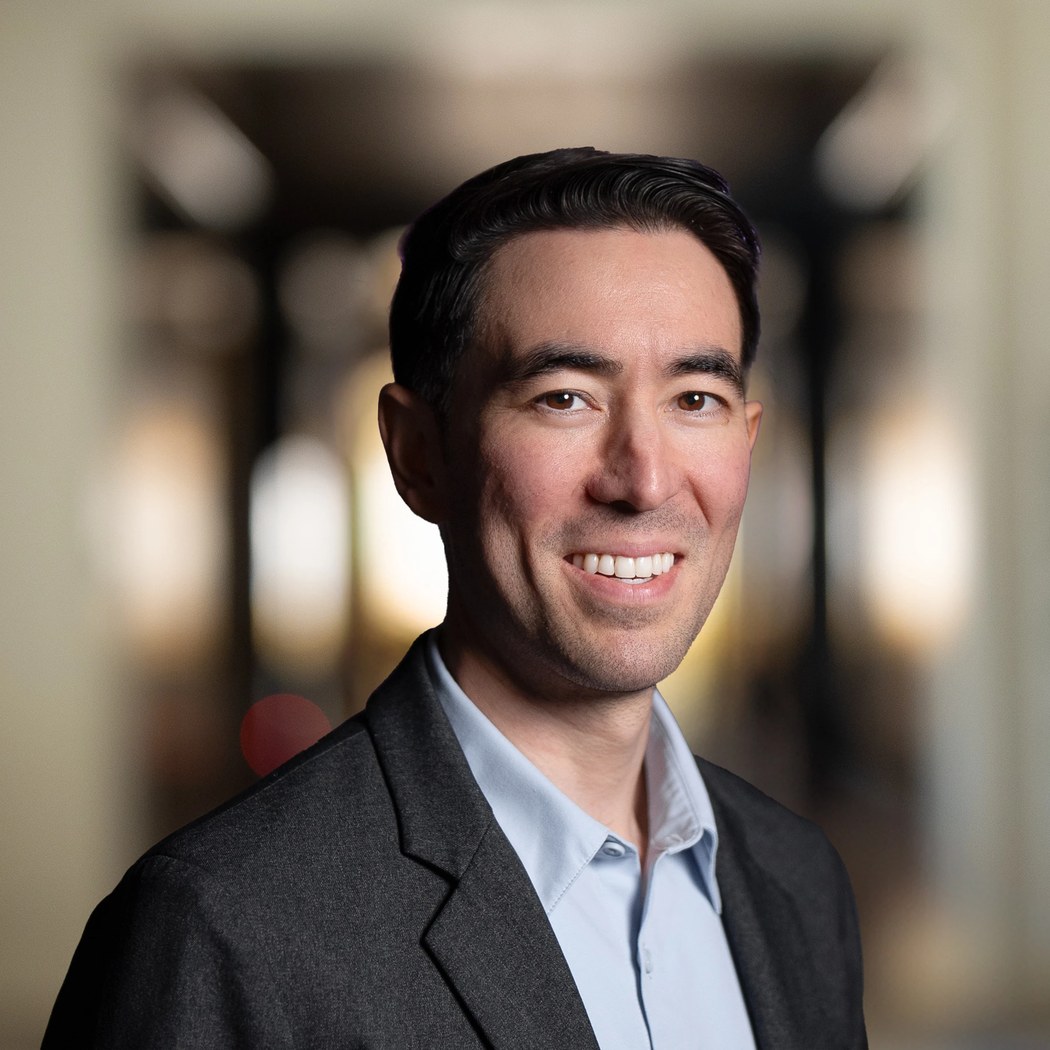
Andrew Boni and the long way back to the code
He left Boston for Google, co-founded Iterable in a small San Francisco office, and spent four years as CEO. Now Andrew Boni is building AI agents and finding browser bugs, with a guestbook on the side.
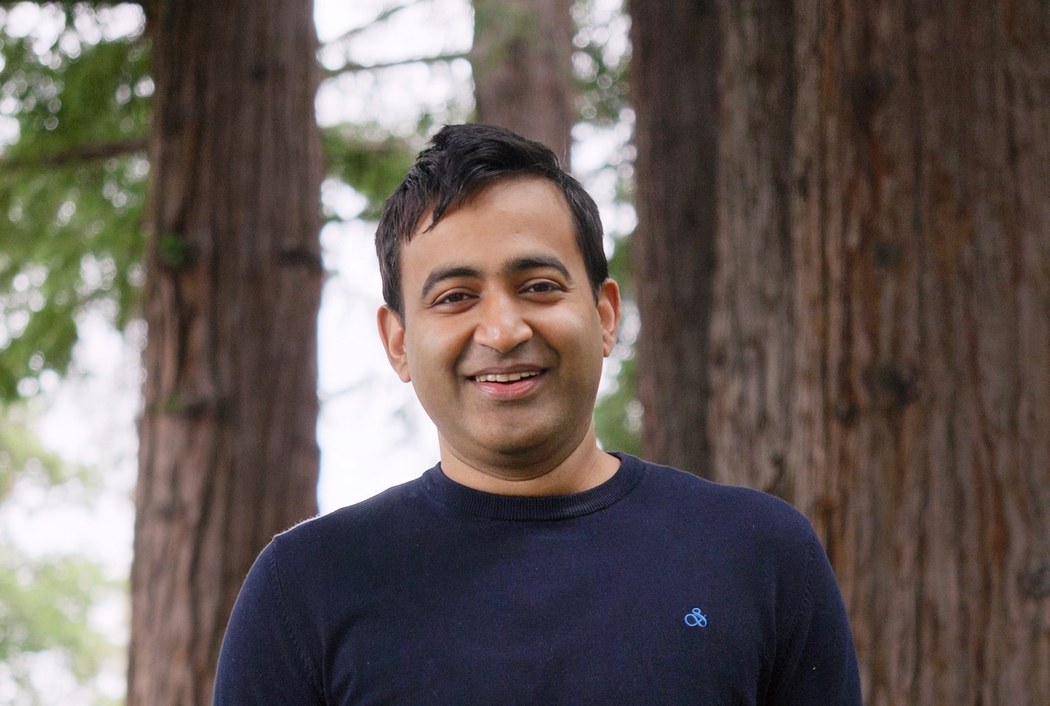
Soham Mazumdar and the value of an unfinished answer
A mathematics medal, Google search, a shopkeeper’s problem, and nine years at Rubrik. WisdomAI’s co-founder has spent his career learning what happens when an elegant idea meets the person who has to use it.
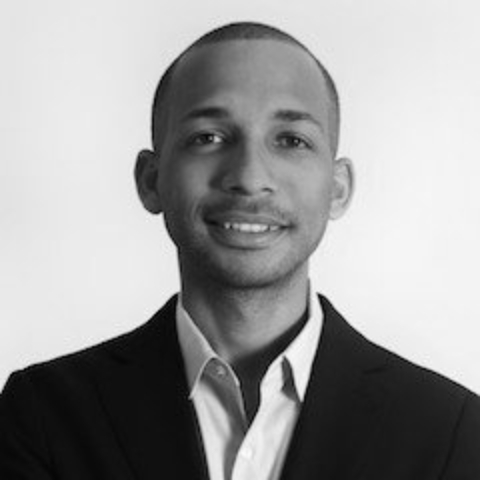
Aneto Okonkwo and the business of being heard
After seven and a half years at Google, Aneto Okonkwo made a different bet on AI: use it to help people earn a living. Building Remarkable AI taught him that even a good listener has to learn how to get attention.
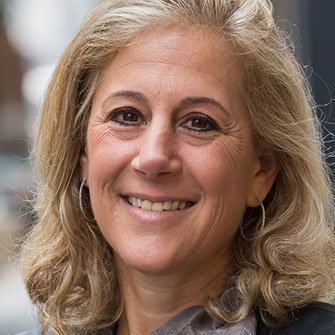
Stephanie Tilenius and the business of starting again
Before she founded Vida Health, Stephanie Tilenius helped build the machinery of online commerce. Her story begins in a grandmother’s shop and keeps returning to a practical question: what should we build next?
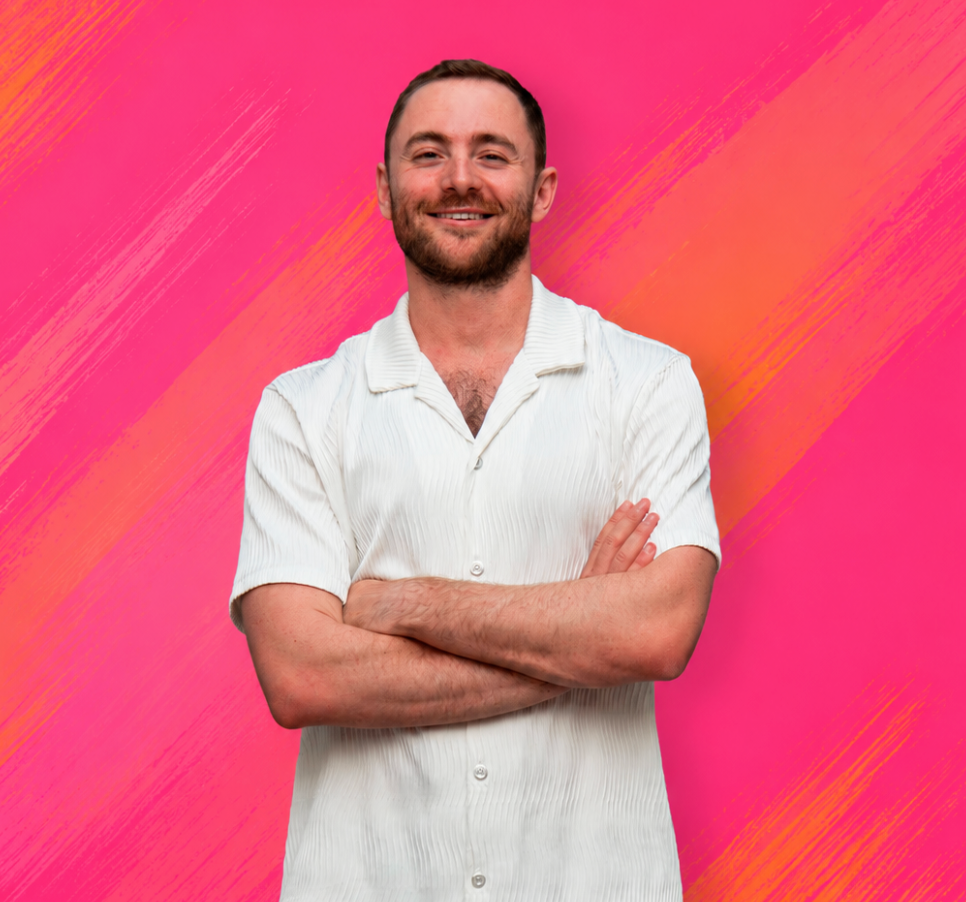
Max Greenwald and the art of changing your mind
A co-founder matching app went nowhere. A Zoom detour took years. Max Greenwald kept revising Warmly until it found paying customers - and, in 2026, a new home at HubSpot.

Jason Downie and the art of starting over
Before Google and PublicRelay, Jason Downie toured with an a cappella group and owned a bar. His route into communications intelligence keeps returning to the same practical question: how do you get people to work well together?
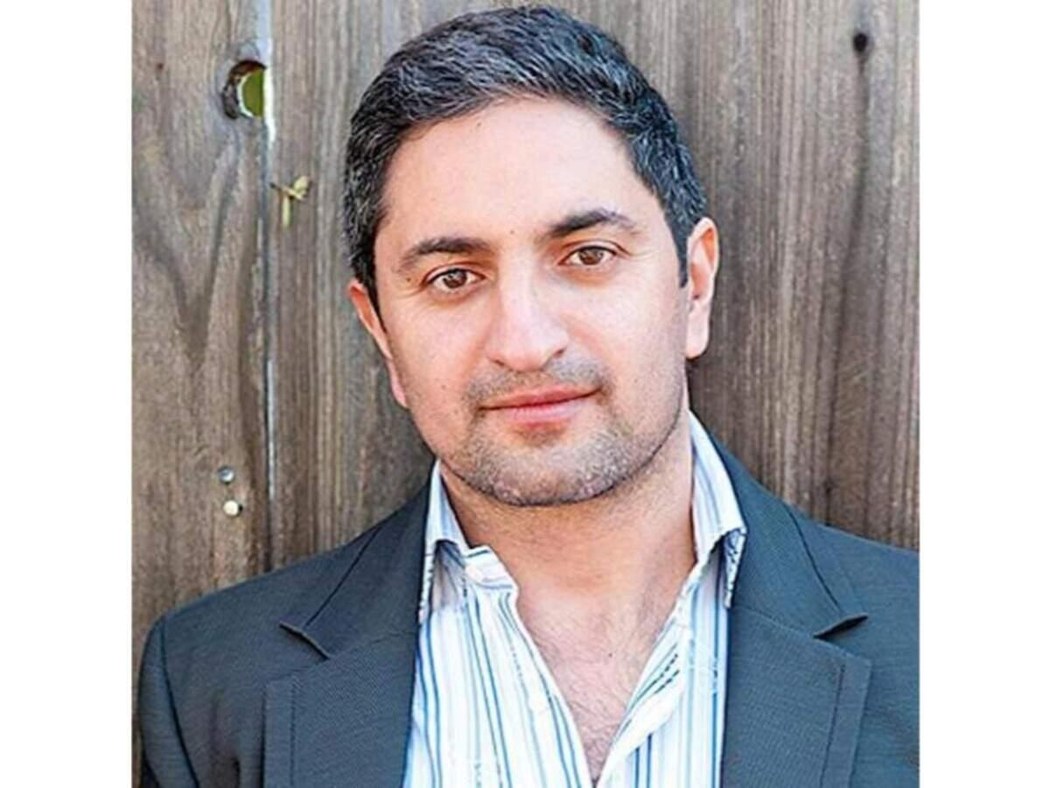
Georges Harik Keeps Building Ways for People to Connect
From Google’s early product experiments to a messaging company with his brother and a new AI lab, Harik has returned to one question: what happens when technology helps people reach one another?
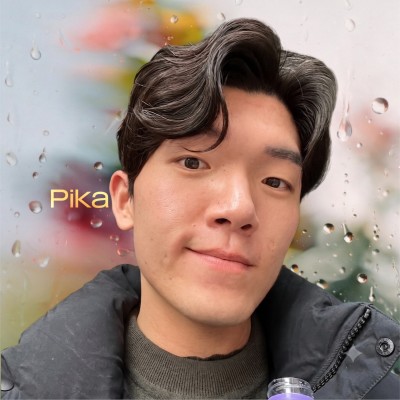
Louis Lee Has Spent a Decade Finding the People Behind the Machines
Before Pika, Louis Lee recruited across Meta, Google and TikTok. His career makes a quiet case that the people who build the future are often found by someone who remembers what opportunity can change.
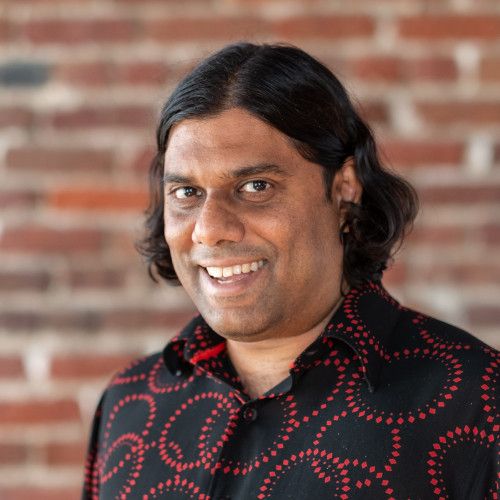
Arvind Sundararajan and the Long Road to Invisible Complexity
Before AI agents became a product category, Sundararajan had already spent two decades hiding hard systems behind simple interfaces - from Gmail and AdSense to autonomous vehicles and Abacus.AI.
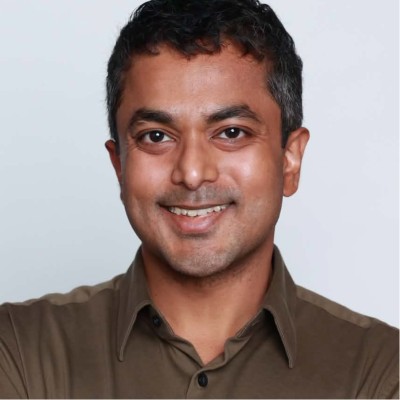
Fizz Ahmed Has Spent His Career Making the Locked Door Look Optional
Before he sold enterprises on AI-built software, Ahmed sold T-shirts to buy books for children in Dhaka. The through-line from Brandeis to Google to Lovable is a stubborn interest in who gets access - and who has been left outside.
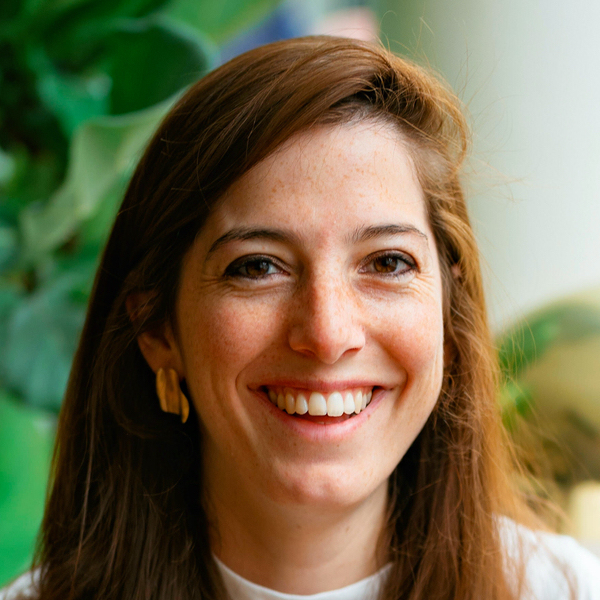
Eléonore Crespo Is Planning for the Plan After the Plan
The Pigment co-founder learned to read uncertainty as a physicist, an operator and an investor. Now she is trying to turn the spreadsheet - corporate life’s most stubborn compromise - into a living map of what comes next.
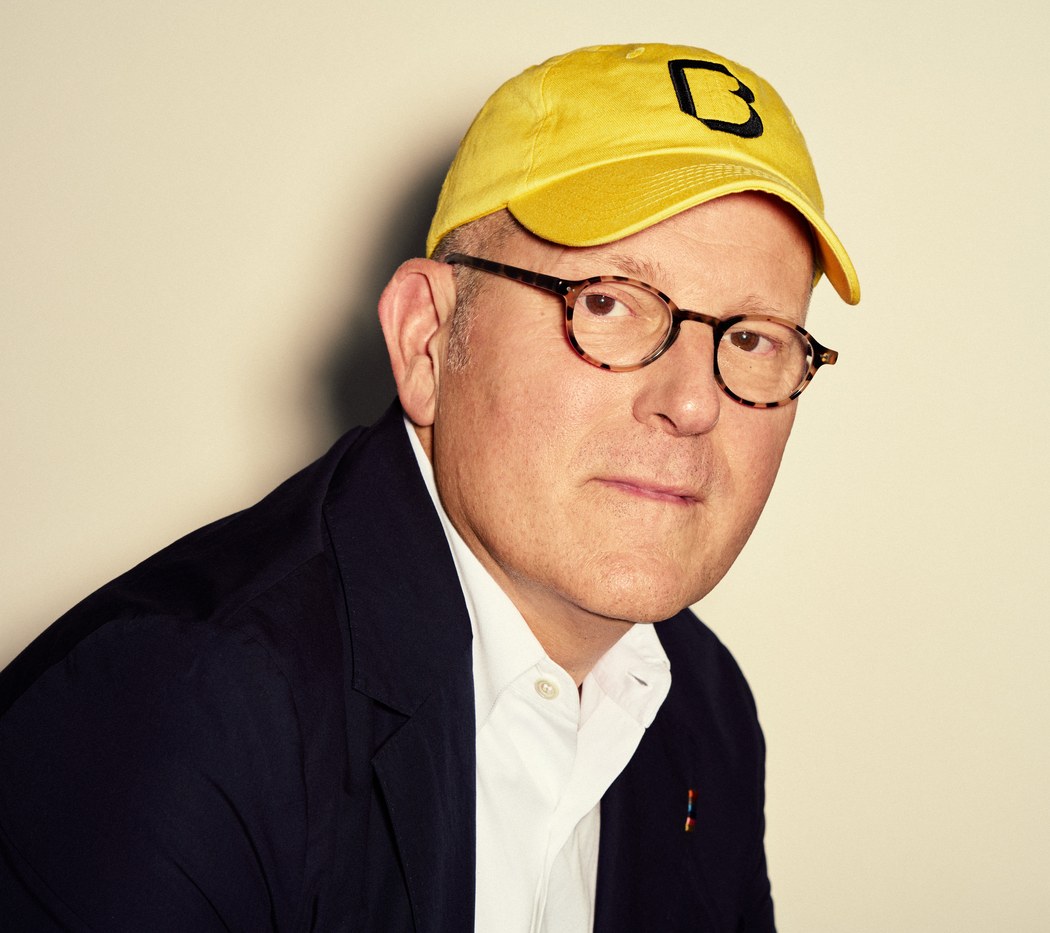
Corey duBrowa Listens for the Signal Beneath the Noise
The Burson CEO spent three decades shaping messages for Nike, Starbucks, Salesforce and Google. His other education came from record shops, a thousand music bylines and the stubborn art of listening closely.

Gary Sun Has Spent a Career Making Complicated Technology Feel Usable
After Google and Coinbase, the electrical engineer turned marketer has taken on a quieter challenge at ID.me: earning trust one login at a time.