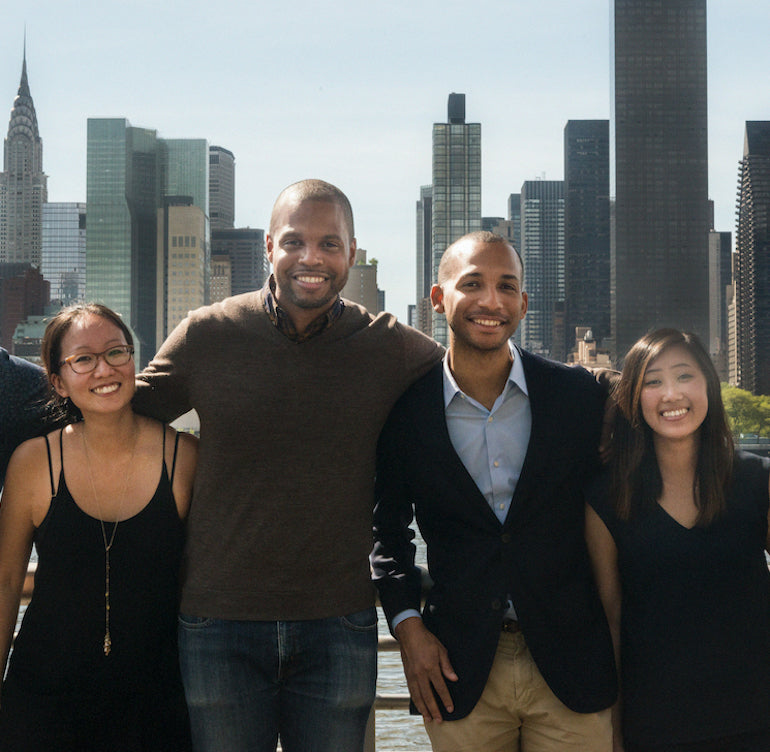
Aneto Okonkwo spent years helping people get answers from Google. Then he left to build a company around the people expected to provide answers themselves. Customer service offered an unusually practical place to pursue an unusually large ambition: give more people access to paid work. The customer waiting for a reply and the worker looking for income belonged in the same business plan.
The company began as Chatdesk in 2016. Today, as Remarkable AI, it combines artificial intelligence and human expertise for consumer brands. Its founder had worked on Voice Search and the Google Assistant, products associated with machines understanding people. His own venture made room for another form of understanding: the familiarity of someone who already knows and likes a brand.
There was a catch. Knowing how to build a product did not mean knowing how to sell it. Google came with an audience. A new company came with a website, an idea and the considerable possibility that nobody would notice either. Okonkwo would spend the next chapter learning how to make himself heard.
A desktop computer, then a much wider map
He grew up in Nigeria, on a university campus, with two professors for parents and four older sisters. At fourteen he started programming, making games and websites, including a social network for African youth. His interest in entrepreneurship arrived early enough to become the subject of his college essay.
A summer programme at Phillips Andover introduced him to computing and robotics. After he returned to Nigeria, his American mother bought him a desktop computer. It was a useful gift for a teenager whose curiosity already came with a keyboard attached.
Stanford became a destination after a sister’s summer fellowship and a CNN documentary about Silicon Valley. Clarkson University was an earlier stop. At Stanford, he studied abroad in France and China, served as student body vice-president and kept applying to the Mayfield Fellows Program until he got in. The university lists him in its 2006 cohort.
His qualifications spanned management science and engineering, and education focused on learning, design and technology. He earned his bachelor’s in 2006 and master’s in 2007. That pairing feels apt for a career spent translating technical systems into things people can actually use. Building the mechanism is one job. Making it understandable is another.
When the answer leaves the search box
His career included Google, consulting at McKinsey in Chicago and a year working on a music app that recommended songs through a Facebook network. He has described that app as a failure. By 2010 he was back at Google in Zurich, working on emerging markets and payments before later moving into search and assistance.
Google’s account of his work describes BebaPay, a payments project serving Nairobi and Manila. In Nairobi, he encountered people using it in a bar, a reminder that the life of a product begins when its designers lose control of the setting. A payment tool must survive the ordinary places where payments happen.
His customer-service experience included staffing a support team for a payment system and building text-message tools to check balances and block cards. The relationship between automation and people was already concrete. Some tasks could be completed by a message; others needed a team prepared to answer.
In June 2016, he wrote about an update to Google’s Now on Tap. Users could select a particular word or phrase for help, or ask for information about an image. The product let someone seek an answer without abandoning the app they were using. It addressed a familiar annoyance: having to stop one task to begin another.
A July update added screen translation, discovery features and barcode and QR-code recognition. These were small interventions in the flow of daily life. Read the foreign-language restaurant review. Understand the product in front of you. Keep going. His work sat at the point where a powerful system had to become a useful, well-timed response.
- 2006 / 07Stanford bachelor’s and master’s
- 2010Back to Google, in Zurich
- 2016Chatdesk, in New York
- 2024Operating as Remarkable AI
Two founders, hundreds of conversations
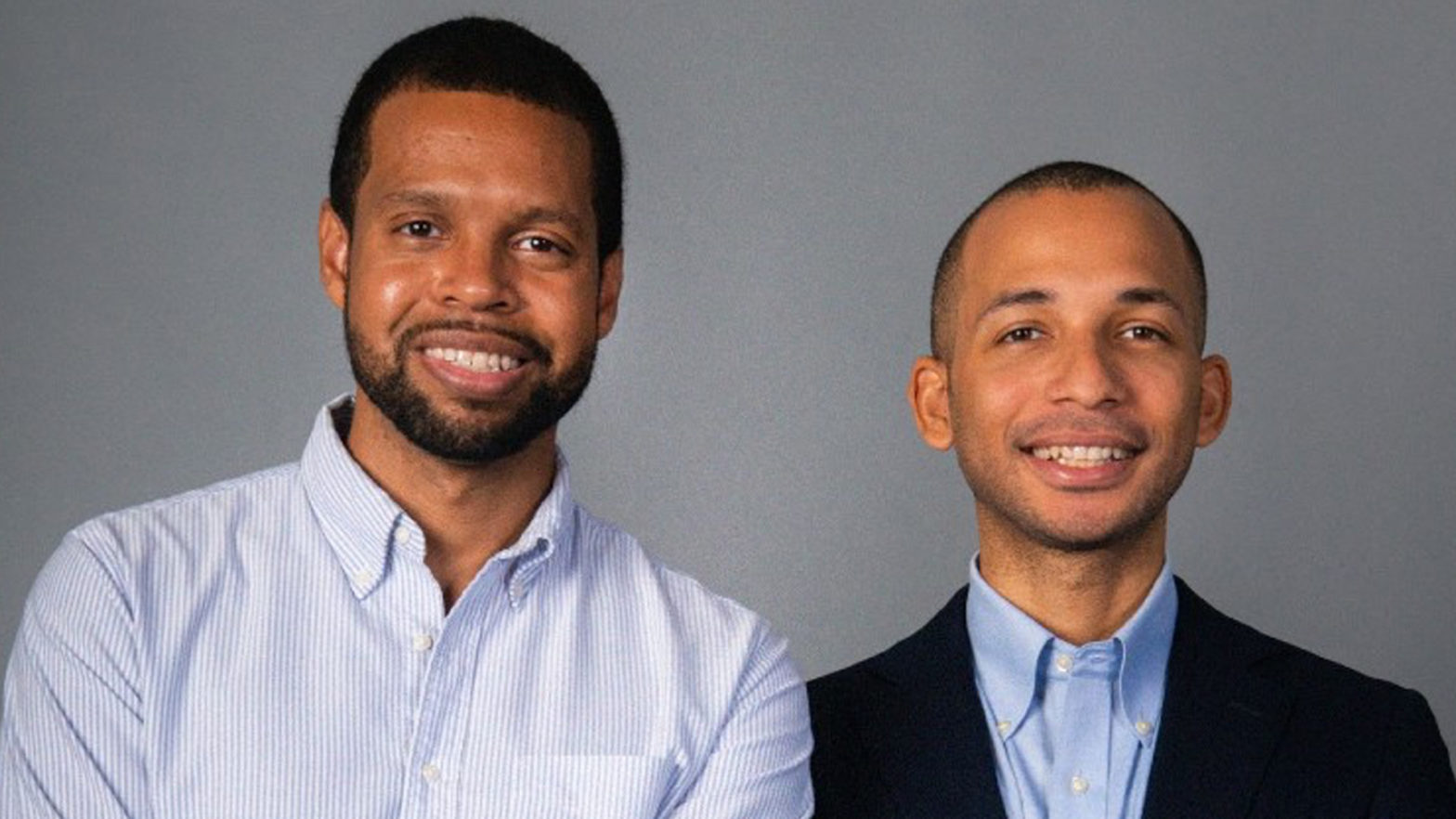
Okonkwo and Andrew Olaleye were introduced through a mutual friend at McKinsey. Olaleye brought experience in call-centre operations and customer-experience design. They shared Nigerian heritage, but also a more consequential agreement: improving service and creating income could be parts of the same enterprise.
They interviewed hundreds of companies before leaving their jobs in September 2016. Their first customer arrived two months later. The move involved tighter budgets and a sudden change in lifestyle. Research could reduce uncertainty; it could hardly make the leap feel like another day at the office.
Olaleye later recalled that their discussions had begun to take over their lives. Okonkwo wanted a service that worked across messaging channels and improved the experience for the support agents as well as the customers. The two sides of the conversation both needed attention.
The idea centred on people already familiar with a category or brand. A makeup artist could support a beauty company; a pet owner could answer questions for a pet business. Software would help those people deliver answers consistent with the company’s policies and voice. Enthusiasm supplied a starting point. Training and operational discipline still had work to do.
The product person meets the sales problem
One early target was airlines. They had plenty of customer-service needs, but their size and legacy systems made them a difficult fit for a young company. E-commerce businesses offered a different opening: they were comfortable with technology and could make decisions more quickly. Finding customers meant learning which customers could realistically buy.
Okonkwo’s compact lesson was that “distribution is greater than product.” He had spent the early years concentrating on what the software could do. Pricing, positioning and getting it into users’ hands required their own sustained effort. Technical competence had not exempted him from the sales department.
He returned to the subject on Retention Chronicles. At Google, a launch was noticed because it came from Google. At his own company, he had to invest in marketing. The admission was direct: “I just really didn’t understand the importance of marketing and the power of marketing.” A formidable employer can lend you an audience without making the loan particularly obvious.
That experience gives his advice a specific texture. A founder can keep refining the product while putting off the awkward questions about who will pay, how they will hear about it and why they will act now. Okonkwo had to learn those questions through the company he was already running.
“Distribution is greater than product.”
Aneto Okonkwo
Money for the machinery, work for the people
In January 2022, Chatdesk announced a $7 million Series A. Cultivation Capital led the round, with participants including Harlem Capital, Serena Ventures, Menlo Ventures, Stormbreaker Ventures and Fika Ventures. The financing put recognisable names behind an enterprise concerned with the less photogenic business of answering messages.
The company’s announcement described a system that connected to existing help desks and social platforms, studied previous support exchanges and helped brand enthusiasts become paid experts. It handled hiring, training and scheduling as well as the software. The human component involved an operation, not simply a warm word in a product description.
Okonkwo tied the funding to growing the team, helping more brands and creating jobs. For him, revenue and employment were connected ambitions. His stated longer-term goal was a public company with more than $100 million in revenue and millions of people working on the platform. Those figures described the destination he wanted to reach.
By the winter of 2023, Olaleye described a business supporting more than 700 brands across the United States, Europe and Australia. Remarkable AI now says it is trusted by more than 1,000 e-commerce brands. The name has changed; the recurring unit of work remains a conversation between a customer and a business.
Led by Cultivation Capital. Capital to grow the team, serve more brands and create jobs.
A customer who comes back is worth a conversation
The current company organises its offer around support, retention and acquisition. A question about an order can become an opportunity to help. A quiet customer can be invited back. A social comment can begin a relationship. All three require a business to remember that an exchange has another person at its far end.
Its published Nomadica example makes retention tangible. The company reports that 11 percent of lapsed customers in a personalised winback campaign returned to place an order. It also reports that 54 percent of the re-engaged customers subsequently ordered again without further prompting. These are campaign results reported by the business, rather than a promise for every brand.
Okonkwo had already argued in 2022 that customer service deserved investment during a downturn. Existing customers help sustain an e-commerce business, and their needs do not disappear when budgets get uncomfortable. His argument was commercial and human at once: protect the relationship that people have already chosen to begin.
His holiday advice supplies a smaller, telling example. Loyal customers sometimes miss a promotion’s window and then ask for price adjustments. He described a customer that sent an existing-customer offer before its broader campaign. Better timing reduced complaints while giving those shoppers a reason to feel remembered. A good answer can sometimes be arranged before anyone asks a question.
Arsenal, the team, and the next reply
Outside work, Okonkwo has said he enjoys European football, especially Arsenal. His co-founder supports Chelsea. The partnership evidently has room for at least one disagreement that no product roadmap will resolve. Football also offers an uncomplicated reminder that people have loyalties which rarely fit neatly into a spreadsheet.
His reflections on entrepreneurship keep returning to the team. Choosing the people who take the journey with you, he has said, deserves more care at the beginning. The impulse to hurry is understandable. The consequences of a hurried partnership can last much longer than the excitement of announcing a company.
The ambition behind Remarkable AI is large, but the work through which it has to be realised is small and repeated: an accurate answer, an appropriate recommendation, a customer remembered at the right moment, an expert able to earn income. Scale adds more of those moments. It also adds more opportunities to get them wrong.
Okonkwo’s career has moved from helping software interpret what people want to building a business that must understand customers, workers and buyers at once. He learned that listening closely would not automatically attract attention. Now both tasks belong to the job. Somewhere at the other end of the system, a person is still waiting for the next reply.