document-automation
(73)
The Paperwork Factory Behind 20 Million Investment Documents
Structured products are sold as financial ingenuity. Behind them sits a paperwork problem of industrial scale - and WSD has spent more than 15 years turning that mess into infrastructure.
Mitratech Built a Compliance Empire. Now It Has to Make the Pieces Feel Like One Product.
The 39-year-old legal-tech veteran stitched together matter management, risk, HR compliance and workflow automation. The bet is that regulated teams want one governed system more than another clever point solution.

The 24-Hour Shortcut Hidden Inside America’s Health Plans
Simplify Healthcare built a business around the least glamorous problem in insurance: the same benefit being typed, checked and explained again and again. Its pitch is simple - configure it once, then let the data travel.

Julie Freguia Is Marketing What Happens After the Fax
After more than 25 years selling the machinery behind business communication, Julie Freguia has learned that the interesting part begins once the document arrives, when the information inside has a chance to become useful.
Healthcare Couldn't Kill the Fax. Concord Taught It to Read.
The Seattle company built a durable business moving regulated documents. Its more interesting bet is what happens next: turning billions of stubborn pages into usable healthcare data before a human has to touch them.

Vasion Turned the Office Printer Into a Trojan Horse for Enterprise Automation
The Utah software company spent two decades removing print servers. Now it is betting that the humble print command can become the front door to AI-ready workflows - without asking employees to change how they work.
Actionstep Built the Operating System Midsize Law Firms Could Actually Bend
Midsize law firms are too complicated for a starter app and too lean for a software archaeology project. Actionstep is betting the winner will be the platform firms can shape around themselves - provided they are willing to do the shaping.

A Mortgage PDF Sent Mang-Git Ng on an Eight-Year Detour
The Anvil founder turned one miserable application into an API-first business - then had to trade an engineer’s instinct for perfect answers for the messier craft of selling.

LegalMation Turned the Dullest Hours in Litigation Into a Two-Minute Draft
The Los Angeles legal-tech company is not trying to replace the courtroom lawyer. It is trying to retire the blank page - one complaint, discovery request and deposition transcript at a time.
The $8.50 Fix for HR’s Most Expensive Copy-and-Paste Problem
Insynctive spent years building the connective tissue that legacy HR stacks forgot. Its bet is simple: companies would rather automate the handoffs than replace the systems they already paid for.
Celegence Found the Unsexy AI Business: Fixing the Paperwork That Keeps Medicine on the Market
Two sisters started with regulatory services, watched their own writers wrestle with hundred-page reports, and built software around the bottlenecks. The result is a useful playbook for enterprise AI: begin with paid work, reject the clever features that cannot be checked, and automate only what experts can defend.

Why Most Sales Teams Quietly Buy Both DealHub and PandaDoc
DealHub prices the deal. PandaDoc formats the paperwork. Most buyers who go shopping for one end up needing the other - here is why the choice is rarely either-or.
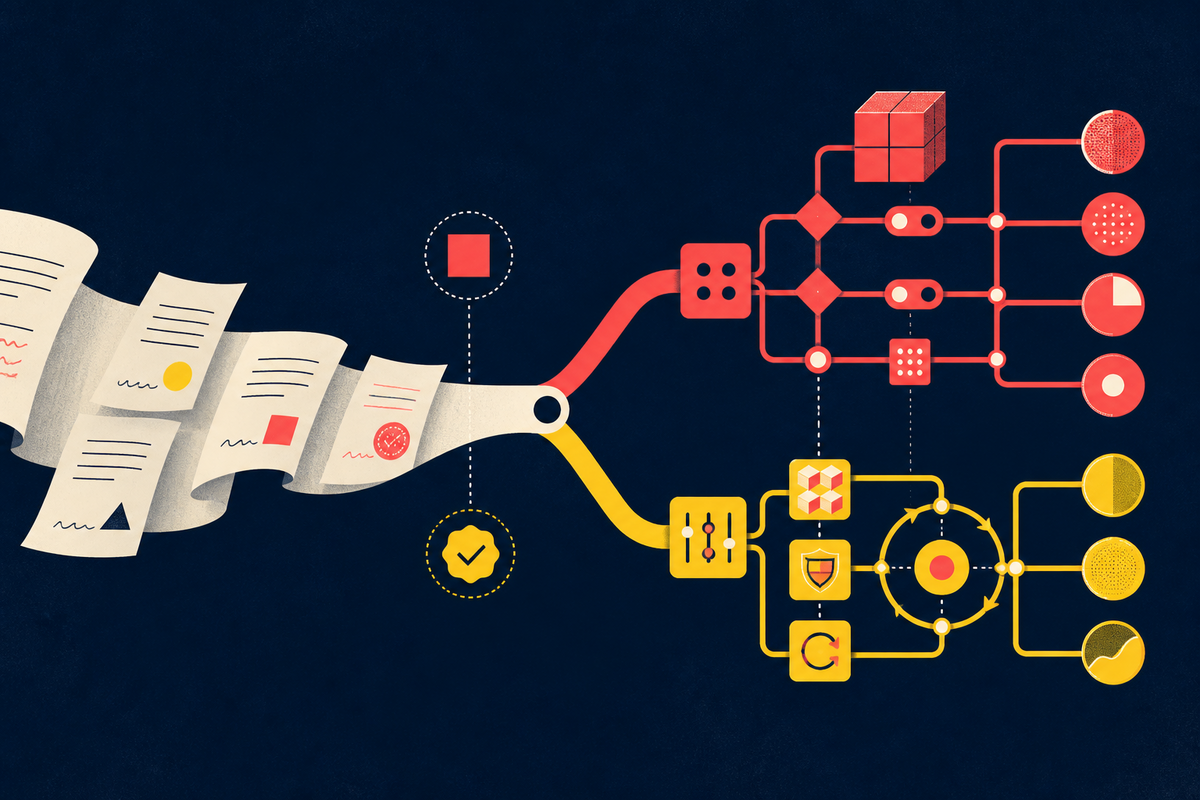
You’re Comparing PandaDoc and DealHub for the Wrong Reason
They overlap at the quote, contract and signature. The real choice is whether your bottleneck lives in the document or in the commercial logic behind it.
The Legal AI Race Is Flashy. Litera Is Betting on the Plumbing.
For three decades, Litera built tools for the unglamorous details of legal work - redlines, metadata, clauses, matters and client data. Now it is trying to turn that installed base into one connected AI platform without making lawyers abandon the software they already trust.

Atlys
Atlys turned the least glamorous part of travel into a repeatable software problem. Now the visa app is using identity, automation and a 700,000-application annual run rate to reach for something larger: the operating layer behind international movement.
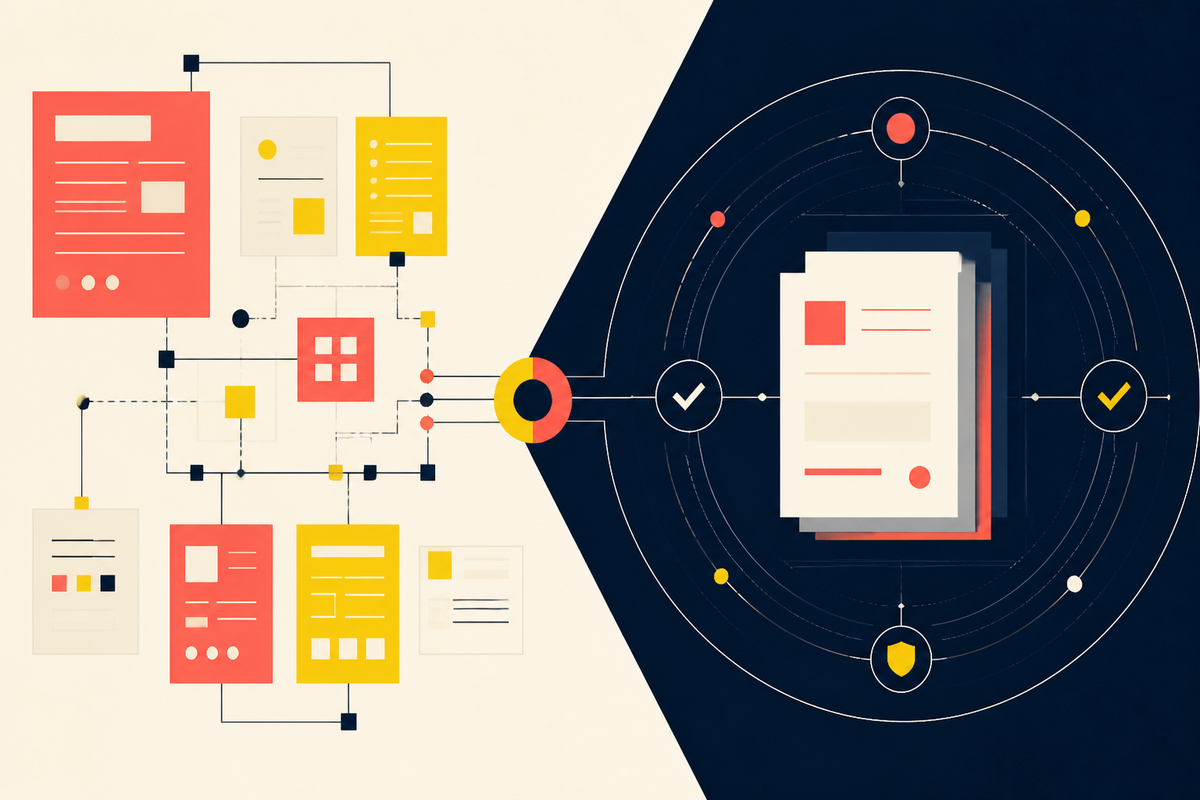
Formstack or GhostDraft? Choose the Workflow, Not the Brand
Both platforms automate documents, but they solve different operational problems. The useful choice starts with where your data enters, who owns the template, and how much regulation the finished document must survive.
Docmosis vs Cincom Is Really an Architecture Decision
Both platforms automate documents, but they begin at different layers of the problem. The better choice depends on whether you need a generation engine inside your software or a governed communications system around your organization.
Plumsail and Messagepoint Solve Paperwork at Different Scales
Plumsail turns everyday business data into finished documents. Messagepoint tackles a harder enterprise problem: keeping vast libraries of regulated customer communications coherent, compliant and ready for every channel.
Customer Communications Software Has an Identity Crisis
Six vendors promise better customer conversations, but they solve very different problems. The useful question is not which platform wins - it is where your communication actually breaks.
Sefas Sale Exposes the Hidden War Behind Every Customer Letter
Messagepoint's purchase of Sefas reveals a software contest hiding inside bills, statements and notices. The winners will make regulated communication easier to change, trace and understand without breaking the systems that still deliver it.

Your Customer Journey Has a Back Office
The message a customer sees is only the last inch of a sprawling enterprise stack. Eight vendors reveal where engagement ends, regulated communication begins and workflow holds the whole thing together.

Windward Studios Built the Plumbing Behind Business Documents
Windward Studios turned Microsoft Office templates into a document-generation engine, then became part of Apryse. Its journey explains why composing, governing, storing and delivering customer communications remain four different jobs.
Customer Messaging Has Become an Operating System
Six very different platforms now compete to own the moments between a company and its customers. The smart buying decision starts by separating documents, decisions, delivery and control.

The Document Wars Have Moved Beyond the PDF
Conga, Twilio, Broadridge, Newgen, Hyland and Templafy now compete on the systems around a document - data, delivery, governance and AI. The right choice begins with the job, not the feature list.

Customer Communication Software Is Splitting in Two
The platforms all promise personal, omnichannel communication. The useful distinction is whether a team needs to react to behavior now or produce a message it can defend years later.

Eight Platforms Are Fighting to Own the Customer Conversation
The customer communications stack is collapsing into one contested layer. Eight vendors reveal why the winning platform will be chosen by its starting point, not its feature list.

The Customer Communications Stack Has Split in Two
Newgen, Messagepoint, Braze, Doxim, Windward Studios and MHC all help companies speak at scale. The useful question is not which platform wins, but which kind of communication you are actually trying to run.

Document Automation Has Escaped the Back Office
Adobe, Solimar, Bottomline, Oracle, Crawford and Formstack are turning forms, statements and PDFs into programmable workflows. The payoff is less clerical work, but the real test is whether every output stays accurate, accessible and auditable.

The Software Empire That Writes Every Bill You Get
Oracle, Precisely, Twilio, Doxee, Docmosis and Solimar Systems run a multi-billion-dollar industry called customer communications management. You have never heard of it, and it has touched almost everything in your mailbox.

The Software Turf War Behind Every Bill, Alert and Offer
Eight companies - from Crawford Technologies and Oracle to Lob, Bird and Iterable - quietly wire up every statement, alert and offer your bank, insurer and favorite app sends you. Here is the map of a market climbing toward $3.3 billion.