document-automation
(27)
Why Most Sales Teams Quietly Buy Both DealHub and PandaDoc
DealHub prices the deal. PandaDoc formats the paperwork. Most buyers who go shopping for one end up needing the other - here is why the choice is rarely either-or.
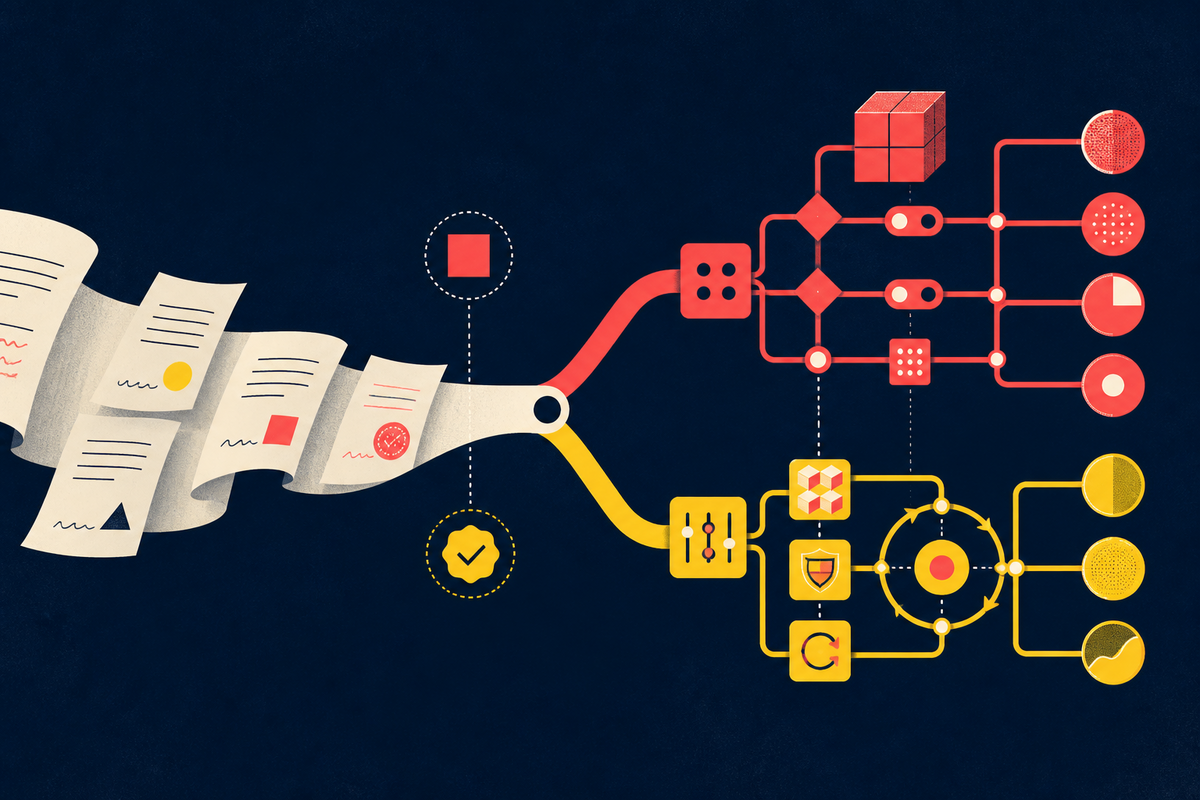
You’re Comparing PandaDoc and DealHub for the Wrong Reason
They overlap at the quote, contract and signature. The real choice is whether your bottleneck lives in the document or in the commercial logic behind it.
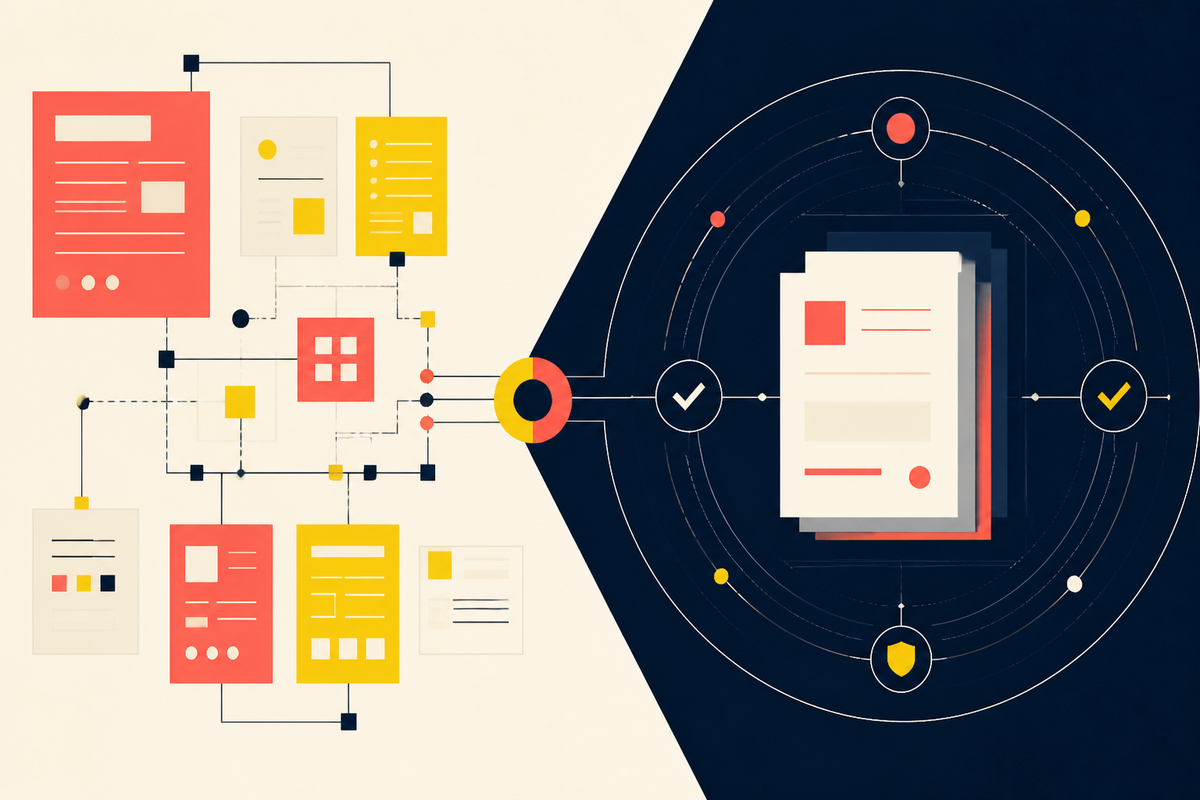
Formstack or GhostDraft? Choose the Workflow, Not the Brand
Both platforms automate documents, but they solve different operational problems. The useful choice starts with where your data enters, who owns the template, and how much regulation the finished document must survive.
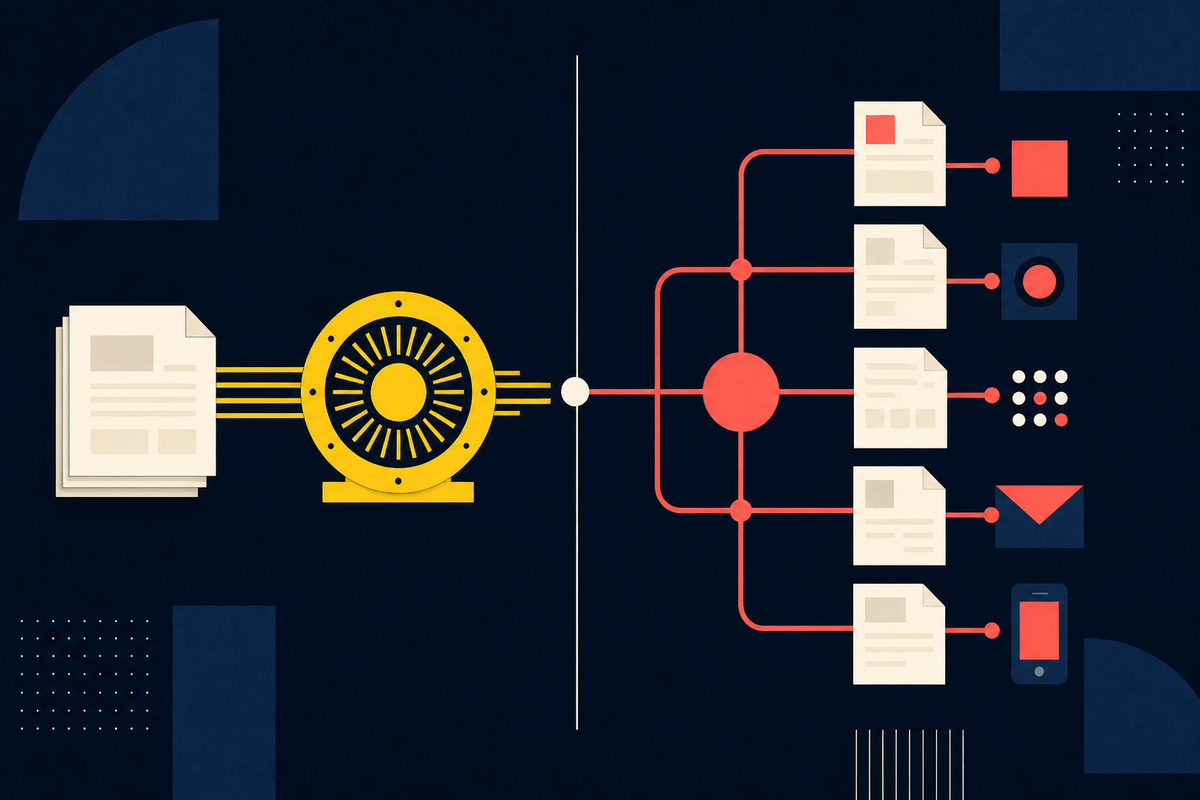
Docmosis vs Cincom Is Really an Architecture Decision
Both platforms automate documents, but they begin at different layers of the problem. The better choice depends on whether you need a generation engine inside your software or a governed communications system around your organization.
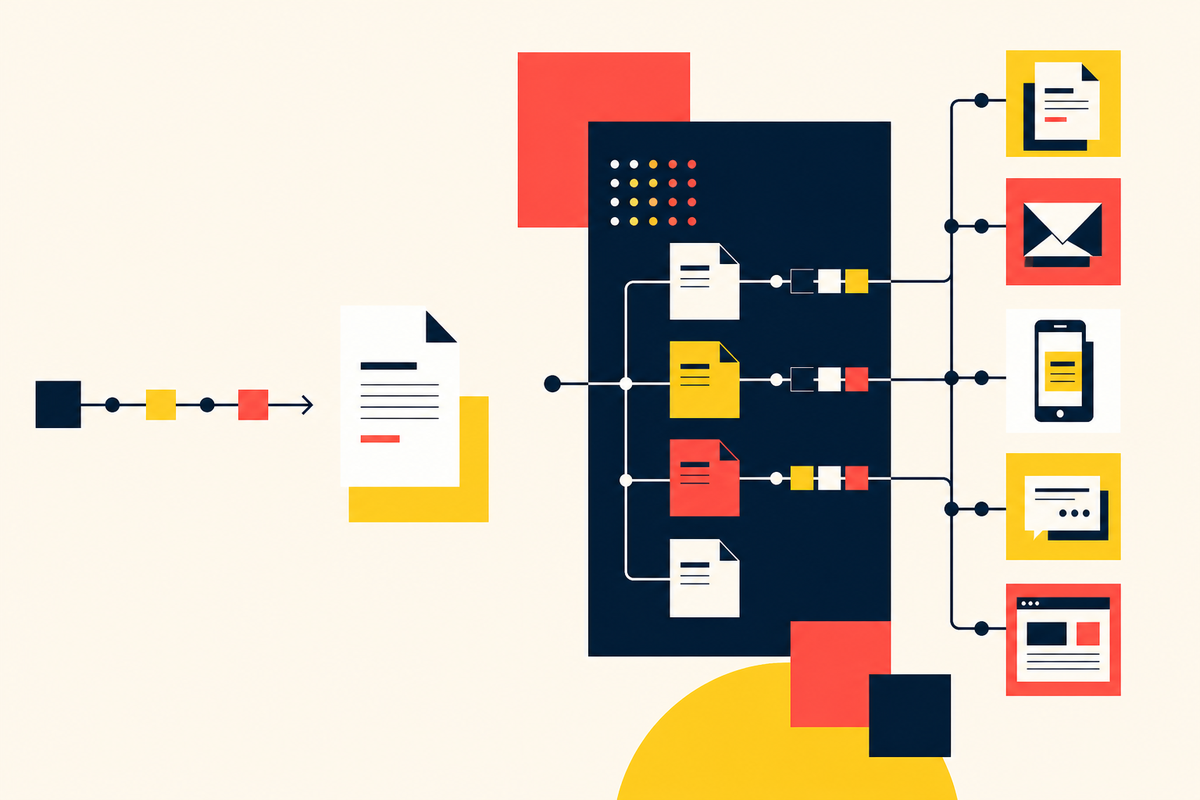
Plumsail and Messagepoint Solve Paperwork at Different Scales
Plumsail turns everyday business data into finished documents. Messagepoint tackles a harder enterprise problem: keeping vast libraries of regulated customer communications coherent, compliant and ready for every channel.
Customer Communications Software Has an Identity Crisis
Six vendors promise better customer conversations, but they solve very different problems. The useful question is not which platform wins - it is where your communication actually breaks.
Sefas Sale Exposes the Hidden War Behind Every Customer Letter
Messagepoint's purchase of Sefas reveals a software contest hiding inside bills, statements and notices. The winners will make regulated communication easier to change, trace and understand without breaking the systems that still deliver it.

Your Customer Journey Has a Back Office
The message a customer sees is only the last inch of a sprawling enterprise stack. Eight vendors reveal where engagement ends, regulated communication begins and workflow holds the whole thing together.

Windward Studios Built the Plumbing Behind Business Documents
Windward Studios turned Microsoft Office templates into a document-generation engine, then became part of Apryse. Its journey explains why composing, governing, storing and delivering customer communications remain four different jobs.
Customer Messaging Has Become an Operating System
Six very different platforms now compete to own the moments between a company and its customers. The smart buying decision starts by separating documents, decisions, delivery and control.
The Document Wars Have Moved Beyond the PDF
Conga, Twilio, Broadridge, Newgen, Hyland and Templafy now compete on the systems around a document - data, delivery, governance and AI. The right choice begins with the job, not the feature list.

Customer Communication Software Is Splitting in Two
The platforms all promise personal, omnichannel communication. The useful distinction is whether a team needs to react to behavior now or produce a message it can defend years later.

Eight Platforms Are Fighting to Own the Customer Conversation
The customer communications stack is collapsing into one contested layer. Eight vendors reveal why the winning platform will be chosen by its starting point, not its feature list.

The Customer Communications Stack Has Split in Two
Newgen, Messagepoint, Braze, Doxim, Windward Studios and MHC all help companies speak at scale. The useful question is not which platform wins, but which kind of communication you are actually trying to run.

Document Automation Has Escaped the Back Office
Adobe, Solimar, Bottomline, Oracle, Crawford and Formstack are turning forms, statements and PDFs into programmable workflows. The payoff is less clerical work, but the real test is whether every output stays accurate, accessible and auditable.

The Software Empire That Writes Every Bill You Get
Oracle, Precisely, Twilio, Doxee, Docmosis and Solimar Systems run a multi-billion-dollar industry called customer communications management. You have never heard of it, and it has touched almost everything in your mailbox.

The Software Turf War Behind Every Bill, Alert and Offer
Eight companies - from Crawford Technologies and Oracle to Lob, Bird and Iterable - quietly wire up every statement, alert and offer your bank, insurer and favorite app sends you. Here is the map of a market climbing toward $3.3 billion.

The Machinery Behind Every Bill, Text, and Postcard You Get
Optimove, Twilio, Lob, Newgen, Windward, and Experlogix rarely land on the same slide. Yet they are all fighting one quiet war - turning a row in a database into a message you actually open.

The Companies Behind Every Bill, Text and Contract You Get
Apryse, Conga, Compart, Sefas, ISIS Papyrus, Plumsail, Customer.io and Bird rarely appear on a customer's screen by name. Together they run the plumbing that turns raw data into the statements, reminders and messages that land in your inbox every day.

The Software Race to Make Your Bank Statement Readable
OpenText, Formstack, Crawford Technologies and Sefas Innovation quietly run the plumbing behind every bill, statement and letter you get - and a new accessibility law just turned their unglamorous work into a deadline.

Six Companies Run Your Messages and Your Paperwork
Braze and Iterable send the emails, Twilio sends the texts, and Plumsail, Experlogix and Newgen quietly generate the contracts. Here is the invisible software running your relationship with almost every company you deal with.

Inside Customer Communications Management's Quiet Gold Rush
Every bill, statement and policy letter you receive runs through software almost nobody talks about. OpenText, Broadridge, Doxee and Cincom are racing to own it - and the market is heading past $5 billion.

The Invisible Software Behind Every Bill You Actually Read
CleverTap, Doxim, Broadridge, Customer.io and a handful of rivals fight over the same quiet job - turning your bank statements, app pings and renewal notices into something you open. Here is how the customer communications business actually works.

PandaDoc turned document busywork into a billion-dollar deal
The document-automation company born in Belarus and headquartered in San Francisco crossed a $1 billion valuation by fixing the least glamorous part of every sale - the paperwork. In January 2026 its founder stepped out of the CEO seat and went back to building product.

GhostDraft Turns Insurance Paperwork Into Two-Day Work
Born in 1984 as one of the first document composition engines, GhostDraft now runs the whole insurance communications lifecycle for 150+ carriers - letting business teams ship compliant policies, claims and letters without waiting on IT.

DataOceans Makes the Boring Letters From Your Bank Work
The Norcross, Georgia company has spent two decades on the software most founders ignore: the statements, notices, and adverse-action letters regulated industries are legally required to send. It turns out there is a real business in the mail nobody wants.
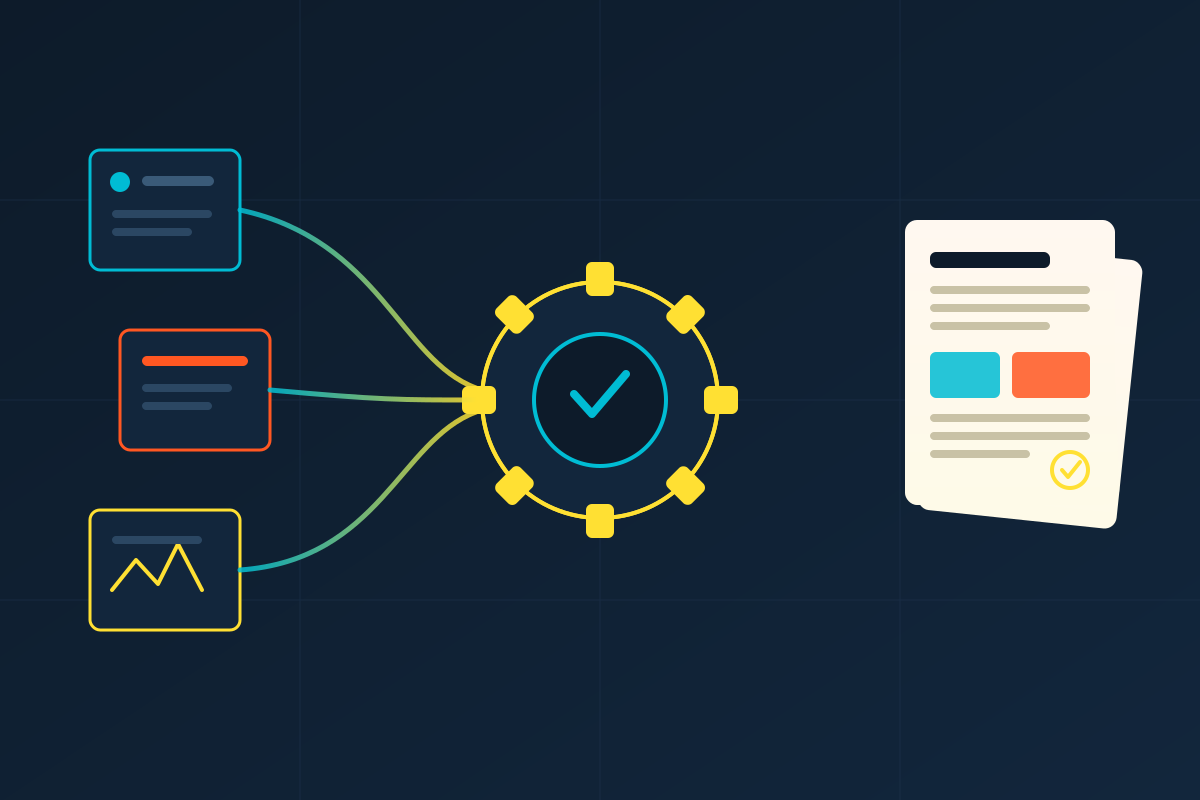
Apryse Bought a Game Studio That Learned to Print Paperwork
In April 2021 the document-tech firm then called PDFTron bought Windward Studios, a Colorado company that started making a strategy game in 1996 and ended up generating 10 million business documents a month. Here is how a pivot became an acquisition.