document-automation
(40)
The Paperwork Factory Behind 20 Million Investment Documents
Structured products are sold as financial ingenuity. Behind them sits a paperwork problem of industrial scale - and WSD has spent more than 15 years turning that mess into infrastructure.
Mitratech Built a Compliance Empire. Now It Has to Make the Pieces Feel Like One Product.
The 39-year-old legal-tech veteran stitched together matter management, risk, HR compliance and workflow automation. The bet is that regulated teams want one governed system more than another clever point solution.

The 24-Hour Shortcut Hidden Inside America’s Health Plans
Simplify Healthcare built a business around the least glamorous problem in insurance: the same benefit being typed, checked and explained again and again. Its pitch is simple - configure it once, then let the data travel.
Healthcare Couldn't Kill the Fax. Concord Taught It to Read.
The Seattle company built a durable business moving regulated documents. Its more interesting bet is what happens next: turning billions of stubborn pages into usable healthcare data before a human has to touch them.
Vasion Turned the Office Printer Into a Trojan Horse for Enterprise Automation
The Utah software company spent two decades removing print servers. Now it is betting that the humble print command can become the front door to AI-ready workflows - without asking employees to change how they work.
Actionstep Built the Operating System Midsize Law Firms Could Actually Bend
Midsize law firms are too complicated for a starter app and too lean for a software archaeology project. Actionstep is betting the winner will be the platform firms can shape around themselves - provided they are willing to do the shaping.
LegalMation Turned the Dullest Hours in Litigation Into a Two-Minute Draft
The Los Angeles legal-tech company is not trying to replace the courtroom lawyer. It is trying to retire the blank page - one complaint, discovery request and deposition transcript at a time.
The $8.50 Fix for HR’s Most Expensive Copy-and-Paste Problem
Insynctive spent years building the connective tissue that legacy HR stacks forgot. Its bet is simple: companies would rather automate the handoffs than replace the systems they already paid for.
Celegence Found the Unsexy AI Business: Fixing the Paperwork That Keeps Medicine on the Market
Two sisters started with regulatory services, watched their own writers wrestle with hundred-page reports, and built software around the bottlenecks. The result is a useful playbook for enterprise AI: begin with paid work, reject the clever features that cannot be checked, and automate only what experts can defend.
The Legal AI Race Is Flashy. Litera Is Betting on the Plumbing.
For three decades, Litera built tools for the unglamorous details of legal work - redlines, metadata, clauses, matters and client data. Now it is trying to turn that installed base into one connected AI platform without making lawyers abandon the software they already trust.

Atlys
Atlys turned the least glamorous part of travel into a repeatable software problem. Now the visa app is using identity, automation and a 700,000-application annual run rate to reach for something larger: the operating layer behind international movement.
Windward Studios
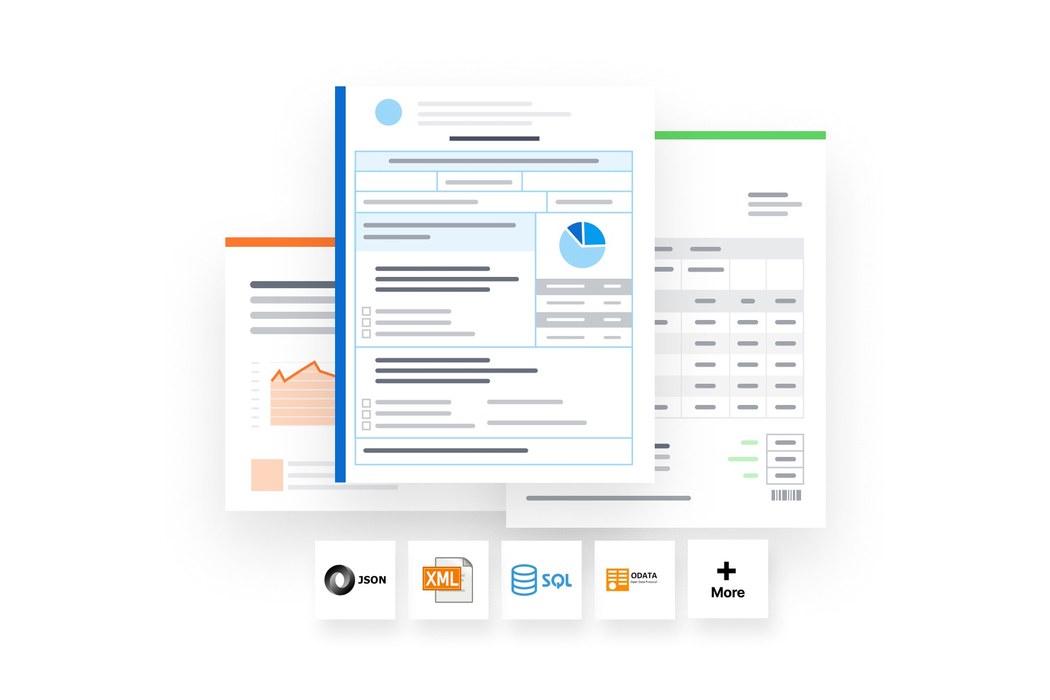
The Boulder studio that started out making a strategy game and ended up quietly printing 10 million business documents a month.

Plumsail
Plumsail automates document generation, web forms, and customer support for Microsoft 365 and SharePoint, helping teams save time and cut manual work.
Quadient
A century-old maker of postage meters quietly turned itself into a software company. Here is how Quadient bet its future on the mail nobody thinks about - the bills, statements and packages that decide whether a customer stays.

Templafy
The Danish software firm spent a decade fixing the world's messy corporate documents. Now it wants to keep the AI writing them honest.

MHC
For more than two decades, a quiet company in the Minneapolis suburbs has been running the paperwork that keeps large enterprises moving - the invoices, statements and payments most people never see.

Messagepoint
The future of AI-powered CCM. Transform how customer communications work gets done with the Messagepoint Communications cloud.
ISIS Papyrus
For more than 35 years, a bootstrapped software company outside Vienna has quietly run the letters, statements and claims of some of the world's largest banks and insurers - on one platform it refuses to break into pieces.

GhostDraft
Simplify every step of your insurance communications, from policy language creation to document delivery, in one powerful platform.

Experlogix
Experlogix helps you accelerate growth by removing bottlenecks in quoting and document generation.
Doxim
For 25 years the Ontario-born, Michigan-based software company has done the unglamorous work behind your bank statement - turning paper-bound financial communications into omnichannel conversations for thousands of regulated institutions.
Documill
Inside Espoo, a small Finnish team quietly rebuilt the paperwork that runs sales - contracts, quotes, approvals and signatures - so it never has to leave Salesforce.
Docmosis
A smart template-based approach to generating custom PDF and Word documents
DataOceans
The letters your bank sends were probably built by a company you have never heard of. DataOceans wants to make sure you can actually read them - and pay online while you are at it.

Conga
Align pricing, quoting, and contracting with shared, AI-driven intelligence so teams stay aligned and move from decision to execution with clarity and speed.
RealPact
RealPact is a Y Combinator (S26) startup building an AI-native operating system for real estate brokerages. Its voice-powered AI agents take a single property address and automatically pull deeds, tax records, permits, parcel data and MLS listings, then draft and auto-fill contracts, organize documents and track deadlines. Founded by Dartmouth graduates Ranvir Deshmukh and Erik Peterson, the company aims to cut the roughly 165 hours a year agents spend on paperwork down to minutes, and is already live with brokerages including Four Seasons Sotheby's International Realty, Black House Real Estate and Next Homes.
Vespper
Vespper (YC F24) builds infrastructure that lets AI agents produce real Microsoft Word documents. Its product is a docx MCP (Model Context Protocol) server that turns raw agent output into clean, tracked, review-ready .docx files - aimed at regulated, legal, and compliance workflows where the final artifact has to be a Word doc with tracked changes, not a chat window. The two-person, Tel Aviv-based team originally launched an open-source, 24/7 AI on-call engineer for incident triage before pivoting into agent document infrastructure.

DraftWise
DraftWise is a New York-based legal AI company that helps lawyers draft, review, and negotiate contracts faster by turning a firm's own precedent, playbooks, and deal history into searchable, actionable intelligence. Working inside Microsoft Word, its platform generates lawyer-quality drafts and redlines grounded in institutional knowledge rather than generic AI output. Founded in 2020 by former Palantir engineers and a practicing corporate lawyer, DraftWise serves top law firms and legal departments across North America, EMEA, and APAC.
EasySend
EasySend is an Israeli enterprise software company whose no-code, AI-assisted platform turns paper-based forms and PDFs into digital customer journeys. Insurers, banks and other regulated enterprises use it to build onboarding, claims, lending and renewal workflows - complete with data intake, document generation and legally binding eSignatures - without writing code. Founded in 2016 in Tel Aviv, the company serves more than 40 enterprise customers, has raised roughly $77M in total funding, and is used across most of Israel's financial and insurance market as well as clients in the US, Europe and Japan.
Quantiphi
Quantiphi is an AI-first digital engineering company founded in 2013 that helps enterprises turn data and machine learning into business outcomes. Working across cloud, data engineering and applied AI, it partners closely with Google Cloud, AWS, NVIDIA and others to build solutions for financial services, healthcare, insurance, retail and the public sector. The firm has grown to roughly 3,500+ employees across six continents and is known for its research-driven approach and its own products - Baioniq, Dociphi and Codeaira.