data-infrastructure
(95)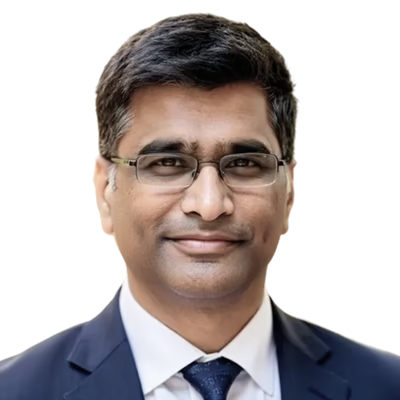
Swaroop Jagadish and the Trouble with Knowing Too Much
At Airbnb, Swaroop Jagadish helped people find and trust their data. Now the DataHub co-founder and CEO is taking on a more demanding audience: AI agents that need the same institutional knowledge, without a colleague to ask.
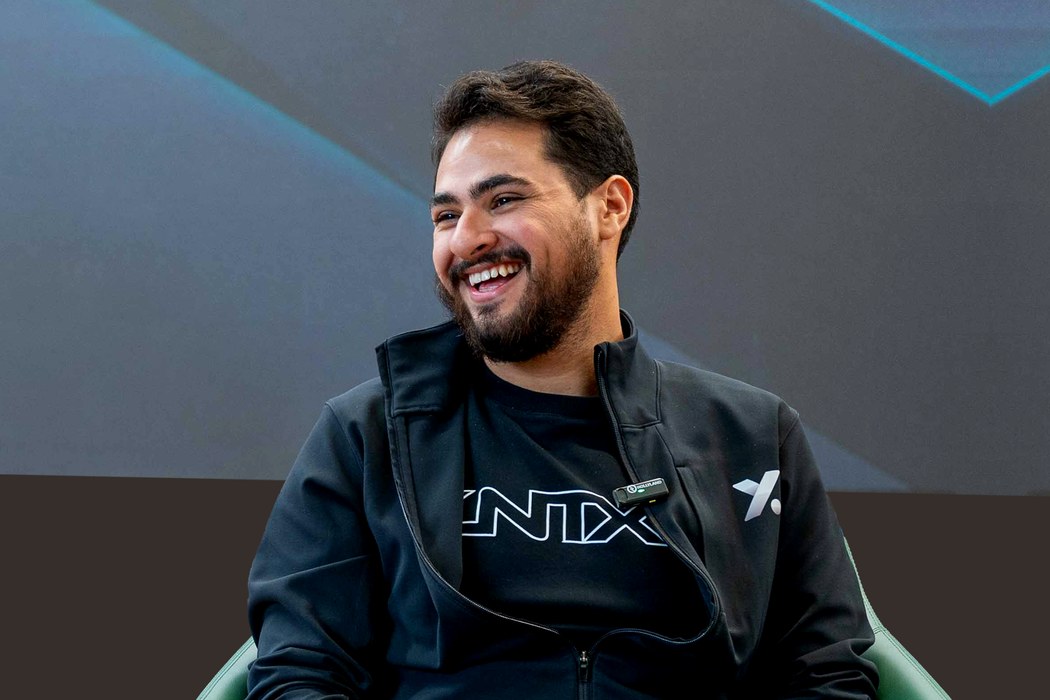
Mohammad Abu Sheikh and the Art of Being Understood
Before CNTXT AI, Mohammad Abu Sheikh built places to exchange ideas and tools to make Arabic knowledge easier to reach. His next bet is that AI will travel further when it learns to listen locally.
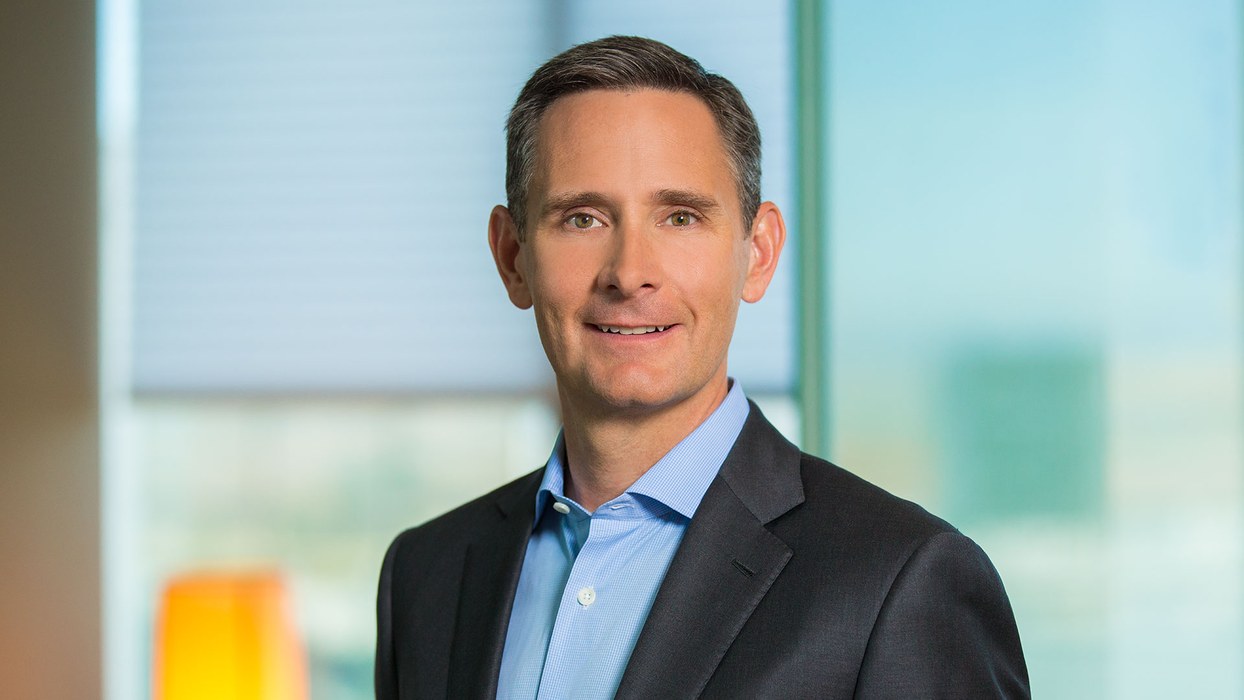
Matt Murphy and the art of arriving early
When Matt Murphy took over Marvell in 2016, its data center business was a small part of the company. His next decade was spent moving toward the infrastructure that AI would eventually need.
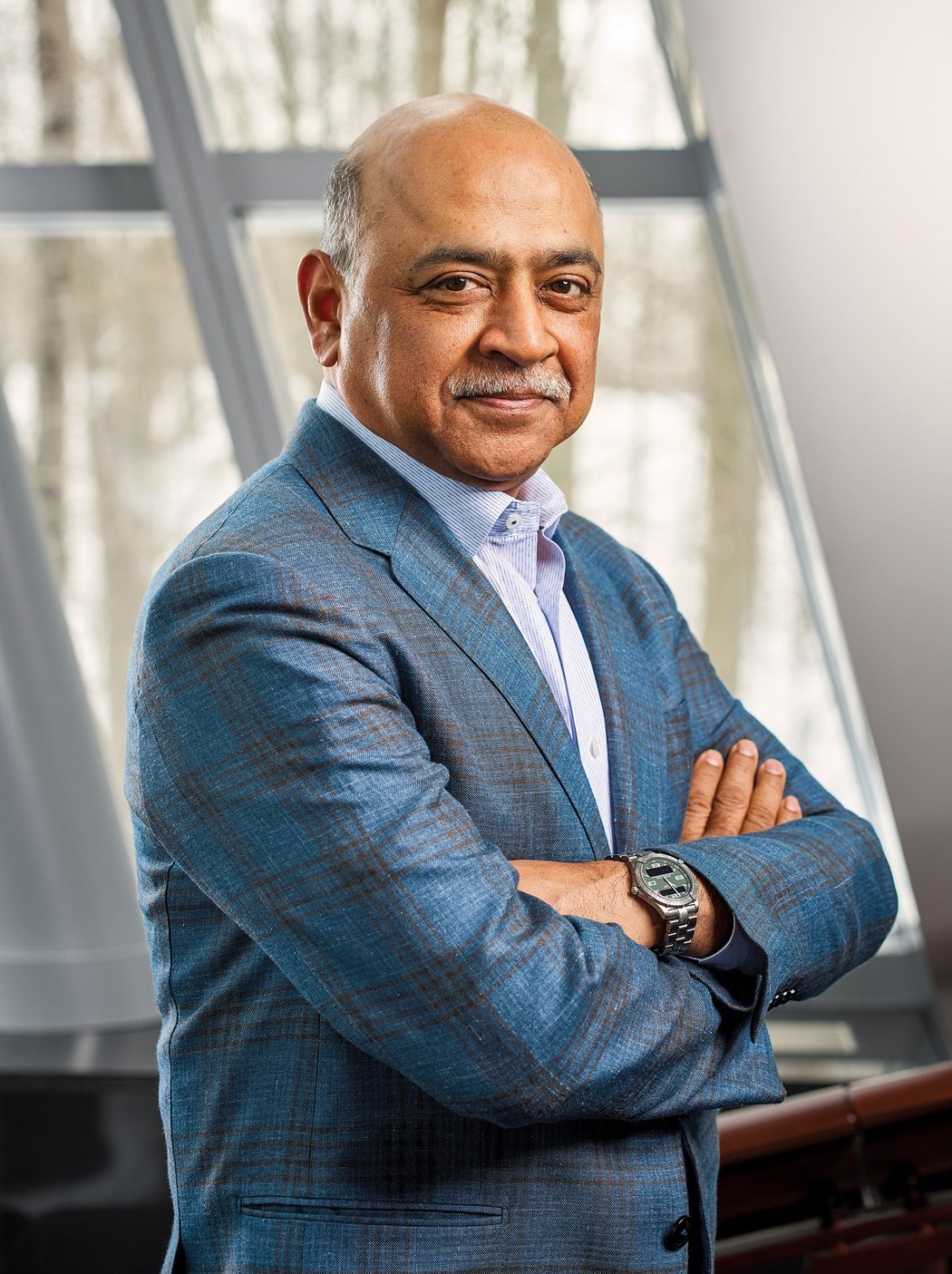
Arvind Krishna and the art of making the future useful
An engineer spent three decades inside IBM before taking charge. His bet is that the next chapter of computing will be won in the complicated places where businesses actually work.
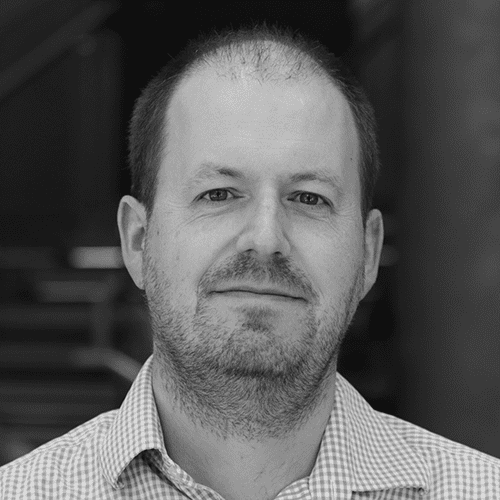
Alex Dean and the Trouble with a Finished Answer
He co-founded Snowplow to give companies access to the events behind their analytics. Fourteen years later, Alex Dean is asking what happens when the next customer arrives with an AI agent.
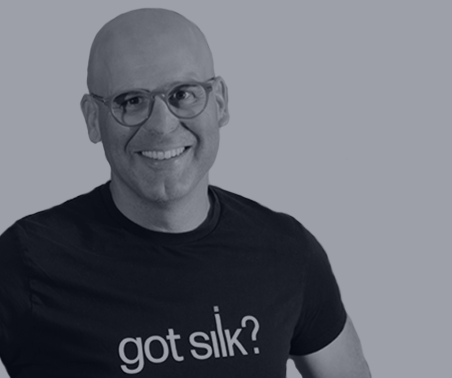
Dani Golan and the Art of Changing Course
A former fighter pilot built a storage company, handed off the hardware, and followed the data into the cloud. At Silk, Dani Golan is making another turn - toward the information that AI needs to do useful work.

Alexzendor Misra and the business hidden inside a search engine
At UCSB, Alexzendor Misra helped build Correkt, an AI search engine that reached 43,000 users. Now the Shofo co-founder and CTO is working on the video data that other AI systems learn from.

Timothy J. Klein and the Cost of Making a Computer Wait
Timothy J. Klein built ATTO Technology around a stubborn engineering problem: expensive computers waiting for their data. His career follows the connections, partnerships and practical decisions behind keeping that data moving.
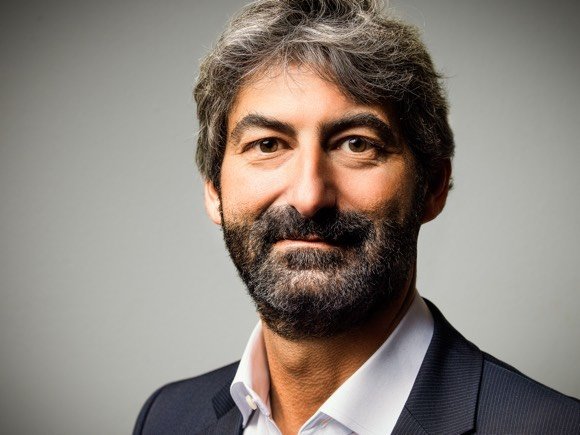
Jérôme Lecat and the value of staying in the room
From an early French internet provider to Scality, Jérôme Lecat has spent three decades building the systems behind the screen. His recurring question is who gets to keep control.
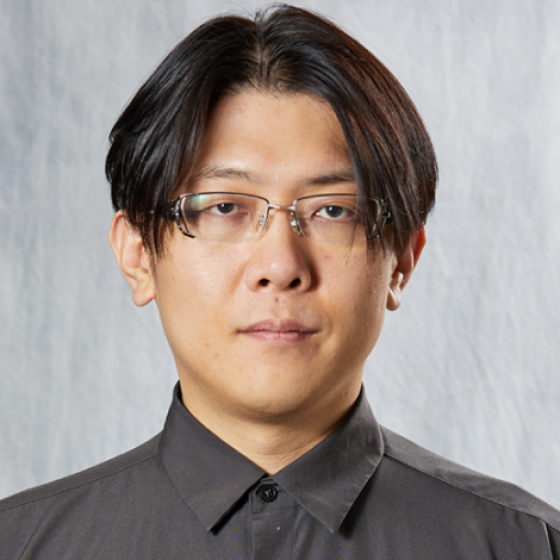
Kazuki Ohta and the Trouble with Being Useful to Everyone
Kazuki Ohta built tools that could analyze almost anything. His company found its footing when it chose a narrower job. Now the co-founder of Treasure AI is making another bet on who gets to use the machinery.
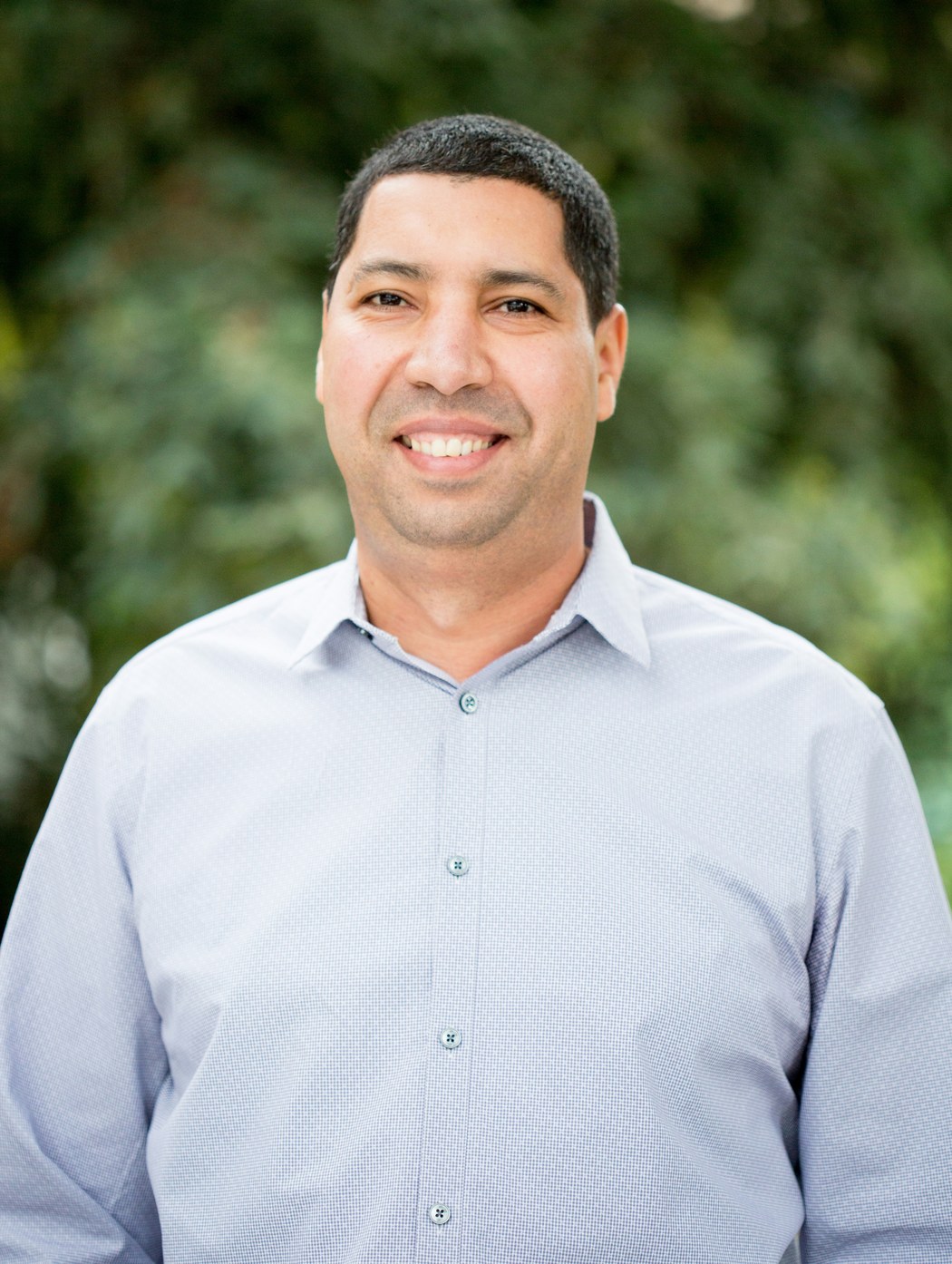
Taoufik El Jamali and the things that get in the way
From a self-updating address book to the data behind digital advertising, Taoufik El Jamali keeps returning to the same question: what is stopping growth from working? At Journify, the answer lives between a purchase and the platform meant to learn from it.

Mitch Radhuber Is Teaching AI What the Pager Never Knew
After years debugging financial systems that processed hundreds of billions of rows a day, Mitch Radhuber left Goldman Sachs to build Corelayer. His wager is simple: the next on-call engineer will need memory, context and the good sense to ask a human.

Sean Thorne and the pleasure of starting over
He built People Data Labs by learning what customers would actually pay for. Now Sean Thorne is back at the beginning, teaching businesses how to serve customers made of software.
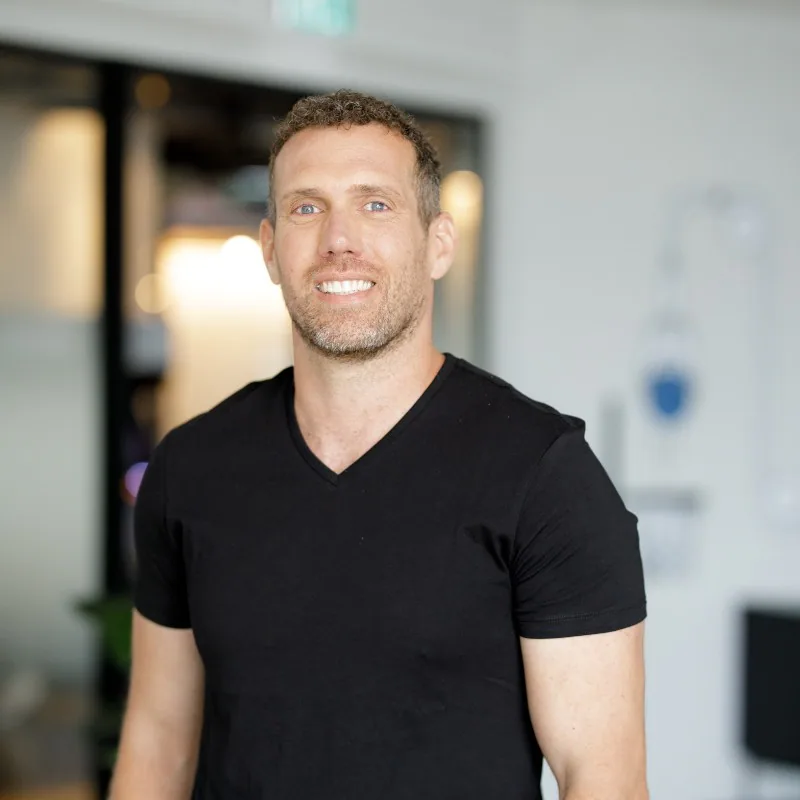
Amir Gilad and the problem of 4,000 dinner guests
The DualBird co-founder saw the coming flood of AI data through a familiar scene: a pot of Bolognese and far too many hungry visitors. His answer drew on years in chip design, a taste for difficult engineering, and a habit of making time for people.

Dan Jaye and the cost of knowing
He helped bring behavioral advertising to the early web. Three decades later, Aqfer co-founder Dan Jaye is back in the CTO chair, working on the data problems that clever software keeps leaving behind.

Mitch Radhuber’s Six-Year Head Start
Before Mitch Radhuber and Shipra Jha founded Corelayer, they spent about six years working side by side at Goldman Sachs. Now he is building AI agents to investigate the production problems that used to claim their evenings and weekends.
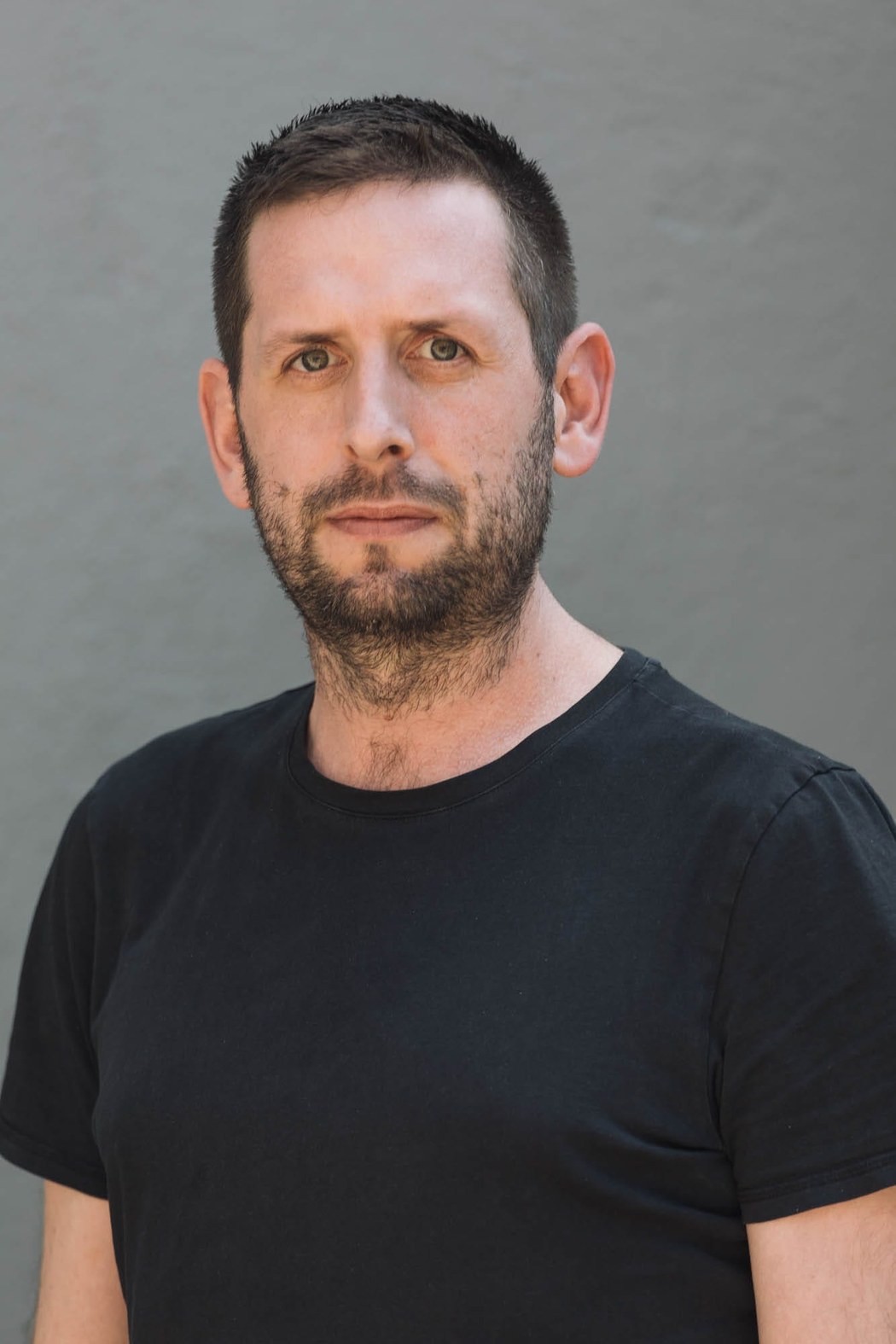
Nick Jordan and the trouble with having all the data
At Tapad, Nick Jordan had mountains of information and still could not get what his team needed. He founded Narrative to shorten the distance between a useful question and a usable answer.

Travis May and the value of the space between
From LiveRamp to Protege, Travis May keeps finding businesses in the gaps between other businesses. At Shaper Capital, he is trying to turn that habit into a company-building practice.

Yves Le Maout and the Small Distance Between a Laptop and the Cloud
He learned to make risk systems dependable, led a remote analytics team, then helped put DuckDB in the cloud. Yves Le Maout's career is a study in making ambitious systems feel close at hand.

Akinobu Shimada and the Quiet Machinery of Trust
He spent more than three decades learning what happens beneath the software. Now Hitachi Vantara's CEO is betting that the most important promise in artificial intelligence is not magic, but machinery people can trust.

Weyman Cohen Learned to Sell Databases by Asking Better Questions
In 2020, Weyman Cohen was a Duke senior asking for help finding his way into marketing. Today, after a tour through distributed databases and developer tools, he is making the case for a smaller, faster and more conversational data stack at MotherDuck.

Bin Fan Has Spent a Career Shortening the Distance Between Data and Work
Before AI teams worried about feeding GPUs, Bin Fan was making key-value systems waste fewer bytes. His career follows one stubborn question across two technological eras: how do you keep expensive machines from waiting on data?
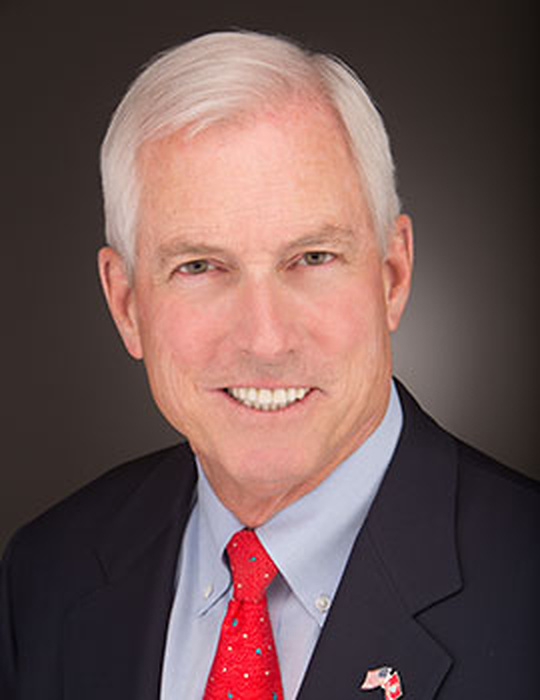
The Two-Year Trial That Lasted Three Decades
Before Tom Frana sold cloud services to Washington, he packed parachutes and learned that delivery means nothing unless the customer can use what arrives. At ViON, that lesson became a business model - and a two-year audition became a career measured in decades.
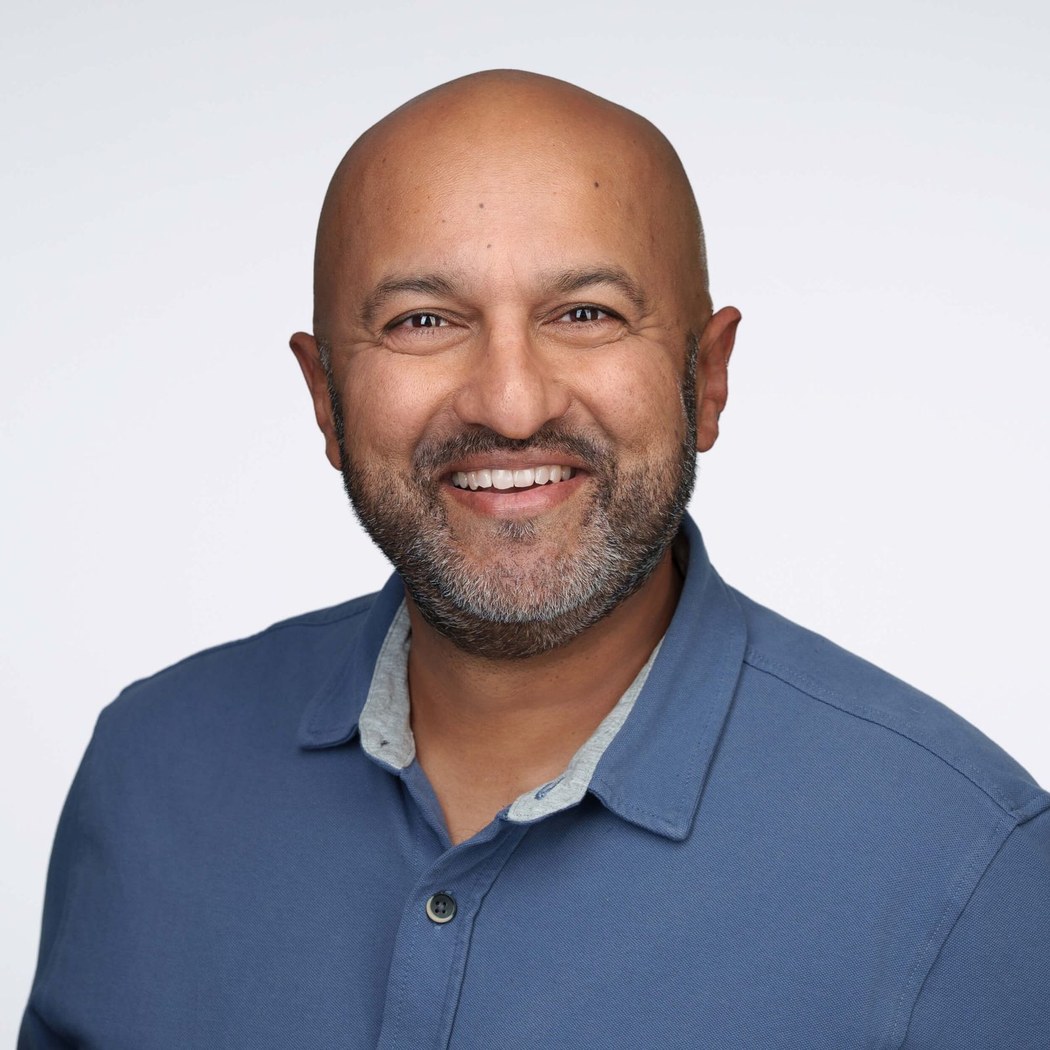
Mahesh Patel and the Accountant’s Instinct for the Sale
He studied law, mastered the finance function, and kept drifting toward the customer. At MinIO, Mahesh Patel's useful contradiction - the CFO who envies the salesperson - has become the job.
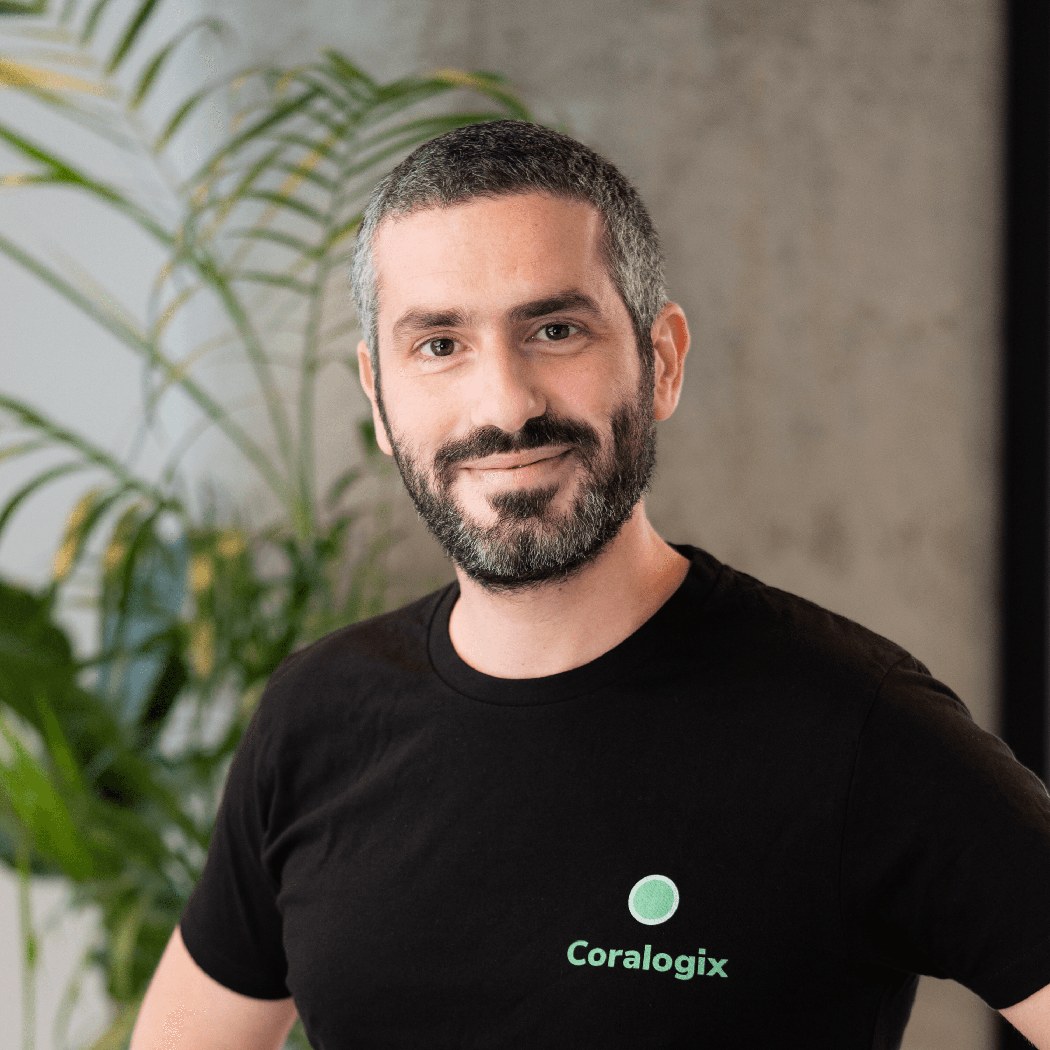
Ariel Assaraf Bet the Company on Looking Before Storing
Coralogix nearly ran out of road before its co-founder reversed the usual order of data analysis. Now Ariel Assaraf is applying that survival lesson to a noisier problem: how humans and AI agents understand what software is actually doing.
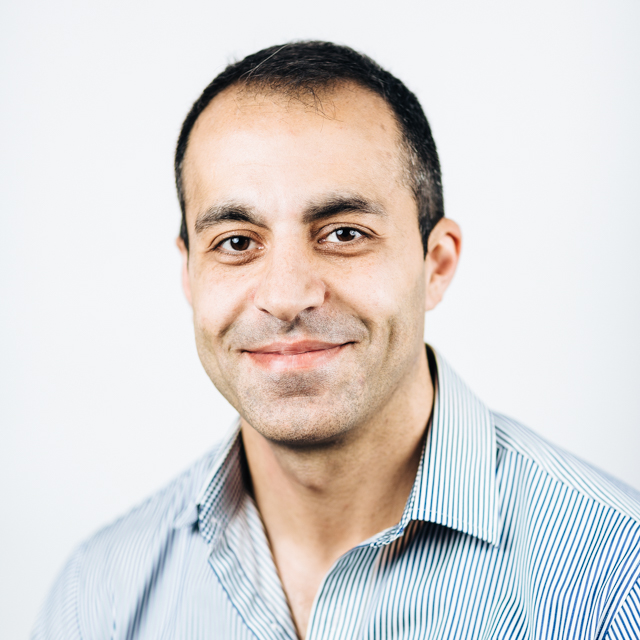
Ali Ghodsi Learned to Sell the Free Thing
The Databricks chief began with an awkward commercial problem: his laboratory had given away the engine. What followed was an education in turning open-source trust into a company without betraying the idea that made it matter.
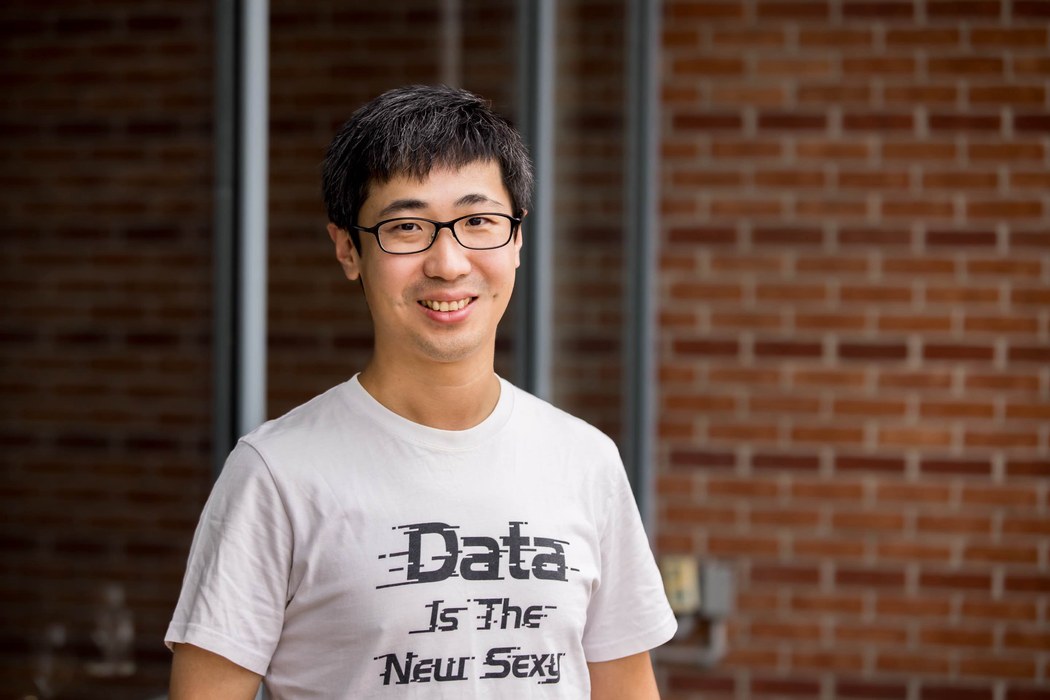
Tony Ren and the Long Way Back to Zero
He spent eleven years learning how networks carry information, then a decade learning how companies carry memory. After one exit and one return to startup life, Tony Ren is building for the handoffs that machines still forget.
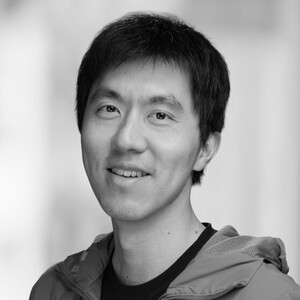
Reynold Xin Keeps Making the Complicated Feel Inevitable
The Databricks co-founder helped give big data a humane interface. Now he is returning to a problem his adviser once called solved - and finding it wonderfully unfinished.

Matei Zaharia Built the Fast Lane Beneath the Data Age
He started Apache Spark to fix a stubborn research problem. Seventeen years later, Matei Zaharia is still turning computing bottlenecks into open systems that other people can build on.

Asaph Schulman Put a Hacker’s Instinct Into B2B Marketing
The Firebolt CMO began as a software engineer, helped Checkmarx grow from below $1 million to more than $85 million in revenue, and learned that technical buyers will forgive a joke long before they forgive fluff.