business-intelligence
(86)
Richard W. Gray and the room that hadn’t been booked yet
Richard W. Gray helped build TravelClick around the business hidden inside hotel reservations. His career follows a practical question: what could a hotel do differently if it understood where its next guest was coming from?
Ntiedo Etuk and the people who come back
A missed brunch invitation gave the FitGrid founder a business question. His longer story runs through Nigerian childhood bedrooms, classroom video games and the difficult art of making people want to return.

Sébastien Goiffon and the trouble with a convincing number
He built Wiiisdom by helping companies check the numbers they use to make decisions. After years of bootstrapping, a move to Boston and a revised American dream, Sébastien Goiffon is asking what happens when AI starts trusting those numbers too.
Thomas F. Huang Found the Gap Between Knowing and Being Known
A researcher became a publisher, then started building tools to help companies find one another. Thomas F. Huang’s career follows a stubborn question: what happens to a good idea when the right people never hear about it?

Scot MacGillivray and the work between the big ideas
Before Cervello joined Kearney, Scot MacGillivray was building a business around getting systems to cooperate. His career shows how much of the data revolution happens between the announcement and the working result.

Roman Stanek and the trouble with being early
He helped turn a Czech student project into NetBeans, sold his next company for $105 million, and founded GoodData in 2007. Now Roman Stanek is asking what happens when the next customer for business intelligence is a machine.

Pavan Sondur and the cost of a wrong number
Pavan Sondur helped build Unbxd around a simple frustration: shoppers could not find what they wanted. At Coreworks AI, he and co-founder Prashant Kumar are taking on another familiar nuisance - the business presentation whose numbers nobody can quite explain.

Jian Chen and the company that learned to remember
Before EDETEK’s AI ambitions came a metadata repository designed by its founder. Jian Chen’s career follows a persistent question: how much work could a company save if its knowledge survived the next project?

Gaurav Rewari and the one-year break that never ended
He left MIT for a year in a small software company. Three decades, two startups and a succession of analytics businesses later, Gaurav Rewari is still working on how to turn information into a useful decision.

David Barboza and the secret life of a public record
He spent more than a year following corporate records to the family fortune of China’s premier. Then David Barboza began building WireScreen so the next investigation could start further along.
Naveen Miglani and the art of making things connect
A diplomat’s son became a software founder with a persistent interest in crossing boundaries. At SplashBI, Naveen Miglani is carrying that interest from business reporting into enterprise AI.

Karel Callens and the distance to an answer
In 2019, Karel Callens taught Alexa to answer a revenue question. The Luzmo co-founder has spent years working on the harder part: getting useful, trustworthy answers to people wherever they work.

Dror Har’s next idea already has a team
Before founding Globaldev Group, Dror Har had already grown an analytics business and joined a larger group himself. His next chapter brought engineering teams together across borders - and made the people behind the software the recurring subject.

Moritz Thoma and the sale nobody could see
First he helped homeowners find an estate agent; then he went looking for the purchases hidden behind the internet’s shop windows. Moritz Thoma’s career turns on a deceptively simple question: what actually sold?
Arun Srinivasan and the spreadsheet that wouldn't leave
He bought ads when Facebook was still finding its business model. At Clarisights, Arun Srinivasan is working on a stubborn consequence of digital marketing's success: getting the people spending the money closer to their data.
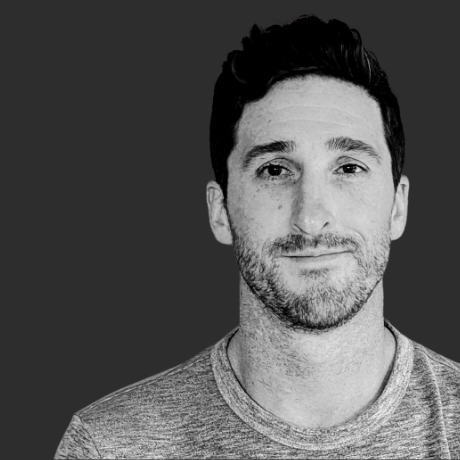
Justin Alanis and the Trouble With a Closed Door
He built Rentlytics to get property investors closer to their own information. At StoryCo, Justin Alanis and his brother are asking who gets to help create a story - and share in what it becomes.
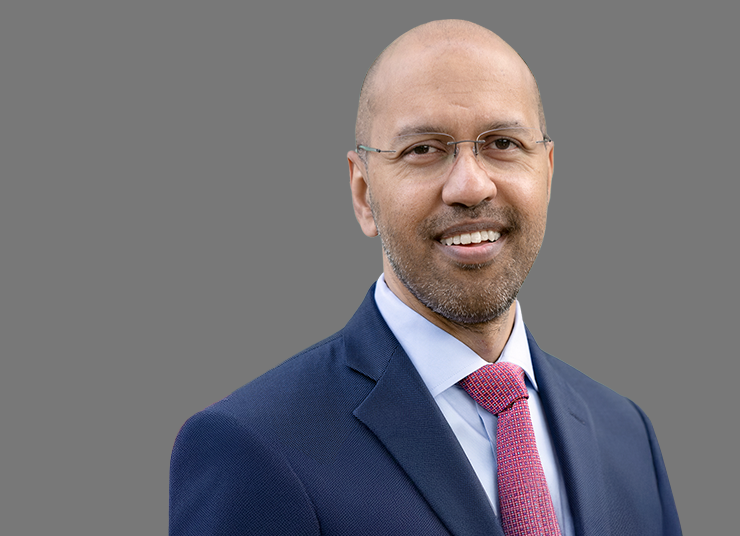
Saugata Saha and the distance between data and a decision
He once wanted to fly airplanes. After a career spanning sales, consulting, finance and enterprise data, Qlik’s new CEO is working on a different navigation problem: helping businesses turn information into action.

Michael Vadini and the price of keeping faith
At TITAN, Michael Vadini gave investors more shares and reduced his own stake. Through SignUpGenius, the family business behind Glew, and Infocenter’s sale to Insight, his career keeps returning to the people behind the systems.

Priyanka Rungta and the business of being understood
She helped Kolkata speak through hand shadows. From Navsoft’s early web applications to BoostMySale and NavAI, Priyanka Rungta has spent her career giving people a way into unfamiliar technology.

Ravikiran Dharmavaram and the trouble with a good idea
A career in analytics taught the Exafluence founder that useful technology has to survive contact with everyday work. His answer runs from old banking systems to a classroom at his former university.
Christian Chabot’s slow road to a faster answer
A former data analyst saw what a Stanford research project could change. Then Christian Chabot spent a decade turning Tableau into a public company, one customer and one question at a time.

Arun Gollapudi and the question before the answer
Before Systech, Arun Gollapudi wrestled with the cost and complexity of reporting at Nestlé. Three decades of databases, cloud platforms and AI later, his career keeps returning to a practical question: what can a business actually do with its data?

Akshay Jain and the Long Road from Data to a Decision
The UsefulBI co-founder has built a career around the distance between having information and knowing what to do with it. His company’s expansion offers a practical view of how an analytics business grows up alongside AI.
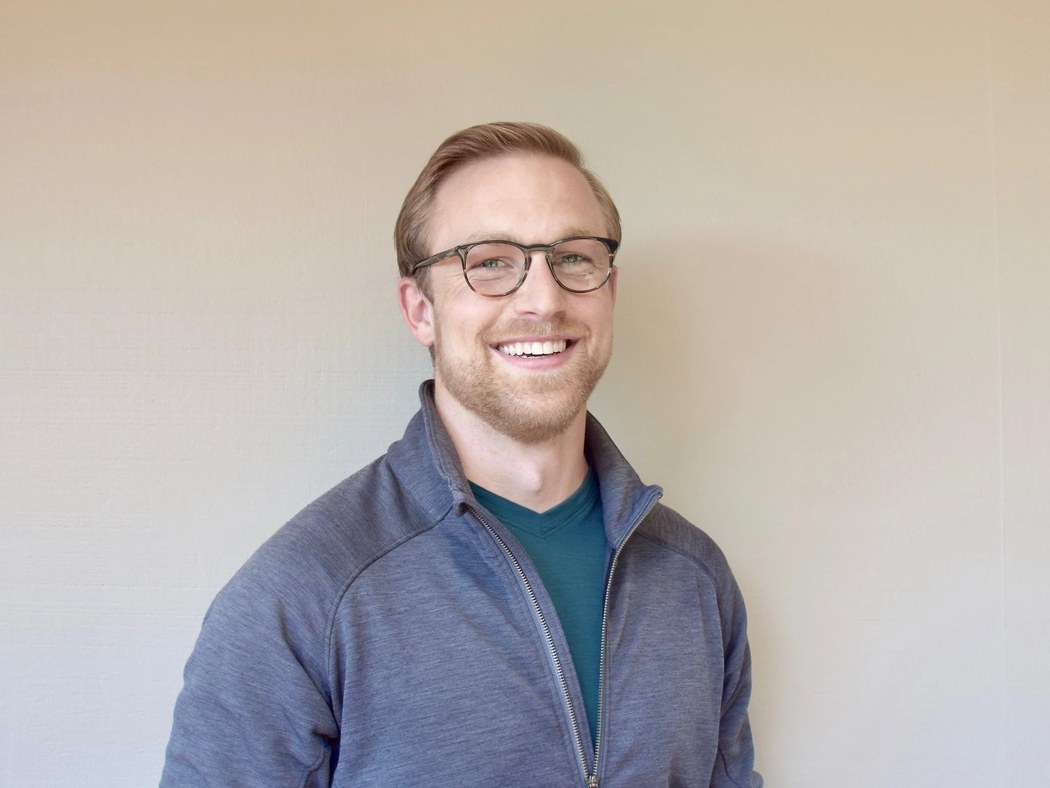
Tim Harsch and the things a company cannot tell you
A Dartmouth engineer helped build Owler around the knowledge people carry to work. His career asks a deceptively simple question: how do you persuade a crowd to make business less mysterious?
Jim Fowler keeps putting his faith in other people
He helped turn shared business cards into Jigsaw and company gossip into Owler. Now Jim Fowler is asking the crowd to answer a more basic question: is there a real person on the other end?

Sunny Pokala and the business of being heard
He built Amtex around the needs of Wall Street. A restaurant venture and a voice-based social app reveal how often Sunny Pokala has taken a familiar frustration and tried to make a business out of it.

Andrew Beers and the unfinished business of a better question
He joined Tableau as employee seven, helped build its software, and became its CTO. Now Andrew Beers is back at a small company, working on an old ambition with new tools: making data easier to think with.

Tracy Young and the trouble with a perfect blueprint
She helped turn construction drawings into an $875 million company. Then Tracy Young went back to the problems the success story left out - and built her way back to construction.

Gal Rimon and the Trouble with Keeping Score
Before he founded Centrical, Gal Rimon learned how it felt to go from team captain to last place on the national youth squad. His career has become a long inquiry into what happens after somebody tells you to improve.

Mark LaRow and the trouble with a simple answer
For decades, Mark LaRow has worked on getting useful answers out of unruly data. His route from MIT to MicroStrategy and Verato passes through a surprisingly persistent question: can the software make sense of the person using it?