bioinformatics
(32)
Ilsong Lee’s Second Act Is Making Research Less Mechanical
After decades spent turning complex semiconductor systems into businesses, Cipherome’s CEO is applying the same operational instinct to the messier machinery of clinical and genomic data.
Giordano Bottà Left Oxford to Put a Number on the Invisible
A mosquito-genomics researcher spotted a stubborn gap between scientific discovery and useful software. He packed up in Oxford, returned to Rome, and began the long work of making inherited risk legible in the clinic.
Brian Gilman Has Spent 25 Years Making Science Easier to Search
Before AI promised to read all of biology, Brian Gilman was already trying to make scientific information usable. At Plex Research, his old obsession has acquired a new engine - and a stricter test: show the evidence.
Bradley Murray Is Turning a Wild Scientific Search Into a Clinical Routine
He learned to read genomes, helped build CRISPR programs, and sat on the investor's side of the table. Now Bradley Murray is betting that the future of diagnostics depends less on inspired guessing and more on disciplined execution.
Pilgrim Jackson Is Teaching Cancer Drugs to Find Their People
After 13 years inside Celgene, the biochemist left to chase a stubborn question: what if a drug fails because its trial never found the patients whose proteins say yes?
Jasmin Hume Is Teaching AI to Read Nature's Ingredient List
The protein engineer behind Shiru is compressing years of ingredient discovery into months - and turning nature's overlooked molecules into products manufacturers can actually use.
Diana Abdueva Is Teaching Blood to Keep Better Notes
The computational biologist behind Aqtual has spent two decades learning how to pull useful signals from noisy biology. Now she is building a company around a deceptively simple idea: the blood carries a running record of what the body is doing.
David Ge Builds the Quiet Machinery Behind Liquid Biopsy
Before a genomic test can read a signal, someone has to rescue it from the noise. David Ge has spent his career moving upstream - from interpreting DNA data to engineering the chemistry that decides what reaches the sequencer.
Brandon Rice Is Turning Drug Development’s Paper Trail Into Working Memory
The Weave Bio CEO began with Neanderthal genomes and ended up rebuilding one of drug development’s least glamorous systems. His wager is simple: let software carry the paperwork so experts can carry the judgment.
Daehwan Kim
Daehwan Kim is a computational biologist and software engineer whose genome-alignment tools - TopHat, HISAT and HISAT2 - are cited more than 78,000 times and are used by researchers worldwide to read DNA and RNA data. A former Michael L. Rosenberg Assistant Professor in the Lyda Hill Department of Bioinformatics at UT Southwestern Medical Center, he co-founded Omphalos Lifesciences, where he invented L++, a high-level programming language meant to describe living systems the way C++ describes machines. His goal is a fully programmable, simulatable virtual cell.
Simon Adar
Simon Adar is the co-founder and CEO of Code Ocean, a New York-based platform that packages research code, data, and compute environments into reproducible 'compute capsules' so scientists can rerun each other's work without wrestling with dependencies. A hyperspectral imaging PhD from Tel Aviv University turned Cornell Tech Runway postdoc, he started the company after concluding that too much of his own research time went into trying, and failing, to rerun other people's code.
James Lu
James Lu is the co-founder and CEO of Helix, a population genomics company he helped launch in 2015 with Justin Kao and Scott Burke. An MD/PhD trained at Baylor College of Medicine with chemical engineering degrees from Stanford, Lu built his career at the intersection of machine learning, electronic health records, and genetics. He argues that the genome should sit alongside blood pressure and cholesterol as a core clinical input - the difference being that your genome never changes. Under his leadership Helix runs one of the largest clinical sequencing labs in the US and the Helix Research Network, and its GenoSphere dataset links more than 500,000 clinico-genomic records.
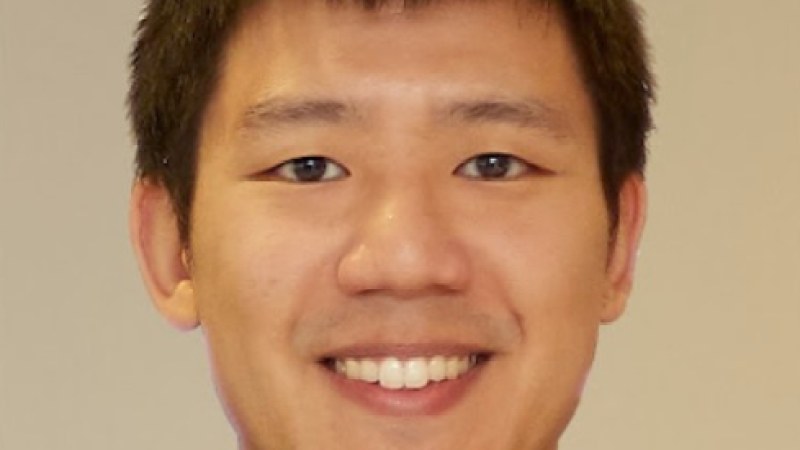
Jonathan Wang
Jonathan Wang is the co-founder and CEO of Watershed (Watershed Informatics / Watershed Bio), a Cambridge-based biocomputing platform that lets biologists run complex multi-omics analyses without writing code. An MIT computer scientist who once built a high-frequency trading hedge fund out of his dorm room, Wang co-founded Domeyard before pivoting to biology in 2019, applying the speed-obsessed engineering culture of quant finance to the sprawling data problem of modern drug discovery. Watershed raised a $14.5M Series A led by Canvas Ventures in 2023 and aims to become the dominant biocomputing platform for the world's scientists.
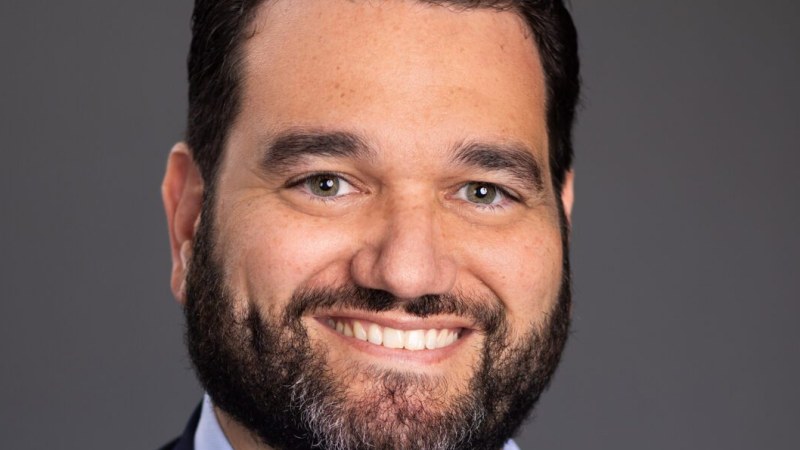
Louis Licamele
Louis Licamele, PhD is a computer scientist turned drug developer who serves as Chief Development Officer and EVP of Clinical and Data Science at Bloom Science, a San Diego biotech building microbiome-based, ketogenic-mimicking live biotherapeutics for obesity and neurological disease. A founding team member, he oversees biostatistics, clinical data management, and data-driven trial design for the company's lead candidate BL-001. He built his career at the intersection of data and medicine - a BS in biology and computer science from Georgetown, a PhD in computer science from the University of Maryland, and senior informatics and biometrics roles at Vanda Pharmaceuticals and REGENXBIO. He also runs The Licamele Group, advising healthcare companies on data science, AI, and regulatory strategy.
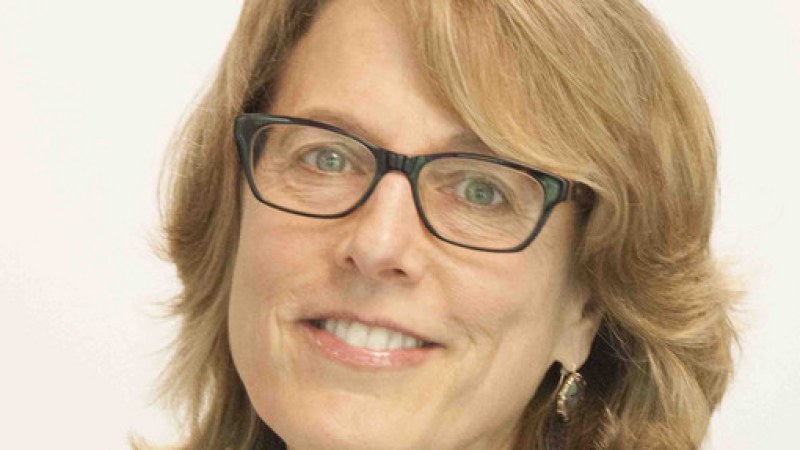
Marilyn Matz
Marilyn Matz is the CEO and co-founder of Paradigm4, the Waltham, Massachusetts company behind SciDB, an array-native computational database built for the tangled, multi-dimensional data of genomics, clinical research, and imaging. She launched it in 2010 with database legend and Turing Award laureate Mike Stonebraker to move his MIT research into the hands of working scientists. Decades earlier she left MIT to co-found Cognex, now a global machine-vision powerhouse, where she ran worldwide engineering and later a business unit. A two-time technical founder who codes the deep infrastructure and still sells to the customer, Matz has spent a career making impossibly large scientific data explorable, reproducible, and fast.
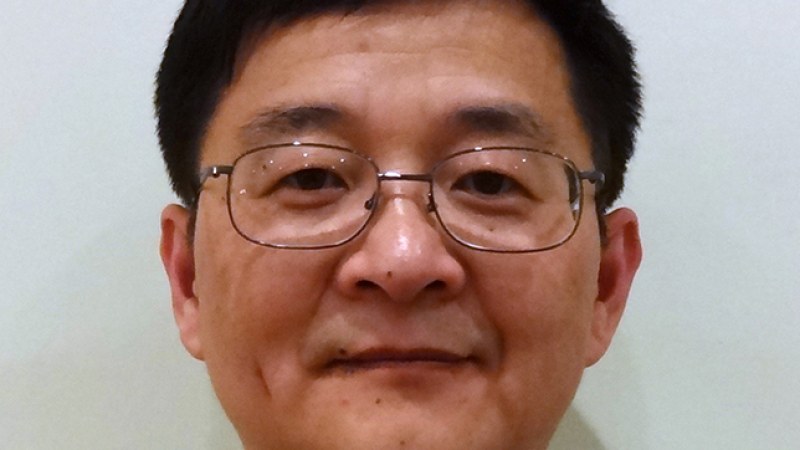
Jun Ye
Jun Ye is the co-founder, president and CEO of Sentieon, a Mountain View bioinformatics company whose variant-calling software has swept the precisionFDA Truth and Consistency Challenges. A Stanford-trained electrical engineer with more than 50 U.S. patents, he previously co-founded Brion Technologies (acquired by ASML in 2006) and Founton Technologies (acquired into Alibaba in 2012), and taught at Stanford as a consulting professor for fourteen years.
Eduardo Abeliuk
Eduardo Abeliuk is the founder and CEO of TeselaGen Biotechnology, a Silicon Valley company building AI agents and enterprise software for biological R&D. A Chilean-born physicist and electrical engineer with a Stanford PhD, he sits at the intersection of biology, artificial intelligence, and software - treating DNA as data and lab work as something that ought to be automated. Before biotech he built a Facebook app that hit a million users in weeks and an edtech platform across Latin America. He holds multiple US patents in computational biology and synthetic biology and his academic work has been cited more than a thousand times.
Michael Driscoll
Michael Driscoll is the co-founder and CEO of Rill Data, a company building fast, operational business intelligence dashboards on top of an embedded analytics engine. He previously co-founded Metamarkets, the ad-analytics firm whose internal database became the open-source project Apache Druid before Snap acquired the company in 2017. A bioinformatician turned serial entrepreneur, Driscoll began his career as a software engineer on the Human Genome Project, holds a PhD in Bioinformatics from Boston University and an AB from Harvard, and has spent three decades arguing that metrics, not tables or dashboards, are the real interface between data teams and the businesses they serve.
Stephen Larson
Stephen Larson is a neuroscientist and entrepreneur who co-founded OpenWorm, the open-science effort to build the first complete digital organism by simulating the 302-neuron nervous system of the roundworm C. elegans. He is co-founder and CEO of MetaCell, a life-science software company that helps pharmaceutical firms and research institutions visualize, analyze, and collaborate on complex biological data. Trained at MIT in computer science and AI and at UC San Diego in neuroscience, he sits at the intersection of code and biology, betting that understanding a worm in silico is a first step toward understanding the human brain.
Alfredo Andere
Alfredo Andere is the co-founder and CEO of LatchBio, a San Francisco company building cloud and machine-learning infrastructure for biology. Born in Mexico City and raised in Guadalajara, he studied Electrical Engineering and Computer Science at UC Berkeley, worked at Google on the TensorFlow-NumPy framework and as a data engineer at Facebook, then dropped out of Berkeley in early 2021 with two college friends to start LatchBio. The trio conducted roughly 300 customer interviews before writing code, raised an oversubscribed $5M seed led by Lux Capital, and have since scaled the company through a $28M Series A and a 2026 Series B, bringing total funding to $163M. Andere is a Forbes 30 Under 30 honoree.
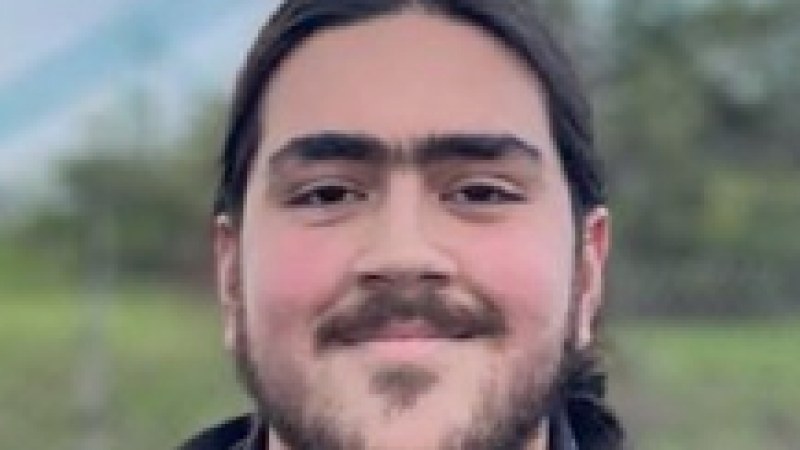
Deniz Kavi
Deniz Kavi is the co-founder and CEO of Tamarind Bio, a San Francisco company that turns hundreds of complex computational-biology models - AlphaFold, RFdiffusion, OpenFold and more - into a point-and-click web tool and API so scientists can design drug candidates without writing code or wrangling cloud infrastructure. A Stanford computer-science graduate who did computational-biology research and engineered software at Stanford School of Medicine, he started the company in 2023 with co-founder Sherry Liu, went through Y Combinator's W24 batch, and in February 2026 raised a $13.6M Series A led by Dimension Capital. Tamarind now serves 10,000+ scientists, including 8 of the top 20 global pharma companies, and was tapped to run the inference infrastructure behind Eli Lilly's TuneLab 2.0.
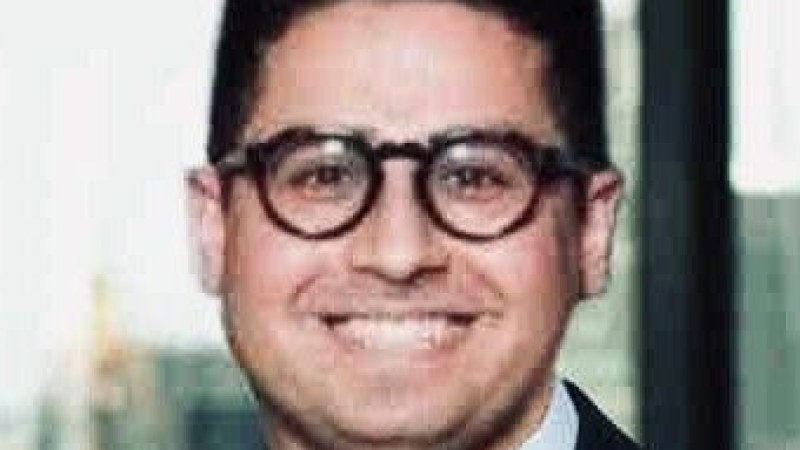
Reza Javan
Reza Javan is the CEO and co-founder of Telescope, a London-based AI prospecting platform that automates B2B outbound across email and LinkedIn. Before he sold software to salespeople, he was Dr. Reza Rezaei Javan, an Oxford DPhil microbiologist who sequenced thousands of pneumococcal genomes and discovered new families of antimicrobial peptides. He swapped the lab bench for a startup at Entrepreneur First's LD17 cohort, where Telescope was born in 2021. The company is backed by Sequoia Capital, Soma Capital and Entrepreneur First.
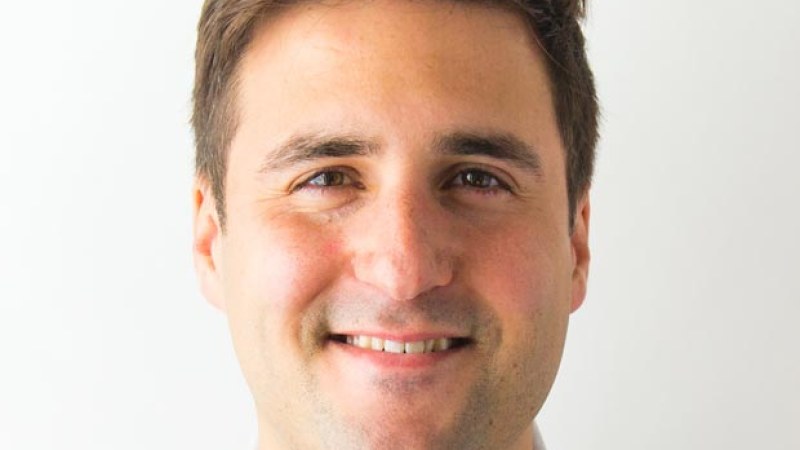
Sam Schatz
Sam Schatz is the CEO and co-founder of Biohm Technologies, a Cleveland-based microbiome company betting that the future of gut health lives in fungi, not just bacteria. After spending a decade as AeroFarms' first employee scaling vertical farming from a startup into a global leader, he pivoted to the gut, turning a direct-to-consumer wellness brand into a B2B ingredients and data company built on a proprietary dataset of bacterial and fungal gut populations. He pairs data science with biology, raised a $4.52M Series B in 2025, and shipped Mycohsa, a probiotic blend clinically shown to break down digestive biofilms. Off the clock he is an Adirondack 46er and open-water swimmer.
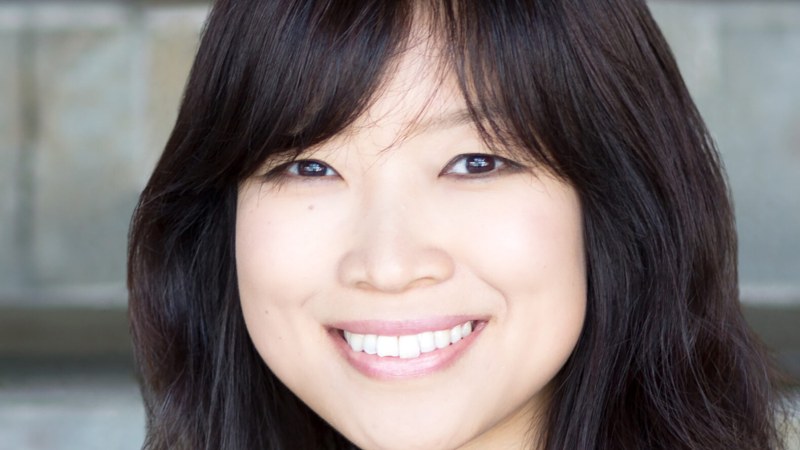
Fang Cheng
Fang Cheng is a serial founder who builds AI that actually answers the question. She co-founded Touchco (acquired by Amazon, became the Kindle), founded Linc (acquired by Capacity in 2024), served as SVP & GM of Retail CX Automation at Capacity, and is now building a stealth venture focused on agentic commerce for restricted wallets.
Abhishek Jha
Abhishek Jha is the Co-Founder and CEO of Elucidata, a San Francisco-based AI company making biomedical data AI-ready for drug discovery and pharmaceutical R&D. A trained physical chemist with a PhD from the University of Chicago and postdoctoral work at MIT, he spent years at Agios Pharmaceuticals contributing to four FDA-approved first-in-class therapies before co-founding Elucidata in 2015. Under his leadership, the company has raised over $22.7M in funding, grown to 170 employees, and achieved $22.2M ARR, while evolving from a data-curation platform into an AI company solving out-of-distribution (OOD) problems in biomedical research - work that earned Elucidata recognition as one of Fast Company's Most Innovative Companies in 2024.
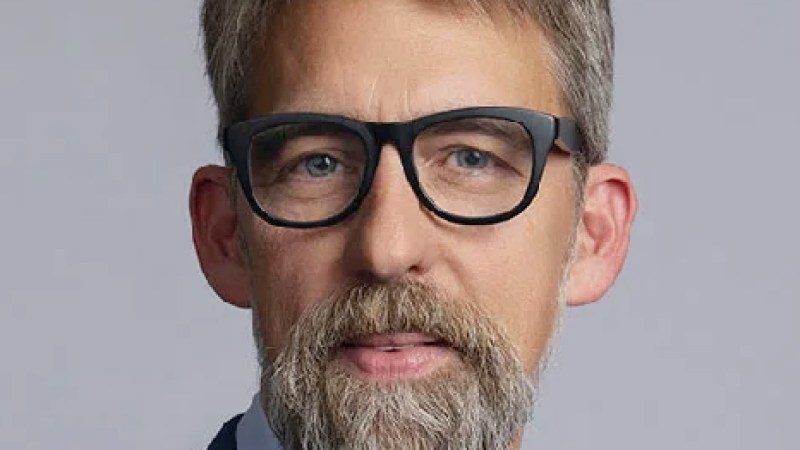
J. Seth Strattan
J. Seth Strattan, PhD is a General Partner at Two Bear Capital, a Whitefish, Montana-based venture capital firm investing at the crossroads of life sciences and technology. With a PhD in Structural Biology and a BA in Philosophy from Stanford University, Strattan spent years at Stanford building and leading the engineering and data science teams behind landmark genomics consortia - ENCODE, the Human Cell Atlas, and the International Human Epigenomics Consortium - before pivoting to back the founders tackling biology's hardest problems. He is based in Silicon Valley, leads Two Bear Capital's Menlo Park office, and splits his remaining time between Montana and a family farm in the Appalachian Mountains of Kentucky.
Dan Riskin
Dan Riskin is a physician-entrepreneur, trauma surgeon, and healthcare AI executive who founded Verantos in 2015 to generate high-validity real-world evidence from messy clinical data. A serial innovator who began coding at age 5 and sold software at 12, Riskin holds an MD from Boston University and an MBA from MIT, is board-certified in four specialties, and serves as Clinical Professor of Surgery at Stanford. His prior company Health Fidelity was acquired for more than $150 million. Today, Verantos powers regulatory and reimbursement decisions for major pharmaceutical companies by turning fragmented EHR data into research-grade evidence at scale.
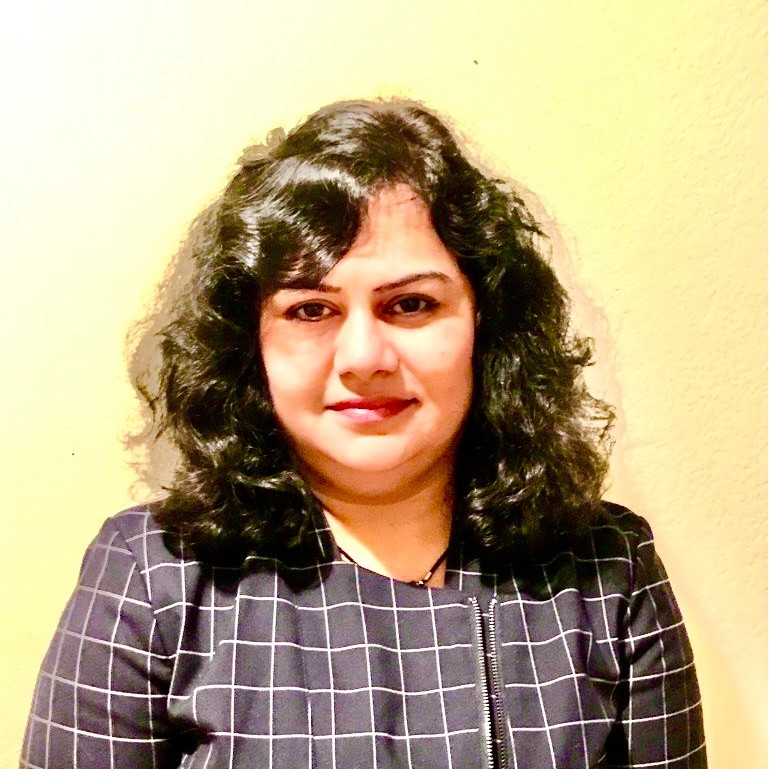
Gauri Naik
Dr. Gauri Naik is a Ph.D. biotechnologist, serial entrepreneur, and Co-Founder & CEO of OptraHEALTH, a Silicon Valley AI health-tech company building conversational AI and revenue cycle automation tools for genetics, genomics, and clinical workflows. With 11 U.S. patents, a career spanning digital pathology (BioImagene, acquired by Roche), and products deployed at leading health systems across the US, Europe, and Asia, she sits at the intersection of molecular biology, machine learning, and enterprise health IT.
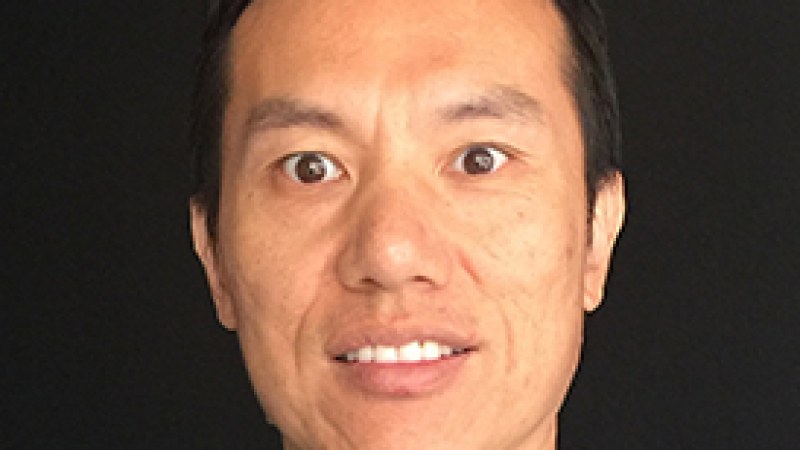
Yongwei Zhang
Yongwei Zhang is the CEO of Complete Genomics and MGI Americas, leading one of the most ambitious efforts to make whole-genome sequencing fast, accurate, and affordable at scale. With a PhD in Mechanical Engineering from Johns Hopkins and dual bachelor's degrees from Tsinghua University, Zhang brings a rare blend of optics precision, software fluency, and entrepreneurial grit to the genomics frontier. He architected the DNBSEQ sequencing platform series now used by over 2,600 researchers in 100 countries, and has positioned Complete Genomics as a formidable challenger to Illumina's market dominance - at a fraction of the cost.
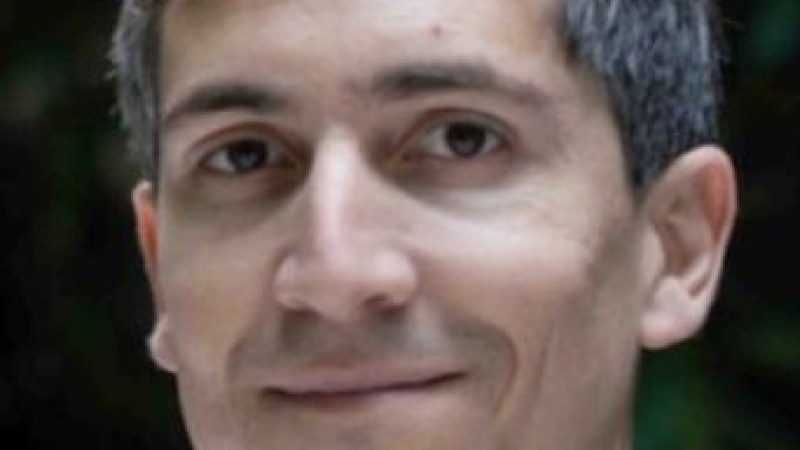
Francisco Leport
Francisco Leport is the co-founder and CEO of Gordian Biotechnology, a South San Francisco-based company pioneering high-throughput in vivo drug discovery for age-related diseases. Trained as a physicist at Stanford, Leport pivoted from particle physics and energy tech into biotech, driven by a lifelong fascination with longevity sparked by his mother's fruit fly research. Gordian's signature 'mosaic screening' platform uses gene therapy vectors and single-cell RNA sequencing to test hundreds of therapies simultaneously in single animal models, with an AI system called Pythia scoring results against human disease signatures - achieving 80% accuracy in predicting clinical outcomes. The company raised a $60M Series A in April 2024, backed by Founders Fund, Gigafund, and The Longevity Fund, and in early 2026 announced a research collaboration with Pfizer to accelerate obesity drug discovery.