b2b-marketing
(645)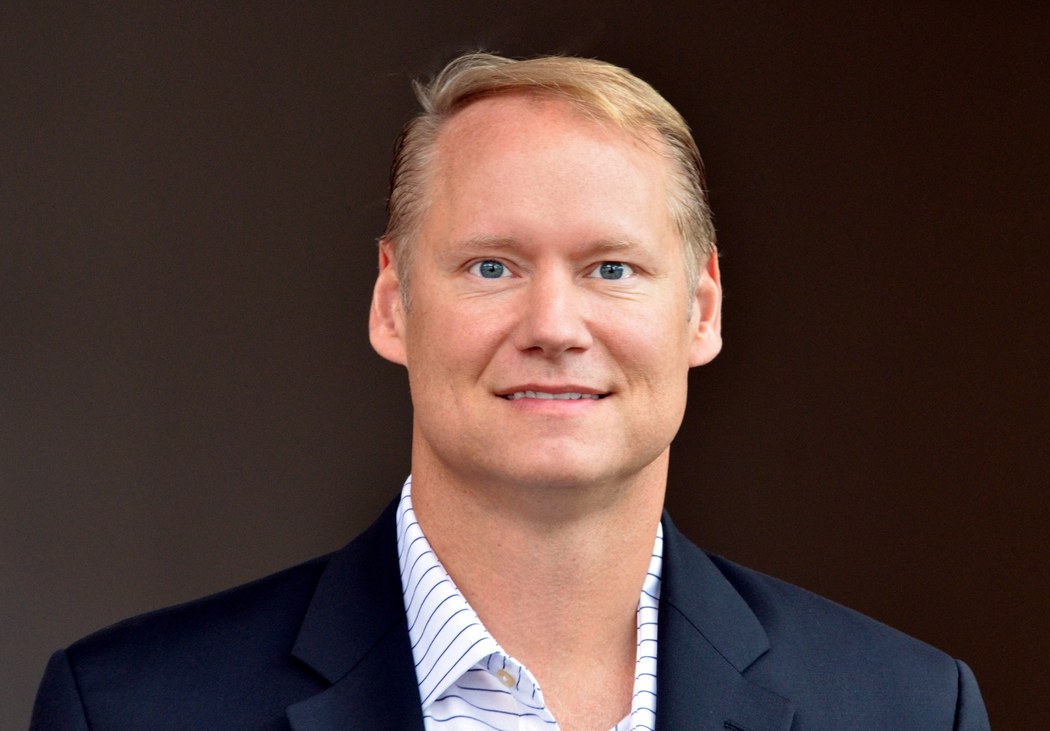
Fred Ewald built the desks. Then he built room for others.
MarketOne’s co-founder began with handmade furniture and a practical approach to business. His longer project was building a company that could keep growing in other people’s hands.

Mark Choudhari wants his time back
The Machintel founder spent years applying AI to business, then found himself serving the software. His next venture, JynAI, takes aim at the work that keeps founders from running their companies.
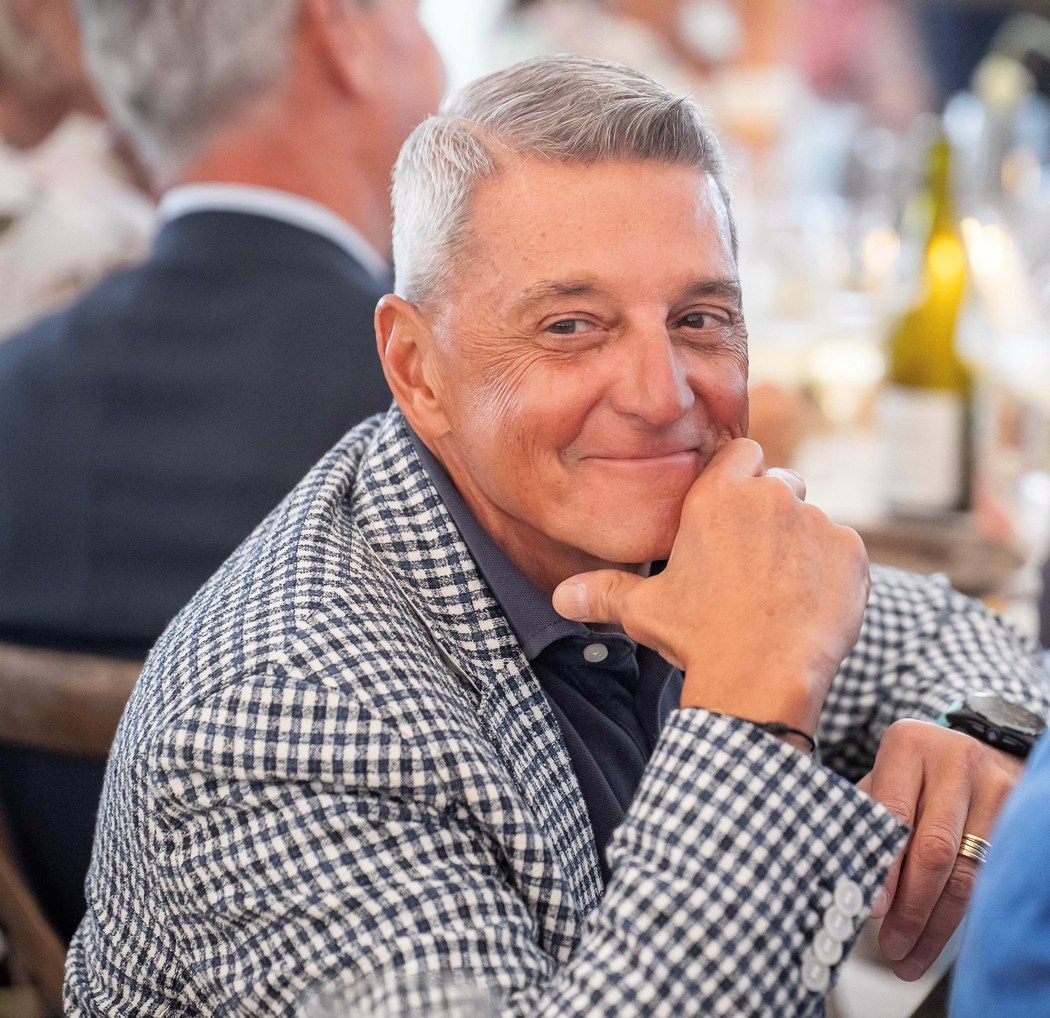
Phil Nardone’s growth plan: make room for other people
He began at the reception desk and founded PAN in 1995. The lesson that helped him grow the agency was learning when to leave the decisions to someone else.

Sharat Sharan kept the company. He changed the idea.
Over 27 years at ON24, Sharat Sharan traded a financial-news ambition for a business built around audience engagement. His route from a cramped San Francisco office to an IPO and a sale to Cvent was anything but a straight line.

Anuj Pakhare wants the click to prove something
At Vereigen Media, Anuj Pakhare has built a B2B marketing business around first-party data and human verification. His recurring question is disarmingly simple: did a real person actually engage?
Ashwin Vora keeps the business of connection working
From software engineering to B2B demand generation, the aMarketForce co-founder has built a career around work that happens between companies. His own life runs between Mumbai and California.

Chris Klopper and the art of growing carefully
He named Mulberry after the fruit he once sold door to door. Over nearly 23 years, Chris Klopper turned that small-business memory into an international communications agency, keeping people and practical judgment close to the centre.

Greg Segall and the gift that didn’t fit
An oversized jacket helped Greg Segall see what corporate gifting kept getting wrong. With Alyce, the Boston founder built a business around a deceptively ordinary question: what would the other person actually like?
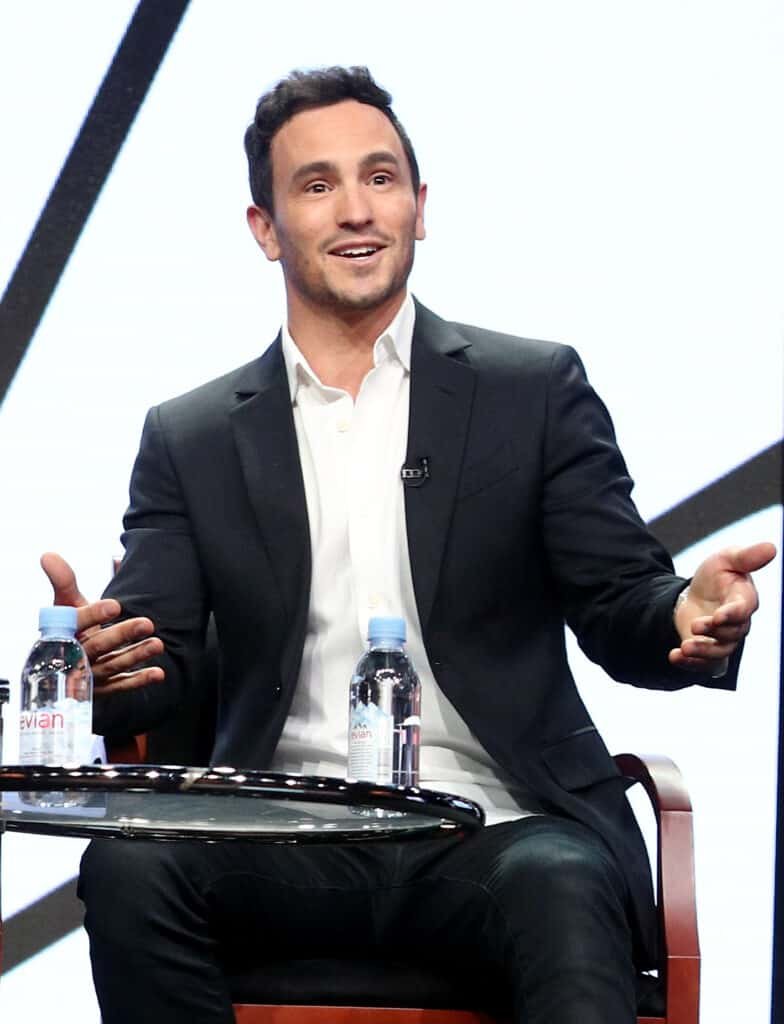
Jeremy Bloom would like to change the rules
Skiing endorsements cost Jeremy Bloom his college football career. Two Olympics and a software company later, the X Games CEO has a chance to reshape the arrangements around athletic talent.

Marlene Byrne and the Serious Business of Playing Outside
She built Celtic Chicago, wrote books about backyard games, and turned family transitions into material. Across advertising and authorship, Marlene Byrne keeps returning to a practical question: what will people do with a good story?
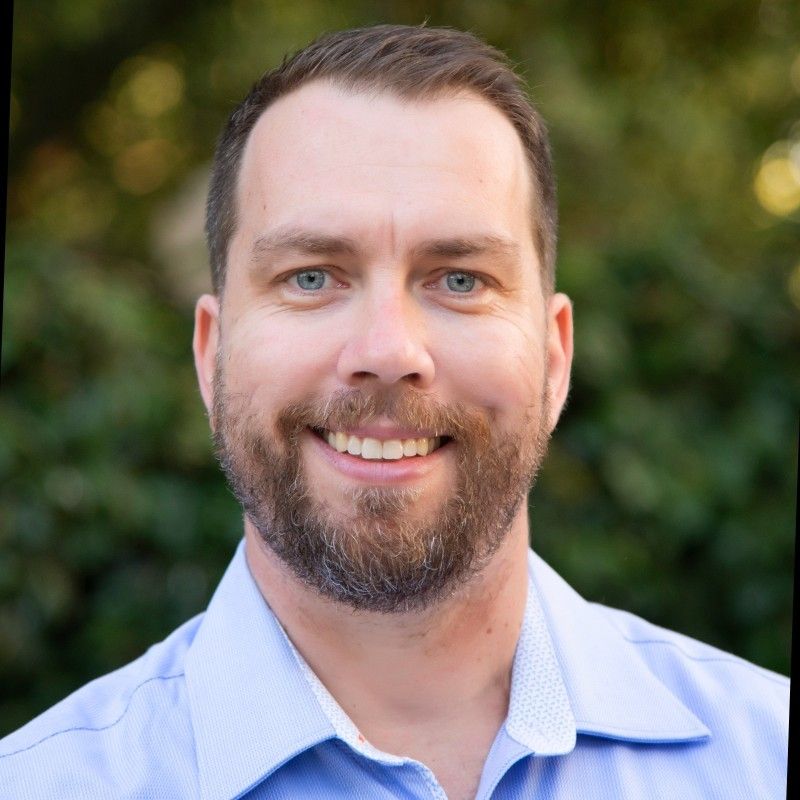
Mike Schaffer and the business of saying yes
A commercial photographer kept getting asked to do more. He built Echo-Factory around the answer, then learned that a useful yes requires curiosity, good partners and the occasional refusal.

Shama Hyder and the business of being early
Eighteen employers turned her down. She built Zen Media anyway. Now Shama Hyder is asking business leaders to make sense of another unfamiliar technology: AI.

Jaleh Rezaei and the trouble with a working business
She built Mutiny to free marketers from the engineering queue. Then AI arrived, and Jaleh Rezaei decided that even a business with eight figures in recurring revenue needed a fresh start.

Elizabeth Zaborowska and the business plan she erased
A software idea disappeared from her living-room whiteboard. The values stayed. Elizabeth Zaborowska built Bhava Communications around them, then carried the experiment into the age of AI.
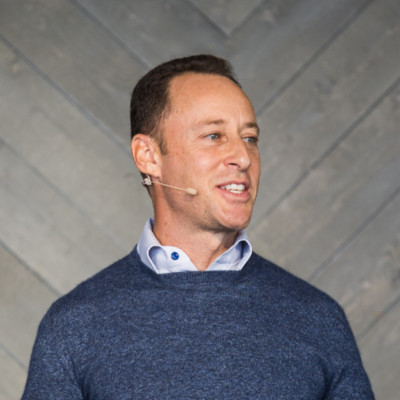
Erik Matlick and the business of paying attention
From magazine advertising to Madison Logic and Bombora, Erik Matlick has kept returning to one question: what is a buyer actually interested in? His answer has become a career in making marketing more selective.

Clive Armitage and the Art of Starting Again
An Apple pitch helped create Bite Communications. A stationery cupboard housed Agent3. Across 36 years at Next Fifteen, Clive Armitage kept finding reasons to begin again - and people worth beginning with.

Jay Hallberg and the case for giving it away
A $20 subscription posed an awkward question for Jay Hallberg. The answer helped turn Spiceworks into a gathering place for IT professionals - and still echoes in his next company.

Amy Woods and the work that happens after publish
After more than a decade in management consulting, Amy Woods built Content 10x around a neglected question: how much useful life is left in the work you have already made?
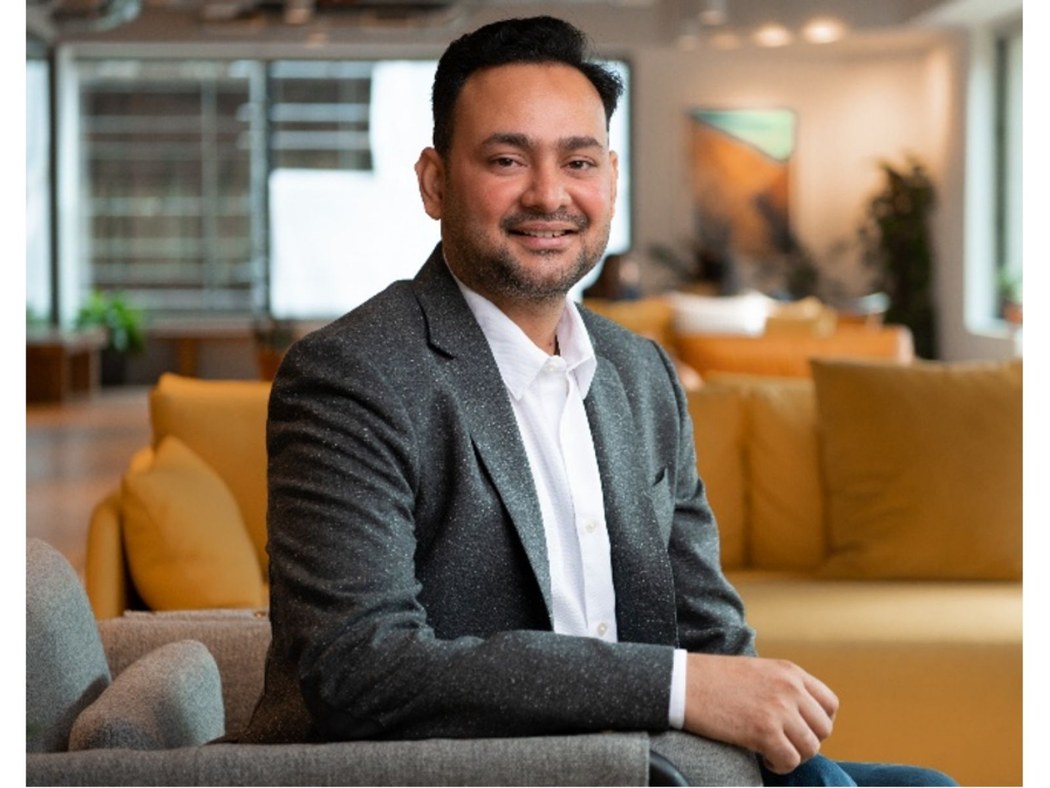
Puneet Shukla and the distance between a name and a customer
He started S2W Media in a Pune cyber-café, selling by day and generating leads by night. Fourteen years later, Puneet Shukla is still asking what makes a business relationship worth having.

Garrett Mehrguth and the customer who disappeared
His first restaurant client closed before paying him. Garrett Mehrguth went on to build Directive around a question that still follows every campaign: did it bring in a customer?

Rom Agustin and the art of the second attempt
Before Callbox, Rom Agustin spent a decade in oil and gas engineering and tried his hand at other businesses. The habit that connects those chapters is still visible: build a process, give people room, and keep revising.

Taran Nandha and the Distance Between a Click and a Customer
He wanted to build a global company made in Chandigarh. With Growth Natives and DiGGrowth, Taranbir Singh Nandha has spent the years since asking a deceptively awkward question: what actually makes a business grow?

Scott Bedford and the value of a very particular crowd
Before Multiview became a B2B marketing business, Scott Bedford worked on electronic advertising for newspapers. His career kept returning to a practical question: how do you bring an advertiser to people who have a reason to care?

Tim Furey and the customer who moved
Tim Furey built the original MarketBridge business around how companies reach their customers. From sales channels to AI search, his recurring question is what happens when the buyer finds another way in.
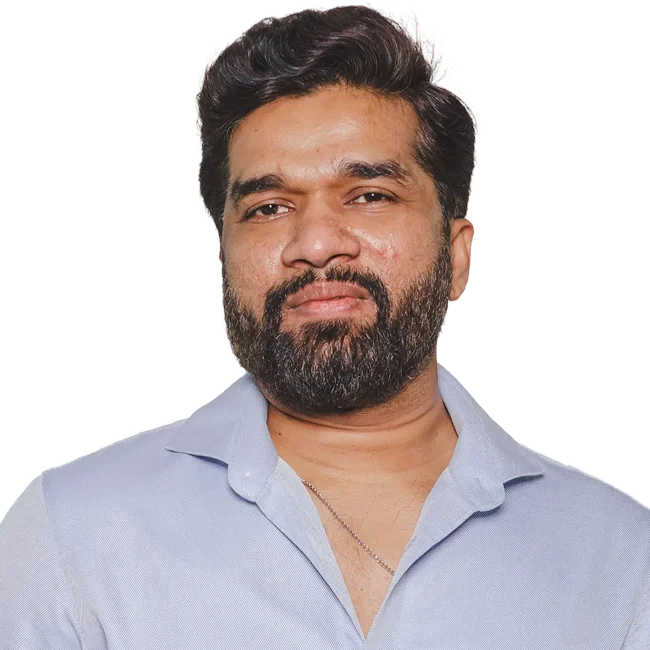
Rameshwar Sahu and the trouble with a good lead
A summer job in a call center became a career in sales. Now the UnboundB2B co-founder is asking why marketing and sales so often disagree about the very people they hope to win over.

Manish Mishra and the people behind the pipeline
Before he co-founded Manlitics, Manish Mishra led operations, quality and delivery teams. His path to the chief executive’s chair runs through the everyday work of helping other people get things done.

Alexander Kesler and the case for a little doubt
He began by selling software that tracked missing computers. Now the INFUSE founder is working on another problem of visibility: the decisions buyers make before a seller ever hears from them.

Benjamin Shapiro and the business of paying attention
A guitar lesson website, a conversation with a Lyft driver, and a marketing podcast all became ways for Benjamin Shapiro to follow his curiosity. The founder of I Hear Everything has spent the years since learning which parts of a conversation can become a business - and which parts still need him.

Rishikkes Pawar and the price of starting again
After six difficult years at Digitalzone, Rishikkes Pawar bought full ownership and rebuilt the business around direct customer relationships. His next education was learning which opportunities deserved a no.

Julia Nimchinski and the trouble with knowing the answer
She learned B2B marketing by doing the job before anyone could show her how. With Hard Skill Exchange, Julia Nimchinski has turned that experience into a business built around practice, practitioners, and increasingly difficult questions about AI.