affiliate-marketing
(93)
Conversant and the art of remembering you
One shopper. Several screens. A very expensive case of mistaken identity. Conversant built its advertising business around joining the dots - and making the resulting sales count.

Yellow Stone and the art of the second visit
Getting a player to click is one job. Yellow Stone brings payments, marketing, analytics and customer care into the much longer business of getting them to return.

Warrior Plus and the price of a click
A digital product needs someone to sell it. Warrior Plus built a marketplace around that simple problem - and a system for deciding who gets paid, how much, and when.

Alicia Navarro and the business hiding inside the business
She built Skimlinks by letting go of the product she meant to sell. With FLOWN, Alicia Navarro is following another problem she encountered herself: finding the space to do work that matters.

Alyson Dutch and the Art of Being in the Right Place
From a spider by a porch light to a room full of reporters, Alyson Dutch keeps asking where people actually gather. Her life in publicity has taken her through product launches, a recession-born business and the loss of her Malibu home to fire.

Malcolm Cowley and the business of getting out of the way
After helping build an affiliate network sold to AOL, Malcolm Cowley started again with a different proposition: give brands the tools to run their own relationships. The idea became Partnerize.

Anthony Kossatz and the Art of Keeping the Lights On
Before Digistore24 could help other entrepreneurs sell, it had to pay its own bills. Anthony Kossatz’s story runs from that early financial squeeze to the leadership of its German business - with Hildesheim still in the picture.

Sven Platte and the business behind the buy button
He set out to sell ebooks and found himself wrestling with the machinery of online commerce. Digistore24 grew from that frustration into a business he now uses to help other entrepreneurs build their own.

Francis Wolff and the value of a broken checkout
Before he helped build Digistore24’s U.S. business, Francis Wolff was the customer fighting with the machinery. His career has become an argument for fixing the dull things - and getting the right people in the room.

CJ and the price of a recommendation
A sale has many helpers. CJ connects brands with the publishers and creators who influence a purchase, then tackles the awkward business of deciding who gets paid.
ClickBank made the sale. Who gets the money?
A product, an audience, and a very particular split of the proceeds. Inside the Boise company that turns other people’s selling skills into an e-commerce business.

Sam Darawish and the Art of Selling What Isn’t Quite There
He took screenshots to a Las Vegas trade show and came back with Everflow’s first customers. A decade of building has followed the same practical question: what will make someone willing to switch?

Dub makes every link accountable.
A short link is easy. Knowing what it earned is harder. Dub connects the click, the customer and the commission - and turns a small piece of the web into a working business tool.

Li Haslett Chen and the price of a good recommendation
A childhood in Beijing, a detour through Vogue, and a broken shopping link helped shape the founder of Howl. Now, after selling its creator business, Li Haslett Chen is asking what happens when AI becomes the personal shopper.
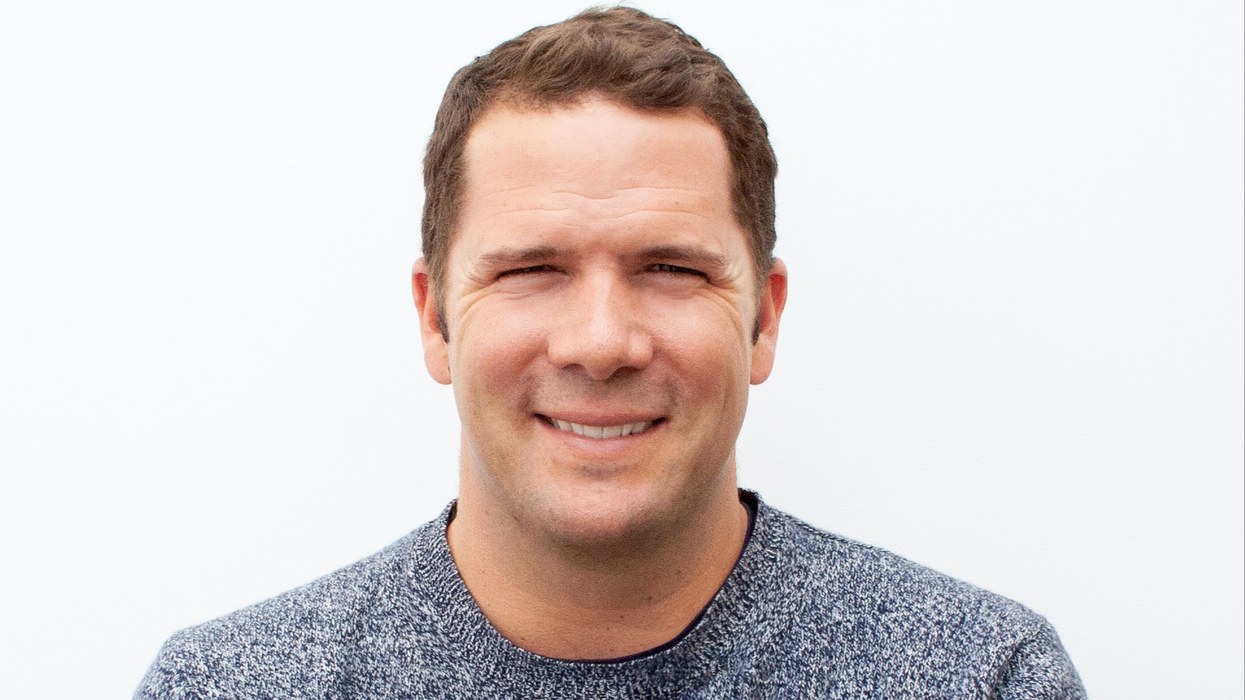
Michael Jaconi and the missing step between wanting and buying
At Rakuten, Michael Jaconi saw a mobile economy built around getting things done. At Button, he has spent more than a decade trying to make the journey from a useful recommendation to a purchase less of an obstacle course.
Hotmart made knowledge a business.
A tiny ebook sale in Belo Horizonte exposed a much bigger problem: getting paid for what you know. Hotmart built the machinery around that moment.

Dominic Wells and the trouble with thinking bigger
An English teacher in Taiwan learned to build websites, then to buy businesses. Taking Onfolio public gave Dominic Wells a larger stage - and a much less forgiving set of numbers.
The playbook changed. So did they.
The Authority Hacker Podcast made its name teaching people to win at search. Its next act asks a harder question: which parts of your business can AI actually run?

Niche Pursuits makes the experiment the business
Spencer Haws turned his online business experiments into a publishing company. Its most useful lessons begin where the easy-money story falls apart.

Michael Tabasso and the Value of a Third Act
A borrowed room, a small table, and a colleague he already trusted. Michael Tabasso built Gen3 Marketing from that modest arrangement into an international agency, keeping the business of relationships at its center.

Shelley Reinstein and the table that kept getting bigger
Shelley Reinstein started Autumn Communications around her kitchen table. As brands asked for more, she built an agency where publicists, creators, producers and affiliate specialists could work on the same brief.

Aspire makes influencer marketing less of a juggling act
A creator can sell your product, supply your next ad, and become a long-term partner. Aspire builds the machinery that lets a small marketing team manage all three.

The Game Day turns the group chat into a business
Sports fans arrive for the jokes. Sportsbooks pay for the introductions. Inside the media company that puts entertainment, betting tools and advertiser-funded production on the same team.
Purch: the publisher that put a price on indecision
A product review is a small intervention in a large shopping bill. Purch built a business around that moment, then sold its consumer operation to Future for an announced $132.5 million.
Affinity Global finds money in the overlooked click
A browser shortcut. A misspelled address. A broken shopping link. Affinity Global has built a business around the small moments that advertising tends to overlook.
Later and the distance between a like and a sale
A tool born to schedule Instagram posts now wants to follow influence all the way to checkout. Its acquisitions tell a story about the awkward gap between being admired and getting paid.

Adteractive and the Price of Free
Adteractive turned online attention into customers for advertisers. Its history exposes the awkward distance between a lead that can be counted and a customer who actually wants to be there.

Charlie Chang Made a Business Out of Being Useful
A UCLA graduate tried tutoring, photography, real estate and online retail before a daily YouTube habit became a business. Now Charlie Chang is building teams and companies around the audience he earned one useful video at a time.

Kelly Householder Keeps One Eye on the Dashboard and One on the Horizon
The ClickBank CEO built his career making complicated systems behave. In Boise, his two worlds - digital commerce and general aviation - share the same discipline: trust the instruments, know the route, and keep adjusting.

Become.com Built a Better Shopping Engine. Distribution Sent the Bill.
It crawled billions of pages to separate shopping research from shopping itself. Then Become.com learned the less romantic law of comparison engines: the best answer is worthless until someone can afford to put it in front of a buyer.