affiliate-marketing
(30)
Mike Lantz and the business behind the buy button
A programmer built tools for people selling their knowledge online. Mike Lantz’s WarriorPlus story runs through payment buttons, forum arguments, and the surprisingly personal work of keeping a marketplace together.

Alicia Navarro and the business hiding inside the business
She built Skimlinks by letting go of the product she meant to sell. With FLOWN, Alicia Navarro is following another problem she encountered herself: finding the space to do work that matters.

Alyson Dutch and the Art of Being in the Right Place
From a spider by a porch light to a room full of reporters, Alyson Dutch keeps asking where people actually gather. Her life in publicity has taken her through product launches, a recession-born business and the loss of her Malibu home to fire.

Malcolm Cowley and the business of getting out of the way
After helping build an affiliate network sold to AOL, Malcolm Cowley started again with a different proposition: give brands the tools to run their own relationships. The idea became Partnerize.

Anthony Kossatz and the Art of Keeping the Lights On
Before Digistore24 could help other entrepreneurs sell, it had to pay its own bills. Anthony Kossatz’s story runs from that early financial squeeze to the leadership of its German business - with Hildesheim still in the picture.
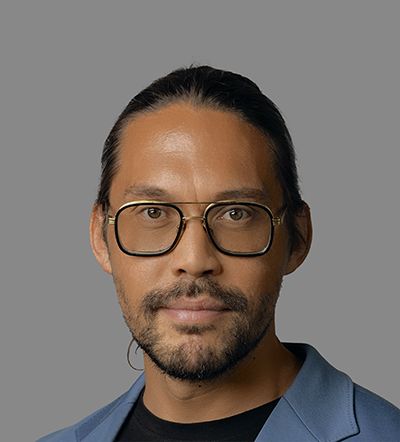
Sven Platte and the business behind the buy button
He set out to sell ebooks and found himself wrestling with the machinery of online commerce. Digistore24 grew from that frustration into a business he now uses to help other entrepreneurs build their own.

Francis Wolff and the value of a broken checkout
Before he helped build Digistore24’s U.S. business, Francis Wolff was the customer fighting with the machinery. His career has become an argument for fixing the dull things - and getting the right people in the room.

Sam Darawish and the Art of Selling What Isn’t Quite There
He took screenshots to a Las Vegas trade show and came back with Everflow’s first customers. A decade of building has followed the same practical question: what will make someone willing to switch?

Li Haslett Chen and the price of a good recommendation
A childhood in Beijing, a detour through Vogue, and a broken shopping link helped shape the founder of Howl. Now, after selling its creator business, Li Haslett Chen is asking what happens when AI becomes the personal shopper.
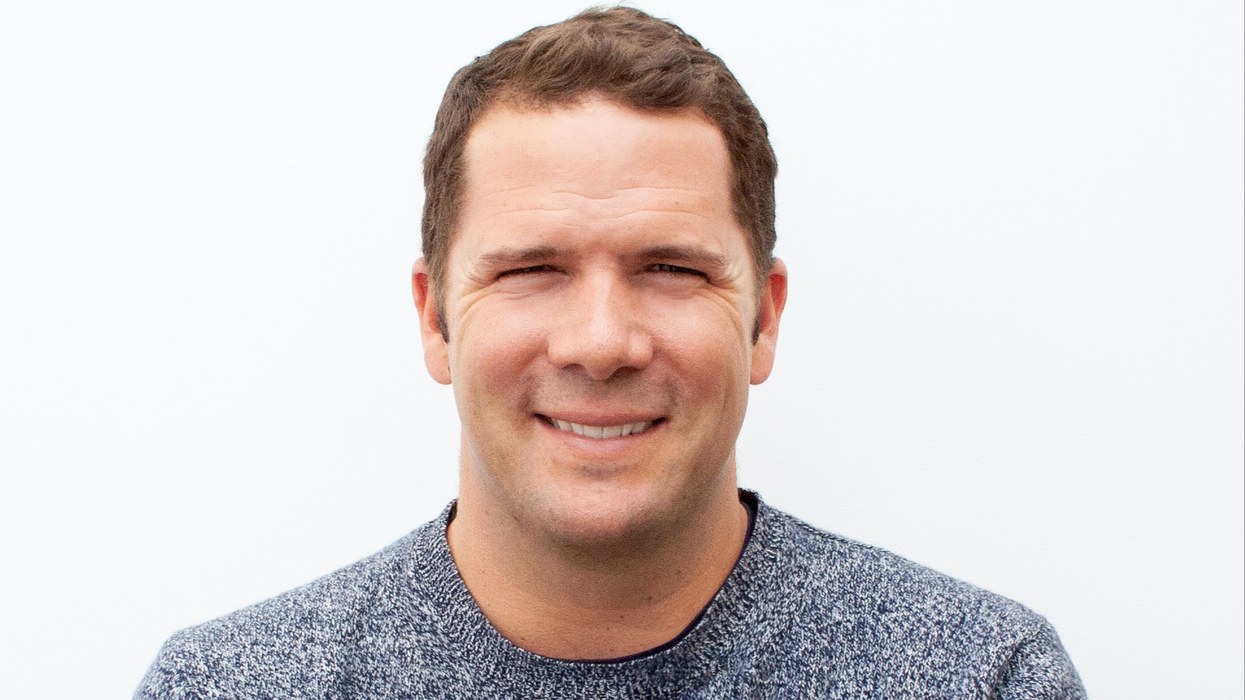
Michael Jaconi and the missing step between wanting and buying
At Rakuten, Michael Jaconi saw a mobile economy built around getting things done. At Button, he has spent more than a decade trying to make the journey from a useful recommendation to a purchase less of an obstacle course.
Dominic Wells and the trouble with thinking bigger
An English teacher in Taiwan learned to build websites, then to buy businesses. Taking Onfolio public gave Dominic Wells a larger stage - and a much less forgiving set of numbers.

Michael Tabasso and the Value of a Third Act
A borrowed room, a small table, and a colleague he already trusted. Michael Tabasso built Gen3 Marketing from that modest arrangement into an international agency, keeping the business of relationships at its center.

Shelley Reinstein and the table that kept getting bigger
Shelley Reinstein started Autumn Communications around her kitchen table. As brands asked for more, she built an agency where publicists, creators, producers and affiliate specialists could work on the same brief.

Charlie Chang Made a Business Out of Being Useful
A UCLA graduate tried tutoring, photography, real estate and online retail before a daily YouTube habit became a business. Now Charlie Chang is building teams and companies around the audience he earned one useful video at a time.

Kelly Householder Keeps One Eye on the Dashboard and One on the Horizon
The ClickBank CEO built his career making complicated systems behave. In Boise, his two worlds - digital commerce and general aviation - share the same discipline: trust the instruments, know the route, and keep adjusting.

Lauren Kleinman Turned PR’s Missing Receipt Into a Business
The Dreamday founder saw publishers turning stories into storefronts before most PR firms did. Seven years later, she is still asking the same useful question: did the story move anyone to act?
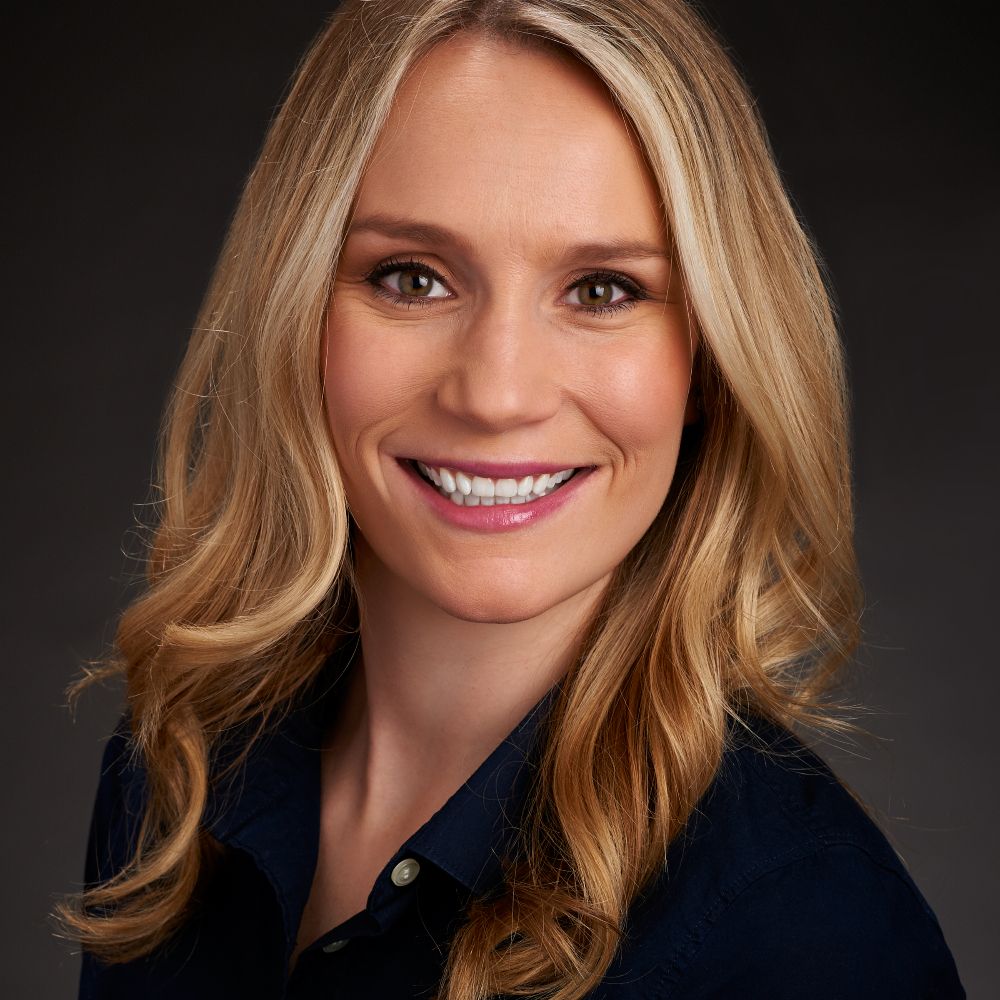
Maura Smith Is Building Marketing for the Moment After the Click
For nearly two decades, Maura Smith has argued that affiliate marketing belongs in the boardroom, not the basement. Now AI is erasing the click, and her campaign to measure influence instead of habit looks less like a niche crusade and more like a map of what comes next.
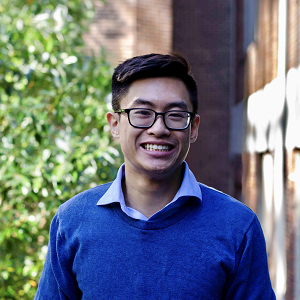
John Ta Turned 30 Credit Cards Into a Compliance Company
Before Affil.ai, John Ta taught personal finance, wrote more than 200 travel-and-credit-card articles, and kept a wallet with 30 cards. The odd collection became field research for a stubborn problem: nobody could reliably watch what financial affiliates published.

Brett Allcorn Built a Business by Asking Better Questions
From a street-side rock stand to a New York speaker series, Brett Allcorn’s career is a study in turning curiosity, copy, and repeated experiments into a durable company.

Ian Brodie Built the Software Only After the Service Taught Him What to Build
Before Levanta became a funded creator-commerce platform, Ian Brodie learned the expensive difference between software people admire and software they will actually use. His second company grew from that scar tissue.

Amy Garfinkle Built Her Career Where Marketing Gets Complicated
From fashion internships to the C-suite at Bellesa, Amy Garfinkle has learned to grow a consumer brand in a category where ordinary marketing channels come with extraordinary constraints.
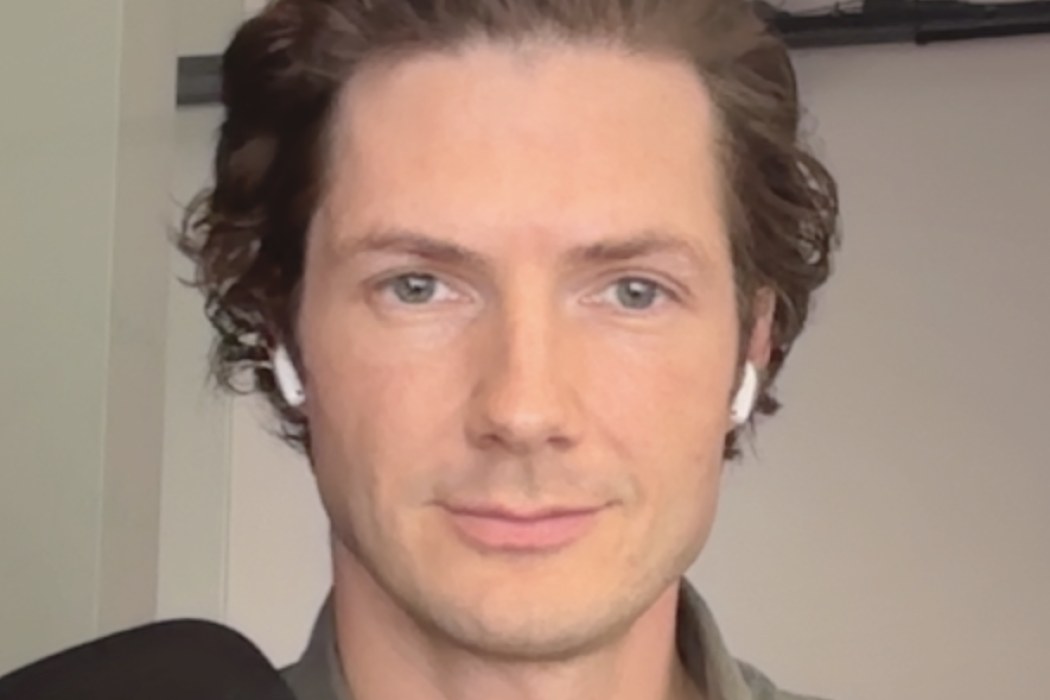
Gary Garofalo
Gary Garofalo is the CEO and co-founder of LoudCrowd, an Austin-based software company that turns brand creators and influencers into measurable revenue channels. His platform builds native creator storefronts on a brand's own e-commerce site, aiming to make social commerce as mainstream as third-party tools like LTK or TikTok Shop. A former Deloitte consultant with an economics degree from Wesleyan, Garofalo has led LoudCrowd to work with brands including Gymshark, Boohoo, Kyte Baby and Dolce Vita.

Jake Vadeboncoeur
Jake Vadeboncoeur is the founder and CEO of MediaGlobe, a Boston-based paid media facilitator that gives serious advertisers whitelisted, enterprise-class ad accounts on Meta, Google, and TikTok. The company positions itself as a partner for high-spend buyers in ecommerce, affiliate marketing, and lead generation, promising lower CPMs and no arbitrary spend caps. A Merrimack College business graduate who cut his teeth in media buying, Vadeboncoeur built MediaGlobe into a venture-backed operation that raised a Series A in 2023 and reports serving well over a thousand clients.
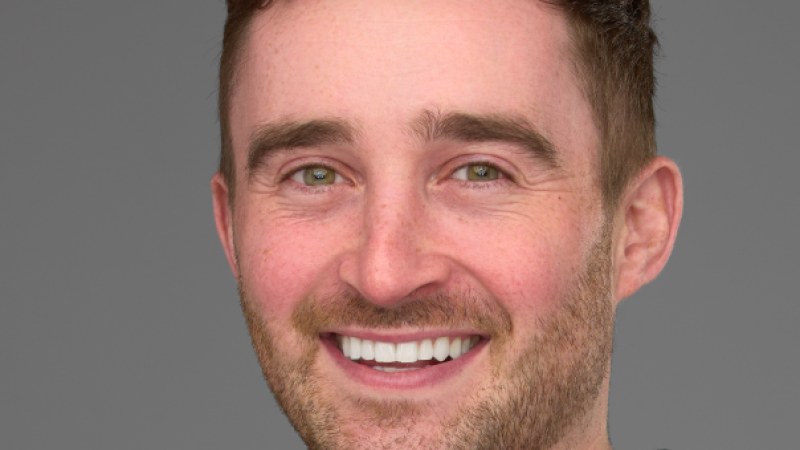
Harry Rein
Harry Rein is the co-founder and CEO of ShopMy, the New York creator-commerce platform that turns taste into a paycheck. Trained as an AI engineer at MIT, he built ShopMy from a side project into a company valued at $1.5 billion, connecting roughly 200,000 creators with more than 1,200 brands and processing over $1 billion in annual transactions. He insists recommendations stay authentic, runs the company at profitability, and frames the next phase as a shift from the creator economy to the curator economy.

Li Chen
Li Haslett Chen is the founder and CEO of Howl, a New York creator-commerce platform that has driven more than $1.1 billion in creator-led sales and paid over $100 million to roughly 23,000 creators since 2022. A former biochemical engineer, Vogue intern, McKinsey analyst, and Moda Operandi marketer, she previously founded the editorial-commerce company Narrativ. She has been named a World Economic Forum Technology Pioneer, a Financial Times retail disruptor, and an Ad Age 40-Under-40, and served on the board of Warner Bros. Discovery.

Nick Stamos
Nick Stamos is the CEO of Rakuten Advertising, one of the world's largest affiliate and performance marketing networks, where he leads an AI-driven initiative called 'Affiliate Intelligence' to reshape how brands and publishers connect. A MIT-trained strategist turned serial entrepreneur, Stamos previously co-founded Sindeo, a digital mortgage startup, built mobile analytics at Telephia through its acquisition by Nielsen, and spent nearly a decade in management consulting before pivoting to tech. Based in Mill Valley, California, he champions the convergence of brand and partner marketing and has positioned Rakuten Advertising at the forefront of influencer and affiliate innovation.

Jerry Qian
Jerry Qian is the Co-Founder and CEO of Reacher, an AI-powered creator marketing platform headquartered in San Francisco. After stints at Meta and NASA and graduating from UC Berkeley, Qian co-founded Reacher in 2024 with Bora Mutluoglu to automate influencer discovery, outreach, and campaign management for brands on TikTok Shop, Instagram, YouTube Shopping, and Amazon. The company is a Y Combinator S25 alum, holds the #1 spot on the TikTok Shop App Store, serves 1,000+ brands including Under Armour and Logitech, and has crossed seven figures in ARR.

Navid Moazzez
Navid Moazzez is a Swedish-Iranian lifestyle entrepreneur, creator, and AI educator best known as the 'Godfather of Virtual Summits' — a title coined by HuffPost. After dropping out of Stockholm University law school in 2013 following his brother's sudden death, he built a multi-million dollar online business empire around virtual summits, helping students collectively generate $70M+ in revenue. He sold his flagship course Virtual Summit Mastery in 2021 and pivoted to AI education, founding Creator School and hosting the AI Creator Summit, which drew 100,000+ attendees in 2024. A true global citizen who has lived in 10+ countries and visited 50+, Navid operates at the intersection of AI, creator economy, and disciplined self-development.
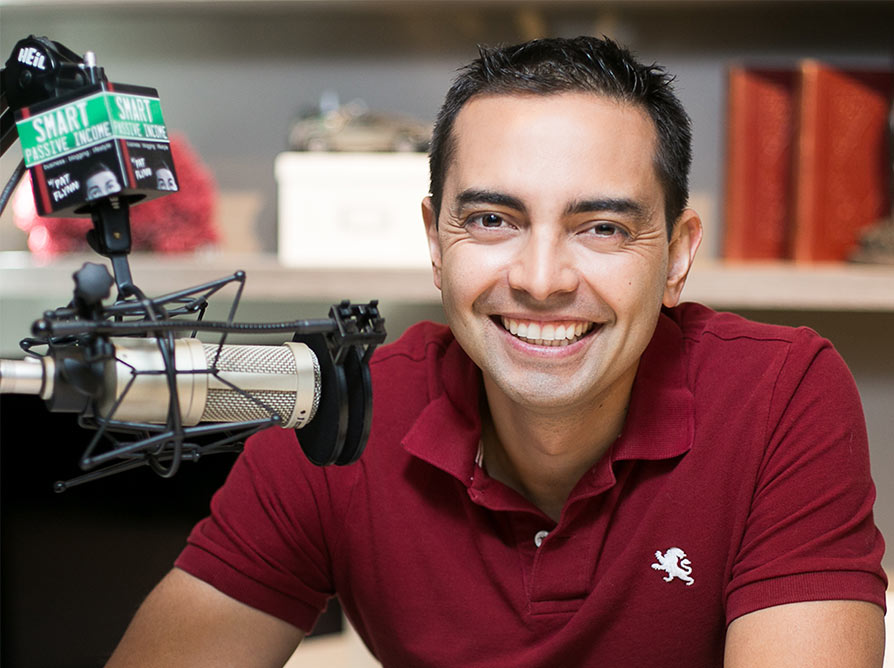
Pat Flynn
Pat Flynn is an entrepreneur, author, and podcaster best known for founding Smart Passive Income (SPI), a platform where he openly documents the strategies - and the income numbers behind them - that power his online businesses. Laid off from his architecture job in 2008, he turned an e-book about the LEED exam into a career-defining pivot, eventually building a media company with 60 million+ podcast downloads, multiple Wall Street Journal and Amazon bestselling books, a Kickstarter-funded tripod product, and a Pokémon card YouTube channel that became its own standalone business. His signature move: publishing every dollar earned and spent, monthly, in public.
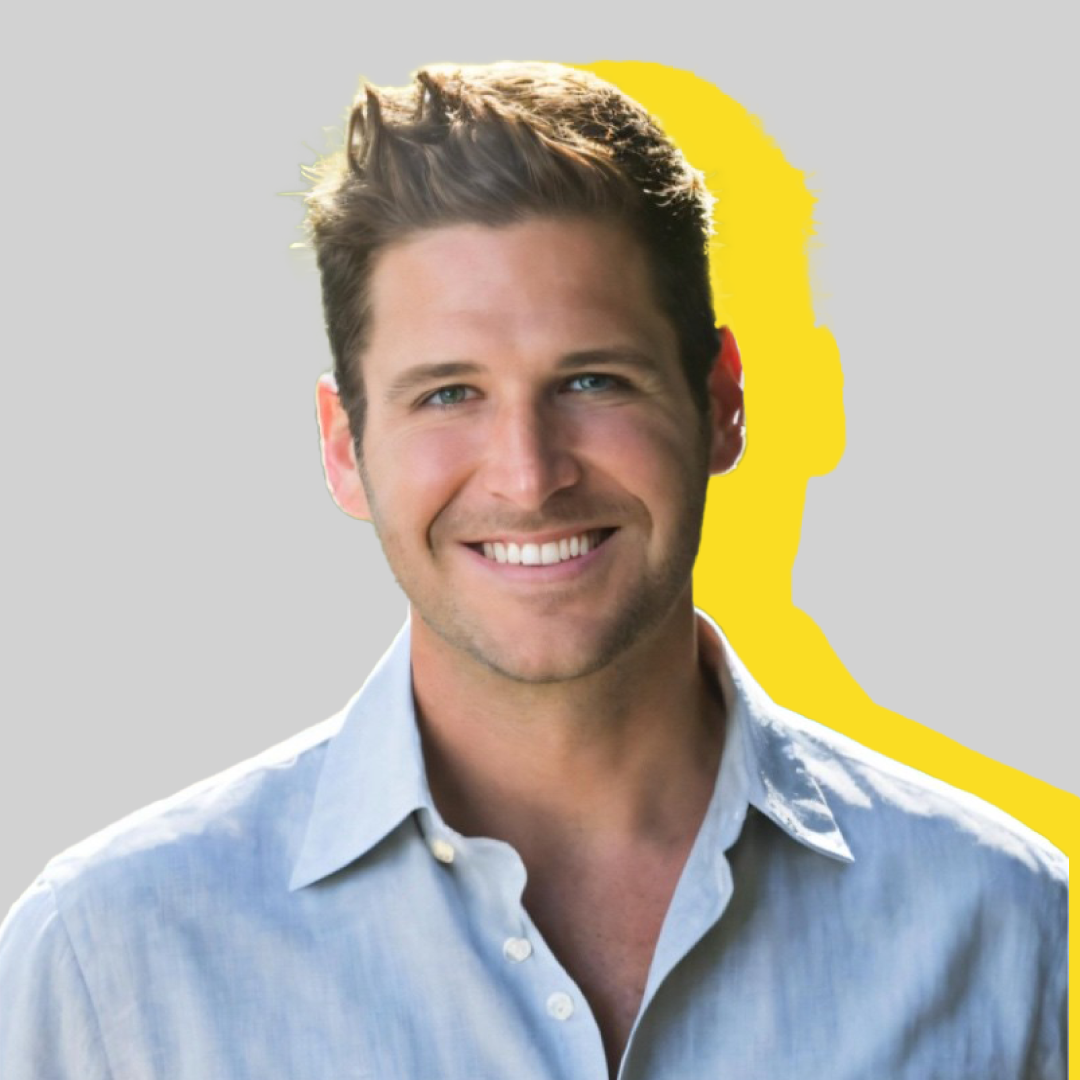
Nick Eubanks
Nick Eubanks is a serial entrepreneur, digital marketing executive, and distribution-first strategist who has built and sold multiple businesses, scaled agencies to 100+ clients serving the UFC and Nestle, co-founded Traffic Think Tank (acquired by Semrush for $1.8M), and now serves as Global CMO at Digistore24 while operating two investment vehicles. His core thesis - that distribution is the last competitive advantage that survives AI - is reshaping how founders and marketers think about sustainable growth.