A restaurant has been found. A table can be booked. A car can be called. On a phone, these ought to feel like parts of the same evening. Michael Jaconi looked at the gaps between them and saw a business. Each app could do its own job; getting them to hand a customer gracefully to one another was another matter. The dinner was easy to imagine. The digital arrangements could make a person lose their appetite.
That small inconvenience became the organizing idea behind Button, the New York company he co-founded and still leads. Its territory is the passage between interest and action: from an app to another app, from a creator’s recommendation to a retailer, from a promising tap to a completed order. Jaconi’s career has developed around a question that sounds almost impolitely practical for the advertising business. What did the customer actually get done?
A different internet, seen from Rakuten
Jaconi’s entrepreneurial education began before the corporate titles. He says he started his first business before he was 16, following the example of his father and brother. Later came public affairs ventures and work as a presidential campaign aide to John McCain. He studied political science at the University of Southern California and attended Harvard Business School’s Owner/President Management program from 2012 to 2014. The route to commerce software included a fair amount of commerce in human relationships.
FreeCause opened the next door. Jaconi helped build the startup, which developed technology to support nonprofit fundraising, and stayed with the business after Rakuten acquired it. He became CEO of Rakuten Loyalty and an executive officer of the parent company. The assignment widened his field of view from a startup in Boston to an internet business operating across markets.
Working with Rakuten founder Hiroshi Mikitani, he watched mobile services grow in Asia, particularly China. He also helped lead Rakuten’s $100 million investment in Pinterest in 2012. These experiences put him close to two versions of the internet: one organized around attention and another where a phone increasingly served as a tool for transactions. He came away interested in the practical uses of that second version.
In China, he observed consumers moving into digital life through smartphones without following the same desktop-first path as Western markets. The examples that caught his attention were services answering immediate needs. A person wanted somewhere to go, something to buy, a way to pay. His eventual proposal was to build the connections that let businesses serve those needs together.
There was a personal decision inside that professional one. Jaconi has said he enjoyed his Japanese colleagues but wanted more time in the United States with his wife. He left with an idea shaped by his travels. The move home did not mean putting the overseas lessons away. They would turn up in both his product and his vocabulary for running a company.
Six founders, one awkward handoff
Button was founded in 2014 by Jaconi, Tanner Hackett, Siddhartha Dabral, Stephen Milbank, Chris Maddern and Mike Dudas. Their backgrounds brought together commerce, engineering, finance and payments. Hackett had worked on Lazada in Malaysia; Maddern had led mobile work at Venmo; Dudas had experience at Google and Braintree/Venmo. This was a group with reason to care about the distance between a good interface and money changing hands.
An early example made the proposition legible. Someone browsing a place on Foursquare could be offered an Uber ride there. The useful thing was already implicit in the customer’s activity. Button could connect the services and let the businesses participate in the resulting transaction. It was a modest-looking intervention with several parties to keep happy.
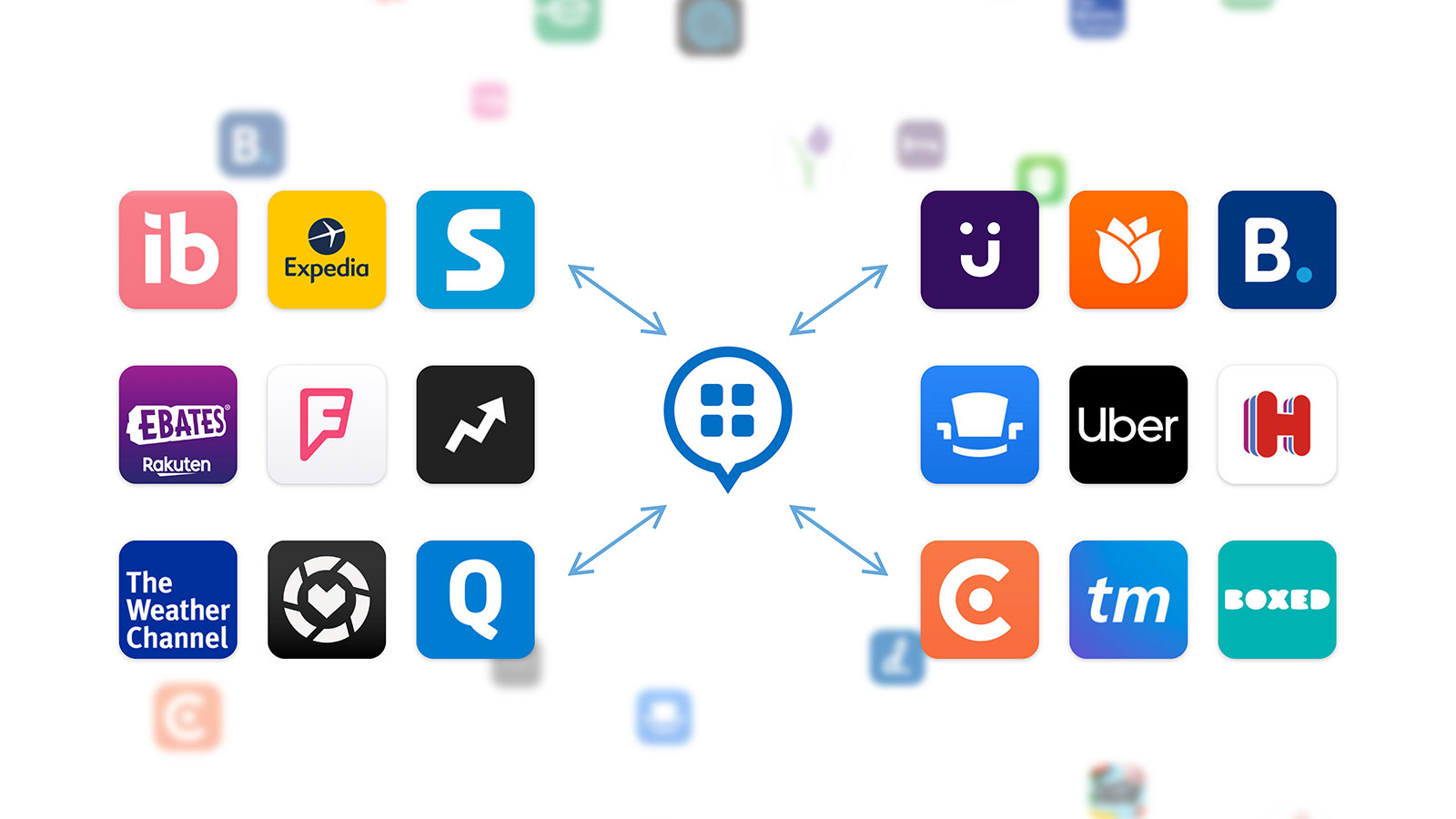
The company announced a $20 million Series B in January 2017. Its product was making app partnerships easier to build, and the funding supported further work on people, products and expansion. The premise remained recognizable: offer the next useful action where the customer already was. A search box did not have to be the starting point of every purchase.
Seen this way, Jaconi’s choice of company name is unusually economical. A button promises something definite. Press it and something should happen. It leaves little room for an elaborate speech about engagement. The technical work behind the promise can be complicated; the customer has every right to expect the promise itself to stay simple.
The person who brought the customer
As Button developed, affiliate marketing became a more concentrated expression of Jaconi’s thesis. A publisher recommends something. A reader buys it. The publisher receives a commission. The difficulty comes when the journey crosses apps and browsers, and the connection between the recommendation and the order gets lost. The sale may survive while credit for bringing the customer disappears.
Jaconi describes Button’s response as deciding where to send a shopper at the moment of a click, accounting for the surrounding mobile environment. The destination might be a retailer’s app. Versions of operating systems, browsers and apps create many possible combinations. This is the unglamorous engineering behind a graceful shopping trip. A creator can make a recommendation perfectly and still need the plumbing to behave.
In January 2025, Button announced an integration with Linktree, bringing its dynamic linking technology to a service used for creators’ links in their social profiles. The setting had changed from the early dinner-and-ride example, but Jaconi’s interest had stayed close to the handoff. A recommendation earns its keep only if the next step works.
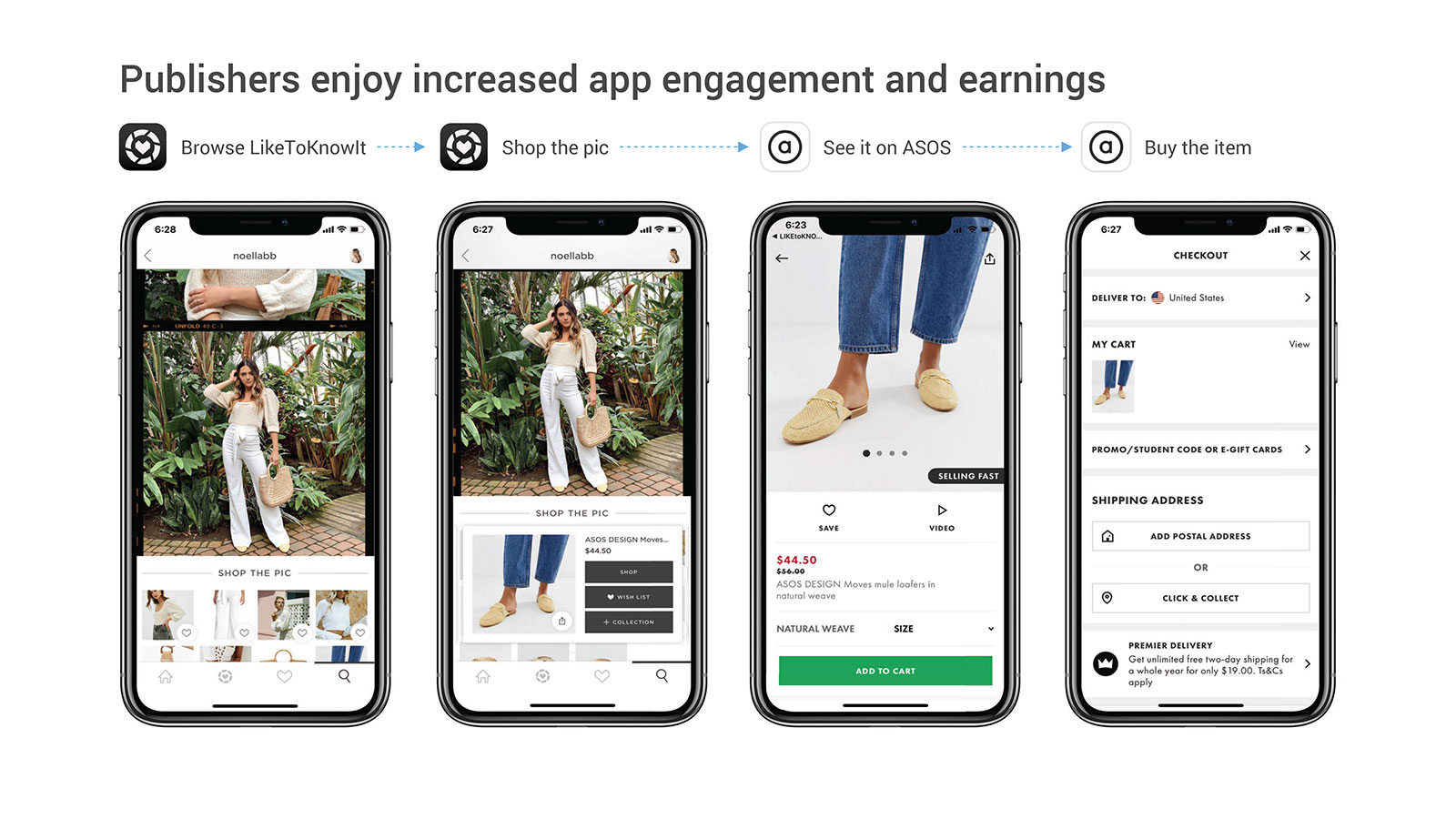
CuratedBy, announced in October 2025, addressed another part of that journey. It gave publishers tools for shoppable collections and product displays across their own sites and social channels. Jaconi framed the launch around publishers responding to changes in search and discovery. The company was moving beyond connecting destinations into helping its customers assemble the places where buying begins.
A large number, with a precise meaning
In December 2025, Button announced that its platform had passed $25 billion in all-time gross merchandise sales, including $10 billion during that year. These are company-reported figures for commerce flowing through the platform. They measure shopping activity enabled by the business; they do not measure Jaconi’s wealth or the company’s own revenue.
All-time gross merchandise sales through the platform
Schematic share of the reported milestone. Rounded figures; no revenue or valuation comparison.A strategic growth investment from PSG, announced in June 2025, had supplied another part of the next chapter. Sandeep Kella joined as executive chairman. For Jaconi, the stated ambition included more investment in products serving creators, publishers and retailers. The capital backed an existing argument about how the internet might pay for itself.
The relationship took time. Investment discussions began in late 2024 and paused for the holiday shopping season before resuming. Existing institutional investors rolled their stakes into the transaction. There is something fitting about a commerce company postponing a conversation about its future until it has finished attending to the customers buying things in the present.
By June 2026, a Button-commissioned Forrester Consulting study offered another way to examine the product’s economics. It modeled a 432 percent return on investment over three years for a composite organization built from customer interviews. The figure belongs to that model and its assumptions. Jaconi’s enduring proposition is more basic: making a shopping journey work better should produce value that somebody can count.
“Trying to feel what others feel.”Michael Jaconi · on what he does well, 2017
Hospitality in the machine
For all the financial arithmetic, Jaconi’s management language often sounds closer to hospitality. He uses omotenashi, the Japanese idea of anticipating a guest’s needs, to describe the way Button’s team should treat customers and one another. It is an apt ambition for software that tries to offer a useful next action before the customer has to hunt for it.
His account of a working day is less theatrical. He blocks early hours for writing and following up with colleagues. Asked in 2017 to describe how he worked, he chose “Thoughtfully.” Asked what he did particularly well, he answered, “Trying to feel what others feel.” His productivity shortcut was his executive assistant, Kelsey Steadman. Delegation, at least, received an honest credit.
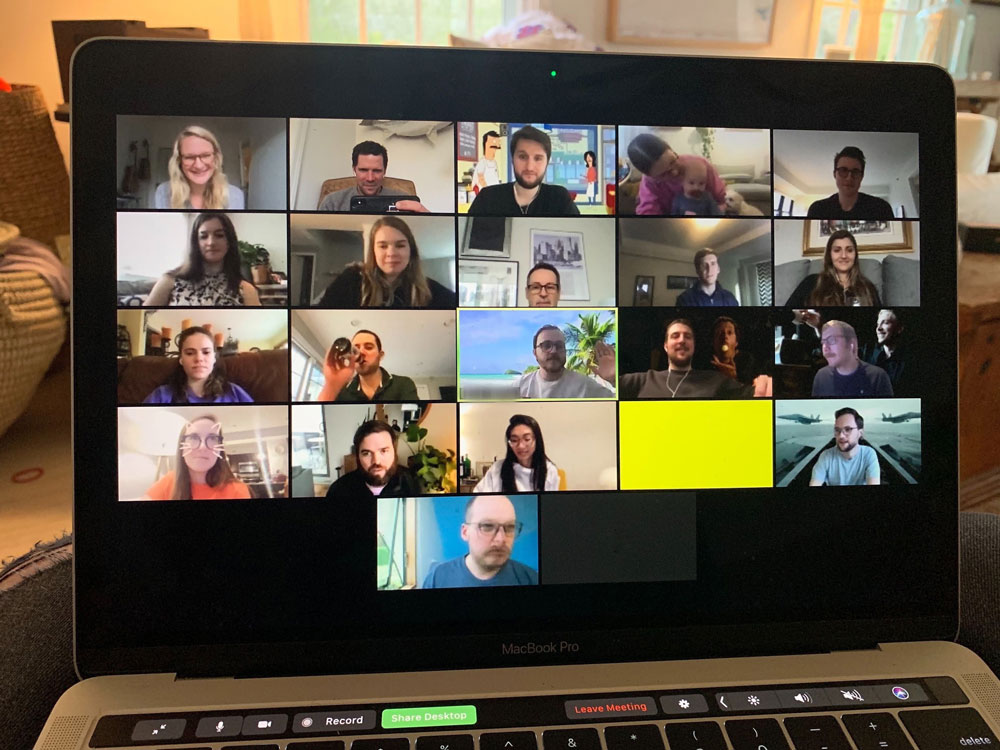
He has also described making company decisions and objectives accessible to the team, holding all-hands meetings with questions, and asking colleagues to speak candidly. In an essay written after Button’s 2015 workplace recognition, he organized culture around vision, people and their growth. A vision, he argued, needs to be shared. Possessing one privately does colleagues very little good.
Button received Built In’s workplace recognition for an eighth consecutive year in 2026. Jaconi’s comment centered on the people at the company and those who had moved on. That last group matters. A founder’s account of an organization becomes more interesting when it includes careers that continue beyond his own walls.
Some connections happen on the water
Outside Button, Jaconi’s relationship with the water predates any mobile platform. He grew up around boats in Southern California, in a family with fishermen on his father’s side. Surfing, paddling, fishing and time on a boat with his family remain part of his life. He serves as vice chair of the Billion Oyster Project, which works on oyster restoration and education in New York Harbor.
A 2022 conversation about his career included the story of how a shared fishing interest helped bring Major League Soccer commissioner Don Garber onto the project’s board. It is a useful counterpoint to the language of professional networking. People have interests before they have business cards. Taking those interests seriously can lead somewhere more substantial than a request for an introduction.
Jaconi also credits Lars Albright as a mentor and supporter in Button’s early life. The career contains investments, acquisitions and partnerships, but it also contains people who made the next step possible. His product asks businesses to carry a customer’s intention across a gap. His own story gives the human version of that problem plenty of room.
For a founder concerned with the fraction of a second after a tap, he has spent a long time on the underlying idea. Apps, affiliate links and creator storefronts have supplied different settings. The expectation remains ordinary and demanding: when someone has found something they want, help them reach it. The customer already did the wanting. The machinery ought to manage the rest.