mobile-commerce
(15)
Touch of Modern sells the pleasure of not knowing what you want
A tiny television, a better-looking tool, a watch you never meant to buy. Touch of Modern turned browsing into a business - and learned that delight still has to survive delivery.
The Jewelry Brand That Built a Factory Without Walls
SOKO began as a marketplace for Kenyan makers. The founders found that beautiful one-offs were hard to sell at scale, so they built repeatable jewelry collections and a mobile system that lets independent workshops act like one factory.
The Store Clerk in Your Pocket
Operator promised a simple luxury: tell someone what you need, then let an expert find it. The clever part was turning that conversation into a shopping network.

Eli Allen and the Art of Cutting the Right Corners
Curtsy began with crowded closets, college formals and a small Mississippi grant. Eli Allen supplied the code - and a lasting taste for the useful shortcut.

Karine Terzibachi Is Betting the Next Storefront Will Be a Conversation
The engineer-turned-operator has spent her career translating complicated systems into ordinary behavior. At Attentive, she wants to turn the humble message thread into a place where commerce can actually converse.

Amitaabh Malhotra Has Spent 30 Years Making the Checkout Disappear
From a networked driving simulator to an iPhone payment sleeve to face, palm and voice authentication, his career follows one stubborn idea: useful technology should remove a step, not add one.

Jackpocket Turned a Gas-Station Errand Into a $750 Million Checkout - Then the Rules Bit Back
Peter Sullivan wrapped software, payments and a locked safe around the least digital object in American commerce: a paper lottery ticket. The result became a national consumer habit - and a case study in why regulation is both moat and trap door.

Shortboxed Launched Into a Lockdown - Then Turned Comic-Book Friction Into Its Product
Two lifelong collectors built the comic marketplace they wanted to use, launched it as conventions vanished, and learned that trust is not a slogan - it is a stack of small operational choices.

Courtyard Put the Card Shop in a Vault - Then Added a Buyback Button
The collectible is real. The pack is digital. Courtyard's bet is that the card-shop thrill becomes a much bigger business when storage, resale and even buyer's remorse happen in seconds.
Dre Madden Has Been Building Trust Networks Since Before Social Media
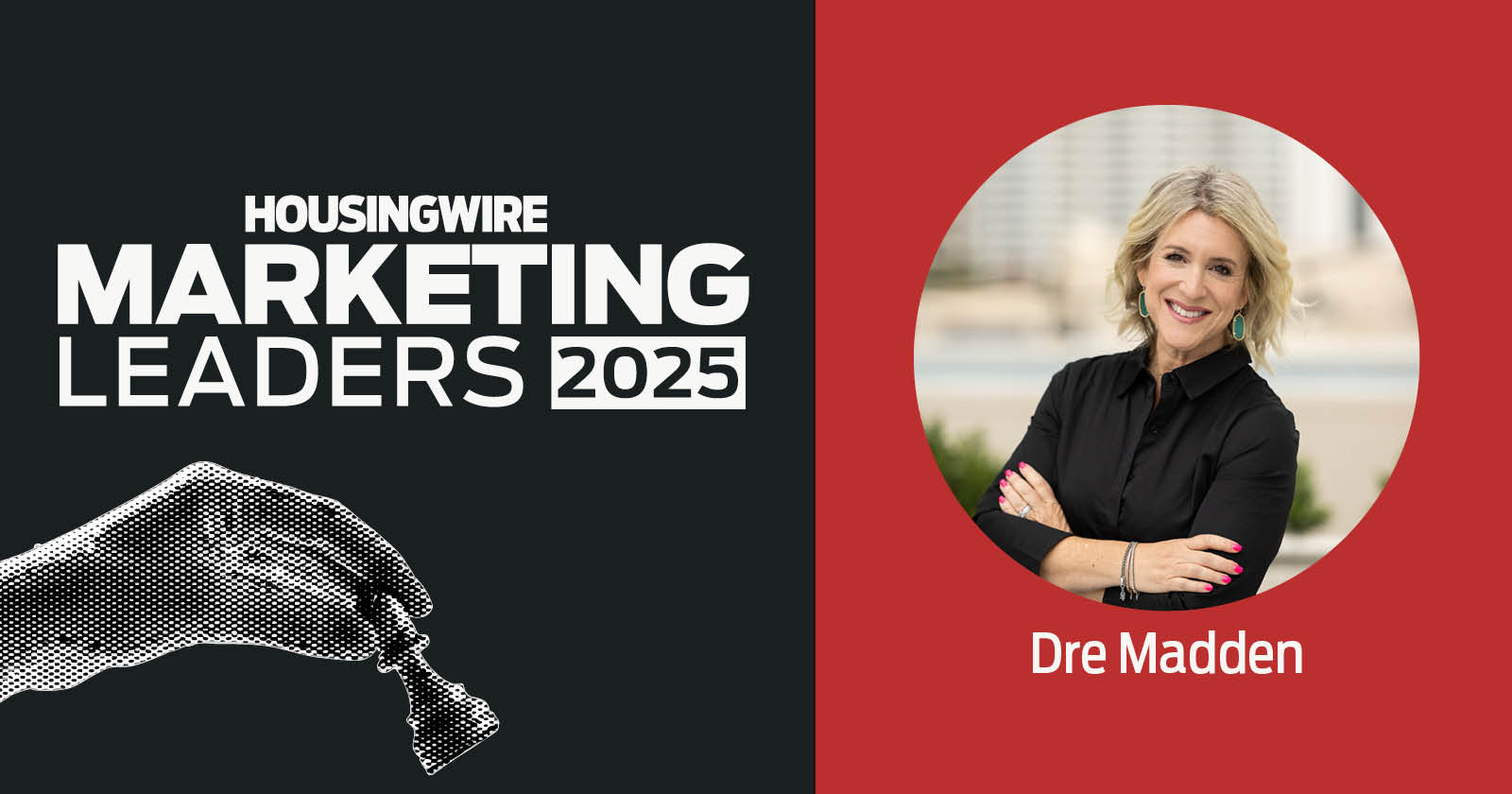
Before Real had tens of thousands of agents, Dre Madden learned a durable lesson in a San Francisco bar: trusted networks can travel farther than paid messages. Two decades later, that idea still shapes how she builds brands.
Robert Frederick
Robert Frederick is the founder, CEO and President of Sirqul, Inc., a Seattle IoT company built around an Engagement-as-a-Service platform of hundreds of APIs and patented edge devices. An MIT Media Lab alum and TR35 honoree with 41 issued patents, he helped launch Amazon Anywhere and co-founded Amazon Web Services and the AWS Marketplace before scaling the voice startup Snapvine past 5 million users. He is also an author and music producer.

Ron Faith
Ron Faith is the President and CEO of RBC Signals, a Redmond, Washington company that runs a global ground station network letting satellite operators downlink data on demand instead of building their own dishes. A serial entrepreneur who launched Apple's first standalone internet product in the mid-1990s, ran mobile commerce at Qpass, and led cloud data-protection startup Datacastle to an acquisition by Carbonite, he returned to his aerospace roots in 2019 and took the top job in January 2024. He pairs a Dartmouth engineering-and-philosophy double major with a University of Washington master's spent researching frequency selective surfaces for Boeing.

InMobi
InMobi is a global mobile advertising and marketing technology company founded in 2007 in Bangalore, India. It became India's first unicorn in 2011 and runs a stack of mobile-first products - the InMobi DSP, InMobi Exchange, and the consumer lockscreen and AI commerce platform Glance - reaching billions of devices and processing over a trillion ad requests monthly. In 2025 it doubled down on artificial intelligence, launching its Helix AI layer and Glance AI commerce, while preparing for a planned domestic IPO in India.

PatPat
PatPat is a global direct-to-consumer children's and family apparel brand founded in 2014 by two engineer-fathers, Albert Wang and Ken (Can) Gao. It uses a data-driven, mobile-first model to deliver affordable, trend-forward kids' clothing, family matching outfits, and proprietary innovations like the stain-resistant Go-Neat fabric and the light-up Go-Glow line to more than 23 million customers across 140+ countries.

Button
Button is the leading mobile commerce enablement platform that uses AI-powered deep-linking technology to intelligently route mobile users to high-converting app destinations. Founded in 2014, Button has driven over $25 billion in cumulative commerce by connecting retailers, publishers, and creators in a performance-driven ecosystem - turning every mobile tap into a measurable, revenue-generating action.