virtual-care
(69)
Workit Health wants recovery to fit your life
Two founders in recovery put addiction care on a phone. Workit Health’s harder task is making every step after the video visit work, too.

Counsel Health wants to make the waiting room optional
Free medical AI. A real doctor for $29. Counsel Health is rearranging the work behind a consultation - and betting that the appointment is often the least useful part.

Ognomy Sleep wants your diagnosis off the waiting list
A Buffalo sleep doctor built a virtual care network around a simple frustration: exhausted people should not have to spend months arranging a diagnosis. Ognomy brings the specialist, the test and the next steps closer to the bedroom.

Talkiatry built a psychiatry practice around the insurance card
A $400 appointment helped inspire a different kind of psychiatric practice. Talkiatry’s wager: make the paperwork easier for doctors, and getting care becomes easier for patients.

Healthie’s million-dollar lesson: build for the second visit
A costly rebuild taught Healthie to put the product before the sales pitch. Today, its software helps clinicians and digital health companies look after the patient who keeps coming back.
FONEMED brings the clinic to you
A nurse advice line grew into software, remote monitoring, and a black bag of connected diagnostic tools. FONEMED’s story turns on a deceptively ordinary question: who answers when the patient is somewhere else?
OncoHealth and the hours cancer care forgets
Cancer care has two clocks: the appointment schedule and the patient’s life. OncoHealth connects treatment review with round-the-clock support for the hours in between.

AvaSure and the art of being in twelve places at once
A hospital camera is only as useful as the person who answers it. AvaSure has built a business around that small, expensive truth - and is now trying to connect the whole room.

QHR’s Unusual Prescription: Take Your Time
QHR built its Canadian EMR business by buying older systems and giving clinics time to move. Now operating as Accuro, it is applying the same patient logic to the daily grind of digital healthcare.

The Waiting Room Menopause Left Behind
A scientist went looking for a fertility company and found a neglected half of women's healthcare. Evernow turned that discovery into a menopause clinic you can carry in your pocket.

Pomelo Care and the Quiet Work Between Appointments
The New York company began with pregnancy, then followed the gaps in care from the nursery to midlife. Its wager: a five-minute reply can matter more than another beautiful health app.

The Most Important Appointment Happens After the Appointment
Nudj Health built a business around the hours when the doctor is absent. Its care teams work through the ordinary choices that make chronic disease so stubborn - and a Michigan health system has put numbers to the results.

The Doctor in Your Pocket Had to Learn Your Name
Doctor On Demand began with a $40 video house call. The lasting business emerged when a quick answer became a continuing relationship with a clinician, a health plan, and the care that happens after the screen goes dark.

The House Call Has a Routing Problem
Sprinter Health discovered the limit of telehealth: a screen cannot draw blood. Its answer is a house call built like a delivery network - human at the doorstep, software behind the wheel.

The Doctor Wasn't Missing. The Team Was.
Allara's wager is disarmingly simple: the problem with hormonal care is not always a missing specialist. It is that the specialists rarely behave like a team.
The Referral That Learned to Follow Up
FamilyWell's wager is that maternal mental health does not need another destination. It needs a better handoff - inside the clinic patients already trust, paid for through codes that already exist.

The Hospital With No Hallways
Amwell Medical Group’s cleverest product is not an app. It is a nationwide medical practice designed to appear exactly where a health system runs out of doctors, hours or state lines.

The Startup That Learned the Doctor Was the Door
Salvo Health began by asking patients to walk around the healthcare system. Then it discovered the more useful trick: walk through the front door, beside their own doctor.

Maven Clinic Spent a Decade Selling Women’s Health to Bosses. Now It’s Coming Back for Everyone
Maven’s first consumer clinic arrived before patients were ready. Employers funded the long detour - and 28 million covered lives later, the company is reopening the front door with a broader bet on women’s health.
Caregility Put a Second Nurse in the Room - Without Adding Another Pair of Shoes
Hospitals bought telehealth cameras during the pandemic. Caregility is trying to turn that hardware into a new labor model - one virtual nurse, many rooms, and fewer clerical miles for the people at the bedside.

No Fear Counselling Turned the Hardest Part of Therapy Into Its Business
The Burnaby practice did not invent a new kind of therapy. It made the old kind easier to enter - then used a sprawling therapist network, low-cost training pipeline and two mergers to turn access into the product.
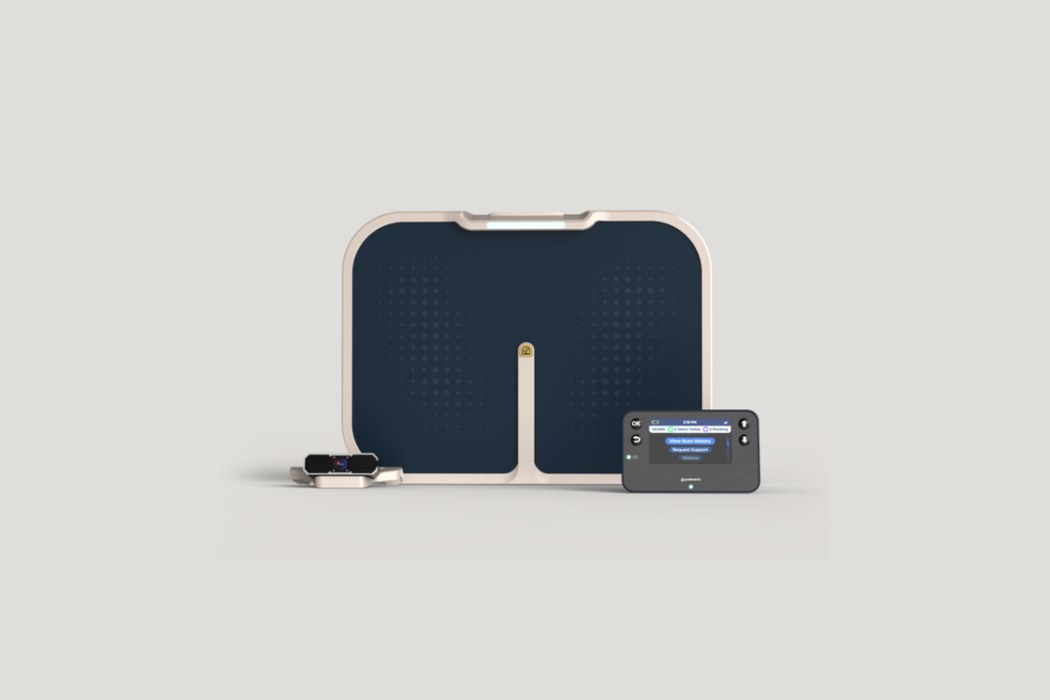
The $100,000 Problem Hiding Under a Patient's Foot - and the 20-Second Habit Podimetrics Built to Catch It
Podimetrics began with an insole, survived an electrical-tape prototype, and found its business in a deceptively simple ritual: stand still for 20 seconds before a wound becomes a crisis.

Crossover Health Couldn't Sell Better Primary Care One Patient at a Time - So It Sold the Whole System to Employers
A consumer clinic taught physician-founder Scott Shreeve that better care was not enough - distribution was the real diagnosis. Crossover's employer pivot turned one awkward storefront into a hybrid care network, and a 2026 merger gave the model national heft.

Carenet Health Turned Healthcare’s Messiest Phone Calls Into a 500-Client Operating System
Carenet’s bet is that the most expensive gap in American healthcare is often a missed call, a confusing benefit or an appointment never booked. It sells the people, software and clinical workflows to close that gap - at a scale that now reaches one in three Americans.

Best Buy Paid $400 Million for Current Health. Then Its Founder Bought the Company Back - and Narrowed the Bet
Current Health began with a wearable, grew into a hospital-at-home operating system, and became a $400 million retail-health wager. Its second act is more disciplined: help hospitals and drugmakers move the hardest care out of the building without making clinicians gamble on safety.

Vytal Health Bet Patients Would Pay to Be Heard - Then Built a $300-a-Month Alternative to the 10-Minute Visit
The Milwaukee telehealth practice asks patients to pay outside insurance for time, continuity and deeper testing. Its early obstacle was convincing people that a video visit could still feel human; its sharper 2026 answer is a two-tier membership with unusually clear boundaries.
Brave Health Bet on the Patients Telehealth Forgot - Then Had to Make the Math Work
Most virtual-therapy companies chased easy-to-reach customers. Brave Health built for Medicaid members, where the hard part is not launching a video call - it is finding patients, accepting their insurance and keeping care financially sustainable.

Twentyeight Health Put Medicaid at the Center - Then Built the Women’s Clinic the Internet Was Missing
The company started with a five-minute birth-control intake. Its bigger bet is that accepting Medicaid, stitching care to insurance and staying useful after the first prescription can turn a commodity telehealth visit into a durable women’s-health platform.
The Campus Clinic That Never Closes
TimelyCare turned the overloaded campus counseling center into a 24/7 care network. Now its bet is that colleges will pay not only for access, but for proof that students get better - and stay enrolled.

Ardent Health
Ardent Health is betting that a hospital system can stay local while its technology, purchasing and operating discipline scale nationally. Across six states, the result is a care network stretching from the emergency room to the smartphone.