The first thing Doctor On Demand sold was the disappearance of a small ordeal. In 2013, for $40, a patient could lift a phone and meet a physician by video. No traffic, no clipboard, no magazine from a previous administration. The company made the ordinary frustration of an office visit look suddenly negotiable. It also made a more consequential promise, although that promise took longer to become clear: the call could be the start of care, rather than a brief interruption in the search for it.
- Launched in 2013 with on-demand video visits priced at $40.
- Now offers urgent care, mental health visits, and virtual primary care to eligible members.
- Patients can pay per visit or use an employer or health-plan benefit; there is no membership fee.
- Reached its three millionth virtual visit by mid-2020, according to the company.
- Merged with Grand Rounds Health in 2021 and operates as Doctor On Demand by Included Health.
The founding cast was unusually camera-ready. Technology entrepreneur Adam Jackson joined Jay McGraw, a producer of The Doctors, and Jay’s father, Phil McGraw. Celebrity could explain why people noticed an app. It could not explain how to staff a national clinical service, get employers to offer it, or persuade a patient to return. Those quieter jobs became the plot.
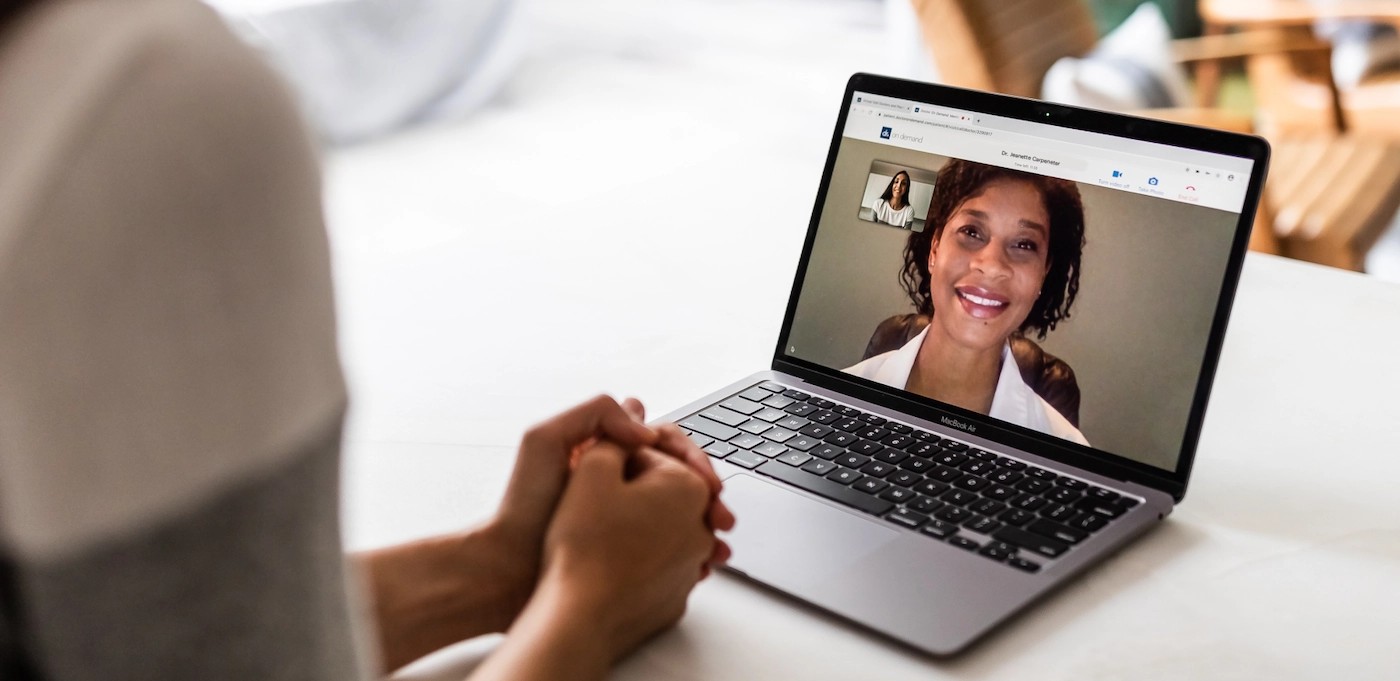
The visit was cheap. The system was expensive.
The launch offer was almost brutally simple: a video conversation for a transparent price. Early visits were aimed at common, non-emergency problems. That simplicity exposed the real constraints. A camera cannot run a blood test, perform an X-ray, or turn an emergency into an ordinary appointment. The app had to recognize the edge of the screen and help people cross it. A virtual doctor could send an appropriate prescription to a local pharmacy; more complex needs required local tests, referrals, and follow-up.
The first substantial change came through distribution. Comcast became an employer customer in 2014, the same year Doctor On Demand announced a $21 million Series A and made visits available on the web as well as phones. By 2015, it had announced its 200th employer customer. The shift mattered because the buyer of care and the user of care were now often different people. An employer or insurer could place a clinician inside a benefit its members already understood. A patient no longer had to be convinced to buy a new $40 habit every time a sore throat appeared.
None of this was a triumph of the video button. Teladoc, Amwell, MDLive, and others could put a clinician on a screen too. Doctor On Demand’s more interesting distinction became the structure around the call. It says its clinicians work as on-staff team members, receive training for virtual practice, and can connect patients to pharmacy, labs, and local referrals. In a market full of convenient entrances, it built a longer hallway.
A family doctor cannot be a stranger every time
Urgent care rewards speed. Primary care rewards memory. The company’s 2019 On Hand plan with Humana put that tension on display: a virtual-first health plan centered on a dedicated primary care physician, with preventive, urgent, and behavioral care available by video. It was a larger wager than replacing a waiting room. It asked whether people would trust a relationship whose first room was digital.
There is a practical answer in the current service menu. Patients can seek on-demand help for everyday conditions, schedule a psychologist or psychiatrist, and, when their employer or health plan offers it, establish virtual primary care. The primary care provider can manage prevention and chronic conditions, order labs, and refer locally. This is useful for a person with an inconvenient work schedule or a long trip to a clinic; it is less useful when the complaint demands hands-on examination, imaging, or emergency treatment. The design works only if it can send a patient out of the app at the right moment.
The price has changed with the product. Doctor On Demand now lists self-pay urgent care at $99, a 25-minute psychologist visit at $134, and an initial psychiatry visit at $299. A covered member’s cost may be lower, even $0 under some benefits. The company shows a price before booking and does not require a membership. That makes its business model legible to both sides: a fee for the individual visit, and broader access bought through employers and health plans. For virtual primary care, eligibility depends on one of those plans.
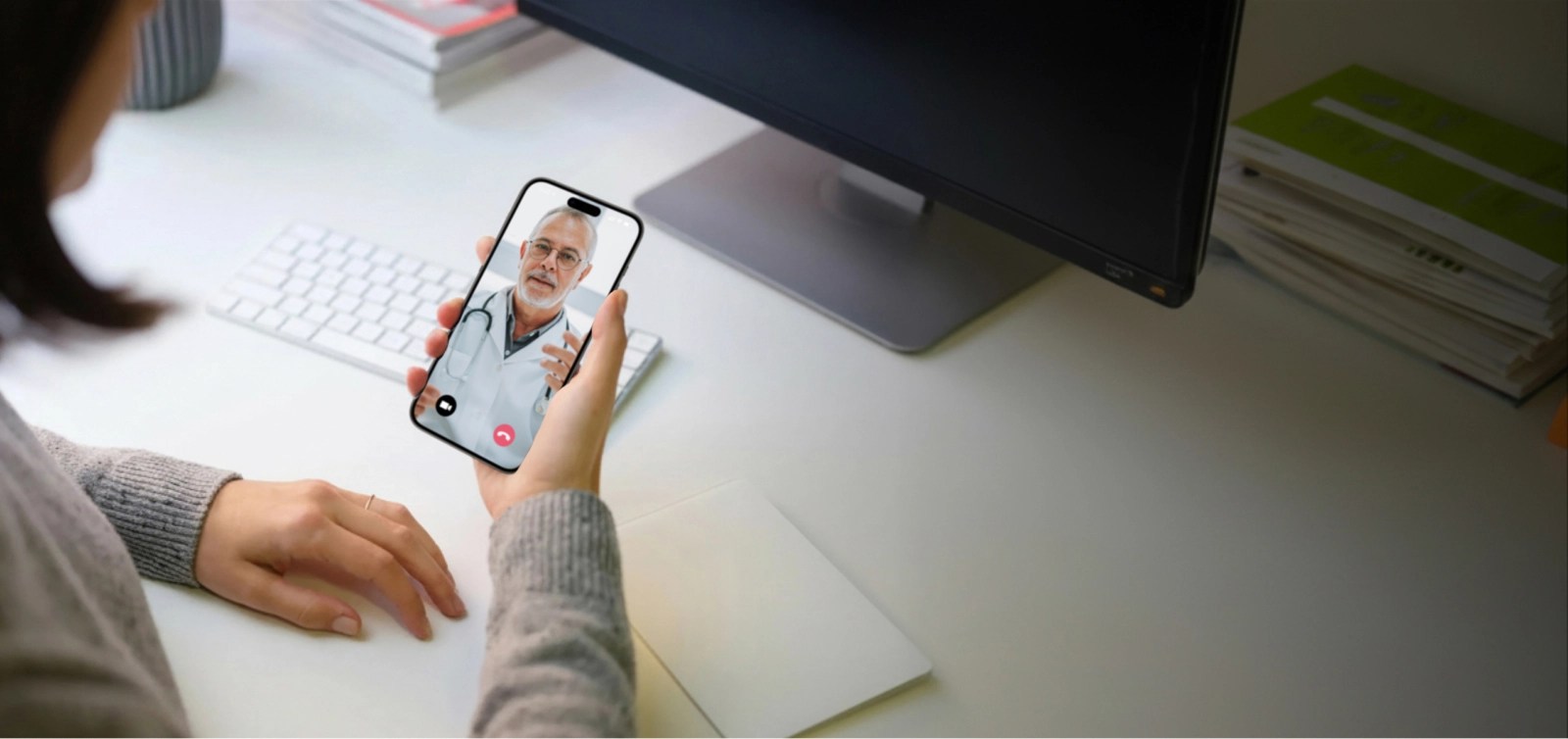
The pandemic made the question impossible to ignore
In July 2020, Doctor On Demand announced a $75 million Series D led by General Atlantic. It said it had passed three million virtual visits and more than 98 million covered lives. The pandemic had rapidly widened telehealth use, but management was pointing beyond urgent consultations: virtual primary care, chronic conditions, and behavioral health. The dramatic demand spike did not create that strategy. It made the strategy easier for patients, doctors, and payers to imagine.
“Be fast, but don’t hurry.”Doctor On Demand, published company value
That line is better than most corporate mottos because it names the trade-off. People want a clinician quickly; they also want a clinician who will pause long enough to understand them. The company’s quality claims depend on the less photogenic details: credential checks, virtual-care training, peer review, and a practice staffed with physicians and mental health professionals. Speed has a habit of making continuity optional. Doctor On Demand spent the following years trying to make the two coexist.
Then it bought the map
In 2021, Doctor On Demand merged with Grand Rounds Health, which specialized in helping people navigate care and find appropriate clinicians. The combined company later took the Included Health name. The logic was plain: a consultation answers what is wrong now; navigation helps with what to do next. Doctor On Demand remains a visible service under the Included Health umbrella, even as employer-facing offerings are sold through the broader company.
Walmart’s multi-state virtual primary care rollout, launched in 2020, offered one test of the fuller model. Included Health reported in 2023 that virtual care patients in its analysis saw an 11% reduction in total cost of care. That is a company-reported result for a particular deployment, not a promise to every patient. It is still a clue to what the company wants buyers to value: fewer disconnected decisions, not merely more video calls.
In January 2026, Blue Cross and Blue Shield of Minnesota expanded its long-running Doctor On Demand arrangement. Members who already had urgent and behavioral care access gained virtual primary care and the option of a dedicated provider. The announcement is less theatrical than a celebrity-backed launch. It is more revealing. After years of selling instant access, Doctor On Demand is being asked to do something medicine has always needed: remember the patient when the patient comes back.
The lesson for anyone building a service around convenience is pointed. A faster front door wins the first visit. The second visit depends on what the business remembers, what it coordinates, and whether the customer has a reason to trust the same people again. Doctor On Demand’s story began with a phone. Its lasting test is what happens when the phone is put away.