telehealth
(180)
Amen Clinics puts a picture at the center of psychiatry
Daniel Amen built a national clinic network around the promise of seeing the brain. The appeal is easy to understand. The argument over what those pictures prove is harder to settle.
Health-E Commerce built a business on money you might lose
FSA Store turned the confusion around tax-free health benefits into a shopping business. Now its parent company is moving from the medicine cabinet into virtual care.

AdvancedMD Bet on the Boring Machinery of Medicine - Then Sold for $1.13 Billion
The company began with a medical office manager who was fed up with clumsy billing software. Twenty-five years later, its single-database bet runs the daily machinery of 13,000 practices - and reveals both the appeal and the cost of buying the whole stack.

Noom Took Nine Years to Find Its Formula. Then Ozempic Rewrote the Recipe.
The company that taught dieters to examine their habits is now prescribing medicine, scanning faces and mailing blood-test kits. Its second reinvention asks whether behavior change can remain the product when the drug works faster.

Qualifacts Built a Behavioral-Health EHR Empire. The Bet Is That Three Platforms Beat One.
Qualifacts assembled three EHRs for three different kinds of behavioral-health provider. Now it is using AI, interoperability, and targeted acquisitions to turn that portfolio into something closer to an operating system for care.

The Psychiatrist Who Refused to Make Mental Health Fit a Medical Checkbox
Valant spent two decades turning one psychiatrist’s frustration with generic software into an operating system for behavioral-health practices. Its advantage is specialization - and its history shows the cost of wandering away from it.

Maven Clinic Spent a Decade Selling Women’s Health to Bosses. Now It’s Coming Back for Everyone
Maven’s first consumer clinic arrived before patients were ready. Employers funded the long detour - and 28 million covered lives later, the company is reopening the front door with a broader bet on women’s health.
Caregility Put a Second Nurse in the Room - Without Adding Another Pair of Shoes
Hospitals bought telehealth cameras during the pandemic. Caregility is trying to turn that hardware into a new labor model - one virtual nurse, many rooms, and fewer clerical miles for the people at the bedside.
The Mental-Health Company You Used Without Knowing It - and the Cost of Disappearing Into the Parent Brand
For decades, MHN sat between an insurance card and a therapist's door. Then Health Net moved much of the machinery under its own name - a case study in what happens when a useful company becomes infrastructure.

DoctorHere Learned Telehealth's Hard Lesson: Sometimes the Winning App Is a Clinic
The Korean-American health startup began by putting doctors on a screen. Its more revealing move was opening doors in Manhattan, New Jersey and inside major employers - a hybrid-care playbook built around access, continuity and the stubborn usefulness of a room.

Opción YO Thought Spanish Was the Product. Culture Built the $4.5 Million Business.
The Miami platform began as a marketplace for Spanish-speaking therapists. Its sharper insight - that migration, family and identity shape care - turned cultural fluency into a five-stage subscription business.

Onto Health Bet $28 Million That Fertility Care Should Start Before the Panic
Most fertility businesses sell a treatment after something goes wrong. Onto Health is trying to sell clarity earlier - then use clinics, software and a $20 million Series A to carry patients through what comes next.
Carenet Health Turned Healthcare’s Messiest Phone Calls Into a 500-Client Operating System
Carenet’s bet is that the most expensive gap in American healthcare is often a missed call, a confusing benefit or an appointment never booked. It sells the people, software and clinical workflows to close that gap - at a scale that now reaches one in three Americans.

Embla Wants Employers to Buy Less GLP-1 - and Better Weight Care
The Danish-founded health company built a weight-care business around an unfashionable proposition: the expensive drug should be a temporary tool, not the entire product. Its next test is whether a 2,694-person real-world study can persuade American benefits buyers.

THREAD Moved the Clinical Trial to the Patient's Kitchen Table
For decades a clinical trial meant a patient driving to a site. THREAD bet the visit could come to them instead - and then bought four companies to prove it.
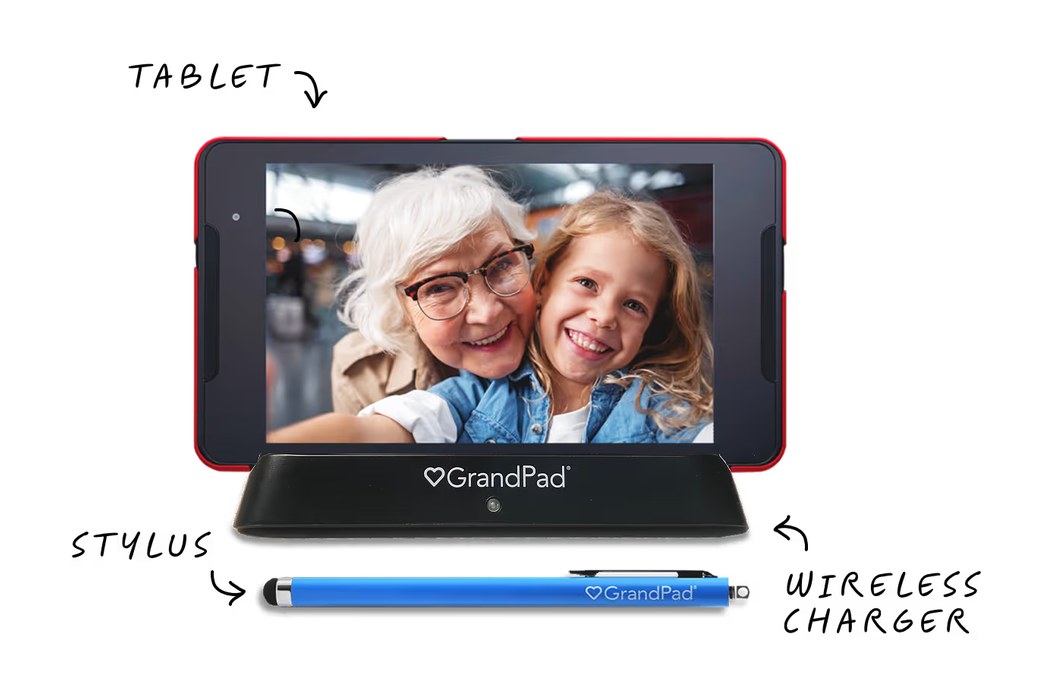
GrandPad Built a Tablet for the People Silicon Valley Forgot - and Found a Business in the Friction
A failed family video call became a contrarian product brief: fewer choices, no passwords and a human on call. GrandPad shows what happens when accessibility is treated as the whole business, not a settings menu.
BeCareLink Put a Neurologic Exam in Your Pocket - Now It Has to Prove the Data Travels
A family tragedy sent two founders after one of medicine's most subjective rituals. Their bet: short phone tests can make the months between neurology visits visible - if patients, doctors and drug developers trust the measurements.

Vytal Health Bet Patients Would Pay to Be Heard - Then Built a $300-a-Month Alternative to the 10-Minute Visit
The Milwaukee telehealth practice asks patients to pay outside insurance for time, continuity and deeper testing. Its early obstacle was convincing people that a video visit could still feel human; its sharper 2026 answer is a two-tier membership with unusually clear boundaries.
Brave Health Bet on the Patients Telehealth Forgot - Then Had to Make the Math Work
Most virtual-therapy companies chased easy-to-reach customers. Brave Health built for Medicaid members, where the hard part is not launching a video call - it is finding patients, accepting their insurance and keeping care financially sustainable.
The Home Spirometer a Father Couldn't Buy Became RemetricHealth's Remote-Care Business
Wayne Meng went looking for a way to measure his daughter's lung function at home and found a blank shelf. The device he built became the wedge for a broader bet: remote care works better when someone handles the hardware, the data and the human follow-up.

AnswersNow Bet Five Virtual Hours Could Challenge the 30-Hour Autism Therapy Week - 504 Families Put It to the Test
The Richmond company replaced a scrappy text-support service with insurance-funded, BCBA-direct virtual care. A new 504-participant study suggests the lower-hour model is feasible and well liked - while also showing exactly what still needs proving.

The Fertility Nurse Who Turned a Broken Vitamin Aisle Into a Women's Health Company
A fertility-clinic nurse kept getting asked the same question about vitamins she couldn't answer well. So she built the answer - a personalized supplement company with a clinician on the other end of the chat.

Twentyeight Health Put Medicaid at the Center - Then Built the Women’s Clinic the Internet Was Missing
The company started with a five-minute birth-control intake. Its bigger bet is that accepting Medicaid, stitching care to insurance and staying useful after the first prescription can turn a commodity telehealth visit into a durable women’s-health platform.

The Little Carrier That Wired the Mountains for 35 Years - and Then Sold the Signal to Verizon
For 35 years a homegrown carrier from Wilkesboro put bars on the map where the big networks saw only blank terrain. In 2026 it agreed to hand the signal to Verizon - a small-carrier story about who actually pays to cover a mountain.

Longevity Science Left the Clinic. Lifespanning Put It in a Shopping Cart.
A Miami media company spent two decades inside biohacking's inner circle. Now it grades 1,000+ longevity products against a 72-point rubric - and only sells the ones that survive.
The Speech Therapist Who Bet the Parents Do the Real Work
A speech pathologist got tired of watching kids wait months for care they could barely access. So she built a company on an uncomfortable premise: the therapist is not the one who fixes your child's speech - you are.
SonderMind Raised $183 Million to Make Therapy Easier. The Hard Part Was Insurance.
The Denver company turned a founder’s bad therapist search into a national care network. Its advantage is the same complicated machinery that can still frustrate patients: matching, credentialing, claims and the stubborn arithmetic of insurance.
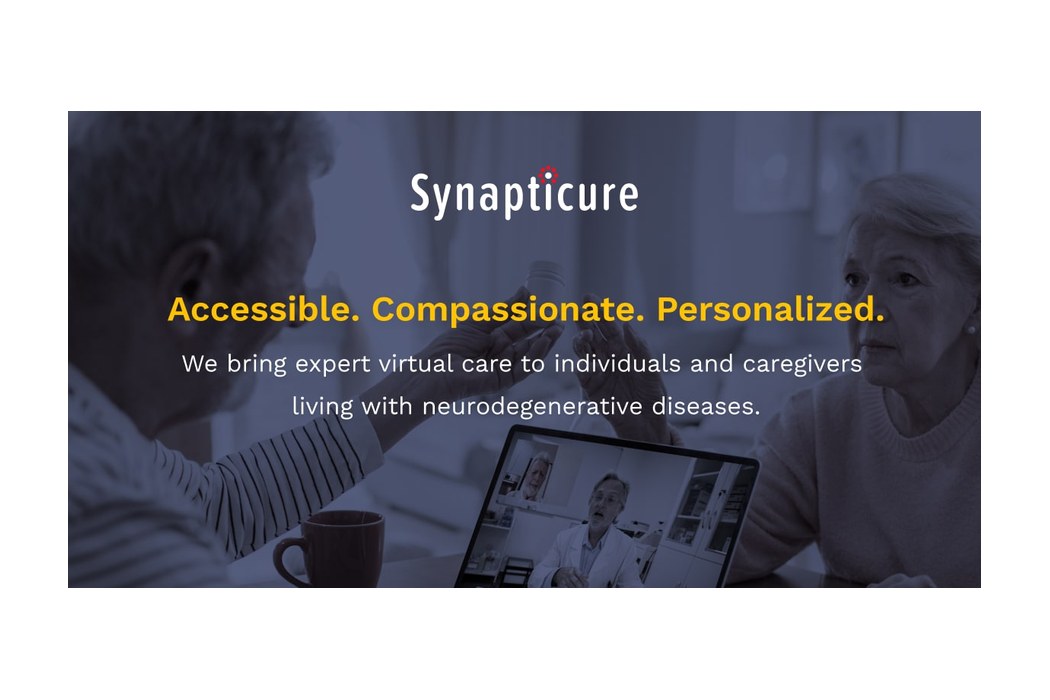
The Neurology Clinic That Comes Home
Synapticure was built by a patient and a caregiver who discovered that a diagnosis can arrive long before a workable care plan. Its answer is a nationwide virtual clinic that treats the household - not just the chart.

The Healthcare Holding Company Building a Front Door That Opens at Home
True Ventures Group is assembling home care, remote monitoring and virtual medicine under one roof - a practical bet that the hardest part of healthcare is often what happens between appointments.
The Campus Clinic That Never Closes
TimelyCare turned the overloaded campus counseling center into a 24/7 care network. Now its bet is that colleges will pay not only for access, but for proof that students get better - and stay enrolled.