seoul
(32)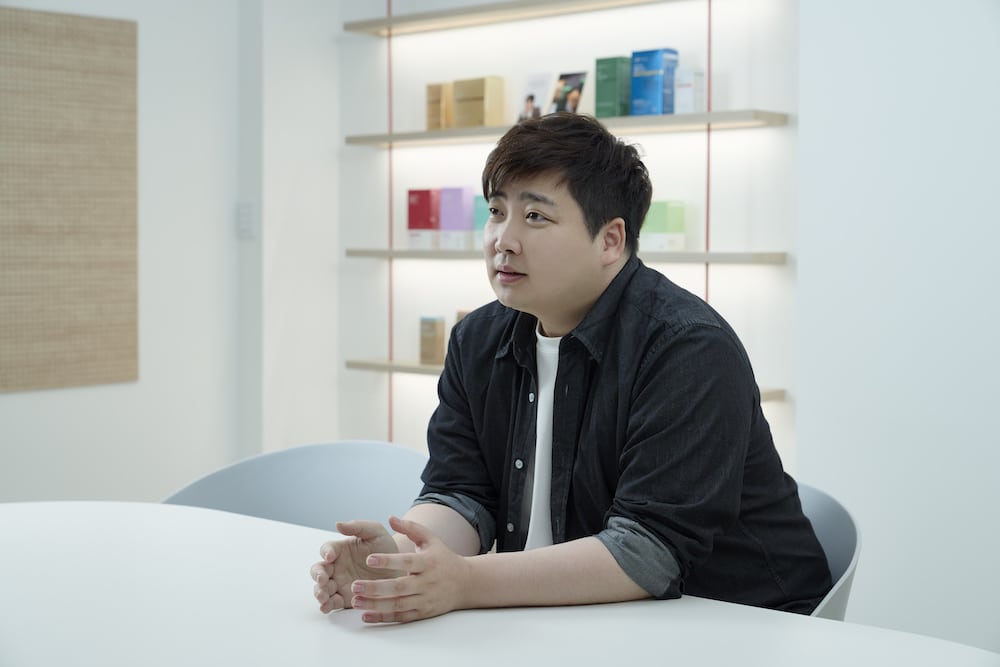
Jae Bin Park grew a beauty business by learning what to leave behind
From Hyperconnect to Biodance, Jae Bin Park has built his career around testing an idea, listening to the response and choosing where to commit. His next challenge is giving a fast-growing beauty business the organisation to match.
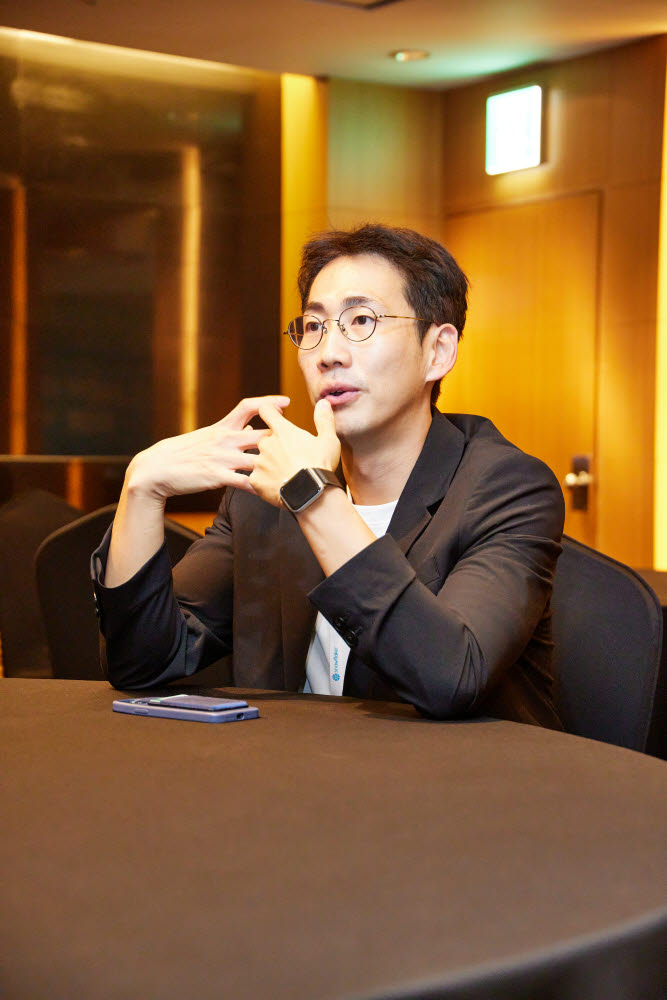
Hunjae Jung and the work behind the click
Before he became Airbridge’s co-CEO, Hunjae Jung spent a decade building the machinery behind its marketing numbers. His next project asks what happens when that machinery can make decisions, too.
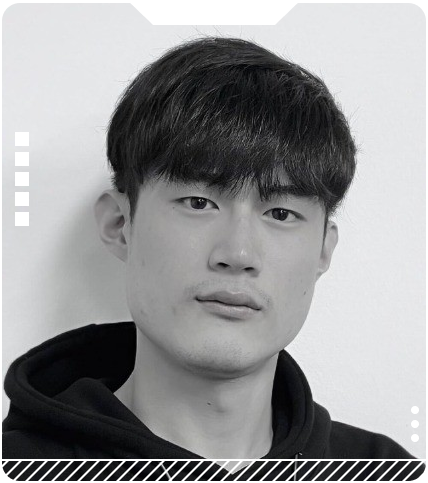
Minik Kim and the trouble with one more click
From hackathon marketing to blockchain loyalty tools and automated finance, the Blockwave Labs co-founder’s projects keep returning to the same practical problem: how much work should the user have to do?
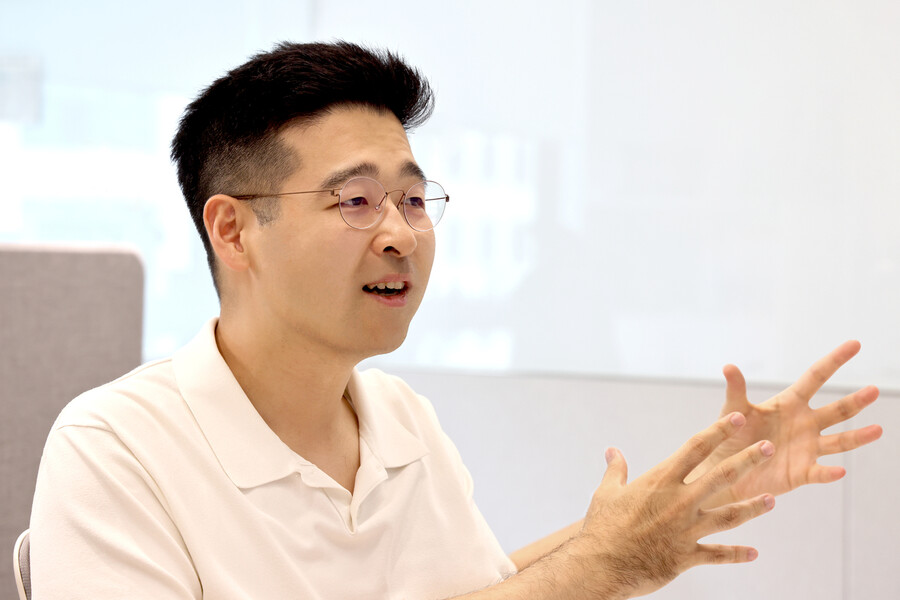
Dong-ho Kim and the credit hidden in a cash register
A shop can have loyal customers, steady sales and a bank that barely understands it. Kelvin Kim has spent a decade trying to make the numbers tell a fuller story.
Nakyang Seong’s long road from Yahoo to tire cords
Before he became co-CEO of HS Hyosung Advanced Materials, Nakyang Seong led Yahoo Korea and Doosan Dong-A. His career connects search engines, dictionary apps and the industrial materials inside everyday products.
Roi Nam and the trouble with a good number
Roi Sungpil Nam has spent a decade helping marketers work out what their numbers mean. Now the Airbridge co-founder is sharing the CEO role and asking how much of the work software can do for itself.
Hank Lee and the trouble with separate boxes
A metallurgical engineer became the first unified CEO of Marsh and Mercer in Asia. Across risk, talent and a rather memorable dog adoption, Hank Lee’s career keeps returning to the business of making connections.

Ramzi Toubassy and the long way back to Seoul
He began at AIG in New York in 1996. After building insurance distribution teams across Asia and leading AmMetLife in Malaysia, Ramzi Toubassy returned to Korea with a familiar question: how do you make a large insurer work better for the people buying its promises?
Ilhwan Yoon and the Useful Art of Changing Your Mind
A puzzle game failed. A small slot machine inside it offered a clue. Ilhwan Yoon followed that clue overseas, helping turn five founders’ experiments into Bagelcode’s global games business.
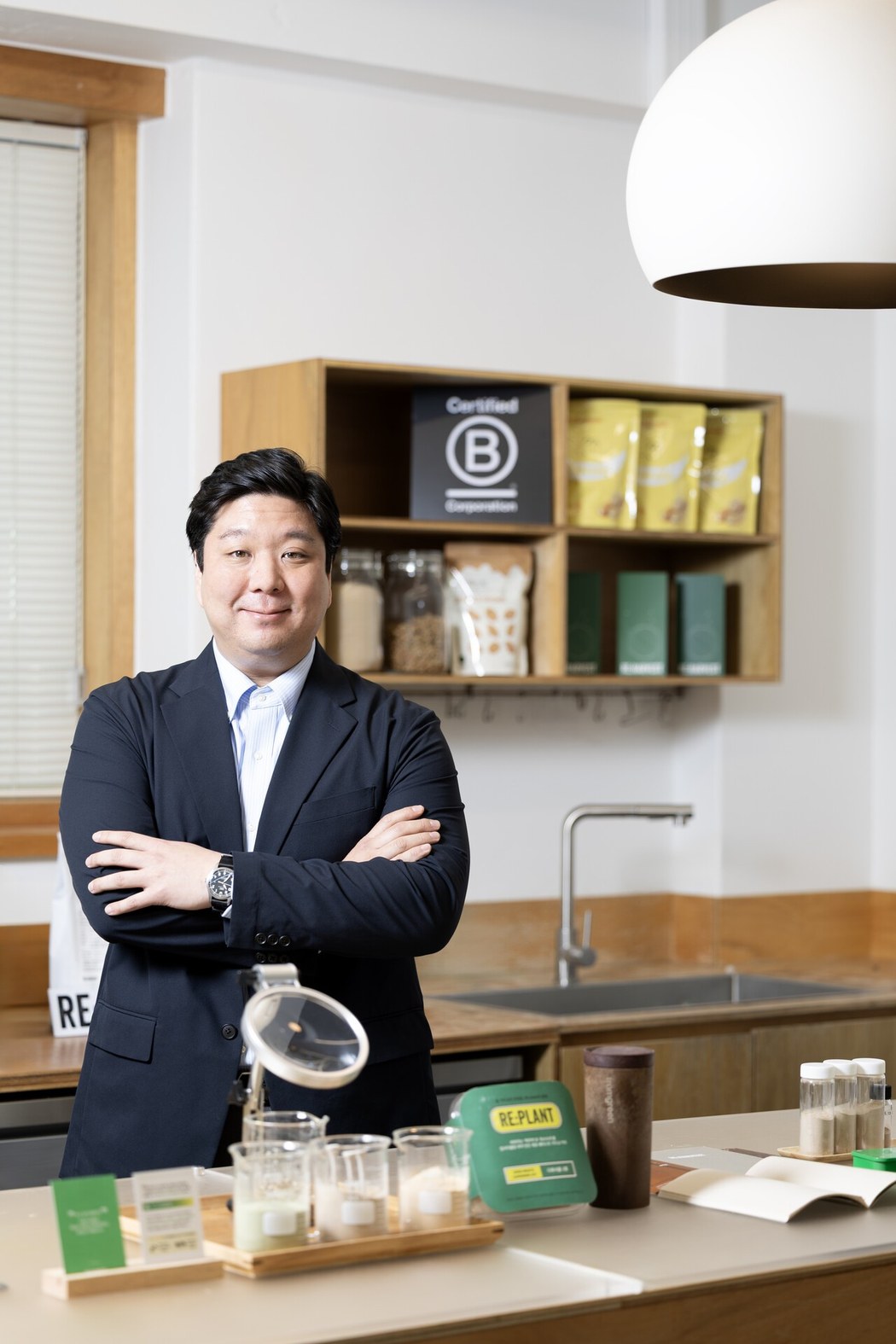
Alexander Min and the Second Life of a Grain
A food-industry consultant noticed what happened after the useful part was supposedly gone. At RE:harvest, Alexander Myoung Joon Min is trying to give that leftover grain another career.
Sanghoon Park and the education of a founder
He began by investing in other people’s companies. At Illimis Therapeutics, Sanghoon Park is applying those lessons to a more personal undertaking: building a company where other founders can grow.
Jinu Kim and the sentence worth saving
Before Liner answered questions, it helped people underline sentences. Jinu Kim has spent a decade following that small act of attention toward a larger ambition: search that people, and now other AI systems, can use with confidence.
Daniel J. Yun and the missing minutes inside the box
Before co-founding Willog, Daniel J. Yun ran warehouses and trucks. Now he is building a record of what cargo experiences - and connecting that evidence to the decisions, disputes, and insurance that follow.
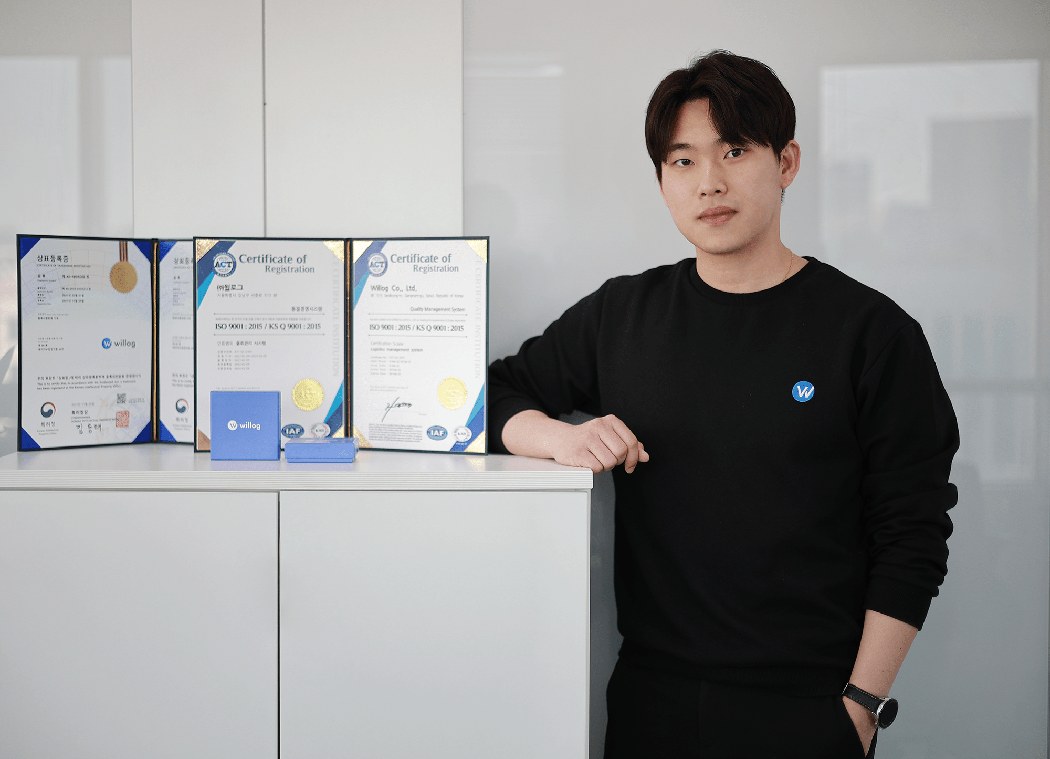
Jihyun Yoon and the trouble with a perfect record
In food distribution, Jihyun Yoon discovered that a tidy temperature log could conceal a messy journey. His work at Willog now connects cargo evidence to the decisions people make - and the losses insurance can cover.
Younghoon Park and the difficult art of helping a startup grow
From a Korean handheld-computer company to GS’s venture investments, Younghoon Park kept returning to the space between a promising product and a working business. At dcamp, his answer became a year-long growth program - and a contested change of direction.
Young Whan Park and the case for a smaller room
After leading research inside larger institutions, Young Whan Park co-founded Avelos Therapeutics in Seoul. His next chapter turns on a practical question: how much can a small company accomplish when experience, resources, and responsibility are shared?
Jaiseung Choi and the business of one less thing to do
A loyalty app taught Spoqa’s co-founder how much work a customer will refuse to do. From café counters to restaurant orders, Jaiseung Choi has kept returning to the same question: what can we take off someone’s hands?
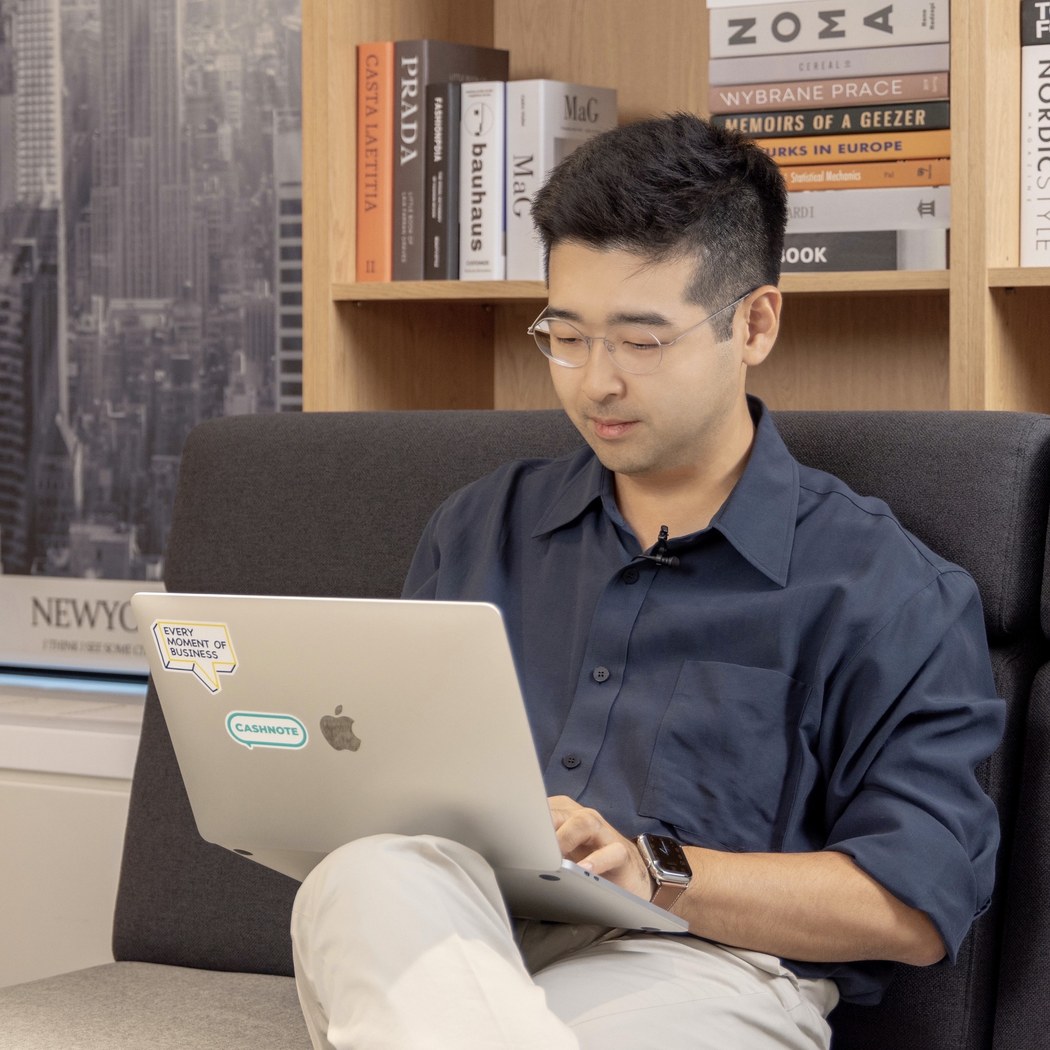
Kelvin Kim and the value of a quiet afternoon
Before Cashnote became a daily tool for millions of Korean businesses, Kelvin Kim went looking for a moment when shopkeepers had time to talk. His second company grew from what he heard between the lunch rush and dinner.
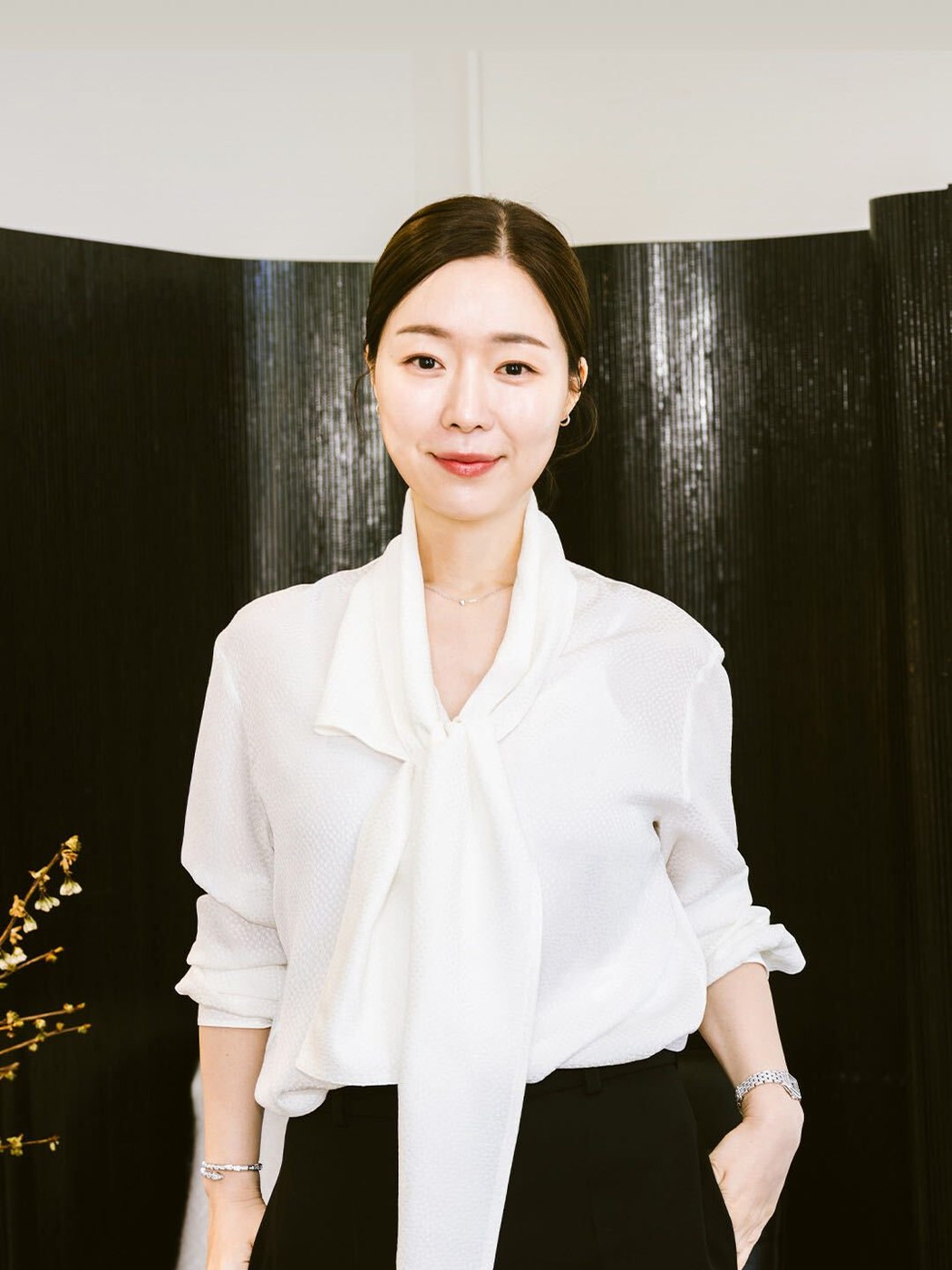
Mihwa Kim and the art of being hard to please
Before Biodance reached international shelves, Mihwa Kim built a business around a demanding question: how does a good product find its customer? Her route from television demonstrations to the product desk offers an answer in several acts.
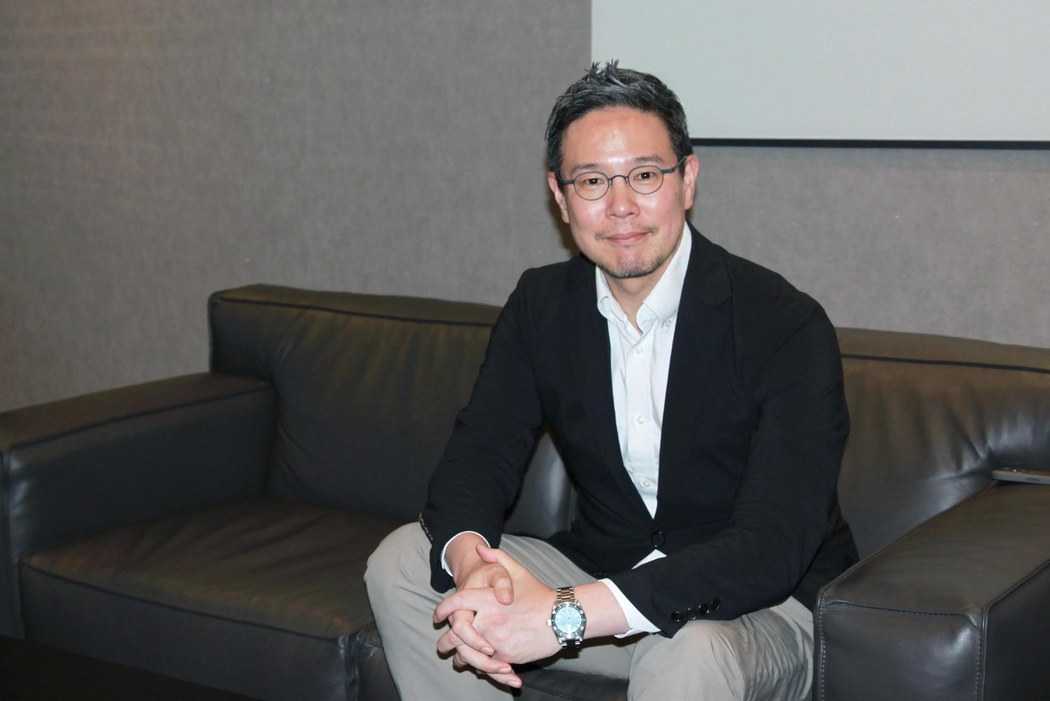
Hoshik Shin and the price of a missing connection
A broken coal deal sent Hoshik Shin looking for a better way to trade. With Tridge, he carried that question into the global food market, where a useful connection can change a price - and a growing business can still struggle to pay its own way.
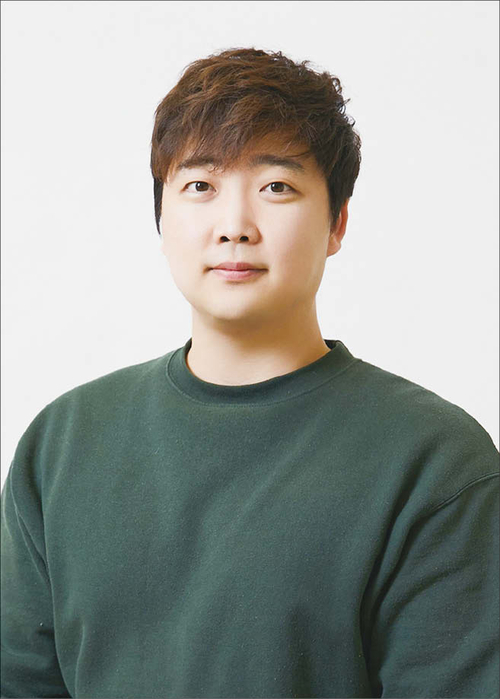
Jae Park and the value of a second purchase
Before Biodance reached international beauty counters, Jae Park was asking why a customer would come back. His route from Hyperconnect to Beauty Selection runs through repeat purchases, a focused bet and the practical work of growing abroad.
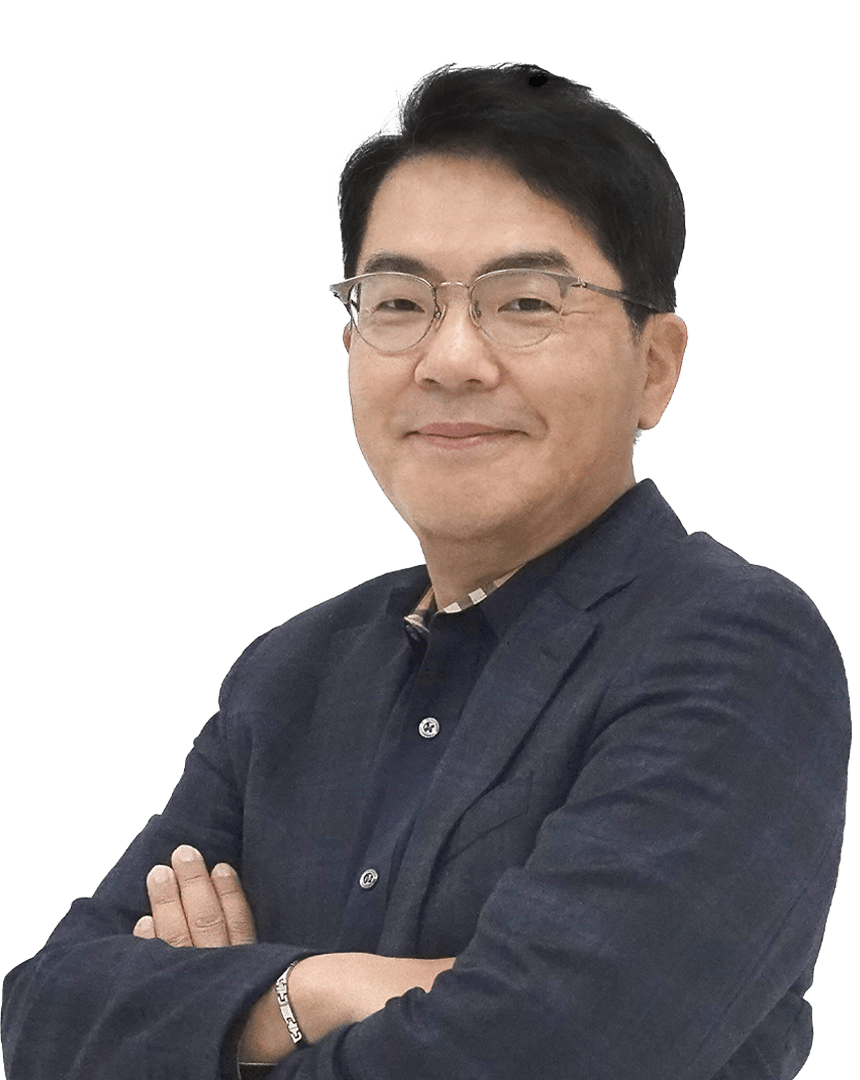
Steve Hong and the business hidden in a broken game
A game developer’s cloud troubles gave Steve Hong a new business. At Cloocus, he is applying the same lesson to AI: getting technology to work is a job of its own.
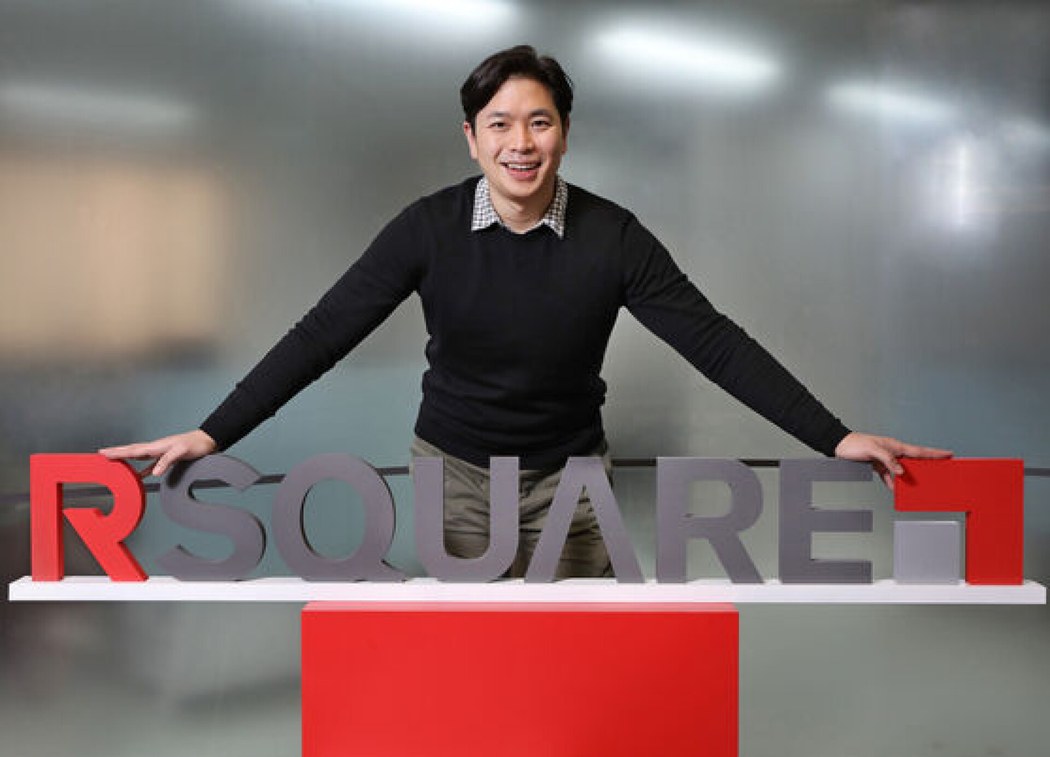
John Lee and the buildings the maps missed
Before RSQUARE could put commercial property on a screen, someone had to knock on the door. John Lee built his business around that unglamorous task, then found more than one way to sell what it revealed.
Yoochun Kim
Yoochun Kim (Kim Yoo-cheon) is the founder and CEO of YC Corporation, a Seoul-based digital transformation company he started on April 1, 2022. As an authorized Autodesk partner, YC supplies CAD, CAM, MES and PLM software plus hardware to small and mid-sized Korean manufacturers - the metal shops, tool makers and injection molders that most smart-factory programs skip. Kim built the company to over 7 billion won in annual revenue in roughly two years, taking no outside investment and funding growth entirely through solution and service work.
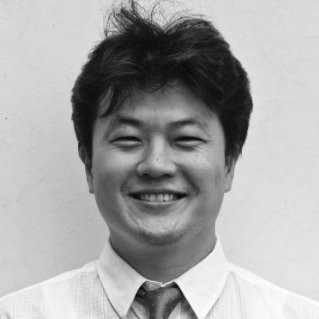
Ken Kim
Ken Kim is the co-founder and CEO of 3i Inc., a Seoul-based spatial AI company behind Beamo, an enterprise digital twin platform that 3D-scans indoor sites in minutes, and Pivo, an auto-tracking smart pod loved by video creators. A former IT consultant and commodities trader turned repeat entrepreneur, Kim built 3i around a childhood obsession with cameras and a belief that anyone should be able to capture the physical world and move it into the digital one. Under his leadership 3i raised an oversubscribed $24M Series A in 2021, grew to a global team spanning more than 20 nationalities, and holds dozens of technology patents.
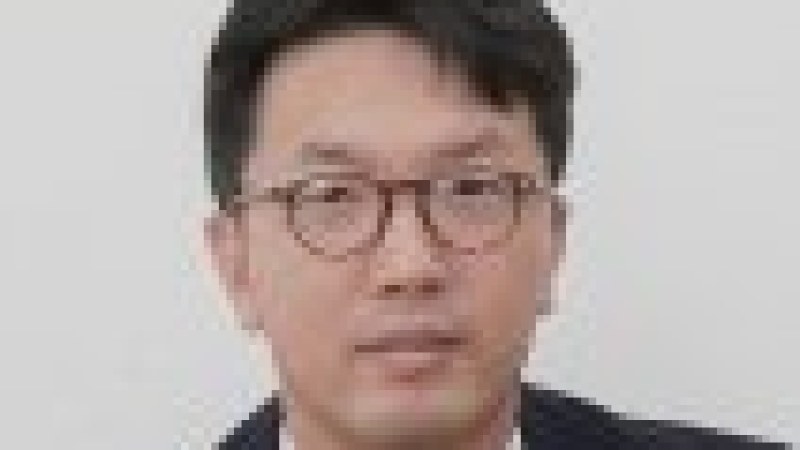
Aram Hong
Aram Hong is the CEO and co-founder of Apollon, a Seoul-born, Cambridge-based medtech company building MOGLU, a needle-free continuous glucose monitor powered by Raman spectroscopy. A former EY advisor and Genoplan executive who moved his family from Seoul to Boston to scale the company alongside MIT researchers, Hong has turned a laser-and-optics idea into a CES 2025 Innovation Award honoree that, in peer-reviewed clinical testing, matched the accuracy of leading needle-based sensors from Abbott and Dexcom.
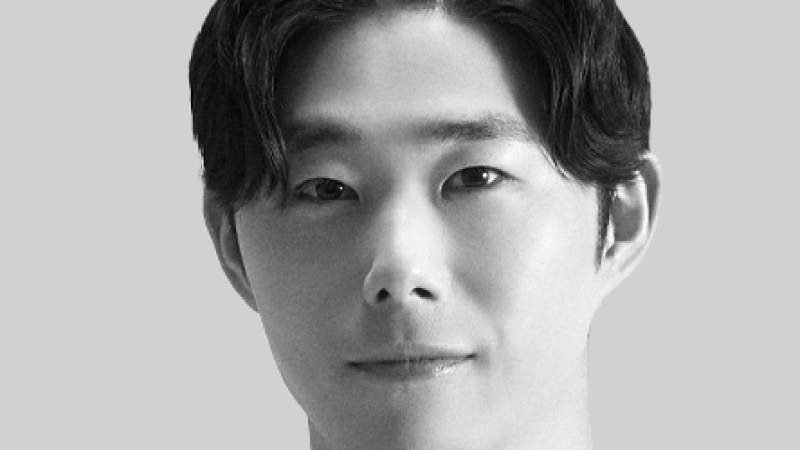
Brian Nam
Brian Nam is the co-founder and CEO of DIVE Studios, a Gen Z media company born from K-pop and built for global fandoms. A former Division I soccer recruit and finance-track Columbia grad, he walked away from an elite private equity offer to build a podcast network with his brother, the K-pop star Eric Nam. DIVE has grown into a multi-platform media company spanning Seoul and Los Angeles, with hit shows like The Daebak Show, hundreds of millions of views, and a wellness app, Mindset. He is a Forbes 30 Under 30 honoree.
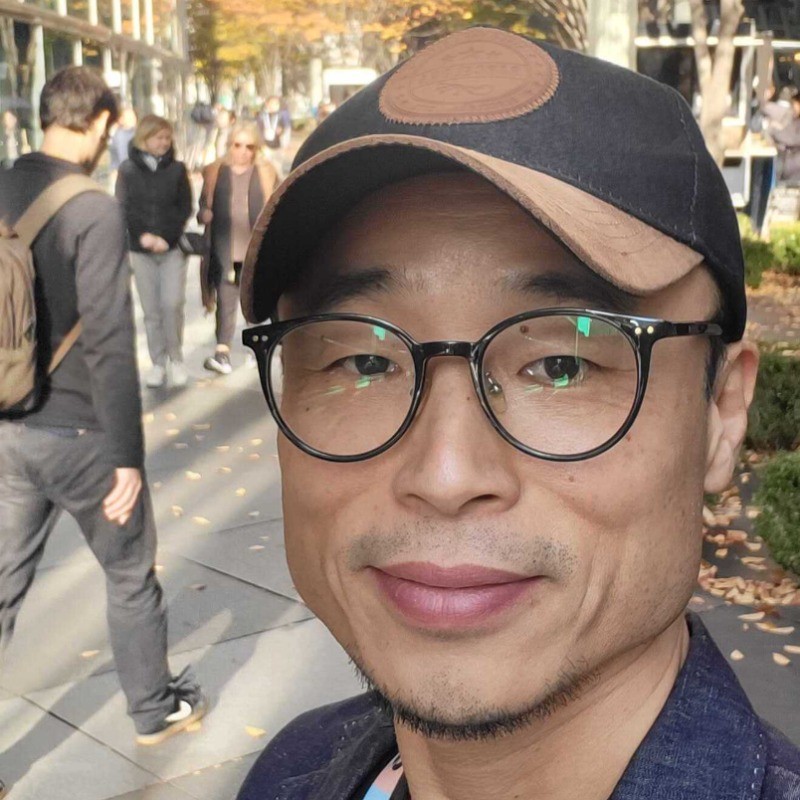
Dongsoo Han
Dongsoo Han is the founder and CEO of z-emotion, a 3D garment simulation company building software that lets fashion brands design, fit, and render clothing entirely in 3D. A computer graphics engineer with 25+ years in simulation and gaming, he built the hair physics that became AMD's TressFX, the first playable real-time hair in a video game (Tomb Raider). He later realized a thread in 3D space moves much like a strand of hair, and turned that insight into z-emotion's products z-weave, z-fit, z-maya, and zeavric, used in projects with brands like Louis Vuitton and Nike.
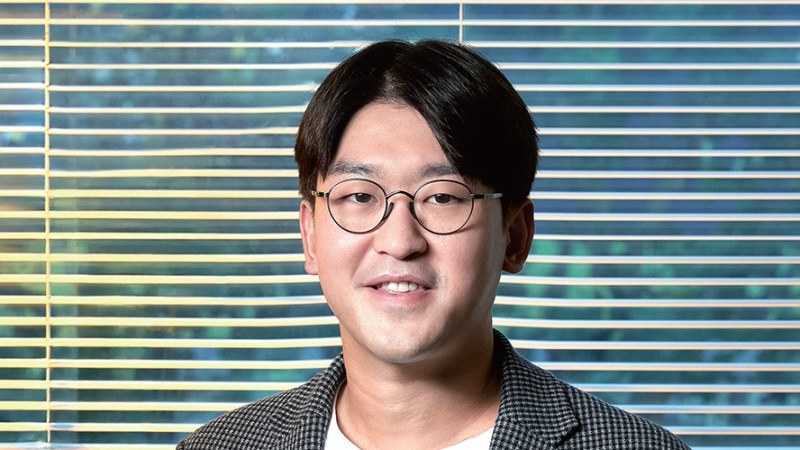
Hyesung Kim
Hyesung Kim is the founder and CEO of Mineis, the Seoul company behind Charan, a full-service fashion recommerce platform that collects, inspects, cleans, photographs, prices, sells, and ships used clothing on the seller's behalf. A University of Chicago economics grad who started his first ad-tech company as an undergrad and later worked as a venture investor, Kim built Charan to remove the friction that keeps closets full of unworn clothes. The platform passed 400,000 users within a year of its 2023 launch, was named to Forbes Asia's 100 to Watch in 2024, and raised a 16.8 billion won Series B in 2025, bringing total funding to 32.2 billion won.
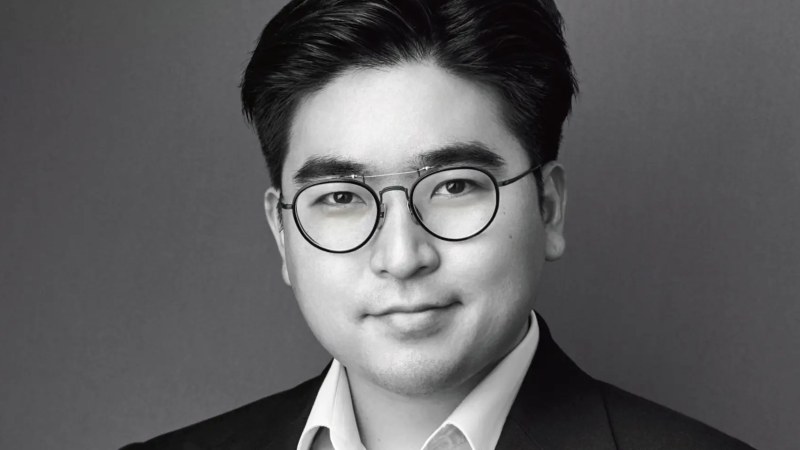
Jimmy Jung
Jimmy Jung is the founder and CEO of BuildBlock, a cross-border real estate platform that lets Korean and Asian investors buy, build, and manage U.S. property without ever boarding a plane. A licensed professional engineer who once helped project-manage Google's new Silicon Valley headquarters, he turned the messy, intermediary-clogged process of overseas property investment into a single end-to-end pipeline: search, financing, LLC setup, construction, management, and tax. Founded in 2018 and headquartered in Seoul with U.S. offices, BuildBlock has expanded from residential brokerage into industrial plant and AI-infrastructure development.