san-francisco-bay-area
(54)
Ankit Kumar Shah and the Business That Outlived Its First Plan
A year after founding InterSources, Ankit Kumar Shah lost his largest client. His path from warehouse analytics to cybersecurity has kept returning to the same question: what makes a business dependable when conditions change?

Ray Zhou and the customer who insisted on paying
Before Affinity could sell the value of a relationship, Ray Zhou had to learn what one was worth. His route ran through Stanford side projects, borrowed office space, and a customer who finally asked for the bill.
Devin Bhushan and the things a machine cannot tell you
A coffee-grinder reminder, a question on the factory floor, and a career spent making information useful. The founder of Squint is building software around the knowledge people carry in their heads.
Jason Klein and the business of keeping things working
From food supply-chain software to the lines on a parking lot, Jason Klein has spent his investing career around the systems businesses depend on. At Red Iron Group, the former Accel-KKR managing director is applying that experience to founder-led service companies.
Barbara Fagan and the Company That Made Room for Life
She started ROI Communication with two young daughters and a question about how work should fit into a life. Twenty-five years later, her employee-owned firm is taking that question into the age of AI.
Gautham Viswanathan and the Ninety-Nine Percent of Work Still Waiting to Disappear
He helped build the middleware that connected the first wave of enterprise software. Then he returned to the same stubborn problem with a more democratic idea: let the people who know the work automate it.

Avery Pham and the Art of Making Hardware Disappear
The storage veteran built a career in the unglamorous space between an idea and its arrival. At VAST Data, that instinct turned hardware logistics into someone else's specialty - and made room for a much larger software ambition.
Gena Carlstrom and the Art of the Soft Landing
A former marketing executive learned to treat the family holiday as a human problem, not a booking problem. Now she plans for the detail everyone forgets: how a trip should feel once everyone arrives.

Scott Gainey Learned the Product First. Then He Learned to Tell Its Story.
Before Scott Gainey sold markets on security, he learned to read code, handle escalations and listen to engineers. That technical apprenticeship still shapes the way Checkmarx's CMO thinks about customers, categories and the unruly arrival of AI-generated software.
Navneet Singh Wants Enterprise AI to Remember the Humans
After two decades translating databases, networks and cybersecurity into business stories, Eightfold AI's CMO is applying an engineer's discipline to a deeply human question: can technology see what a person might become?
Mike Higashioka Built a Career at the Seam Between Science and Strategy
Before he helped steer marketing strategy at Nutanix, Mike Higashioka was engineering tissue with an inner zone, an outer zone and a stubborn interface. His career since has been a study in making unlike parts work together.
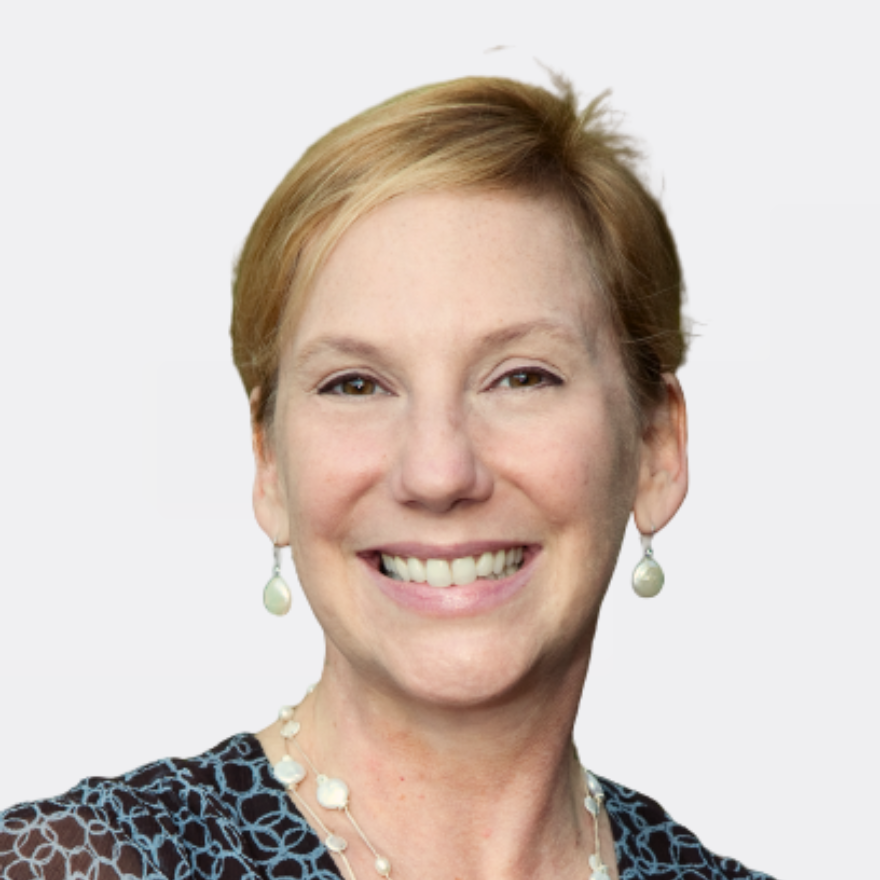
Katherine Rincon Has Spent 30 Years Making Real Time Mean Something
From Visa Gold to developer communities, streaming data and operational AI, Katherine Rincon has built a career translating invisible infrastructure into reasons to care - usually before the rest of the market catches up.
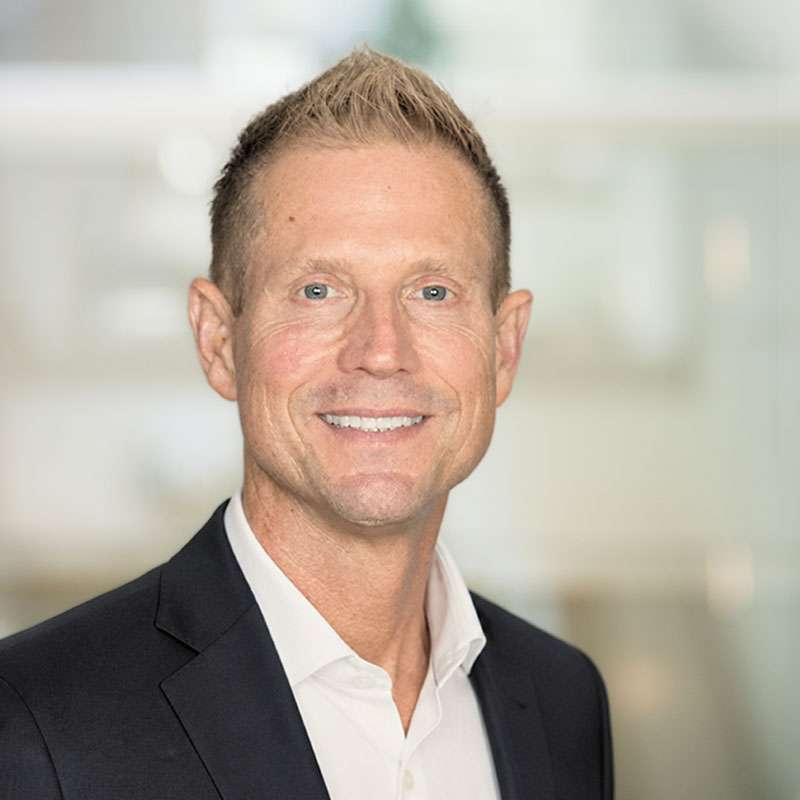
Marcus Bode Built for the Long Game - Then Changed Positions
After two decades building SpearMC around Oracle, PeopleSoft and customer trust, Marcus Bode sold the company and stepped into a new assignment at Mythics. His other field of play is quite literal.
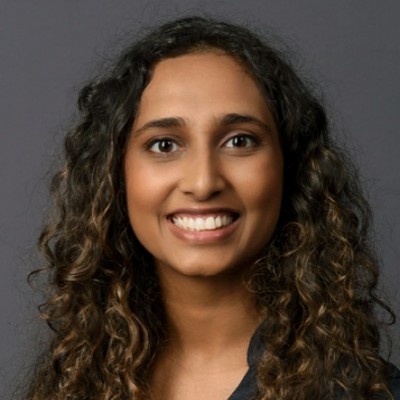
Jaynee Jhaveri Built Stadiums. Now She Builds the Case for AI.
A structural engineer learned that the most important decisions happen before the drawings begin. An MBA and a move west brought her to C3 AI, where the load-bearing material is now language.
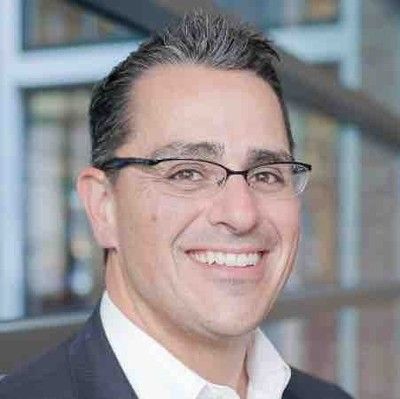
Don Bulmer Has Spent a Career Making Complexity Make Sense
From a tiny California zoo to SAP, Shell, AWS, Veeva and Reltio, his work keeps returning to one stubborn problem: how to turn institutional complexity into a story people can use.
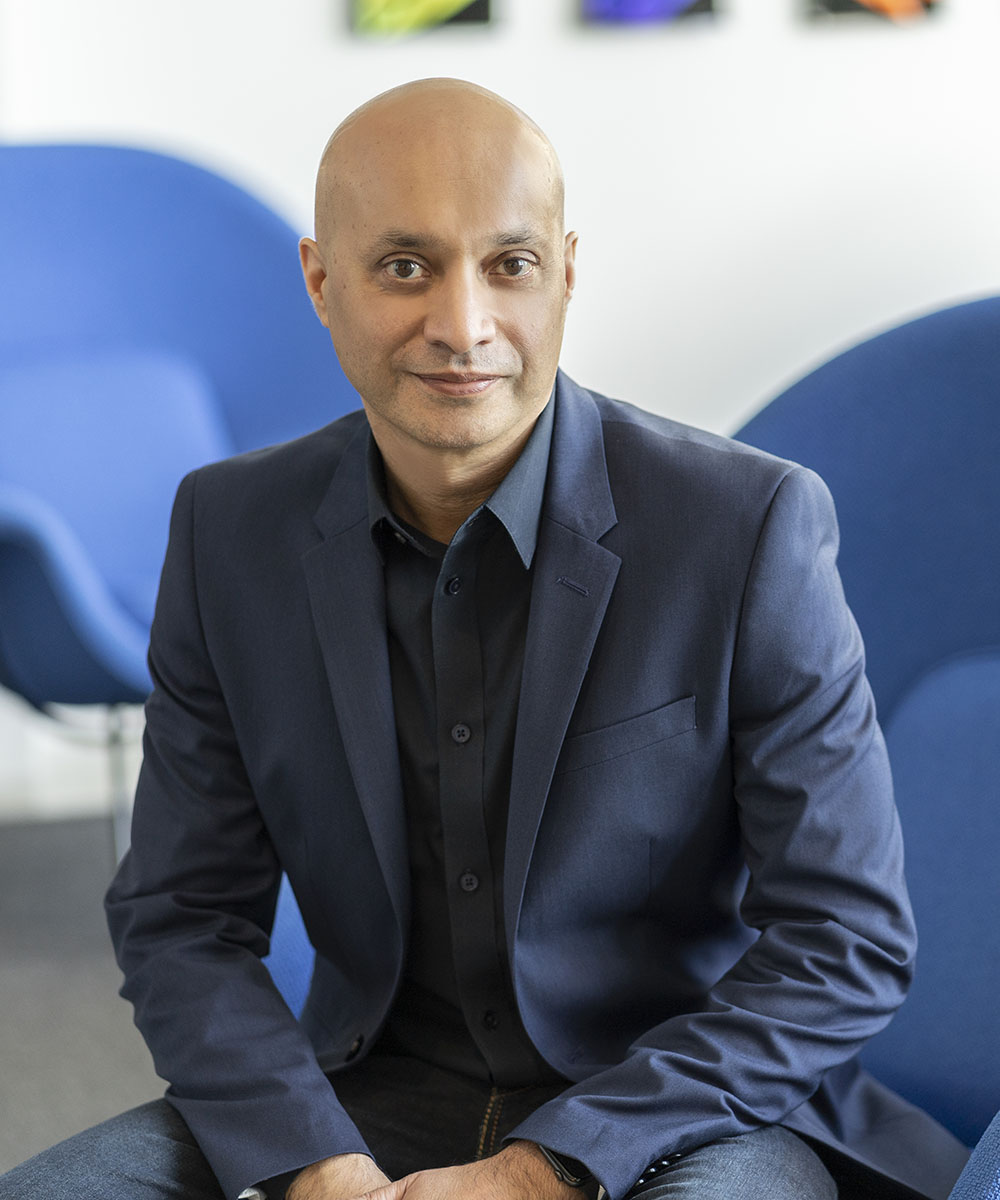
Girish Parekh Keeps Cisco's Sales Ambition on Speaking Terms With the Numbers
A chemistry graduate became a chartered accountant, learned transactions at Arthur Andersen, spent 15 years inside GE and arrived at Cisco in 2016. Today, Girish Parekh works where forecasts, new business models and a global sales organization must agree.
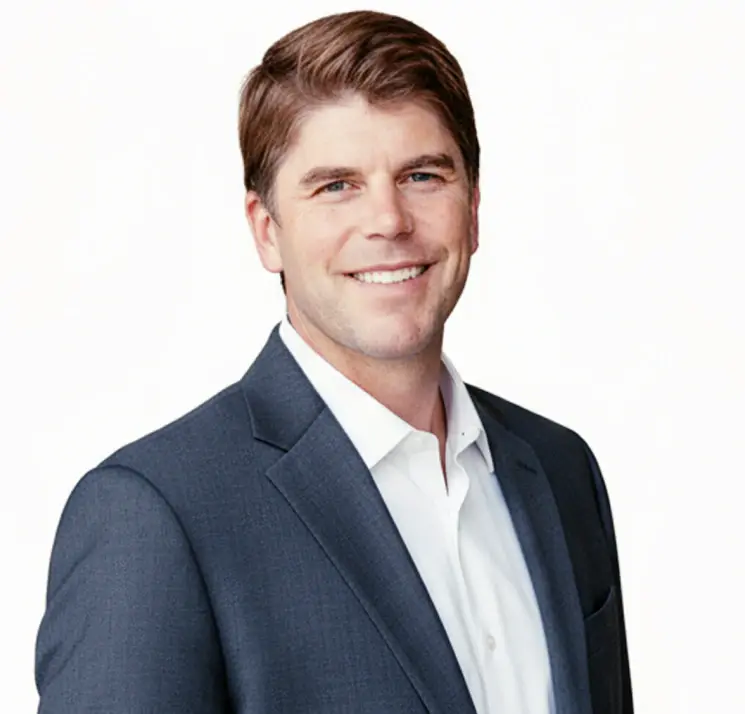
Pat Oldenburg Wants Marketing to Stop Counting Strangers
After two decades in enterprise software, AppZen's CMO has a blunt diagnosis for vanity metrics: an enterprise deal is one account, however many people click. His career is a study in turning marketing from a tally counter into a team sport.
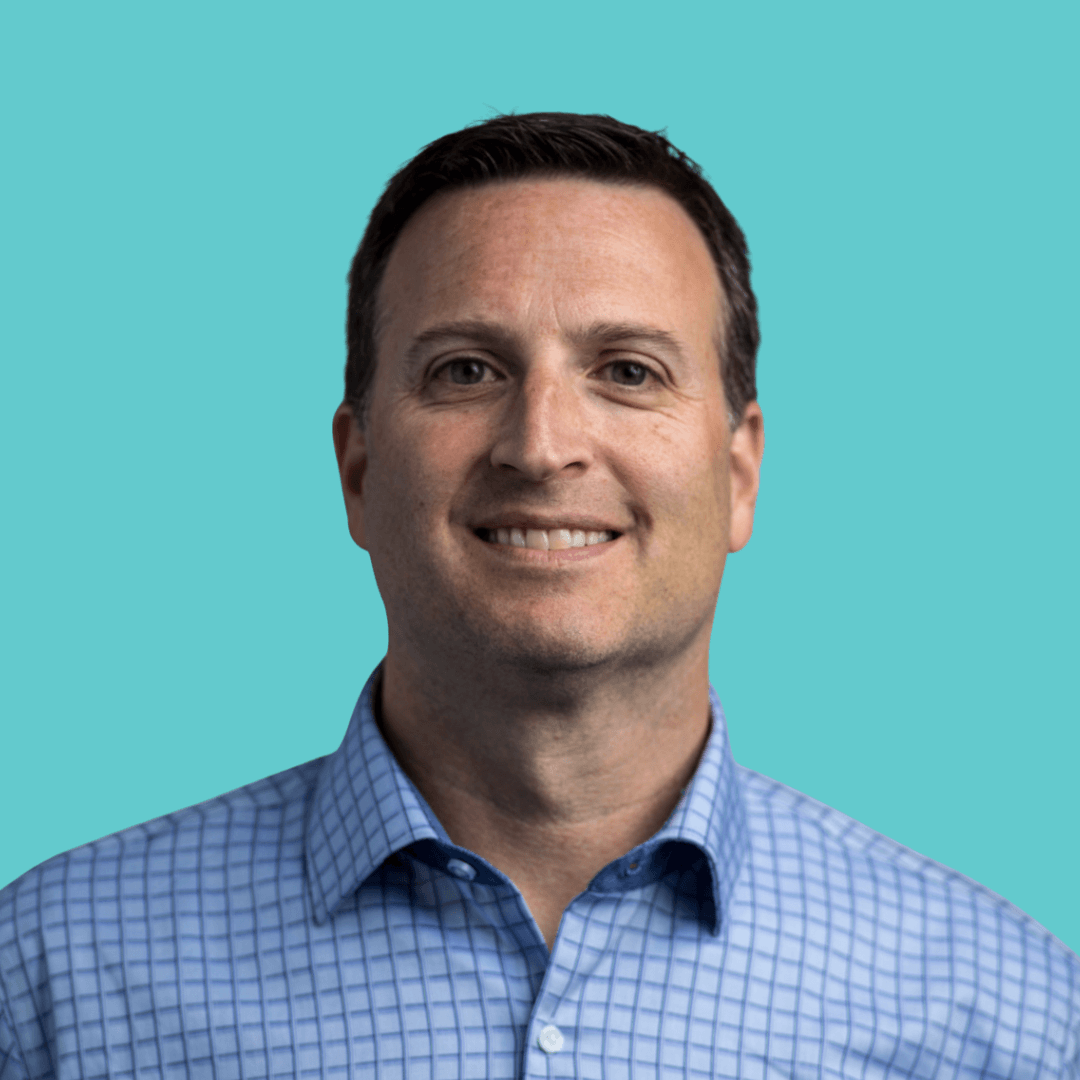
Dario Ambrosini Learned Marketing by Misunderstanding One Word
A finance graduate who preferred customers to transactions, Dario Ambrosini built a SaaS career around translation: between numbers and narrative, engineers and buyers, and now search engines and AI.

Joshua Schnoll Is Making Legal Technology Speak Human
After years marketing platforms at Microsoft, FICO, and AppDirect, Joshua Schnoll found his sharpest brief at Everlaw: make the machinery of digital evidence feel consequential, clear, and unmistakably human.
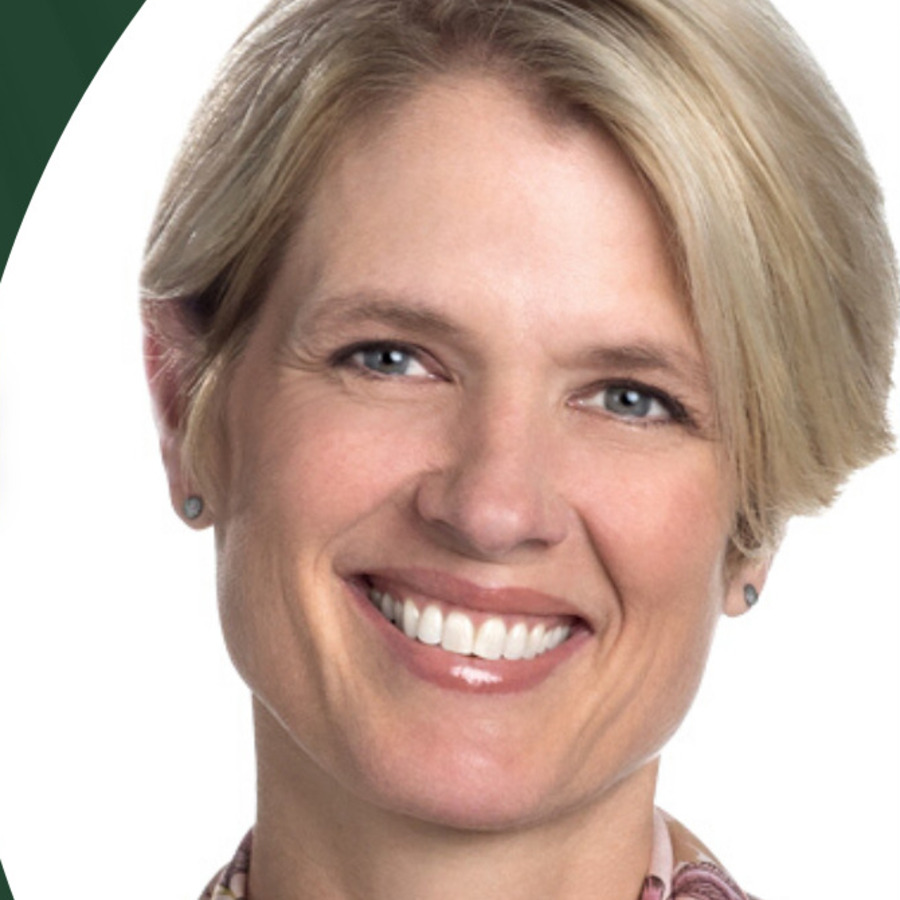
Angela Stark Knows the Brand Is Only as Strong as the Work Behind It
After nearly three decades shaping enterprise technology brands, Angela Stark has arrived at a smaller, faster company with a very large question: can disciplined marketing help turn hourly jobs into good jobs? Her answer begins with clarity, connection and a willingness to do the unglamorous miles.
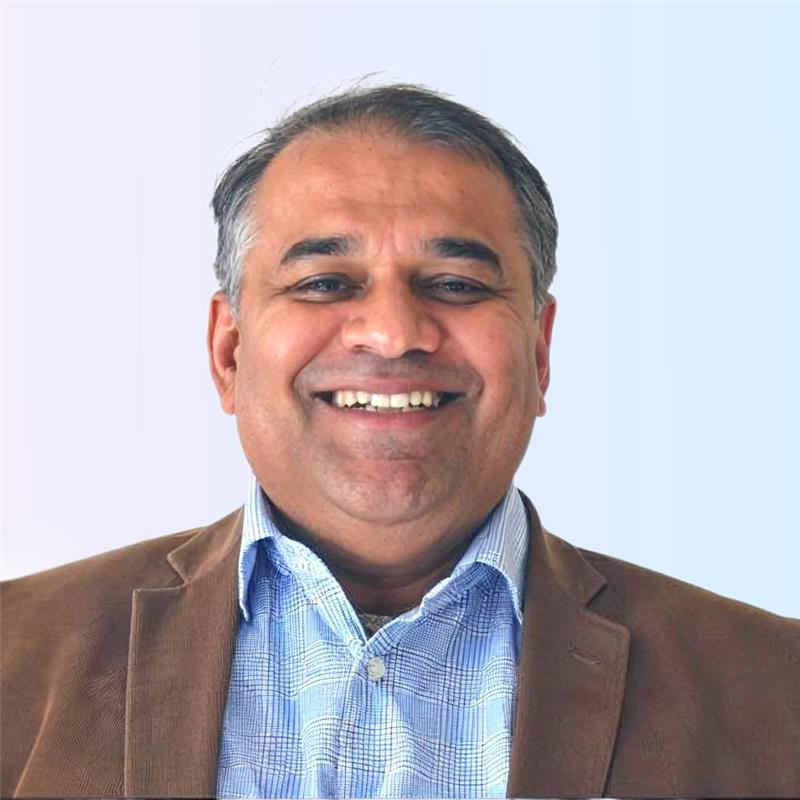
Gaurav Verma Built a Marketing Engine From the Wiring Out
Before he sold enterprise AI, Gaurav Verma built software, advised Oracle clients and learned harmonium. The same instinct connects it all: understand the machinery, then make it legible.
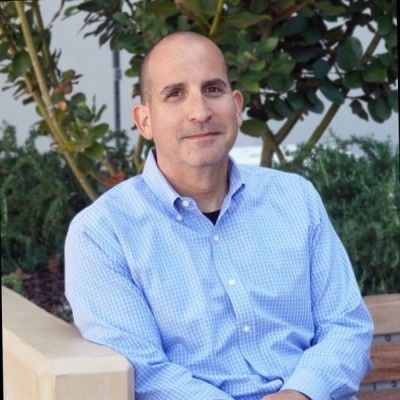
Garrett Schwab Is Building for the Long Wait Between Idea and Impact
The XII Medical CEO has spent a career in the unglamorous middle of medical invention - where patents, payment, teams and patient access must eventually agree.
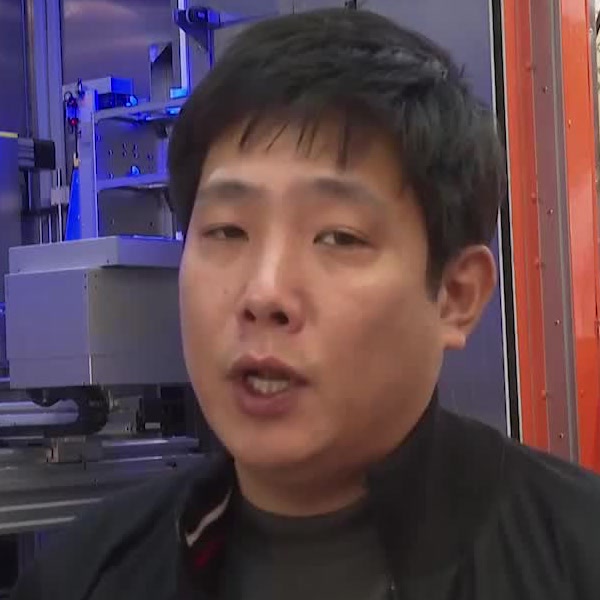
Kish Shin Is Teaching a Kitchen to Arrive Right on Time
His robotic food truck cooks Korean barbecue while it moves. The more revealing idea is quieter: technology earns its place in a kitchen only when the meal arrives hot, consistent, and worth eating again.
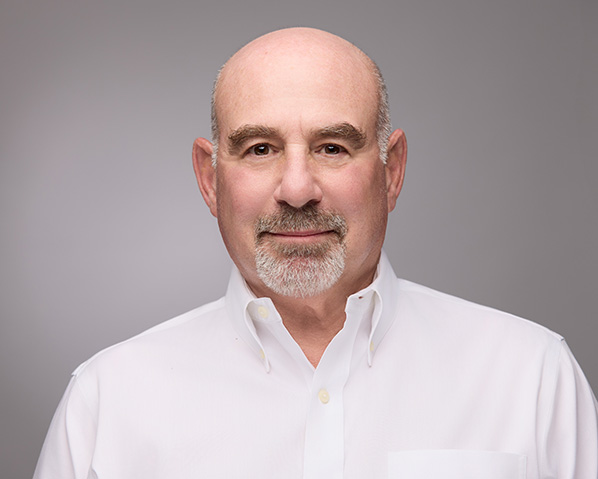
Jeff Elkins Has Spent 30 Years Learning What Tiny Tools Must Get Right
Before Jeff Elkins became a repeat medtech CEO, he learned to scale products, read clinical data and worry about the expensive mistakes nobody else could see. His career is a practical study in how engineering judgment becomes company judgment.
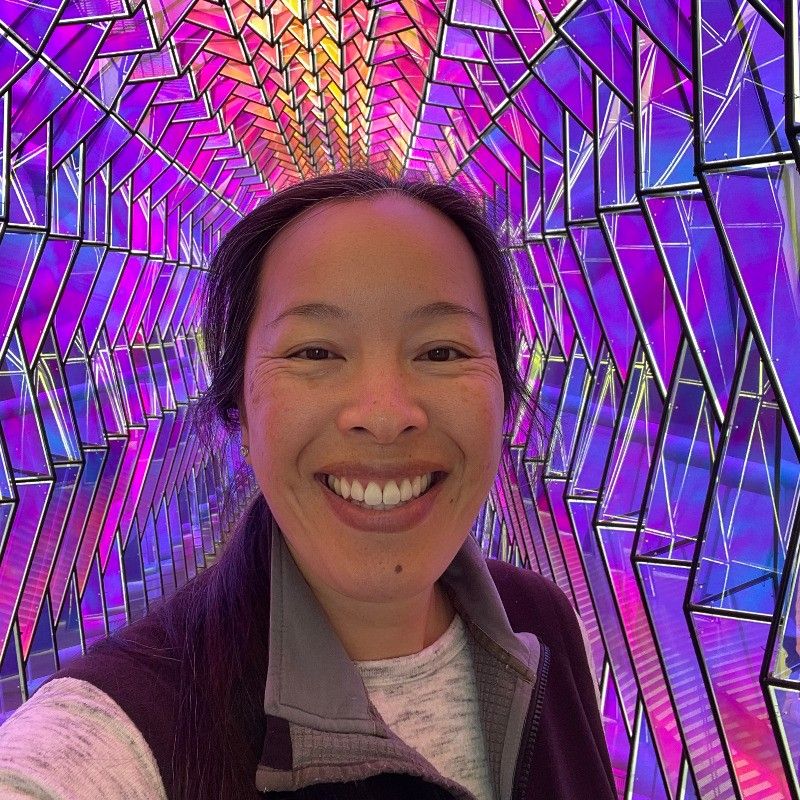
Renee Hall Is Building the Operating System Behind the People Building Better Heat Pumps
At Quilt, three executives share one unusually broad business partner. Her real brief is larger: helping a young climate company grow without letting the human details fall through the floorboards.
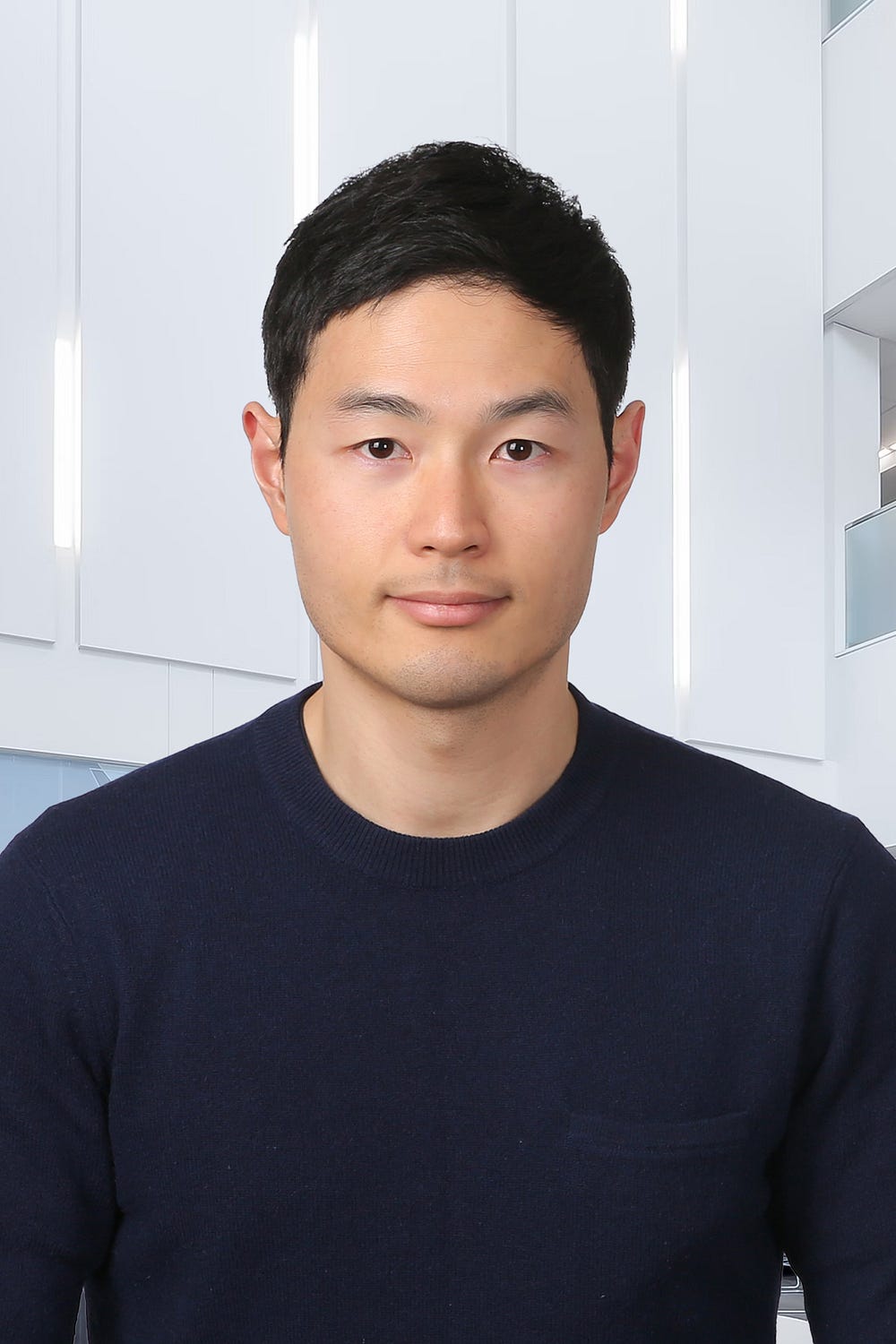
Jinyong Lee Put PCR on a Stopwatch
A private-jet courtship vanished with one licensing snag. Jinyong Lee kept building, lost the suitor, and shaped a patient, product-first company around light, heat and an unusually stubborn definition of success.

Nick Crafford Builds the Software Behind the Bike Shop Door
Across bicycles, retail and family logistics, Nick Crafford has made a career of turning messy handoffs into working software. His quiet specialty is the difficult space between a click and the real-world person who has to make good on it.
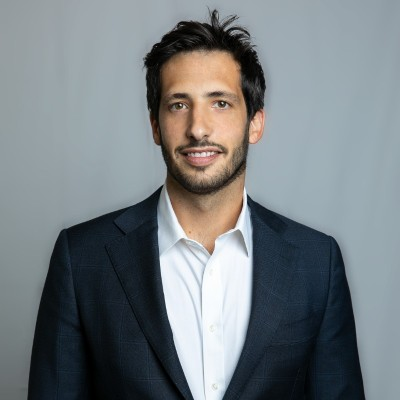
Eric Rachmel Is Turning the Family Tax Firm Into a Software-Era Business
After selling one fintech startup, Eric Rachmel found his next idea inside his late father's CPA practice. OLarry is his attempt to preserve the trusted adviser while rebuilding everything around that relationship.
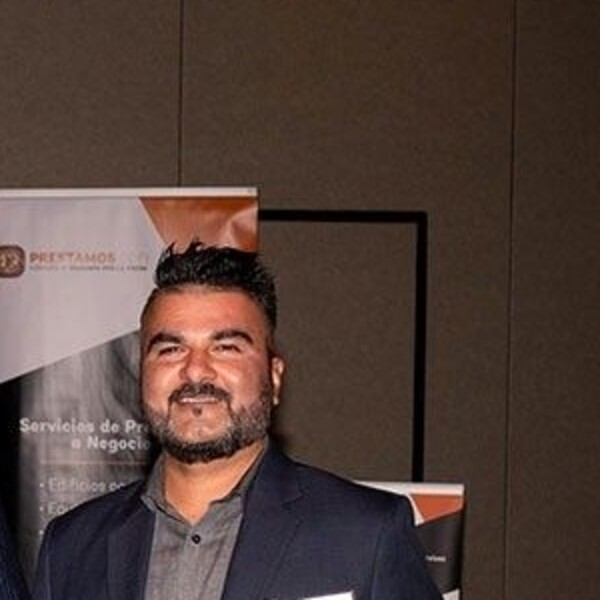
Rajiv Khattar Built a Career in the Work Between Talent and Technology
For more than 17 years at Agama Solutions, the Bay Area executive has worked where software delivery, client trust and technology talent meet. His record offers a quiet lesson in the value of staying close to the work.
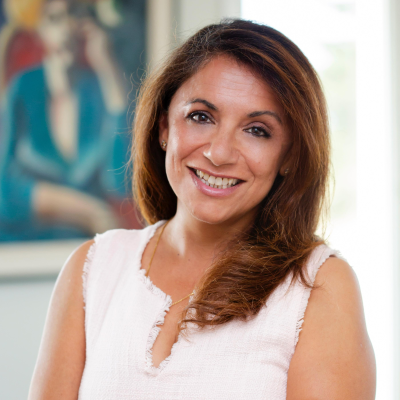
Anju Abel Built a Career on the Part of Staffing Spreadsheets Miss
The LanceSoft CEO arrived in New York with optimism, built her way through the machinery of contingent work, and now argues that the industry’s most useful technology is still a human connection.