Barbara Fagan thought she might run her new business for five years. It was 2001. Her daughters were one and five, and she had already learned how easily a corporate working day could spill into an evening at home. A video needed finishing. Another urgent task appeared. The computer reopened. Starting a company offered a chance to write different rules, although founding a business is an unusual way to acquire more free time.
Twenty-five years later, she is still CEO of ROI Communication. The firm became wholly employee-owned in 2021. And the founder who once imagined a five-year horizon has found another reason to stay absorbed in the work: artificial intelligence. The question running through her career is surprisingly consistent. How do people make room for change without giving away the rest of their lives?
The fourth grader with a larger job in mind
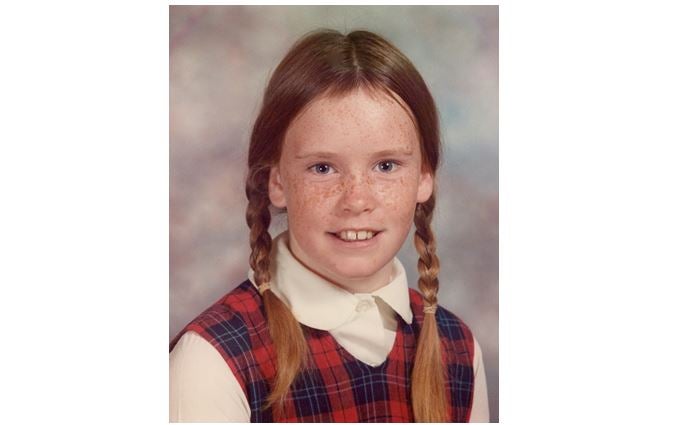
Long before she had a company to run, Fagan wanted to be president of the United States. In fourth grade, she told her teacher. Miss Wilson replied that there would never be a woman president in her lifetime. Fagan remembers being judged excessively bold and confident. Her parents took a different view and encouraged her boldness. It is a small childhood episode, but it gives her later advice about speaking up a particular edge.
By 2018, she was writing about the memory and about courage as something people could practice. When she wanted to become a professional speaker, she joined Toastmasters. When she wanted to improve as a parent, she took classes. The appealing detail is the willingness to be taught. A child with designs on the presidency grew into an executive prepared to sign up for lessons.
From the newsroom to the people inside the news
Fagan studied journalism at Humboldt State University. Her early career included producing national radio programs and covering international business for ABC. Later, as a London-based ABC News television producer, she covered revolutions in Eastern Europe and the 1991 Gulf War for Primetime Live and World News Tonight. Her working life began with events that changed the world outside an organization.
Corporate communication brought a different audience. She became director of interactive communications at Simply Interactive and director of employee and electronic communications at Quantum Corporation. Inside a business, change comes with practical questions: whose job moves, what a decision means, which instructions apply tomorrow. The audience has to keep working while the story unfolds. For a journalist turned internal communicator, explanation becomes part of the operation itself.
There is a revealing continuity here. Both occupations require deciding what matters, finding language people understand and distinguishing a clear account from a convenient one. Internal communication also puts the narrator closer to the consequences. An employee may have to act on the message before the next version arrives. A tidy announcement can leave a very untidy working day behind it.
A first customer with a $25 billion question
At Quantum, Fagan saw that employee communication mattered to business performance and that companies were giving it too little attention. She recruited close colleagues to build a consultancy around that need. ROI's early opportunity was the proposed HP-Compaq combination, a $25 billion acquisition. The first client meeting had been scheduled for September 11, 2001. It was postponed after the attacks. HP subsequently became the firm's first customer.
A merger is a demanding first assignment for a new communication business. A transaction has a financial vocabulary; the people living through it have another. They need to understand where they belong and what will happen to their work. The gap between those vocabularies is precisely where a firm like ROI can earn its place. The size of the deal makes the opening memorable. The employee questions explain the business.
HP becomes its first client
A new chapter at twenty
AI changes the assignment
The firm was virtual from its founding. That makes flexibility part of its original design, rather than a later accommodation. It also makes Fagan's personal motivation relevant to its operating history. She was designing an employer as well as a service. Those are different tasks, and a founder has to live with the results of both.
The company joins its own advice
In October 2021, ROI announced its transition to an Employee Stock Ownership Plan. The company would fund the plan, with a trust holding stock for employees. It became 100% employee-owned. Sheryl Lewis, an executive vice president who had been on the team since 2002, was promoted to president alongside the transition. Fagan remained CEO.
Ownership gives the company's employee-centered argument a concrete form. The people delivering the work now have a financial stake in the enterprise. That is more consequential than another set of words about belonging. It also changes the founder's place in the story: the business she started can be described through the collective interest of the people who carry it forward.
Employee-owned through an ESOP.
A stake in the business, held through a trust.
The twentieth anniversary supplied a lighter expression of the same outlook. ROI held a virtual summer camp, including stargazing with Fagan, a guided hike with Lewis and a communal campfire celebration. A visual timeline recorded employees' individual milestones. There were care packages, a playlist and employee reporters recapping the sessions. Even a remote consultancy can find an excuse for camp.
The employee timeline is the telling touch. Company anniversaries easily become inventories of clients and revenue. This one made room for the histories of the people doing the work. Its week of activities ended by celebrating the ownership transition. The entertainment and the financial change belonged to the same occasion, with rather different levels of permanence.
What happens when the planning goes home?
Fagan also founded Family ROI, a nonprofit applying business practices to family life. She and Lesli Gee co-authored The Family ROI Experience: A Step-by-Step Guide to Realizing Your Best Family. Their approach includes agreeing on a shared vision, examining everyday routines and dividing responsibilities according to each person's strengths. The household gets some of the deliberate attention usually reserved for the workplace.
There is comic potential in bringing management language home. A family breakfast hardly needs a steering committee. Yet the useful question is modest: why do organizations get planning time while the people closest to us get whatever remains? A shared plan can make wishes discussable. A routine can be changed. Someone can ask whether one person has quietly inherited all the work.
Living ROI takes that attention down to the scale of a week. Fagan's journal and accompanying workshops ask people to identify what matters, consider what needs to change and take action. This is a practical form of her aspiration to help people live fuller lives. Its unit of progress is small enough to fit on a calendar, which is where larger ambitions eventually have to survive.
A CEO who enjoys the numbers and leaves the lake reluctantly
Her personal writing complicates the picture of an executive interested only in softer subjects. In a 2020 essay about money, Fagan described enjoying her company's profit-and-loss statements and spotting figures that needed attention. Managing her personal finances felt much less pleasurable. She also recalled learning to reconcile a checkbook in high school. The same person can enjoy a business spreadsheet and find her own bills tedious. Readers may recognize the arrangement.
In another 2020 essay, she described kayaking on a mountain lake when she was supposed to be getting on the road. She nearly skipped it. Then she decided: “I am not going to defer my life.” She took a summer break from blogging while continuing her job at ROI. Her enjoyment of work remained strong; she was learning to leave more room for the mountains.
“I am not going to defer my life.”
Barbara Fagan, “Summer Hiatus,” 2020
Her biography describes time in the Sierra Nevada and an enthusiasm for Yosemite and climbing Half Dome. Another revealing moment came during the 2019 holiday season: she abandoned a draft blog post to concentrate on her daughters' homecoming. For someone whose work depends on communication, deciding that a piece of writing can wait is a rather satisfying act of editorial judgment.
The next change arrives at the office
Fagan's interest in how people experience work extends to the smallest interruptions. Her 2022 writing on digital interactions recommends setting boundaries around email and chat, choosing which groups deserve attention and considering whether a message needs to be sent at all. She compares group chats to a hot tub: enter, then leave. A communication consultant willing to recommend fewer messages has at least earned a hearing.
The Enlightened Workplace Project, which she created, turns related ideas into a seven-module leadership course. Its subjects include communication, collaboration, productivity, conflict and implementation. The course puts daily management behavior alongside the broader idea of a fulfilling workplace. Listening and giving feedback are things a manager can practice, even when the organization around them is slow to change.
AI now brings a larger assignment. ROI offers readiness assessments and programs for communication teams and organizations, covering technology, data, processes and people. Its organizational work includes employee learning, manager support and listening. These services address a familiar implementation problem: acquiring a tool and getting people to use it thoughtfully are separate pieces of work.
In her August 2026 anniversary reflection, Fagan described AI as a workplace transformation that had renewed her interest in the future of the business. The founder who once expected five years had stayed for twenty-five and found another question worth pursuing. Her company began with major strategic change. Its newest work returns to that original assignment, with different technology and familiar human stakes.
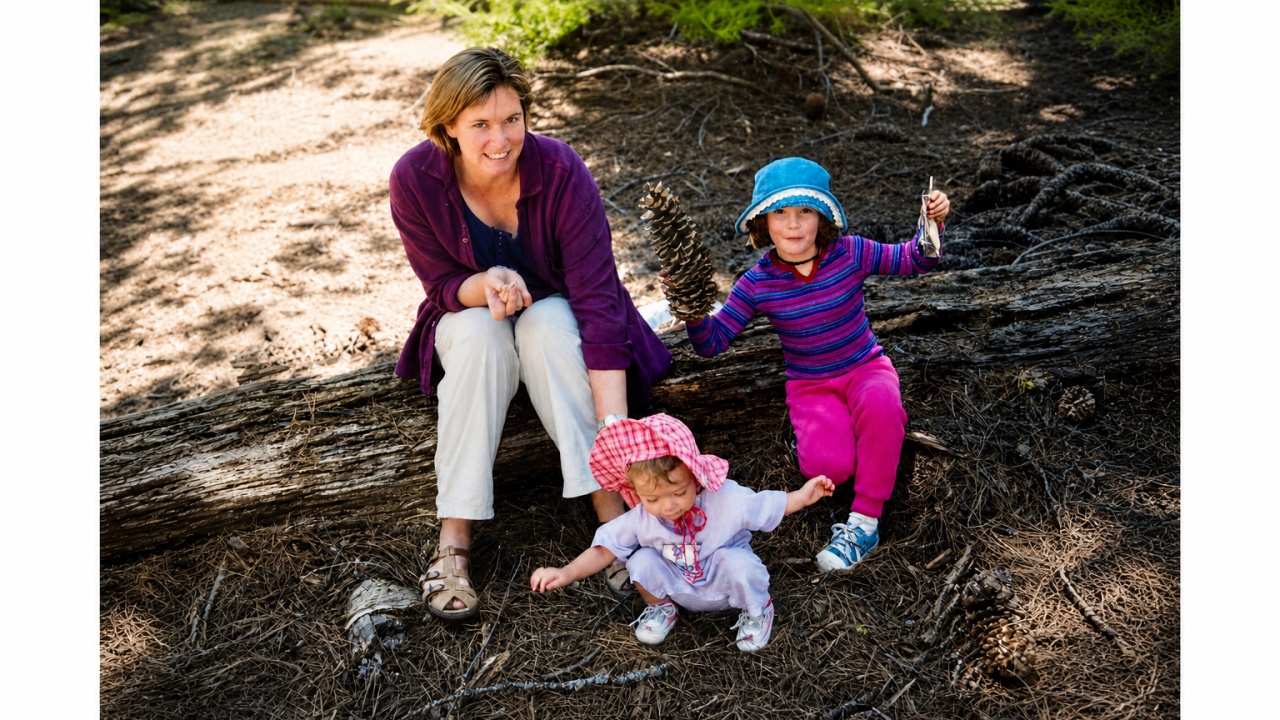
The Sequoia photograph offers a useful way to look at the whole career. Fagan is with her young daughters, outdoors, in the year she started ROI. The business was still ahead of her. So were employee ownership and this latest technological upheaval. The family time that helped motivate the company was already there. After a quarter century of explaining change, that remains a good place to begin.