private-label
(53)
McHale Design Makes the Toy Aisle Make Sense
Godzilla needs room to loom. Voltron needs instructions. Walmart needs hundreds of packages to look related. Inside the design agency that turns play into a system shoppers can read.

Laika took pet shopping online. Then it opened the doors.
The Colombian pet retailer raised $65 million across three funding rounds, built a membership habit and moved into physical stores. Its next test is making that combination pay.
ebebek Built a Baby Business by Letting Parents Touch the Merchandise
A Turkish parenting website became a chain of more than 300 stores by listening to what a screen could not answer. Its next test is making that formula pay abroad.
Health-E Commerce built a business on money you might lose
FSA Store turned the confusion around tax-free health benefits into a shopping business. Now its parent company is moving from the medicine cabinet into virtual care.
The Snack Giant Hiding Behind Canada’s Aisles
Johnvince started with one roasting pot and a family bet on bulk food. Fifty years later, its real product is not peanuts - it is the industrial system that gets almost any snack from idea to aisle.
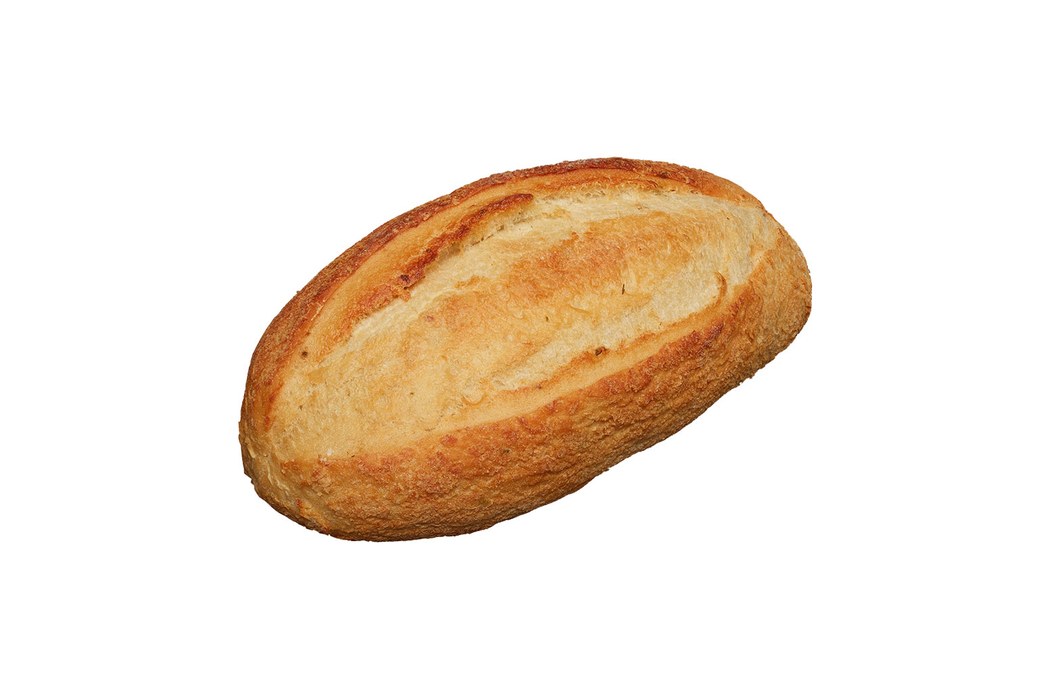
The Bread Company That Froze Time - and Sold Craft at Industrial Scale
Bäckerhaus Veit turned a lopsided delivery week into a continental bakery business. Its useful trick was not a secret recipe - it was giving restaurants and grocers the smell of a bake shop without asking them to run one.
The Bakery Roll-Up That Refused to Taste Like One: How Dessert Holdings Turned Seven Local Legends Into a National Dessert Machine
Restaurants and grocers want desserts that look handmade, arrive reliably and require almost no labor. Dessert Holdings built a seven-brand answer - then bet that scale would not flatten the recipes people actually crave.
Keychain Put 50,000 Factories in a Search Box - Now It Wants to Run Them
The New York startup made contract manufacturing searchable, raised at least $78 million in publicly announced funding, and turned buyer demand into a software wedge. The useful lesson is less about AI than about starting with the ugliest spreadsheet in a valuable industry.
The Kitchen Guy Who Turned Air Fryers Into a $5 Billion Franchise
Shae Hong bought a sleepy appliance manufacturer, wired it to celebrity culture and real-time retail data, and turned toasters and air fryers into a portfolio of top-selling brands.
The Chocolate Maker That Burned Down, Then Went Sugar-Free
A five-alarm fire took Barchemy's main plant in 2022. Three years later the Donora, Pennsylvania ingredient shop runs three facilities, quietly supplies the chocolate inside better-for-you bars, and has private equity money behind it.
The 30-Year-Old Startup Selling You a Fender Before the Body Shop Can
Three decades in, the online auto-parts seller is betting a rebuilt AI catalog, a revived JC Whitney brand, and a $35.7 million cash infusion can turn cheap fenders into durable margins.
The 83-Year-Old Suitcase Shop That Learned to Pack for Everyday Life
Bagaggio survived the collapse of travel, rebuilt its logistics and widened the meaning of luggage. Now the Brazilian family retailer wants a place in the commute, the classroom and every trip in between.
DICK'S Is Turning the Sporting-Goods Store Into a Playing Field
A $300 bait-shop bet became a sports retail platform. Now DICK'S is testing a larger idea: the store as clubhouse, playground, media set and front door to a global sneaker business.

The Poker-Chip Seller That Built Retail’s Invisible Endless Aisle
Trademark Global started with collector plates, swords and a mountain of poker chips. Twenty-seven years later, its real product is the machinery behind the product - brands, data, warehouses and direct-to-door fulfillment for retail’s endless aisle.
Ecentria Built a Million-Product Gear Machine. Most Shoppers Never See Its Name.
Behind OpticsPlanet, CampSaver and a shelf of specialist brands sits a Chicago-area company that treats retail like a software-and-logistics problem. Its bet is simple: expertise still matters when the catalog passes one million products.

MadeiraMadeira Is Building the Operating System for Brazil’s Most Awkward Purchase
A sofa is easy to click and hard to move. MadeiraMadeira built a marketplace, a showroom network, a bulky-goods logistics arm and an assembly service around that inconvenient truth.
The Grocery Store That Put the Bouncer at the Ingredient List
Thrive Market built a 1.7 million-member grocery business by making the aisle smaller, the standards stricter and the box easier to trust. Its real product is not delivery - it is relief from reading every label.
PROSTOR Built a Beauty Aisle the Size of Ukraine. Now Comes the Hard Part
A pink-sign retailer grew from one Dnipro shop into 468 stores by selling the useful and the aspirational on the same receipt. Its next act is a test of whether reach, private labels and a phone-sized storefront can turn scale into staying power.
The 96-Year-Old Startup Behind Your Shower Curtain
Mayzon has quietly built the shower rods, curtains and bath storage in millions of American bathrooms since 1929 - and it recently taught its shower curtains to fight bacteria.
The Supermarket Turnaround Hiding in Argentina’s Shopping Cart
GDN AR inherited Walmart’s Argentine footprint, replaced the signs and began rewiring the machine behind them. Its bet is that a supermarket can become more useful - and more local - by shrinking the trip from warehouse to shelf.
Kogan Built a Checkout Aisle That Never Ends
The Melbourne retailer began by cutting the middlemen out of television sales. Twenty years later, its more revealing product is the customer relationship itself - reused across a marketplace, membership and a shelf of everyday services.
The Speed Shop That Turned a Corvette Side Hustle Into an Ecommerce Machine
Before ecommerce had a name, Summit Racing was already solving its hardest problem: helping a person find the right obscure part, trust it, and get it fast. Fifty-eight years later, the catalog is digital, the warehouses are national, and the customer still thinks in projects.
The Company Behind the Juice Label You Never Noticed
Lassonde sells Oasis, SunRype and Apple & Eve. Its quieter business is helping major retailers put their own names on juice, sauce and soup - a century-old factory skill now producing nearly C$3 billion in annual sales.

The Spanish Beauty Giant Hiding in Plain Sight
Druni turned discount perfume, neighborhood stores and a surprisingly muscular e-commerce operation into an Iberian retail force. Its next act stretches from Carlet to Portugal - with family control, a powerful partner and more than 500 shopfronts in the combined group.
The 2,200-Item Grocery Store That Turned Errands Into Theater
Most supermarkets compete by stocking more. Stew Leonard's built a $500 million-plus family business by carrying less, making more in view of shoppers and giving the dairy aisle a cast of singing animals.
The Grocery Chain That Bet Small Stores Could Win the Health Aisle
Founded by a fruit-stand family, Sprouts skips the premium-organic playbook - smaller stores, produce up front, and shelves sorted by diet instead of brand.
The $4.4 Billion Grocery Chain That Still Makes Its Own Ice Cream
Brookshire Grocery Company has run stores across the Ark-La-Tex for nearly a century - baking its own bread, bottling its own milk, and betting that owning the whole supply chain beats renting it.
Yesway Bought a Burrito Cult - Then Built a $2.7 Billion Retail Machine Around It
A real-estate-minded roll-up found its sharpest advantage in a 50-year-old deep-fried burrito. Now Yesway is testing whether local devotion, modern stores and disciplined data can travel together.
Post Consumer Brands
The maker behind Grape-Nuts, PEBBLES and Malt-O-Meal has quietly become something broader: a $4 billion portfolio spanning breakfast, peanut butter, pet food and private label. Its advantage is less one blockbuster product than a shelf-wide system built for both nostalgia and value.
The Wine Group
It invented boxed wine, made Franzia the best-selling label in America, and quietly became the largest wine producer on the planet. Now the employee-owned house behind Cupcake and Chloe is buying its way further upmarket.