precision-agriculture
(25)
Opher Flohr Is Teaching the Farm to See Before It Spends
The Taranis chief executive came up through accounting, finance and operations. Now he is selling a sharper kind of certainty: evidence precise enough to tell a grower where attention will pay.

Ofir Schlam and the Tiny Clue That Changed a Field
He learned agriculture at walking speed and computing at machine speed. Taranis grew from the productive friction between the two.
Paul Mikesell Took AI Out of the Cloud and Put It in the Dirt
After years spent scaling storage, databases and machine learning, the Seattle engineer found his most demanding computer at ground level - where dust, weather and skeptical farmers make every elegant idea prove itself.
Rob Hranac Is Taking the Long Way Down to Scale Climate Tech
After years spent making roads legible, GPS precise and soil measurable, Rob Hranac has arrived at Loam Bio with a practical brief: turn microscopic fungi into something farmers can trust at field scale.
James Ethington Is Making Farm Data Earn Its Keep
After helping turn Climate FieldView into a tool used across 50 million paid acres, the Arable CEO is chasing a harder prize: field intelligence simple enough to trust when water, yield, and livelihoods are on the line.
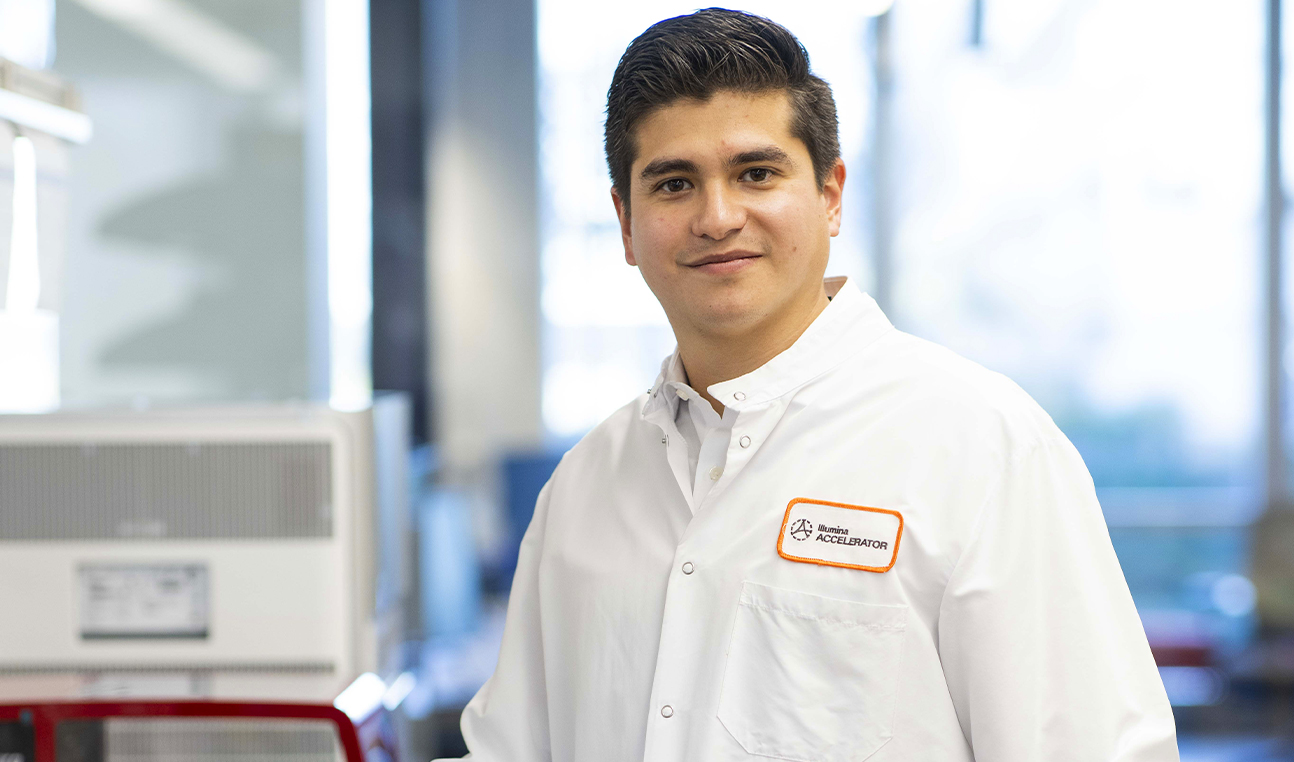
Irving Rivera Is Teaching Agriculture to Read the Soil's Hidden Signals
The Solena co-founder began with a student biofertilizer project. A decade later, he is turning billions of DNA sequences into decisions farmers can use.
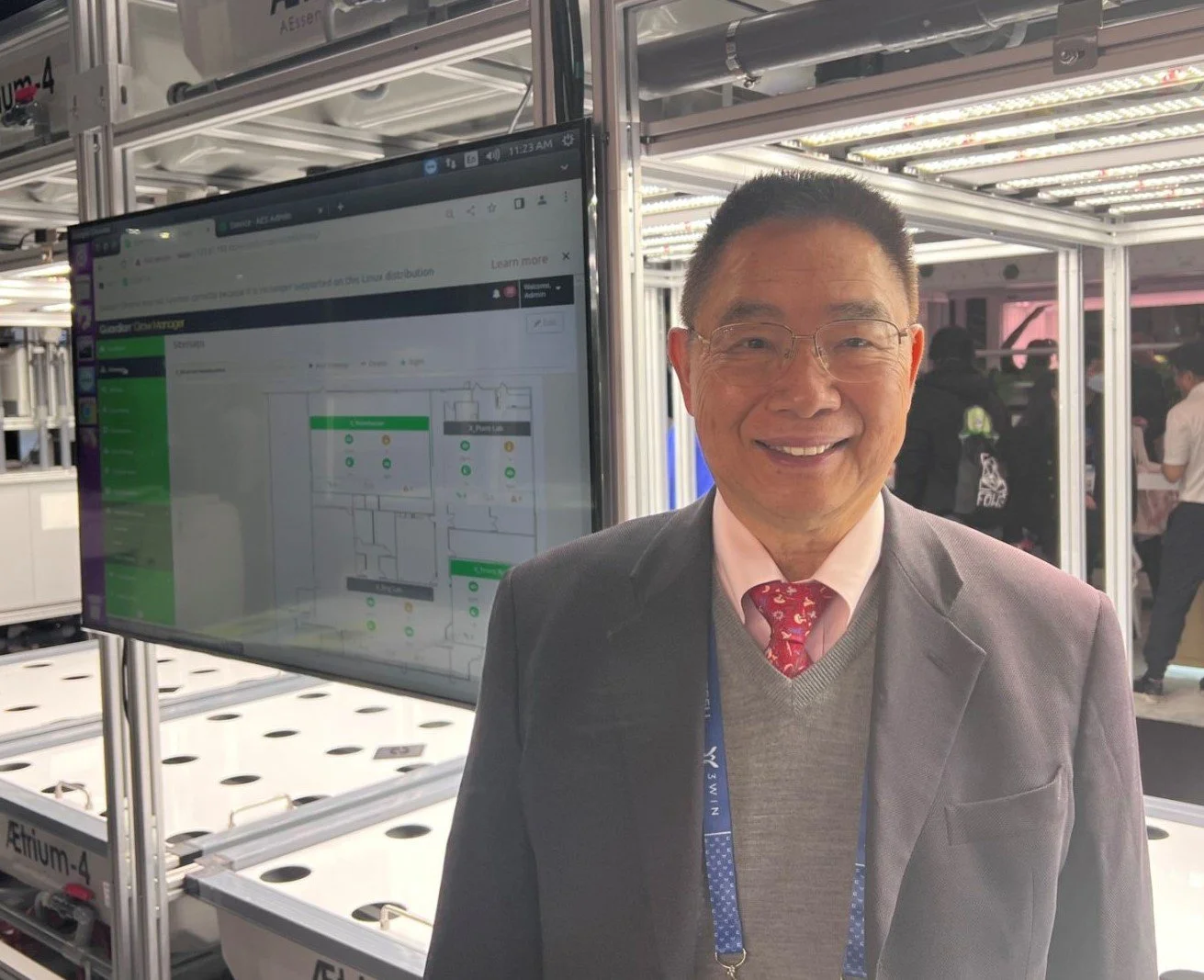
Robert Chen Has Spent 45 Years Teaching Machines to Pay Attention. Now They’re Watching Plants.
The AEssenseGrows founder built his career around sensors, software and machines that notice what people cannot. His latest bet puts that same discipline to work in the root zone.
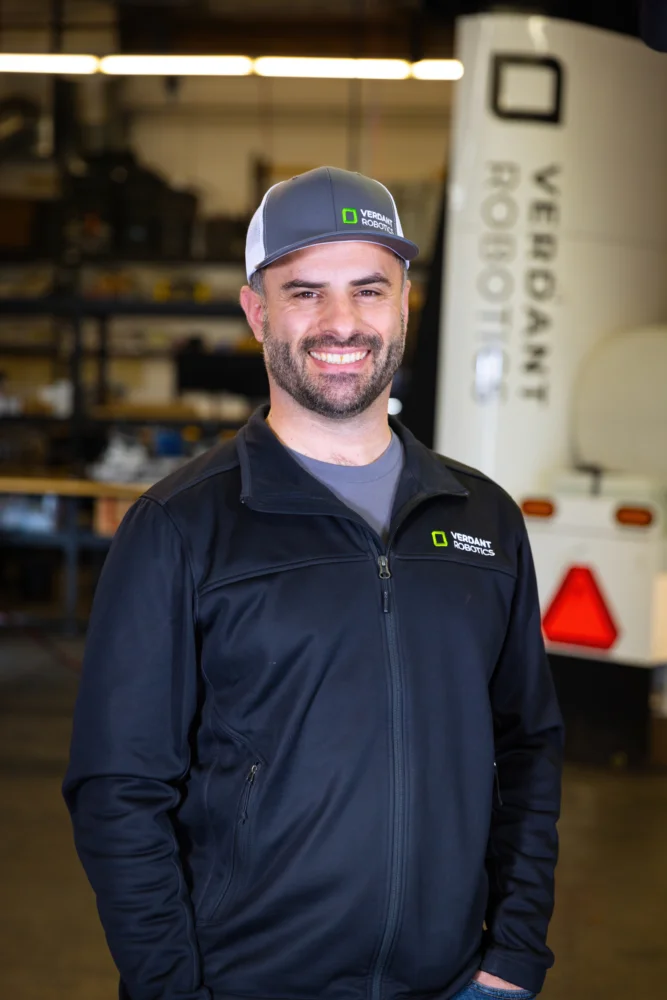
Gabe Sibley Left the Road for the Row
After Mars-yard robots, self-driving cars and sidewalk couriers, Gabe Sibley found a more immediate autonomy problem in a farm field - one weed, one nozzle and one careful shot at a time.
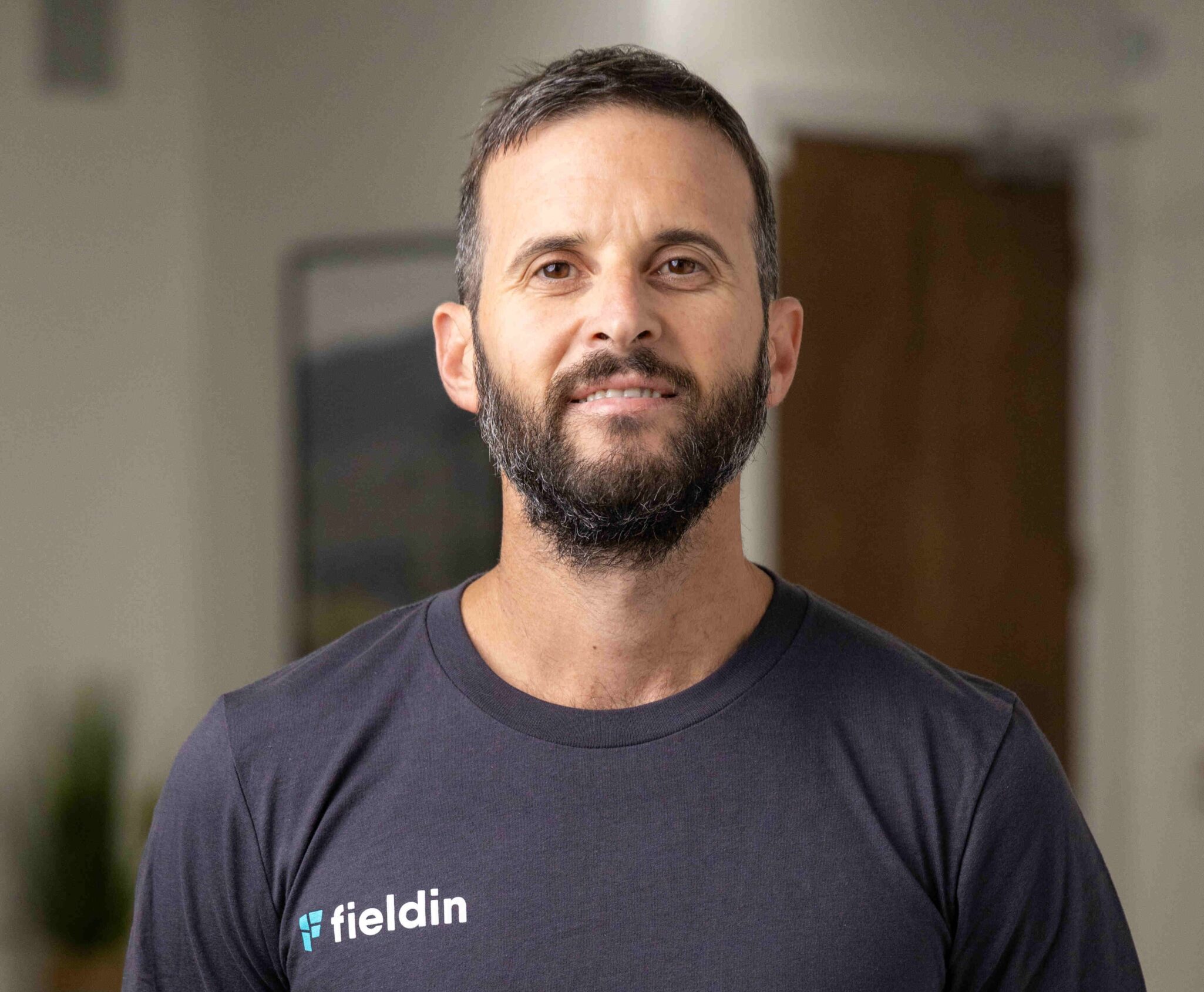
Iftach Birger Is Teaching Farms to See the Work
Raised in a farming family and trained as a plant scientist, Fieldin’s co-founder spent a decade turning tractors, sprayers and field crews into readable operations. Now, as CEO, he is betting that useful farm AI begins with earning the grower’s trust.
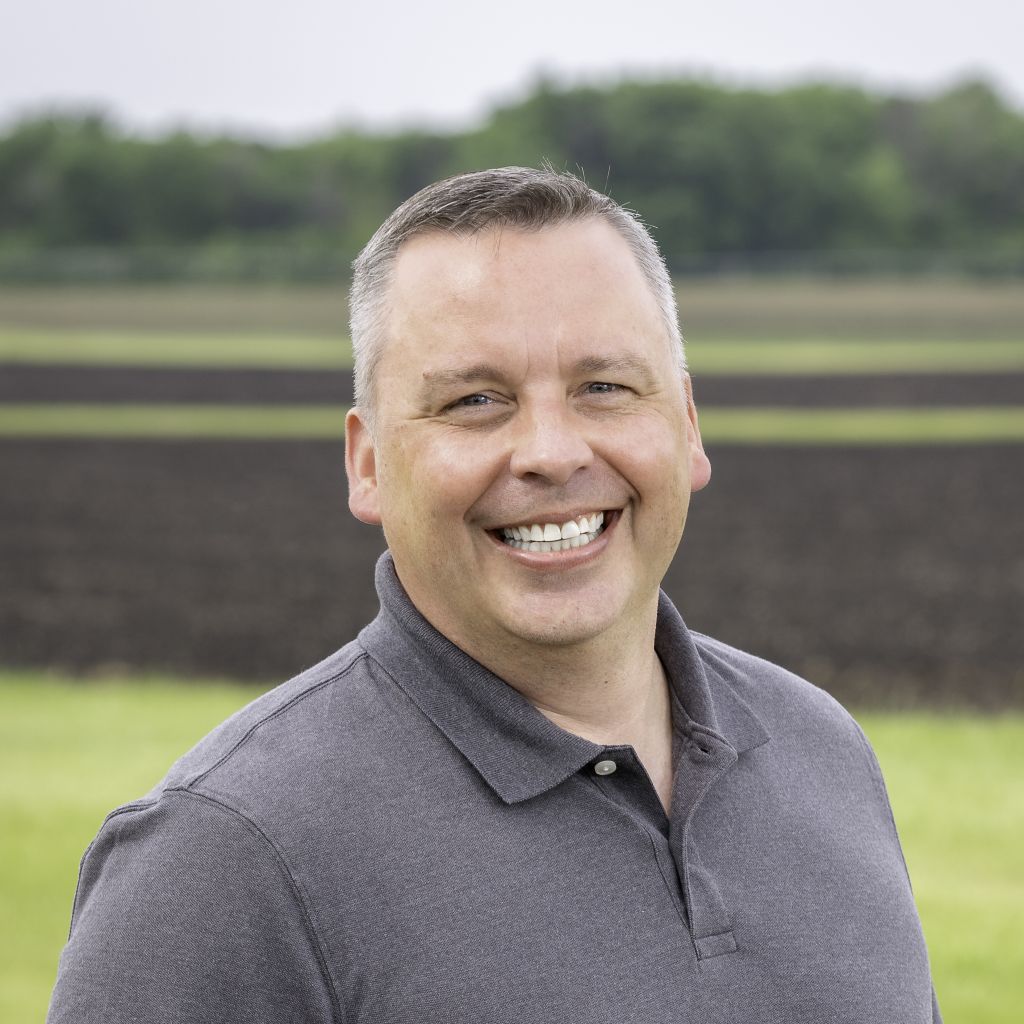
Nick Iwig Is Moving Seed Treatment to the Last Responsible Moment
After a career that ran from a Wisconsin malt house to soybean strategy and seed-treatment sales, the Iowa founder is betting that one of farming’s oldest decisions should happen seconds before the seed meets soil.
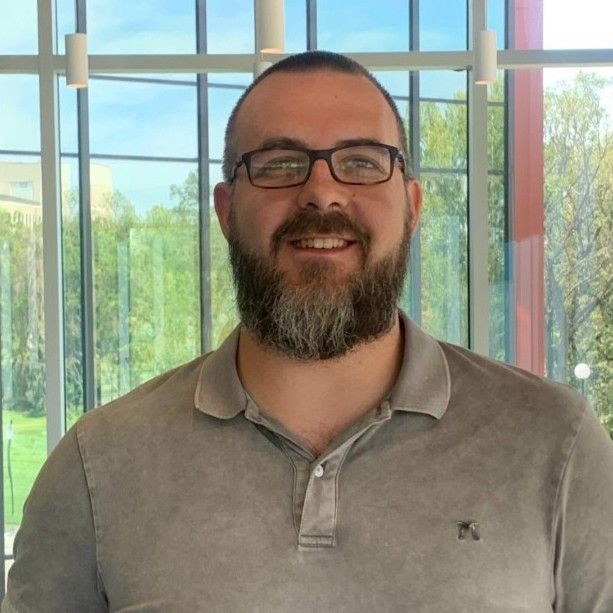
Daniel McCann Is Teaching Farm Machinery to See Every Plant
A houseplant taught his computer vision system to recognize green. A Saskatchewan upbringing supplied the larger question: could machines make a decision for every plant in a field?
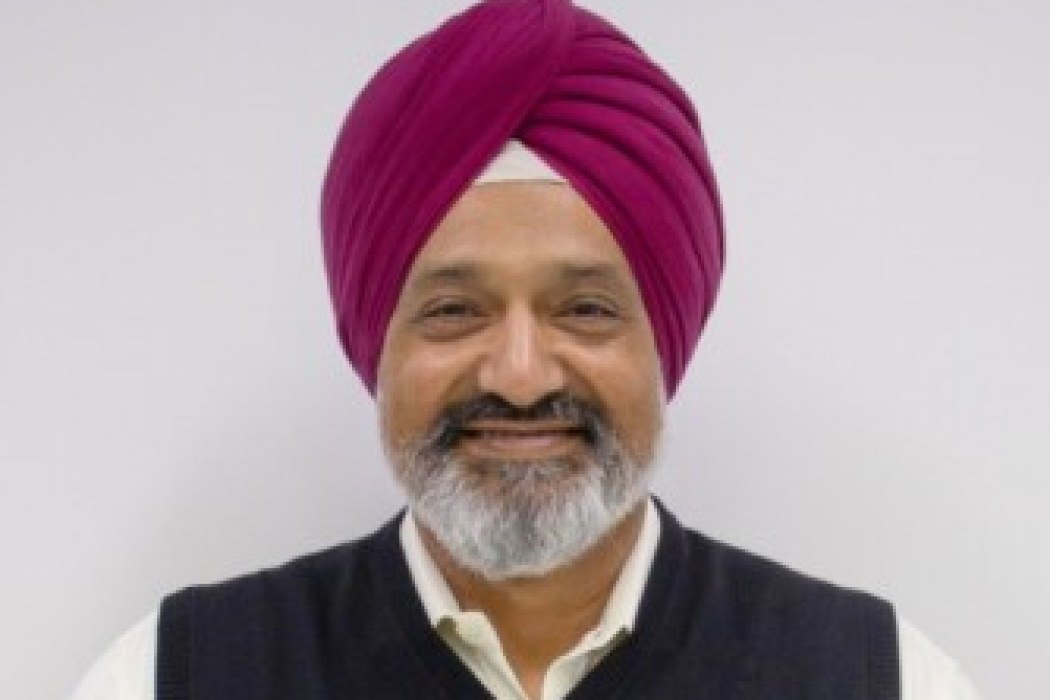
Sumer Johal
Sumer Johal is a technology executive and entrepreneur with more than 25 years building digital-first organizations across agtech, bioenergy, semiconductors, financial services, and consumer retail. He grew up in a farming family in Punjab, India, studied computer science and electrical engineering at MIT, and has spent the past decade focused on food and agriculture. He founded the food-industry big-data company Agralogics, launched and led AgStack at the Linux Foundation, ran the precision-agriculture company Semios (which rebranded as Almanac), and became CEO of Full Harvest, the B2B produce marketplace, as it moved into AI-driven agentic orchestration for the food supply chain.
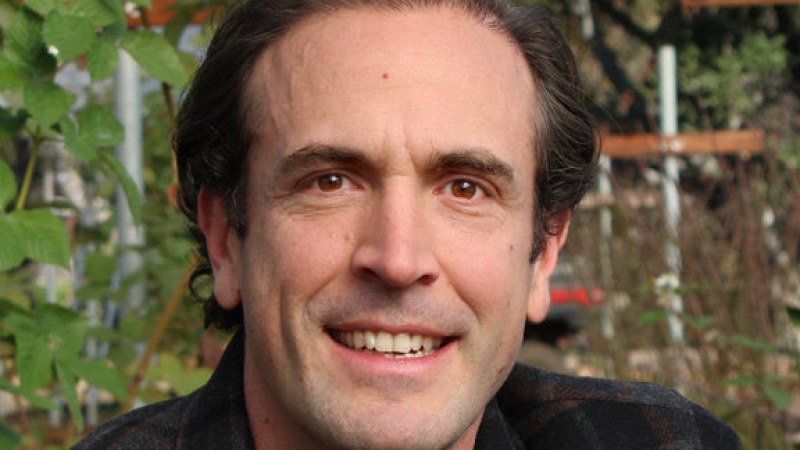
Brendan Dowdle
Brendan Dowdle is the Chief Business Officer of Bonsai Robotics, a Silicon Valley company building vision-based autonomy software for agriculture. He arrived there in 2025 when Bonsai acquired farm-ng, the modular farm-robot maker he ran as CEO. Dowdle grew up in an agricultural family across Southeast Asia, watched his agronomist father work the ground, and spent a decade building computer-vision and robotics companies before turning that toolkit on farming. He co-founded Arraiy (acquired by Matterport, where he later helped scale the services business through IPO), holds an MBA from Stanford, and now argues that the future of farming will be driven by intelligence, not iron.
James Paterson
James Paterson is the co-founder and CEO of Aerobotics, a Cape Town-based precision agriculture company that turns drone and satellite imagery into AI-powered, tree-by-tree insights for fruit and nut growers. Raised on a family citrus farm and trained as a mechatronics engineer at the University of Cape Town before a masters at MIT, Paterson pairs first-hand farming instinct with aerospace-grade robotics. Since founding Aerobotics with Benji Meltzer in 2014, he has grown it into a global player that now analyzes a large share of the Florida citrus crop and has raised roughly $30 million, insisting the company is 'a farming company, enabled by technology' rather than a tech company that dabbles in farming.
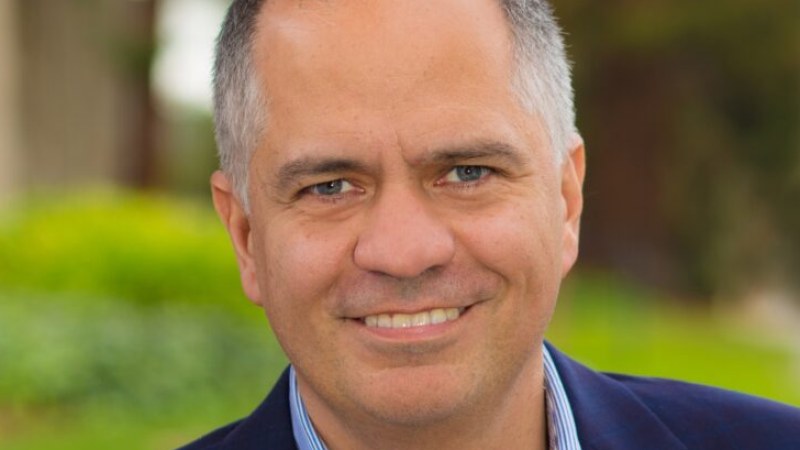
Jorge Heraud
Jorge Heraud is a Peruvian-born engineer and serial agtech founder who co-founded Blue River Technology — sold to John Deere for $305 million in 2017 — and is now CEO of TerraBlaster, a Redwood City startup using NASA-pioneered laser spectroscopy to give farmers real-time soil nutrient data, aiming to cut fertilizer waste and transform how agriculture feeds the world.
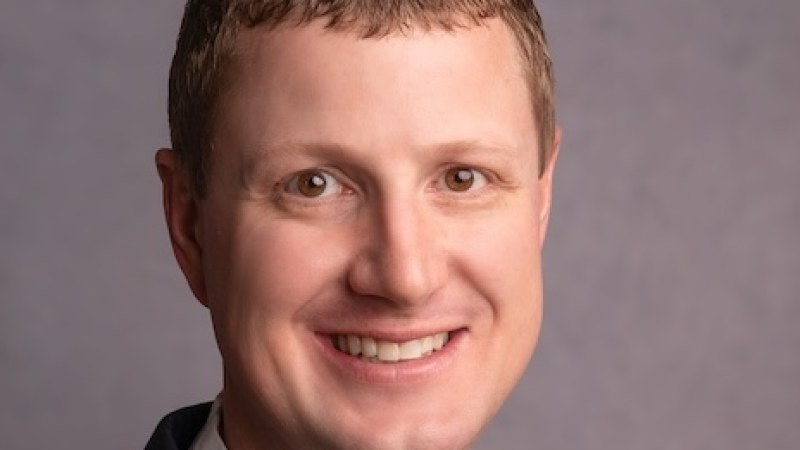
Kris Poulson
Kris Poulson is the CEO of FarmQA, a Fargo-based digital agronomy platform that helps growers and crop advisors manage scouting, soil sampling, and prescription writing. He co-founded Sentera (acquired by John Deere in 2025), where he helped drive 1800% revenue growth and an expansion into 50+ countries. He grew up on a family farm near Casselton, North Dakota, and chairs the NDSU Agricultural Economics Advisory Board.
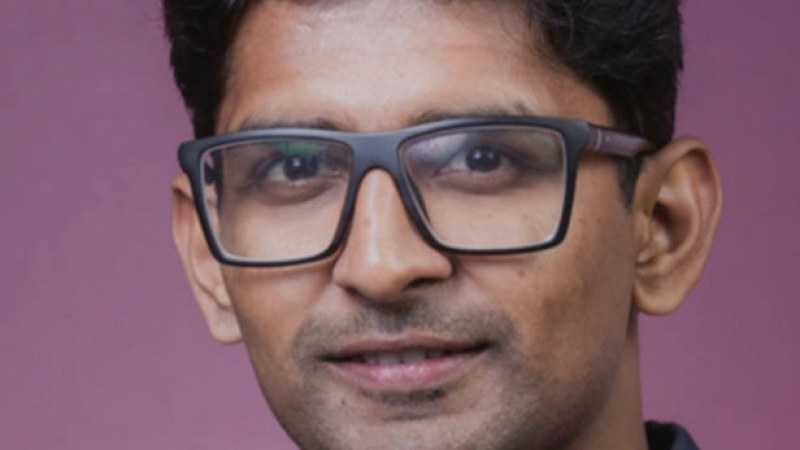
Mohan Sivam
Mohan Sivam is the founder and CEO of Neuralzome Cybernetics, a Bengaluru deeptech startup teaching robots to drive themselves across orchards, farms and job sites no GPS map can describe. His pitch is deceptively plain: robots should learn by watching a human do the job once, not by waiting on a team of PhDs to code every turn. Neuralzome's NeuralPilot autonomy stack, RedPill simulation engine and rugged Jeeno platform aim to put off-road robots to work where labor is scarce and the terrain is unforgiving. In August 2025 the company raised $2.4M in pre-seed funding led by 8X Ventures. A serial builder who previously co-founded Flo Mobility and ran GAMASOME, Sivam describes his mission with a phrase that sticks: making robots sentient.
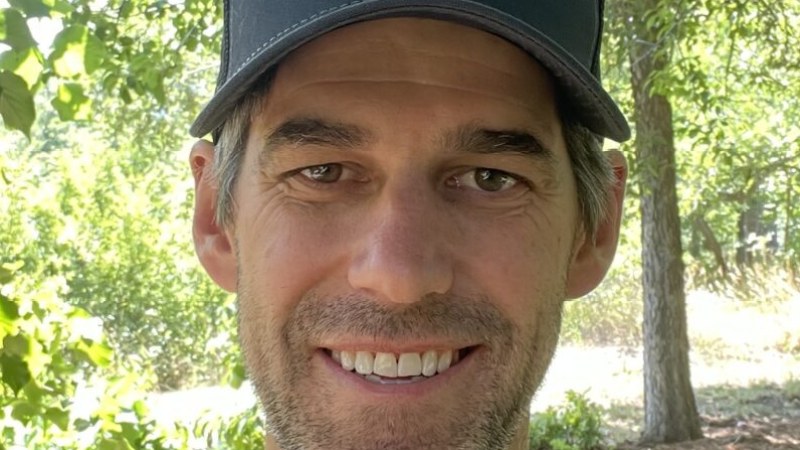
Devin Lammers
Devin Lammers is the CEO of TerraClear, the Issaquah, Washington agtech company building AI and robotics to pull rocks out of farm fields - and, increasingly, to scout entire fields for weeds, crop health, and more. He took the helm in August 2024 after seven years at Farmers Business Network, where he founded FBN Financial and Gradable and served as CRO/COO and interim CEO across a network of 50,000-plus members. A multi-generational South Dakota farm-and-ranch kid with a Dartmouth degree and an MIT Sloan MBA, he frames agtech as 'the intersection of technology meeting the physical world' and is steering TerraClear from a single hated chore toward a full-field autonomous intelligence platform.
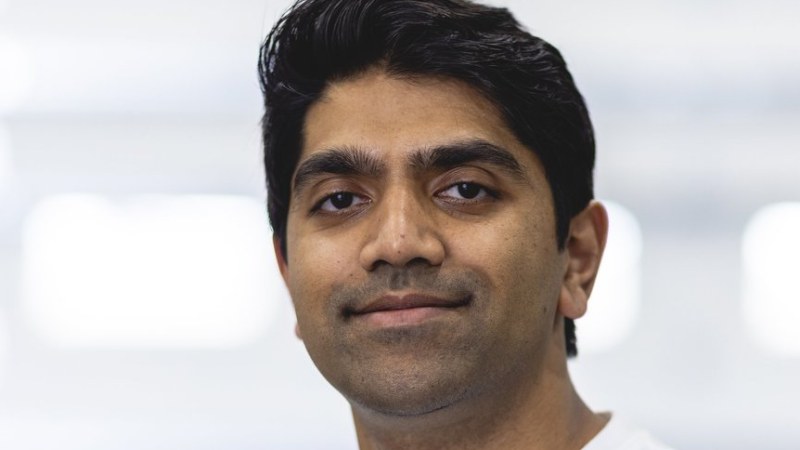
Vishnu Jayaprakash
Vishnu Jayaprakash is the CEO and co-founder of AgZen, an MIT spinout that puts cameras and AI on crop sprayers so farmers can see, for the first time, where their pesticide droplets actually land. He grew up spraying rice and mangoes by hand on his family's farm near Chennai, spent more than a decade at MIT studying how droplets cling to leaves, and turned that physics into a business that went from zero paid acres to nearly a million in two years. His pitch is blunt: agriculture has sprayed at scale for 80 years without ever measuring whether the chemical reached the plant.
Kyle Moore
Kyle Moore is co-founder and Software Fellow at Pyka, the Alameda, California company building the world's largest commercially-approved autonomous electric aircraft. A self-taught programmer who started writing code at age 11 from rural Washington, Moore brought firmware and robotics expertise from Google X to help design Pyka's Pelican — a 1,320-lb autonomous electric aircraft now spraying crops across four continents and delivering cargo for the U.S. Air Force. Pyka has raised $95M in total funding and achieved back-to-back FAA authorizations for the largest uncrewed aircraft systems in U.S. commercial history.
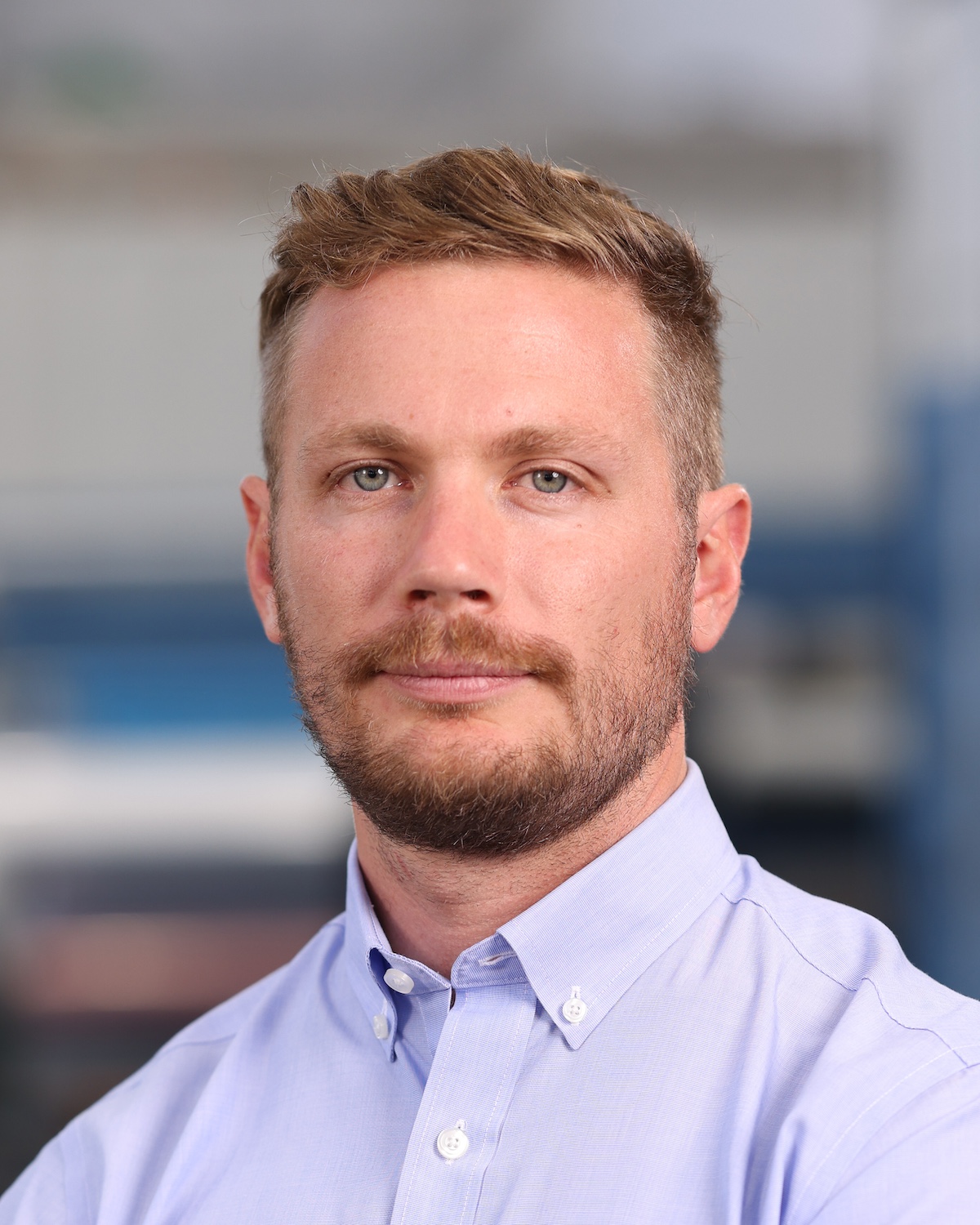
Michael Norcia
Michael Norcia is the Co-Founder and CEO of Pyka, the world's first FAA-certified autonomous electric aviation company. Based in Alameda, California, Pyka builds large-scale autonomous electric aircraft for agricultural crop protection and cargo logistics. Norcia — a UC Davis applied physics grad who cut his teeth engineering firmware and power systems at Zee Aero, Joby Aviation, and Kittyhawk — founded Pyka in 2017 (Y Combinator S17) with a pragmatic thesis: skip the flying cars, solve the problems aviation already has. Today Pyka's Pelican aircraft spray hundreds of acres per hour across the US, Costa Rica, Honduras, and Brazil, and the company is expanding into defense with a new platform called DropShip.
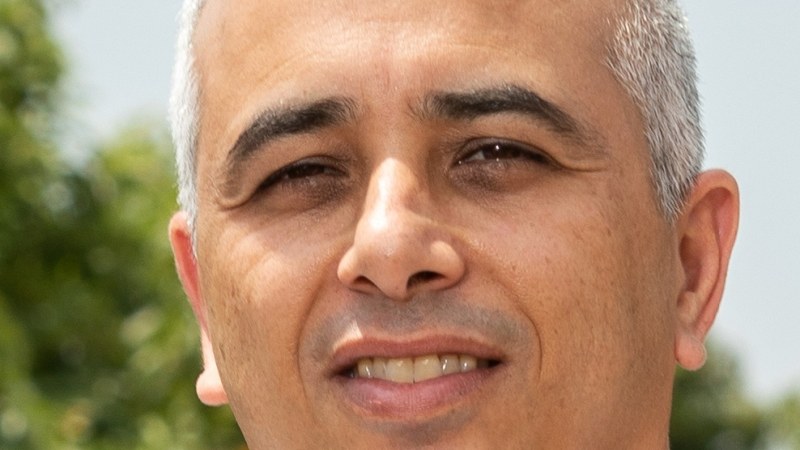
Saar Safra
Saar Safra is the CEO and Co-founder of Beewise, the company behind the BeeHome - the world's first AI-powered autonomous robotic beehive. A serial entrepreneur with three prior exits, Safra pivoted from digital advertising tech to saving the global food supply when he returned to Israel and met a beekeeper who asked a deceptively simple question: could a computer do this better? Since founding Beewise in 2018, the company has deployed 1,240+ robotic beehives pollinating over 300,000 acres annually, raised nearly $170M in total funding including a $50M Series D in June 2025, and earned Safra a spot on Forbes' 2025 Sustainability Leaders list.
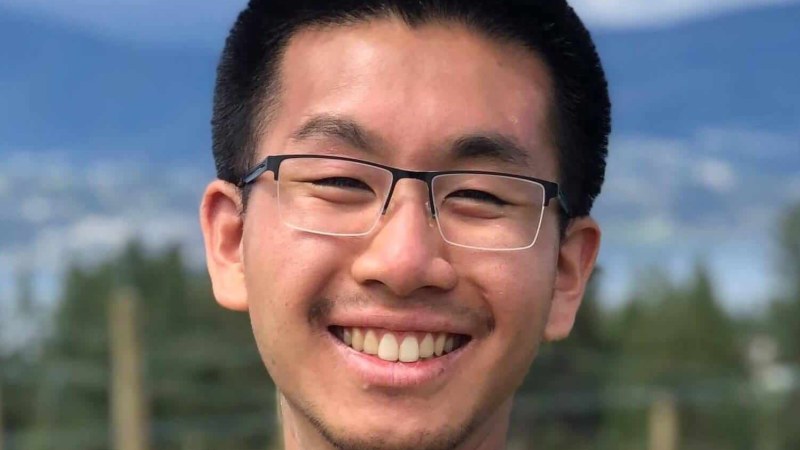
Arthur Chen
Arthur Chen is the co-founder and CEO of Verdi, a Vancouver-based agtech company building affordable, wireless precision irrigation automation for specialty crop farmers. A first-generation Taiwanese-Canadian engineer, Chen studied Engineering Physics at UBC on a Schulich Leader Scholarship before launching Verdi from an academic capstone project in 2020. By 2025, Verdi's IoT platform operates on over 5,000 acres across North America, has saved more than 100 million liters of water, and raised $9.5 million in venture funding - making farm automation accessible to the 95% of growers who've never been able to afford it.
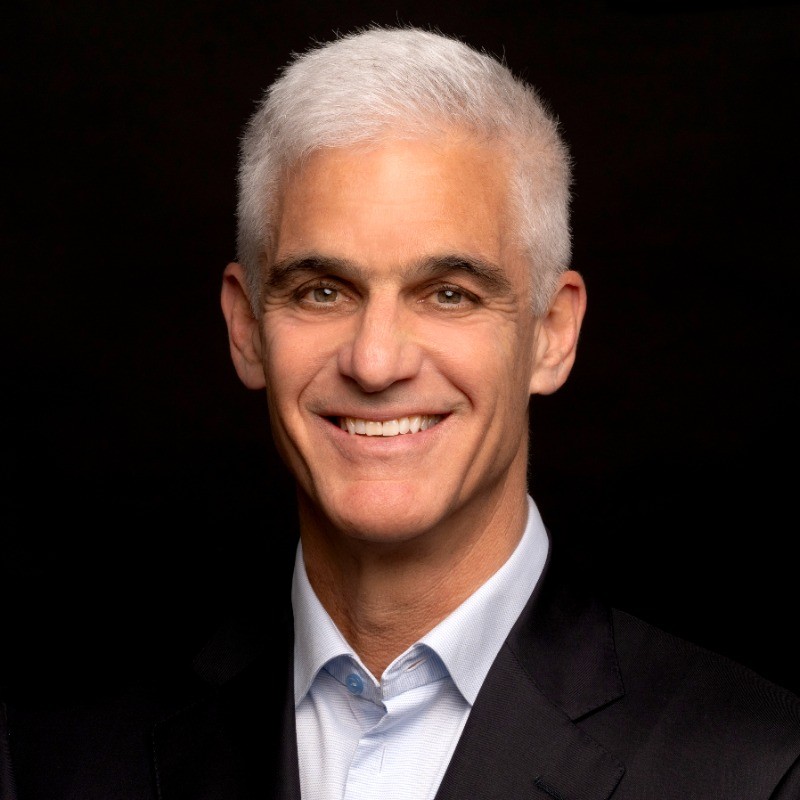
Ramsey Masri
Ramsey Masri is the CEO of Ceres AI (formerly Ceres Imaging), an Oakland-based agricultural intelligence platform that has analyzed over 17 billion plant-level measurements across 32 million acres and 40+ crop types worldwide. A UC Berkeley graduate who grew up on a family farm in Peru and spent 20 years as a California grape grower in Napa Valley, Masri bridges the worlds of technology, data analytics, and hands-on farming. Before Ceres, he served as COO at Zendrive and spent his early career at Oracle working under Larry Ellison, Ray Lane, and Tom Siebel. Under his leadership, Ceres rebranded as Ceres AI, raised a $13M Series D round led by Remus Capital in 2024-2025, was named to TIME Magazine's 2024 Top GreenTech Companies list, and made history by appointing the first AI board member in the agriculture industry.
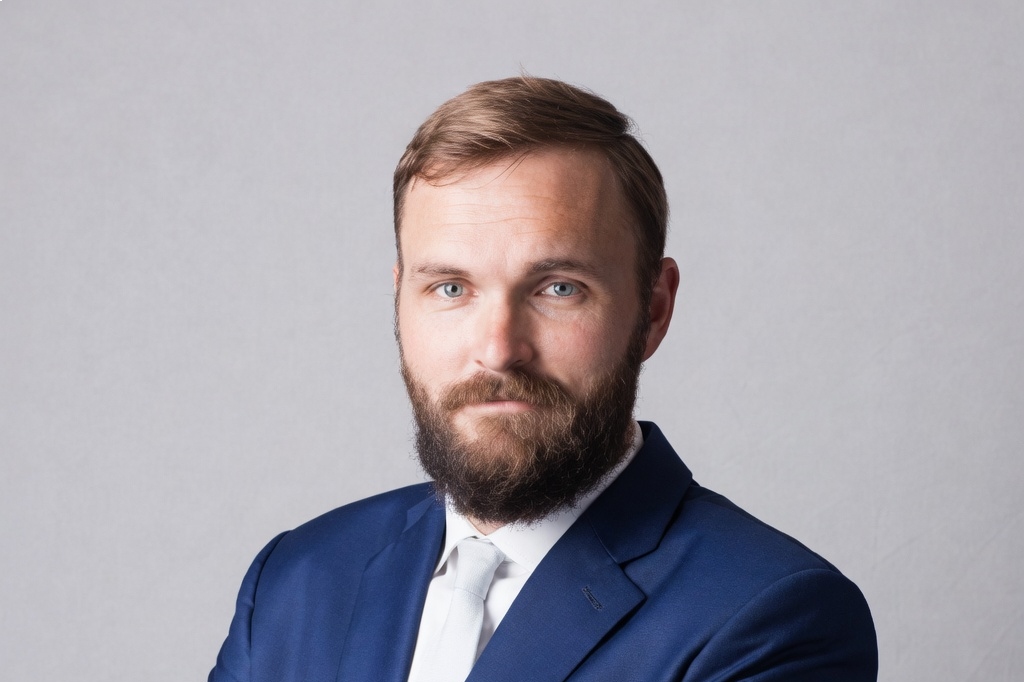
Tyler Niday
Tyler Niday is the co-founder and CEO of Bonsai Robotics, a San Jose-based agtech startup building AI-first autonomy software and hardware for farming. With a background in agricultural engineering from Cal Poly SLO and a systems design master's from MIT, Niday spent seven years at Blue River Technology helping develop the landmark See & Spray precision herbicide system before founding Bonsai in 2022. Under his leadership, Bonsai has raised $28.5M in total funding, deployed vision-based autonomy across 500,000+ acres, and in July 2025 acquired farm-ng to combine software expertise with modular electric robotics - positioning the company to be the world leader in autonomy software for intelligent outdoor machines in harsh environments.