precision-agriculture
(44)
The Farm Has a Blind Spot. CropX Put a Sensor in It.
CropX began by measuring what growers could not see beneath their boots. Eight acquisitions later, it is trying to turn that underground view into a decision system for farms, advisers and food companies.
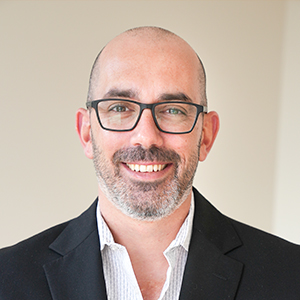
Opher Flohr Is Teaching the Farm to See Before It Spends
The Taranis chief executive came up through accounting, finance and operations. Now he is selling a sharper kind of certainty: evidence precise enough to tell a grower where attention will pay.

Ofir Schlam and the Tiny Clue That Changed a Field
He learned agriculture at walking speed and computing at machine speed. Taranis grew from the productive friction between the two.
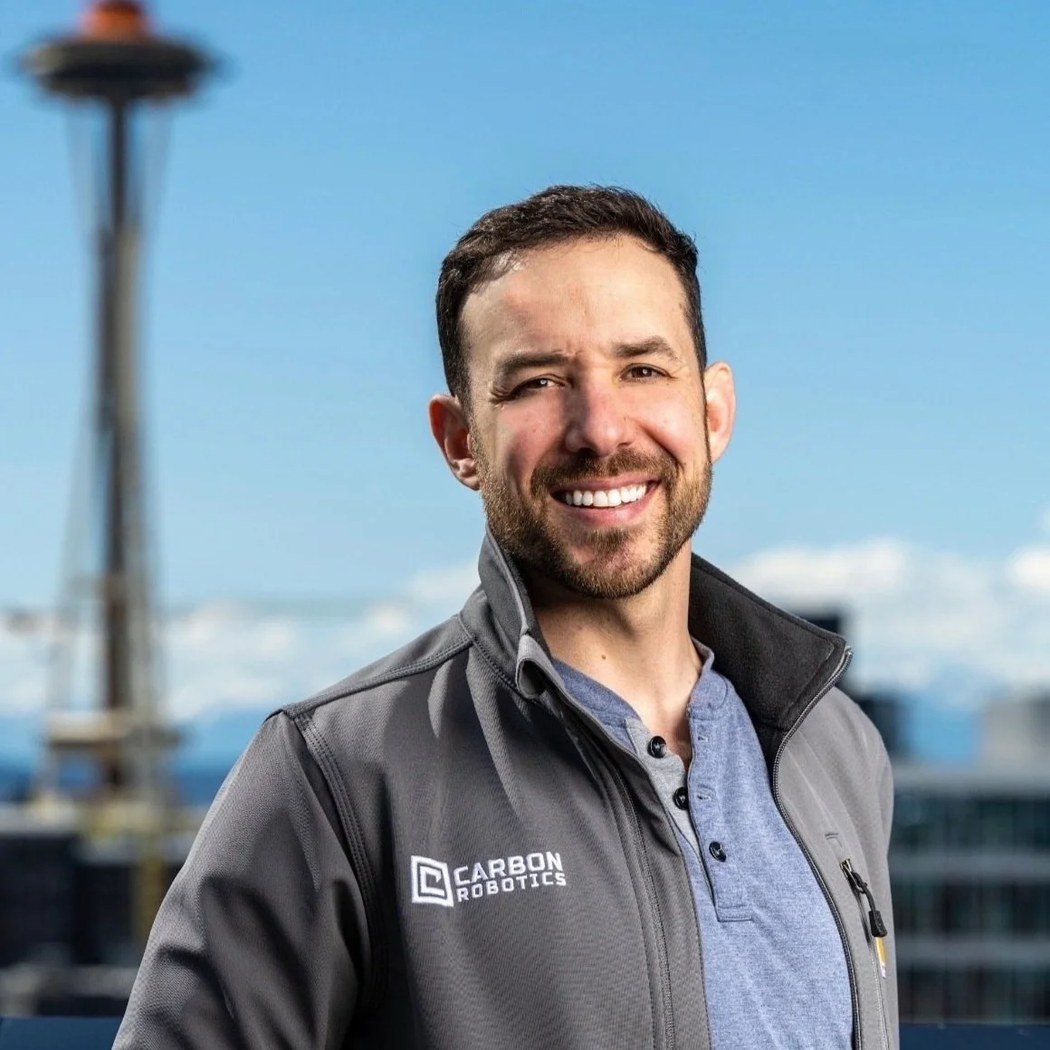
Paul Mikesell Took AI Out of the Cloud and Put It in the Dirt
After years spent scaling storage, databases and machine learning, the Seattle engineer found his most demanding computer at ground level - where dust, weather and skeptical farmers make every elegant idea prove itself.

The Little Dutch Software Shop That Put the Whole Farm on One Map
Corizon built its reputation on an unfashionable idea: software should still work when the tractor loses its signal. Its open-source AgroSense project turned farm data into a map, won Java's Duke's Choice Award and carried a tiny Groningen engineering team into a major European agricultural IoT experiment.
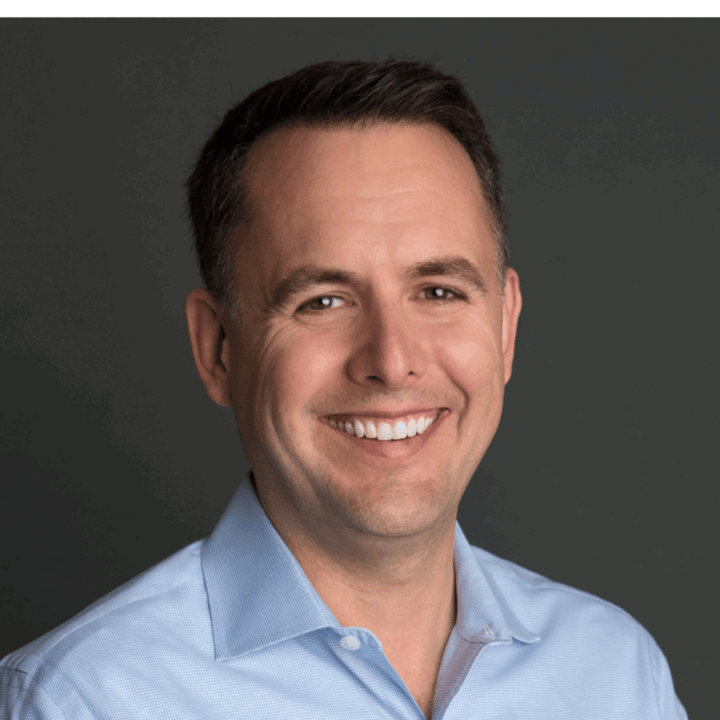
Rob Hranac Is Taking the Long Way Down to Scale Climate Tech
After years spent making roads legible, GPS precise and soil measurable, Rob Hranac has arrived at Loam Bio with a practical brief: turn microscopic fungi into something farmers can trust at field scale.
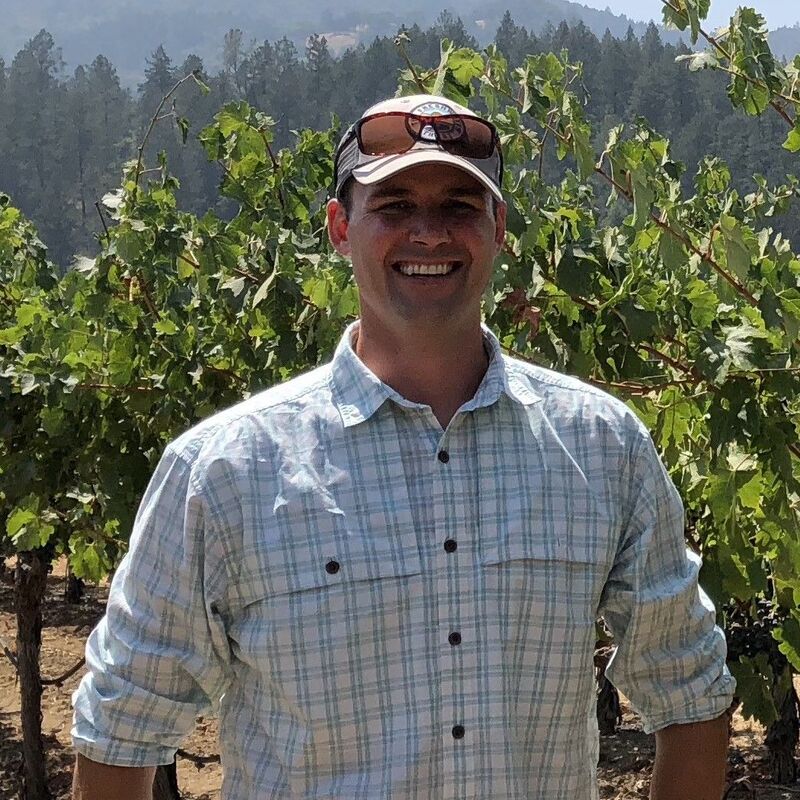
James Ethington Is Making Farm Data Earn Its Keep
After helping turn Climate FieldView into a tool used across 50 million paid acres, the Arable CEO is chasing a harder prize: field intelligence simple enough to trust when water, yield, and livelihoods are on the line.
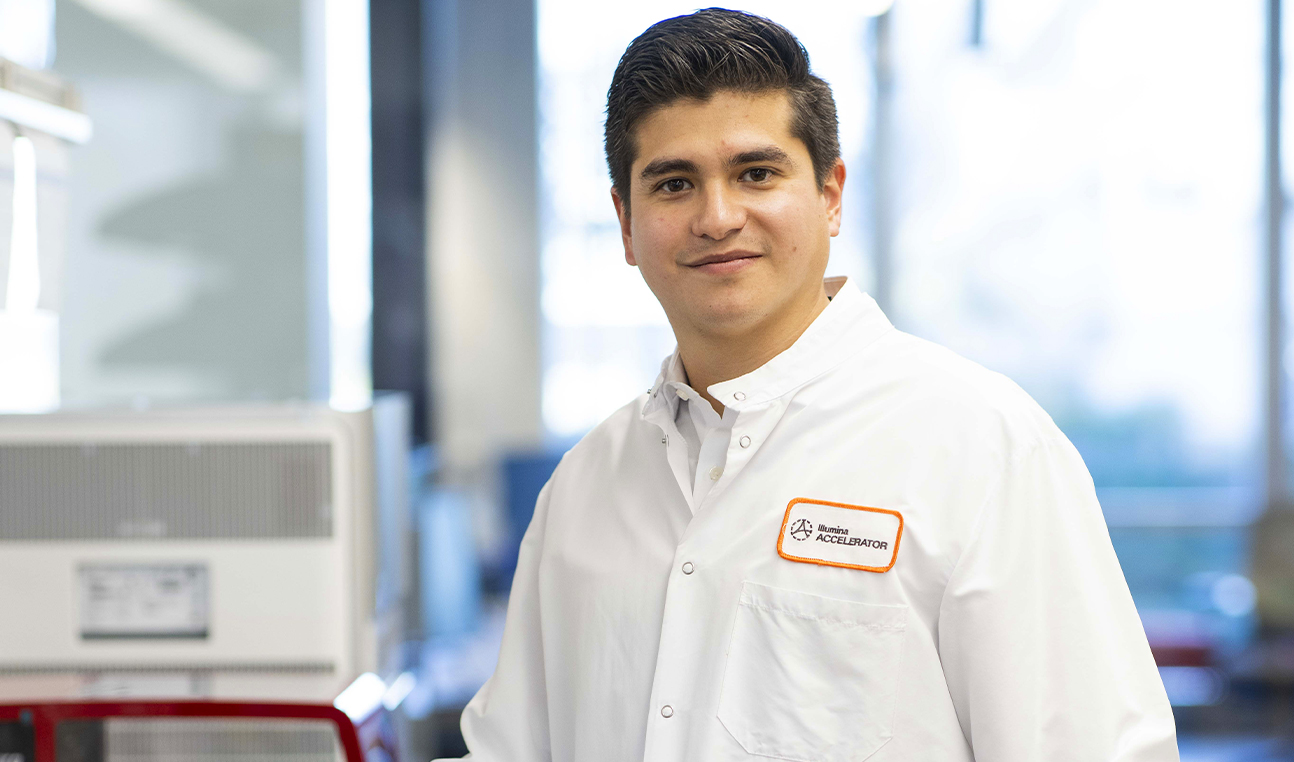
Irving Rivera Is Teaching Agriculture to Read the Soil's Hidden Signals
The Solena co-founder began with a student biofertilizer project. A decade later, he is turning billions of DNA sequences into decisions farmers can use.
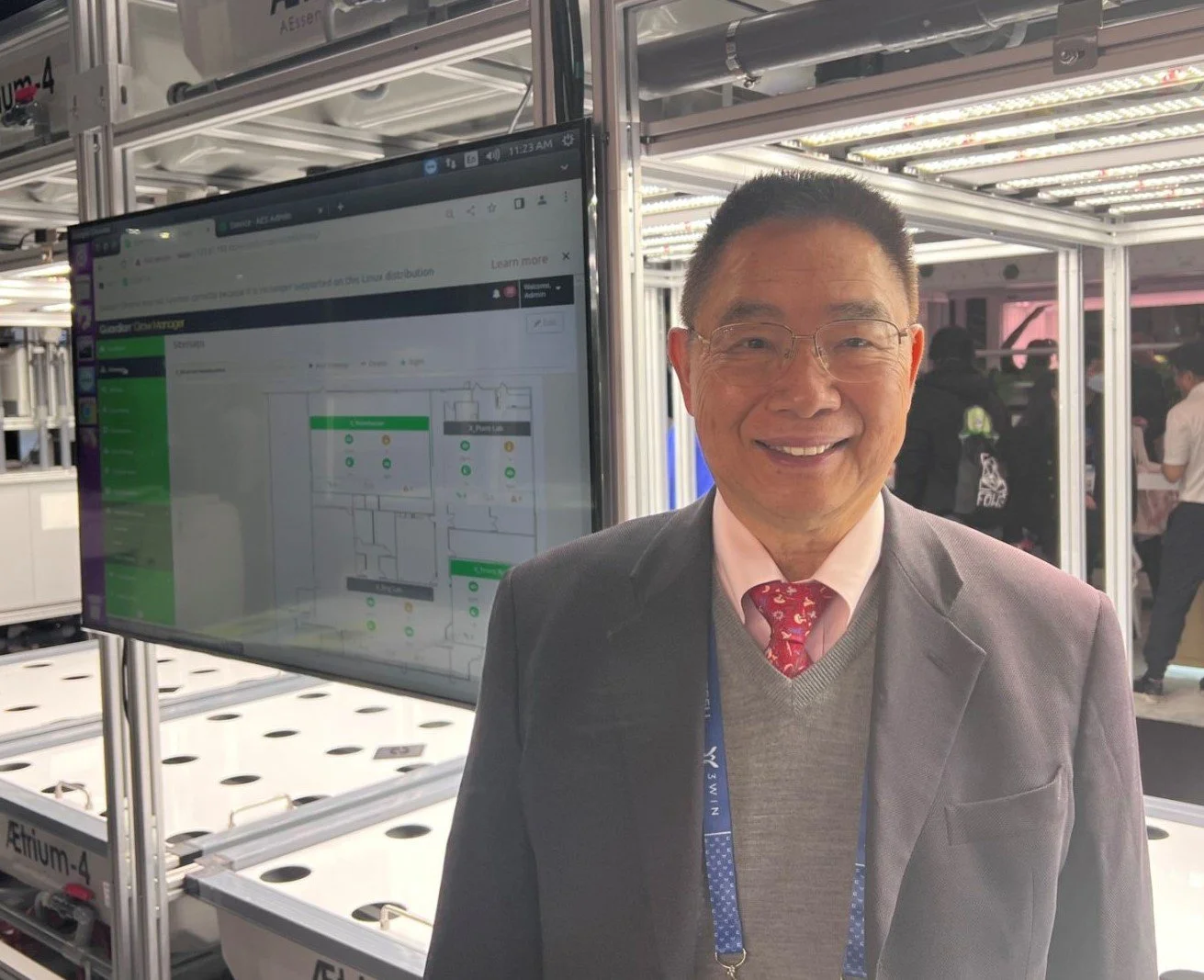
Robert Chen Has Spent 45 Years Teaching Machines to Pay Attention. Now They’re Watching Plants.
The AEssenseGrows founder built his career around sensors, software and machines that notice what people cannot. His latest bet puts that same discipline to work in the root zone.
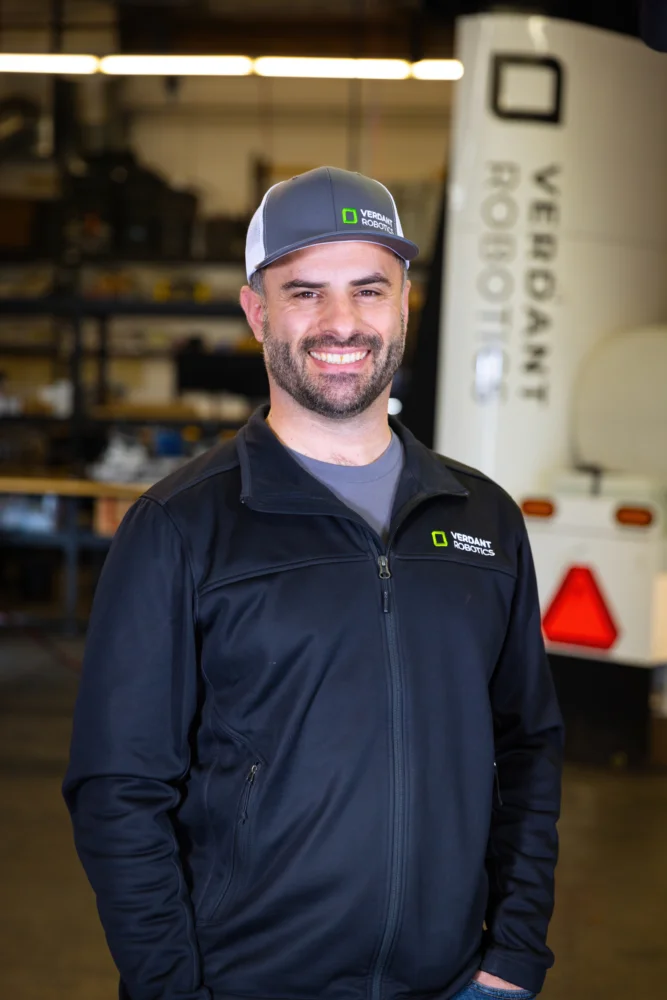
Gabe Sibley Left the Road for the Row
After Mars-yard robots, self-driving cars and sidewalk couriers, Gabe Sibley found a more immediate autonomy problem in a farm field - one weed, one nozzle and one careful shot at a time.
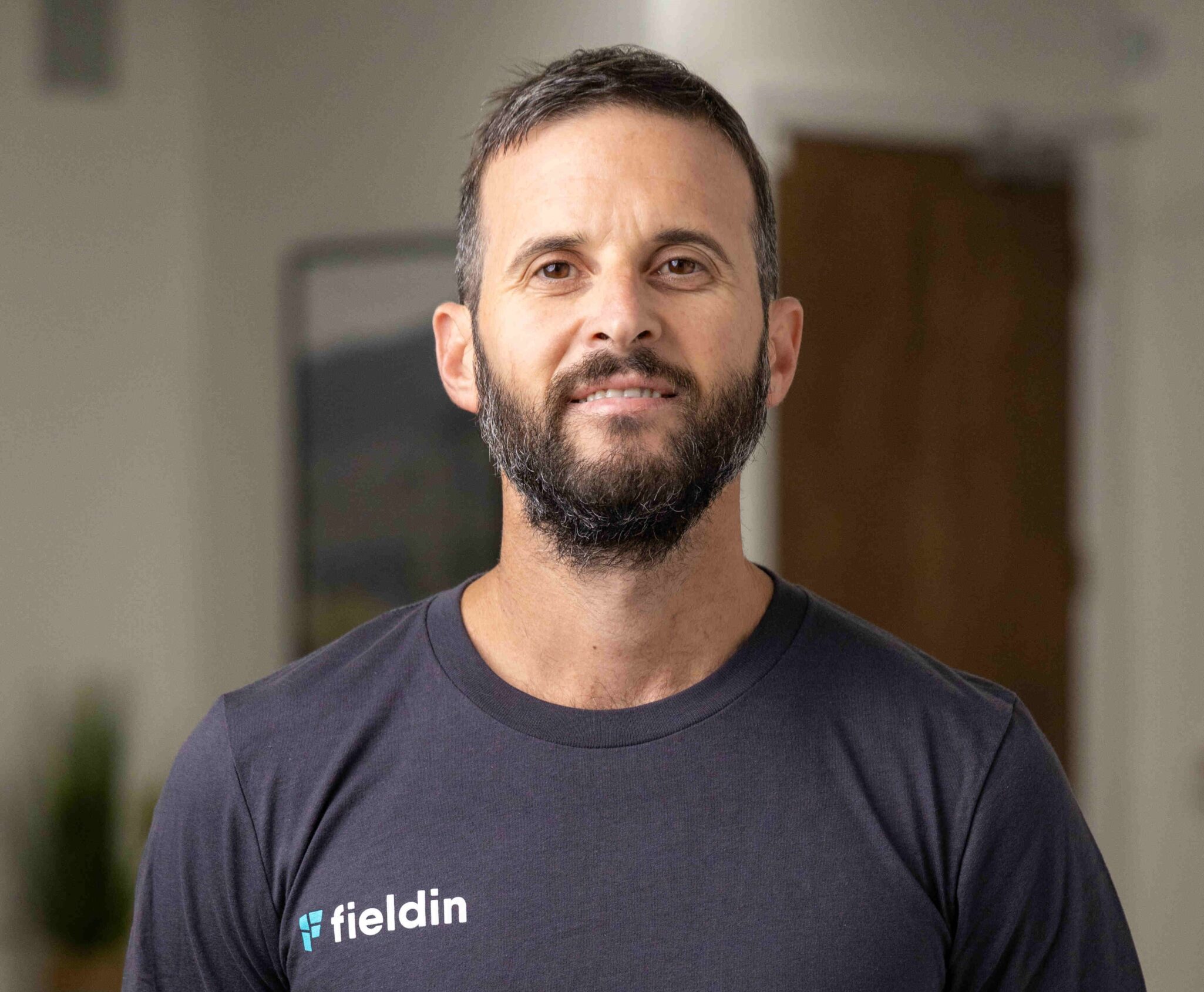
Iftach Birger Is Teaching Farms to See the Work
Raised in a farming family and trained as a plant scientist, Fieldin’s co-founder spent a decade turning tractors, sprayers and field crews into readable operations. Now, as CEO, he is betting that useful farm AI begins with earning the grower’s trust.
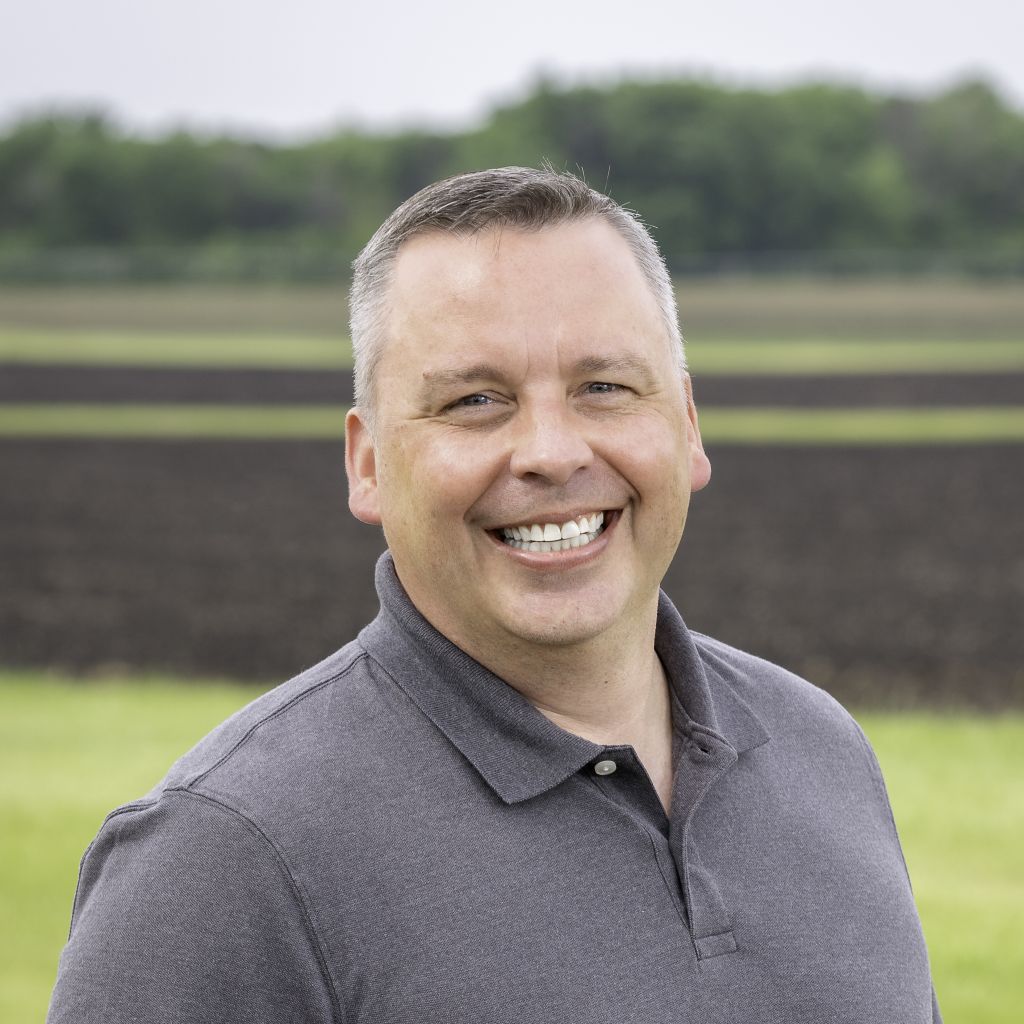
Nick Iwig Is Moving Seed Treatment to the Last Responsible Moment
After a career that ran from a Wisconsin malt house to soybean strategy and seed-treatment sales, the Iowa founder is betting that one of farming’s oldest decisions should happen seconds before the seed meets soil.
The Dirt Is Cheap. Proving It Is Not: Yard Stick's Bet on Better Soil Carbon Data
Soil can store carbon, but the proof has been slow, costly and easy to distrust. Yard Stick is building the measurement layer that tells carbon-project developers and food companies whether the dirt is actually doing what the spreadsheet promised.

The Tiny Iowa Company Putting Seed Treatment on the Planter - One Zone at a Time
POP-ST moves a century-old farm input decision from the seed plant to the planter. With patents, field trials, and partners ranging from ALMACO to TeeJet, Inflexion Point Technologies is trying to make every treatment earn its place in the row.
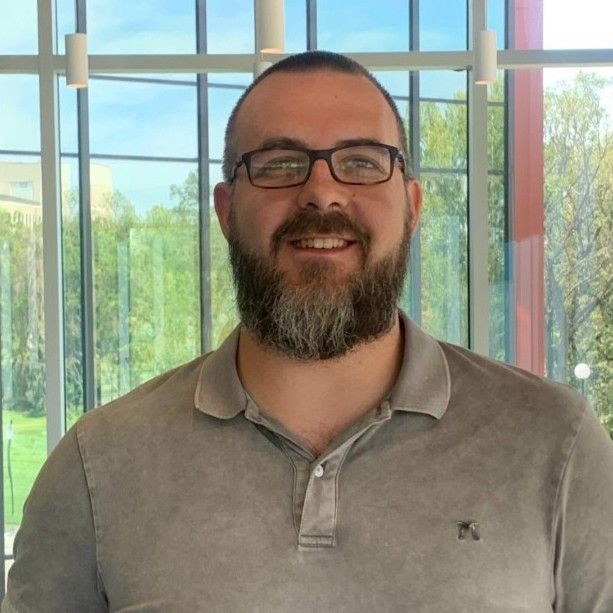
Daniel McCann Is Teaching Farm Machinery to See Every Plant
A houseplant taught his computer vision system to recognize green. A Saskatchewan upbringing supplied the larger question: could machines make a decision for every plant in a field?
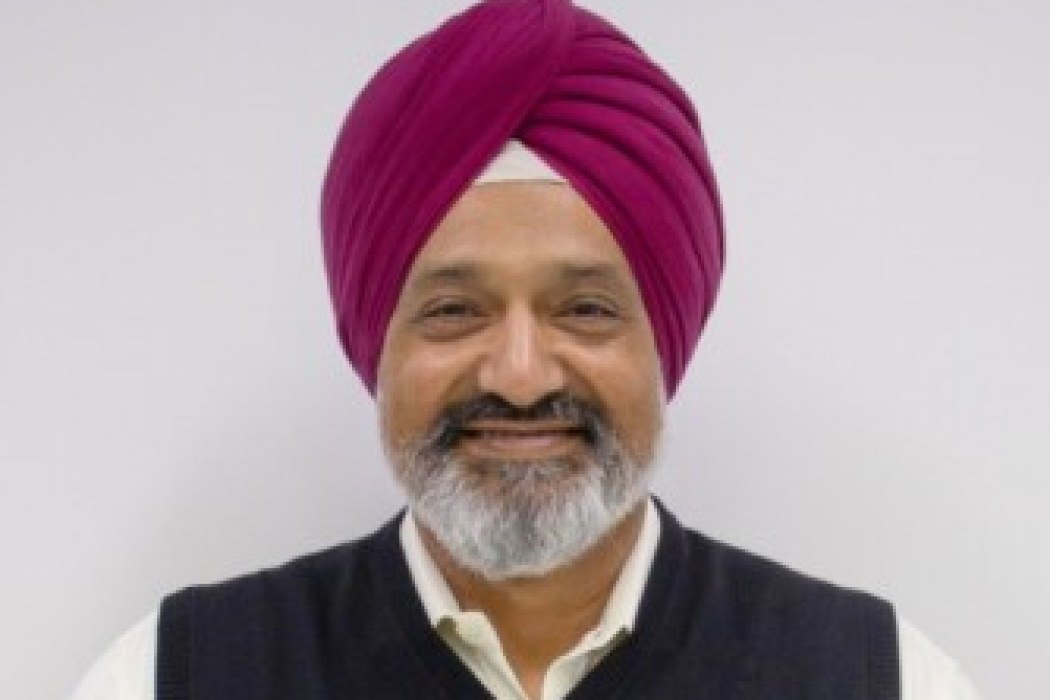
Sumer Johal
Sumer Johal is a technology executive and entrepreneur with more than 25 years building digital-first organizations across agtech, bioenergy, semiconductors, financial services, and consumer retail. He grew up in a farming family in Punjab, India, studied computer science and electrical engineering at MIT, and has spent the past decade focused on food and agriculture. He founded the food-industry big-data company Agralogics, launched and led AgStack at the Linux Foundation, ran the precision-agriculture company Semios (which rebranded as Almanac), and became CEO of Full Harvest, the B2B produce marketplace, as it moved into AI-driven agentic orchestration for the food supply chain.

AEssenseGrows
AEssenseGrows is a Silicon Valley precision AgTech company that builds automated aeroponic 'SmartFarm' platforms for commercial indoor growers. Founded in 2014 by Robert Chen, the company pairs its AEtrium aeroponic hardware with Guardian Grow Manager software and Aerix LED lighting to deliver zero-pesticide, sensor-controlled cultivation - claiming up to 40% faster plant growth and repeatable, data-logged 'grow recipes' for cannabis and fresh-produce producers worldwide.
Arable
Arable is a San Francisco-based agricultural technology company that builds solar-powered, in-field IoT sensors and a cloud analytics platform to give growers real-time crop intelligence. Its flagship Arable Mark device measures more than 40 weather, plant, soil and irrigation metrics from above the crop canopy, and machine-learning models turn that data into decisions on irrigation, crop stress and yield. Deployed across roughly 19 countries, six continents and more than 20 crop types, Arable serves customers from Driscoll's and Treasury Wine Estates to Valley Irrigation.

Fieldin
Fieldin is a US-Israeli agtech company building a smart farming operations platform for large, high-value crop growers - the people who run California's almond orchards, lettuce fields and vineyards. It stitches together IoT sensors, mobile apps, a cloud control center and, since acquiring Midnight Robotics, retrofit autonomy kits that turn ordinary tractors into self-driving machines. The pitch: connect every spray, harvest and tractor pass to real-time data so growers can cut costs, prove compliance and eventually take the driver out of the cab.

Precision AI
Precision AI is a Canadian-American agricultural technology company building autonomous, AI-guided aerial sprayers that identify and treat individual weeds at broad-acre scale. Its flagship Stratus AirSprayer pairs onboard computer vision with a powered flexwing airframe to spray herbicide plant-by-plant, aiming to cut chemical use by up to 95% while keeping yields intact. Founded by three-time entrepreneur Daniel McCann, the company is backed by more than $16M in funding from investors including At One Ventures, BDC Capital, Farm Credit Canada and Cooperative Ventures (CHS and GROWMARK).
Solena
Solena is an agricultural biotechnology company that reads the microbiome of farm soil the way a doctor reads a blood panel. Farmers mail in a soil sample; Solena sequences the DNA of the microbes living in it, scores the soil's biological health with its MISS index, and its Prometheus platform turns that data into AI-driven prescriptions for what to apply, when, and how much. The goal is fewer synthetic inputs, healthier soil, better yields, and eligibility for carbon and regenerative-agriculture incentives.
Verdant Robotics
Verdant Robotics is a Hayward, California agtech company building AI-driven precision farming robots. Its flagship SharpShooter is a tractor-pulled implement that uses computer vision and a bank of aiming nozzles to treat individual plants - weeding, thinning, fertilizing and spraying with millimeter accuracy - instead of blanketing whole fields. The pitch to growers of high-value specialty crops like carrots, lettuce and onions: cut chemical inputs by more than 96%, reduce hand-weeding costs, and collect plant-level data along the way. Founded in 2018 and led by roboticist Gabe Sibley, the company raised a $46.5M Series A in 2022 and commercially launched the SharpShooter in 2024.
FarmQA, Inc.
FarmQA is a Fargo, North Dakota software company that builds a connected digital-agronomy platform for the people who advise farmers. Its mobile scouting app and web console let agronomists and crop consultants scout fields, coordinate soil sampling, plan fertility, and write variable-rate prescriptions from one system. Founded in 2015 out of a conversation between farm-equipment maker Howard Dahl and Appareo founder Barry Batcheller, FarmQA now manages roughly 37 million acres for more than 500 organizations and closed a $4M seed round in 2025.

Neuralzome Cybernetics
Neuralzome Cybernetics is a Bengaluru-based deeptech startup building teachable, no-code AI agents that let ordinary off-road vehicles drive themselves through messy, GPS-denied places like orchards, farms and job sites. Its flagship autonomy stack, NeuralPilot, fuses vision, SLAM and GPS with a layered safety system and learns from human demonstration, while its RedPill simulator trains robots on photorealistic digital twins before they ever touch dirt. Founded in 2023 by Mohan Sivam and Aditya Shriwastava, the company sells autonomy as a service to labor-intensive industries and raised $2.4M in pre-seed funding in August 2025 to expand into North America and Europe.
TerraBlaster
TerraBlaster is a California agtech startup building a rugged, tractor-mounted soil sensor that reads nitrogen, phosphorus, potassium, pH and other nutrients in real time using Laser-Induced Breakdown Spectroscopy (LIBS) - the same laser technique NASA uses on Mars rovers, licensed from St. Louis deep-tech firm Impossible Sensing. Led by CEO Jorge Heraud, who previously co-founded Blue River Technology (acquired by John Deere for $305M), the company aims to replace slow, sparse lab soil sampling with instant, plant-level nutrient maps so farmers can apply exactly the right amount of fertilizer - cutting waste, boosting yields, and protecting waterways.
Brendan Dowdle
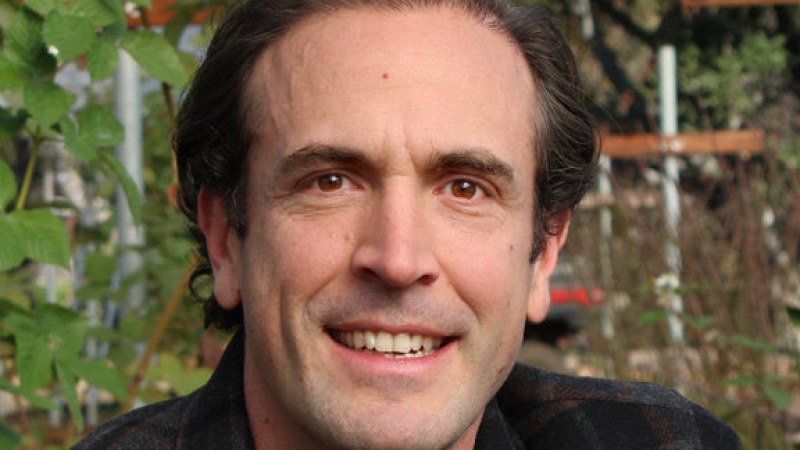
Brendan Dowdle is the Chief Business Officer of Bonsai Robotics, a Silicon Valley company building vision-based autonomy software for agriculture. He arrived there in 2025 when Bonsai acquired farm-ng, the modular farm-robot maker he ran as CEO. Dowdle grew up in an agricultural family across Southeast Asia, watched his agronomist father work the ground, and spent a decade building computer-vision and robotics companies before turning that toolkit on farming. He co-founded Arraiy (acquired by Matterport, where he later helped scale the services business through IPO), holds an MBA from Stanford, and now argues that the future of farming will be driven by intelligence, not iron.

James Paterson
James Paterson is the co-founder and CEO of Aerobotics, a Cape Town-based precision agriculture company that turns drone and satellite imagery into AI-powered, tree-by-tree insights for fruit and nut growers. Raised on a family citrus farm and trained as a mechatronics engineer at the University of Cape Town before a masters at MIT, Paterson pairs first-hand farming instinct with aerospace-grade robotics. Since founding Aerobotics with Benji Meltzer in 2014, he has grown it into a global player that now analyzes a large share of the Florida citrus crop and has raised roughly $30 million, insisting the company is 'a farming company, enabled by technology' rather than a tech company that dabbles in farming.
Jorge Heraud
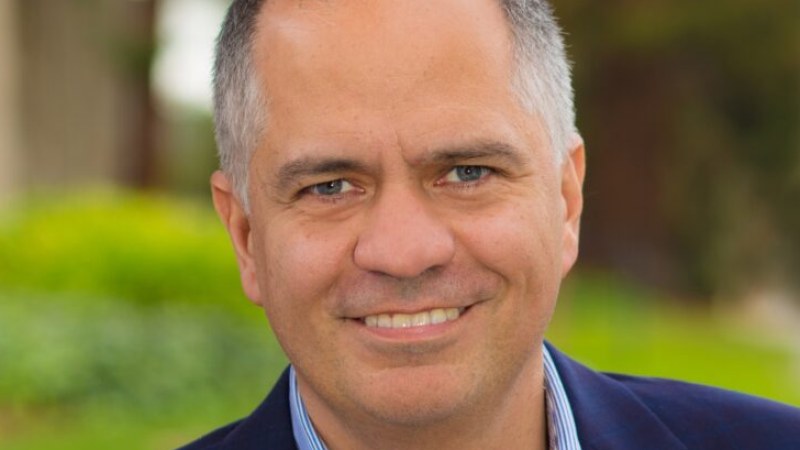
Jorge Heraud is a Peruvian-born engineer and serial agtech founder who co-founded Blue River Technology — sold to John Deere for $305 million in 2017 — and is now CEO of TerraBlaster, a Redwood City startup using NASA-pioneered laser spectroscopy to give farmers real-time soil nutrient data, aiming to cut fertilizer waste and transform how agriculture feeds the world.
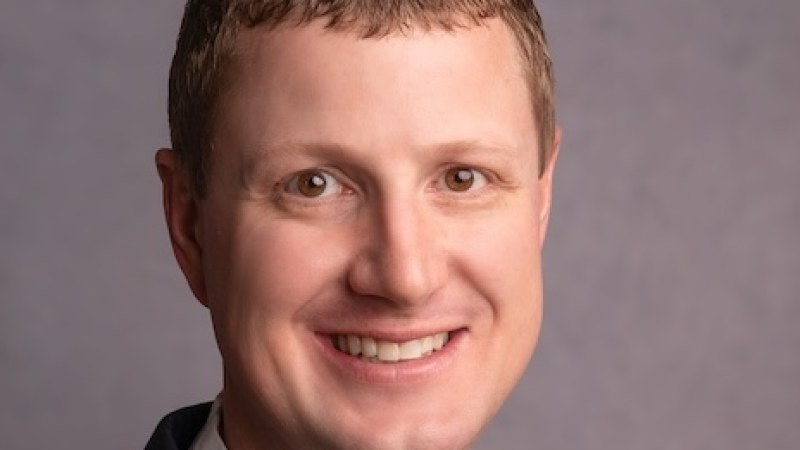
Kris Poulson
Kris Poulson is the CEO of FarmQA, a Fargo-based digital agronomy platform that helps growers and crop advisors manage scouting, soil sampling, and prescription writing. He co-founded Sentera (acquired by John Deere in 2025), where he helped drive 1800% revenue growth and an expansion into 50+ countries. He grew up on a family farm near Casselton, North Dakota, and chairs the NDSU Agricultural Economics Advisory Board.
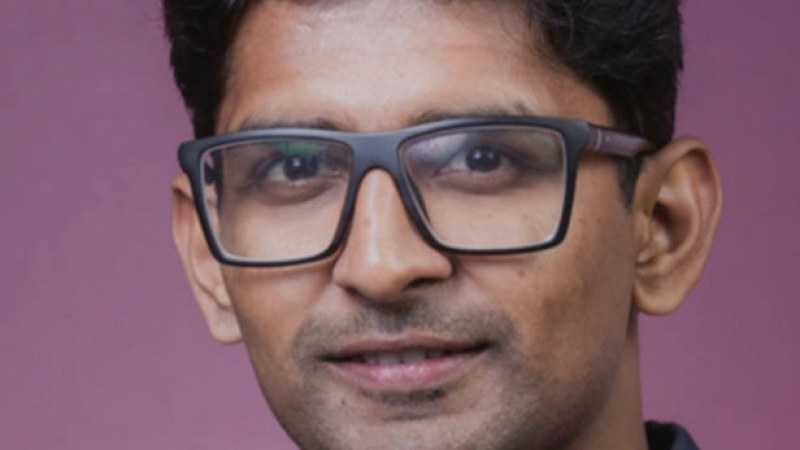
Mohan Sivam
Mohan Sivam is the founder and CEO of Neuralzome Cybernetics, a Bengaluru deeptech startup teaching robots to drive themselves across orchards, farms and job sites no GPS map can describe. His pitch is deceptively plain: robots should learn by watching a human do the job once, not by waiting on a team of PhDs to code every turn. Neuralzome's NeuralPilot autonomy stack, RedPill simulation engine and rugged Jeeno platform aim to put off-road robots to work where labor is scarce and the terrain is unforgiving. In August 2025 the company raised $2.4M in pre-seed funding led by 8X Ventures. A serial builder who previously co-founded Flo Mobility and ran GAMASOME, Sivam describes his mission with a phrase that sticks: making robots sentient.