patient-safety
(34)
AvaSure and the art of being in twelve places at once
A hospital camera is only as useful as the person who answers it. AvaSure has built a business around that small, expensive truth - and is now trying to connect the whole room.
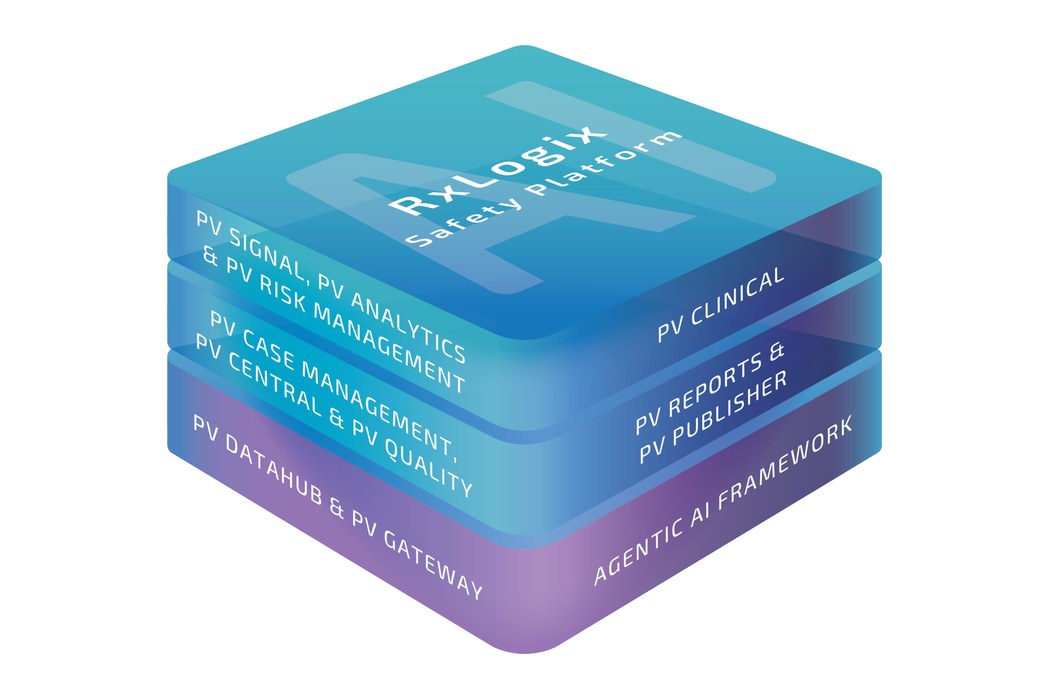
RxLogix and the Trouble Between the Boxes
Drug safety has a paperwork problem with human consequences. RxLogix is betting that connecting the work matters as much as automating it.
FDB and the art of saying less
The company behind medication checks has learned a useful lesson: a warning earns its place by knowing when to stay quiet. Now FDB is taking that idea from drug databases into prescribing networks and AI.
Elevate Healthcare and the patient who can try again
A simulated patient can survive a bad decision. Elevate Healthcare builds the bodies, software and rehearsal rooms that help clinicians learn from one before the stakes become real.
Liang Lin Built a Company Around the Point of Risk
He began with safety syringes in Shanghai and ended up running two companies on opposite sides of the needle. Liang Lin's career is a study in turning an overlooked clinical object into a global operating system.
The NHS has good ideas. South London’s HIN helps put them to work.
From faster wound healing to diabetes classes that understand the dinner table, Health Innovation Network South London tackles the awkward distance between a promising idea and everyday care.
Qinecsa wants drug safety out of the inbox
A medicine’s success can bury its maker in safety reports. Qinecsa has bought and built a business around getting those reports into useful shape - and giving specialists more time to read the warning signs.
Ashtons wants to retire the paper drug chart
The Brighton pharmacy business bundles prescribing software with the people who check the prescriptions. Its rollout across 53 Priory sites shows what that combination can do - and how much work sits behind the screen.
RLDatix Had 500,000 Users and a 1.3-Star Problem - Then It Started Listening
The healthcare-software roll-up had scale, a sprawling product estate and a workforce app customers disliked. Its repair job offers a useful lesson: fix service first, put engineering on the loudest pain, and earn the right to sell the bigger platform story.
Relias Built a Healthcare Software Business From Everyone's Least Favorite Task
Mandatory training is easy to dismiss until an audit, a staffing gap, or a preventable error arrives. Relias has spent more than a decade turning that administrative burden into a healthcare workforce platform used by millions of caregivers.
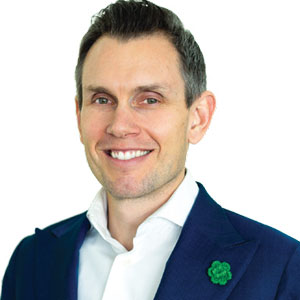
Nick Luekenga Built a Company Around the Signal Nobody in the Operating Room Could Afford to Miss
A surgeon's discomfort became an operator's question: what if the nervous system could speak more clearly during surgery? Two decades later, Luekenga is still building around that answer.
The Company That Refuses to Let a Surgeon Fly Blind Through Your Nervous System
For twenty years, one Las Vegas-founded company has been the second set of eyes in thousands of operating rooms - watching the nerves surgeons can't see and sounding the alarm before a slip becomes a lifelong deficit.
Hospitals Bought the AI. Ferrum Health Is Selling the Part That Makes It Work.
Clinical algorithms were multiplying while hospital adoption stayed stuck. Ferrum built the missing last mile - one private route to deploy many models, test them on local patients, and keep watching after launch.
The Hospital Network Betting That Great Care Can Stay Close to Home
Lifepoint Health has grown from 23 community hospitals into a coast-to-coast care network. Its wager is simple to describe and difficult to execute: give smaller markets the infrastructure of a national system without asking patients to leave home for care.
The Hospital's Most Important Robot Might Be a Locked Drawer
Omnicell began with a father watching nurses hunt for supplies in a hospital. Three decades later, it is trying to make every medication drawer, robot and pharmacy workflow behave like one connected system.

3Analytics
3Analytics is building the quiet machinery behind safer drugs and devices - software that reads the literature, watches for warning signals and helps regulated teams act before a data problem becomes a patient problem.
Regard
Regard is a New York-based healthcare AI company that builds a clinical insights platform acting as an AI co-pilot for physicians. It reviews the full electronic health record - not just the sliver of chart data doctors typically read - to proactively surface likely diagnoses and draft near-complete clinical documentation before a patient is seen. Used by clinicians across 150+ hospitals, Regard aims to reduce missed diagnoses, ease documentation burden, and recover otherwise-lost hospital revenue.
Nervio
Nervio is an Israeli-American digital health company building AIM, an AI-powered intraoperative neuromonitoring (IONM) system that turns raw surgical signal data into real-time alerts and recommendations. Founded in 2020 by brothers Dr. Omer Zarchi and Nir Zarchi, the company aims to prevent avoidable paralysis and nerve injury during spine and neurosurgery at a time when the number of surgeries is climbing and the pool of expert neurophysiologists is shrinking. Nervio operates from Nashville, Tennessee with an R&D center in Israel, and its technology has been developed with input from dozens of neurophysiologists across more than 1,000 surgical cases.

Pascal Metrics
Pascal Metrics is a Washington, DC and Austin-based healthcare data analytics company that turns real-time electronic health record data into clinically validated adverse-event outcomes. As a U.S.-certified Patient Safety Organization (PSO #0047), it operates the Pascal Platform - anchored by trigger-based surveillance and machine-learning models - to help hospitals and health systems detect, predict, and reduce preventable patient harm. Founded in 2007 and named after Blaise Pascal, the 'founder of risk management,' the company claims one of the largest validated adverse-event outcomes datasets in the world.
SpecialtyCare
SpecialtyCare is the largest U.S. provider of outsourced operating-room clinical services - perfusion, ECMO, intraoperative neuromonitoring (IONM), autotransfusion, surgical assist, and sterile processing. Based in Brentwood, Tennessee, its clinicians stand shoulder-to-shoulder with surgeons in more than 1,200 hospitals across 45+ states, supporting roughly 500,000 surgeries a year and building one of healthcare's deepest procedural datasets to make surgery safer and more cost-effective.
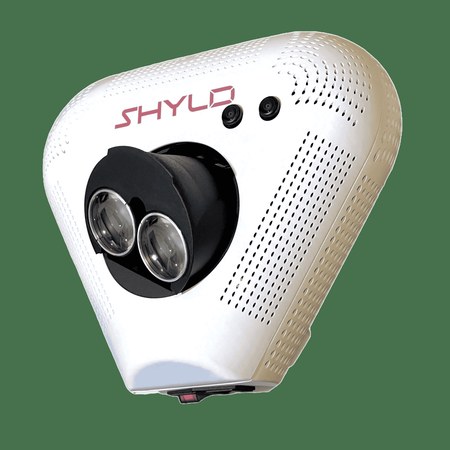
Shyld AI
Shyld AI builds autonomous, edge-native devices that watch hospital rooms with computer vision and sensors, then fire targeted UV-C light to kill pathogens the moment a room is empty or a high-touch surface is used. Founded by brothers Mohammad and Morteza Noshad, the Silicon Valley company sells an 'Active AI' platform to U.S. health systems that has shown a 93% reduction in environmental contamination in a peer-reviewed Stanford study.
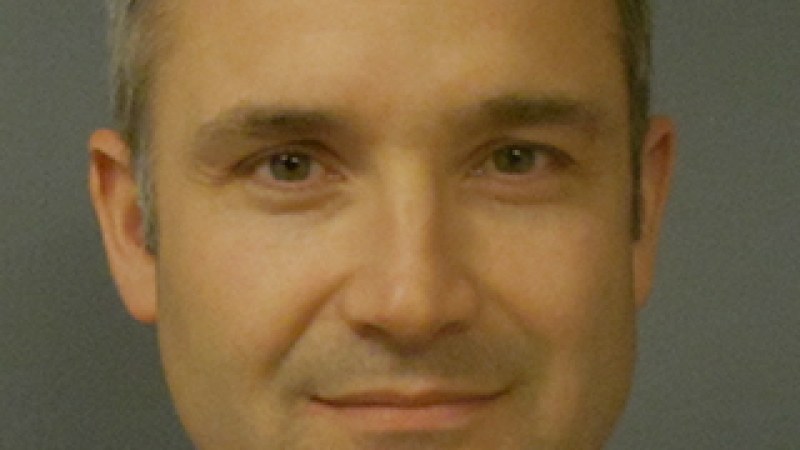
Drew Ladner
Drew Ladner is the founding Chairman and CEO of Pascal Metrics, a Washington, D.C. and Austin-based patient safety company that uses real-time EHR data, clinically validated adverse-event outcomes, and machine learning to catch preventable harm in hospitals before it compounds. Since 2007 he has built Pascal into a U.S.-certified Patient Safety Organization serving hundreds of healthcare systems worldwide, with clients identifying roughly 10x more serious harm than legacy methods. Before healthcare, he was CIO of the U.S. Treasury's $2.6 billion IT organization, a general manager at open-source pioneer JBoss, and an operator across Netscape, AOL Time Warner, and microfinance in East Africa. He holds an MBA from Harvard, an MA in theology from Oxford, and a BSFS from Georgetown.
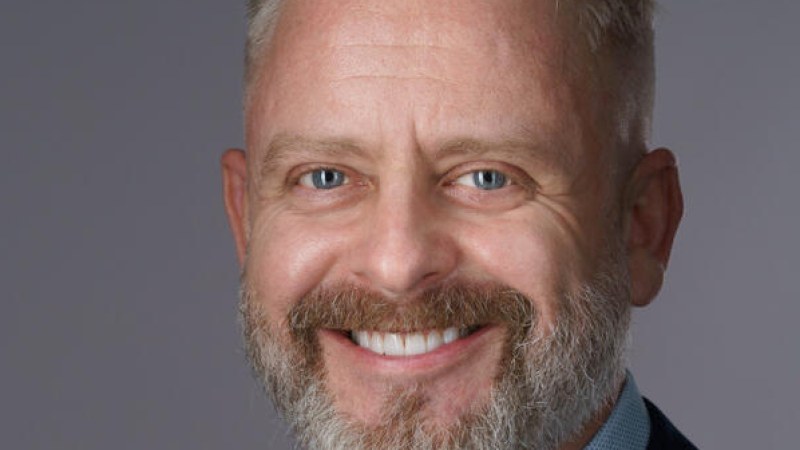
Rich Vogel
Rich Vogel is the US CEO of Nervio, an Israeli HealthTech startup building the first AI platform designed specifically for intraoperative neurophysiological monitoring (IONM). A board-certified neurophysiologist with PhDs in both neuroscience and psychology, Vogel is a two-time elected president of the American Society of Neurophysiological Monitoring (ASNM) and one of the most widely recognized voices in the field. He has given more than a thousand talks across clinical, academic, and professional audiences, and now leads Nervio's push to turn raw streams of surgical brain-and-spine signals into real-time alerts that help operating-room teams catch neurologic risk earlier.
Sebby Borriello
Sebby Borriello is a pharmaceutical and medical-device commercialization veteran with 30-plus years of go-to-market leadership. After 25 years at Johnson & Johnson across wound management, biosurgery and aesthetics, he helped turn South Korea's SK Life Science from an R&D-only shop into a fully integrated US pharma company, leading the 2020 launch of its first FDA-approved drug, the epilepsy treatment XCOPRI. He later advised and joined Carmell Therapeutics as Chief Business Officer, and today serves as Executive Vice President and Chief Commercial Officer at MIDAS Healthcare Solutions, a New York startup tackling medication diversion and drug-waste accountability through its MidasVIEW platform and Anytime Witness video-verification technology.
Alara Imaging
Alara Imaging is a San Francisco healthcare technology company building a private compute platform for radiology. Its flagship product, the Alara Medical Imaging Gateway, is edge-orchestration software that sits inside a hospital and moves imaging data securely and bidirectionally between facilities and the cloud. Founded out of UCSF research, Alara serves as a CMS measure steward, giving health systems a HITRUST-certified, HIPAA- and SOC 2-compliant way to calculate and report new radiology quality measures - including a CMS-endorsed measure to standardize CT radiation doses and reduce avoidable cancer risk.
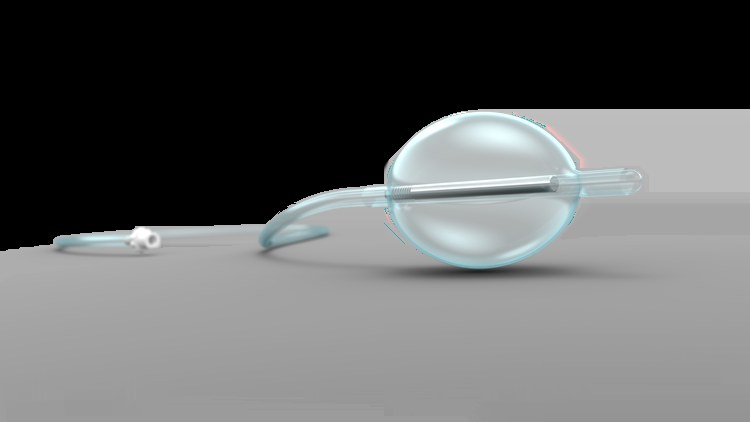
CoapTech
CoapTech is a Baltimore-based medical technology company that built the world's first ultrasound-guided gastrostomy system. Its FDA-cleared PUMA-G System lets bedside clinicians place feeding tubes using only ultrasound imaging and a patented magnet-aligned catheter, replacing procedures that traditionally required an operating room, endoscopy, or interventional radiology. The approach aims to make feeding-tube placement faster, safer, and cheaper, and has been used in more than 1,000 patients across ICUs, step-down units, and long-term acute care hospitals.
MIDAS Healthcare Solutions, Inc.
MIDAS Healthcare Solutions builds technology that makes the disposal of leftover controlled substances in hospitals visible, verifiable and traceable. Its flagship system, MIDAS VIEW, combines a secure workstation, 360-degree video capture, AI-driven verification and chemical neutralization to close one of the quietest gaps in the fight against drug diversion and the opioid epidemic. Founded in 2017 by pharmacist Michael LaFauci, the New York-based company turns an untraceable, honor-system process into a documented, auditable record.
Vocera Communications, now part of Stryker
Vocera Communications builds the hands-free, voice-controlled communication tools that hospitals use to connect care teams in real time. Founded in 2000 and inspired by the Star Trek communicator badge, Vocera's wearable Badge and Smartbadge, plus its Vina app and Engage intelligent-workflow platform, let clinicians reach a colleague by name, role, or group with a single voice command. Used in roughly 2,300 facilities worldwide and integrated with more than 150 clinical and operational systems, Vocera went public in 2012 (NYSE: VCRA) and was acquired by medical-technology giant Stryker in February 2022 for about $3.09 billion, where it now anchors Stryker's digital care coordination portfolio.
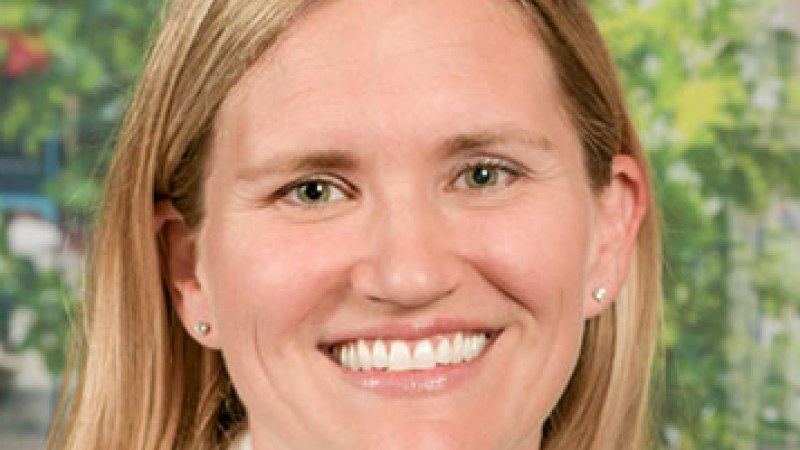
Patricia "Trish" Henwood
Patricia "Trish" Henwood, MD, FACEP is an emergency physician who runs quality and safety across an 18-hospital system as Executive Vice President and Chief Clinical Officer of Jefferson Health in Philadelphia. Before the C-suite, she carried a portable ultrasound probe into an Ebola treatment unit in Liberia and built training programs that put imaging in the hands of clinicians in Rwanda, Uganda, Tanzania and beyond. She founded the nonprofit PURE to bring point-of-care ultrasound to resource-limited settings, published her bedside Ebola work in the New England Journal of Medicine, and now applies the same systems thinking to closing care gaps for vulnerable populations at home.
William Gilbert
William Gilbert is a senior healthcare executive associated with Regional Medical Center of San Jose, the East San Jose hospital long operated within HCA Healthcare's Good Samaritan Health System. His LinkedIn profile lists CEO-level leadership at the medical center, an institution known for its Level II trauma program, comprehensive stroke designation, STEMI receiving status and Leapfrog top-quartile patient safety recognition.